Top 3 Caves around Wissous
Caves around Wissous primarily refer to man-made underground structures and historical sites rather than natural geological formations within the town itself. While Wissous does not feature natural caves, the surrounding region offers unique underground experiences. These include historical sites and shelters that provide insight into the area's past. The area near Wissous, located in the Île-de-France region, offers opportunities to explore these distinctive subterranean features.
Best caves around Wissous
- The most popular caves is Catacombs of Paris, a historical…
Last updated: May 10, 2026
Catacombs of Paris
Highlight • Historical Site
Translated by Google •
Tip by

Souvenir store, Paris catacombs
Highlight • Cave
parismalanders.com/der-ungewoehnliche-souvenir-shop-der-pariser-katakomben
Translated by Google •
Tip by

Sign up now to discover places like this
Get recommendations on the best single tracks, peaks, & plenty of other exciting outdoor places.
Sign up for free
Parc des Grottes
Highlight • Structure
Translated by Google •
Tip by

Stone Shelter on Rue Léon Mignotte
Highlight • Cave
Translated by Google •
Tip by

Underground Shelter
Highlight • Structure
Translated by Google •
Tip by

Start today with a free account
Your next adventure awaits.
Login or Signup

Tips from the Community

Cultural Products: In addition to souvenirs and books, the counter sells various cultural products such as documentary DVDs, films inspired by the Catacombs, and collectibles related to Parisian heritage. More contemporary objects, such as clothing or accessories with the image of the Catacombs, are also available to visitors. Artisanal Objects: The Comptoir des Catacombes highlights artisanal creations related to the world of the Catacombs, such as sculptures and handmade decorative objects, often inspired by the shapes and textures found in the ossuary. Why visit the Comptoir des Catacombes? Extend the Visit Experience: After exploring the underground galleries, the Comptoir des Catacombes allows you to take home a souvenir of this unique experience, whether in the form of thematic objects or enriching documentation. Delve into the History of Paris: This is an ideal place to deepen your historical knowledge and discover fascinating works on underground Paris. Crafts and Culture: The counter offers a selection of craft and cultural items that will appeal to history buffs as well as those looking for an original souvenir. In short, the Comptoir des Catacombes is an essential stop for anyone who wants to extend their immersion in the mysterious world of the Catacombs of Paris.
3
0
Le Comptoir des Catacombes is the official shop associated with the visit to the Catacombs of Paris. Located at the exit of the site, in the 14th arrondissement, this counter offers a selection of souvenirs, books and objects related to the history and mysterious world of the Catacombs. Points of Interest: Thematic Souvenirs: Le Comptoir des Catacombes offers a wide range of items related to the Catacombs and Parisian history. You will find objects inspired by the ossuary, such as miniature replicas of skulls, themed jewelry, postcards, and artistic posters representing the underground galleries. These souvenirs allow you to extend the experience of the visit and take away a symbolic piece of this emblematic place in Paris. Books and Documentation: The shop also offers a wide selection of books and guides on the history of the Catacombs, the Parisian quarries, as well as on the management of death in Paris throughout the centuries. Historical and scientific works rub shoulders with novels and essays on underground urban planning and cataphiles. It is an ideal place to deepen your knowledge of the Catacombs and discover fascinating stories about the history of this underground network.
3
0
Unique Atmosphere: The catacombs, plunged into constant darkness, exude a mysterious and sometimes gloomy atmosphere. This place, although austere, attracts visitors fascinated by its unique atmosphere, where the history of Paris and Parisians is literally written in stone and bones. The oppressive silence and humid conditions of the basement reinforce the singular character of the visit, offering an immersive experience in the underground history of the capital. Symbol of Death and Memory: The catacombs are also a place of reflection on death and memory. Many famous people have been buried here, although their remains are anonymous and mixed with those of thousands of others. This site is a striking reminder of equality in the face of death, a theme often explored in literary and artistic works inspired by the catacombs. Technical and Underground Aspect: Beyond the ossuary, the network of galleries of the old quarries, although inaccessible to the general public, is explored by cataphiles (amateur explorers of the underground of Paris). Some of these galleries contain ancient frescoes and sculptures made by quarry workers. Exploring the underground of Paris is an adventure for those interested in the technical and geological aspects of the city, because the quarries played an essential role in the urbanization of Paris.
2
0
The Catacombs of Paris are an impressive underground network, famous for housing the bones of several million Parisians. Located beneath the city, these former stone quarries were transformed into an ossuary at the end of the 18th century to solve the problem of the capital's overcrowded cemeteries. Points of Interest: Origins and History: The catacombs were originally underground quarries that were used to extract stone for the construction of Parisian buildings. They extend for approximately 300 kilometers beneath the city, although only a small portion is open to the public. In 1786, due to the health risks associated with overcrowded cemeteries, particularly that of the Saints-Innocents, the authorities decided to transfer the bones to these underground galleries. This is how the Catacombs of Paris became a huge ossuary. The Ossuary: The public entrance to the catacombs is in the 14th arrondissement of Paris, near Place Denfert-Rochereau. Visitors descend about 20 meters underground, to access a network of galleries where the bones of nearly 6 million people are stored. The bones are carefully arranged along the walls, forming intricate and striking patterns. Skulls and femurs are artistically stacked, creating an atmosphere that is both solemn and fascinating. There are also engraved inscriptions that recall the ephemeral nature of life.
2
0

underground shelter, very dark, avoid going down there. Barrier with sign “Danger – entry prohibited”
1
0
underground shelter, very dark inside and not recommended to enter = danger
2
0

A veritable underground labyrinth in the center of Paris, the Catacombs have been accessible to the public since 1806. These are old quarries which house the largest ossuary in the world, the result of the transfer of the contents of several Parisian cemeteries. All information on visits here: https://parisjetaime.com/culture/catacombes-de-paris-p3536.
0
0

The Paris Catacombs bookstore is located at the end of the underground route. There, visitors can find souvenirs related to this impressive place, such as caps and mugs with the Catacombs logo. If you have the opportunity to visit them, don't hesitate to explore this fascinating network of underground tunnels! 😊
11
2
Frequently Asked Questions
Are there natural caves in Wissous?
No, Wissous itself does not feature natural geological caves. The term "caves" in this region primarily refers to man-made underground structures, historical sites, and shelters.
What are the most popular underground sites to visit near Wissous?
The most popular underground site is the Catacombs of Paris, a vast ossuary housing millions of human skeletons. Another notable spot is Parc des Grottes, which features small man-made caves within a pleasant park setting.
Are there any family-friendly underground attractions near Wissous?
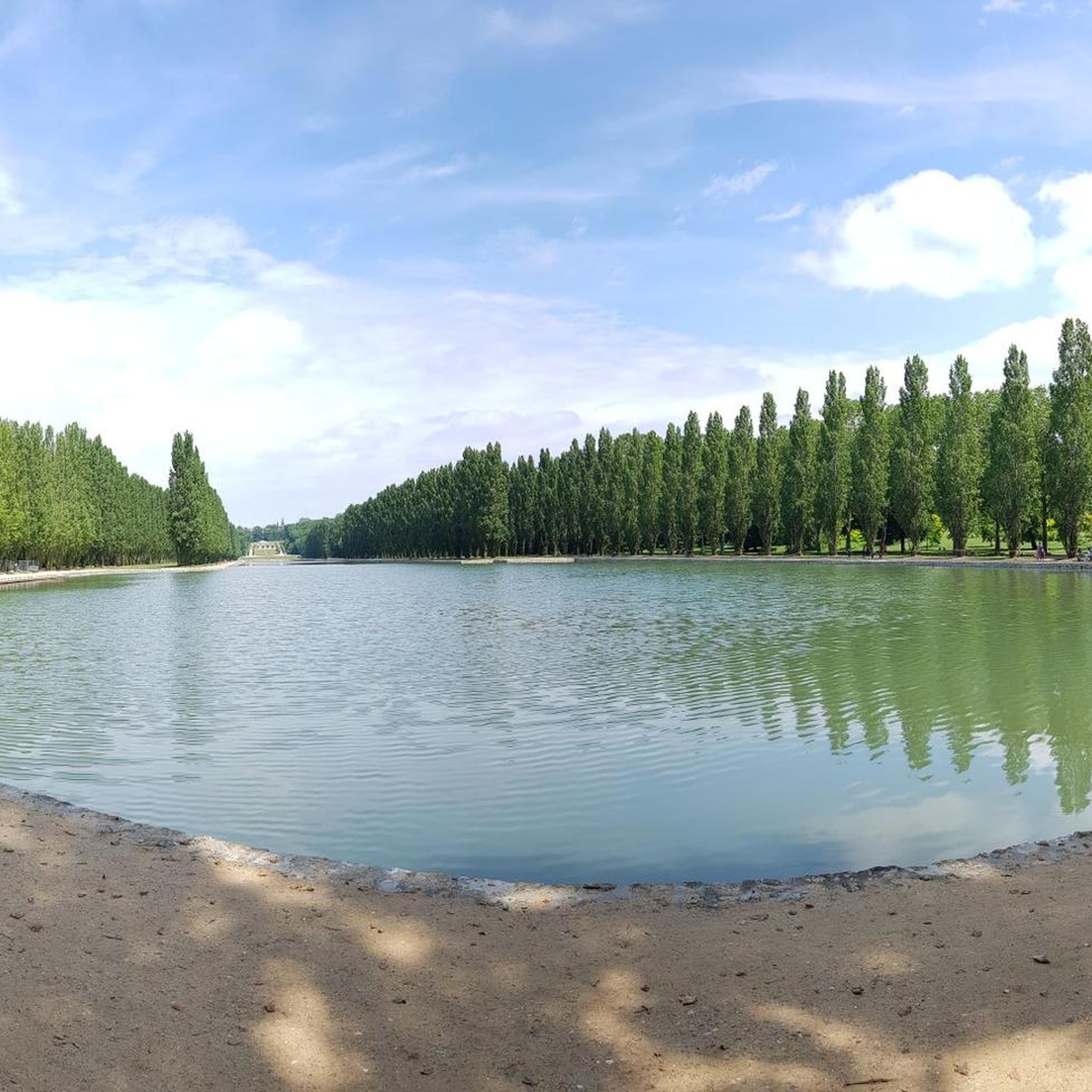
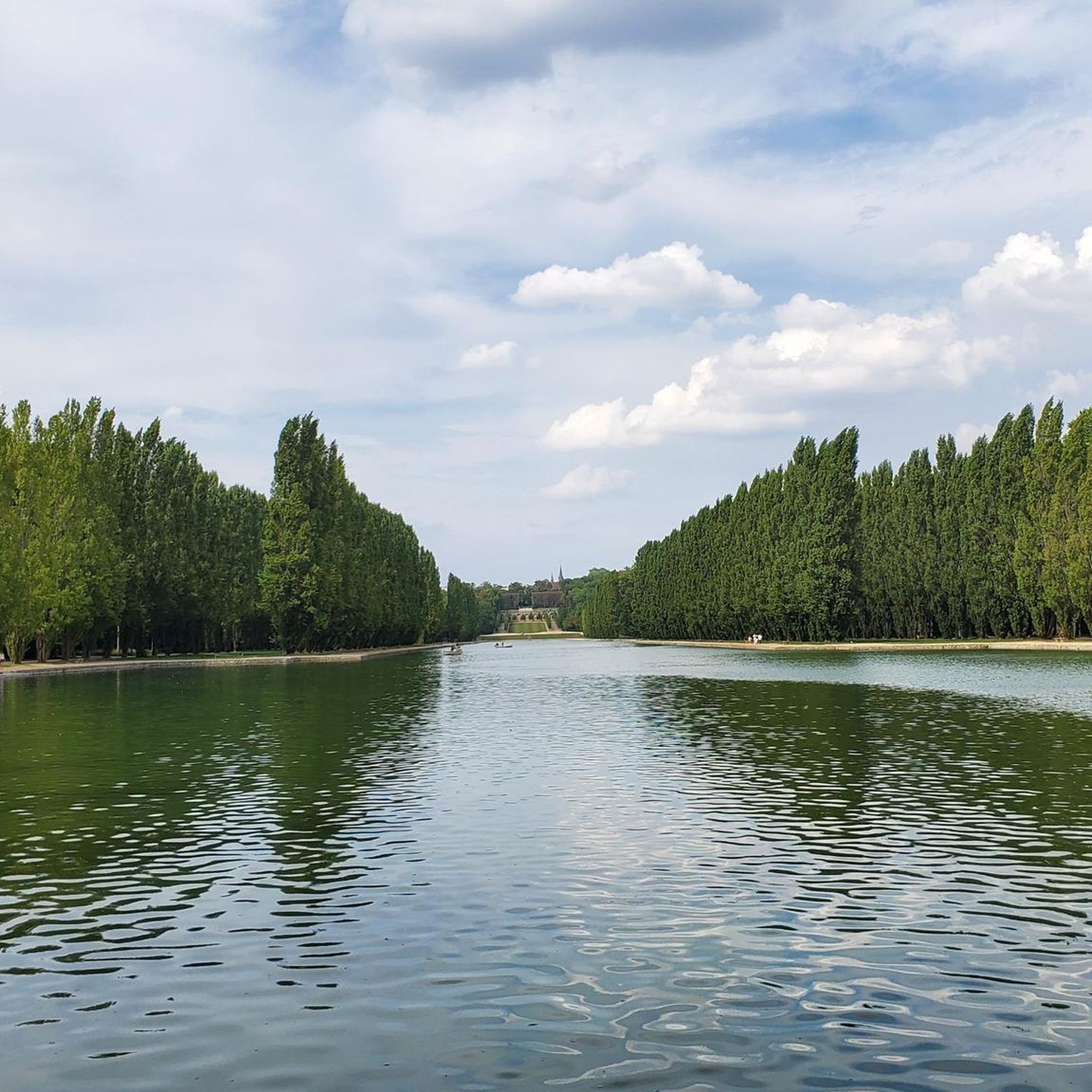
Yes, Parc des Grottes in Juvisy-sur-Orge is considered family-friendly. It offers a pleasant park environment with small man-made caves and a lake, providing a peaceful stop for visitors of all ages.
What historical underground sites can be found around Wissous?
The Catacombs of Paris are a significant historical site, originally Roman-era limestone mines that later became an ossuary. Additionally, the Stone Shelter on Rue Léon Mignotte is another historical man-made cave shelter in the area.
Do I need to buy tickets or permits to visit these underground sites?
For the Catacombs of Paris, it is highly recommended to buy tickets online in advance, as this can significantly reduce waiting times and cost. Other sites like Parc des Grottes typically do not require tickets for entry.
What is the best time to visit the underground attractions near Wissous?
As most of the notable sites are indoors or underground, they can be visited year-round. However, visiting during off-peak hours or weekdays can help avoid crowds, especially at popular attractions like the Catacombs.
Are there any dangerous or restricted underground areas?
Yes, there is an Underground Shelter that is very dark inside and not recommended for entry due to danger. There is a barrier with a sign indicating "Danger – entry prohibited." It's crucial to respect such warnings for safety.
What outdoor activities can I do near these underground sites?
The area around Wissous offers various outdoor activities. You can find numerous cycling routes, including options for touring bicycles and road cycling, as well as running trails. For more details, explore the Cycling around Wissous or Running Trails around Wissous guides.
Are there any historical water management systems in Wissous?
Historical information indicates that the Romans once captured water at Wissous for an aqueduct that supplied Lutèce (ancient Paris). While not conventional 'caves,' this suggests the presence of historical underground water management systems in the area.
What kind of geological features can I expect to see around Wissous?
Given the absence of natural caves, you won't find karst formations or typical cave geology. Instead, the region's underground features are primarily man-made, often carved into limestone, reflecting historical quarrying and construction rather than natural geological processes.
How can I get to the Catacombs of Paris from Wissous?
The Catacombs of Paris are accessible via public transport from Wissous. You can typically take a combination of local transport to reach the Paris metro system, which has a station (Denfert-Rochereau) directly at the Catacombs entrance.
Most popular routes around Wissous
Most popular attractions around Wissous

Get inspired with the komoot mobile app


Explore more
Extend your search for the best caves by checking out these guides of the top ones around Wissous:
