Top 3 Lakes around Pléneuf-Val-André
Best lakes around Pléneuf-Val-André, a coastal resort in Brittany, France, is primarily known for its extensive sandy beaches and marine environments. While traditional freshwater lakes are not a primary feature, the area offers unique water bodies such as tidal lagoons and former quarry lakes. These natural sites provide opportunities for nature observation and coastal walks. The region's landscape is characterized by its proximity to the sea, offering diverse natural experiences.
Best lakes around Pléneuf-Val-André
- The most popular lakes is View…
Last updated: August 16, 2026
View of the Plurien lagoon
Highlight • Viewpoint
Translated by Google •
Tip by

Great Blue Lake
Highlight • Lake
Translated by Google •
Tip by

Sign up now to discover places like this
Get recommendations on the best single tracks, peaks, & plenty of other exciting outdoor places.
Sign up for free
Lagune de Plurien
Highlight • Natural
Translated by Google •
Tip by

Lagoon of Sables-d’Or-les-Pins
Highlight • Beach
Translated by Google •
Tip by

East Side of Lower Étang de Pont Neuf
Highlight (Segment) • Lake
Translated by Google •
Tip by

Start today with a free account
Your next adventure awaits.
Login or Signup
Popular around Pléneuf-Val-André

Other adventures around Pléneuf-Val-André

Tips from the Community

Close your eyes and go for it 😉
0
0
Not ideal for cycling when it's too heavy to carry
0
0

Here, the cliffs have changed dramatically. For over a century, pink sandstone was extracted here to pave the streets of major cities. Today, the old quarries have given way to these blue lakes.
0
0

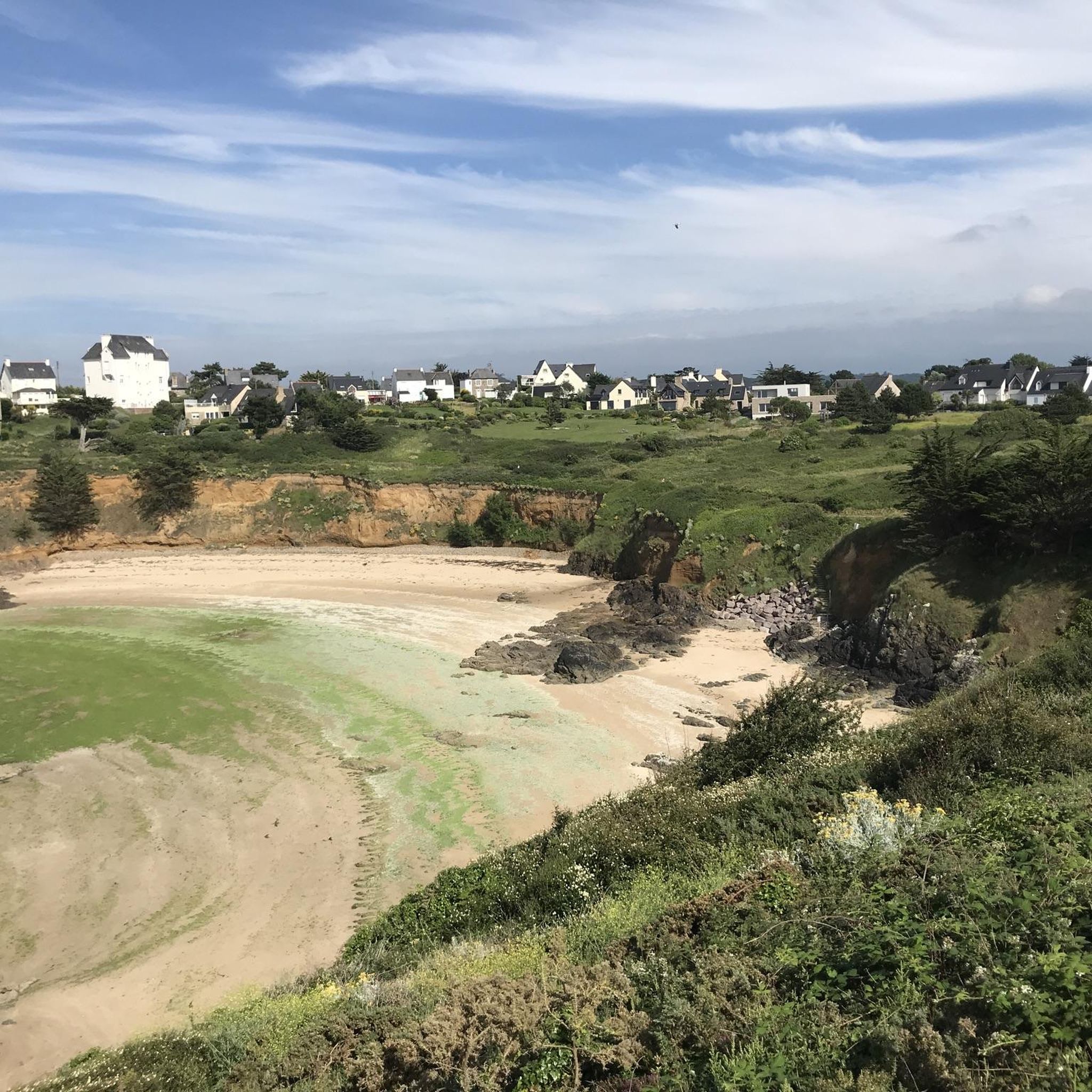
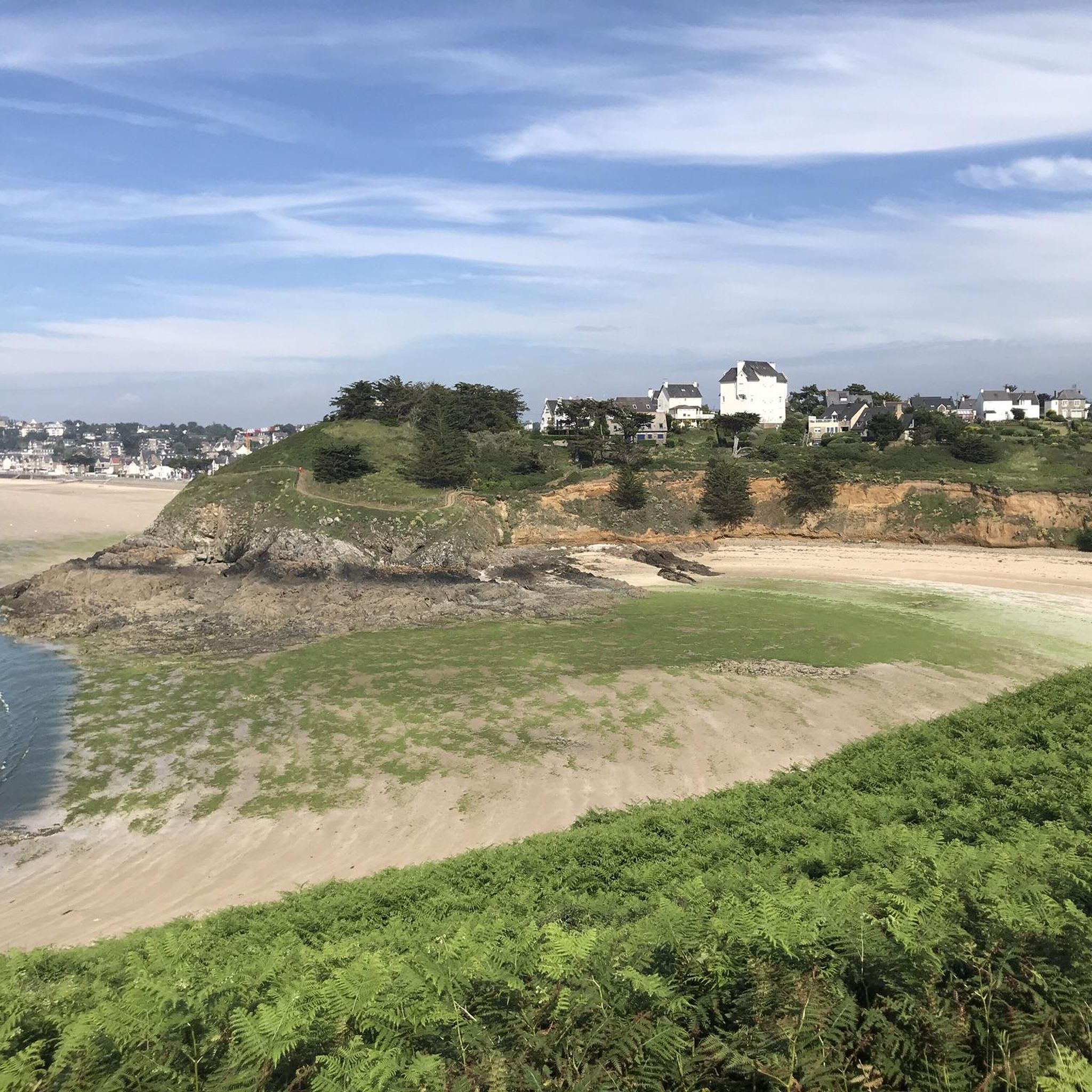
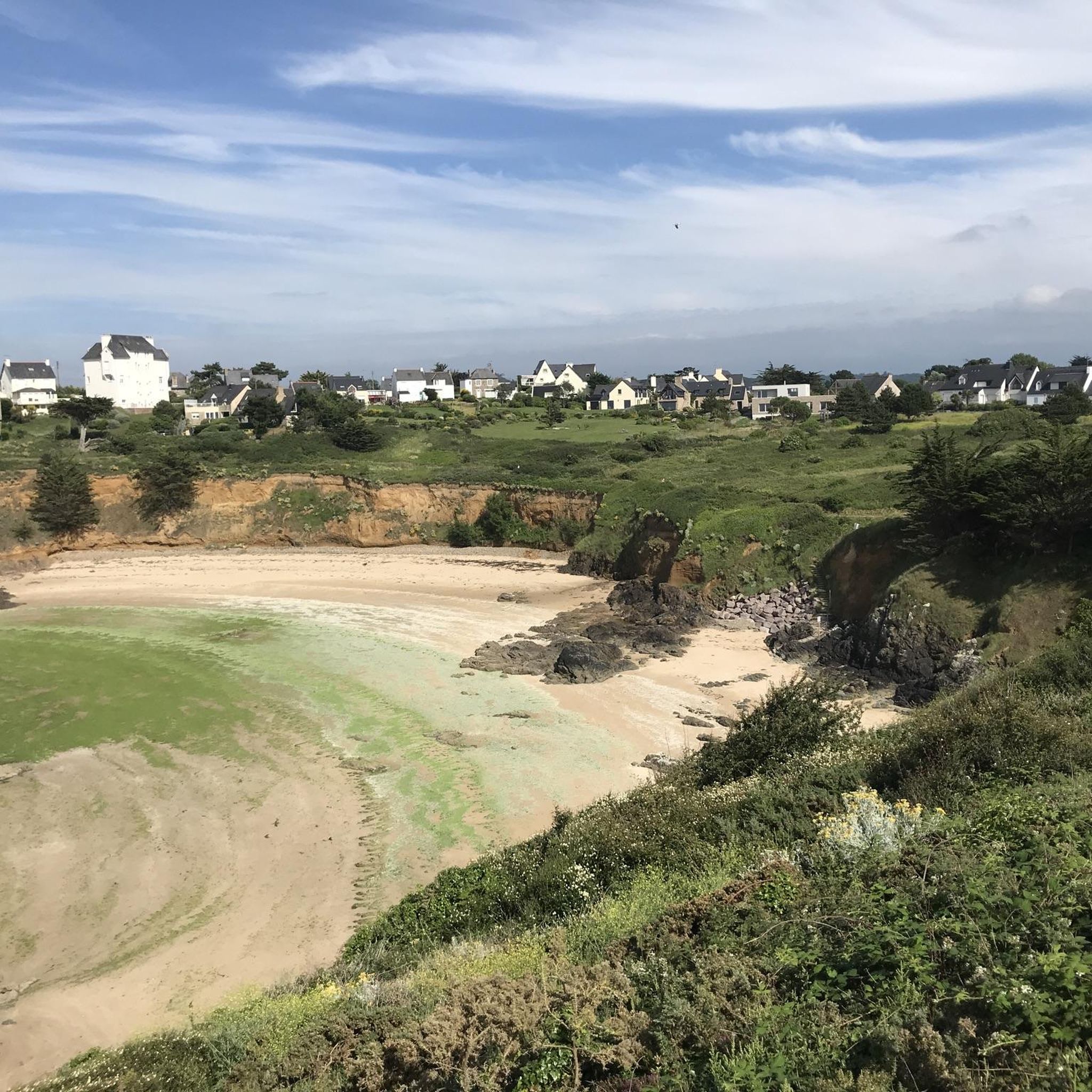
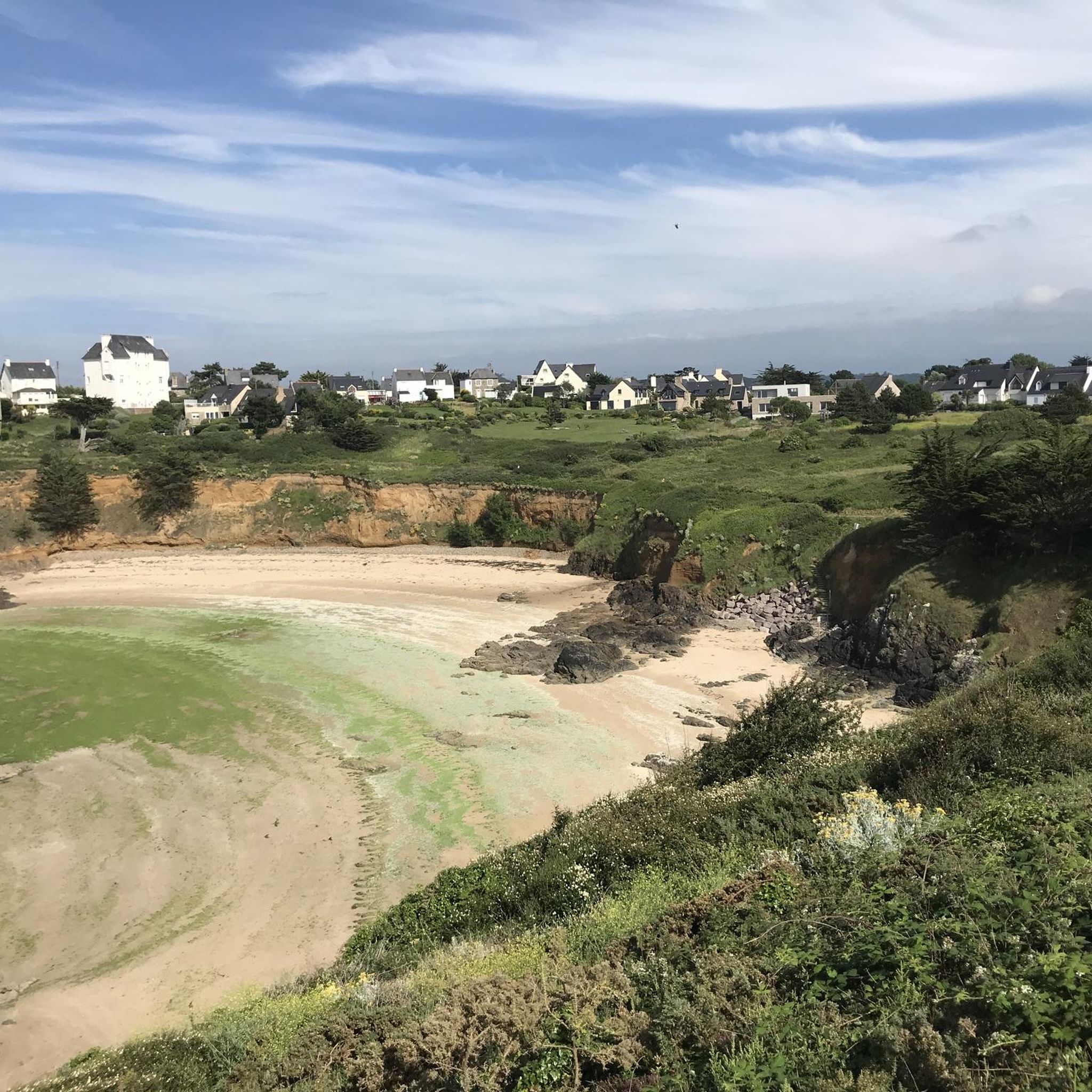
The Plurien lagoon, also called the Salines marsh, is a superb hiking spot. At high tide, you can observe lush vegetation composed of obione, samphire and sea lavender with pink flowers. At low tide, gulls, egrets and curlews come to feed and rest. A true natural paradise that will delight lovers of observing animal and plant species.
0
0


The Sables-d’Or-les-Pins lagoon is considered by many to be the most beautiful in Brittany. This vast dune complex shaped by the elements is bathed in a true monochrome of colors. Swimming or contemplation, you will be delighted whatever happens.
0
0

Excellent off-road cycle route along the estuary, with a promenade, observatories, and a bridge crossing the small stream reserved for walkers and cyclists.
0
0
Frequently Asked Questions
What kind of 'lakes' can I expect to find around Pléneuf-Val-André?
Pléneuf-Val-André is primarily a coastal region, so you'll find unique water bodies rather than traditional inland freshwater lakes. These include tidal lagoons, marsh ecosystems, and former quarry lakes. They offer diverse natural settings, from coastal wetlands to distinctive geological formations.
Are there any family-friendly lake areas near Pléneuf-Val-André?
Yes, several areas are suitable for families. The View of the Plurien lagoon and Lagune de Plurien are family-friendly spots for nature observation. The Lagoon of Sables-d’Or-les-Pins is also family-friendly, offering opportunities for swimming and contemplation amidst a vast dune complex.
Can I bring my dog to the lake areas around Pléneuf-Val-André?
Yes, the View of the Plurien lagoon is noted as dog-friendly, making it a great spot to explore with your canine companion. Always ensure dogs are kept on a leash where required and respect local regulations.
What natural features can I observe at the Plurien Lagoon?
The Plurien lagoon is a marsh ecosystem that lives to the rhythm of the tides. You can observe lush vegetation like obione, samphire, and sea lavender. At low tide, it's a natural paradise for birdwatching, with gulls, egrets, and curlews coming to feed and rest.
What is the 'Great Blue Lake' and where is it located?
The Great Blue Lake is one of two lakes formed from a disused pink sandstone quarry near Cap d'Erquy, a short distance from Pléneuf-Val-André. For over a century, pink sandstone was extracted here, and today the old quarries have transformed into these distinctive blue lakes, surrounded by heathland.
Are there hiking trails near these lake areas?
Yes, there are several hiking opportunities. The GR®34 coastal path crosses the wooden bridge at the Plurien Lagoon, leading to sandy beaches and pink sandstone cliffs. Near the Great Blue Lake, you can follow the 'les plages sauvages' signpost from Cap d'Erquy for a scenic trek through heathland. For more hiking options, explore the hiking guide around Pléneuf-Val-André.
What outdoor activities can I do near the lakes around Pléneuf-Val-André?
Beyond exploring the unique lake environments, the coastal setting offers numerous activities. You can enjoy hiking along the GR®34, running on coastal trails, or road cycling through scenic routes. For detailed routes, check out the hiking, road cycling, and running guides for the area.
Is there parking available at the lake locations?
While specific parking details for each 'lake' are not always provided, areas like Cap d'Erquy (for the Blue Lakes) typically have car parks. For the Plurien Lagoon, access points along the GR®34 or nearby villages would likely offer parking options. It's advisable to check local signage upon arrival.
What do visitors enjoy most about the lake areas near Pléneuf-Val-André?
Visitors particularly appreciate the unique natural beauty and tranquility. The Plurien lagoon is loved for its lush vegetation and wildlife observation. The Great Blue Lake offers a fascinating glimpse into the region's quarrying history amidst stunning blue waters. The Lagoon of Sables-d’Or-les-Pins is cherished for its diverse colors and opportunities for swimming or quiet contemplation.
Are there any challenging trails around these water bodies?
While many trails are moderate, some can be more challenging. For example, the trail on the East Side of Lower Étang de Pont Neuf is described as a beautiful, narrow hiking trail with ups and downs, where sturdy shoes and sure-footedness are an advantage due to parts being overgrown and sloping. The GR®34 coastal path can also present varied terrain.
What is the best time of year to visit the lake areas around Pléneuf-Val-André?
The region is beautiful year-round, but spring and summer offer vibrant displays of flora, especially the heathland near the Blue Lakes with heather, broom, and gorse. These seasons are also ideal for coastal walks and enjoying the beaches. Autumn can provide stunning colors and fewer crowds, while winter offers a rugged, serene beauty.
Can I swim in the 'lakes' around Pléneuf-Val-André?
Swimming is possible in some areas, particularly at the Lagoon of Sables-d’Or-les-Pins, which is a beach and dune complex. For other water bodies like the Plurien Lagoon and the Blue Lakes, they are primarily for nature observation and hiking, and swimming may not be permitted or advisable due to their nature as marsh ecosystems or former quarries.
Most popular routes around Pléneuf-Val-André
Most popular attractions around Pléneuf-Val-André

Get inspired with the komoot mobile app


Explore more
Still not found your perfect lake around Pléneuf-Val-André? Check out the guides of these regions to see even more beautiful places.
