Top 6 Castles around Saint-Hilaire-Le-Vouhis
Best castles around Saint-Hilaire-Le-Vouhis offer a glimpse into the region's historical heritage. This area features several historical sites, including manors and castles, some dating back to the 12th century. Visitors can explore a variety of architectural styles and historical periods across the 6 castles available. The landscape provides a setting for discovering these historical structures.
Best castles around Saint-Hilaire-Le-Vouhis
- The most popular castles is Château de la Grève, a castle that dates from the 12th century. It gained importance in the 16th century and was renovated, with parts open during Heritage Days.
- Another must-see spot is Manoir de Ponsay, a 15th-century manor. This historical site comprises 2 pavilions and offers guest rooms.
- Visitors also love Roches Baritaud Castle, a historical site built in the 15th century using 11th-century moats and fortifications. It has historical ties to the Châteaubriand family.
- Saint-Hilaire-Le-Vouhis is known for historical castles, manors, and even castle ruins that now house leisure parks. The area offers a variety of castles to see and explore, reflecting different eras and functions.
- The castles around Saint-Hilaire-Le-Vouhis are appreciated by the komoot community, with 10 upvotes and 6 photos shared.
Last updated: May 9, 2026
Manoir de Ponsay
Highlight • Castle
Part of this manor was burnt down during the vendée wars. Today, the castle offers guest rooms.
Translated by Google •
Tip by

Roches Baritaud Castle
Highlight • Castle
Translated by Google •
Tip by

Sign up now to discover places like this
Get recommendations on the best single tracks, peaks, & plenty of other exciting outdoor places.
Sign up for free
Château de la Grève
Highlight • Castle
Translated by Google •
Tip by
Essarts Castle
Highlight • Castle
Translated by Google •
Tip by
Château de la Bobinière
Highlight • Castle
Translated by Google •
Tip by
Sign up for free to discover even more castles around Saint-Hilaire-Le-Vouhis.
Sign up for free
Already have an account?
Start today with a free account
Your next adventure awaits.
Login or Signup



Tips from the Community

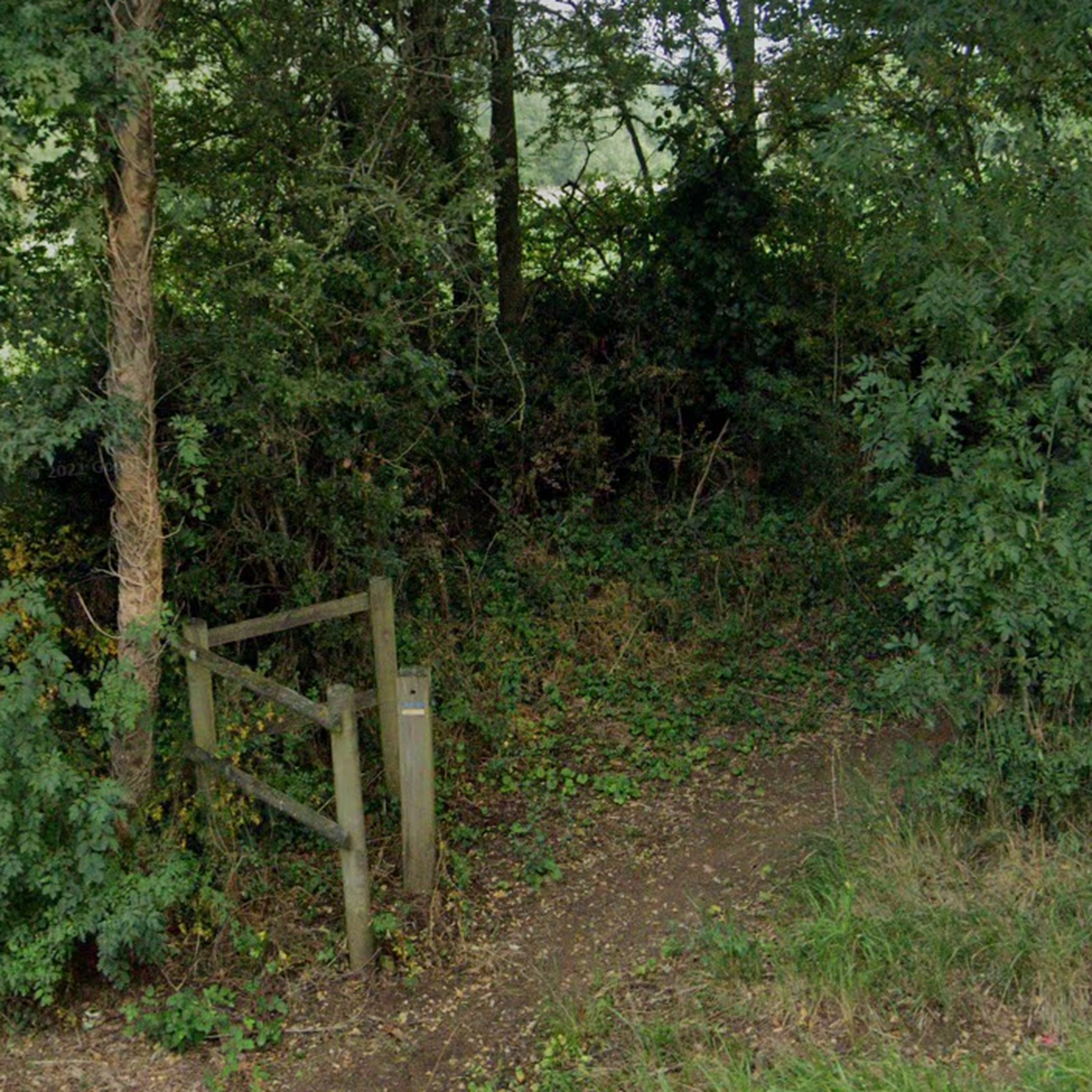
Beautiful historical site right on the hiking trail.
0
0

Renovated castle, to be visited during Heritage Days
0
0

Built in the 15th century, on either side of the old path called "de Charlemagne" which went from Chantonnay to Sigournais. The mansion comprises 2 pavilions 30-40m apart, pierced with vaulted porches and spanning the municipal road. Part of this manor was burnt down during the vendée wars. Today, the castle offers guest rooms.
0
0

This castle dating from the 12th century, gained importance in the 16th century when it experienced its greatest feats of arms, before becoming an agricultural farm in the 19th and 20th centuries.
0
0
Set of ruins of a feudal castle built over several eras, but mainly dating back to the 12th century. It now houses a leisure park.
0
0
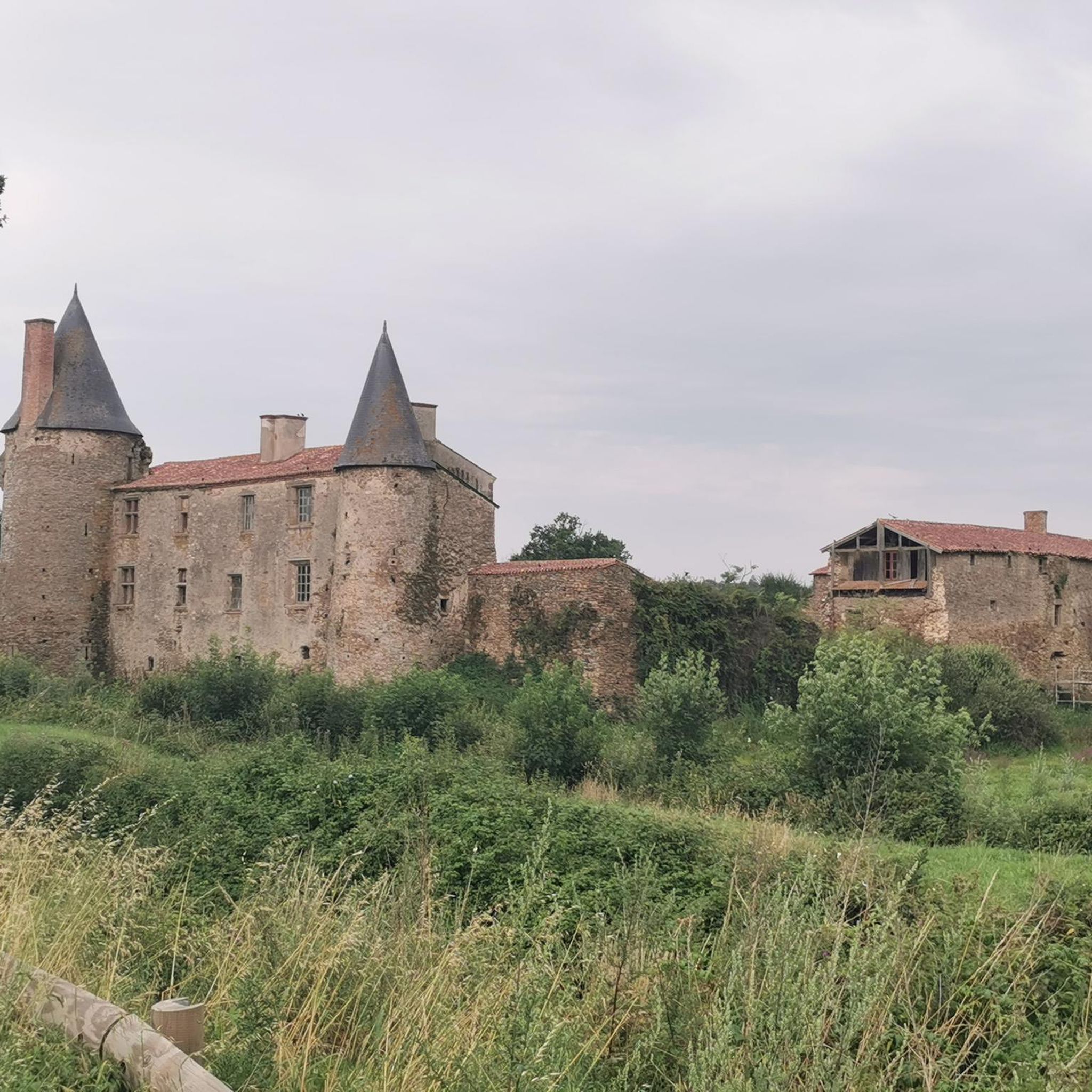
Using moats and fortifications from the 11th century, this castle was built in the 15th century. It has long belonged to the Châteaubriand family from which the famous writer descends. In 1757, the Count of Beauharnais, Joséphine's grandfather, bought the estate, which he sold in 1817.
0
0
At the end of the 19th century, the owners of this estate razed the old house of La Bobinière to build a more comfortable castle. In 1892, Ernest Masson, the owner, very attached to the development of agriculture in his region and founder of several agricultural unions, showed this interest in the outbuildings of his castle. The volumes, materials used and the layout of the buildings represent the perfect example of a model farm.
0
0
Frequently Asked Questions
What historical castles can I visit in Saint-Hilaire-Le-Vouhis and its immediate surroundings?
In Saint-Hilaire-Le-Vouhis itself, the Manoir de la Chevillonnière is a significant 15th-century manor, classified as a Historic Monument. While a private residence, it opens to the public during European Heritage Days, and group visits can be arranged. You can find more details about its historical significance and architecture on culture.gouv.fr. Nearby, you can explore the 12th-century Château de la Grève, the 15th-century Manoir de Ponsay, and Roches Baritaud Castle, which incorporates 11th-century fortifications.
Are there any castles with unique historical connections in the area?
Yes, several castles have notable historical ties. The Manoir de la Chevillonnière was once home to the mother of the famous French poet Pierre de Ronsard. Roches Baritaud Castle has historical links to the Châteaubriand family and was later owned by the Count of Beauharnais, Joséphine's grandfather. The Château de la Bobinière, built in the late 19th century, is a prime example of a model farm, reflecting the owner's dedication to agricultural development.
What is the oldest castle or historical site I can find around Saint-Hilaire-Le-Vouhis?
The Château de la Grève dates back to the 12th century, gaining significant importance in the 16th century. Similarly, Essarts Castle consists of feudal ruins primarily from the 12th century, now housing a leisure park.
Are there family-friendly castles around Saint-Hilaire-Le-Vouhis?
Yes, Essarts Castle is particularly family-friendly as its 12th-century feudal ruins now house a leisure park, offering activities for all ages.
What outdoor activities can I do near these castles?
The region offers various outdoor activities. You can find numerous routes for gravel biking, running, and hiking. For example, there are moderate to difficult gravel biking routes like 'Le Vieux Château – The old railroad loop from Chantonnay' and 'Tomb of Georges Clémenceau – The old railroad loop from Chantonnay'. Running enthusiasts can explore routes around Lac de la Vouraie, and hikers can enjoy trails such as 'Lac de la Vouraie loop from Lac de la Vouraie'. You can explore these and more on the Gravel biking around Saint-Hilaire-Le-Vouhis, Running Trails around Saint-Hilaire-Le-Vouhis, and Hiking around Saint-Hilaire-Le-Vouhis guide pages.
Are there hiking trails near the castles?
Yes, several castles are close to or even on hiking trails. For instance, the Manoir de Ponsay is situated right on a hiking trail. Additionally, you can find a 'Château de la Grève loop from Saint-Martin-des-Noyers' among the running trails, which is also suitable for walking. For more hiking options, check the Hiking around Saint-Hilaire-Le-Vouhis guide.
What is the best time of year to visit castles in the Saint-Hilaire-Le-Vouhis region?
Many historical sites, including the Manoir de la Chevillonnière and Château de la Grève, are open to the public during the European Heritage Days, which typically occur in September. Visiting during this period offers special access to otherwise private or less frequently open sites. Spring and early autumn generally provide pleasant weather for exploring the outdoor grounds and nearby trails.
Are there any castles that offer accommodation or unique experiences?
The Manoir de Ponsay, a 15th-century manor, offers guest rooms, allowing visitors to stay within a historical setting. While not a castle, the Manoir de la Chevillonnière offers a unique glimpse into a beautifully restored private residence during specific open days.
Are there wheelchair accessible castles in the Saint-Hilaire-Le-Vouhis region?
Information on specific wheelchair accessibility for all castles is limited. As many are historic structures, full accessibility can be challenging. It is advisable to contact individual sites directly for the most accurate and up-to-date information regarding accessibility, especially for interior access.
Are there dog-friendly castles near Saint-Hilaire-Le-Vouhis?
Policies regarding dogs vary greatly among historical sites. While some castle grounds or outdoor areas might permit dogs on a leash, access to interiors is generally restricted. We recommend checking with each specific castle or manor directly before your visit to confirm their pet policy.
How long does it typically take to visit a castle in this region?
The duration of a visit can vary. For sites like the Manoir de la Chevillonnière or Château de la Grève, which may offer guided tours or limited access, a visit could range from 1 to 2 hours. If you plan to explore the grounds, nearby trails, or leisure park at Essarts Castle, you might spend half a day or more.
Are there cafes or restaurants near the castles?
While specific cafes or restaurants directly adjacent to every castle are not detailed, the castles are generally located within or near small towns and villages in the Saint-Hilaire-Le-Vouhis region. You will typically find local eateries, bakeries, or cafes in these nearby communities where you can enjoy a meal or a refreshment.
Most popular routes around Saint-Hilaire-Le-Vouhis
Most popular attractions around Saint-Hilaire-Le-Vouhis

Get inspired with the komoot mobile app


Explore more
Looking for the best castles somewhere else? Discover other guides around Saint-Hilaire-Le-Vouhis:
