Top 5 Castles around Lavalette
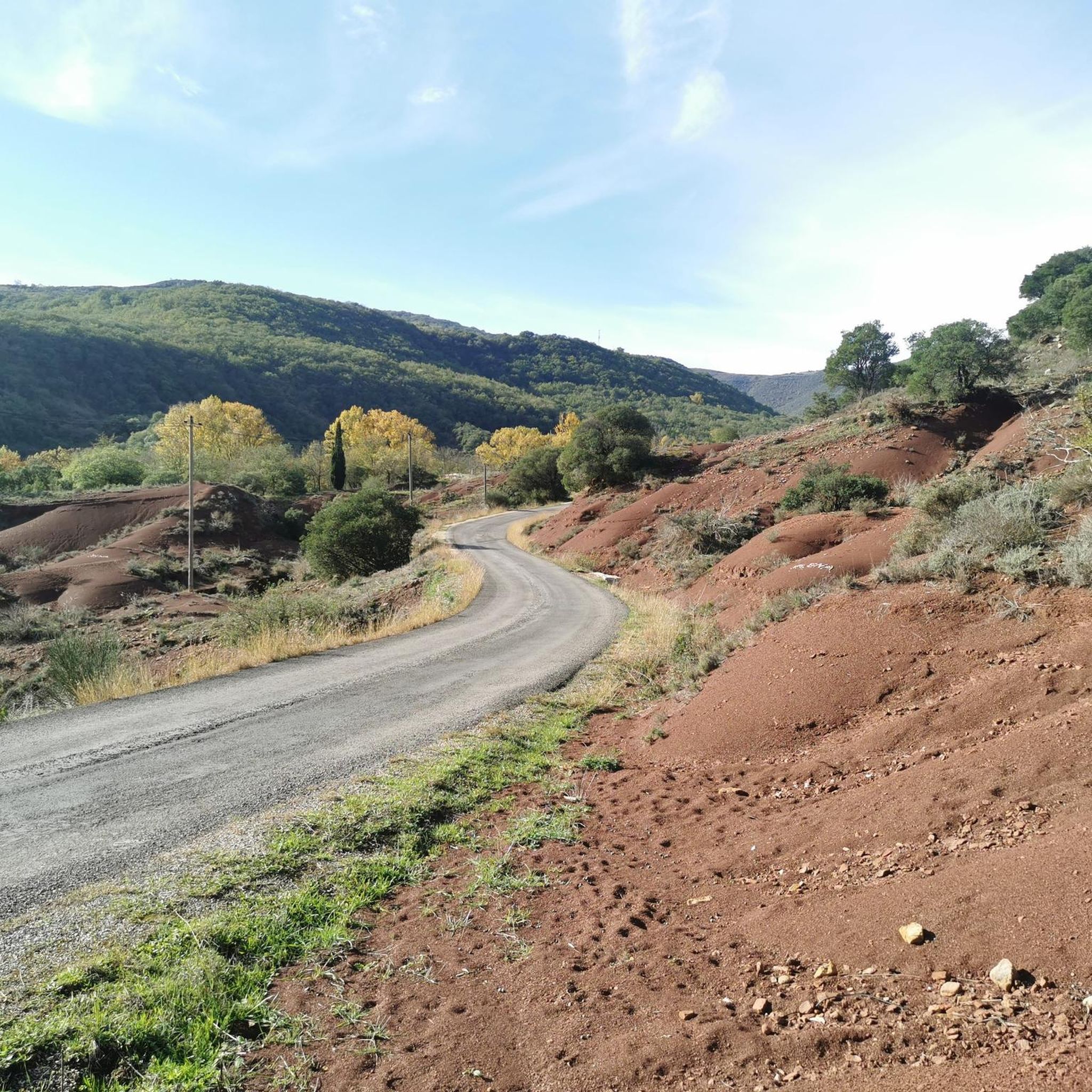
Best castles around Lavalette are found in a region of France known for its diverse landscapes, including red earth formations (ruffes) and historical settlements. This area offers a blend of natural beauty and ancient architecture, with several castles and historical sites integrated into its terrain. The region features picturesque villages, trails, and viewpoints, providing insights into its medieval past. Visitors can explore a variety of historical structures, from well-preserved castles to ancient ruins.
Best castles around Lavalette
- The most popular…
Last updated: October 9, 2026
Château de Pézènes
Highlight • Castle
Showing Translation
Tip by

Lunas
Highlight • Settlement
Translated by Google •
Tip by

Sign up now to discover places like this
Get recommendations on the best single tracks, peaks, & plenty of other exciting outdoor places.
Lauzières Castle ruins
Highlight • Castle
Translated by Google •
Tip by

Fozières Castle
Highlight • Castle
Translated by Google •
Tip by

Château de Dio
Highlight • Castle
Translated by Google •
Tip by

Sign up for free to discover even more castles around Lavalette.
Already have an account?
Start today with a free account
Your next adventure awaits.
Tips from the Community

Located in the Hauts Cantons of the Hérault, at the confluence of the Gravezon, Nize, and Dourdou rivers, Lunas is a charming village that combines history and a gentle way of life. Dominated by the Redondel rock, a former fortified site, it reveals pretty streets, a 17th-century castle, and the Saint-Pancrace church, whose origins date back to the 12th century. Don't miss the Notre-Dame-de-Nize chapel and its famous Fontaine des Yeux (Eyes Fountain), nestled in a peaceful natural setting.
0
0
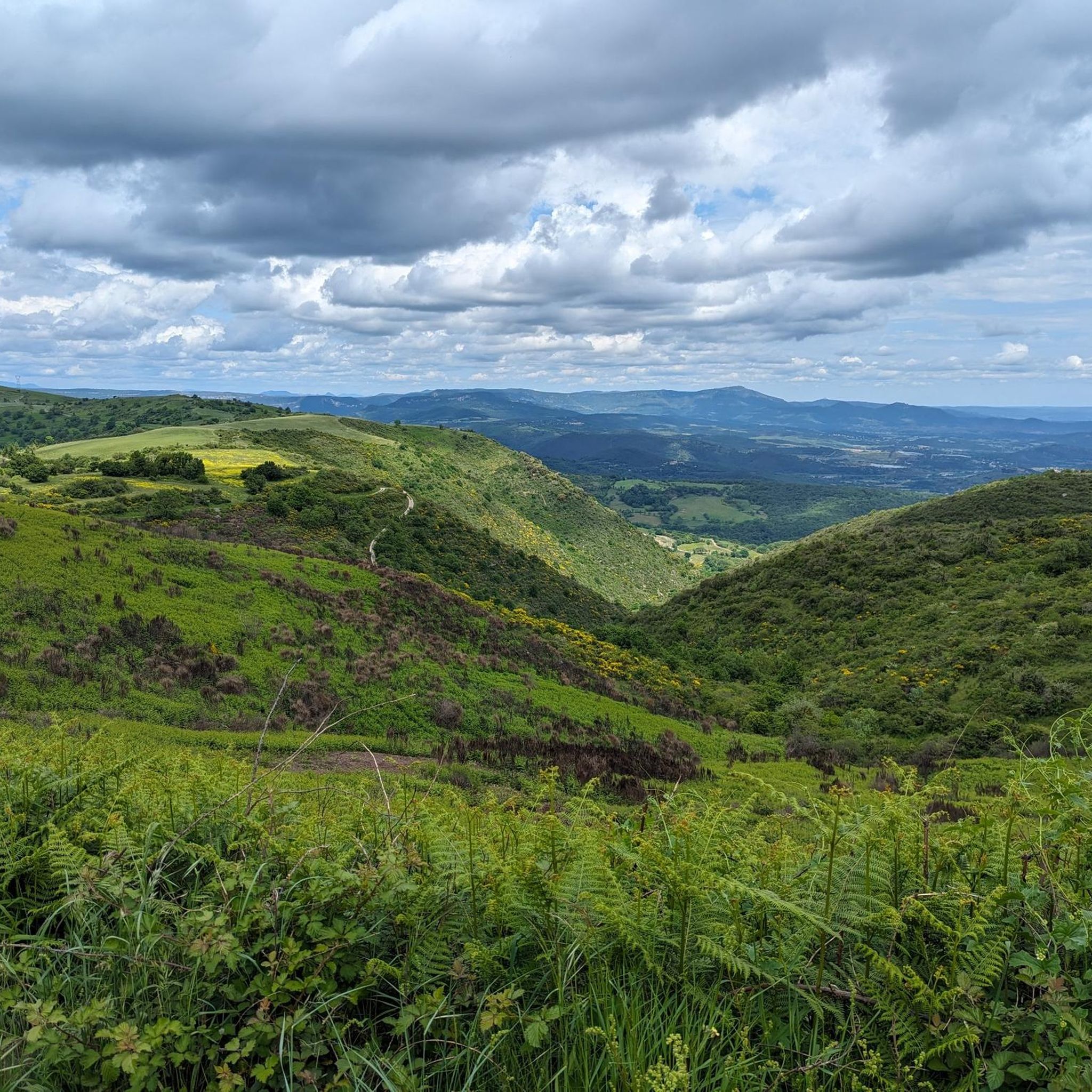
The castle overlooks Pézènes-les-Mines from the upper part of the village. This castle is private, but its facades, roofs, and enclosure have been protected as historical monuments since 1981. Its history is ancient, but the ensemble we see today is the result of several construction and transformation campaigns. The Romanesque chapel, integrated into the castle, dates back to the 12th century. Its apse was later raised in the 14th century to take on a defensive function. The castle itself underwent significant alterations in the 14th, 16th, and 17th centuries. Two gates were notably built into the enclosure in the 17th century. The defensive elements are still very legible: two gates with arrow slits controlled access to the courtyard and were once protected by a drawbridge. Two towers flank the ensemble, while the enclosure follows the natural irregularities of the terrain. The chapel also retains a rather remarkable detail: its door and some of its bays are decorated with basalt inlays, giving the building a discreet but original polychromy. Pézènes-les-Mines was not always the small village one might imagine today. Pézènes was the capital of a marquisate that grouped the communities of Pézènes, Montesquieu, and Valmascle. The castle was therefore at the heart of a larger seigneurial territory. Little-known information: A plan from 1800 shows that behind the castle stretched a long terrace of about 270 meters, arranged as a garden, promenade, and belvedere overlooking the Peyne valley.
2
0

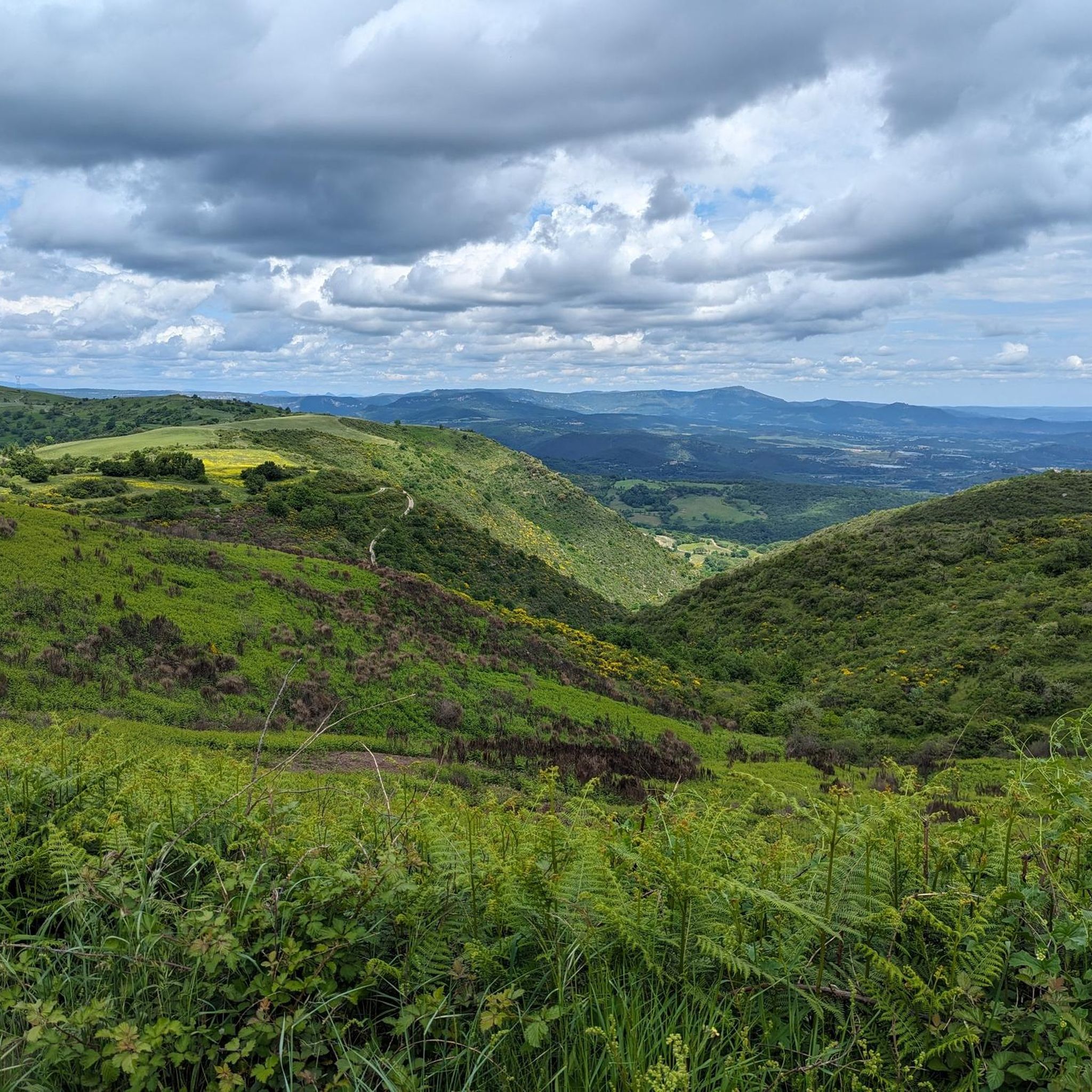
A place worth a little detour and not particularly difficult to access.
0
0

Easy hike, also suitable for cycling
0
0

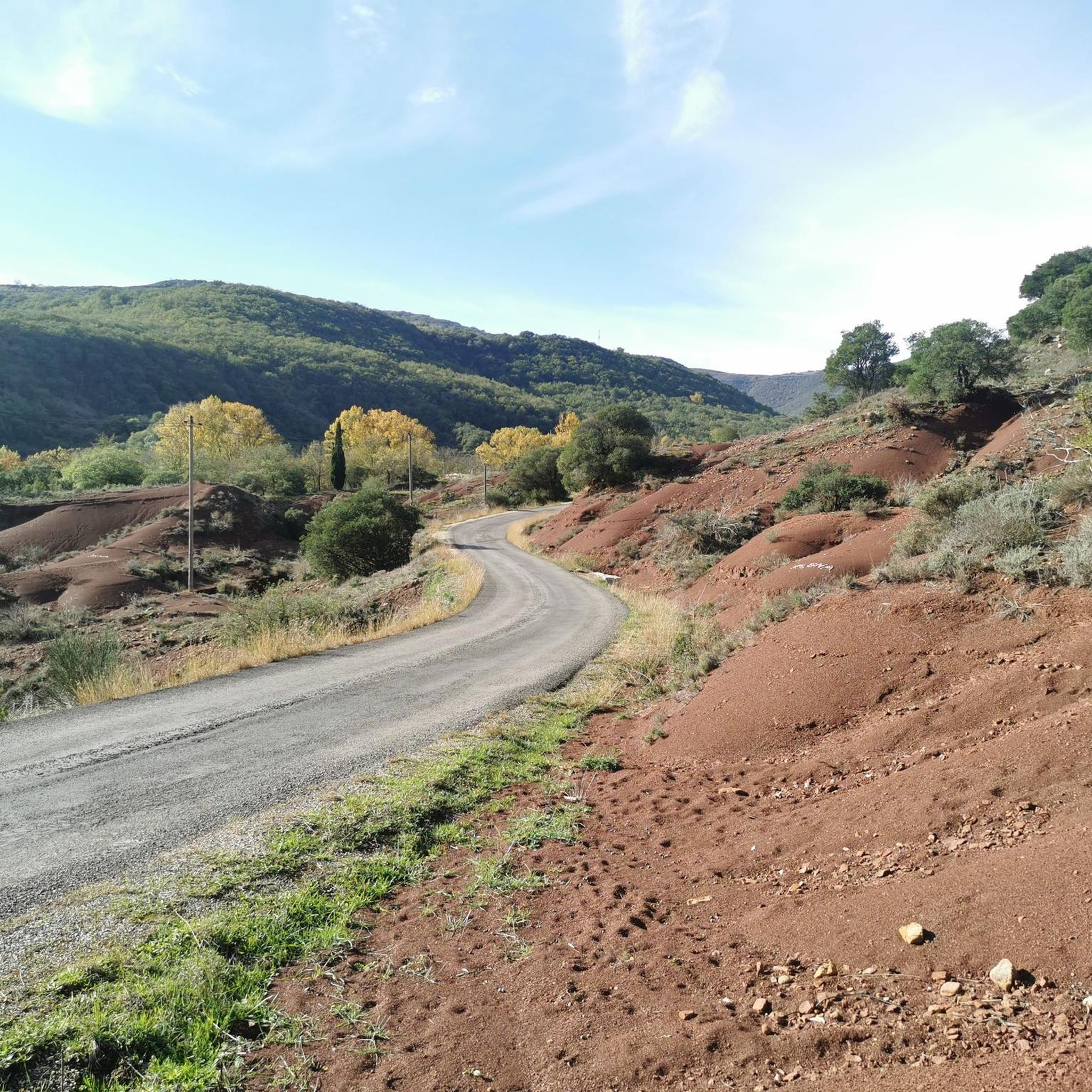
A charming village nestled at the confluence of the Gravezon, the Nize and the Dourdou! The history of Lunas dates back to the Roman road that linked the lower Languedoc to Rouergue. Surely succeeding a Gallo-Roman oppidium, the Lunarenses castrum is mentioned as early as 806 in a charter of the Gélone abbey (that of Saint-Guilhem-le-Désert). The town is dominated by the Redondel rock, an ancient fortified castle belonging to the baron of Faugères, Viscount of Béziers. Razed in 1627, it was rebuilt on the banks of the Gravezon in 1641 by Henry de Narbonne. A true summary of the history of Languedoc, and a very pleasant cultural, refreshing and gastronomic stopover… A small detour to enjoy the leisure center of Prades, and a break on the site of the Saint-Georges chapel are essential in Lunas
2
0

A village quite representative of Languedoc
1
0

Cute little town with train connections and beautiful climbs in all directions
0
0

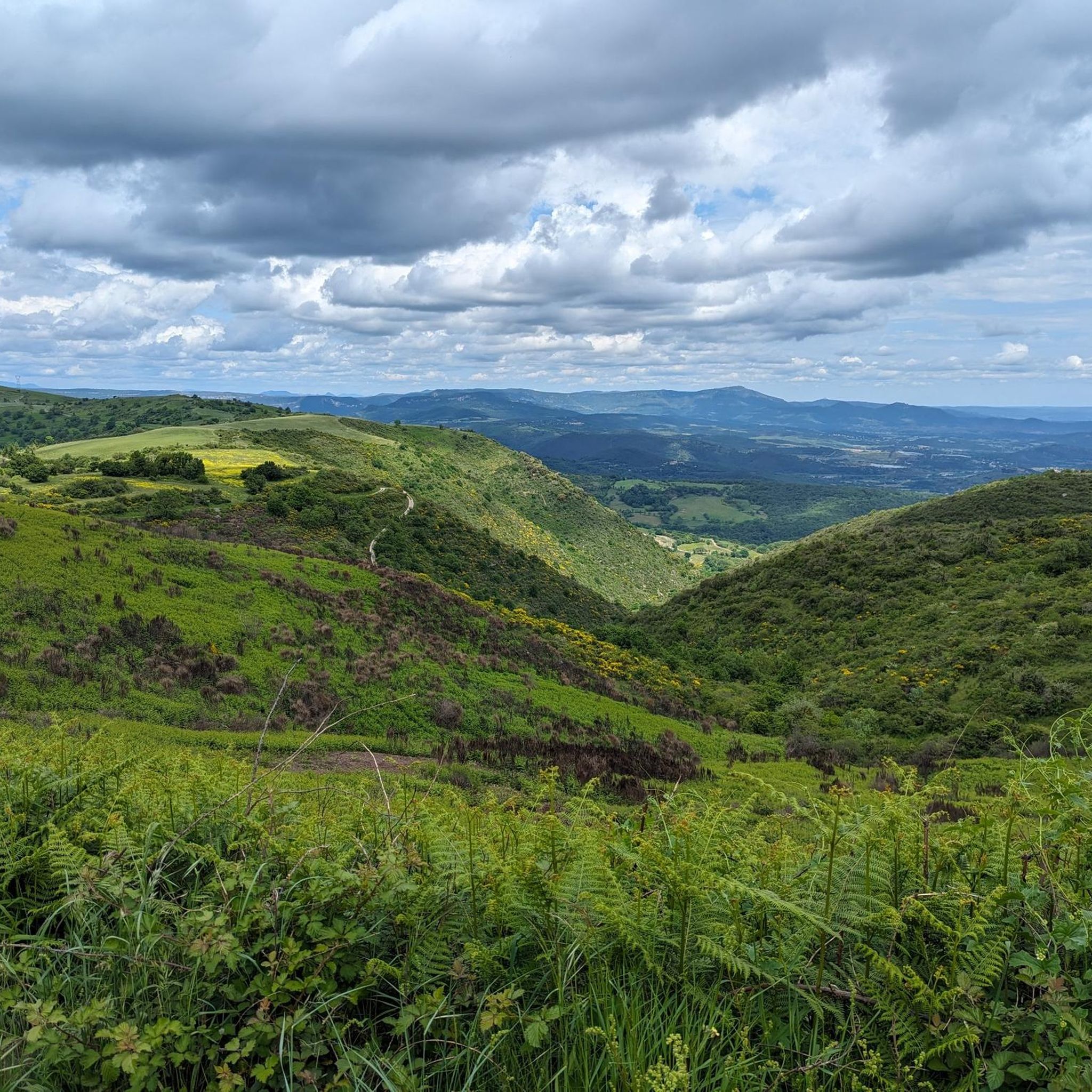
Fozières Castle is a historic building which combines medieval architecture (12th century) and Renaissance elements. Surrounded by lush gardens and vineyards, this castle is worth the detour!
0
2
Frequently Asked Questions
What are some notable historical castles near Lavalette, France?
The region around Lavalette, France, offers several historical castles. You can explore the medieval Lunas, a settlement with history dating back to 909, which was rebuilt after the wars of religion. The Château de Dio, an 11th and 14th-century medieval stronghold, is classified as a historic monument. Additionally, the Lauzières Castle ruins offer an accessible historical site. Beyond these, the impressive Château de Villebois-Lavalette and the grand Château de la Mercerie are also significant historical sites in the broader area.
What do visitors enjoy most about the castles around Lavalette?
Visitors appreciate the blend of natural beauty and ancient architecture. They enjoy the picturesque villages, scenic trails, and the insights into the region's medieval past. Highlights like Lunas are noted for their charm and historical significance, while the Lauzières Castle ruins are praised for being an easy hike and a worthwhile detour. The area's castles have garnered 25 photos and 43 upvotes from the komoot community, reflecting their popularity.
Are there hiking opportunities near the castles around Lavalette?
Yes, there are several hiking opportunities. For instance, the Lauzières Castle ruins are accessible via an easy hike. The area also features trails like the GR®P Avène - Salagou, which includes viewpoints and historical sites. For more detailed routes, you can explore the Running Trails around Lavalette guide, which lists routes such as the 'Dolmen de Toucou E loop from Octon' and 'Dolmen de la Fourille loop from Le Puech'.
Can I find cycling routes that pass by castles in the Lavalette region?
Absolutely. The region offers various cycling routes that allow you to explore the historical landscape. The Lauzières Castle ruins are suitable for cycling, making them an easy stop on a bike tour. For more extensive cycling adventures, check out the Cycling around Lavalette guide or the Road Cycling Routes around Lavalette guide, which feature routes like 'Le Mas de Riri – Lake Salagou loop from Octon' and the 'Tour of Lac du Salagou'.
Are there family-friendly castles to visit around Lavalette?
Yes, Lunas is classified as a family-friendly settlement. While specific family activities at each castle may vary, the general appeal of exploring historical sites and the surrounding natural areas makes many of these locations suitable for families. The village of Villebois-Lavalette, for example, offers a charming backdrop to its castle with ancient marketplaces.
What natural features and viewpoints can I see near the castles?
The region is known for its diverse landscapes, including red earth formations (ruffes) and picturesque villages. Many castles, like the Château de Dio, are situated to offer scenic viewpoints. The area around the Châteaux de Lastours provides dramatic settings and impressive vistas. The Château de la Mercerie is set within 50 hectares of parkland, including a rose garden and arboretum, offering beautiful natural surroundings.
What is the best time of year to visit the castles near Lavalette?
While specific seasonal recommendations for all castles are not provided, the region's Mediterranean feel, especially in villages like Octon, suggests that spring and autumn would offer pleasant weather for exploration. Summers can be hot on the ruffes, but also provide opportunities for swimming in nearby lakes. Winter castle tours are not specifically detailed, but historical sites are generally accessible year-round, though opening hours may vary.
Are there any easy trails to explore castle ruins near Lavalette?
Yes, the Lauzières Castle ruins are noted for being an easy hike and suitable for cycling, making them an accessible option for those looking for a less strenuous exploration of castle remnants.
What is the historical significance of the castles in the Lavalette area?
The castles in the Lavalette area reflect a rich medieval past. Lunas, for instance, has traces of existence from 909 and was rebuilt after the wars of religion, also serving as a stop on the routes to Santiago de Compostela. The Château de Dio is an 11th and 14th-century medieval stronghold classified as a historic monument. Further afield, the Châteaux de Lastours are 13th-century ruins in the historic Cathar region, offering a glimpse into a turbulent period of history.
Are there any castles near Lavalette that are particularly well-preserved or restored?
The Château de Dio has benefited from several restorations in recent years, maintaining its status as a classified historic monument. The Château de la Mercerie, located near Villebois-Lavalette, is a significant manor house that has been recently restored, known for its impressive facade and distinguished rooms.
Can I find information about parking or public transport to reach these castles?
Specific parking details for each castle are not provided in the guide. However, for the Château de Villebois-Lavalette, visits are typically organized through the local tourist office, which may offer guidance on access. For public transport, Lunas has the particularity of having a railway station, which could facilitate access to that specific location.
Are there any castles around Lavalette that offer unique architectural features?
Yes, the Château de la Mercerie near Villebois-Lavalette is notable for its impressive 220-meter-long dazzling white stone facade. It also features various distinguished rooms, including the Béruges room, the Vernet living room, a mahogany gallery, and a large Azulejos gallery, showcasing unique architectural and interior design elements.
Most popular routes around Lavalette
Most popular attractions around Lavalette

Get inspired with the komoot mobile app


Explore more
Looking for the best castles somewhere else? Discover other guides around Lavalette:
