Top 5 Castles around Brenas
Castles around Brenas are situated in a region characterized by picturesque villages, historical sites, and diverse landscapes. The area features settlements nestled in bucolic settings, with some villages located on routes to Santiago de Compostela. Visitors can explore fortified medieval cities and isolated strongholds, often found amidst rolling hills, vineyards, and the foothills of the Cévennes. This part of France offers a blend of historical exploration and natural beauty.
Best castles around Brenas
- The most popular castles is Lunas,…
Last updated: October 9, 2026
Château de Pézènes
Highlight • Castle
Showing Translation
Tip by

Lunas
Highlight • Settlement
Translated by Google •
Tip by

Sign up now to discover places like this
Get recommendations on the best single tracks, peaks, & plenty of other exciting outdoor places.
Boussagues Medieval Village
Highlight • Historical Site
Translated by Google •
Tip by

Lauzières Castle ruins
Highlight • Castle
Translated by Google •
Tip by

Château de Dio
Highlight • Castle
Translated by Google •
Tip by

Sign up for free to discover even more castles around Brenas.
Already have an account?
Start today with a free account
Your next adventure awaits.
Tips from the Community

Located in the Hauts Cantons of the Hérault, at the confluence of the Gravezon, Nize, and Dourdou rivers, Lunas is a charming village that combines history and a gentle way of life. Dominated by the Redondel rock, a former fortified site, it reveals pretty streets, a 17th-century castle, and the Saint-Pancrace church, whose origins date back to the 12th century. Don't miss the Notre-Dame-de-Nize chapel and its famous Fontaine des Yeux (Eyes Fountain), nestled in a peaceful natural setting.
0
0
The castle overlooks Pézènes-les-Mines from the upper part of the village. This castle is private, but its facades, roofs, and enclosure have been protected as historical monuments since 1981. Its history is ancient, but the ensemble we see today is the result of several construction and transformation campaigns. The Romanesque chapel, integrated into the castle, dates back to the 12th century. Its apse was later raised in the 14th century to take on a defensive function. The castle itself underwent significant alterations in the 14th, 16th, and 17th centuries. Two gates were notably built into the enclosure in the 17th century. The defensive elements are still very legible: two gates with arrow slits controlled access to the courtyard and were once protected by a drawbridge. Two towers flank the ensemble, while the enclosure follows the natural irregularities of the terrain. The chapel also retains a rather remarkable detail: its door and some of its bays are decorated with basalt inlays, giving the building a discreet but original polychromy. Pézènes-les-Mines was not always the small village one might imagine today. Pézènes was the capital of a marquisate that grouped the communities of Pézènes, Montesquieu, and Valmascle. The castle was therefore at the heart of a larger seigneurial territory. Little-known information: A plan from 1800 shows that behind the castle stretched a long terrace of about 270 meters, arranged as a garden, promenade, and belvedere overlooking the Peyne valley.
2
0

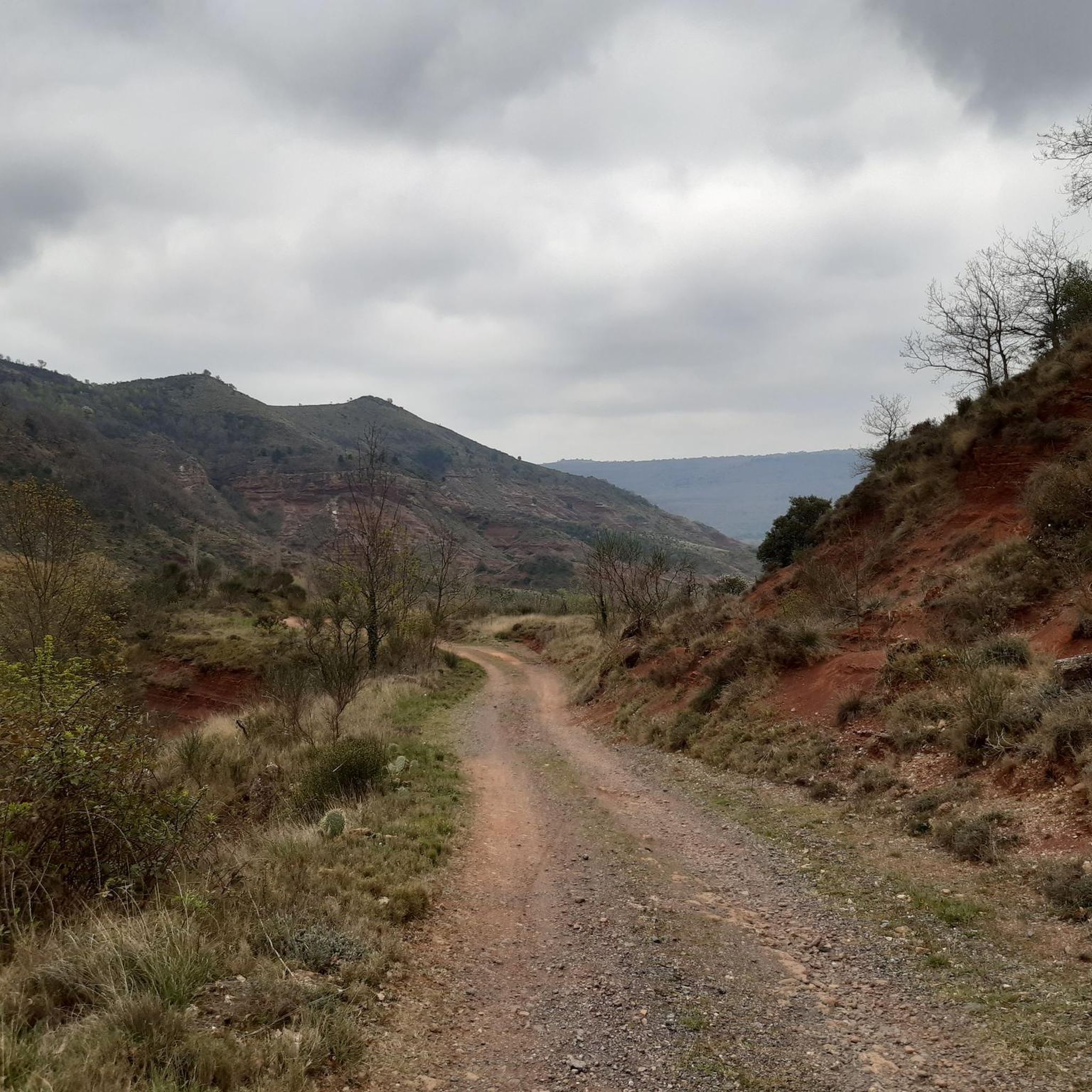
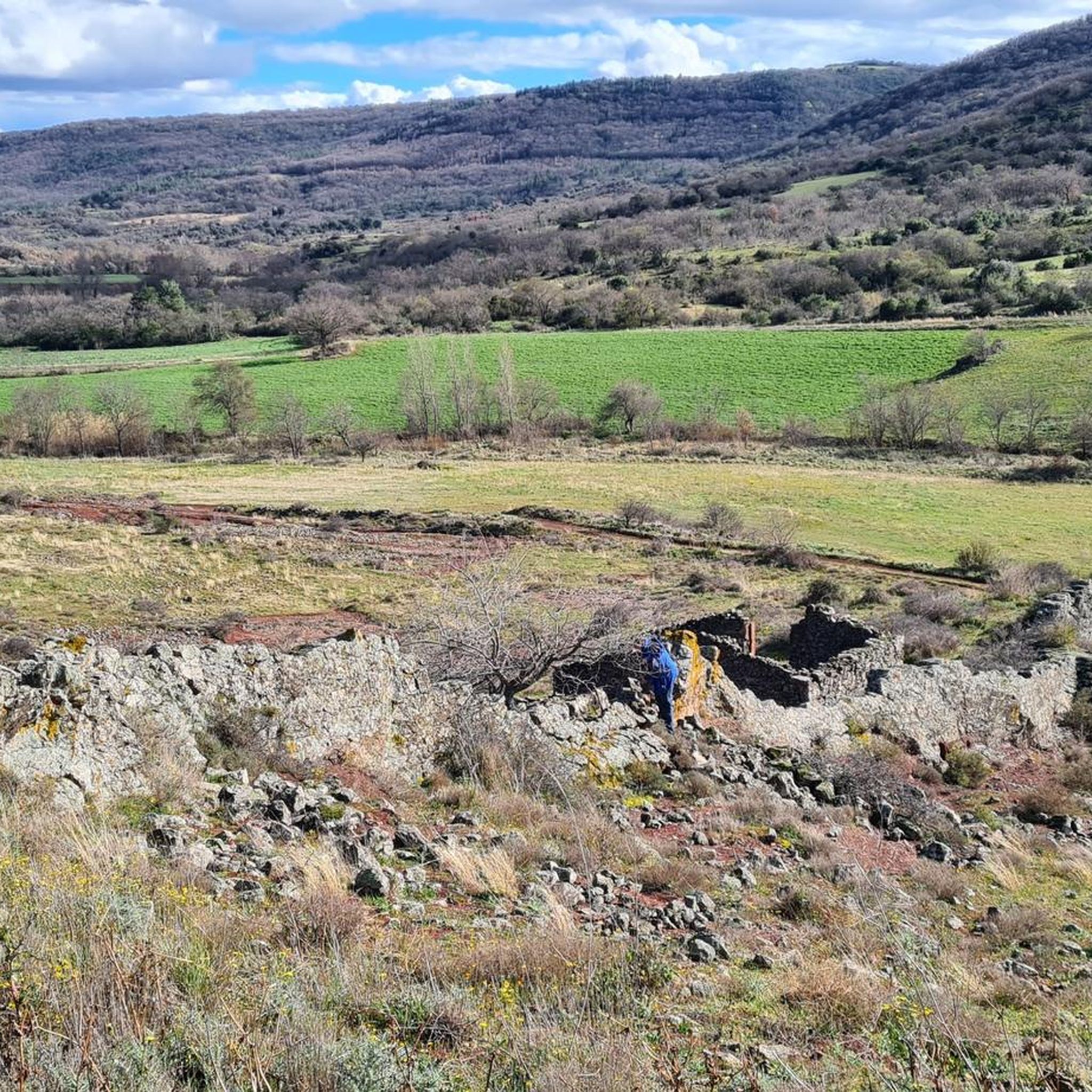
A place worth a little detour and not particularly difficult to access.
0
0

Easy hike, also suitable for cycling
0
0

A charming village nestled at the confluence of the Gravezon, the Nize and the Dourdou! The history of Lunas dates back to the Roman road that linked the lower Languedoc to Rouergue. Surely succeeding a Gallo-Roman oppidium, the Lunarenses castrum is mentioned as early as 806 in a charter of the Gélone abbey (that of Saint-Guilhem-le-Désert). The town is dominated by the Redondel rock, an ancient fortified castle belonging to the baron of Faugères, Viscount of Béziers. Razed in 1627, it was rebuilt on the banks of the Gravezon in 1641 by Henry de Narbonne. A true summary of the history of Languedoc, and a very pleasant cultural, refreshing and gastronomic stopover… A small detour to enjoy the leisure center of Prades, and a break on the site of the Saint-Georges chapel are essential in Lunas
2
0

A village quite representative of Languedoc
1
0

Boussagues is an enchanting medieval village, which seduces with its well-preserved historical heritage. Nestled in a bucolic setting, you can stroll through cobbled streets, among stone houses and the remains of fortifications.
0
0

Cute little town with train connections and beautiful climbs in all directions
0
0
Frequently Asked Questions
What types of castles can I explore around Brenas?
The Brenas region offers a diverse range of castles, from inhabited structures to ancient fortifications and ruins. You can visit Lunas, a settlement with a rebuilt and still-inhabited castle, or explore the historical remains of Lauzières Castle ruins. The area also features medieval strongholds like Château de Dio, which has undergone several restorations.
Are there any family-friendly castle sites in the Brenas region?
Yes, Lunas is classified as a family-friendly settlement with a castle. Its picturesque setting and historical significance make it suitable for visitors of all ages.
Can I find medieval villages with castle remains near Brenas?
Absolutely. Boussagues Medieval Village is an enchanting site with well-preserved historical heritage, including two 12th-century castles, a Renaissance manor, and old walls. It offers a glimpse into the region's past as a fortified city.
What historical significance do the castles around Brenas hold?
The castles in the Brenas region are rich in history. For instance, Château de Dio dates back to the 11th and 14th centuries and is classified as a historic monument. Boussagues Medieval Village, with its two 12th-century castles and ramparts, reflects a past of significant power and a long history, including connections to figures like Henri de Toulouse Lautrec.
Are there easy walks or cycling routes to castle ruins?
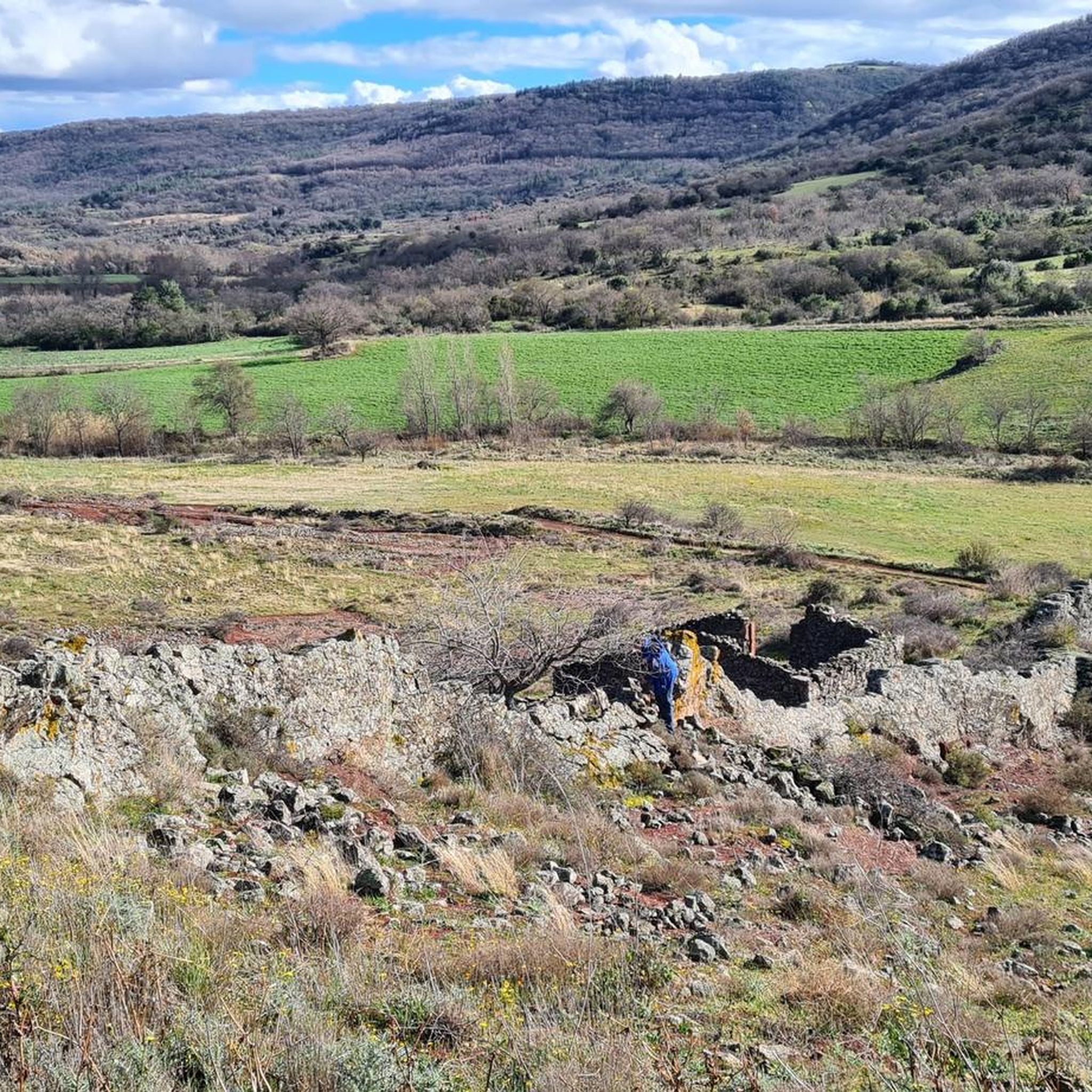
Yes, Lauzières Castle ruins are accessible via an easy hike and are also suitable for cycling, making it a convenient spot for a short detour.
What outdoor activities can I do near the castles around Brenas?
The region around Brenas offers various outdoor activities. You can find numerous routes for hiking, cycling, and running. Many of these routes pass through picturesque landscapes, offering views of the castles and the surrounding natural beauty.
Are there any specific hiking trails that include castles?
Yes, the trail From Octon to Clermont l'Hérault on the GR®P Avène - Salagou is a longer route that includes historical sites and offers views of castles, such as the Guilhem castle near Clermont-l'Hérault. For shorter options, you can explore trails leading to Lauzières Castle ruins or Château de Dio.
What natural features can I expect to see near the castles?
The region around Brenas is characterized by diverse landscapes. When visiting castles like those near Octon, you might encounter viewpoints overlooking lakes, such as Lake Salagou, and enjoy the rolling hills and vineyards. The area is also known for its 'ruffes' (red earth) and the foothills of the Cévennes.
What do visitors enjoy most about the castles around Brenas?
Visitors appreciate the well-preserved historical heritage and the bucolic settings of the castles and medieval villages. The charm of cobbled streets, ancient fortifications, and the sense of stepping back in time are frequently mentioned. The easy accessibility to some ruins for hiking and cycling is also a highlight.
Is there public transport available to reach any of the castles?
While many castles in the region are best accessed by car or as part of a hike/cycle, Lunas, a settlement with a castle, has the particularity of having a railway station, which can offer a public transport option to that specific location.
Are there any less crowded or 'hidden gem' castles to discover?
While the guide highlights popular spots, exploring the smaller, somewhat isolated strongholds like Château de Dio can offer a more tranquil experience. The medieval village of Boussagues, set back from the main valleys, also provides a sense of stepping into a quiet, historical past.
Most popular attractions around Brenas

Get inspired with the komoot mobile app


Explore more
Looking for the best castles somewhere else? Discover other guides around Brenas:
