Top 3 Castles around Saint-Gelais
Best castles around Saint-Gelais offer a journey through centuries of regional history. Saint-Gelais is a commune in Deux-Sèvres, notable for its historical structures, including the significant Renaissance-era Château de Saint-Gelais. The village is situated with views over the Sèvre Niortaise. This area presents a blend of architectural heritage and natural landscapes for exploration.
Best castles around Saint-Gelais
- The most popular castle is Coudray-Salbart Castle, a castle that is an excellent example of 13th-century architecture. It is considered one of…
Last updated: November 19, 2026
Chantemerle Castle
Highlight • Castle
Showing Translation
Tip by

Coudray-Salbart Castle
Highlight • Castle
Translated by Google •
Tip by

Sign up now to discover places like this
Get recommendations on the best single tracks, peaks, & plenty of other exciting outdoor places.
Donjon de Niort
Highlight • Castle
Translated by Google •
Tip by

From the Donjon to the Marshes
Highlight • Castle
Translated by Google •
Tip by

Cherveux Castle
Highlight • Castle
Translated by Google •
Tip by
Start today with a free account
Your next adventure awaits.
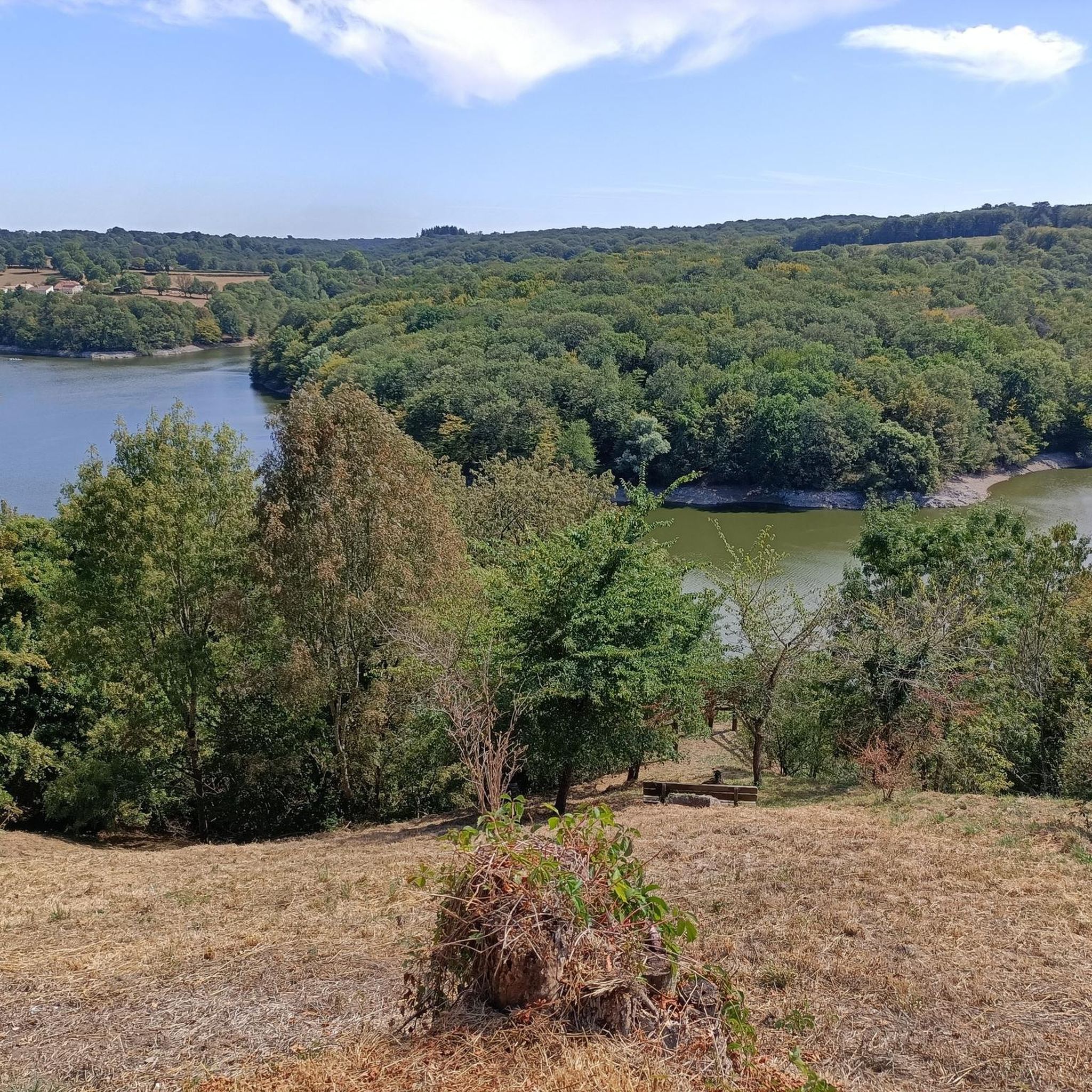

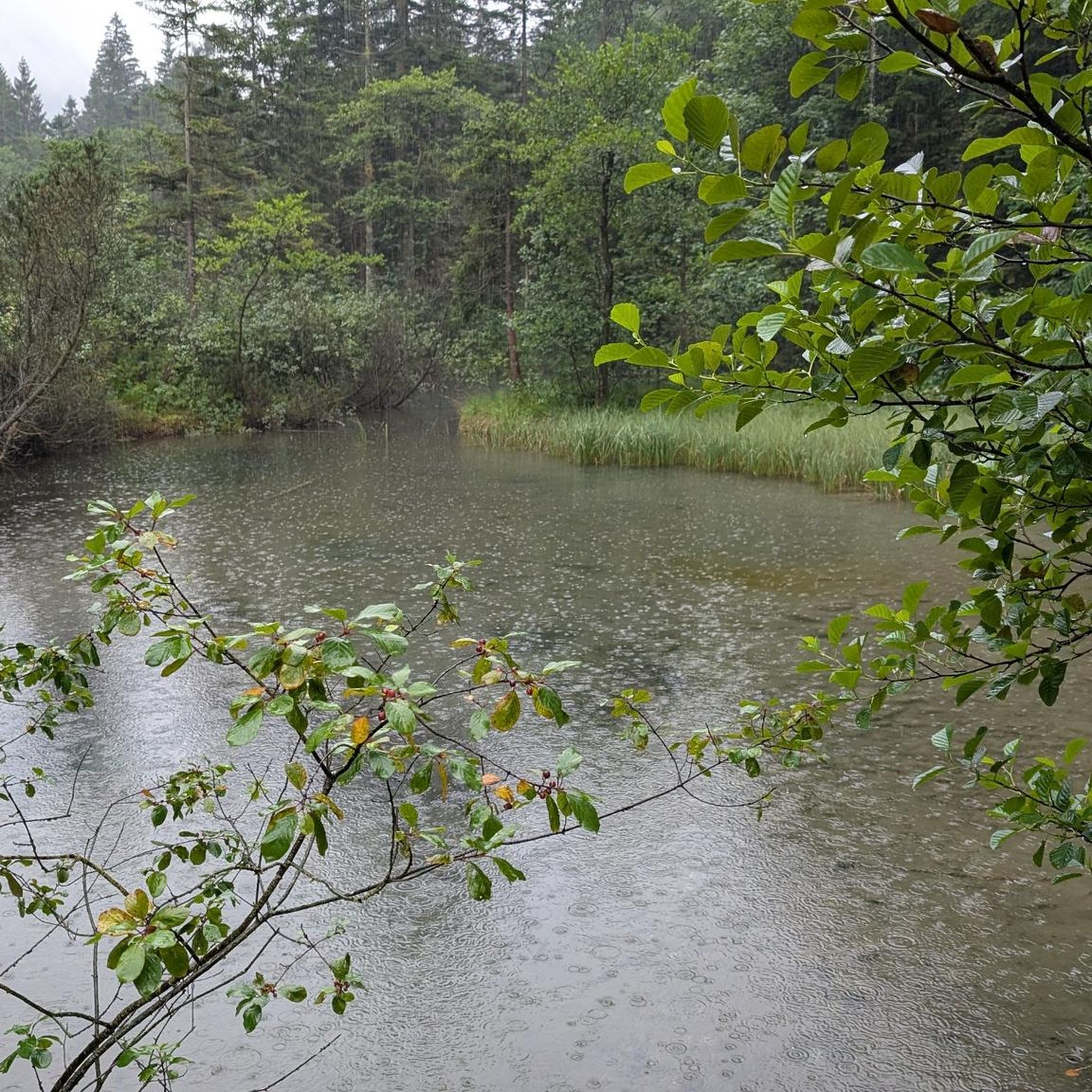

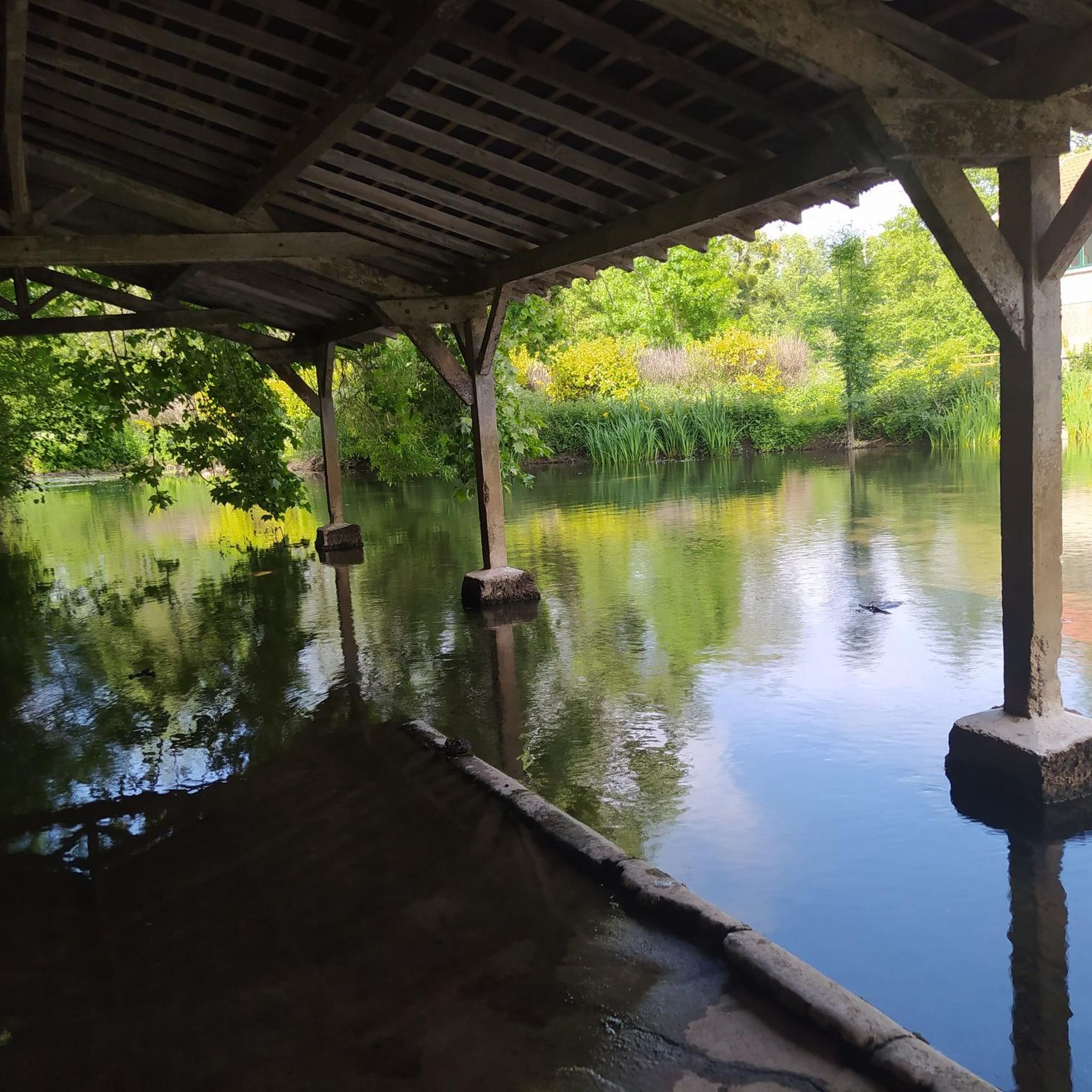
Tips from the Community

Built in the 19th century, this former agricultural estate includes a park and spaces to cultivate, an orangery, a greenhouse, and remarkable farm buildings. At the time, this way of thinking about the organization of farms was new and is linked to the major industrial rationalization movements observed from the mid-19th century onwards. It was about simultaneously considering aspects related to animal hygiene and comfort, as well as the aesthetics of the buildings.
0
0

This 15th century castle, with its almost entirely intact moat, gives a real idea of its function as a fortress. Be sure to take a look as you pass by!
2
0
The 13th century castle is an excellent example of castles from this era. It is currently undergoing preservation work so that visitors to the castle can enjoy it for many years.
4
0
This 15th century castle, with its almost entirely intact moat, gives a real idea of its function as a fortress. The castle is open to the public for visits.
2
0

The Dungeon of Niort is one of the city's most famous buildings. It was part during its construction of a set of ramparts almost 2,700 meters long, which protected the city. Nowadays, the keep of Niort is accompanied by a museum which traces the history of this city of character.
0
0

Very nice bike ride, departure from the keep then along the Sèvre to the Roussille, a former chamois factory transformed into an artist's village, the Auberge de la Roussille is also not to be missed, then towards Magné.
0
0

Nice little walk around the castle. Discover also splendid stone houses.
1
0

the best-preserved 13th century castle in all of Europe
1
0
Frequently Asked Questions
What are the most historically significant castles in the Saint-Gelais area?
The region boasts several castles with deep historical roots. The Coudray-Salbart Castle, dating back to the 13th century, is considered one of the best-preserved castles of its era in Europe. The Donjon de Niort, a prominent 12th-century keep, was once part of extensive city ramparts and now houses a museum. Additionally, the Château de Saint-Gelais itself is a significant Renaissance-era castle, largely reconstructed in the 16th century, known for its unique architectural style and historical connection to the Protestant Reformation in the region.
Are there any family-friendly castles to visit near Saint-Gelais?
Yes, several castles offer family-friendly experiences. The Donjon de Niort includes a museum that traces the city's history, which can be engaging for children. Cherveux Castle, with its intact 15th-century moat, provides a real sense of a medieval fortress, sparking imagination. The highlight "From the Donjon to the Marshes" also suggests family-friendly activities, particularly bike rides along the Sèvre Niortaise.
What kind of architecture can I expect to see in the castles around Saint-Gelais?
The castles in the area showcase a range of architectural styles. The Coudray-Salbart Castle is a prime example of 13th-century medieval fortress design. The Cherveux Castle represents 15th-century defensive architecture with its well-preserved moat. The Château de Saint-Gelais stands out with its 16th-century Renaissance style, featuring mullioned windows, dormers, and a hexagonal tower, often compared to Loire Valley castles. The Chantemerle Castle, though a former agricultural estate, reflects 19th-century design principles for farm organization and aesthetics.
What outdoor activities can I combine with a castle visit?
The region around Saint-Gelais is excellent for outdoor activities. You can enjoy various cycling routes, such as the "Saint-Gelais – Cherveux Castle loop" for road cycling, or traffic-free options like the "Petite Venise Verte – Ruffigny washhouse loop." Many routes follow the Sèvre Niortaise, offering scenic views. For more details on routes, explore the Road Cycling Routes around Saint-Gelais or Traffic-free bike rides around Saint-Gelais guides.
Are there any castles with unique historical or cultural significance beyond typical fortress history?
Yes, the Château de Saint-Gelais holds unique cultural significance. Beyond its Renaissance architecture, it features a sculpted cup and basket on its south gable, symbolizing the adherence of its lords to the Reformed religion. Calvinist worship took place there until 1643, making it a notable site for understanding the history of Protestantism in the region. It is classified as a Monument Historique.
What do visitors particularly enjoy about the castles in this area?
Visitors appreciate the historical depth and architectural preservation. For instance, the Coudray-Salbart Castle is noted for being one of the best-preserved 13th-century castles. The Cherveux Castle is admired for its almost entirely intact moat, giving a clear idea of its original function as a fortress. The Donjon de Niort is valued for its historical museum and its role in the city's heritage.
Can I find castles that are open to the public for visits?
Yes, some castles are open to the public. For example, Cherveux Castle is open for visits, allowing you to explore its 15th-century structure and moat. The Donjon de Niort also welcomes visitors to its museum. While the Château de Saint-Gelais is a classified Monument Historique, specific visitor access details should be checked with local tourism resources.
What is the best time of year to visit the castles around Saint-Gelais?
Visiting during the spring (April-June) or early autumn (September-October) generally offers pleasant weather for exploring the castles and their surroundings. These periods avoid the peak summer heat and crowds, while still providing good conditions for outdoor activities like cycling along the Sèvre Niortaise.
Are there any castles that are not accessible to the public?
Yes, some historical properties in the region are private. For example, the Château du Coteau is a private residence and is not accessible to the public.
Are there any castles that offer a glimpse into agricultural history?
The Chantemerle Castle, though a castle in name, was originally a 19th-century agricultural estate. It features a park, cultivation spaces, an orangery, a greenhouse, and remarkable farm buildings. It offers insight into the industrial rationalization movements of the mid-19th century, focusing on animal hygiene, comfort, and the aesthetics of farm structures.
Where can I find scenic viewpoints near the castles?
The area around the Donjon de Niort offers scenic views, especially if you follow the "From the Donjon to the Marshes" route. This bike ride takes you along the Sèvre Niortaise, providing picturesque landscapes. The village of Saint-Gelais itself, nestled around its church, temple, and castle, offers scenic views over the Sèvre Niortaise.
Most popular routes around Saint-Gelais
Most popular attractions around Saint-Gelais

Get inspired with the komoot mobile app


Explore more
Looking for the best castles somewhere else? Discover other guides around Saint-Gelais:
