Top 4 Castles around Le Plantay
Best castles around Le Plantay are found within the Ain department and the broader Auvergne-Rhône-Alpes region, as the historical Château du Plantay is not open to the public. The area features a mix of medieval fortresses, fortified houses, and later residences. These structures offer insights into regional history and architecture, often set amidst natural landscapes. Visitors can explore various castles, each with distinct historical periods and features.
Best castles around Le Plantay
- The most popular castles is Château de Bouligneux…
Last updated: October 9, 2026
Château de Bouligneux
Highlight • Castle
Translated by Google •
Tip by

Montellier Castle
Highlight • Castle
Translated by Google •
Tip by

Sign up now to discover places like this
Get recommendations on the best single tracks, peaks, & plenty of other exciting outdoor places.
Plantay Pond Loop
Highlight • Castle
This castle was founded around 1305 by the …
Translated by Google •
Tip by

Château des Vernes
Highlight • Castle
Translated by Google •
Tip by
Start today with a free account
Your next adventure awaits.

Tips from the Community

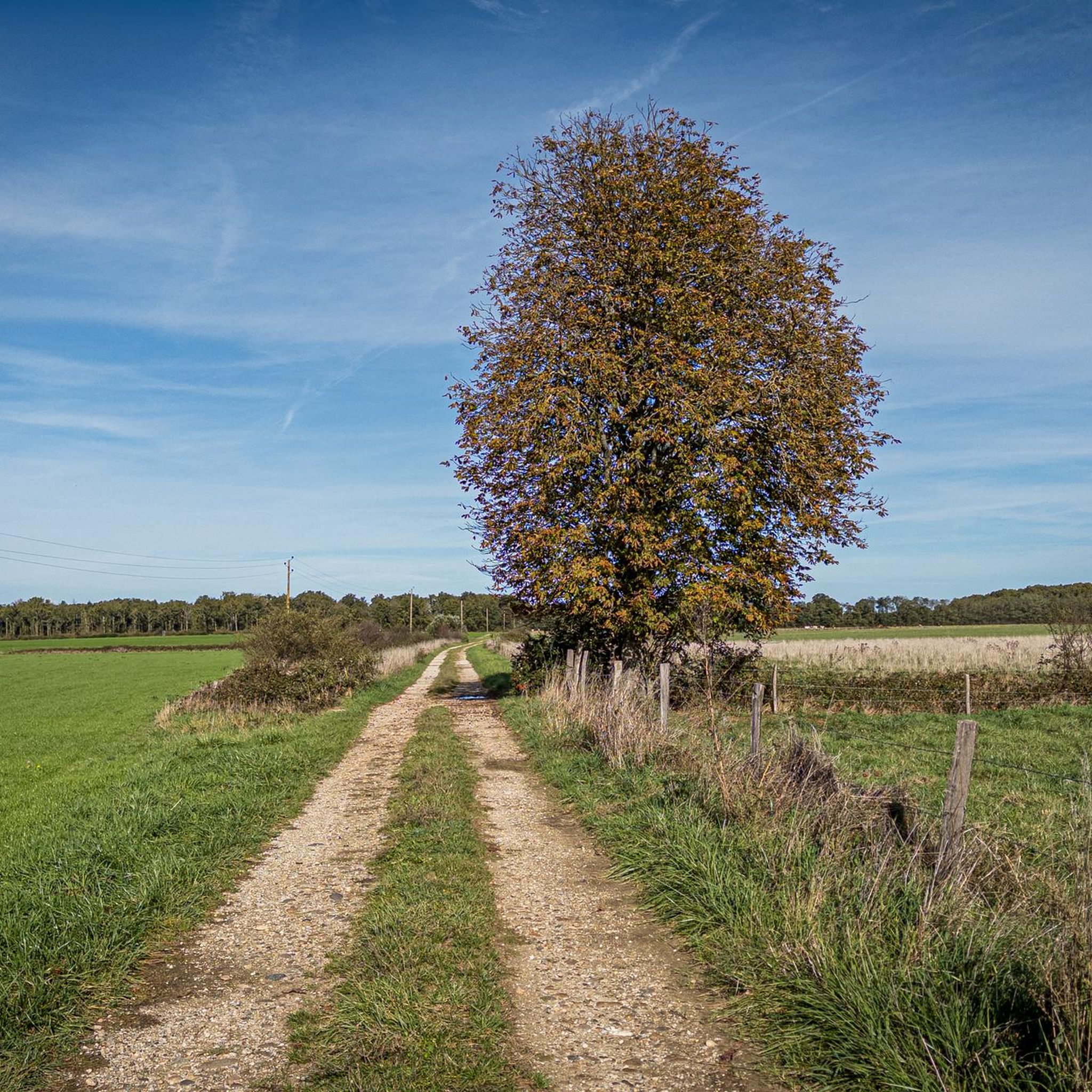
beautiful place in the heart of nature which will soon be accessible to visitors after work following the purchase by the community of communes
0
0

Plantay Tower (not open to visitors), remains of the castle burned down in 1460 by the troops of the Duke of Bourbon
1
0

Fortified house dating from the 14th century. Curious beveled shape of the cylindrical tower, topped during the Revolution.
0
0

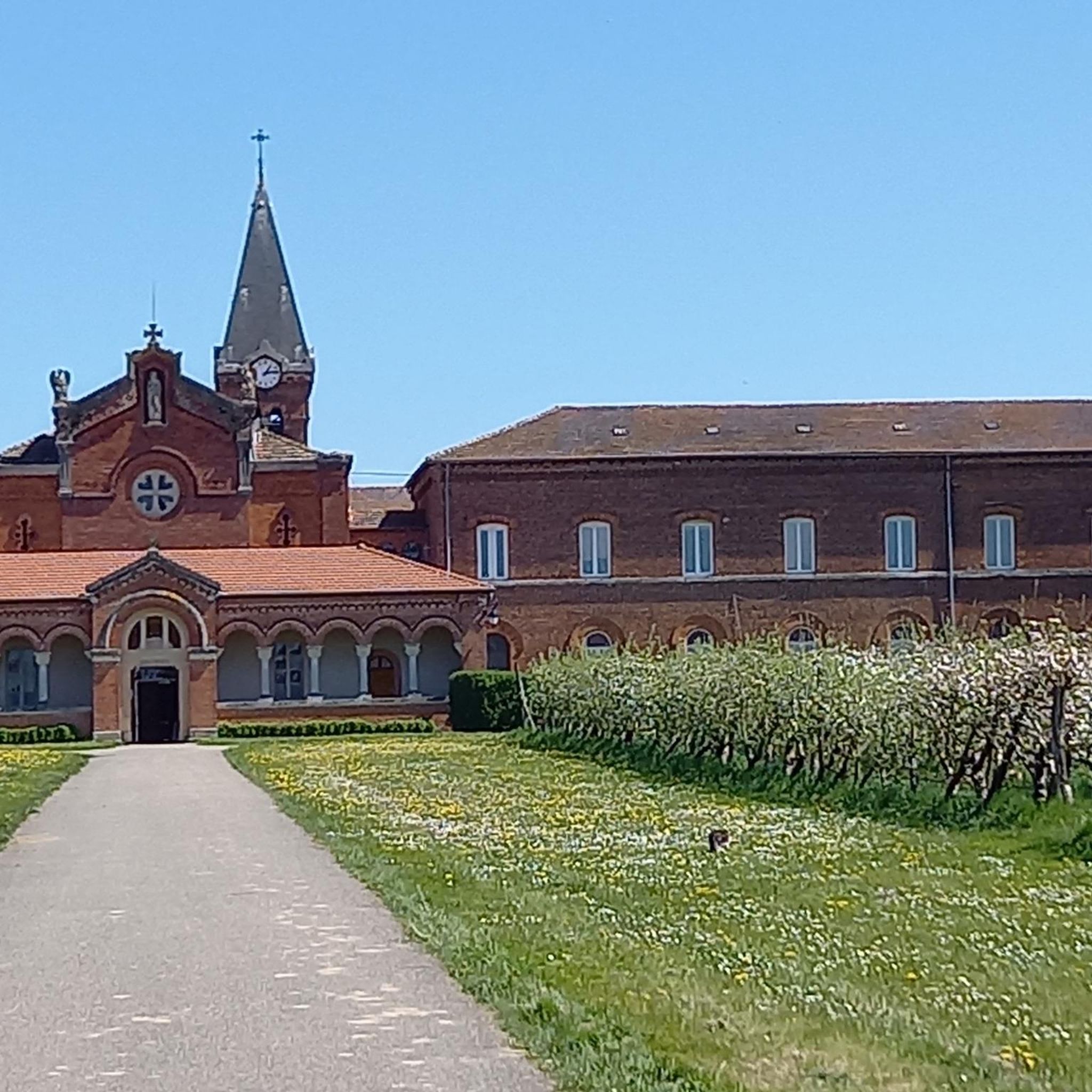
The castle built at the end of the 19th century by the Bredin family consists of a central main building with three French windows opening onto a large porch. It is flanked by two bodies of buildings surmounted by two pinnacles. Private property Do not visit
0
0
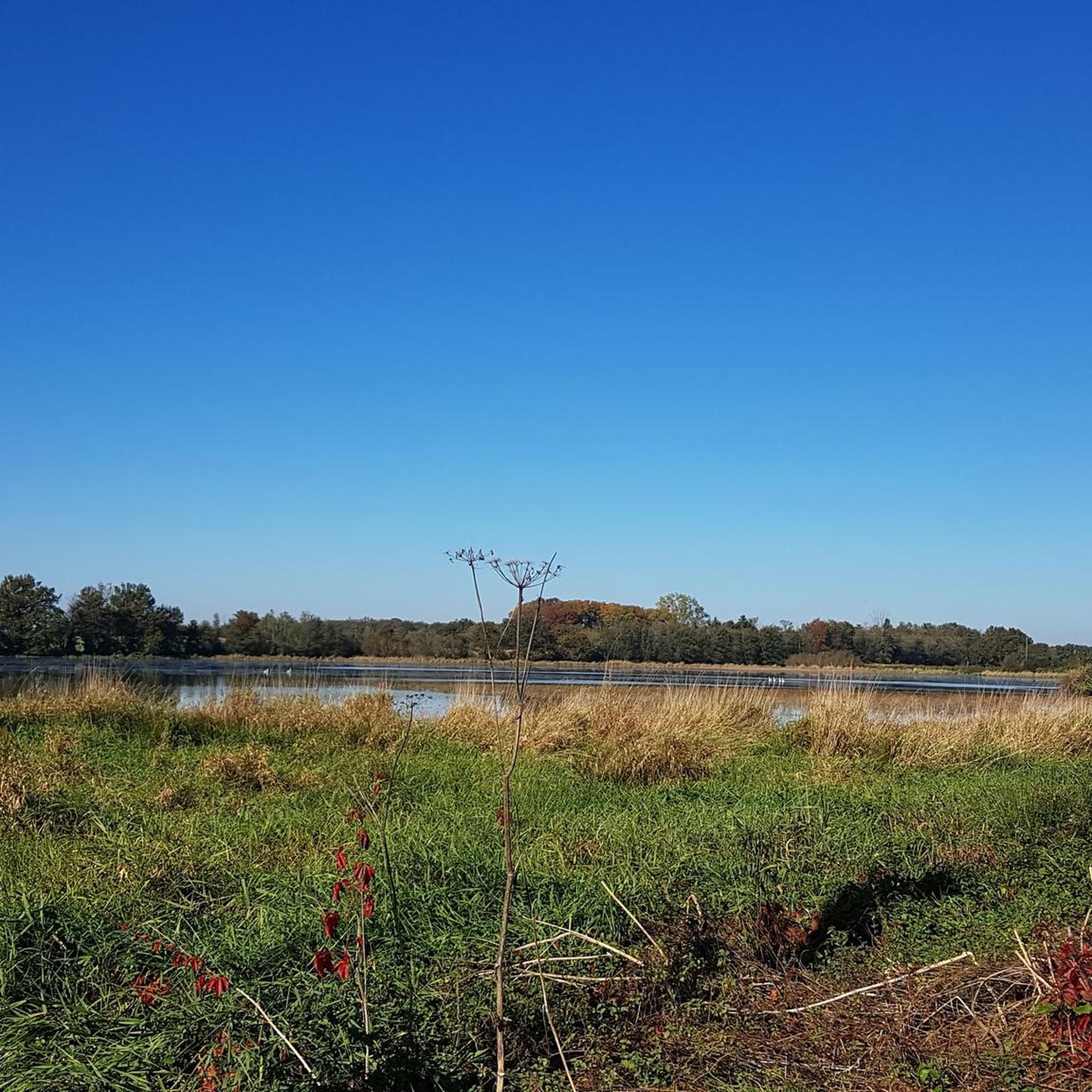
The Château du Plantay is an old fortified castle which stands in the town of Plantay and whose tower is the vestige. This castle was founded around 1305 by the knight Hugues du Plantay, center of the seigniory of Plantay The tower and the annex building are listed as historical monuments by order of January 29, 19911. This medieval tower of Plantay is located on the edge of the pond of Grand Châtel. It is a large cylindrical keep 20 m high, built of brick with frames and machicolations in limestone, with its annex building, they are the remains of a 14th century castle.
1
0

Bouligneux castle is a typical example of fortified houses built in the Dombes and Bugey regions in the 14th century. During the revolution it was almost demolished, but the local municipality saved it and used it as a farm. The fortified tower was a compromise, however, and it was reduced by one storey, hence the displaced shape of the tower's roof.
2
0
The 14th century fortress, remodeled at the beginning of the 17th century and whose towers, feudal symbols, were trimmed during the Revolution is a fine example of a fortified house in Dombes. The castle built by Girard de La Palud remained in the family for four centuries: set on a cliff, four towers and a round keep connected by curtain walls, all in Savoyard squares, characteristic of military or private construction. in Bresse. If it survived the Revolution, it was because the commune then turned it into a grain store.
0
0

Although privately owned, this chateau is worth a visit for its location.
6
2
Frequently Asked Questions
What kind of castles can I expect to find around Le Plantay?
While the historical Château du Plantay itself is largely a remnant with only its tower remaining and not open to the public, the wider Ain department and Auvergne-Rhône-Alpes region offer a diverse range of castles. You'll find well-preserved medieval fortresses, grand 17th-century châteaux, and even the former residence of a famous philosopher.
Are there any castles near Le Plantay that are open to the public?
Yes, although the local Château du Plantay is not currently open to visitors, several notable castles in the surrounding Ain department welcome guests. For example, the magnificent Château de Fléchères offers a glimpse into 17th-century nobility, and the medieval Château de Bouligneux is a fine example of a fortified house.
Which castles offer the best historical insights into the region?
For deep historical insights, consider the Château de Bouligneux, a 14th-century fortified house that survived the Revolution. Further afield, the perfectly preserved 14th-century Château des Allymes near Ambérieu-en-Bugey provides a rich medieval experience with furnished rooms and exhibitions on local history. The Château de Voltaire in Ferney-Voltaire offers a unique perspective on 18th-century Enlightenment history.
Are there family-friendly castles to visit near Le Plantay?
Many castles in the region offer engaging experiences for families. Medieval fortresses like the Château des Allymes often have ramparts and keeps that spark imagination. While specific family programs vary, exploring the grounds and architecture of castles like Château de Bouligneux can be an enjoyable outing for all ages.
What outdoor activities can I combine with a castle visit?
The region around Le Plantay is excellent for outdoor activities. You can enjoy hiking, road cycling, and traffic-free bike rides. For instance, there are several easy hiking routes like the "Plantay Pond Loop" which passes by the tower of the Château du Plantay. You can find more options for hiking around Le Plantay or explore road cycling routes that often pass by scenic spots and historical sites.
Are there any castles with notable natural surroundings or viewpoints?
Absolutely. The Château Fort de Trévoux offers a magnificent panorama over the Saône valley, the Dombes plateau, and the Beaujolais region from its keep. The Château des Allymes provides exceptional panoramic views over the Ain plain and the Bugey mountains. Even the tower of the Château du Plantay is located on the edge of the Grand Châtel pond, offering a beautiful natural setting.
What is the best time of year to visit castles in the Le Plantay area?
Spring and autumn generally offer the most pleasant weather for exploring castles and their grounds, with mild temperatures and beautiful scenery. Summer can also be a good time, though it can be warmer, and some castles might host special events or festivals during this period. Always check individual castle opening hours, as they can vary seasonally.
Are there any 'hidden gem' castles worth discovering?
While not strictly 'hidden,' the Montellier Castle, though privately owned, is noted for its beautiful location and medieval motte, making it a picturesque sight. For a truly unique experience, the Château d'Anjony in Cantal (further afield in Auvergne-Rhône-Alpes) has remained in the same family for seven centuries and boasts intact 16th-century frescoes.
Can I visit the Château du Plantay?
The Château du Plantay is an old fortified castle, but only its 20-meter-high cylindrical tower and an annex building remain. While it is a listed historical monument, it is not currently open to the public. However, there are plans for it to become accessible to visitors after restoration work, following its purchase by the community of communes.
What are some other significant castles in the wider Auvergne-Rhône-Alpes region?
Beyond the immediate Ain department, the Auvergne-Rhône-Alpes region boasts several impressive castles. The Château de Murol in Puy-de-Dôme is a dramatic volcanic fortress, and the Château de la Roche in Loire is uniquely suspended above the Gorges of the Loire. Crussol Castle in Ardèche offers spectacular ruins and extensive views over the Rhône Valley.
What should I bring for a castle tour in this region?
For a comfortable castle tour, especially if you plan to explore the grounds or nearby trails, we recommend wearing comfortable walking shoes. Depending on the weather, bring layers of clothing, sun protection, and a water bottle. If you plan to visit multiple sites, a small backpack for essentials is useful. Don't forget your camera for the picturesque views!
Most popular attractions around Le Plantay

Get inspired with the komoot mobile app


Explore more
Looking for the best castles somewhere else? Discover other guides around Le Plantay:
