Top 8 Castles around Scy-Chazelles
Best castles around Scy-Chazelles include historical fortifications and significant architectural sites. This commune in the Moselle department of France is known for its strategic military structures and proximity to the city of Metz. The region offers insights into 19th and 20th-century military history, alongside medieval remnants. Visitors can explore a blend of defensive architecture and urban historical landmarks.
Best castles around Scy-Chazelles
- The most popular castles is Porte des Allemands, a historical site that served as a fortified city…
Last updated: May 8, 2026
Porte des Allemands and Metz Cathedral
Highlight • Historical Site
Translated by Google •
Tip by

Porte des Allemands
Highlight • Historical Site
Translated by Google •
Tip by

Sign up now to discover places like this
Get recommendations on the best single tracks, peaks, & plenty of other exciting outdoor places.
Sign up for free
Fort Saint-Quentin
Highlight (Segment) • Historical Site
Tip by

Fort de Queuleu
Highlight (Segment) • Historical Site
Translated by Google •
Tip by

Ferme de la Haute-Bevoye
Highlight • Castle
Translated by Google •
Tip by

Sign up for free to discover even more castles around Scy-Chazelles.
Sign up for free
Already have an account?
Start today with a free account
Your next adventure awaits.
Login or Signup
Tips from the Community

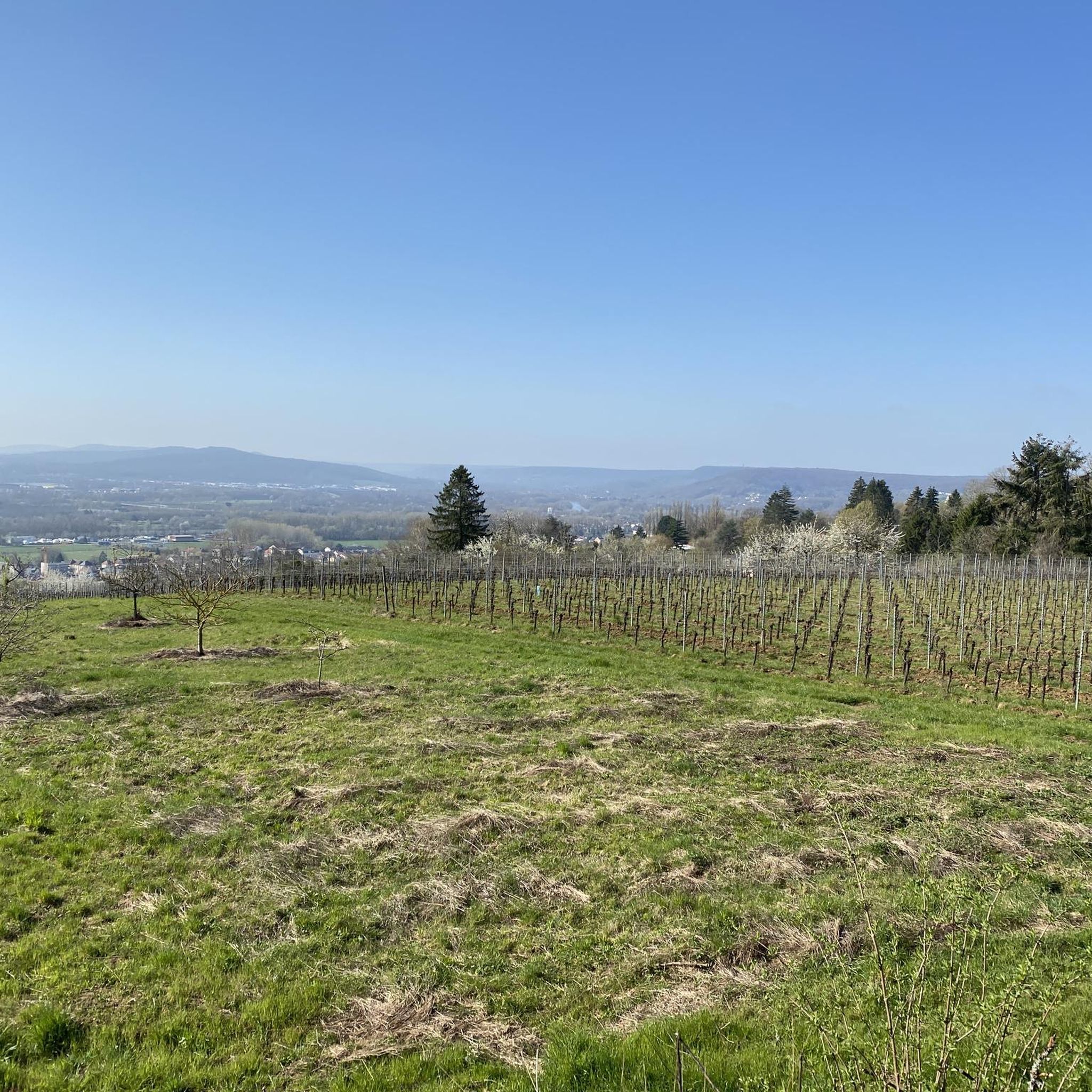
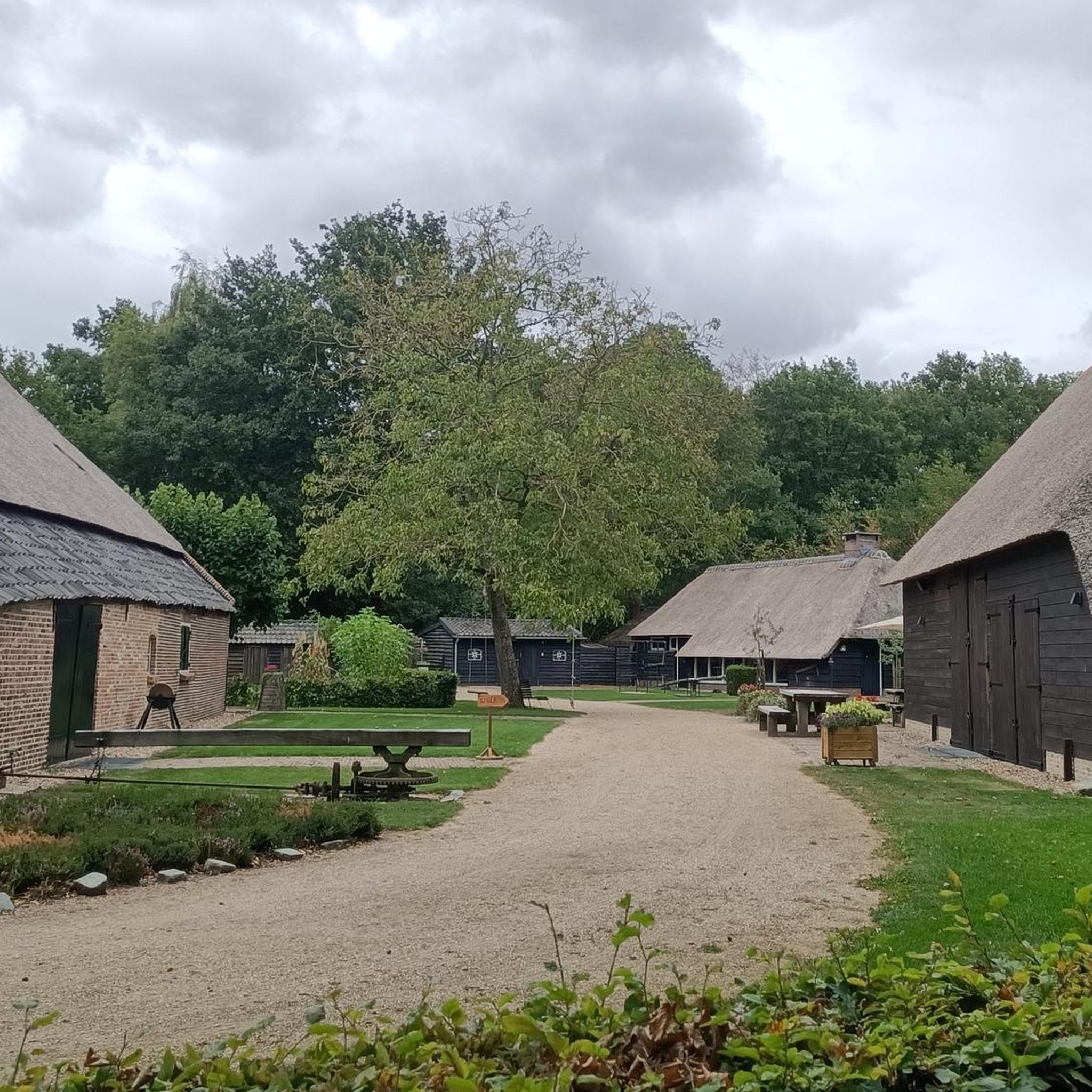
Two farms were located on the old path between Metz and Peltre, the Haute Bévoye and the Basse Bévoye. The Haute Bévoye, on a hill, is a fortified farm documented from the early 14th century. In 1404, it belonged to "Jehan Xaippey", i.e. Jean de Raigecourt, known as Xappel; 12 cattle and 8 horses were raised there at the time. In addition to an 18th-century dwelling and farm buildings, the layout of the medieval castle remains legible, with four rectangular wings surrounded by a moat; two wings and three towers recall the initial state. https://melodi.univ-lorraine.fr/s/projet-cite-de-metz/item/2973
1
0

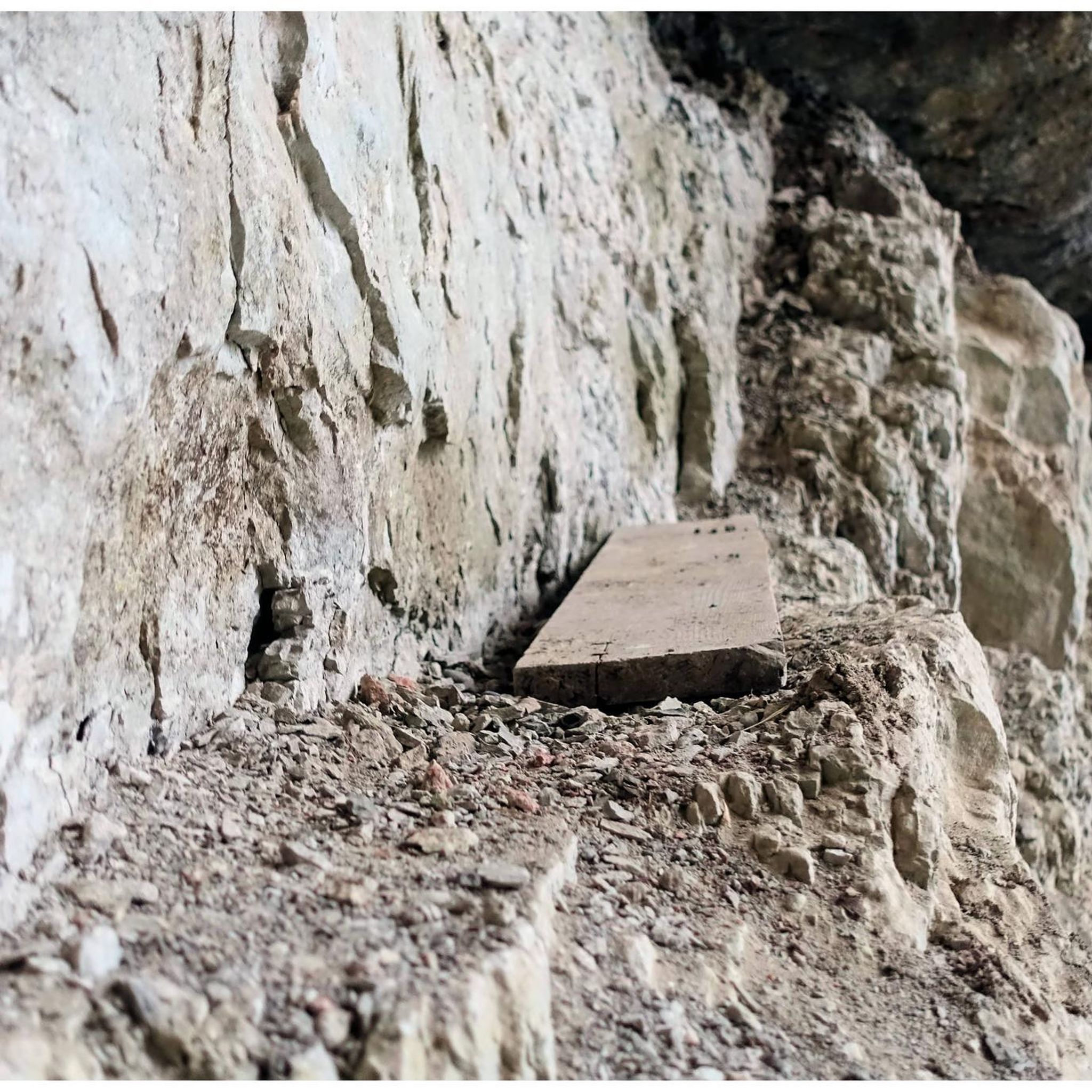
The fort is still maintained as a historical memorial. The inner fortress is actually more of a small park - with playgrounds and picnic areas. The still recognizable building ruins serve as a refuge for bats. The very extensive area around it is surrounded by hiking trails, the fortress walls and, above all, the deep defensive ditch are always present.
2
0

Of the original 17 city gates, only the German Gate in the east remains. Named after the former hospital of the Teutonic Order, which stood nearby, it was built as an entrance to the city on a bridge over the Seuille River. A medieval structure straight out of a picture book.
6
1

Always worth a bike tour! In the old town area, however, you should keep an eye on the ground. The cobblestones are very rough in places and have deep, wide cracks.
1
0

beautiful walk starting from the Col de Lessy
1
0

Impressive and well-preserved gate of the medieval city fortifications on the Seille.
6
0

"...One of the sights in Metz that really impressed me was the German Gate (Porte des Allemands). It is an imposing city gate that looks like a small castle with its massive towers and double gate. It was built in the 13th century and was part of the city wall that..." Find out more about the sights of Metz in my blog post: 👉 https://www.netreisetagebuch.de/metz-sehenswuerdigkeiten/
5
1
Frequently Asked Questions
What are the most historically significant sites to visit around Scy-Chazelles?
The region around Scy-Chazelles offers a rich tapestry of history. You can explore the medieval Porte des Allemands in Metz, which served as a fortified city gate and bridge. For a deeper dive into 19th and 20th-century military history, visit Fort Saint-Quentin, part of the extensive fortifications that played a role in the Battle of Metz in 1944.
Are there any family-friendly castles or historical sites near Scy-Chazelles?
Yes, the Porte des Allemands is categorized as family-friendly. Its impressive medieval architecture and history as a city gate and bridge can be an engaging experience for all ages. Additionally, the broader Historic landmarks in Metz, including the cathedral and old town, offer diverse attractions suitable for families.
What kind of military history can I explore in the castles around Scy-Chazelles?
The area is particularly rich in military history from the 19th and 20th centuries. The Fort Saint-Quentin, part of the Feste Prinz Friedrich Karl fortifications, showcases significant defensive architecture and played a crucial role during the Battle of Metz in 1944. These sites provide a tangible link to the region's strategic importance and military evolution.
Is there a 'château' that offers a different kind of historical or cultural experience?
Yes, the Château de Vaux, home to Vignobles Molozay, offers a unique blend of regional history and local viticulture. While not a medieval fortress, this vineyard estate reflects the area's heritage and provides an opportunity to engage with local wine culture, including organic wine tasting and purchases. It's a different perspective on the region's 'château' designation.
What outdoor activities can I combine with visiting castles near Scy-Chazelles?
The region offers various outdoor activities. You can find numerous hiking and cycling routes that pass by or are close to historical sites. For example, there are hiking routes like the 'Saint-Remy Church – Fort Giraudon loop' from Scy-Chazelles, and cycling tours such as the 'German Gate – Metz Cathedral loop' which allow you to explore the landscape and historical landmarks simultaneously.
Are there any castles or historical sites that reflect the architectural shifts during periods of German occupation?
Yes, Mercy Castle, erected in 1905 near Moulins-Lès-Metz, is a notable example. It was built with a 'clearly French style' as a form of architectural resistance during a period of German occupation, showcasing the region's complex history through its design.
What do visitors particularly enjoy about the historical sites around Scy-Chazelles?
Visitors frequently appreciate the rich historical context and architectural diversity. The Porte des Allemands and Metz Cathedral highlight the blend of medieval and gothic architecture, with many noting Metz as a beautiful city for a city trip. The military fortifications like Fort Saint-Quentin are valued for their historical significance and impressive scale.
What is the best time of year to visit the castles and historical sites in the Scy-Chazelles area?
While specific opening hours vary, visiting during spring or autumn generally offers pleasant weather for exploring both indoor and outdoor sites. These seasons avoid the peak summer heat and the colder, potentially less accessible winter months, making it ideal for walking around fortifications and city centers.
Are there options for public transport to reach the castles and historical sites?
Many of the significant historical sites, such as the Porte des Allemands and Metz Cathedral, are located within or very close to Metz, which is well-served by public transport. For sites further afield like Fort Saint-Quentin, local bus services or a short drive from Metz would be the most practical options.
Can I find cafes or restaurants near the historical attractions?
Yes, especially around the sites located in Metz, such as the Porte des Allemands and Metz Cathedral. Metz offers plenty of nice terraces and restaurants where you can enjoy local cuisine and refreshments. For sites like the Château de Vaux, you might find direct wine sales and tasting experiences, but dedicated cafes might be less common right at the site.
How long should I plan for a visit to the castles and historical sites?
The duration depends on the site. A visit to the Porte des Allemands might take an hour or two, while exploring the Metz Cathedral and old town could easily fill half a day or more. For military fortifications like Fort Saint-Quentin, allow a few hours to appreciate the scale and history. If you plan to visit multiple sites, consider dedicating a full day or more.
Are there any viewpoints near the castles that offer scenic views?
The Fort Saint-Quentin is located on Mont Saint-Quentin, northwest of Metz, which naturally offers elevated positions that could provide scenic views of the surrounding area. Additionally, the Mosel promenades in Metz, near sites like the Porte des Allemands and Metz Cathedral, offer beautiful views overlooking the city's architectural features and the river.
Most popular routes around Scy-Chazelles
Most popular attractions around Scy-Chazelles

Get inspired with the komoot mobile app


Explore more
Looking for the best castles somewhere else? Discover other guides around Scy-Chazelles:
