Top 4 Caves around Fourbanne
Caves around Fourbanne, a commune in the Doubs department of France, offer natural exploration and historical significance. The region is known for its karst formations, including the Grotte de Fourbanne, which features two entrances and an explored length of 1300 meters. This cave system is notable for its Paleolithic deposits, indicating prehistoric human presence. It also serves as a habitat for protected bat colonies, contributing to local biodiversity.
Best caves around Fourbanne
- The most popular cave is Grotte Sous Buen…
Last updated: October 8, 2026
Grotte Sous Buen
Highlight • Cave
Translated by Google •
Tip by

Fourbanne Cave
Highlight • Cave
Translated by Google •
Tip by

Sign up now to discover places like this
Get recommendations on the best single tracks, peaks, & plenty of other exciting outdoor places.
Grotte du Petit Siblot
Highlight • Cave
Through a very small shaft entrance of just 30 x 50 cm.
you have to abseil about 7 meters ... …
Translated by Google •
Tip by

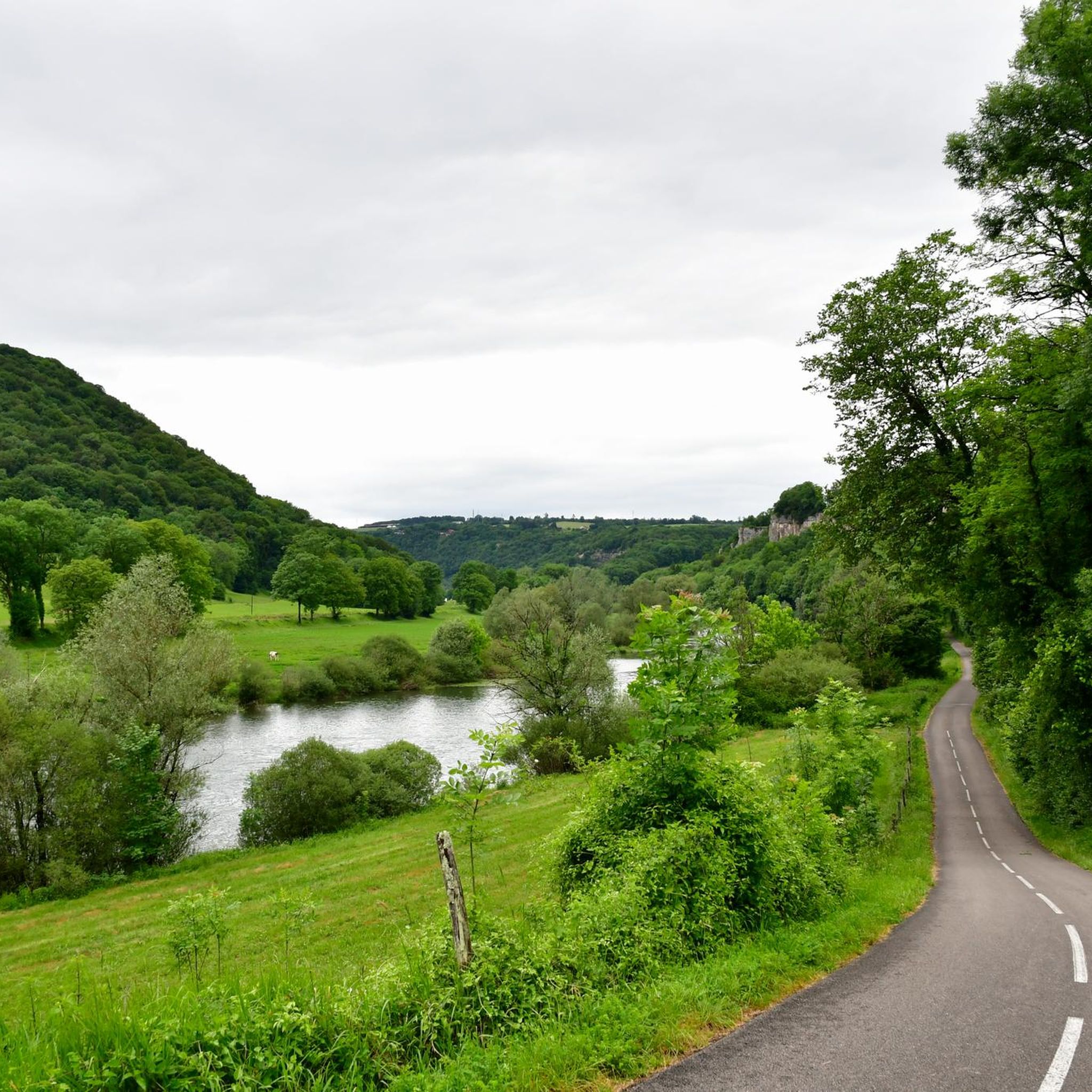
View of the Loue River from the Cave
Highlight • Cave
Translated by Google •
Tip by

Start today with a free account
Your next adventure awaits.
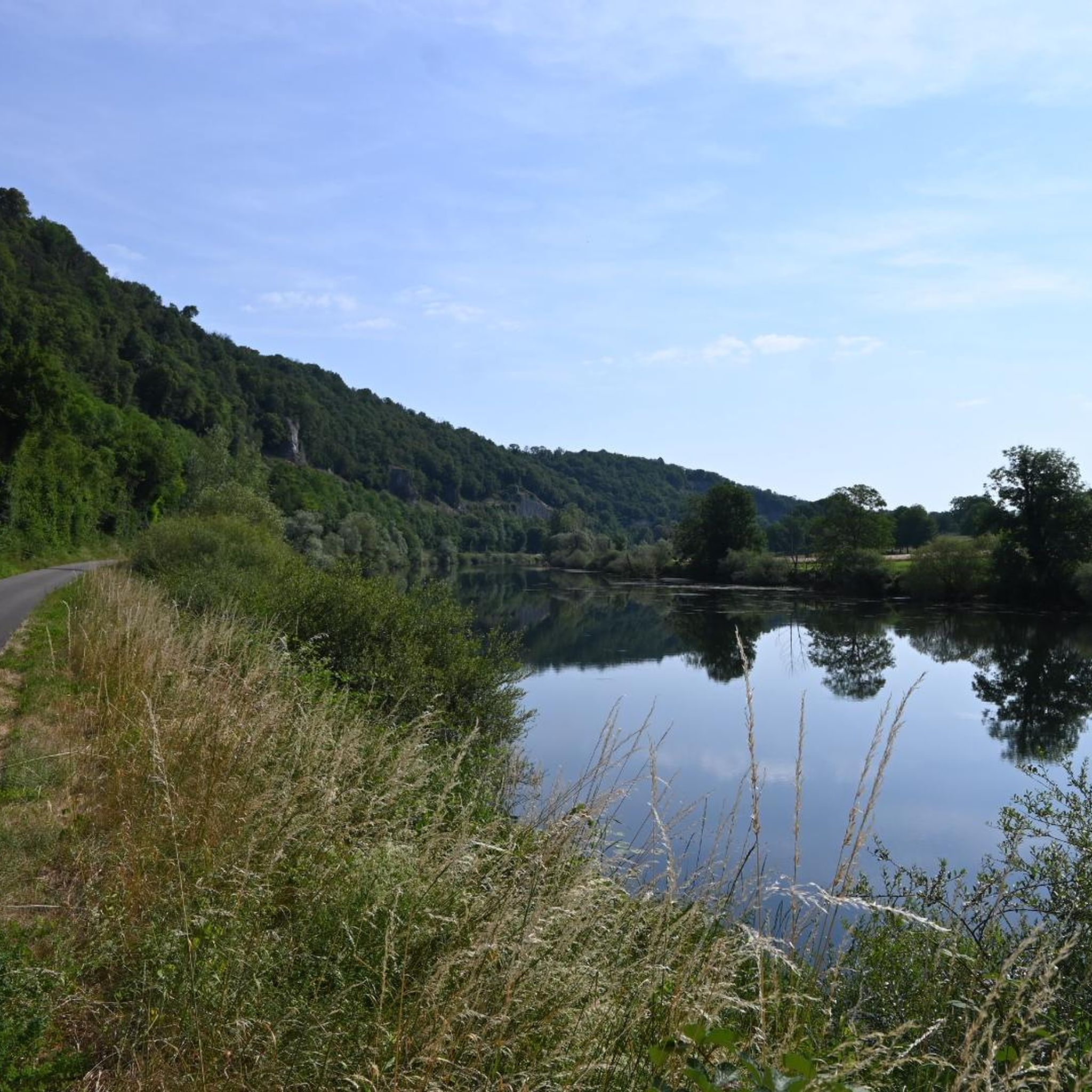
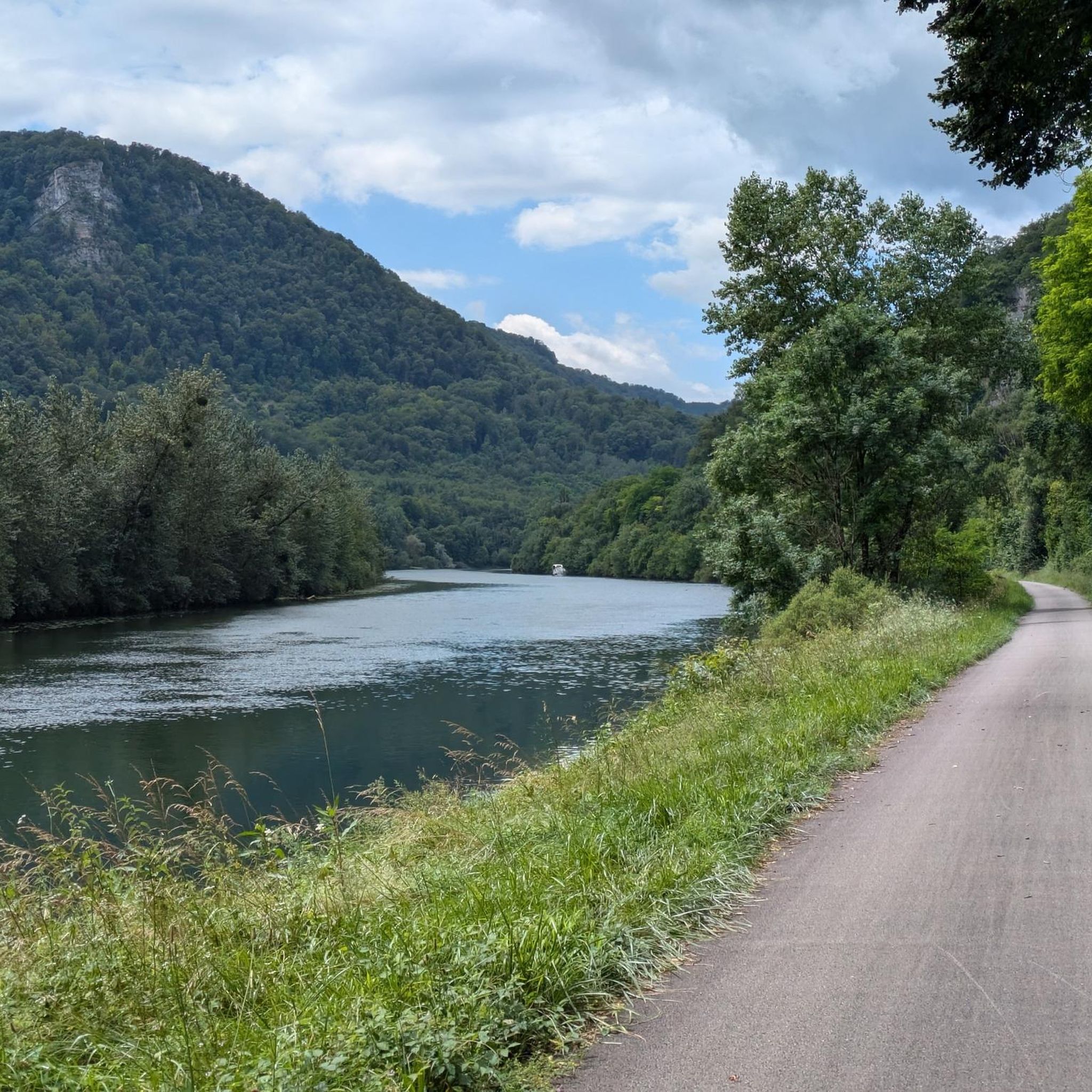
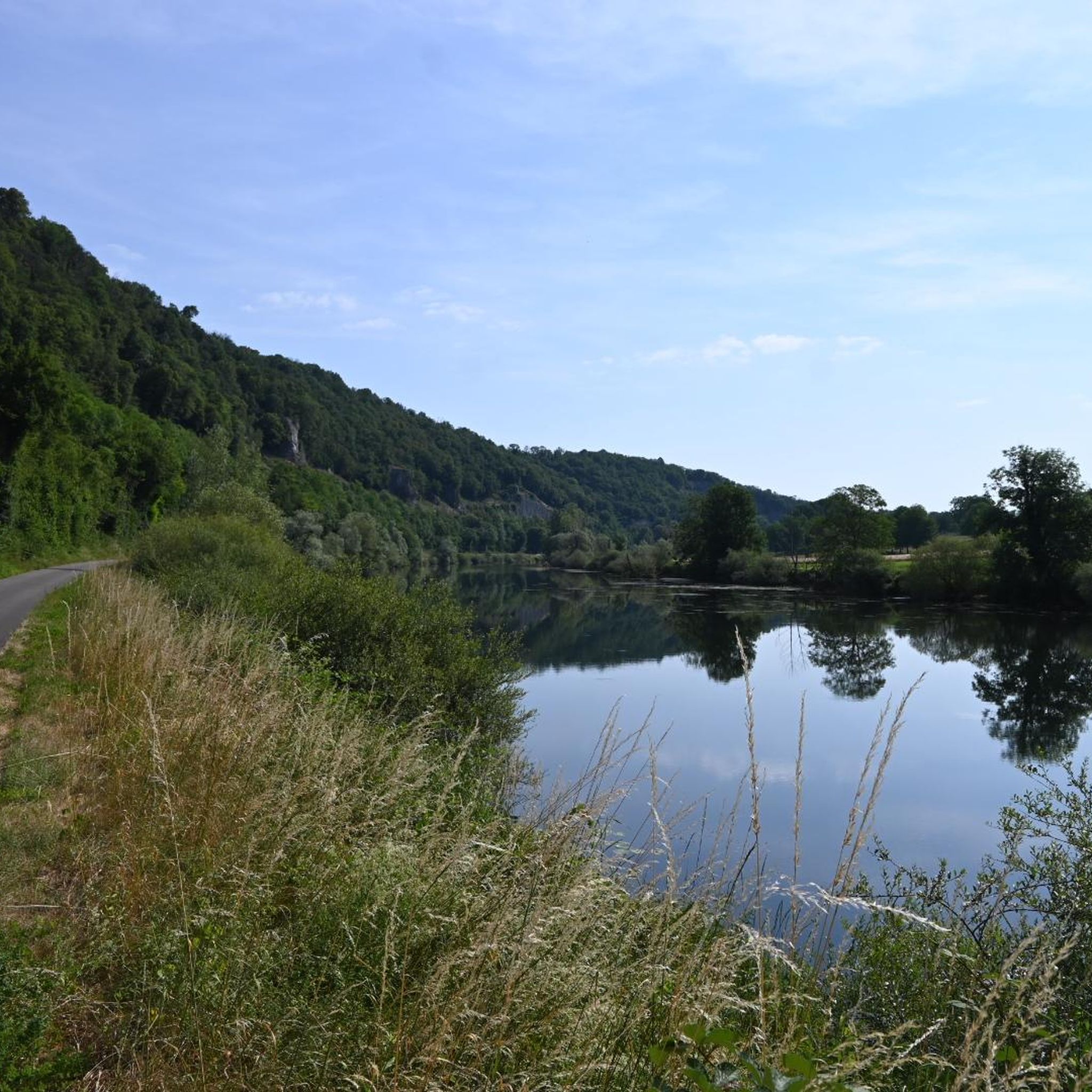
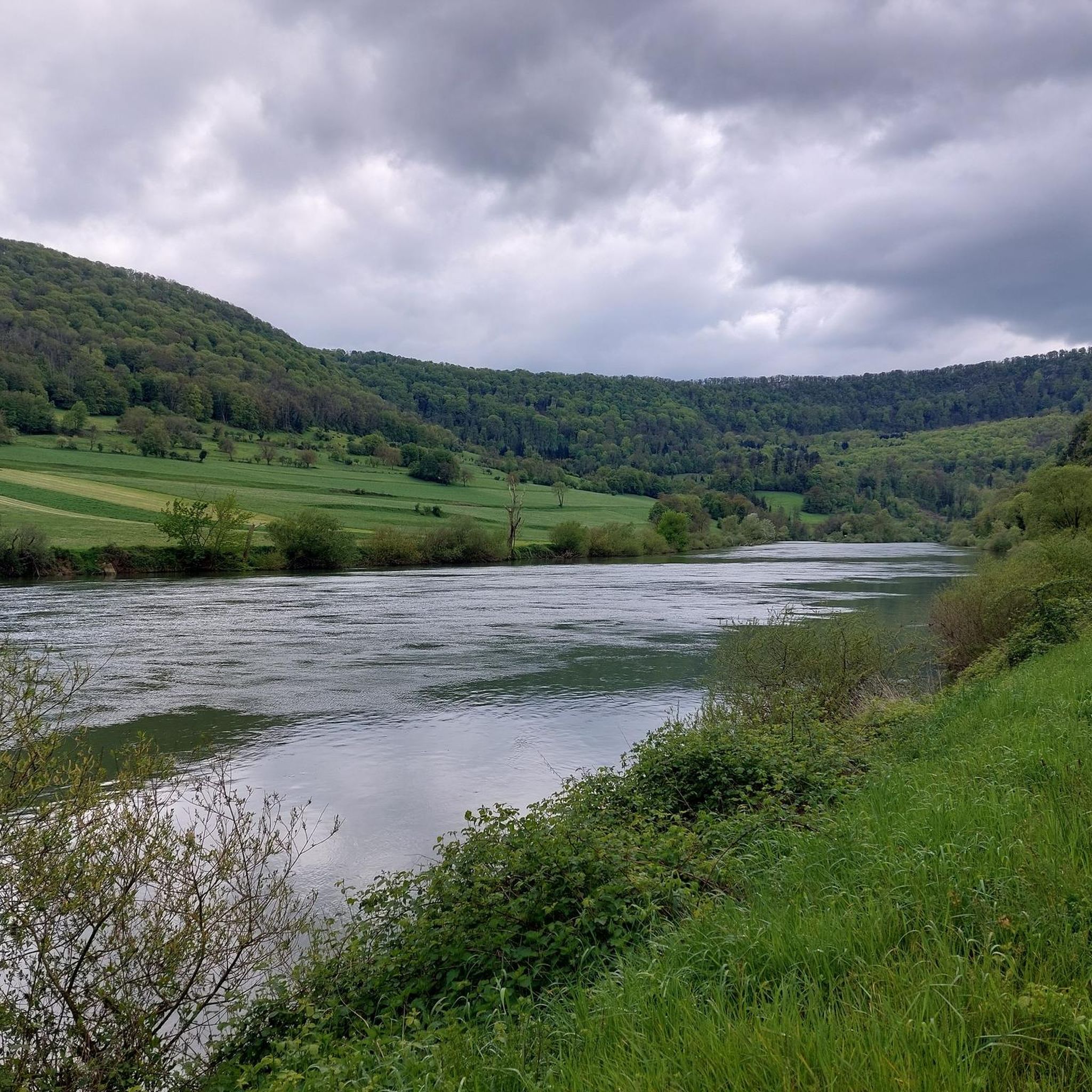

Tips from the Community

Cannot be reached directly from the cycle path.
2
0

After a small barrier and a small climb comes a nice point to rest. Attention, it is not recognizable at first glance. Behind the bush is a very small path.
0
0

High grotto with wonderful limescale deposits - accessible via a metal ladder even without equipment. The grotto does not lead deep into the rock, the daylight is sufficient, you do not need a flashlight. It is freely accessible to everyone.
1
0

On the other side of the train tracks up the hill are the wild undeveloped karst caves of Fourbanne, a dream for fans of speleology. Bring good light, rugged cloths, and wear your helmet (you're biking, so you have a helmet!). https://inpn.mnhn.fr/zone/znieff/430013670 See video https://www.youtube.com/watch?v=7nxTiEY92I8
1
4

The cave is listed as a real classic among speleologists. Through a very small shaft entrance of just 30 x 50 cm. you have to abseil about 7 meters ... Then the next 18 meter deep shaft. A final climbing step, about 5 meters lower, ends in an impressive and large hall with beautiful stalactite columns.
4
0
Frequently Asked Questions
Which caves around Fourbanne are suitable for casual visitors or families?
For a more accessible experience, consider Grotte Sous Buen. It features high grottoes with beautiful limescale deposits and is accessible via a metal ladder. Daylight is sufficient inside, so a flashlight isn't necessary, and it's freely accessible to everyone.
Are there challenging caving opportunities for experienced speleologists near Fourbanne?
Yes, the region offers challenging options. Grotte du Petit Siblot is considered a classic among speleologists, requiring abseiling through shafts and featuring an impressive hall with stalactite columns. Additionally, Fourbanne Cave is an undeveloped karst cave that appeals to enthusiasts, but requires appropriate gear like a helmet and good lighting for exploration.
What historical significance do the caves in Fourbanne hold?
The Grotte de Fourbanne is significant for its Paleolithic deposits, which indicate human presence in the area during prehistoric times. This makes it an interesting site for those curious about ancient history.
What kind of wildlife can be found in the caves around Fourbanne?
The Grotte de Fourbanne provides a habitat for various protected bat colonies, making it an important site for local biodiversity and a point of interest for nature enthusiasts.
What natural formations are visible in the caves of the Fourbanne region?
You can expect to see impressive geological features such as high grottoes with limescale deposits in Grotte Sous Buen, and beautiful stalactite columns in the large hall of Grotte du Petit Siblot. The region is generally known for its karst formations.
What should I wear or bring when exploring caves in Fourbanne?
For undeveloped caves like Fourbanne Cave, it's essential to bring appropriate gear such as a helmet and good lighting. Rugged clothing is also recommended. For easier access caves like Grotte Sous Buen, daylight is sufficient, but sturdy footwear is always advisable.
Are there hiking trails near the caves around Fourbanne?
Yes, there are several hiking opportunities in the vicinity. You can find various routes, including easy and moderate options, by exploring the Hiking around Fourbanne guide.
What other outdoor activities can I do near the caves in Fourbanne?
Beyond caving, the Fourbanne area offers diverse outdoor activities. You can explore numerous routes for Gravel biking and Road Cycling, in addition to hiking.
Is there a good viewpoint near the caves to see the surrounding landscape?
Yes, you can find a View of the Loue River from the Cave. After a small barrier and a short climb, it offers a nice spot to rest and enjoy the scenery.
What is the best time of year to visit the caves in Fourbanne?
While specific seasonal closures are not noted for all caves, generally, spring and autumn offer pleasant temperatures for outdoor exploration and caving. Conditions inside undeveloped caves can be trickier after heavy rain, so checking local conditions is always recommended.
Are permits required to visit the caves around Fourbanne?
For freely accessible caves like Grotte Sous Buen, no permits are explicitly mentioned. However, for more challenging or undeveloped karst caves, especially those with protected wildlife, it's always prudent to check for any local regulations or access restrictions before your visit.
Are there any specific safety considerations for exploring the caves in Fourbanne?
For undeveloped caves, safety is paramount. The Grotte de Fourbanne, for instance, is not recommended for children due to potentially tricky conditions, especially after rain. Always ensure you have appropriate gear, good lighting, and consider your experience level before entering challenging cave systems.
Most popular routes around Fourbanne
Most popular attractions around Fourbanne

Get inspired with the komoot mobile app


Explore more
Extend your search for the best caves by checking out these guides of the top ones around Fourbanne:
