Top 9 Caves around Bergholtz
Caves around Bergholtz are primarily associated with historical military structures integrated into the natural landscape of the Vosges massif. The region is characterized by its mountainous terrain and significant World War I historical sites, such as the Hartmannswillerkopf. These sites often feature tunnels, bunkers, and fortified rock formations that are explored as cave-like structures. Bergholtz itself is situated in a natural setting, offering access to these unique historical and geological features.
Best caves around Bergholtz
- The most popular caves is…
Last updated: May 7, 2026
Adlerhorst Command Post – World War I
Highlight • Historical Site
Translated by Google •
Tip by

Veilchenstein German WW1 Bunker
Highlight • Historical Site
Translated by Google •
Tip by
Sign up now to discover places like this
Get recommendations on the best single tracks, peaks, & plenty of other exciting outdoor places.
Sign up for free
Lower Rehfelsen Tunnels
Highlight • Cave
even the hiking trail leads through one of the rooms.
Translated by Google •
Tip by

Small Cave
Highlight • Cave
Translated by Google •
Tip by

Bischofshut Tunnels and Ruins – Hartmannswillerkopf (HWK)
Highlight • Historical Site
Tip by

Sign up for free to discover even more caves around Bergholtz.
Sign up for free
Already have an account?
Start today with a free account
Your next adventure awaits.
Login or Signup

Tips from the Community

The "Veilchenstein" is a German shelter located on the Hartmannswillerkopf¹ battlefield. This shelter, built into a rock, is equipped with a machine gun post and observatories¹. Hartmannswillerkopf, also known as Vieil Armand, is a pyramidal rocky spur in the Vosges massif, overlooking the Alsace plain from its 957 meters¹. During the First World War, it was a strategic summit hotly contested by the French and German armies¹. Today, the Hartmannswillerkopf is a place of memory, bearing witness to the suffering of the soldiers who fought in the name of their country¹. The German remains encountered on the ground, sometimes quite spaced apart from each other, are witnesses to this historical period¹. (1). https://bing.com/search?q=veilchenstein+harmannswillerkopf. (2) The Hartmannswillerkopf - Official website. https://www.memorial-hwk.eu/. (3) Hartmannswillerkopf - Wikipedia. https://fr.wikipedia.org/wiki/Hartmannswillerkopf.
0
0
The Adlerhorst is a German shelter located on the Hartmannswillerkopf³ battlefield. This two-story shelter is built into a rock³. It is equipped with a machine gun post, observatories and a fountain³. Hartmannswillerkopf, also known as Vieil Armand, is a pyramidal rocky spur in the Vosges massif, overlooking the Alsace plain from its 956 meters². During the First World War, it was a strategic summit hotly contested by the French and German armies². Today, the Hartmannswillerkopf is a place of memory, bearing witness to the suffering of the soldiers who fought in the name of their country³. The German remains encountered on the ground, sometimes quite spaced apart from each other, are witnesses to this historical period³. (1) The Hartmannswillerkopf – German positions – By hills and by forts. https://parmontsetparforts.fr/2024/03/17/hwk-positions-allemandes/. (2) The Hartmannswillerkopf - Official website. https://www.memorial-hwk.eu/. (3). https://bing.com/search?q=adlerhorst+810+hartmannswillerkopf.
0
0

During the First World War, this rock massif was expanded into a strong, self-sufficient fortress. Over time, the hilltop was completely hollowed out with a large number of tunnels and rock chambers.
1
0

A fortified natural rock that can be accessed from several levels. even the hiking trail leads through one of the rooms.
4
0

small caves are always attractive and invite you to explore them. (Even if you suspect that there is not too much to explore.
0
0

The path over the Rehfelsen is littered with old bunkers and trenches
1
0

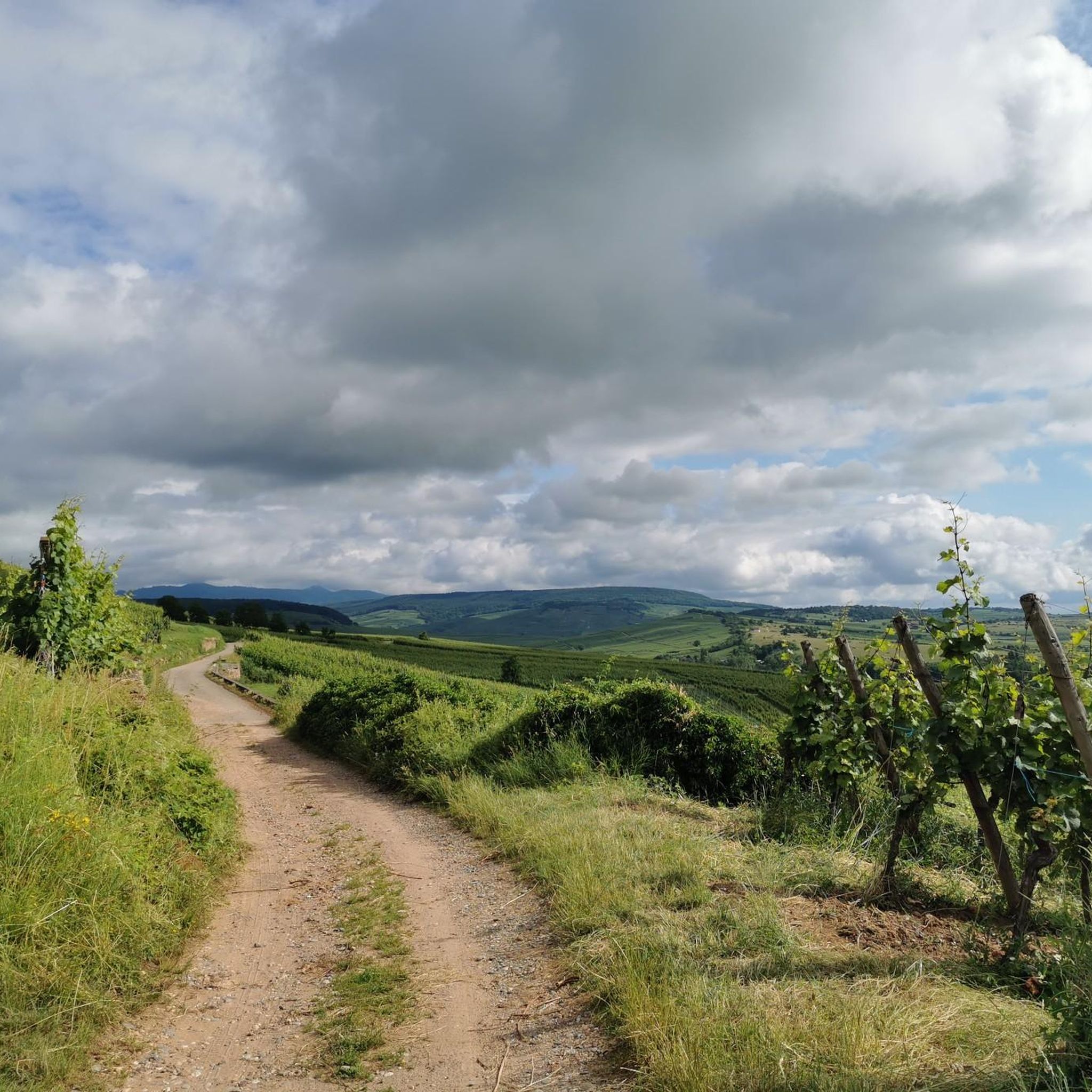
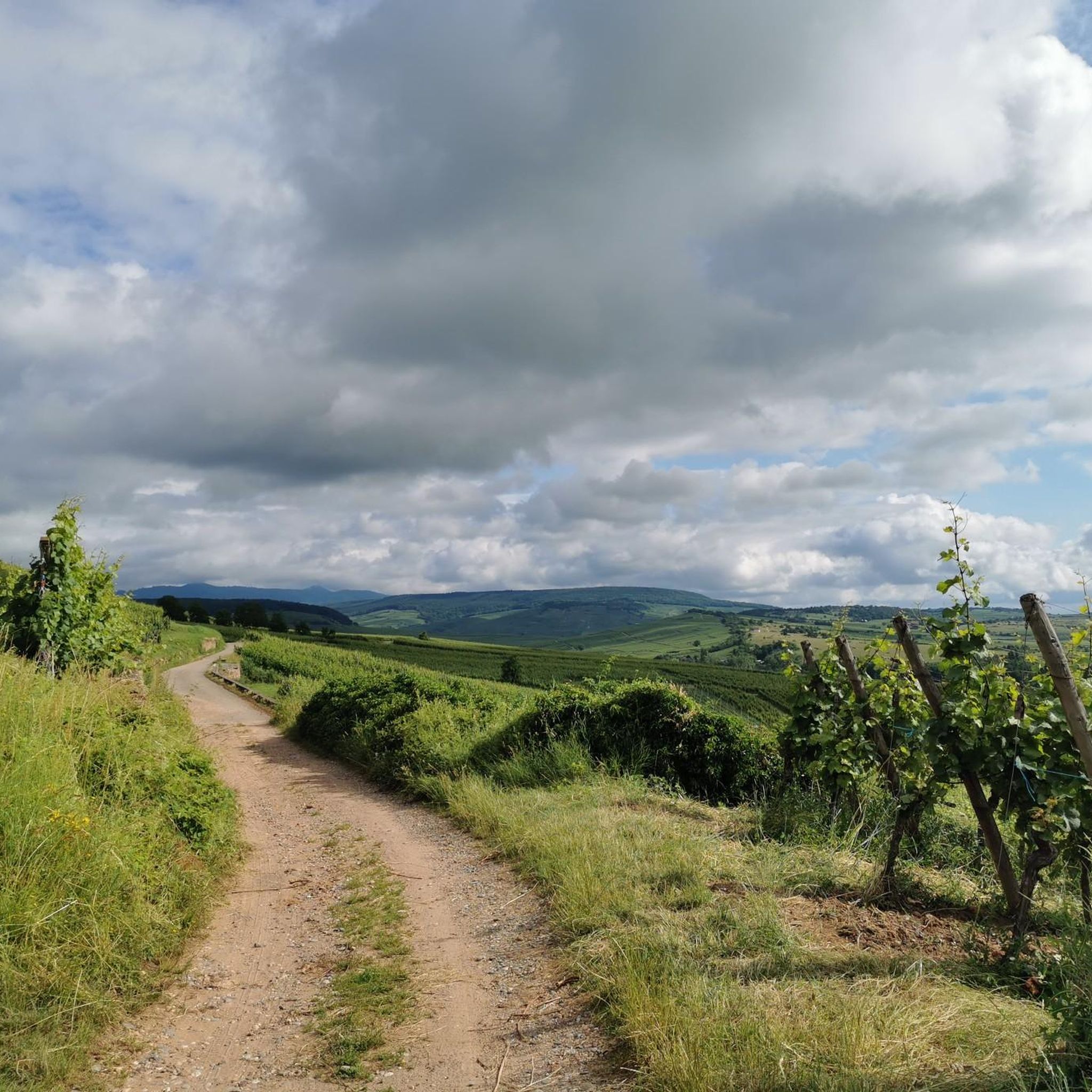
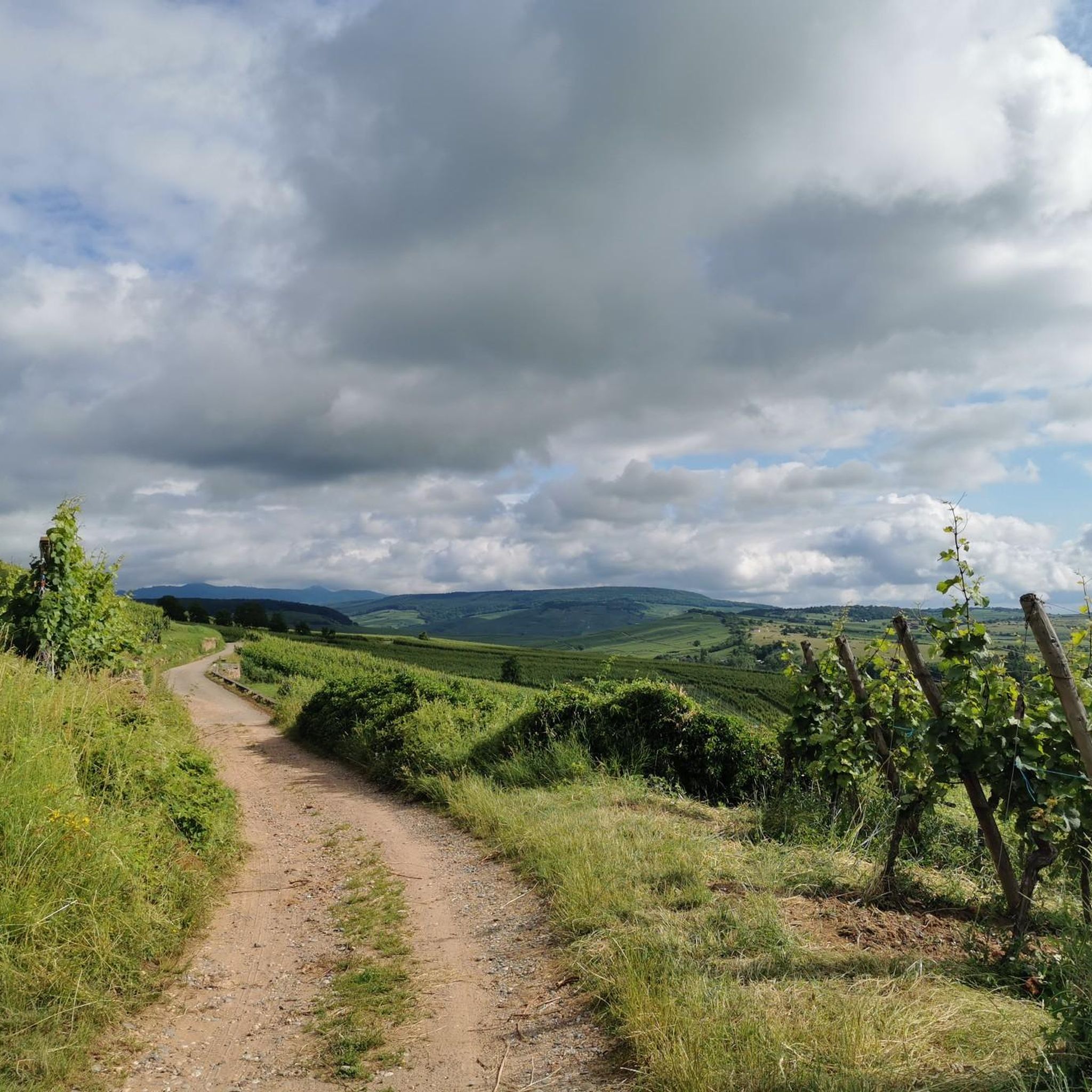
Fantastic view, so idyllic today, overgrown again and peaceful. May it stay like this forever! Live la paix!
2
0

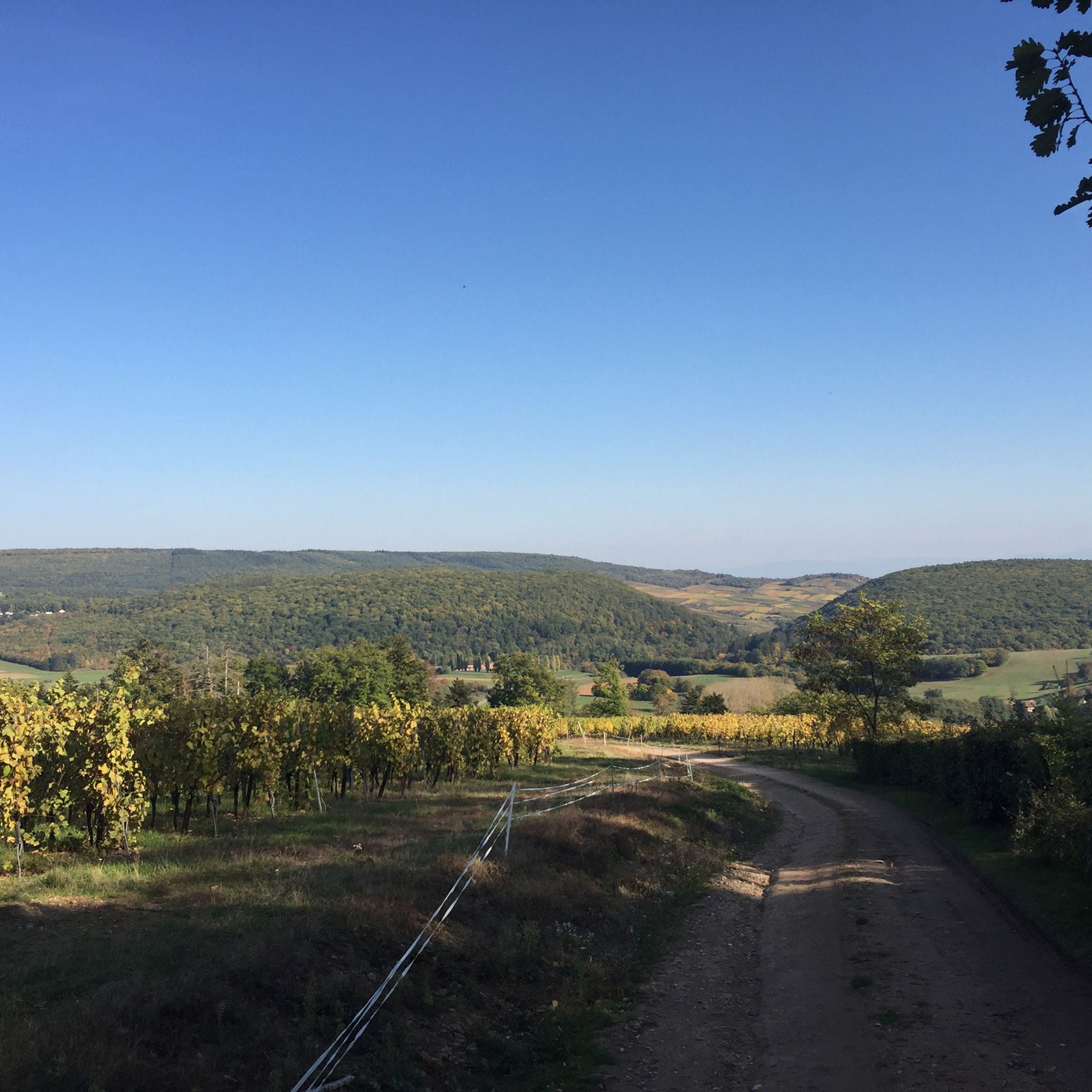
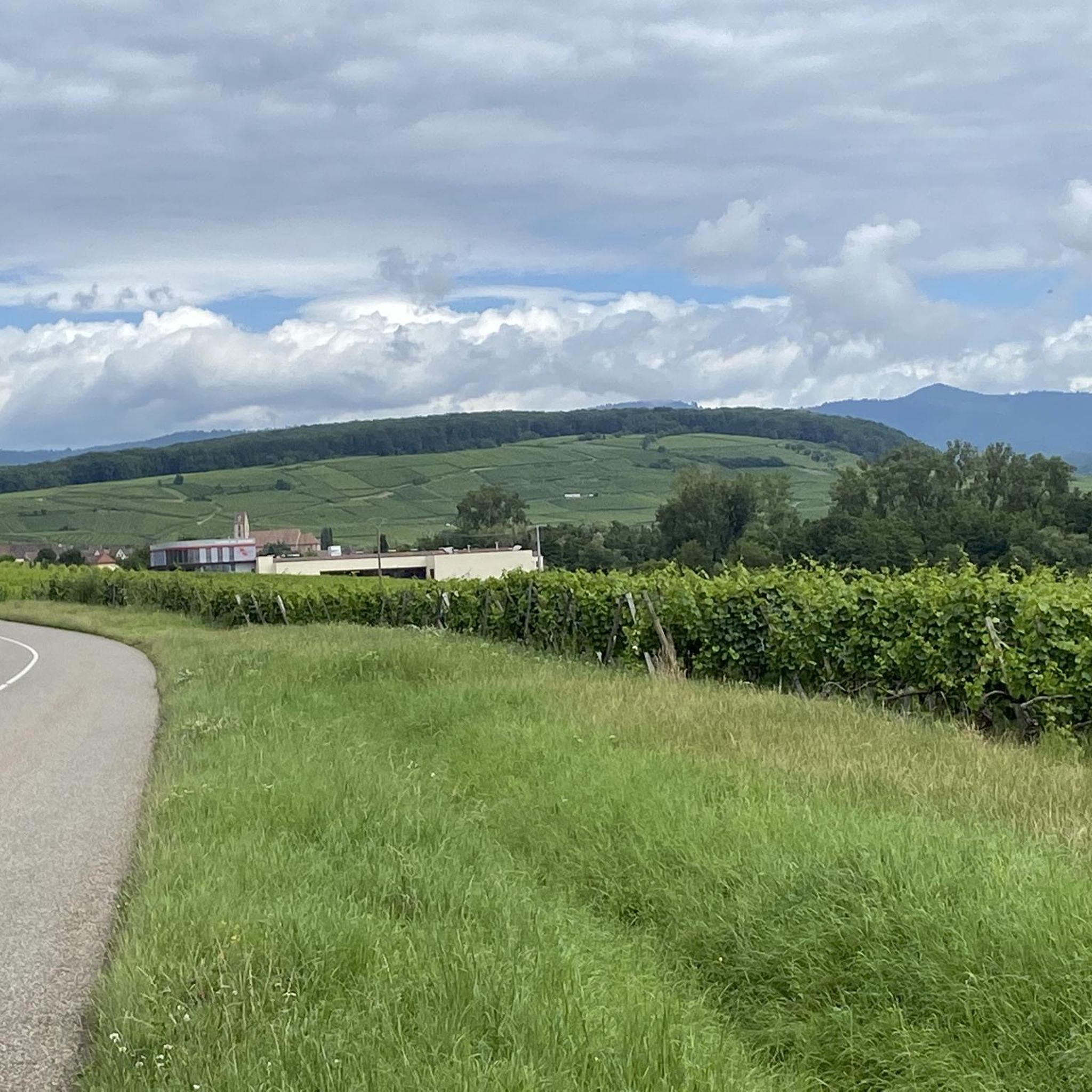
There is a lot to discover on the way to the Grand Ballon.
2
0
Frequently Asked Questions
What kind of "caves" can I expect to find around Bergholtz?
The "caves" around Bergholtz are primarily historical military structures from World War I, integrated into the natural landscape of the Vosges massif. These include tunnels, bunkers, and fortified rock formations, particularly on the Hartmannswillerkopf, offering a unique blend of history and natural features.
Are there any natural geological caves in the Bergholtz area?
Bergholtz is not known for natural geological caves. The region's notable underground features are predominantly man-made military structures from World War I, such as those found on the Hartmannswillerkopf.
What are some notable historical cave-like structures to explore near Bergholtz?
You can explore sites like the Small Cave, which offers a glimpse into the natural rock formations, or the Bischofshut Tunnels and Ruins – Hartmannswillerkopf (HWK), a German WW1 position with bunkers, tunnels, and trenches.
How challenging are the historical cave sites around Bergholtz to explore?
The difficulty varies. Some sites, like the Veilchenstein German WW1 Bunker and Bischofshut Tunnels and Ruins – Hartmannswillerkopf (HWK), are rated as challenging due to their terrain and the nature of the ruins. Others, such as the Lower Rehfelsen Tunnels, are considered intermediate.
Are the historical cave sites around Bergholtz suitable for families?
While the historical sites offer educational value, some areas involve challenging terrain, tunnels, and ruins. Families with younger children should exercise caution and consider the difficulty ratings. The historical context might be more engaging for older children.
What is the best time of year to visit the historical sites and "caves" near Bergholtz?
Visiting during spring, summer, or early autumn is generally best. The weather is milder, making outdoor exploration of the historical sites and surrounding trails more comfortable. Winter can bring snow and ice, making access and exploration more difficult and potentially hazardous.
What outdoor activities can I combine with a visit to these historical sites?
The Bergholtz area is excellent for outdoor activities. You can find numerous hiking trails, such as the "Croix de la Mission – View of Guebwiller loop" or the "Oelberg Way of the Cross – Orschwir Castle loop." For more options, explore the hiking guide for Bergholtz. Cycling and running routes are also available in the region.
Are there hiking trails near the historical "caves" of Bergholtz?
Yes, many of the historical sites, particularly on the Hartmannswillerkopf, are integrated into a network of hiking trails. These trails often lead directly through or past the bunkers, tunnels, and fortified positions. You can find detailed routes in the hiking guide for Bergholtz.
What should I wear when exploring the historical cave sites?
Wear sturdy hiking boots with good grip, as the terrain can be uneven and rocky, especially inside tunnels and around ruins. Dress in layers, as temperatures inside can be cooler than outside. A headlamp or flashlight is highly recommended for exploring darker sections.
Are there any permits required to visit the historical cave sites around Bergholtz?
Generally, no specific permits are required for public access to the historical sites and trails around Bergholtz. However, always respect local regulations, stay on marked paths, and be aware of any posted warnings or restrictions, especially in sensitive historical areas.
What kind of natural features can I see around the historical cave sites?
The historical sites are set within the natural beauty of the Vosges massif. You'll encounter dense forests, rocky outcrops, and often enjoy panoramic views over the Rhine plain. The terrain itself, with its sandstone formations, is a significant natural feature.
Where can I find parking near the historical cave sites?
Parking is typically available at designated points near major historical sites like the Hartmannswillerkopf. Look for official parking areas at trailheads or visitor centers. Specific parking information might be available on local tourism websites or detailed route descriptions.
What do visitors enjoy most about the historical cave sites around Bergholtz?
Visitors appreciate the unique combination of history and nature. The opportunity to explore well-preserved World War I military structures, like the Adlerhorst Command Post – World War I, built into the rock, while enjoying the scenic Vosges landscape, is a major draw. The views over the Rhine plain from these elevated positions are also highly praised.
Most popular routes around Bergholtz
Most popular attractions around Bergholtz

Get inspired with the komoot mobile app


Explore more
Extend your search for the best caves by checking out these guides of the top ones around Bergholtz:
