Attractions and Places To See in Muğla - Top 20
Best attractions and places to see in Muğla include a diverse range of historical, cultural, and natural sites in southwestern Turkey. This province features ancient cities, extensive coastlines, and vibrant local markets. The region's landscape encompasses coastal habitats and mountainous terrains, offering varied exploration opportunities.
Best attractions and places to see in Muğla
- The most popular attractions is Kayaköy (Levissi) — Abandoned Village Ruins, a historical site that was mainly inhabited by ethnic Greeks until 1922/23. This village is now a ghost town, with many homes remaining vacant since the eviction of its former residents and damage from a 1957 earthquake.
- Another must-see spot is Kabak Beach, a beach with clear waters. Visitors can find campsites, a bar, and shops in the area, making it suitable for swimming after hiking.
- Visitors also love Bodrum Castle, a seaside castle from the early 15th century. This fortress houses an extensive underwater archaeology museum and is situated between the marina and the beach.
- Muğla is known for its ancient cities, stunning beaches, and historical castles. The region offers a variety of attractions to see and explore, from archaeological sites to natural coastal beauty.
- The attractions in Muğla are appreciated by the komoot community, with over 78 upvotes and 19 photos shared across more than 150 highlights.
Last updated: August 16, 2026
Kayaköy (Levissi) — Abandoned Village Ruins
Highlight • Historical Site
Source: Wikipedia
Translated by Google •
Tip by

Bodrum Castle
Highlight • Castle
Translated by Google •
Tip by

Sign up now to discover places like this
Get recommendations on the best single tracks, peaks, & plenty of other exciting outdoor places.
Sign up for free
Bodrum Ancient Theatre
Highlight • Historical Site
Translated by Google •
Tip by

Marmaris
Highlight • Settlement
Marmaris is one of the popular tourism towns of Muğla, with its natural beauty, long coastline, magnificent view from pine covered hills, virgin bays, beaches, ancient cities, yacht marinas and cruise harbour.
Marmaris has been an important port for many civilizations who have ruled over in the area for thousands of e years with its geographical location at the intersection of two seas.
Ancient Physkos, known as the "City of nature" in Carian language was the first Carian port city and the center of other settlements in the region.
Ancient ruins of this important port city dating back to 3400 BCE can be seen in Asartepe, in the north of Marmaris city.
Marmaris is the destination for those who want to relax, explore natural beauty and the rich history of the region. The destination for those who want to the enjoy the turquoise sea and golden sands and try many water- and land-based sporting activities.
Tip by

Winding Road
Highlight • Trail
Tip by

Myndos Gate
Highlight • Historical Site
Translated by Google •
Tip by
Kaunos Rock Tombs
Highlight • Historical Site
Translated by Google •
Tip by

Kayaköy Ruins
Highlight • Historical Site
Tip by

Aktaş Beach
Highlight • Beach
Tip by

Stone water source and campsite on the Lycian Way
Highlight • Rest Area
Tip by

Sign up for free to discover even more attractions in Muğla.
Sign up for free
Already have an account?
Start today with a free account
Your next adventure awaits.
Login or Signup



Tips from the Community

Small stand right by the roadside with drinks... if no one is present at the moment, you can pay into the small cash box on a trust basis.. Right next to it there is a large flat area for camping... perfect
1
0
Small stand right by the roadside with drinks... if no one is present, you can pay into the small cash box on a trust basis
1
0

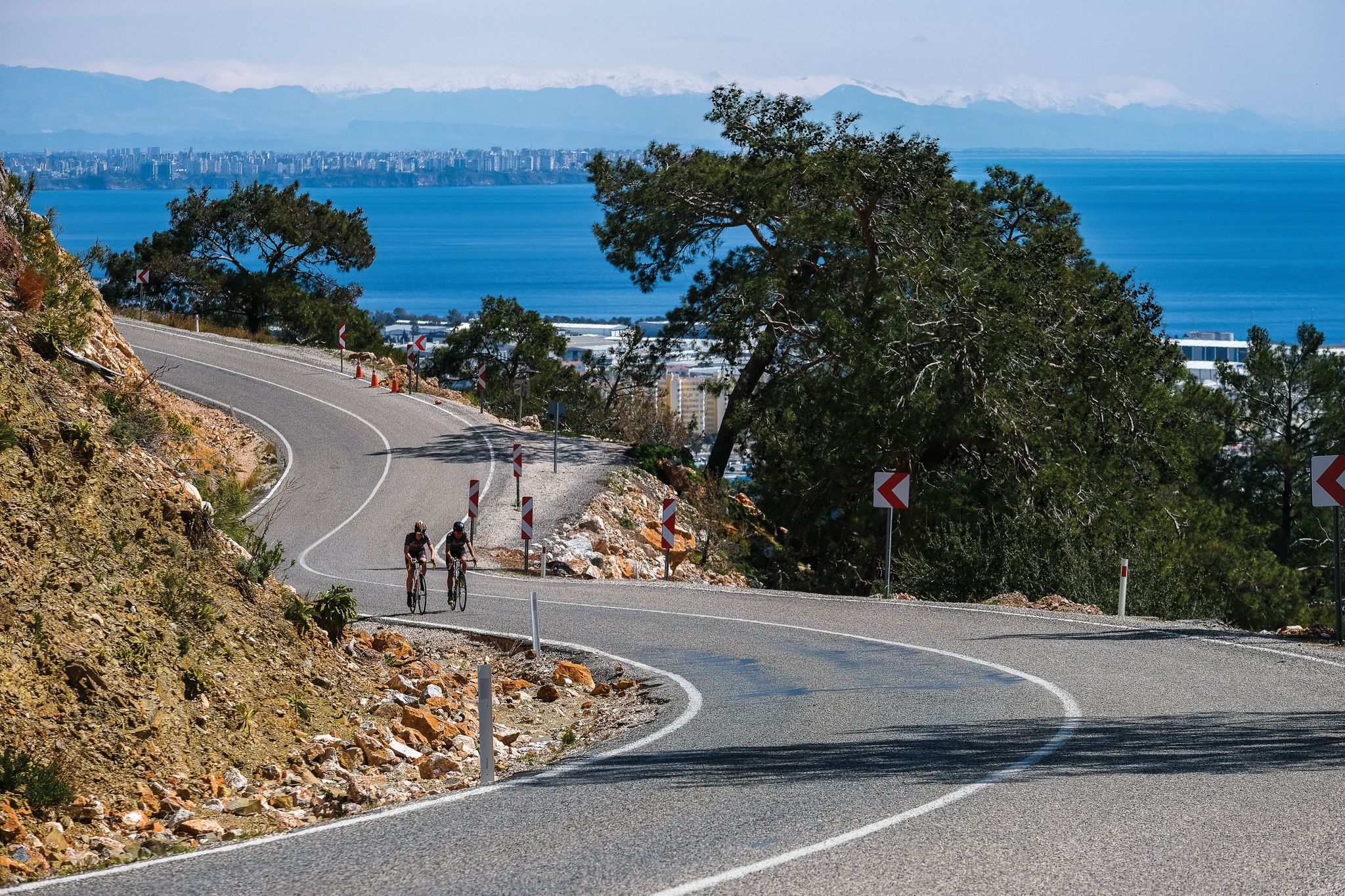
I have traveled this road many times, especially thanks to the Gökova Bicycle Tours. It can be considered a mini "queen stage." Starting from Bodrum, the route enters the forest from the Yalıçiftlik neighborhood and begins to climb gently. It ascends until the Çocuk Mezarlığı (Child Cemetery—yes, that is its name) location. The energy and riding pleasure of this section are very high. In this part, where phone reception drops in places, there are a few small, family-run establishments along the road where you can take a break, drink tea, and eat gözleme. After exiting the forest, a large cistern welcomes you. If you turn right, which is the continuation of our route, it climbs towards Mazı; if you turn left, you reach Mumcular. The direction toward Mazı normally takes you down to Çökertme. By covering the distance between Çökertme and Ören, you get a little closer to the most beautiful parts of the Gökova coastline. However, on this tour, instead of heading toward Çökertme, I went down to Ilgın, one of the most beautiful bays in Mazı.
0
0

The Museum ist simply amazing! I was honestly gobsmacked by the artifacts. And the castle itself is more than worth a visit. It is way bigger than it looks and, for some reason, it reminded me of the Krak des Chevaliers in Syria (although Bodrum Castle is in way better condition even before the Syrian war damaged parts of the Krak). Currently, the entrance is 1400 TL or 23 €. Well worth it. Cannot recommend it enough!
0
0
The only surviving monumental gate of the 6.5 kilometers long ancient city wall of Halikarnassus was built by king Mausollos in the 4th century B.C. The towers, original height is not known, were constructed of andesite stone blocks. The restoration of the gate has been accomplished to the data obtained from archaeological excavations and research around the site. There are three entrances to the courtyard of the gateway on the eastern side of the tower. With the exception of the eastern gateway it is not clear whether two auxiliary entrances may get a date from the 4th century B.C. The gateway to the east of the courtyard led the ancient city of Bodrum.
0
0
Bodrum Theatre has all the features of the classical period theatres. It has similar design principles to Epidauros Theatre in Greece; the parados walls turns inward after the lower cavea and has a horseshoe shape. Since there is no other theatre building in Mediterranean region with these features, Bodrum Theatre is an unique example of its own period. During classical periods (6"-4" century B.C.), the actors and chorus were performing in the circular "orchestra" which has been located at the center of the theatre. After classical period, the performances were given in front of the scene which became an important building. Bodrum Theatre has been located on the southern ridges of Göktepe at an altitude of 50 meters above the sea level. Therefore the seating rows look towards Bodrum Castle, the bay and the islands which constitute a marvellous background for both visitors and spectators.
0
0
Bodrum Castle (Turkish: Bodrum Kalesi) is a historical fortification located in southwest Turkey in the port city of Bodrum, built from 1402 onwards, by the Knights of St John (Knights Hospitaller) as the Castle of St. Peter or Petronium. A transnational effort, it has four towers known as the English, French, German, and Italian towers, bearing the names of the nations responsible for their construction. The chapel was built around 1407 and the first walls completed in 1437. The castle started reconstruction in the late 15th century, only to be taken over by the Islamic Ottoman Empire in 1523. The chapel was converted to a mosque, and a minaret was added. The castle remained under the empire for almost 400 years. After remaining empty following World War I, in the early 1960s, the castle became the home for the Bodrum Museum of Underwater Archaeology.
0
0

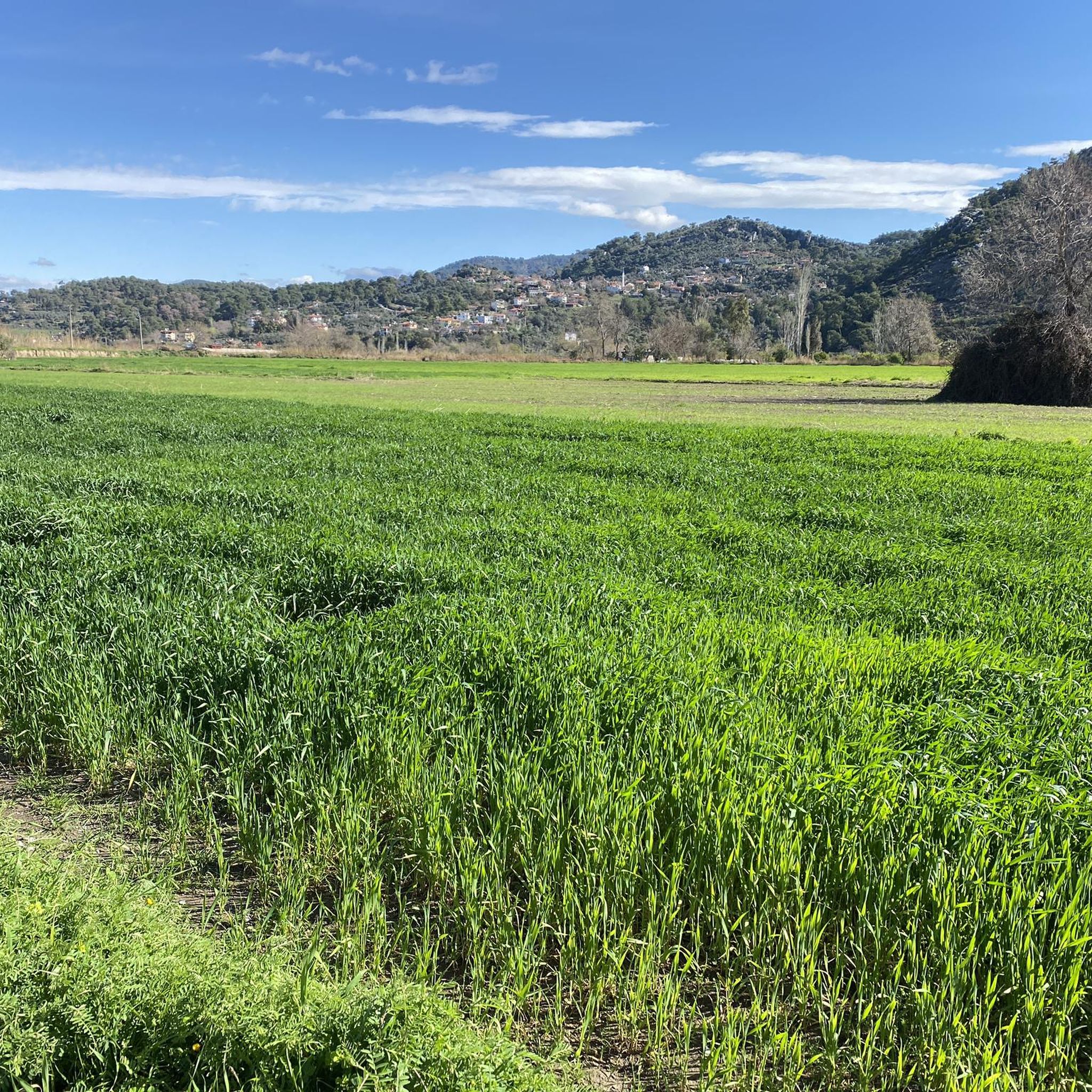
Plenty of space for camping.
0
1
Frequently Asked Questions
What historical sites can I explore in Muğla?
Muğla is rich in history, offering numerous ancient cities and castles. You can visit the fascinating Kayaköy (Levissi) — Abandoned Village Ruins, a ghost town with a poignant past. Other significant historical sites include Bodrum Castle, which houses an extensive underwater archaeology museum, and Marmaris Castle, offering beautiful views of the old town and harbor. Beyond these, explore Stratonikeia Ancient City, Kaunos Ancient City with its Lycian rock tombs, and the ruins of Knidos on the Datça Peninsula.
Where can I find beautiful beaches and coastal areas in Muğla?
Muğla is renowned for its stunning coastline. Kabak Beach is known for its clear waters and serene atmosphere, ideal for swimming after a hike. Iztuzu Beach is famous as a crucial nesting ground for endangered loggerhead sea turtles. Other notable spots include Ölüdeniz and its Blue Lagoon, the tranquil Datça Peninsula, and Akbük Cove.
Are there family-friendly attractions in Muğla?
Yes, Muğla offers several family-friendly attractions. Many beaches like Iztuzu Beach and Ölüdeniz are great for families. Historical sites such as Marmaris Castle and Bodrum Castle are also engaging for children. The Dalyan River boat tours to Kaunos Ancient City and the mud baths at Köyceğiz Lake State Park provide unique experiences for all ages.
What natural features are unique to Muğla?
Muğla boasts diverse natural beauty. The dramatic Saklıkent Gorge (Canyon) near Fethiye is one of Turkey's longest and deepest, perfect for hiking and river tubing. The Dalyan Delta and River are known for boat trips and spotting loggerhead turtles. You can also visit Butterfly Valley in Fethiye, a stunning nature preserve, or explore the therapeutic mud baths at Sulphur Spring and Bathing Lake near Köyceğiz.
What outdoor activities can I do near Muğla's attractions?
Muğla is excellent for outdoor enthusiasts. You can find numerous hiking opportunities, including easy routes around Marmaris and Bodrum. For specific hiking trails, explore options like those listed in the Easy hikes in Muğla guide. The region is also popular for paragliding from Babadağ Mountain over Ölüdeniz, and boat tours to explore secluded coves or the 12 Islands in Fethiye.
Where can I experience local culture and traditional markets in Muğla?
To immerse yourself in local culture, visit the Muğla City Center. Explore the Old Quarter and Saburhane Square with their winding alleys and old Greek houses. The Arasta Bazaar and Clock Tower offer a glimpse into Ottoman-era trade, and you can still find traditional crafts at Yağcılar Han & Konakaltı Han, which are restored 18th-century caravanserais. The Milas Old Quarter also features traditional stone houses and lively bazaars.
What is the best time to visit Muğla for outdoor activities?
The best time to visit Muğla for outdoor activities is generally during spring (April-May) and autumn (September-October). During these seasons, the weather is pleasant, with comfortable temperatures for hiking, exploring ancient sites, and enjoying the beaches without the intense summer heat. Summer (June-August) is ideal for swimming and water sports, but can be very hot for extensive outdoor exploration.
Are there any museums in Muğla worth visiting?
Yes, Muğla offers several interesting museums. The Bodrum Castle houses the renowned Bodrum Museum of Underwater Archaeology, which features a significant collection of artifacts from underwater excavations. In Muğla City, the Muğla Museum presents archaeological, ethnographic, and natural history collections, including a 'Gladiators Hall' with grave steles from Stratonikeia.
Can I find opportunities for wild swimming in Muğla?
Muğla's extensive coastline and numerous coves provide excellent opportunities for wild swimming. Beyond popular spots like Ölüdeniz and Kabak Beach, you can discover more secluded options. Akbük Cove, Ciftlik Bay, and Aspat Bay are known for their crystal-clear, pristine waters, offering peaceful natural settings for a refreshing swim.
What are some lesser-known attractions or 'hidden gems' in Muğla?
Beyond the main tourist hubs, Muğla has several hidden gems. Consider visiting the ancient city of Stratonikeia, which is part of the Carian Trail and offers a deep dive into history. The tranquil Akyaka & Azmak River provides charming boat tours and a chance to see traditional Turkish houses. For a unique natural experience, explore the rare Halep pine and diverse wildlife at Sırtlandağı Nature Reserve near Milas.
What kind of running trails are available in Muğla?
Muğla offers a variety of running trails, particularly along its scenic coastlines and through its natural parks. You can find moderate to difficult routes, such as those listed in the Running Trails in Muğla guide. Popular areas for running include the coastal paths around Marmaris and Bodrum, offering beautiful sea views.
Are there any waterfalls to visit in Muğla?
Yes, Muğla features several beautiful waterfalls, often accessible via hiking trails. The Waterfall hikes in Muğla guide can direct you to options like the Turgut Waterfall. These natural cascades provide picturesque settings and a refreshing break, especially during warmer months.
Most popular routes in Muğla
Most popular attractions in Muğla

Get inspired with the komoot mobile app


Explore more
Still not found the Highlight you’re looking for? See guides of the top attractions in other regions:
