Top 3 Castles around Roncq
Best castles around Roncq offer a glimpse into the region's rich history and architectural heritage. This area in France features historical buildings, many of which have been repurposed into public spaces like town halls and cultural centers. Visitors can explore these sites, appreciating their exteriors, retained historical elements, and surrounding public parks. The blend of past and present provides unique insights into Roncq's industrial and administrative evolution.
Best castles around Roncq
- The most popular castles is Château de La Fontaine…
Last updated: May 7, 2026
Château de La Fontaine
Highlight • Castle
Translated by Google •
Tip by

Kasteel van Flers
Highlight • Other
Translated by Google •
Tip by

Sign up now to discover places like this
Get recommendations on the best single tracks, peaks, & plenty of other exciting outdoor places.
Sign up for free
Moeskroen Castle
Highlight • Castle
Translated by Google •
Tip by

Gloriettes in the Park of Vanackere Castle
Highlight • Monument
Translated by Google •
Tip by
Robersart Castle
Highlight • Castle
Translated by Google •
Tip by

Sign up for free to discover even more castles around Roncq.
Sign up for free
Already have an account?
Start today with a free account
Your next adventure awaits.
Login or Signup

Tips from the Community

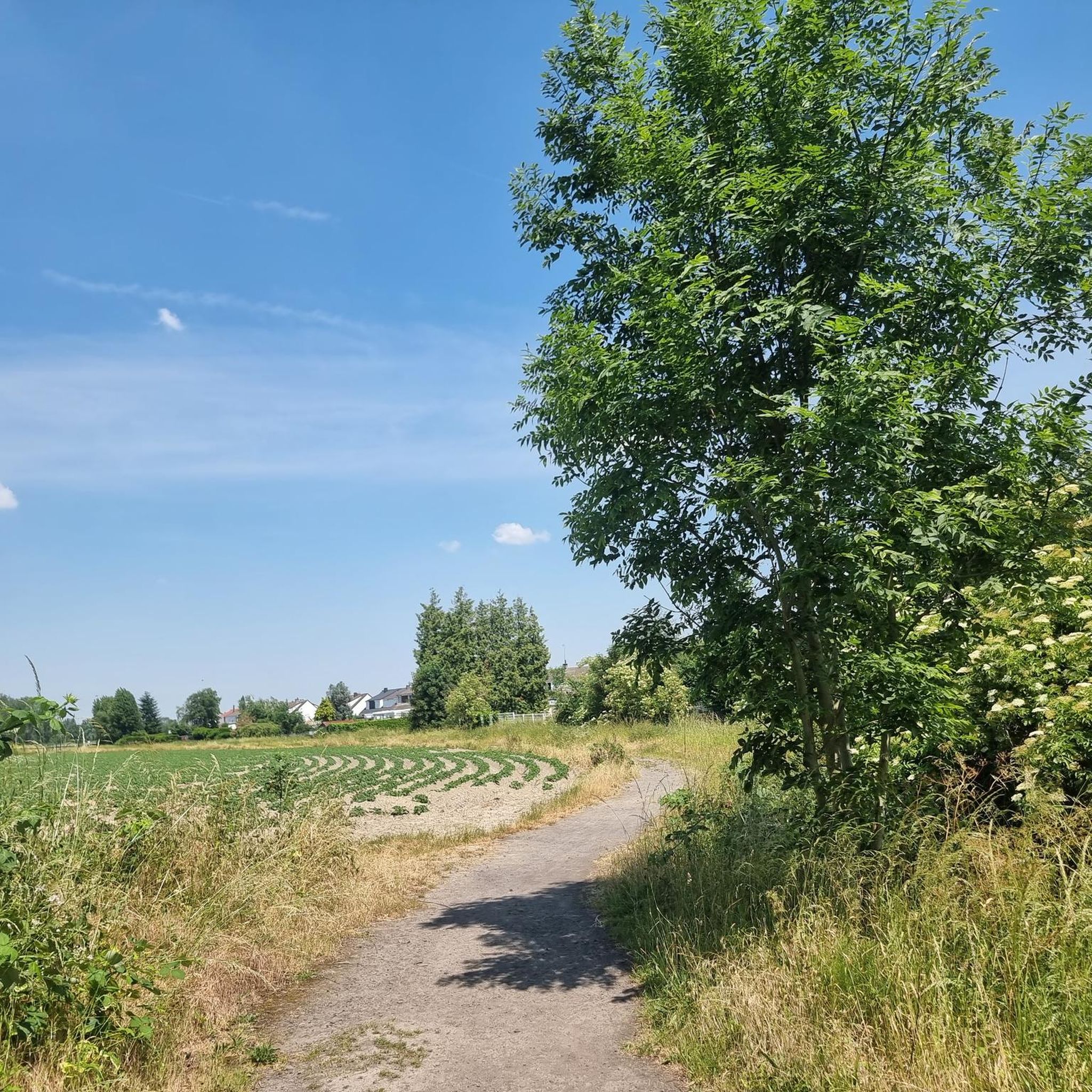
Nice, rolling section with no traffic.
0
0

The Castle of the Counts is the only example of monumental civil architecture from before the 19th century in Mouscron. Four great families of Seigneurs succeeded one another here over six centuries. Today, on this vast estate, you can still admire the Tournai-style castle, as well as a farmyard surrounded by the remains of outbuildings from the 16th and 17th centuries, and a site surrounded by moats. A self-guided walk around the moats offers you the opportunity to explore the entire estate. Two major historical events have left a lasting mark on local tradition and folklore: the visit of Charles V, who spent the night in the castle, and the atrocities of the famous Hurlus, followers of Luther (during the Wars of Religion) who pillaged the region, occupied the castle for three months, and stole its furnishings. Source: visitwapi.be
4
0
The Château de Flers, bearing the date "1661" on its facade, was originally the residence of the Lords of Flers. It was destroyed during the French Revolution of 1789, but not confiscated because it belonged at that time to a foreign nobleman, the Baron de Diesbach. In the 19th and 20th centuries, the château enjoyed a second life as a farm: the salon, apartment, and reception hall were converted into a barn, cowshed, and stables. In 1968, with a view to the development of a new town east of Lille, the château was expropriated by the state and, in 1973, entrusted to the Public Institution for the Development of the New Town of Lille-East. The municipality of Villeneuve-d'Ascq became the owner in 1986. They completed the restoration of the building, which had been entrusted from the outset to architect Maurice Salembier. After restoring its 17th-century appearance, the Château de Flers began a third life as a municipal building in 1991. Today, it houses various services, the tourist office, rooms for official receptions, and a museum. Source: Information board on site
0
0

Marcel Marlier Centre "Draw Me, Mart" https://www.mouscron.be/fr/centre-marcel-marlier/accueil
1
1

If you are patient, you might see the Countess...
0
1
In the park behind the Vanackere castle (the current town hall) there are two gloriettes. These gazebos, probably built before the construction of the castle in 1896, initially bordered the park. A wall ran between the two, which was demolished when the park was expanded. The pavilion to the east of the town hall has a double landing staircase and a built-in ice cellar. No original interior elements were preserved in the pavilions. Source: Inventory of Immovable Heritage
5
0
Between 1894 and 1896, Jules Aimée Constant Van Ackere had his mansion replaced by a castle in an eclectic architectural style. The Kortrijk architect Cyriel Vanhoutte was inspired by various neo-styles for this building. The castle and park were closed off from the public road by a cast-iron fence with two gates. With the reconstruction of the Kortrijk-Menen road in 1960, the fence in front of the castle disappeared. During the First and Second World Wars, the house was requisitioned by the German occupiers to function as an "Ortskommandantur". Purchased in its entirety by the municipality in 1953. To this day, it serves as a town hall. Source: Inventory of Immovable Heritage
3
0

Frequently Asked Questions
What kind of castles can I expect to see around Roncq?
The Roncq area features a unique blend of historical buildings. While some sites, like the ancient Château de Roncq, mark the location of former medieval forts, many of the prominent 'châteaux' are repurposed 19th-century bourgeois residences. These include structures like the Kasteel van Flers, which now houses a tourist office and museum, and the Gloriettes in the Park of Vanackere Castle, which is now a town hall. They offer insights into the region's industrial and administrative evolution rather than traditional fortresses.
Are there family-friendly castles to visit near Roncq?
Yes, several castles in the area are suitable for families. The Château de La Fontaine offers a 40-hectare park perfect for exploration. Moeskroen Castle features a self-guided walk around its moats, and the Gloriettes in the Park of Vanackere Castle provide a pleasant outdoor space. These sites often combine historical interest with open areas for children to enjoy.
Can I find hiking trails near the castles around Roncq?
Absolutely. The region around Roncq offers various hiking opportunities. For example, the 40-hectare park of Château de La Fontaine is accessible for walks. You can also explore routes like the 'Voie verte du Ferrain – Single Bousbecque loop' or the 'Ferme du Mont Saint-Jean – Single Bousbecque loop' which are moderate in difficulty. Find more options in the Hiking around Roncq guide.
What historical insights can I gain from visiting these châteaux?
The châteaux around Roncq provide a rich historical narrative. The site of the ancient Château de Roncq, for instance, was once a medieval fort. Kasteel van Flers, originally a 17th-century residence, was destroyed during the French Revolution and later repurposed, showcasing resilience and adaptation. Moeskroen Castle, the only monumental civil architecture from before the 19th century in Mouscron, has seen visits from figures like Charles V and endured the Wars of Religion.
Are there any castles that have been repurposed for public use?
Yes, many of Roncq's historical buildings have found new lives serving the community. The Kasteel van Flers now functions as a municipal building, housing various services, a tourist office, and a museum. Similarly, the Château des Tilleuls serves as the Town Hall of Roncq, and the Château Verhaeghe is an annex to the town hall. The Vanackere Castle also serves as a town hall.
What natural features or parks are associated with the castles?
Several castles are set within beautiful natural surroundings. The Château de La Fontaine boasts a 40-hectare park. The site of the ancient Château de Roncq is now home to the Paul Vansteenkiste Park. Moeskroen Castle is surrounded by moats, offering a scenic self-guided walk. The Château Tiberghien features a park with a unique chestnut tree carved by sculptor Richard Sobus.
Are there cycling routes near the castles?
Yes, the area around Roncq is popular for cycling. While not directly adjacent to every castle, you can find various road cycling and mountain biking routes nearby. For road cycling, consider routes like the 'Lys Greenway – Kemmelberg cobbled climb loop'. Mountain bikers might enjoy the 'Port halluin – Port Fluvial Trails loop'. Explore more options in the Road Cycling Routes around Roncq guide or the MTB Trails around Roncq guide.
What is unique about the Château Tiberghien?
The Château Tiberghien, acquired by the industrialist Louis Tiberghien's family in 1910, is notable for a unique artistic feature in its park. A chestnut tree within the grounds has been carved with nine figures by sculptor Richard Sobus, making it a distinctive point of interest.
What do visitors particularly enjoy about the castles in the Roncq area?
Visitors appreciate the blend of history and modern utility. They enjoy exploring the extensive parks, admiring the architecture of repurposed residences, and discovering the stories behind these historical sites. The presence of public amenities like tourist offices and museums within some castles, such as Kasteel van Flers, also adds to the visitor experience.
Is there parking available at or near the castles?
Parking availability varies by location. For instance, Robersart Castle in Wambrechies has a parking lot directly in front of it. For castles that now serve as town halls, such as the Château des Tilleuls, public parking facilities for municipal buildings are generally available nearby.
Are there any castles with a focus on well-being or nature conservation?
Yes, the Château de La Fontaine houses the Institut Fontaine, which is dedicated to well-being and permaculture. Its 40-hectare park offers a tranquil environment to admire the architecture and learn about its history and environmental focus.
Most popular attractions around Roncq

Get inspired with the komoot mobile app


Explore more
Looking for the best castles somewhere else? Discover other guides around Roncq:
