Top 19 Caves around La Orotava
Best caves around La Orotava are primarily found in the wider region, with the nearby municipality of Icod de los Vinos hosting significant geological formations. La Orotava is situated on Tenerife, an island known for its volcanic landscape and diverse natural features. The area offers a variety of outdoor experiences, from coastal views to mountainous terrain. This region provides opportunities to explore the island's unique geological history through its cave systems.
Best caves around La Orotava
- The most popular caves…
Last updated: October 7, 2026
Cuevas Negras
Highlight (Segment) • Cave
Translated by Google •
Tip by

Cueva del Viento
Highlight • Cave
Fantastic
A great guide
Translated by Google •
Tip by

Sign up now to discover places like this
Get recommendations on the best single tracks, peaks, & plenty of other exciting outdoor places.
Vejas Cave Houses
Highlight • Cave
Translated by Google •
Tip by

Steep Cliff and Cave Trail
Highlight • Trail
Translated by Google •
Tip by

Great Cave of Chío
Highlight • Cave
Translated by Google •
Tip by

Sign up for free to discover even more caves around La Orotava.
Already have an account?
Start today with a free account
Your next adventure awaits.
Popular around La Orotava
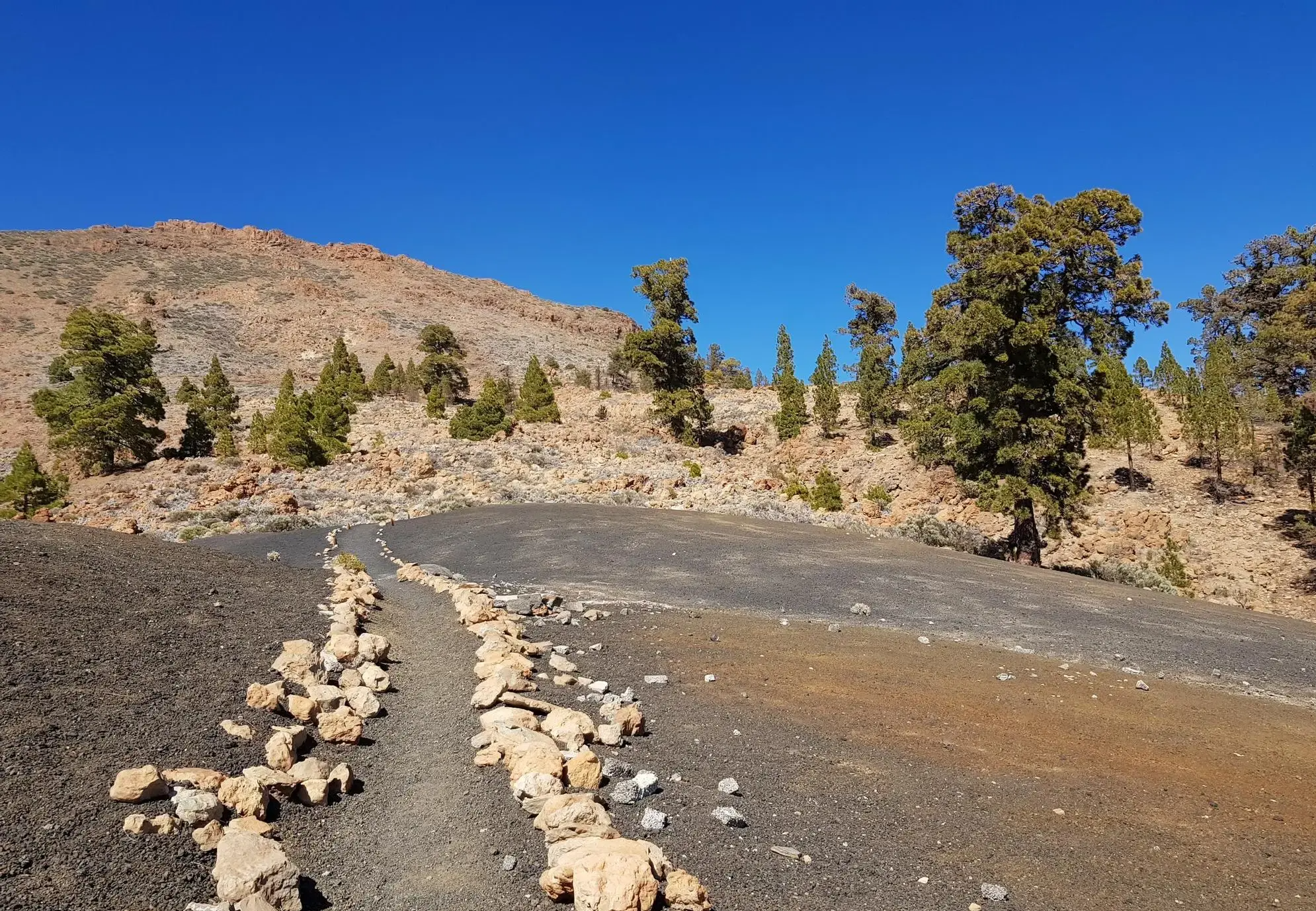
From the coast to the Teide - Tenerife Bluetrail by UTMB
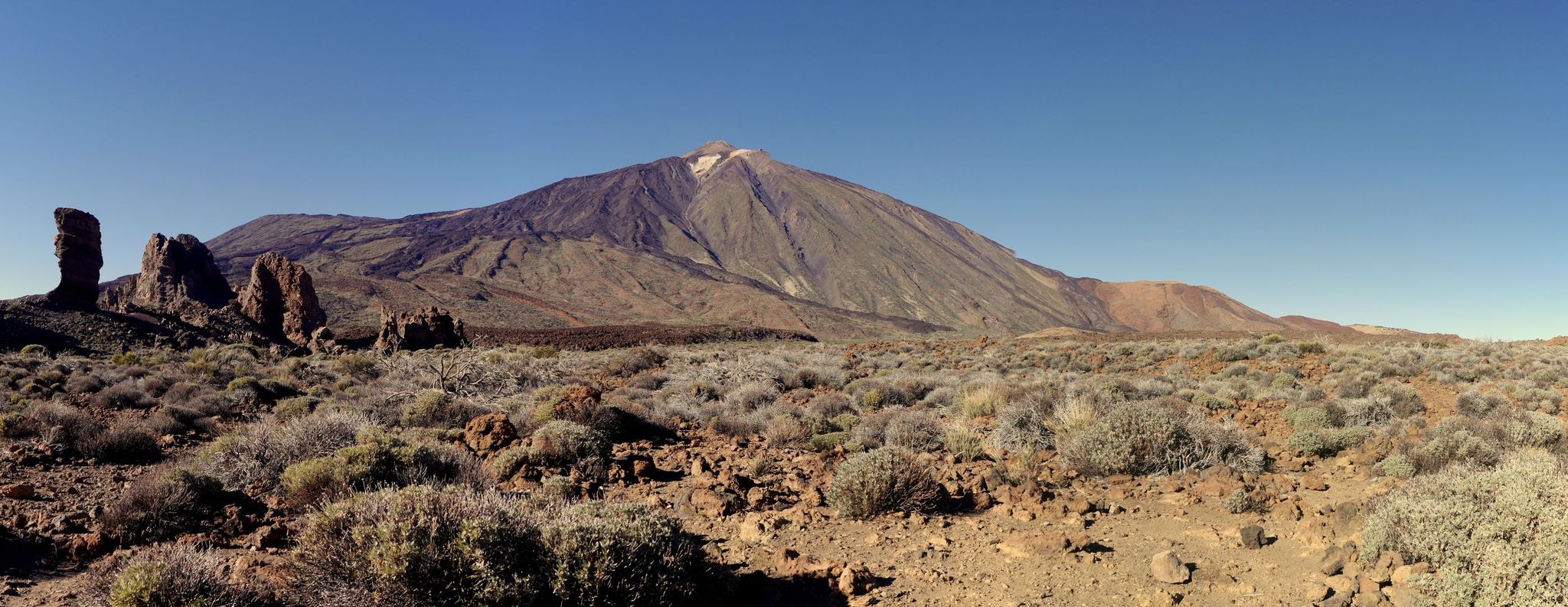
The giant of Tenerife — around Teide by road bike

Trail on the Canary Islands – discover the legendary races!

Tenerife by road bike — cycling between forests and volcanoes

Trail running in Tenerife – dreamy routes between sea and mountain
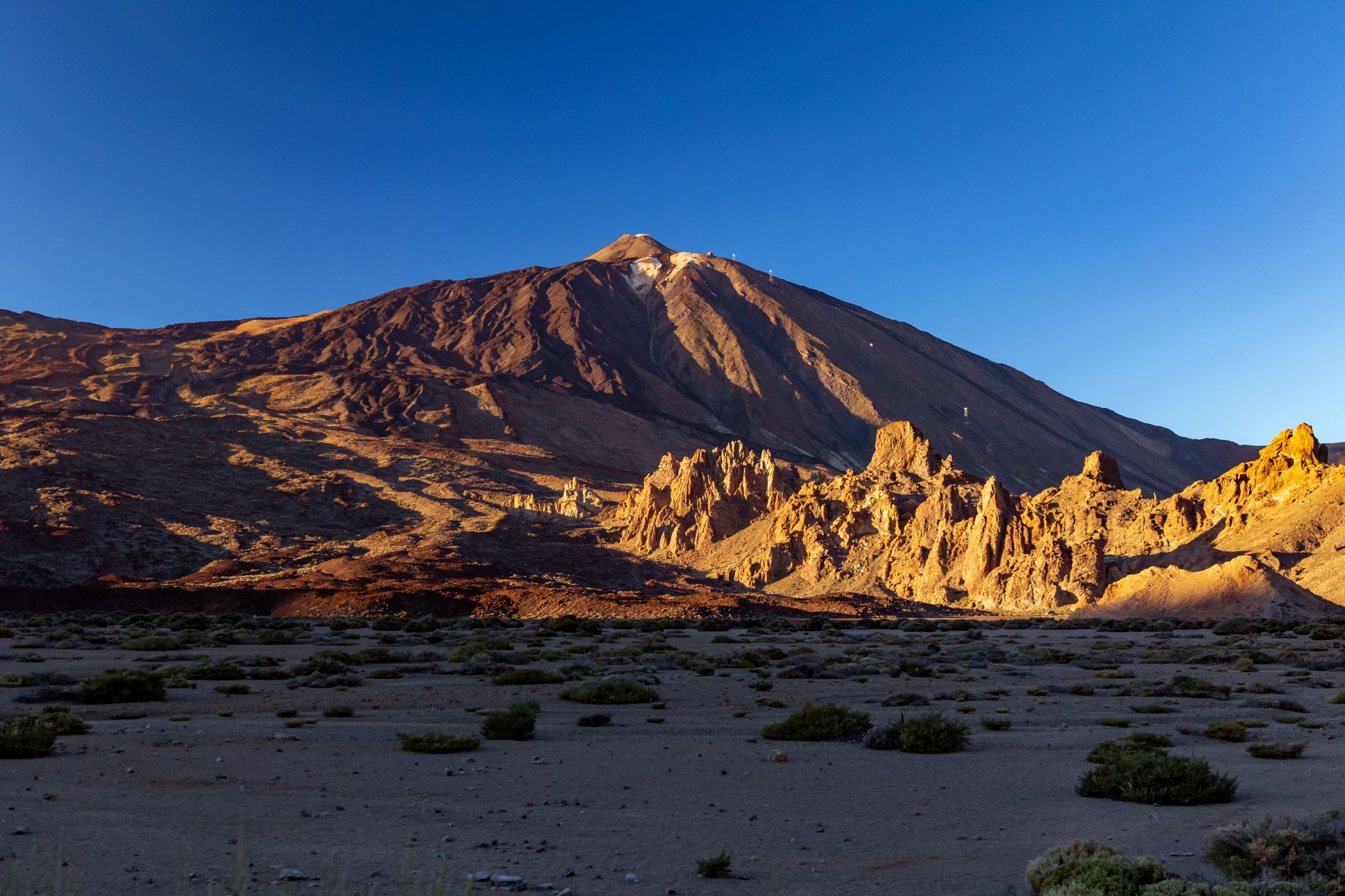
Six fascinating ways to discover the Canary Islands on foot
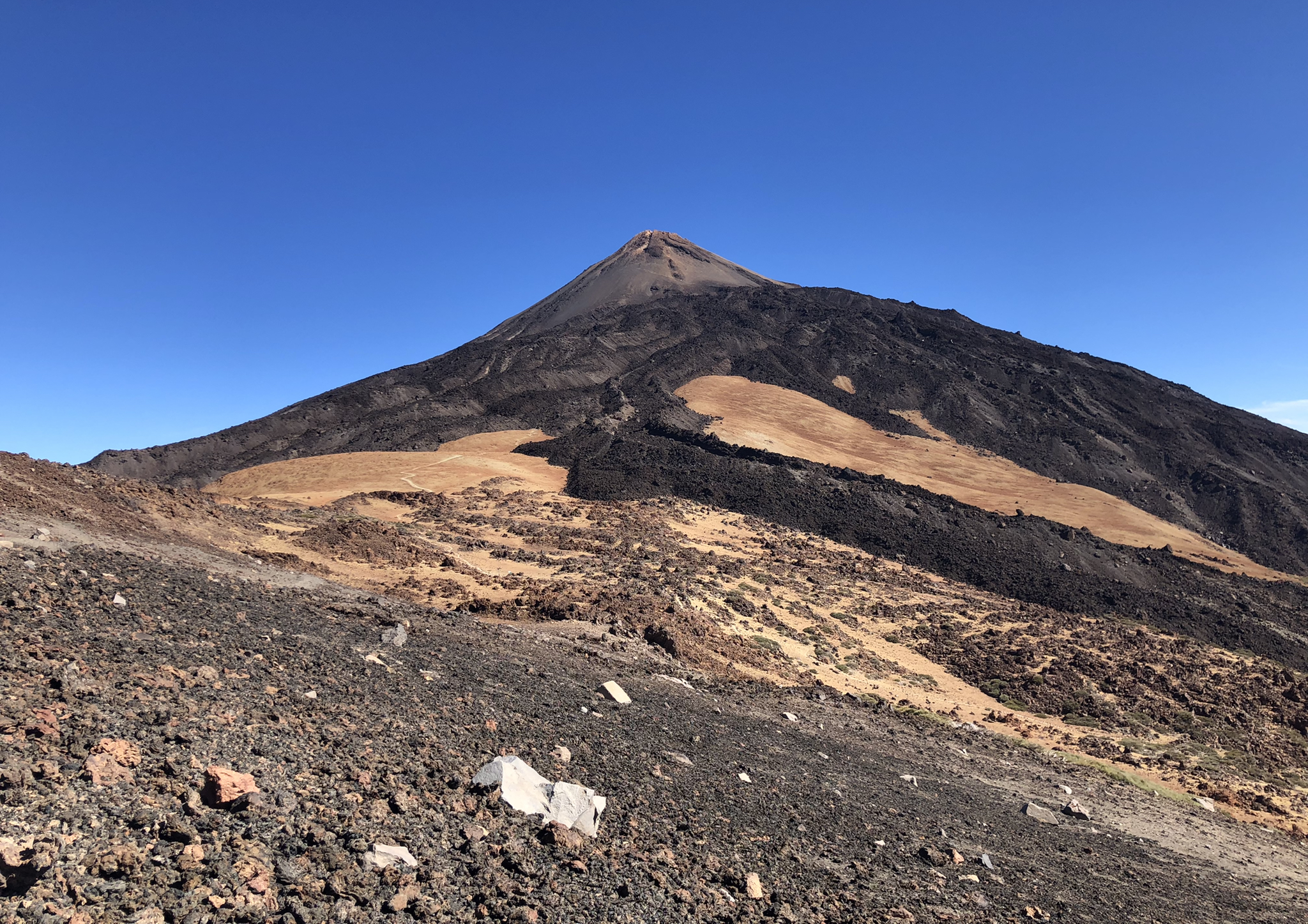
Volcanoes, lava and forests – running in Tenerife
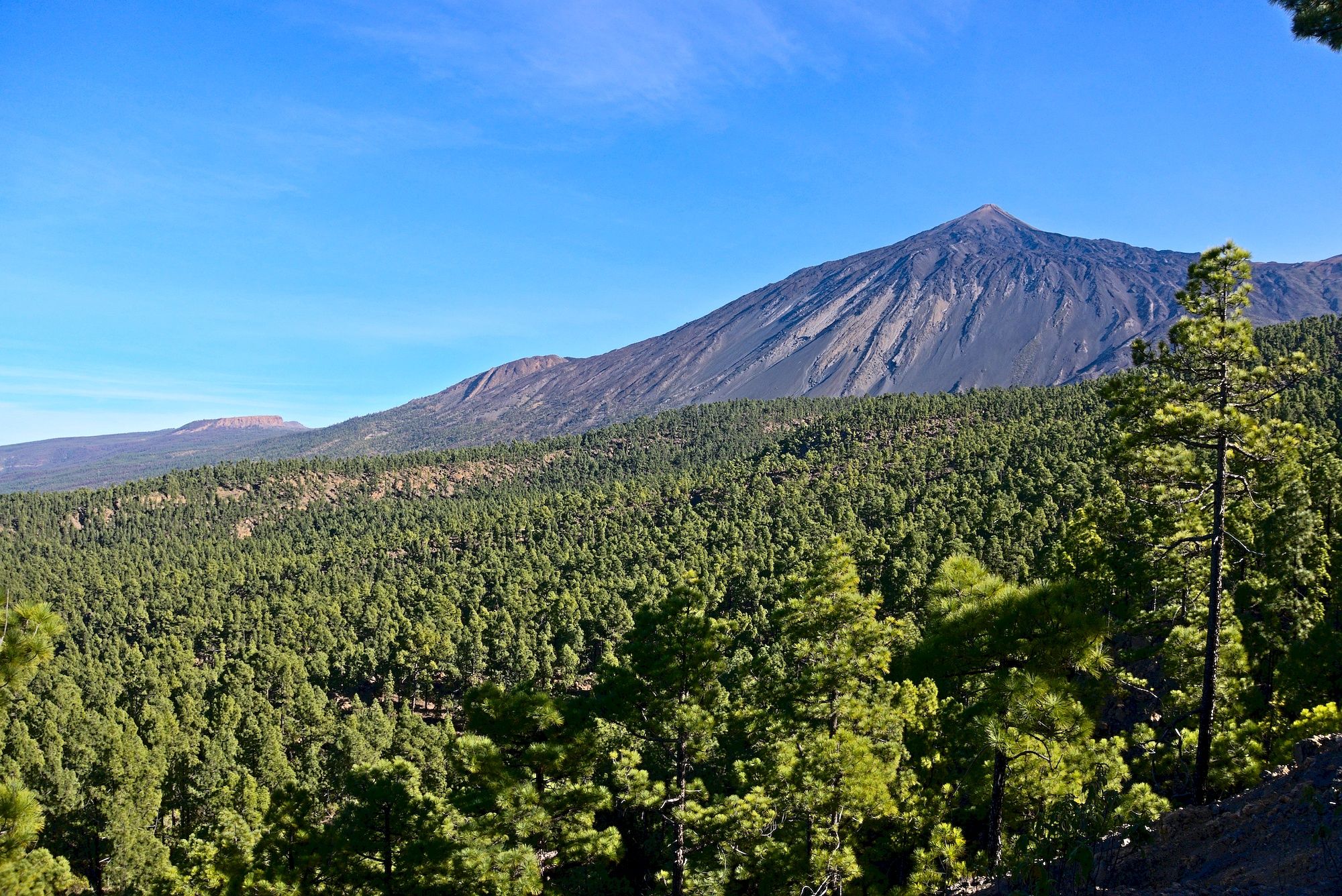
The fantastic forest of Tenerife – northern forest MTB route
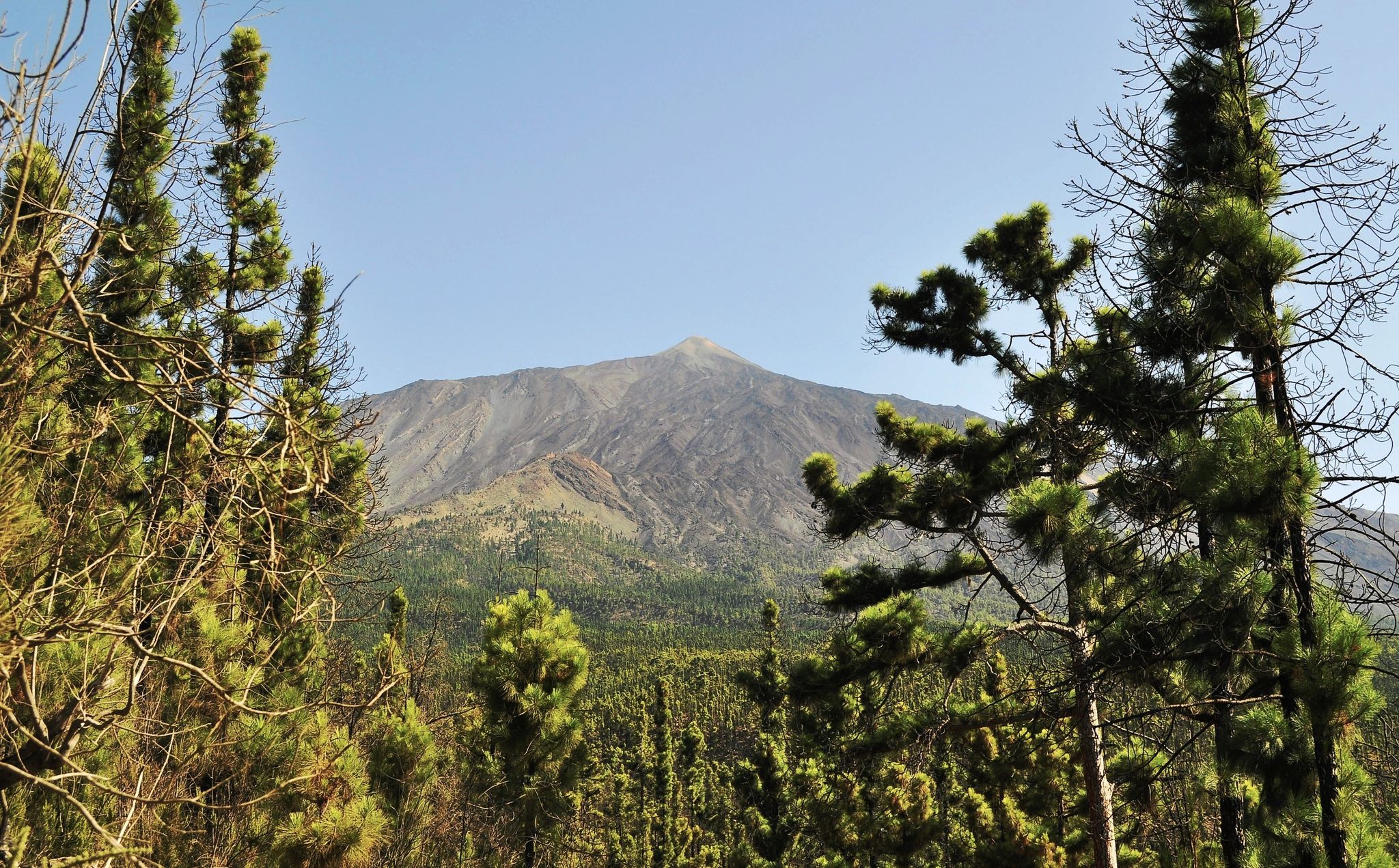
An island pilgrimage – Camino de Santiago de Tenerife
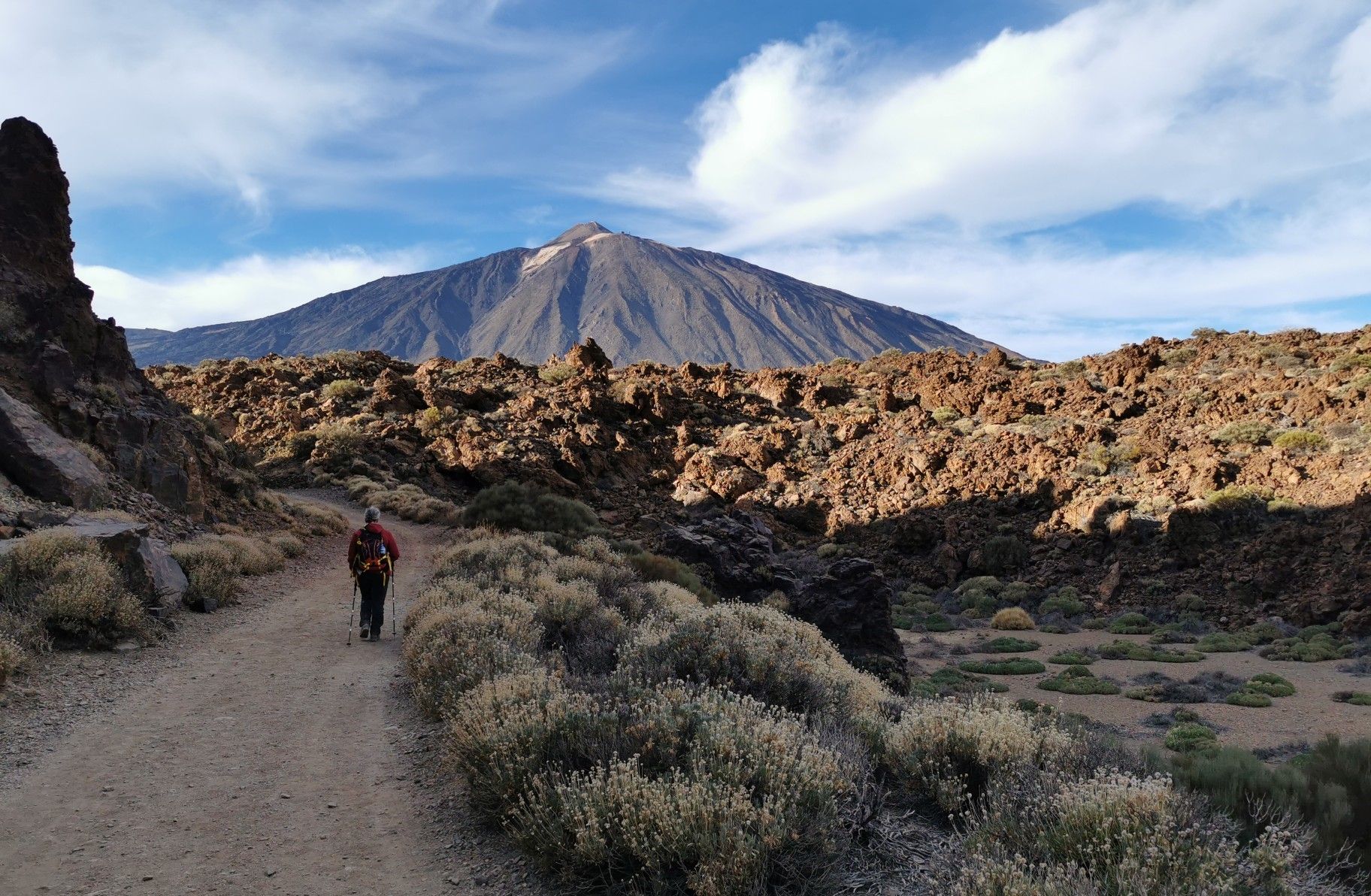
Tenerife from north to south – Camino Natural de Anaga-Chasna
Other adventures around La Orotava


Tips from the Community

Is permit needed to walk this section since its part of PNT 09?
0
0

Simply a sight to behold; it makes you feel transported to another time.
0
0

If you like the barren lava landscape, this is the place for you.
0
0

The large Chio cave is hidden in the volcanic landscape, between ancient lava flows and an open pine forest, a short distance from the El Canal trail. It can be an ideal short detour to pause and explore on foot for a few minutes.
0
0
Trail goes over multiple No Bike zones. At the end there is a bit where you have to carry your bike over lava rocks. Nice views and mostly a good ride. But the way described is not allowed to ride this way and there are not many options to reroute…
1
0


CAUTION! Steep slopes next to narrow paths, some slopes almost gone due to landslides. Take a headlamp with you as not all of the tunnels have windows. After waypoint 8, when you stop following the tunnels and follow the rusty water pipe, there is 1km of jungle! Long trousers and sleeves, goggles, and a machete is a good idea. It's been ages since anyone here has been as full of nettles/thistles as the old path. From the ascent onwards, it's a wide path. On the descent, the direct route marked is just the clearing under a power line, so there is often no path and it's not that pretty. We took the extension along the forest path. With these additional crossings, it was 21km.
2
0

The fifth largest volcanic tube in the world and the largest in Europe. Guided tour only: https://cuevadelviento.net/en/ruta-en-aleman-viaje-al-interior-de-la-tierra/ The Cueva del Viento volcanic tube is located in the eponymous district of Icod de los Vinos. It was formed 27,000 years ago from basalt lava from the first eruption phase of the Pico Viejo volcano, next to Mount Teide. The Spanish name of the volcano tube comes from the remarkable air currents inside. With its considerable length (18 kilometers have been recorded topographically so far), the Cueva del Viento is in fifth place in the world, right after the first four longest tubes, all of which are located on the largest Hawaiian island (USA). The volcano tube consists of a huge, network-like labyrinth of underground passages. Numerous branches remain unexplored and indicate a considerable expansion of the cave complex.
0
0
Frequently Asked Questions
What are the main types of caves found around La Orotava?
The region around La Orotava features primarily two types of caves: extensive volcanic lava tubes, formed by ancient lava flows, and historical cave dwellings, some of which were once inhabited. This offers a diverse exploration of both natural geological wonders and human adaptation to the landscape.
Which is the most significant volcanic cave near La Orotava?
The most significant volcanic cave in the vicinity is Cueva del Viento, located in nearby Icod de los Vinos. It is one of the longest lava tube systems globally, formed by lava flows from Pico Viejo, offering deep insights into Tenerife's volcanic origins.
Are there any historical cave dwellings to visit?
Yes, you can explore Vejas Cave Houses. This area offers a glimpse into old, cave-like houses, some of which are still used as shelters. It provides a unique historical perspective away from major tourist destinations, showcasing how people once lived within the natural landscape.
What makes Cuevas Negras a notable cave to visit?
Cuevas Negras is known for its incredible landscape featuring varied volcanic rocks. Visitors can observe different mineral compositions, colors, and structures, making it a fascinating spot for those interested in geology and unique natural formations.
Is Cueva del Viento suitable for families with children?
Cueva del Viento offers guided tours that can be fascinating for families, providing an educational experience about geology and volcanic processes. However, due to the nature of exploring a lava tube, it's advisable to check specific age or height restrictions and tour difficulty with the official Cueva del Viento visitor center before planning your visit.
What should I know about visiting Cueva del Viento?
Visiting Cueva del Viento requires a guided tour, which should be booked in advance. The experience involves wearing a hard hat and exploring a section of the extensive lava tube system. Expert guides provide information about the cave's formations and its unique fauna. Daily trips are available in several languages.
Are there any other notable natural caves besides Cueva del Viento?
Yes, the Great Cave of Chío is another natural cave hidden in the volcanic landscape. It's located between ancient lava flows and an open pine forest, offering an ideal short detour for exploration on foot, though it has been noted as sometimes being closed.
What kind of geological features can I expect to see in the caves?
In the volcanic caves around La Orotava, you can expect to see diverse geological features such as lava flows, various volcanic rock formations with different mineral compositions, colors, and structures. Cueva del Viento, for example, is an extensive network of underground passages formed by ancient lava, showcasing the island's volcanic history.
Are there hiking trails that incorporate caves around La Orotava?
Yes, there are trails that feature caves, such as the Steep Cliff and Cave Trail. This challenging route includes tunnels and offers views of gorges. For more hiking options in the area, you can explore the various hiking routes around La Orotava.
What is the best time of year to explore caves in this region?
The caves around La Orotava, particularly the volcanic lava tubes, maintain a relatively stable temperature year-round, making them accessible in most seasons. However, for comfortable travel to and from the caves and to enjoy the surrounding outdoor activities, spring (April-May) and autumn (September-October) generally offer pleasant weather conditions.
Do I need a permit or special equipment for caving around La Orotava?
For guided tours like Cueva del Viento, permits are typically handled by the tour operator, and necessary equipment like hard hats are provided. For exploring other, potentially unguided caves or trails with cave sections, it's advisable to research specific requirements. Some challenging trails, like the Steep Cliff and Cave Trail, recommend bringing a headlamp.
What outdoor activities can I combine with a visit to the caves?
The region around La Orotava offers a variety of outdoor activities. You can combine cave visits with hiking through volcanic landscapes or pine forests. There are also numerous road cycling and gravel biking routes that explore the diverse terrain of the area, including parts of Teide National Park and Corona Forestal Nature Park.
What do visitors enjoy the most about the caves around La Orotava?
Visitors frequently highlight the unique geological insights offered by the volcanic caves, describing the landscapes as 'breathtakingly extraterrestrial' and 'incredible'. The historical cave dwellings are appreciated for transporting visitors to 'another time'. The guided tours, especially at Cueva del Viento, are often praised for their informative and engaging experience.
Most popular routes around La Orotava
Most popular attractions around La Orotava

Get inspired with the komoot mobile app


Explore more
Extend your search for the best caves by checking out these guides of the top ones around La Orotava:
