Top 4 Caves around Guardiola De Berguedà
Best caves around Guardiola De Berguedà are found in a municipality nestled in the northern Berguedà region of Catalonia. This area offers a blend of natural and historical underground attractions. The landscape features various natural caves, some with historical significance. Guardiola De Berguedà provides opportunities for exploring diverse underground formations.
Best caves around Guardiola De Berguedà
- The most popular caves is Cueva de Anes, a cave that contains numerous rooms and corridors with different ancient formations. Booking a route…
Last updated: November 18, 2026
Cueva de Anes
Highlight • Cave
Translated by Google •
Tip by

Cova de Can Maurí
Highlight • Cave
Translated by Google •
Tip by

Sign up now to discover places like this
Get recommendations on the best single tracks, peaks, & plenty of other exciting outdoor places.
Cova de la Tuta
Highlight • Cave
good shelter
Translated by Google •
Tip by

Coves dels Talibans
Highlight • Cave
Translated by Google •
Tip by

Cova Foradada
Highlight • Cave
Translated by Google •
Tip by
Start today with a free account
Your next adventure awaits.
Popular around Guardiola De Berguedà
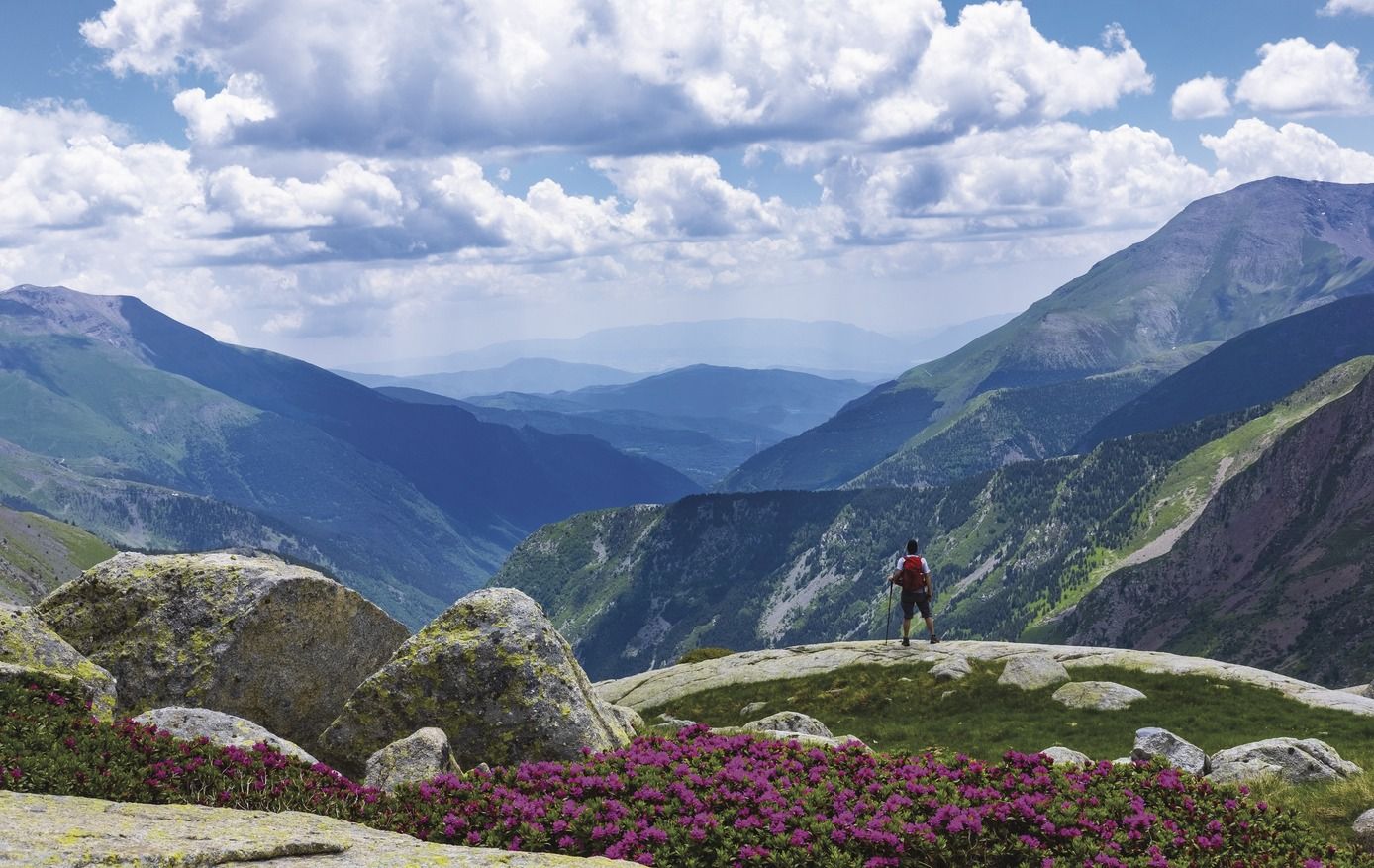
Great Hiking Routes of Catalonia
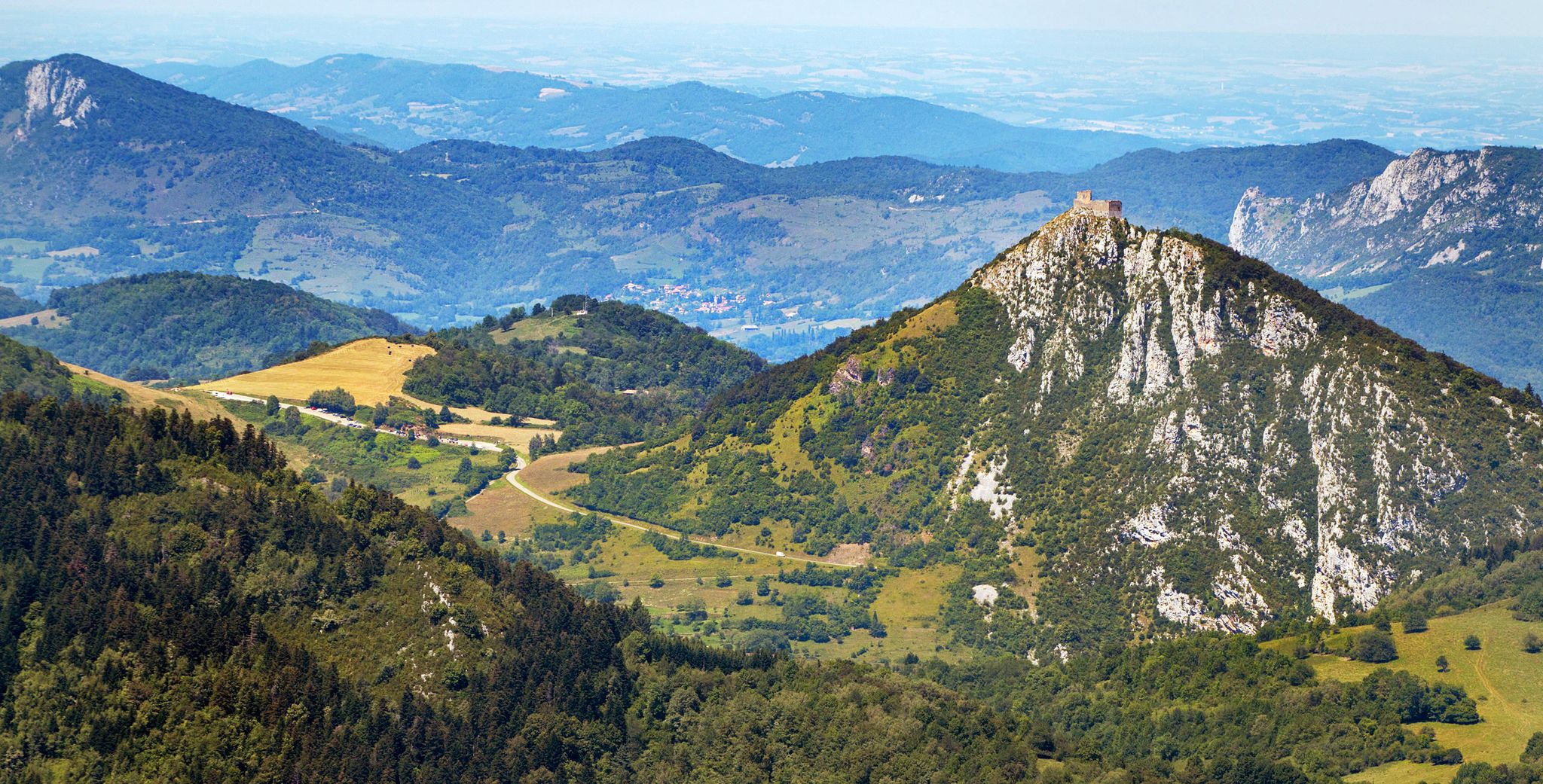
Cathar Route from Catalonia to France – Bons Homes Path (GR 107)
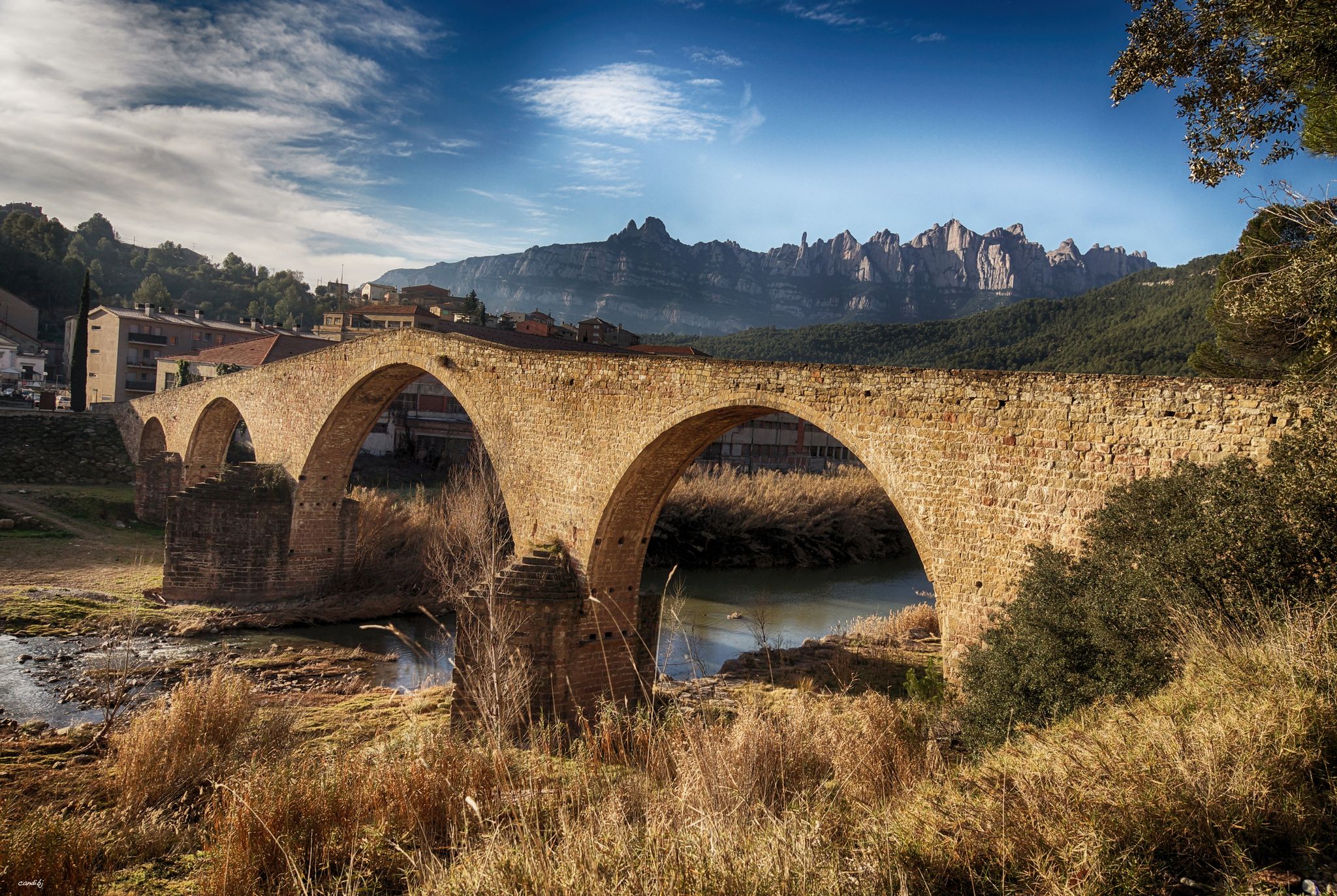
The river of Barcelona – El Camí del Llobregat
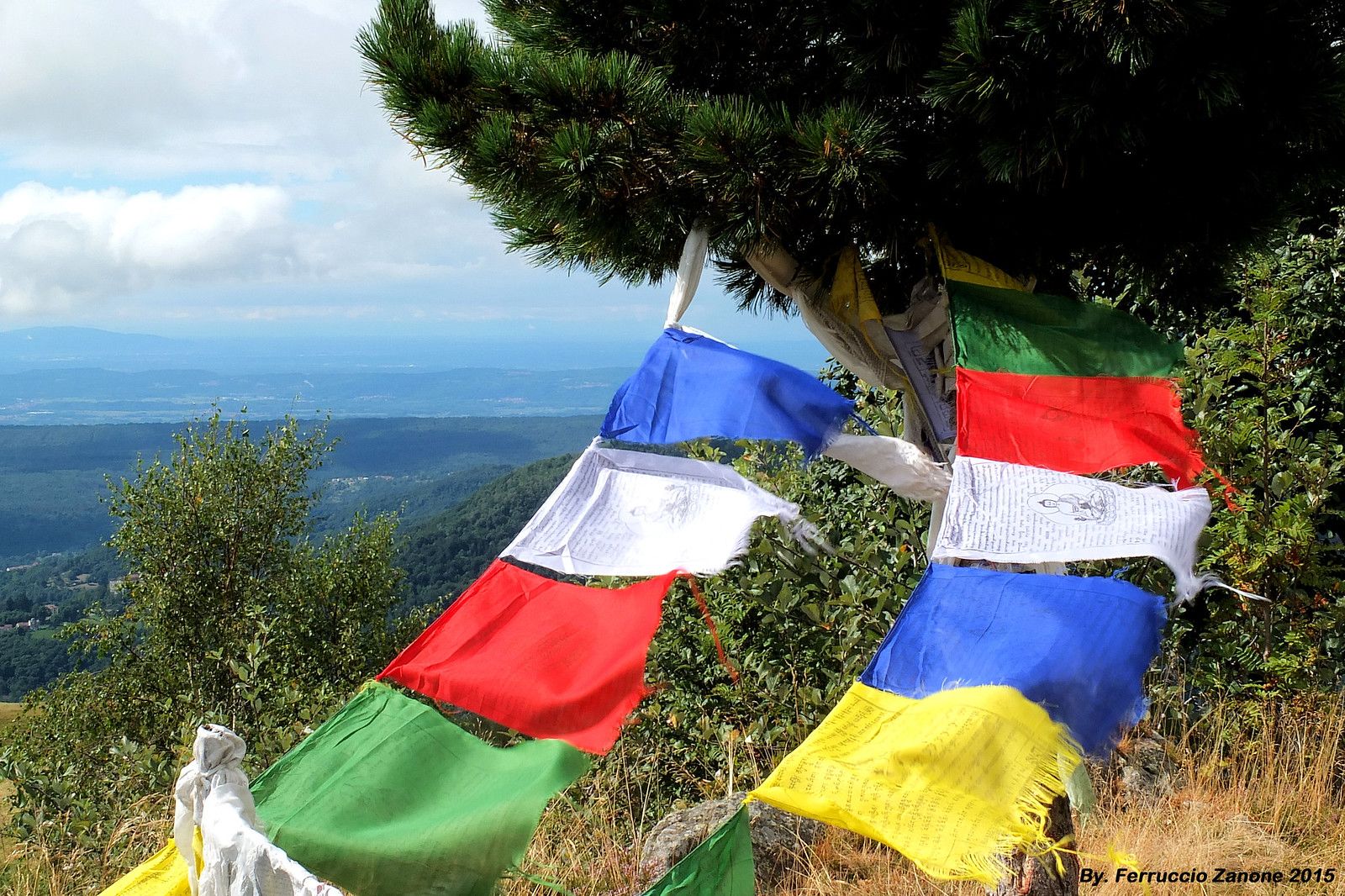
The symbol of Nepal in the Pyrenees – Cavalls del Vent
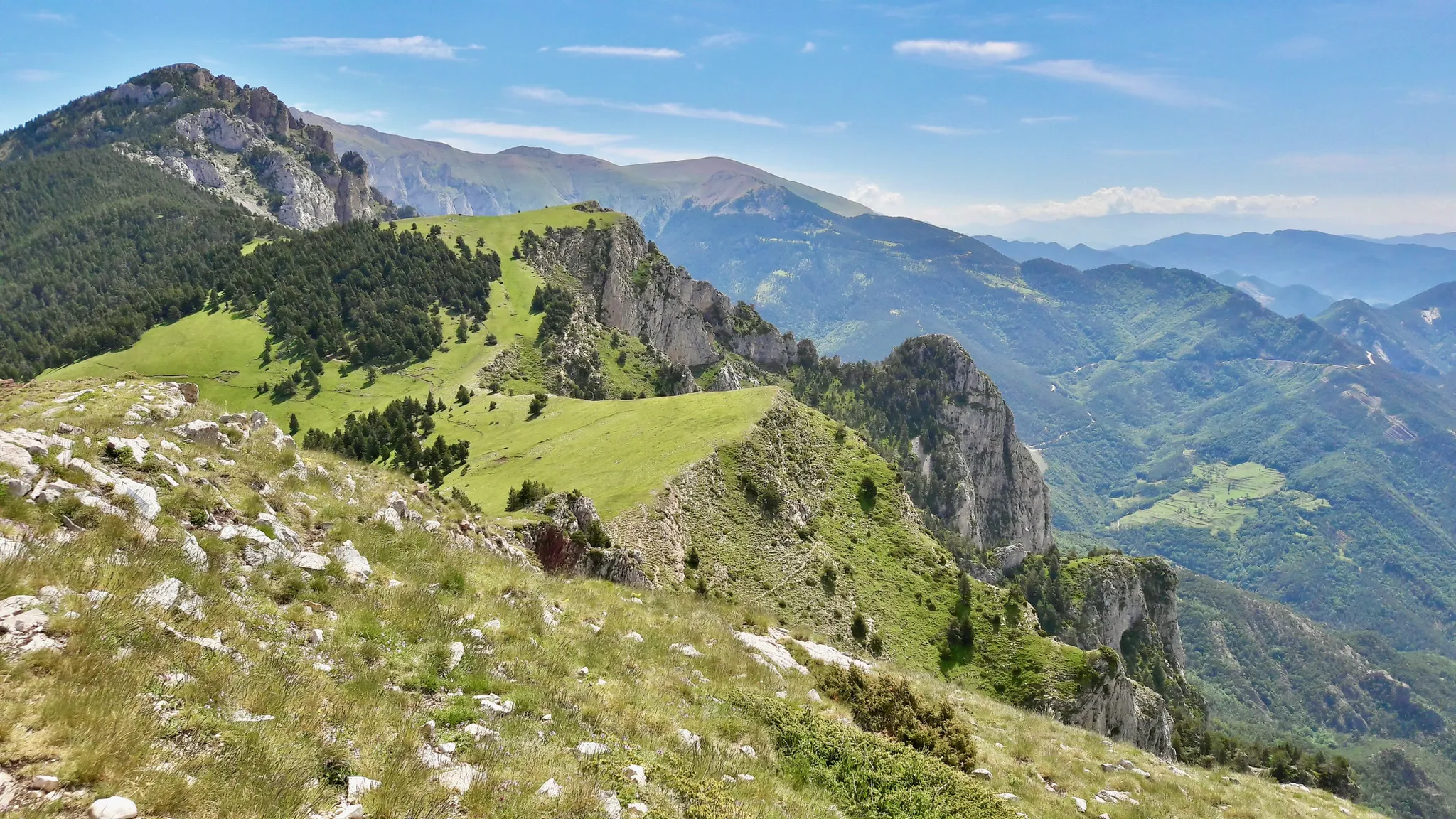
Hiking in Cavalls del Vent — Spain’s Parque Natural Cadí-Moixeró
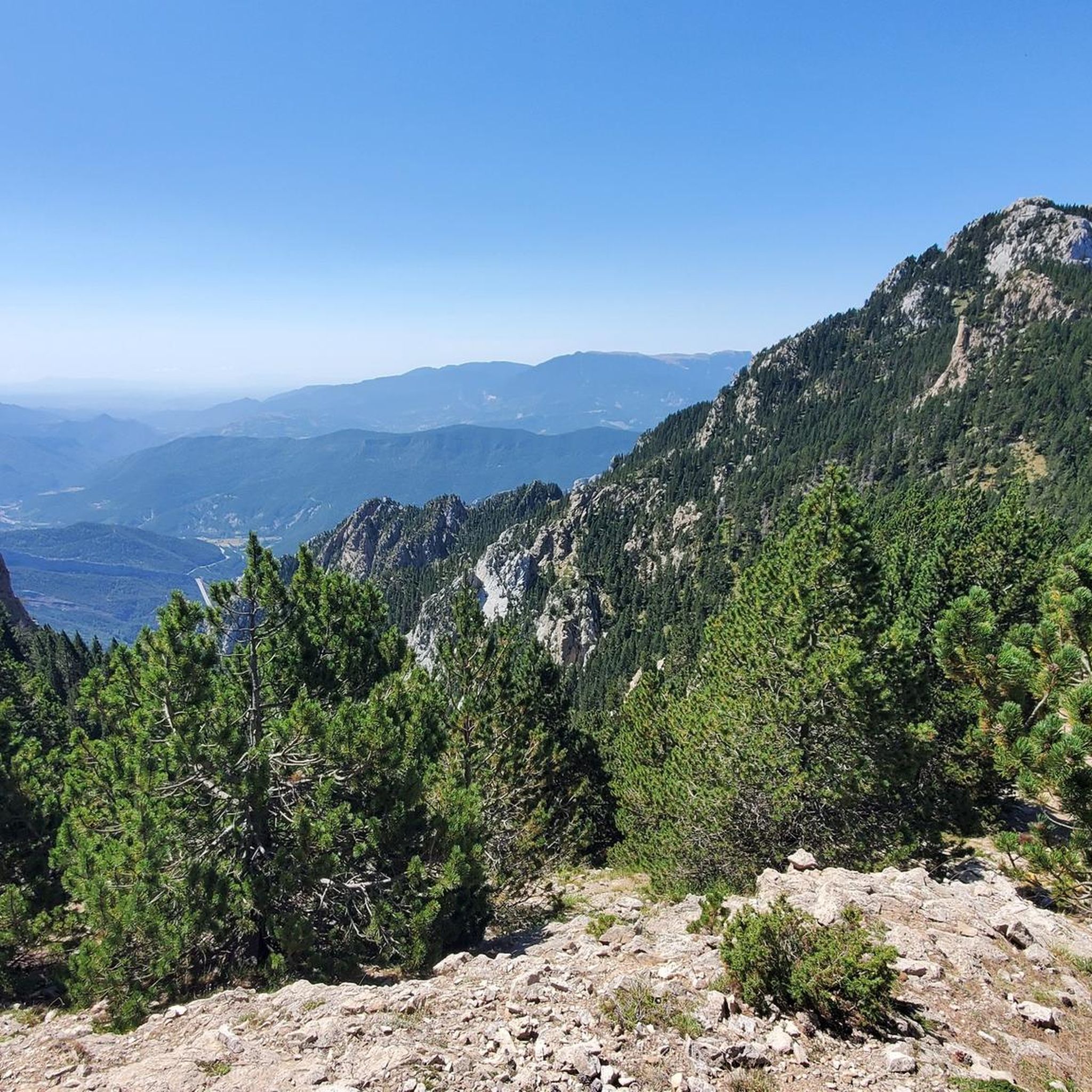
Road Cycling Routes around Guardiola De Berguedà
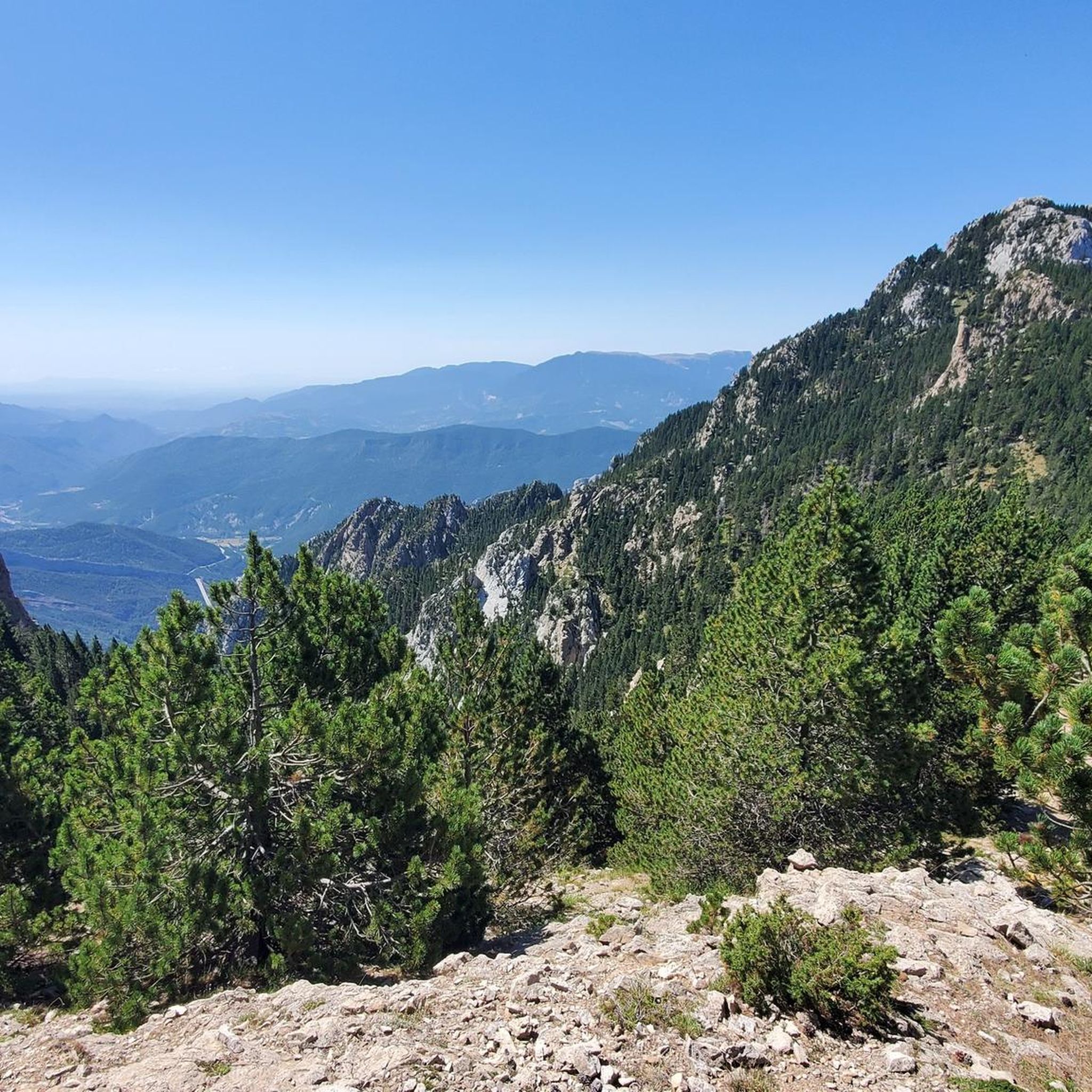
Hiking around Guardiola De Berguedà
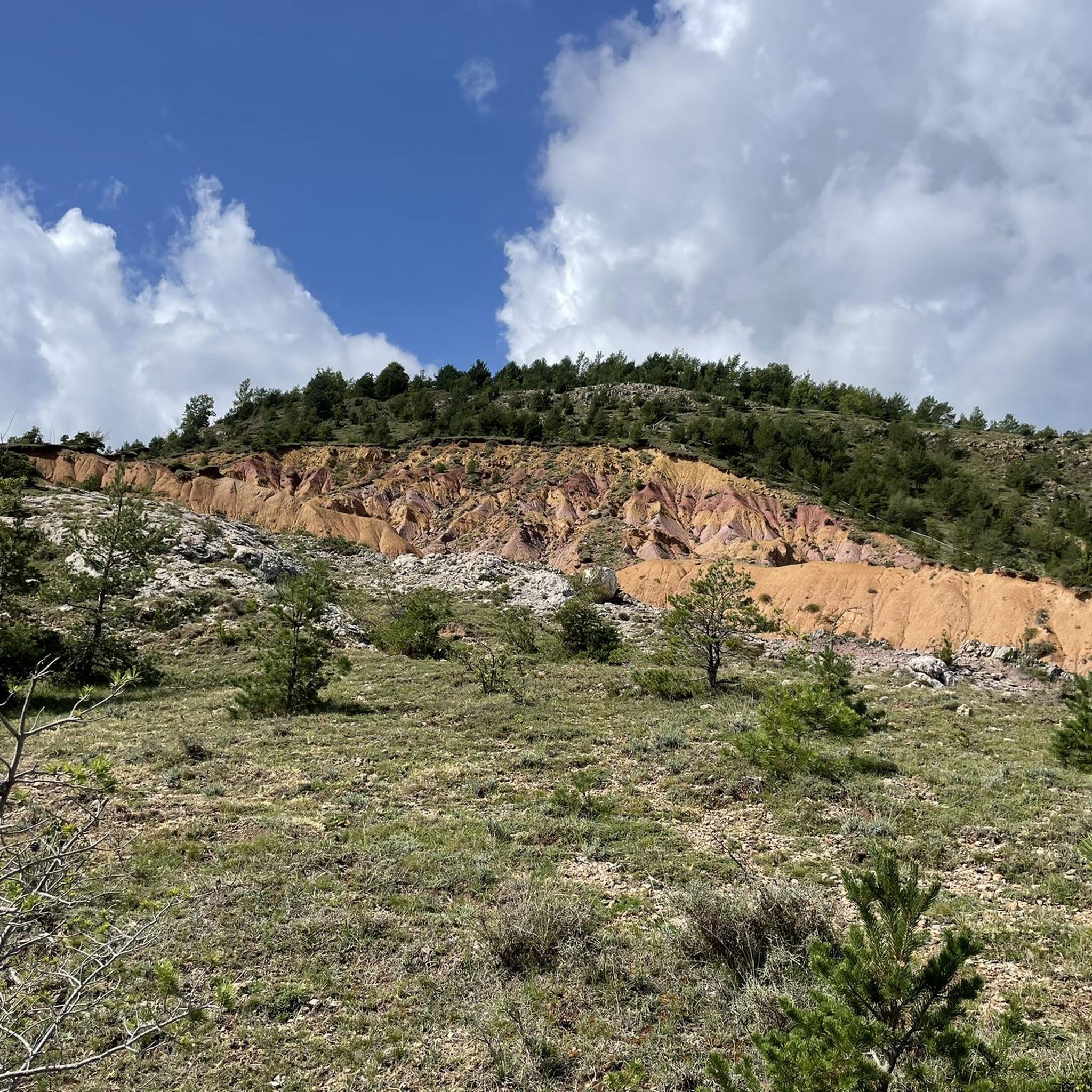
Cycling around Guardiola De Berguedà
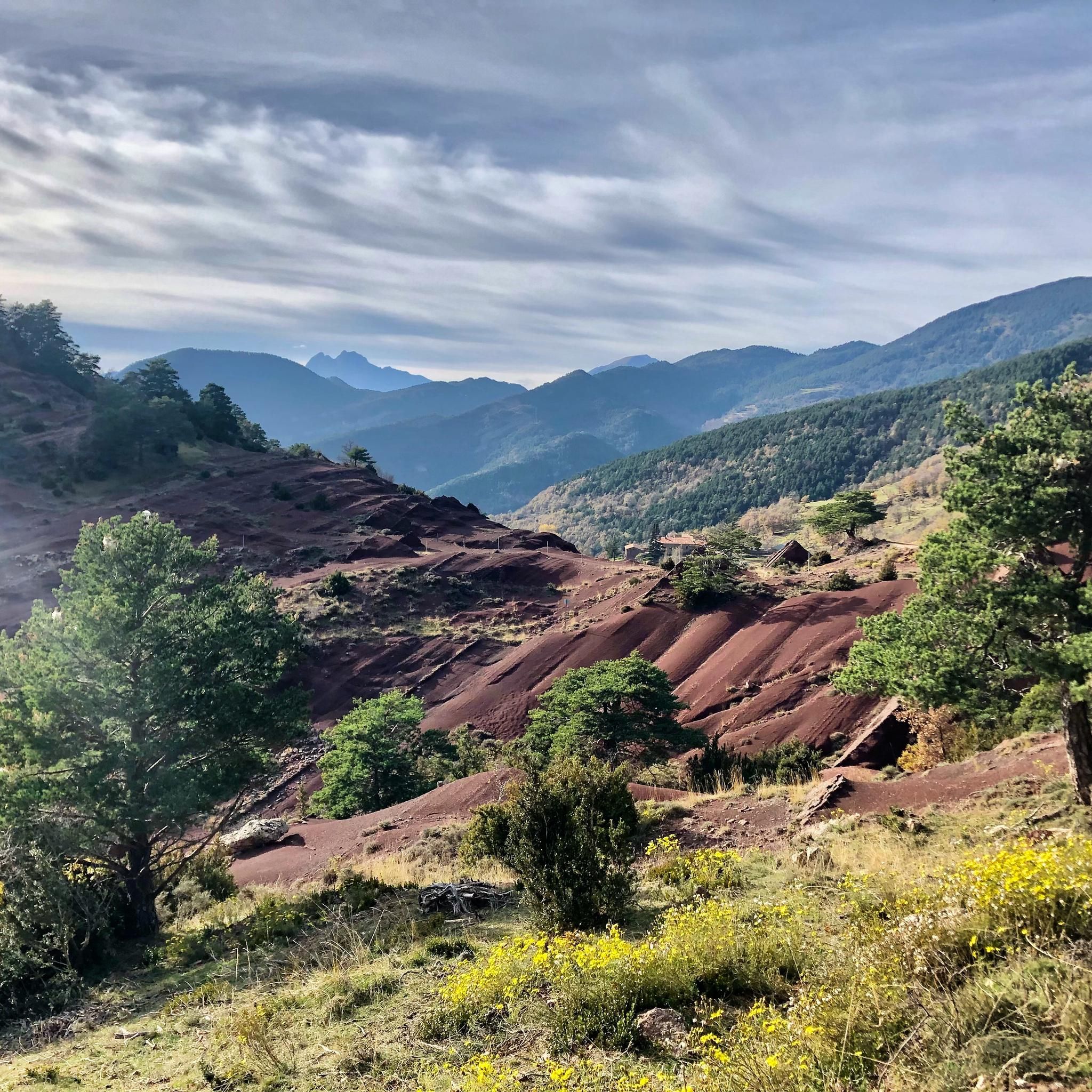
MTB Trails around Guardiola De Berguedà
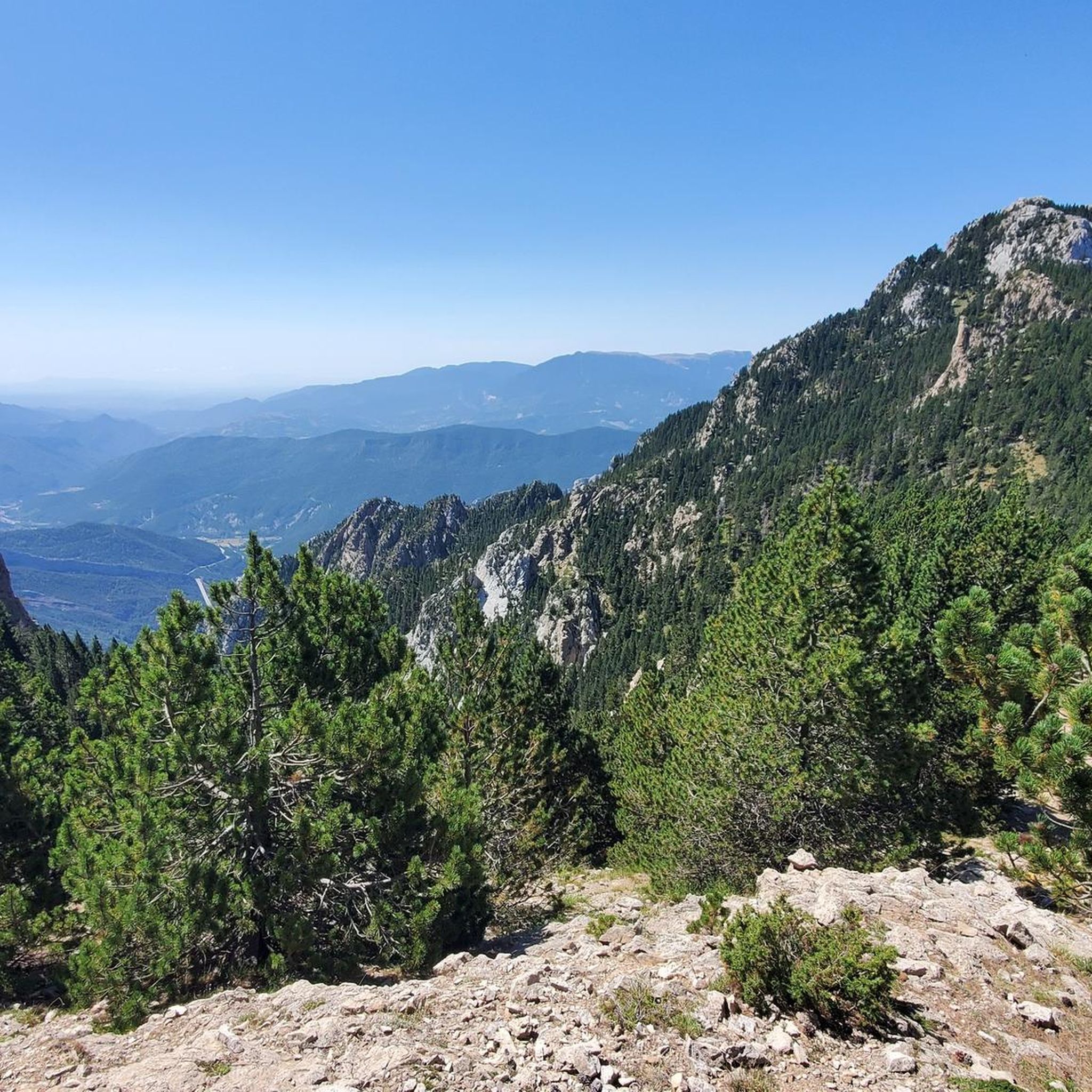
Running Trails around Guardiola De Berguedà
Other adventures around Guardiola De Berguedà


Tips from the Community

nice cave to visit. it is not very deep, but you definitely need a flashlight
0
0

My recommendation for Visit the Cova de Anes. The most important thing is to know that the entire journey until reaching the Cova is very exposed, this means that avoiding very hot days 🥵 bring enough water for the journey,.... And of course... Flashlight 🔦 to visit inside, take extreme precautions
0
2


A large balma with an impressive rock bridge that had served as a key. A small wooden sign indicates the exact point, separating us a few meters from the path. It is a very beautiful place, with a large arcade and a remarkable balma where flocks were often kept.
1
0

This cave is beautiful to experience and can provide a good shelter. Special equipment is not necessary because it ends after about 40 meters
0
0

The cave contains numerous rooms and corridors with different ancient formations. Previous appointment to book the route through the interior.
0
1
To access it, take the road that goes up to the Mirador de Gresolet and Refugi Estasen and halfway up we enter a dirt track making a turn of about 180º. There we can park, if we prefer and bring a car 4x4 or high we can go up the track a few meters to get closer to a water tank. We will enter the forest towards the Torrent de Cal Ninot. You have to be careful about the milestones as the road is not well paved and it is easy to get lost. In this case, we chose to climb some walls climbing straight to look for the entrance to the Taliban Caves. The first cave consists of two or three ropes where you can secure or grab. There is not much difficulty in the steps as they are practically diagonal. From the top of the cave the views are spectacular. We will continue along a canal that will take us to a balcony, then we will go down about 5m around the wall on the left until we see the entrance to the second Cave or Big Hole of the Feixa Alta. Much bigger and longer. In this case, it is not necessary to climb as much, although it also consists of a pair of ropes.
0
0
Frequently Asked Questions
What are some unique historical caves or underground sites to explore in Guardiola De Berguedà?
Guardiola de Berguedà offers a blend of natural and historical underground attractions. The Cova del Massana is a natural cave with significant historical ties, having served as a hideout for maquis (guerrilla fighters) during the post-Spanish Civil War period. Additionally, the Riutort Oil Mine, while technically a mine, provides a cave-like experience and is a unique industrial heritage site, showcasing the historical extraction of oil from underground. Please note that the Riutort oil mine is currently closed until further notice.
Are there any caves around Guardiola De Berguedà that require special equipment or prior booking?
Yes, some caves require specific preparations. For instance, the Cueva de Anes contains numerous rooms and ancient formations, and requires a previous appointment to book a route through its interior. It's also recommended to bring a flashlight for exploring inside. For the Coves dels Talibans, the access is challenging and involves ropes for securing or grabbing, suggesting a need for appropriate gear and experience.
What is the difficulty level for accessing caves in this region?
The difficulty varies. Caves like Cova de Can Maurí and Cova de la Tuta are generally considered intermediate, not requiring extensive special equipment beyond a flashlight. However, accessing the Cueva de Anes involves a very exposed and challenging trail, and the Coves dels Talibans are described as challenging, involving climbing and ropes.
Are there any family-friendly caves or easy-to-access underground sites?
For a less demanding experience, Cova de Can Maurí is a beautiful cave that doesn't require special equipment and ends after about 40 meters, making it suitable for those looking for a shorter, simpler exploration. Similarly, Cova de la Tuta is not very deep and can be visited with just a flashlight, offering a relatively easy underground experience.
What natural features can I expect to see when visiting caves around Guardiola De Berguedà?
The caves in the region offer diverse natural features. The Cueva de Anes is known for its numerous rooms and ancient formations. The Cova del Massana, while historically significant, also features bat guano, indicating its use by bats. Cova Foradada is notable for its large 'balma' (rock shelter) and an impressive natural rock bridge.
What outdoor activities can I combine with a visit to the caves?
The Guardiola De Berguedà area is excellent for outdoor enthusiasts. You can find numerous routes for mountain biking, such as the challenging 'Les Bassotes Pass – Final Ascent to Pedraforca loop' or 'Bauma Pass loop'. There are also traffic-free bike rides available for various skill levels. For more information on cycling routes, you can explore guides like MTB Trails around Guardiola De Berguedà or Traffic-free bike rides around Guardiola De Berguedà.
Are there any caves with notable viewpoints or scenic surroundings?
Yes, several caves offer scenic views. The Coves dels Talibans are particularly known for spectacular views from the top of the cave. The trail leading to the Cova del Massana also offers an adventurous trek through the Serra del Candara and Cingles dels Banyadors, providing picturesque natural surroundings.
What should I bring when visiting caves in Guardiola De Berguedà?
For most caves, a reliable flashlight is essential, as mentioned for Cova de la Tuta and Cueva de Anes. For caves with exposed or challenging trails, like the Cova del Massana or Cueva de Anes, bringing enough water is crucial, especially on hot days. If you plan to visit more challenging sites like the Coves dels Talibans, be prepared for climbing sections and potentially needing ropes.
Is it possible to visit caves that served as shelters or hideouts?
Yes, the Cova del Massana is a prime example. It is historically significant for having served as a hideout for Marcel·lí Massana and other maquis during a turbulent period. Additionally, caves like Cova de Can Maurí and Cova de la Tuta are noted for providing good shelter, reflecting their natural protective qualities.
Are there any caves that are particularly large or extensive?
The Cova de la Tuta is described as a large cave. The Cueva de Anes also features numerous rooms and corridors, suggesting a more extensive underground system. The Riutort Oil Mine, when open, offers a tour through a 340-meter gallery, providing a substantial underground experience.
What is the best time of year to explore caves in Guardiola De Berguedà?
While specific recommendations for cave visits aren't always seasonal, it's important to consider the approach trails. For caves with exposed routes, such as the one leading to the Cova del Massana or Cueva de Anes, avoiding very hot days and ensuring you carry enough water is advised. Spring and autumn generally offer milder temperatures, which can make the treks to these sites more comfortable.
Most popular routes around Guardiola De Berguedà
Most popular attractions around Guardiola De Berguedà

Get inspired with the komoot mobile app


