Top 15 Gorges around Dénia
Best canyons around Dénia are found in the wider Alicante and Costa Blanca region, with Dénia serving as a central base for exploration. The area features rugged terrain and diverse natural formations, including deep valleys and gorge-like structures. This region offers a variety of experiences, from technical canyoning routes to scenic walks through natural landscapes. Its geographical position provides access to both coastal and inland natural features.
Best canyons around Dénia
- The most popular canyons is Penya-Segats Trail, a…
Last updated: August 14, 2026
Penya-Segats Trail
Highlight (Segment) • Trail
Translated by Google •
Tip by

Cap Prim
Highlight • Viewpoint
Translated by Google •
Tip by

Sign up now to discover places like this
Get recommendations on the best single tracks, peaks, & plenty of other exciting outdoor places.
Sign up for free
Gorgos Riverbed and Aqueduct in Gata de Gorgos
Highlight • River
Translated by Google •
Tip by

Old dam at Barranc del Infern
Highlight (Segment) • Structure
Translated by Google •
Tip by

Ebo River Crossing
Highlight • River
Showing Translation
Tip by
Sign up for free to discover even more gorges around Dénia.
Sign up for free
Already have an account?
Start today with a free account
Your next adventure awaits.
Login or Signup
Popular around Dénia
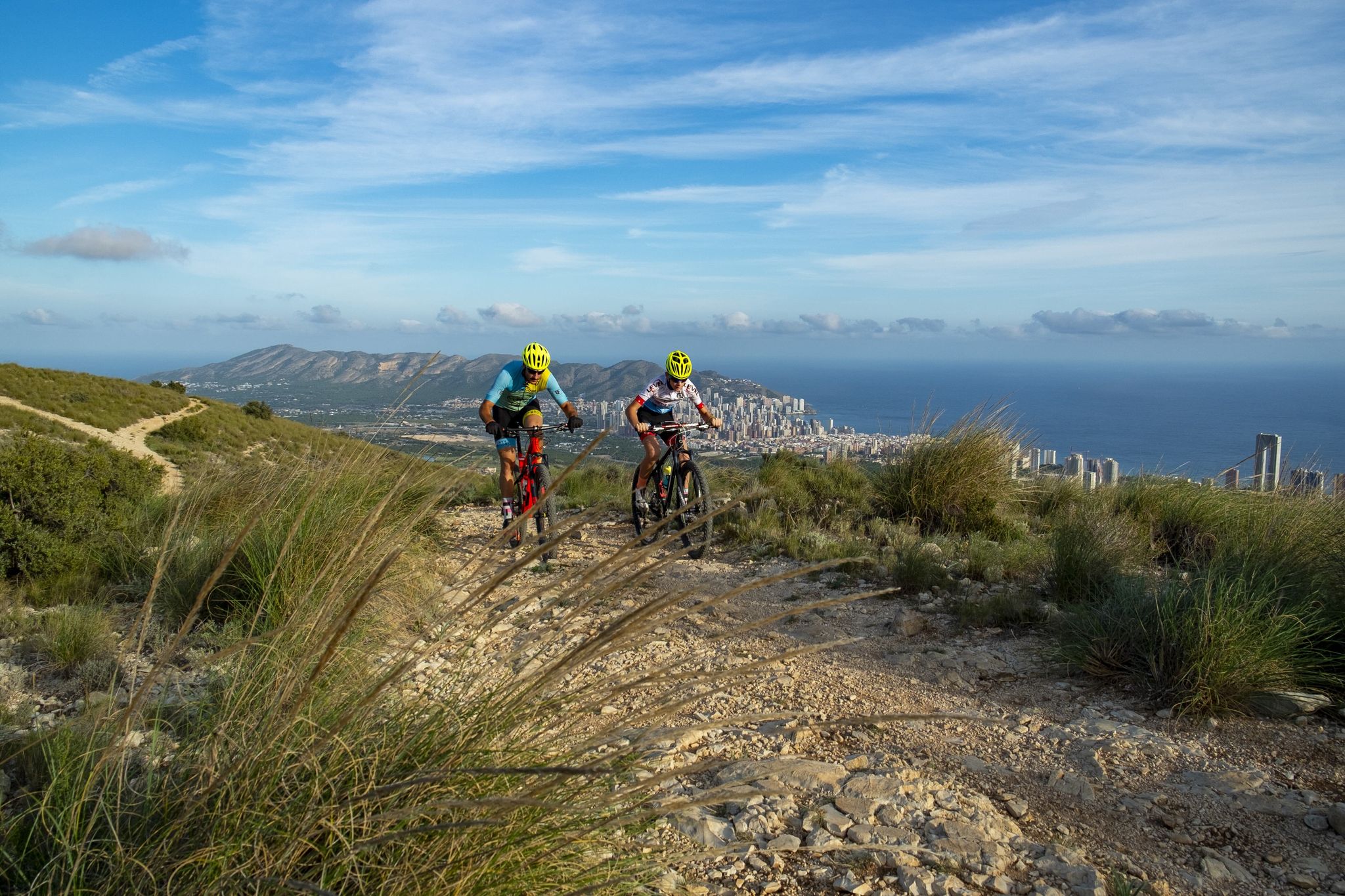
Costa Blanca on a gravel bike – the finest loops
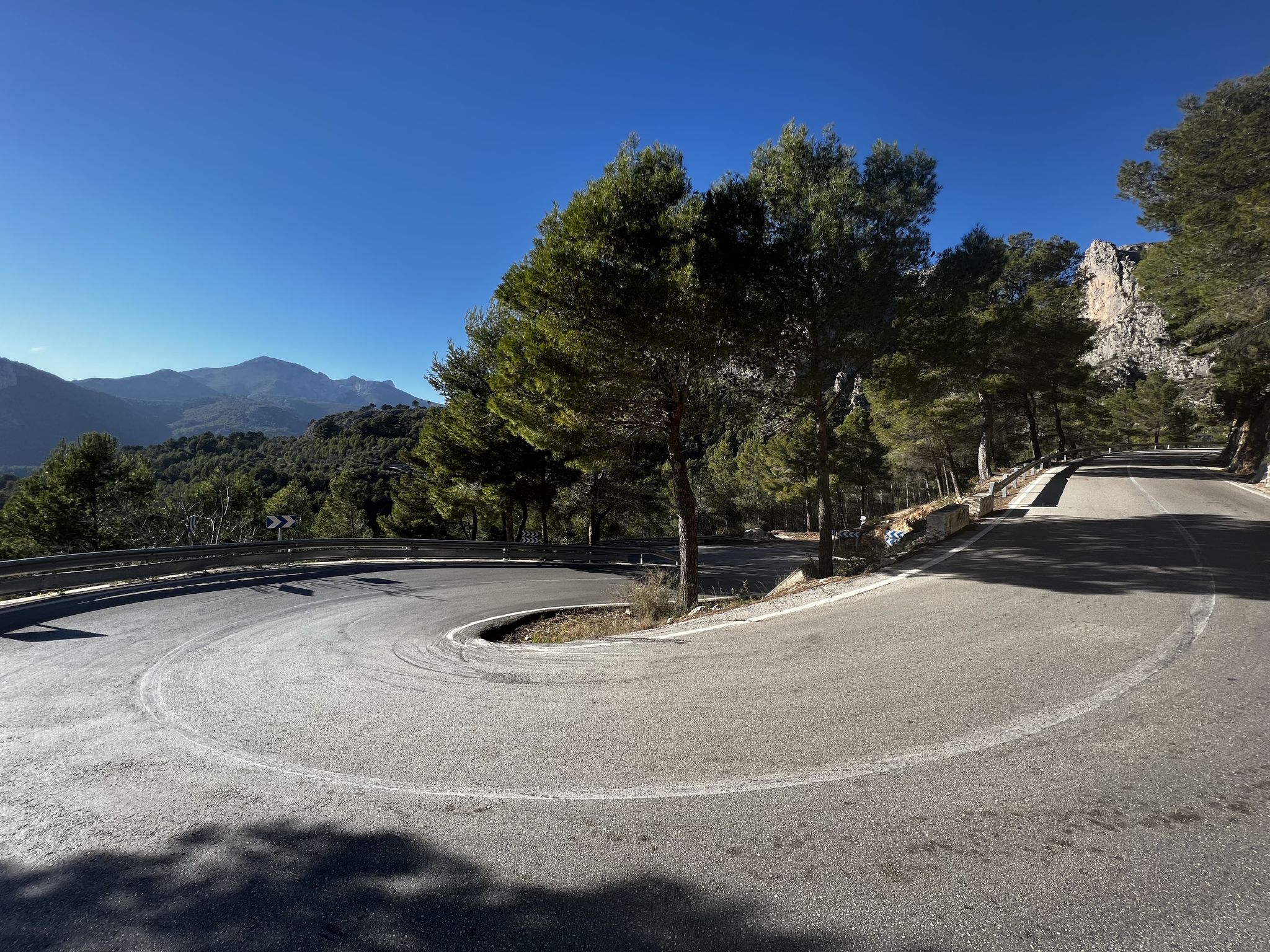
Sunny road cycling adventures in Alicante's Costa Blanca
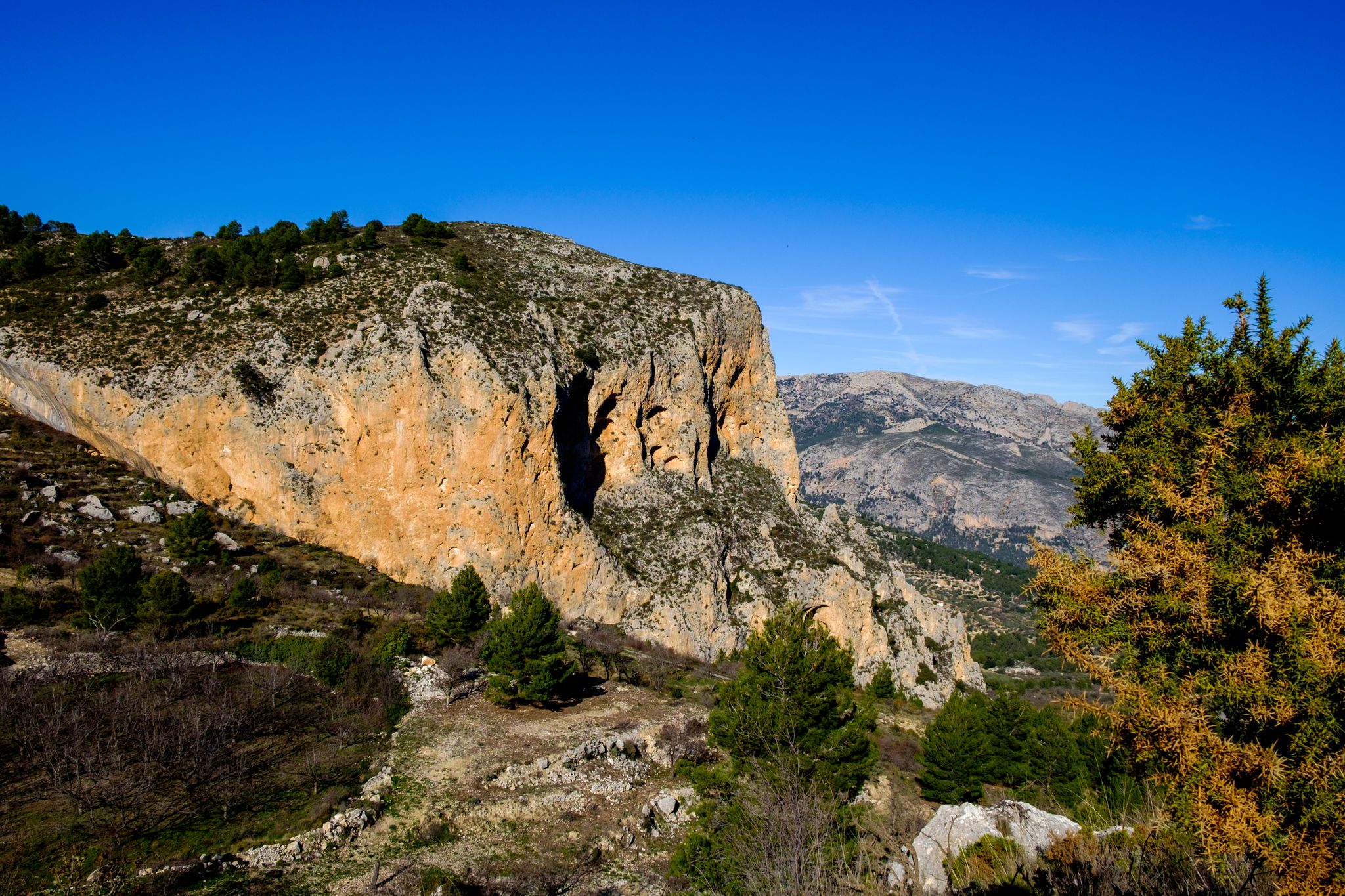
Discover Alicante – Costa Blanca Inland Path (GR 330)
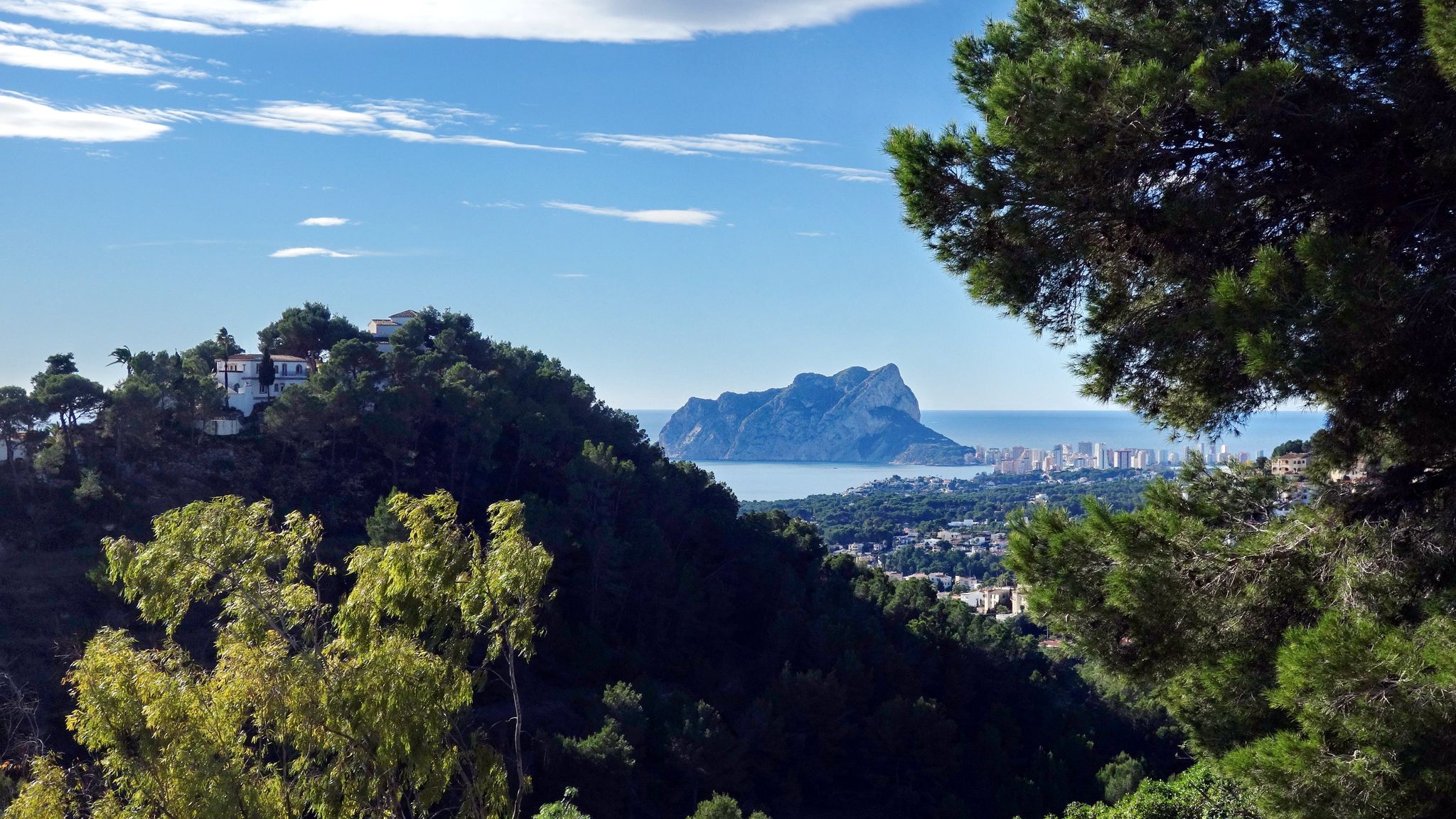
Limestone hills and sea views – Costa Blanca by bicycle
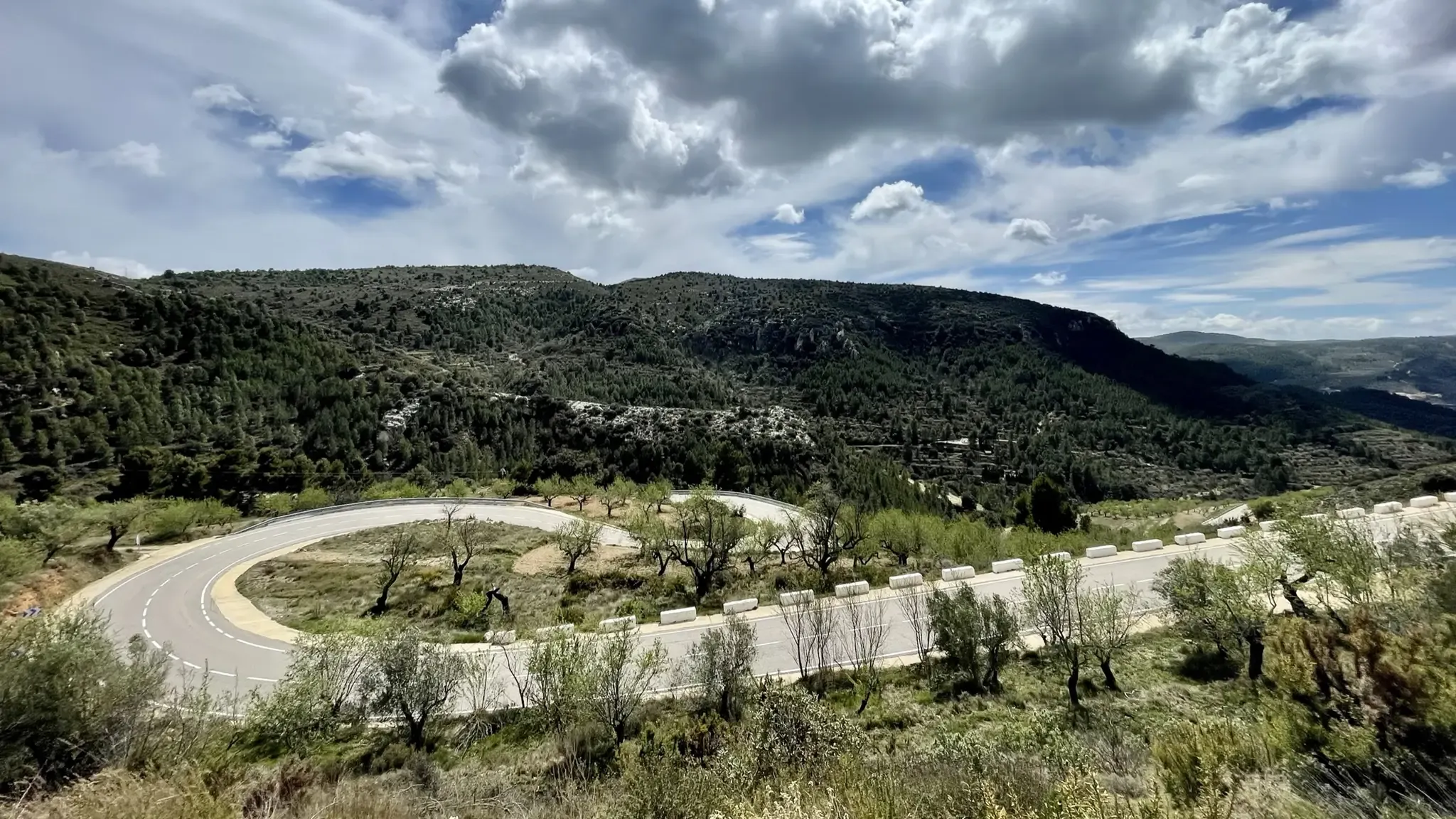
Navigating Alicante's mountains – road cycling rides
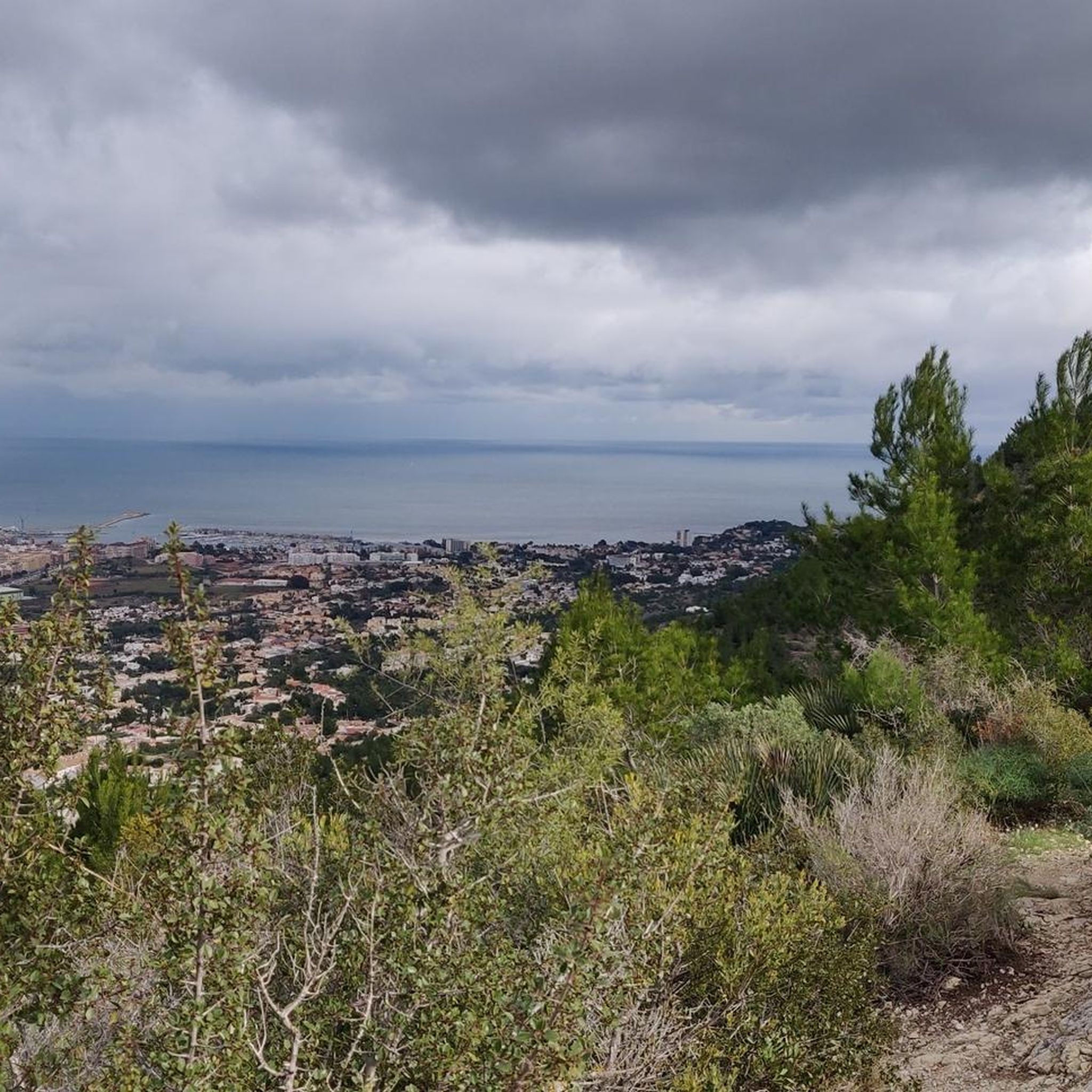
Hiking around Dénia
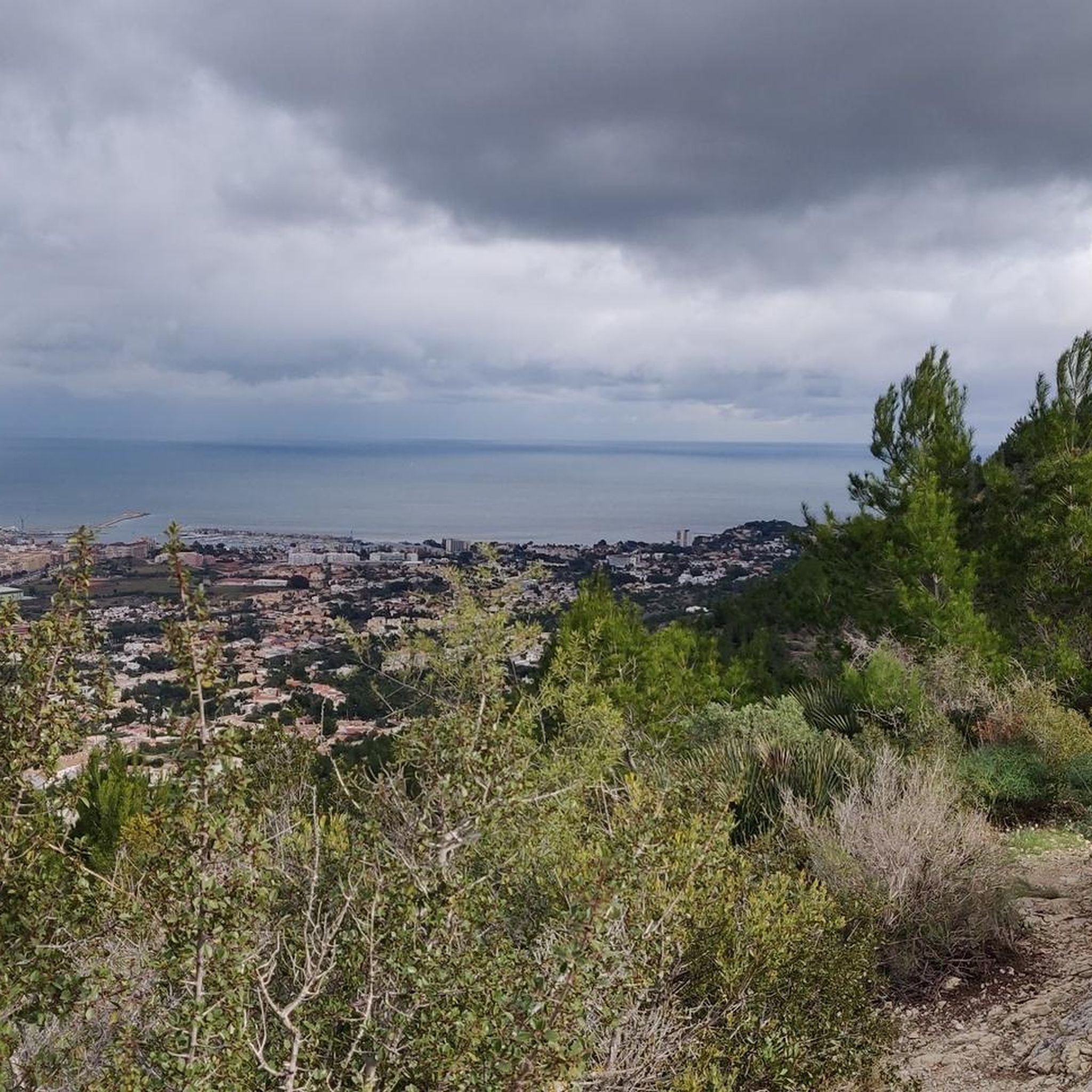
Road Cycling Routes around Dénia
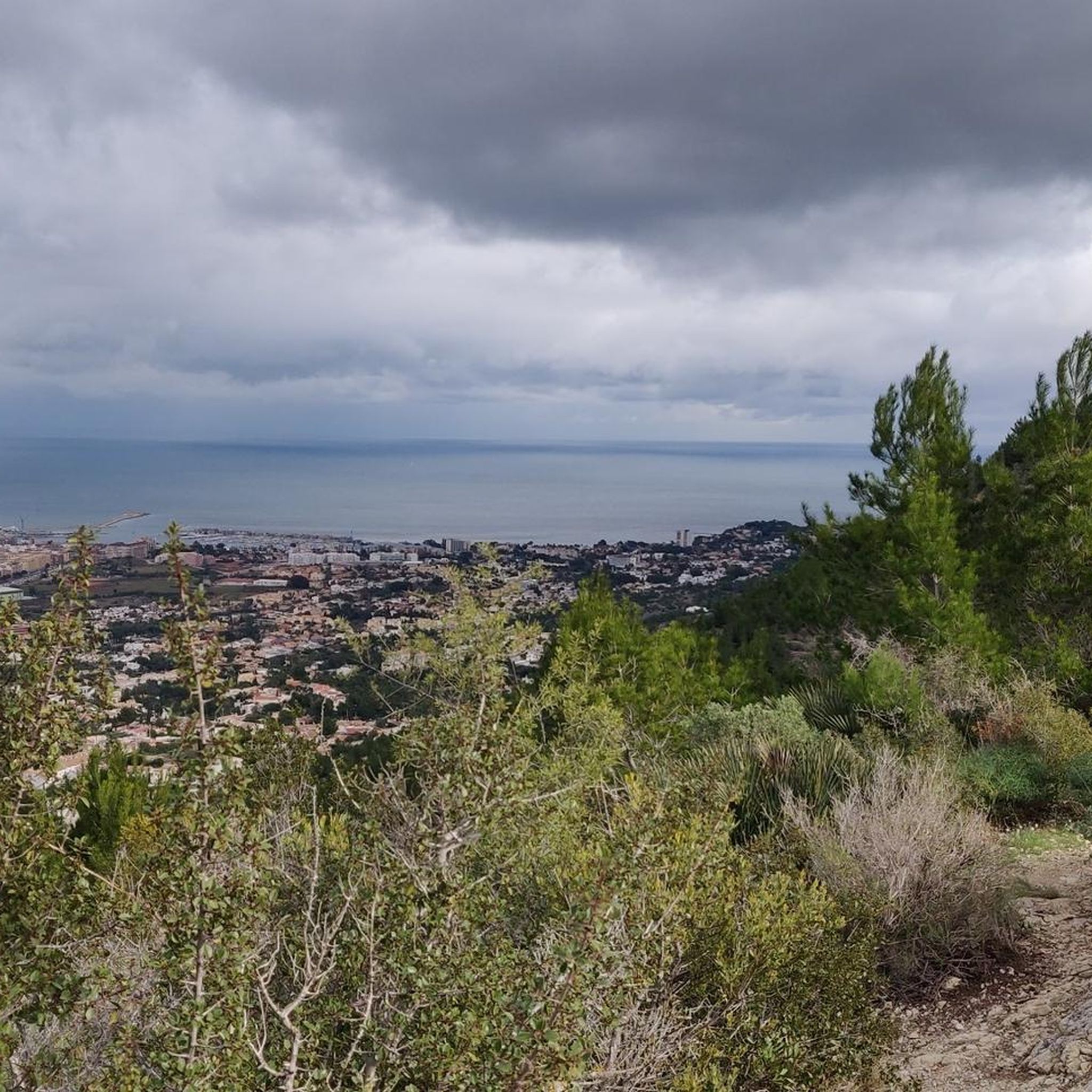
Cycling around Dénia
Running Trails around Dénia
MTB Trails around Dénia
Other adventures around Dénia


Tips from the Community

A beautiful hike with stunning views. The trail passes incredibly colorful rocks. Wear comfortable hiking boots!
0
0

The first descent of 300m via a large section of the 6800 steps, brings you to the first barranco, Rio Girona
0
0

Beautiful rolling road through a Beautiful landscape
0
0

Gata de Gorgos owes its name to the river (bed) the Gorgos that runs through the village. This river flows into the Mediterranean Sea at Jávea. The village is located at approximately 75m above sea level and has over 6000 inhabitants who mainly speak Spanish and Valencian. From the 16th to the 18th century, agriculture was the most important source of income for the village. The most important things that were grown during this time were: wheat, (wine) grapes, cane, olives, barley, almonds and, for example, grapes for raisins. Until the middle of the 20th century, agriculture was the most important financial sector for Gata de Gorgos. Due to the deterioration of the quality of the soil, but especially due to the demand for (second) homes on the coast, the former agricultural land has now been built on in many places by, among other things, urbanisation and tourism has become an important source of income. Gata de Gorgos has a very charming centre that is definitely worth a visit. Those looking for products made of reed will find what they are looking for here. The place is known for its handmade articles (artesanías) made of reed (hats, baskets and the like). The shops that sell these products have earned Gata de Gorgos its nickname ‘Bazaar of the Costa Blanca’.
3
0


Spectacular cliffs and rock formations on the coast of Jávea (Xàbia). Cap Prim, also known as Cap de Sant Martí, is one of the most beautiful stretches of coast on the northern Costa Blanca. It is a perfect place to take a relaxing walk in nature and enjoy the impressive views of the Mediterranean coast. The bay of Portitxol is bordered by Cap Prim to the north and Cap Negre to the south. In the hot months, it is recommended to take a relaxing short walk with a detour to the beach. The area around Cap Prim is an excellent destination for this. A short but very beautiful path leads from the Cruz del Portitxol (Creu del Portitxol) to the cliffs of Cap Prim. It starts at the point where the road from Portitxol (CV-742) and Carrer Illa meet.
1
1

interesting city in the Spanish hinterland
0
2

Parking in the vicinity of the starting point costs €12 (camera surveillance). Camping Dreamsea has a beautiful terrace with a beautiful view over the bay.
1
0
Frequently Asked Questions
What are the difficulty levels of canyons and gorges near Dénia?
The canyons and gorges near Dénia offer a range of difficulty levels. For technical canyoning, Barranco del Infierno is rated as easy to medium difficulty, involving hiking, dry canyoning, and rappelling. Gorgo de la Escalera is considered an initiation-level water canyoning experience. For hiking through gorge-like features, routes like the Penya-Segats Trail are simple and suitable for quiet walks, while others like Barranco de la Viuda are picturesque but require sturdy shoes due to uneven terrain.
Are there family-friendly canyoning experiences or gorge hikes near Dénia?
Yes, several options are suitable for families. The Penya-Segats Trail is a simple, pleasant route along the cliff with beautiful views, ideal for families. Gorgo de la Escalera Canyon is also described as an initiation-level water canyoning experience, suitable for families who enjoy jumps into pools and natural slides (season-dependent). For hiking, the Barranco l'Alter offers a pleasant walk through orange groves and scenic views.
What are some good options for beginner canyoning near Dénia?
For beginners looking for an introduction to canyoning, Gorgo de la Escalera Canyon near Anna is an excellent choice. It's an initiation-level water canyoning experience with opportunities for jumps, natural slides, and rappelling. If you prefer dry canyoning with some abseiling, Barranco del Infierno is rated easy to medium, making it accessible for those new to the sport but seeking an adventure.
Are there advanced canyoning routes for experienced adventurers?
While Barranco del Infierno is generally rated easy to medium, its vertical route with more than ten rappels and the need for ropes offers a significant challenge for those seeking an adrenaline-filled dry canyoning experience. Its reputation as one of the most emblematic canyons in Alicante suggests it can be demanding even for experienced participants.
When is the best time to visit the canyons and gorges around Dénia?
The best time to visit depends on the type of experience you seek. For water canyoning like Gorgo de la Escalera, warmer months are ideal. For dry canyoning like Barranco del Infierno, spring and autumn offer pleasant temperatures, avoiding the intense summer heat. Hiking routes through ravines and to caves like Cova Tallada or Cova de l'Aigua are enjoyable year-round, though reservations might be required for Cova Tallada during peak season, and some ravines like Barranco l'Alter are seasonal and can have high flow during stormy episodes.
What essential gear should I bring for canyoning or gorge hiking?
For technical canyoning, you'll need specialized gear such as ropes, harnesses, helmets, and appropriate footwear. For gorge hiking, sturdy shoes are highly recommended, especially for routes like Barranco de la Viuda where stones can be loose. If exploring caves like Cova Tallada or Cova de l'Aigua, a headlamp is essential for darker sections. Always bring water, sun protection, and suitable clothing for the weather conditions.
What kind of natural features can I expect to see in the gorges and ravines?
You can expect to see spectacular geological formations sculpted by water, high walls of white stones creating unique light reflections, and eroded rock formations. The Montgó Natural Park features diverse landscapes, including traditional orange groves, coastal paths with stunning sea views, and impressive cliffs and rock formations at viewpoints like Cap Prim. You might also encounter sea caves, natural slides, and pools.
Are there any historical or cultural landmarks within the canyons or gorges?
Yes, there are a few notable historical and cultural landmarks. The Old dam at Barranc del Infern is a historical structure located within a gorge. The Cova Tallada is a unique half-natural, half-artificial sea cave that was historically used as a quarry. The Cova de l'Aigua features a Roman inscription dating back to 238 AD, offering a glimpse into the region's ancient past.
How long do the canyoning or gorge hiking routes typically take?
The duration varies significantly by route. Technical canyoning experiences like Barranco del Infierno can take approximately 7 hours. Shorter, simpler hiking routes such as the Penya-Segats Trail can be completed in a couple of hours. Routes to caves like Cova Tallada or Cova de l'Aigua involve moderately easy treks, with the overall time depending on exploration within the caves and stops for views.
Is parking available near the popular canyoning and gorge hiking spots?
Parking availability varies by location. For popular spots like Barranco del Infierno, parking is generally available, though it's advisable to check specific access points. For trails within Montgó Natural Park or coastal areas, designated parking areas are often provided, but they can fill up quickly during peak season. It's always recommended to plan ahead and arrive early.
Do I need permits or reservations for any of the canyoning or cave exploration activities?
For technical canyoning, while not always explicitly stated as a 'permit,' it's crucial to be aware of any local regulations or group size limits, especially for popular routes like Barranco del Infierno. For Cova Tallada, reservations are required for access during peak season to manage visitor numbers and protect the site. Always check current requirements before your visit.
What are some popular hiking trails through gorges and ravines near Dénia?
Popular hiking trails include the Penya-Segats Trail, a simple cliffside walk with beautiful views. The route to the Old dam at Barranc del Infern follows a dry river bed through eroded rock formations. Barranco de la Viuda offers a picturesque route without technical difficulty. Additionally, the Montgó Natural Park features ravines like Barranco l'Alter and trails leading to caves like Cova Tallada and Cova de l'Aigua, providing scenic and adventurous hikes.
What other outdoor activities can I do near these canyons and gorges?
Beyond canyoning and gorge hiking, the Dénia area offers a variety of outdoor activities. You can find numerous cycling routes, including those around Montgó Natural Park or along the Dénia Greenway, suitable for touring bicycles. Gravel biking is also popular, with routes exploring areas like the Pego-Oliva Marsh Nature Reserve. For runners, there are diverse running trails, from coastal paths like Cala Les Rotes to more challenging routes around Montgó. For more details, explore the cycling, gravel biking, and running guides for Dénia.
Most popular routes around Dénia
Most popular attractions around Dénia

Get inspired with the komoot mobile app


Explore more
Already discovered everything in this region? See additional gorges around Dénia for your next adventure:
