Top 5 Caves around La Línea De La Concepción
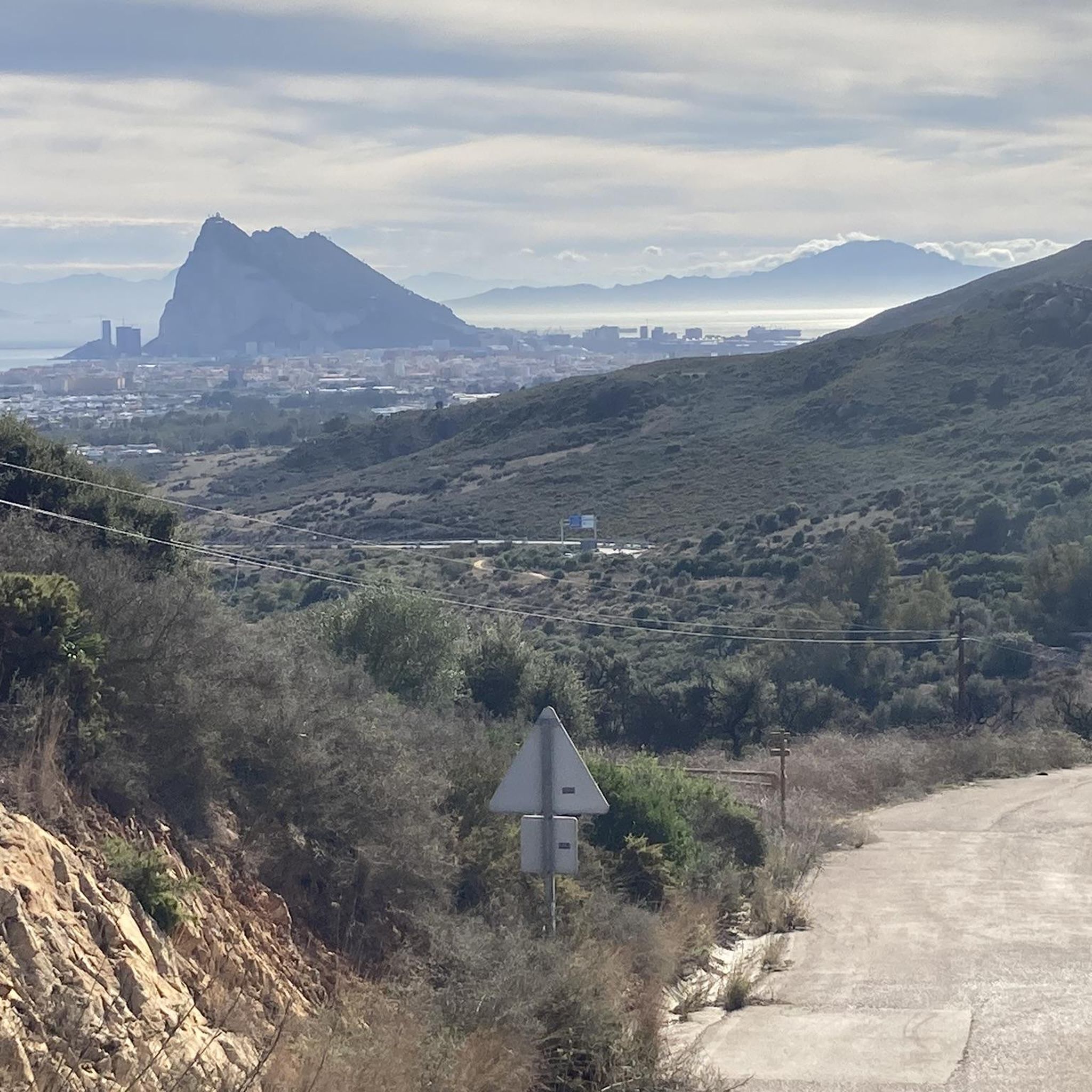
Best caves around La Línea De La Concepción are primarily found in the adjacent British Overseas Territory of Gibraltar. This region, situated on the southern coast of Spain, is characterized by its unique geological formations and strategic historical significance. The area offers access to diverse underground experiences, ranging from natural limestone caverns to extensive man-made military tunnels. These sites provide insight into both natural history and human engineering.
Best caves around La Línea De La Concepción
- The most popular caves is St. Michael's Cave, a cave that features complex limestone formations and is occasionally used for concerts. It is known for its magnificent stalactites and stalagmites, with its main chamber serving as a unique auditorium.
- Another must-see spot is World War II Tunnels, a historical site illustrating Gibraltar's strategic military history. Visitors can explore an extensive network of man-made tunnels carved into the Rock of Gibraltar, used for storage and accommodation during the war.
- Visitors also love The Great Siege Tunnels, a historical site where defensive tunnels were dug into the limestone. These tunnels, created during the 18th-century siege, offer insight into Gibraltar's military past and engineering.
- La Línea De La Concepción is known for natural limestone caves, man-made military tunnels, and significant archaeological sites. The variety of caves available allows for exploration of both geological wonders and historical fortifications.
- The caves around La Línea De La Concepción are appreciated by the komoot community, with more than 170 upvotes and over 280 photos shared.
Last updated: October 7, 2026
St. Michael's Cave
Highlight • Cave
Translated by Google •
Tip by

World War II Tunnels
Highlight • Historical Site
Translated by Google •
Tip by

Sign up now to discover places like this
Get recommendations on the best single tracks, peaks, & plenty of other exciting outdoor places.
Bellman's Cave
Highlight • Cave
Translated by Google •
Tip by

The Military Heritage Centre and Tunnels, Gibraltar
Highlight • Historical Site
Translated by Google •
Tip by
The Great Siege Tunnels
Highlight • Historical Site
Translated by Google •
Tip by
Start today with a free account
Your next adventure awaits.
Popular around La Línea De La Concepción
Tips from the Community

Impressive what has been created here in such a short time. The rock is perforated like a Swiss cheese.
0
0

Very interesting to see, incredible what they've carved into the mountain.
0
0

impressive and also nice and cool😉
0
0

Gibraltar has always been of the utmost strategic importance, but with the entry of Italy into World War II and a powerful Germany already dominating Europe, that importance grew. These tunnels, created by the Royal Engineers and the Canadian Army, were the answer to the ever-growing problem of storage, space and siege accommodation. The entire 16,000-strong garrison could be housed here, along with enough food to survive for 16 months. The entire tunnel network inside the Rock is about 34 miles, 55 kilometers.
0
0

St Michael’s Cave was long believed to be bottomless. This probably gave birth to the story that the Rock of Gibraltar was linked to Africa by a subterranean passage under the Strait of Gibraltar. The famous macaques were said to have come to Gibraltar through this subterranean passage. Pomponious Mela, one of the earliest geographers who lived about the beginning of the Christian era, spoke about the cave in his writings. It was at one time believed that in 1704 Spanish troops spent a night in the cave after climbing the precipitous east face of the Rock. Another story about the cave recounts how a Colonel Mitchell and another officer were said to have descended into the cave at some unspecified date before 1840 and were never seen again. During WWII the cave was prepared as an emergency hospital, but was never used as such. The cave is open to visitors and makes a unique auditorium for concerts, ballet and drama. It has been in use as a theatre since the early sixties with capacity for 600 persons. At some period during the history of this cave, part of a stalagmite became too heavy on one side and fell, possibly thousands of years ago. It now lies on its side at the far end of the main chamber, cemented through the years by nature to the floor of the cave. In 1972 a slice was cut off from the top end which revealed the interior structure of the stalagmite in a most dramatic fashion. ‘The Awakening' at St Michael’s Cave An immersive light and sound installation expressing layers upon layers of history fused with the Rock. These ancient clocks now lay dormant. The Awakening illuminates these sculptures of time and reawakens their hidden story. As you journey through the cave system you will encounter these giant ancient clocks brought back to life, vast hidden forms and towering flowstones that once again are in full motion. The experience culminates within the main cavern in a 360-degree projection and light spectacle.’ The awakening show takes place every 7 minutes.
4
0


Is a limestone cave with beautiful plays of light. There are a lot of monkeys waiting to be photographed
4
0
Interesting cave
4
0
Frequently Asked Questions
Which are the most popular caves to visit near La Línea de la Concepción?
The most popular caves are primarily located in Gibraltar, just across the border. St. Michael's Cave is renowned for its stunning natural limestone formations and is occasionally used as a concert venue. Other highly visited sites include the World War II Tunnels and The Great Siege Tunnels, which offer deep dives into Gibraltar's military history.
Are there historical caves or tunnels to explore?
Yes, the area is rich in historical underground sites. The World War II Tunnels are an extensive network built to house a garrison during the war, showcasing significant strategic importance. Similarly, The Great Siege Tunnels were hand-dug during the 18th-century siege, providing a fascinating glimpse into military engineering and defense strategies of that era. You can also visit The Military Heritage Centre and Tunnels for more insights into Gibraltar's military past.
What natural geological features can I expect to see in the caves?
For natural geological wonders, St. Michael's Cave is the highlight. It features magnificent stalactites and stalagmites that have formed over millennia, creating breathtaking chambers and a natural cathedral-like atmosphere. The cave is part of the larger limestone formation of The Rock of Gibraltar, which itself is a prominent natural monument.
Are there family-friendly cave options?
Yes, several caves are suitable for families. St. Michael's Cave is generally considered family-friendly due to its accessible main chambers and stunning visual appeal. The Great Siege Tunnels also offer an engaging historical experience for all ages, allowing visitors to walk through the impressive hand-dug passages.
What outdoor activities can I combine with a visit to the caves?
The region around La Línea de la Concepción and Gibraltar offers various outdoor activities. You can explore numerous hiking trails, such as those found in the Hiking around La Línea De La Concepción guide, which includes routes on The Rock of Gibraltar. There are also options for running and mountain biking, with guides like Running Trails around La Línea De La Concepción and MTB Trails around La Línea De La Concepción available.
When is the best time of year to visit the caves?
The caves, particularly those in Gibraltar, can be visited year-round. However, for the most comfortable experience, especially if you plan to combine your visit with outdoor activities on The Rock of Gibraltar, spring (April-May) and autumn (September-October) offer milder temperatures. Summers can be hot, and winters are generally mild but may bring more rain.
What should I wear when visiting the caves?
Inside the caves, temperatures can be cooler and more consistent than outside, so a light jacket or sweater is advisable, even in summer. Comfortable walking shoes with good grip are essential, as paths can sometimes be uneven or damp. For the more adventurous Lower St. Michael's Cave, specific gear might be required, which would be communicated upon booking.
How can I get to the caves, and is parking available?
Most notable caves are located in Gibraltar. You can drive to Gibraltar from La Línea de la Concepción, but parking can be limited, especially on The Rock of Gibraltar. It's often recommended to park in La Línea de la Concepción and walk across the border, then use local public transport (buses) or taxis within Gibraltar to reach the cave entrances. Some areas, like the Upper Rock Nature Reserve where St. Michael's Cave is located, may have restricted vehicle access, making cable car or taxi tours popular options.
Do any of the caves offer unique experiences or events?
Yes, St. Michael's Cave is particularly known for its unique acoustics, which make it a spectacular venue for concerts and other cultural events. Its main chamber has been transformed into an auditorium, offering a memorable experience amidst the natural rock formations. For the more adventurous, the Lower St. Michael's Cave can be explored by appointment, involving some climbing and sliding.
Can I bring my dog to the caves?
Generally, dogs are not permitted inside the main cave attractions in Gibraltar, such as St. Michael's Cave or the historical tunnels, due to conservation efforts and visitor safety. It's always best to check the specific entry requirements of each site before planning your visit with a pet.
Are there any hidden gem caves or less-known spots?
While the main caves in Gibraltar are well-known, the extensive network of tunnels, particularly the World War II Tunnels and The Military Heritage Centre and Tunnels, still hold many fascinating, less-explored sections. Access to some of the deeper or more remote parts of these systems might require special tours or permits, offering a more exclusive historical exploration experience beyond the standard visitor routes.
Most popular routes around La Línea De La Concepción
Most popular attractions around La Línea De La Concepción

Get inspired with the komoot mobile app


Explore more
Extend your search for the best caves by checking out these guides of the top ones around La Línea De La Concepción:
