Top 4 Castles around O Rosal
Castles around O Rosal offer a glimpse into the region's historical fortifications and strategic past. Situated near the Miño River estuary and the Atlantic Ocean, the area features a landscape shaped by both natural beauty and human history. This part of Galicia, Spain, is characterized by its coastal position and proximity to the Portuguese border, influencing its defensive structures. The region provides insights into various historical periods through its preserved sites.
Best castles around O Rosal
- The most popular castles…
Last updated: May 23, 2026
Vila Nova de Cerveira Castle
Highlight • Castle
Translated by Google •
Tip by

Clock Tower 🏰 and information ℹ️
Highlight • Monument
Tip by

Sign up now to discover places like this
Get recommendations on the best single tracks, peaks, & plenty of other exciting outdoor places.
Sign up for free
Caminha Historic Centre 🏰
Highlight • Historical Site
Santa Cruz Castle
Highlight • Castle
Translated by Google •
Tip by

Start today with a free account
Your next adventure awaits.
Login or Signup
Tips from the Community

The main tower of the medieval walls of Caminha, it provides access to the Medieval Historic Centre of the town. Facing south, this tower had the Portas de Viana underneath it, as it was an exit towards Viana do Castelo. It has a square floor plan, consists of two floors, and is currently the only remaining tower of the Caminha castle. In 1673, the clock that would give it its name was placed at the top of the tower. It has been a National Monument since 1951. The clock tower was renovated and enhanced in 2008, and the Museum of the Historic Centre of Caminha was created, placing the Clock Tower building at the service of culture and tourism, where the History of Caminha and its urban evolution from its origins to the present day take center stage.
0
0

A highlight that should not be missed on any visit to the region!
2
0

A very pretty Portuguese town. Well worth a visit.
1
0

Small village with many terraces, a church and a ruin
9
0
Central square and local business center
0
0

An old fort that once served to defend the coast.
3
0

The Santa Cruz Castle was built in the 16th century with the aim of completing the defensive system of the Coruña bay. After losing its strategic function, it became, already in the 19th century, the residence of the daughter of the writer Emilia Pardo Bazán. It is at this time when the castle dependencies are reconstructed, giving the central building the shape of a country house as we know it today.
19
1

Old castle complex with rustic old trees, among other things. Eucalyptus.
4
0
Frequently Asked Questions
What types of historical fortifications can I explore near O Rosal?
While O Rosal itself is known for ancient settlements rather than traditional castles, the surrounding region offers a diverse range of historical fortifications. You can visit Iron Age fortified villages like Castro de Santa Trega, which provides panoramic views of the Miño River estuary. There are also 17th-century defensive structures such as the Fortress of Goián, and more traditional castle elements found in places like Vila Nova de Cerveira Castle and the Caminha Historic Centre.
Are there any family-friendly historical sites or castles in the O Rosal area?
Yes, several sites are suitable for families. The extensive archaeological site of Castro de Santa Trega offers reconstructed circular dwellings that can be fascinating for all ages, along with hiking trails and a museum. The Vila Nova de Cerveira Castle and Caminha Historic Centre are also listed as family-friendly, providing historical exploration within charming town settings. Santa Cruz Castle, with its old fort complex and rustic trees, can also be an engaging visit for families.
What natural features and viewpoints can I find near these historical sites?
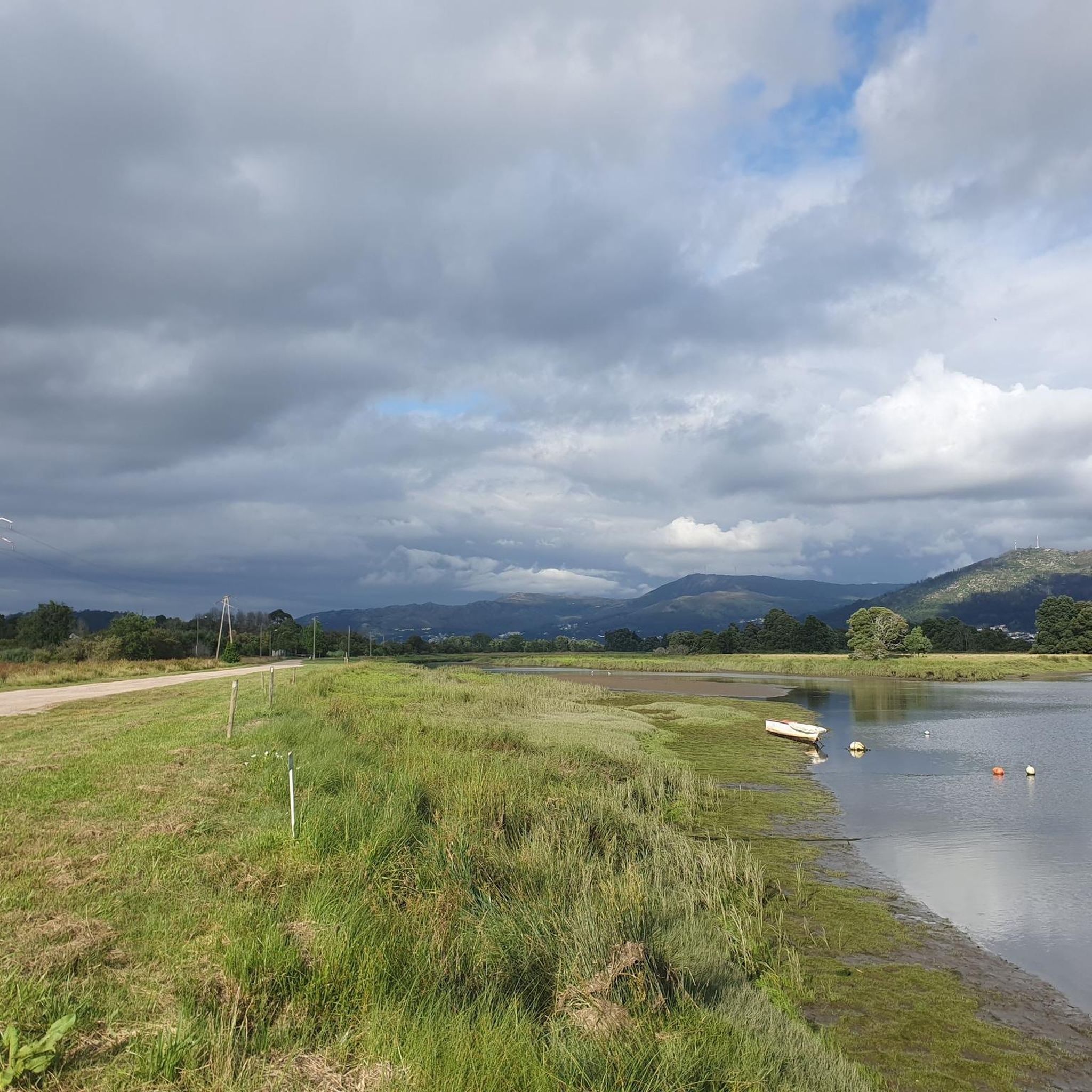
The region around O Rosal is rich in natural beauty. Castro de Santa Trega is situated on Monte Santa Trega, offering incredible panoramic views of the O Rosal Valley, the Miño River's mouth into the Atlantic, and neighboring Portugal. The Caminha Historic Centre also serves as a viewpoint, overlooking the river. The area is characterized by its coastal position and the Miño River, providing scenic landscapes.
What outdoor activities can I combine with visiting castles and historical sites?
The O Rosal region is excellent for outdoor enthusiasts. You can explore numerous routes for gravel biking, cycling, and running. For example, you can find various gravel biking routes around O Rosal, including loops along the Miño River. There are also dedicated cycling guides and running trails, such as the popular Folón and Picón River Mills loop, which combines natural beauty with an ethnographic complex.
Where can I see ancient Iron Age settlements near O Rosal?
The most significant Iron Age fortified settlement in the immediate vicinity is Castro de Santa Trega, located near A Guarda. This site is considered one of the most important and best-preserved examples of fortified city culture in Galicia, featuring reconstructed circular dwellings and extensive archaeological remains. It offers a unique insight into the region's pre-Roman history.
Are there any 17th-century forts or military structures to visit?
Yes, the Fortress of Goián (also known as San Lourenzo) in Tomiño is a notable example of a 17th-century military structure. It was built during the Portuguese Restoration War and formed part of a defensive system along the Miño River. Its small but symmetrical structure offers insight into the historical conflicts that shaped the border area between Spain and Portugal.
What is special about the Caminha Historic Centre?
The Caminha Historic Centre is a charming historical site with castle elements, characterized by narrow streets and historical buildings. Its traffic-calmed central square, Praça Concelheiro Silva Torres, features a beautiful neo-Manueline fountain. The area also includes the Clock Tower, which was once part of the medieval walls of Caminha and now houses a museum detailing the town's urban evolution.
Can I visit a castle that defended the coast near O Rosal?
Yes, Santa Cruz Castle is an old fort built in the 16th century to complete the defensive system of the Coruña bay. It served to defend the coast and later became a residence. This castle offers a glimpse into the region's maritime defense history.
What is the best time of year to visit the historical sites and castles around O Rosal?
The O Rosal region generally enjoys a mild climate. Spring (April-May) and early autumn (September-October) are often ideal, offering pleasant temperatures for exploring outdoor sites like Castro de Santa Trega and walking through historic centers. Summer can be warm, but the coastal breeze often makes it comfortable, especially for enjoying the views and outdoor activities.
Are there any unique cultural or ethnographic sites near O Rosal?
Beyond castles, O Rosal is known for the ethnographic complex of the Folón and Picón Mills. This site features a 3.5 km path linking 67 seventeenth- and eighteenth-century water mills, showcasing ingenious ways to harness water power. It's a fascinating glimpse into the region's industrial heritage and can be explored via dedicated running or hiking routes.
What do visitors enjoy most about the castles and historical sites in this region?
Visitors frequently appreciate the rich history and strategic locations of these sites. The panoramic views from places like Castro de Santa Trega are highly praised. The charm of historical centers like Caminha Historic Centre, with its narrow streets and cafes, is also a major draw. Many enjoy the combination of historical exploration with the natural beauty of the Miño River estuary and coastal landscapes.
Most popular routes around O Rosal
Most popular attractions around O Rosal

Get inspired with the komoot mobile app


Explore more
Looking for the best castles somewhere else? Discover other guides around O Rosal:
