Top 20 Gorges around San Sebastián De La Gomera
Best canyons around San Sebastián De La Gomera are a defining feature of the island's landscape. The region is characterized by dramatic, deeply incised canyons, locally known as barrancos, which often lead from the island's interior down to the coast. These formations reveal diverse ecosystems, including lush vegetation, ancient laurel forests, and striking volcanic geology. They provide numerous opportunities for exploration and offer varied scenery.
Best canyons around San Sebastián De La Gomera
- The most popular canyons is Barranco de…
Last updated: July 18, 2026
Arure Waterfall
Highlight • Waterfall
Translated by Google •
Tip by

Short climbing passage in the Barranco de Arure
Highlight • Waterfall
Translated by Google •
Tip by

Sign up now to discover places like this
Get recommendations on the best single tracks, peaks, & plenty of other exciting outdoor places.
Sign up for free
Barranco de Guarimiar Trail
Highlight • Trail
Translated by Google •
Tip by

Steep Cliff Trail
Highlight (Segment) • Trail
Very hot, enough to drink with.
Translated by Google •
Tip by
Alternative Path in Barranco
Highlight • Trail
Translated by Google •
Tip by

Sign up for free to discover even more gorges around San Sebastián De La Gomera.
Sign up for free
Already have an account?
Start today with a free account
Your next adventure awaits.
Login or Signup
Popular around San Sebastián De La Gomera
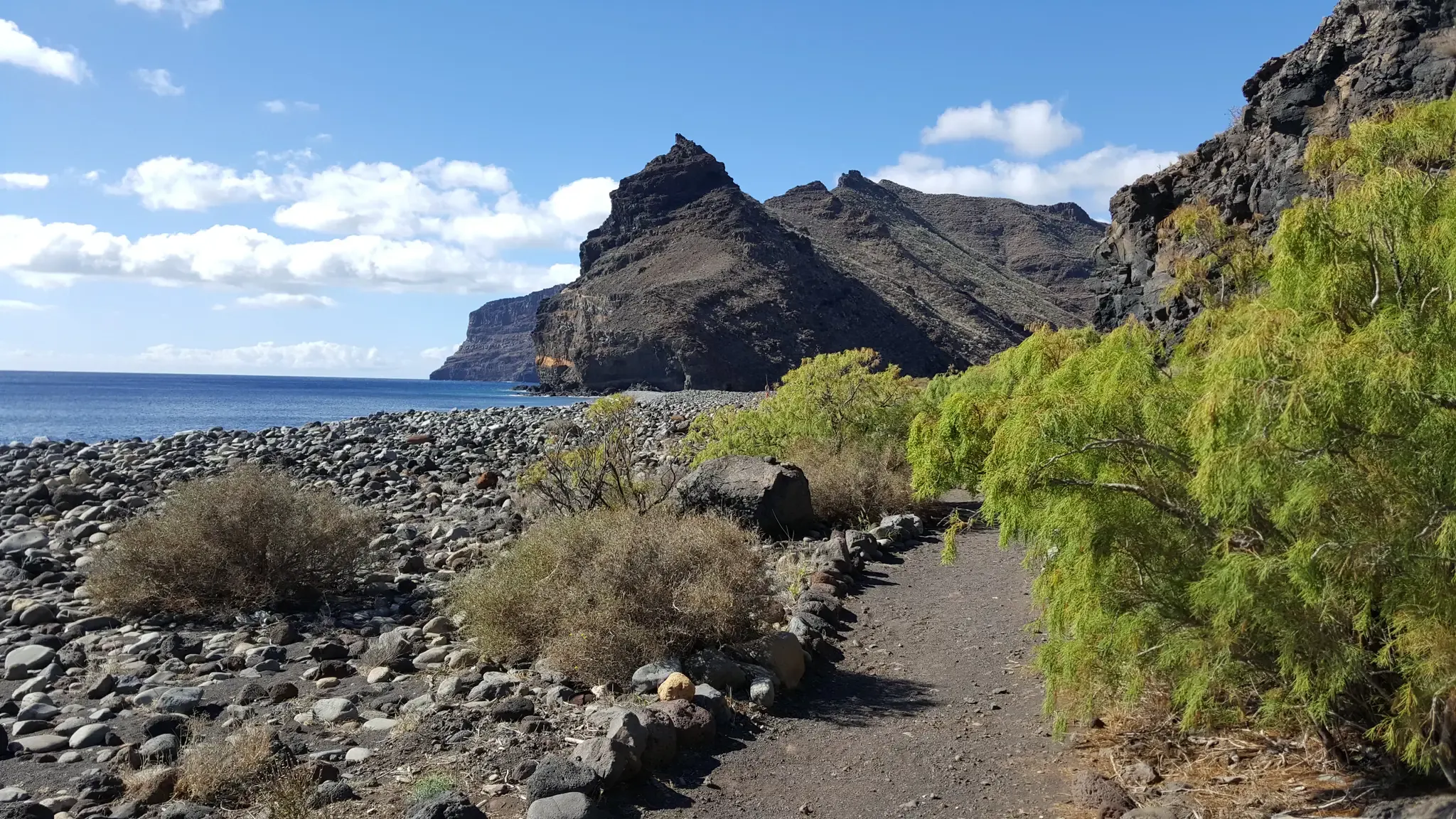
GR 132 – Up and down on an island loop of La Gomera
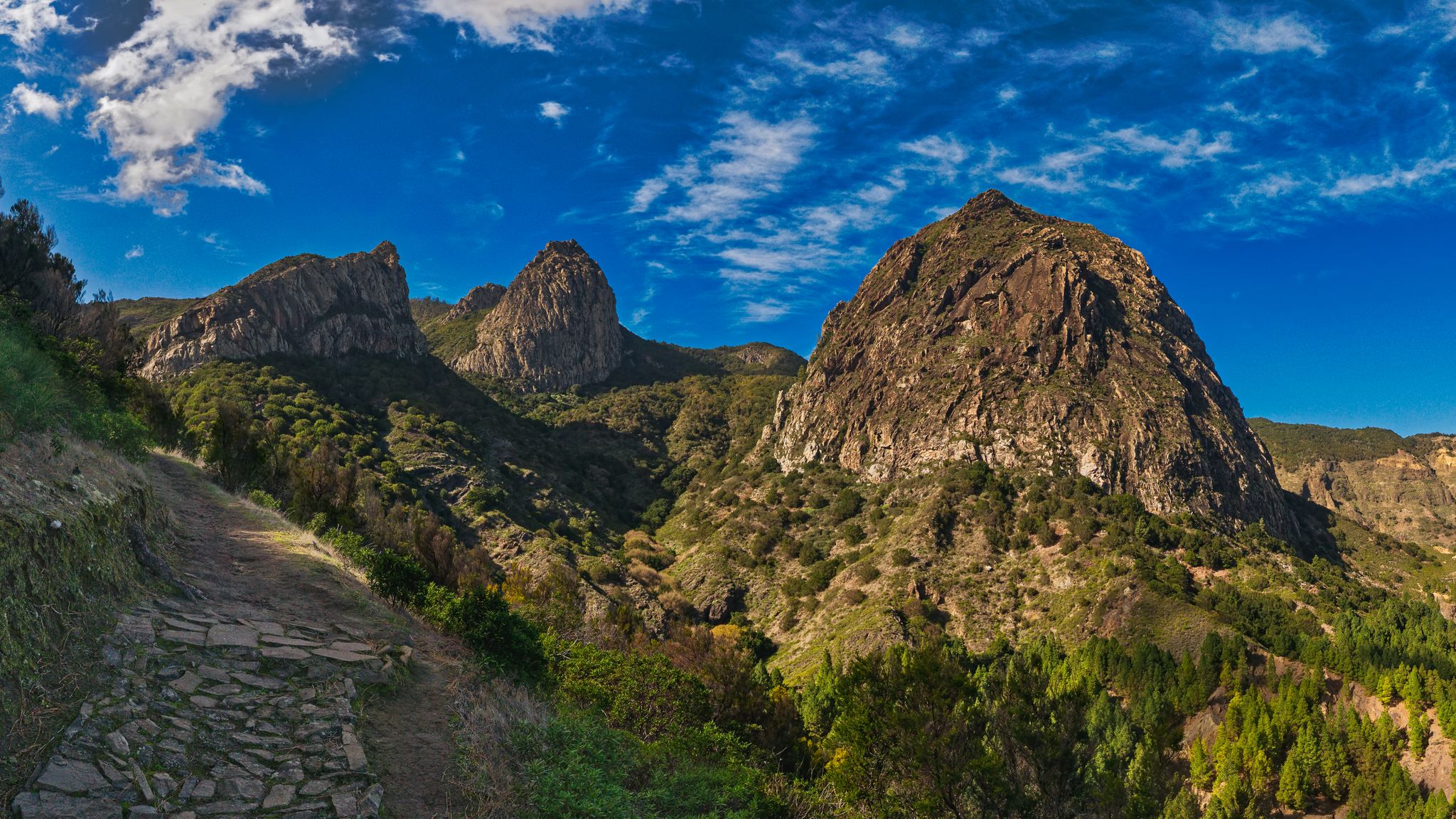
The magical island – Cumbres de La Gomera Natural Trail (GR 131)
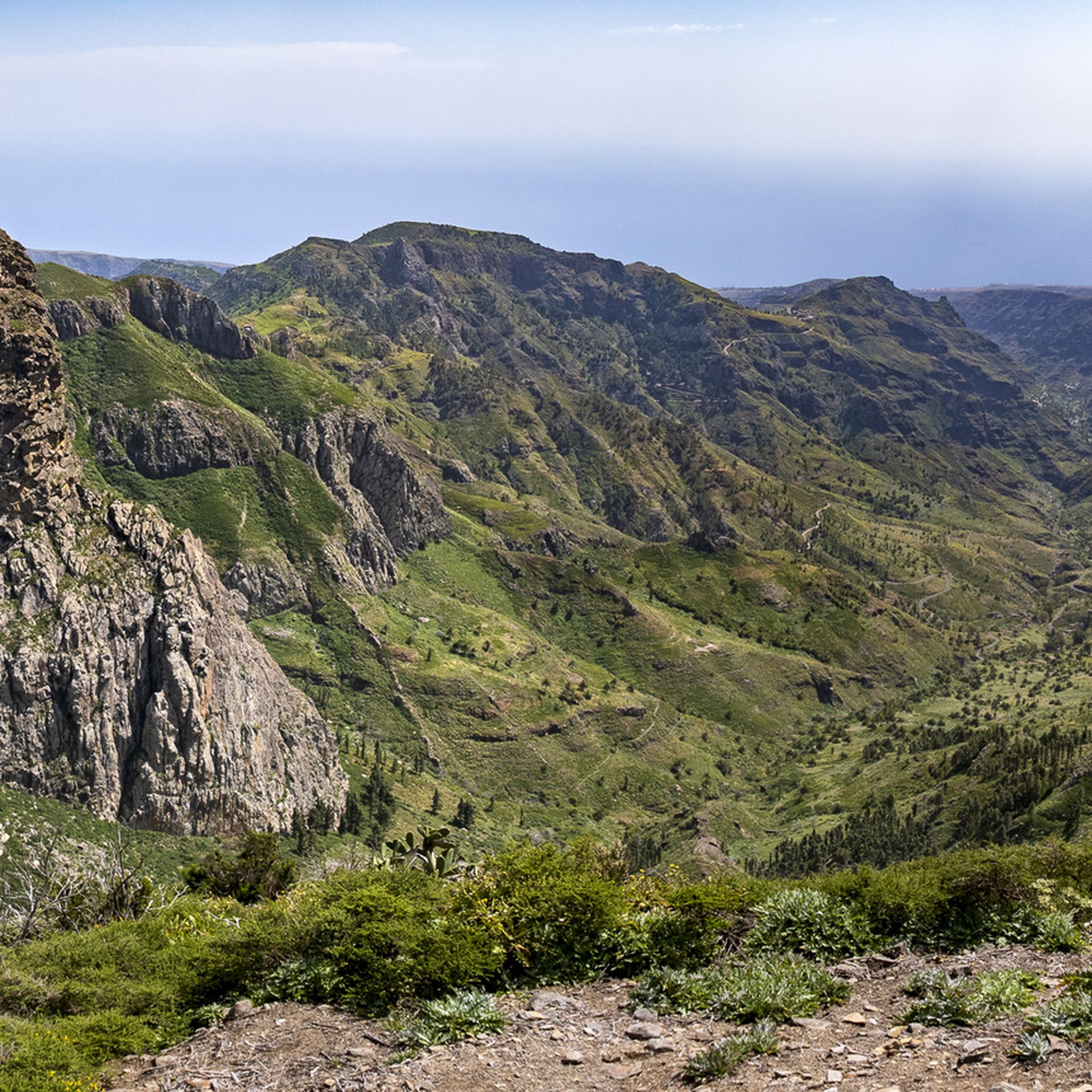
Hiking around San Sebastián De La Gomera
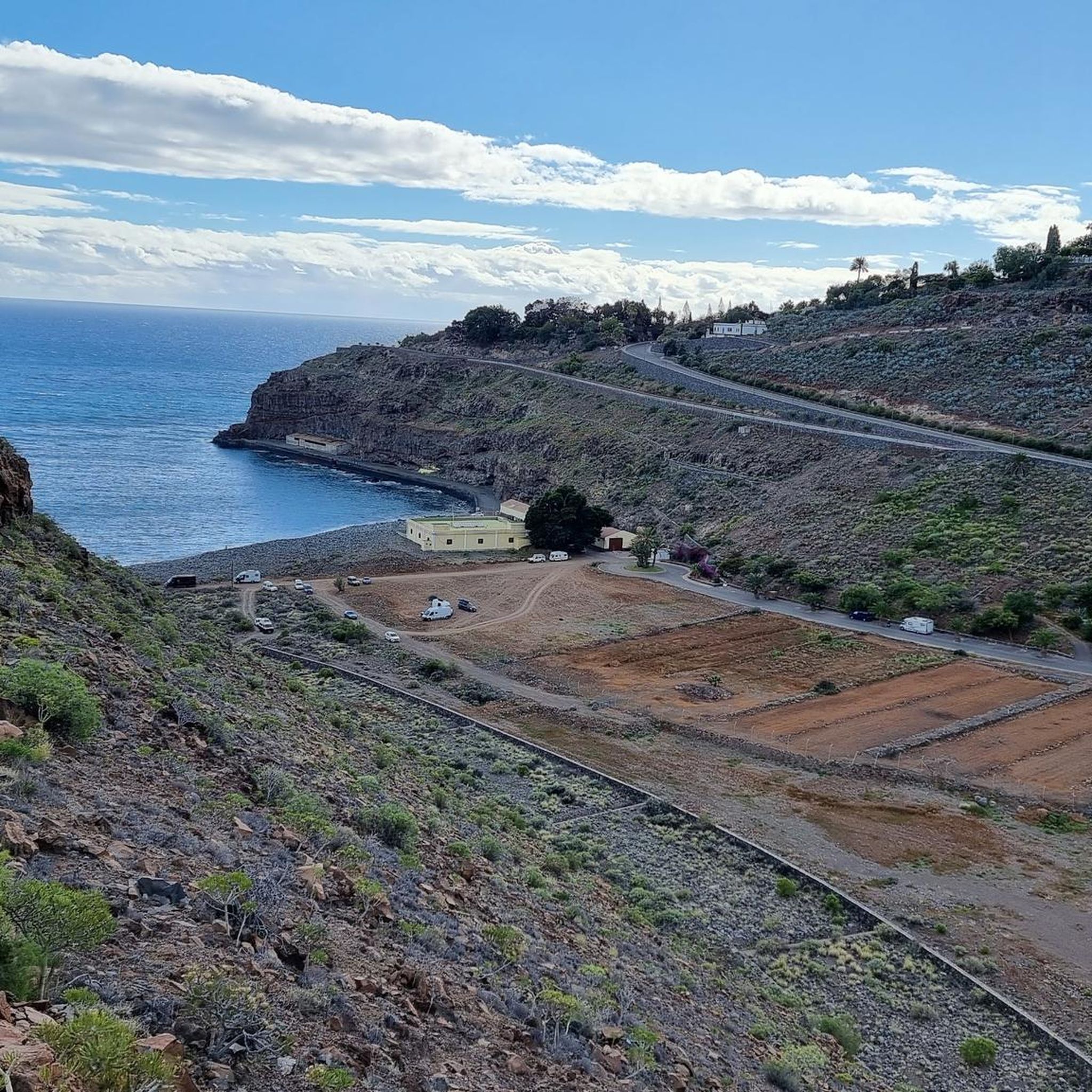
Road Cycling Routes around San Sebastián De La Gomera
Cycling around San Sebastián De La Gomera
Running Trails around San Sebastián De La Gomera
MTB Trails around San Sebastián De La Gomera
Mountain Hikes around San Sebastián De La Gomera
Other adventures around San Sebastián De La Gomera


Tips from the Community

It's especially well-suited for the rope section on the way back!
0
0
We walked downhill in a light drizzle; it's doable with walking sticks. The path seems to have been repaired; everything was fine for us 😊
0
0

A stunning waterfall and the hiking trail leading there. Highly recommended.
4
1

The path is definitely restored and safe to walk (apart from the usual risks of mountain climbing, of course) Very steep and strenuous
0
1

We walked the red route to the waterfall at the beginning of November 2023. There was a lot of water and we balanced from stone to stone so as not to get wet feet. That was no problem. However, you should be careful that the rocks in the area where the rope hangs that you can pull yourself up on can be slippery and that you need some stamina. Unfortunately, we had to watch the use of a rescue helicopter from very close up. An elderly woman had had an accident there. The tour guide on the island tour had already told us that this is not an easy hike.
5
1

a wonderful hiking trail through the Barranco de Guarimiar
1
1

Here you can see very clearly what can grow in this climate as long as there is enough water.
0
3
The Barranco is called “de Arure”. The gorge stretches up to there, although hikers have to stop at the waterfall.
3
2
Frequently Asked Questions
What natural features and viewpoints can I expect to see in the canyons around San Sebastián de la Gomera?
The canyons, locally known as barrancos, are characterized by dramatic volcanic geology, prominent crests, and unique rock formations like the Roque de Agando. You'll find diverse vegetation, from extensive palm groves and tabaibales to lush laurel forests, Canary pines, and heather. Many trails follow watercourses, leading to features like the beautiful Arure Waterfall, which is approximately 15 meters high.
How challenging are the canyon trails around San Sebastián de la Gomera?
The trails vary significantly in difficulty. Some, like the Barranco de Guarimiar Trail, are considered challenging, involving significant elevation changes and some climbing. Others, such as the Waterfall in Barranco de Arure, offer a wild and romantic route that often goes through or along the creek bed, requiring balancing over rocks and trunks. Always check the specific trail details before you go.
Are there easy canyon trails suitable for beginners or those seeking a less strenuous walk?
While many canyon trails in the region can be demanding, some sections or alternative paths offer easier options. For instance, the path to Arure Waterfall is known for being shaded and following a watercourse, providing a refreshing experience. When exploring barrancos that involve creek beds, there are sometimes alternative, slightly higher paths available, as noted for the Alternative Path in Barranco, which can make the journey less strenuous.
What is the best time of year to visit the canyons for hiking?
La Gomera enjoys a mild climate year-round, making its canyons accessible for hiking in most seasons. However, the cooler months from autumn to spring (October to May) are generally preferred for hiking, as summer temperatures can be quite high, especially in exposed areas. During hotter periods, trails that offer shade and follow watercourses, like those leading to Arure Waterfall, are particularly recommended.
Are the canyons around San Sebastián de la Gomera suitable for families?
Some canyon routes can be adventurous and exciting for families, especially those that involve exploring creek beds and balancing over rocks, such as the route to the Waterfall in Barranco de Arure. However, many trails are challenging and may not be suitable for very young children or those unaccustomed to demanding terrain. Always check the difficulty and length of a specific trail to ensure it matches your family's capabilities.
What should I bring for a canyon hike in La Gomera?
Given the varied terrain and potential for wet conditions, it's essential to bring appropriate gear. Sturdy hiking shoes, preferably waterproof (Gore-Tex is recommended for creek bed routes), are crucial. Carry plenty of water, especially on hot days, as some trails can be very exposed. Sun protection (hat, sunscreen) is also advisable. For more challenging routes, consider trekking poles for stability.
What other outdoor activities can I do near these canyons?
Beyond canyon exploration, San Sebastián de la Gomera offers a wide range of outdoor activities. You can find numerous hiking trails, from coastal paths to routes through ancient laurel forests. Cycling and road cycling are also popular, with challenging routes that traverse the island's dramatic landscapes. For more ideas, explore the Hiking around San Sebastián De La Gomera, Cycling around San Sebastián De La Gomera, and Road Cycling Routes around San Sebastián De La Gomera guides.
Are there any cultural or historical sites near the canyons?
Yes, some canyons offer glimpses into the island's history and traditional way of life. For example, the Barranco de Santiago features traditional hamlets like Lo del Gato, providing insight into historic, self-sufficient communities. The Barranco de La Laja also showcases old canals and small dams, highlighting the historical importance of water management in the region.
Which canyons offer the most diverse landscapes?
The Barranco de Santiago is particularly notable for its diverse landscapes, transitioning from laurel forests in Agando to palm groves along the barranco's bed, and tabaibas and cardones closer to rural hamlets. This variety allows trekkers to experience multiple island ecosystems within a single route.
Are there any less-known or 'hidden' canyons worth exploring?
While the main barrancos are well-documented, the island's rugged terrain means there are many smaller, less-trafficked ravines. Barranco del Cabrito, a Natural Monument, offers a rich natural environment with diverse flora and striking geological features, making it an excellent location for experiencing the island's raw natural beauty away from the most popular spots. Other notable ravines include Barranco Juan de Vega and Barranco de Chinguarime, which are part of longer, scenic hiking trails.
What do visitors enjoy most about exploring the canyons of San Sebastián de la Gomera?
Visitors frequently praise the unique natural beauty and the adventurous spirit of the trails. Many appreciate the cooling shade and water features found along routes like the Arure Waterfall. The challenge and rewarding views of trails such as the Barranco de Guarimiar Trail are also highly valued, with many finding the experience of navigating creek beds and lush, jungle-like environments to be a memorable adventure.
Most popular routes around San Sebastián De La Gomera
Most popular attractions around San Sebastián De La Gomera

Get inspired with the komoot mobile app


Explore more
Already discovered everything in this region? See additional gorges around San Sebastián De La Gomera for your next adventure:
