The 9 Most Amazing Peaks around Ondara
Best mountain peaks around Ondara are found in the Alicante Province of Spain, characterized by significant mountain formations. The region offers a blend of natural beauty and diverse hiking experiences, featuring ranges like the Serra de Segaria and the Montgó Massif. These areas present impressive rocky facades, panoramic viewpoints, and rich archaeological significance. The landscape provides varied terrain for exploration, from coastal vistas to inland valleys.
Best mountain peaks around Ondara
- The most popular mountain peaks is Montgó Summit,…
Last updated: July 18, 2026
Montgó Summit
Highlight • Summit
Translated by Google •
Tip by

Penya Roja Summit
Highlight • Summit
Translated by Google •
Tip by

Sign up now to discover places like this
Get recommendations on the best single tracks, peaks, & plenty of other exciting outdoor places.
Sign up for free
Montgó Mountain
Highlight • Summit
Translated by Google •
Tip by

Cave of the Skulls
Highlight • Cave
Translated by Google •
Tip by

Cruz de Dénia
Highlight (Segment) • Summit
Translated by Google •
Tip by
Sign up for free to discover even more peaks around Ondara.
Sign up for free
Already have an account?
Start today with a free account
Your next adventure awaits.
Login or Signup
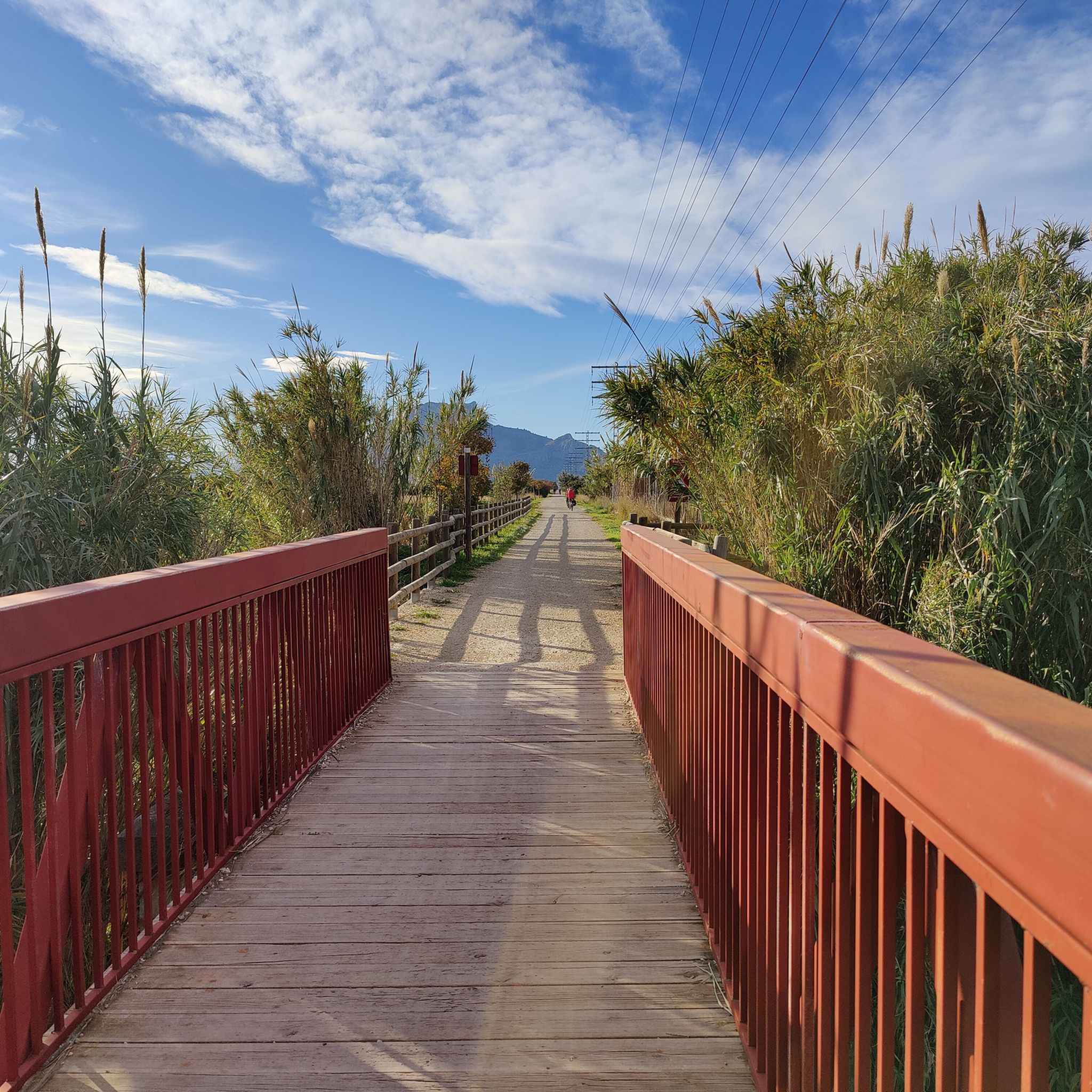
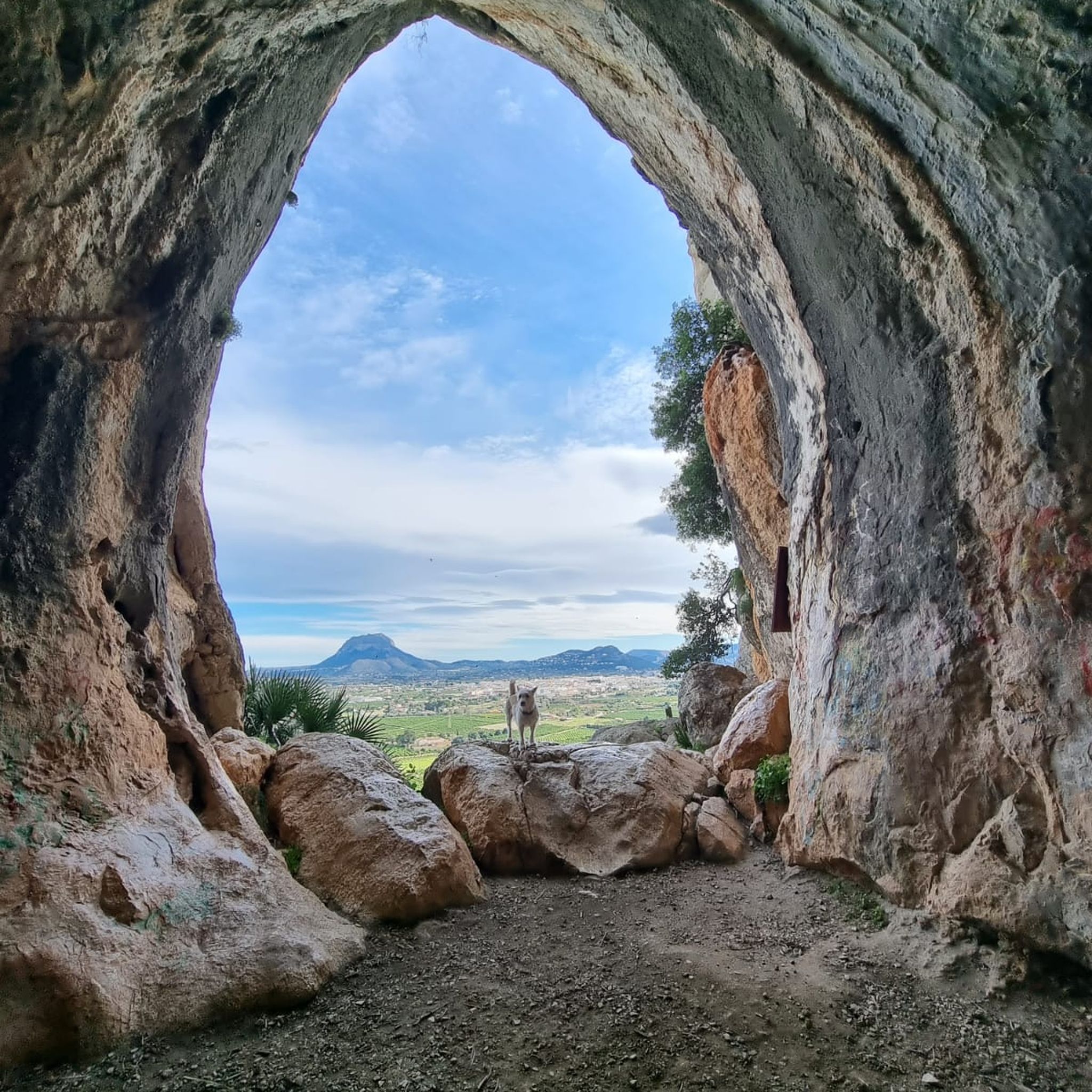
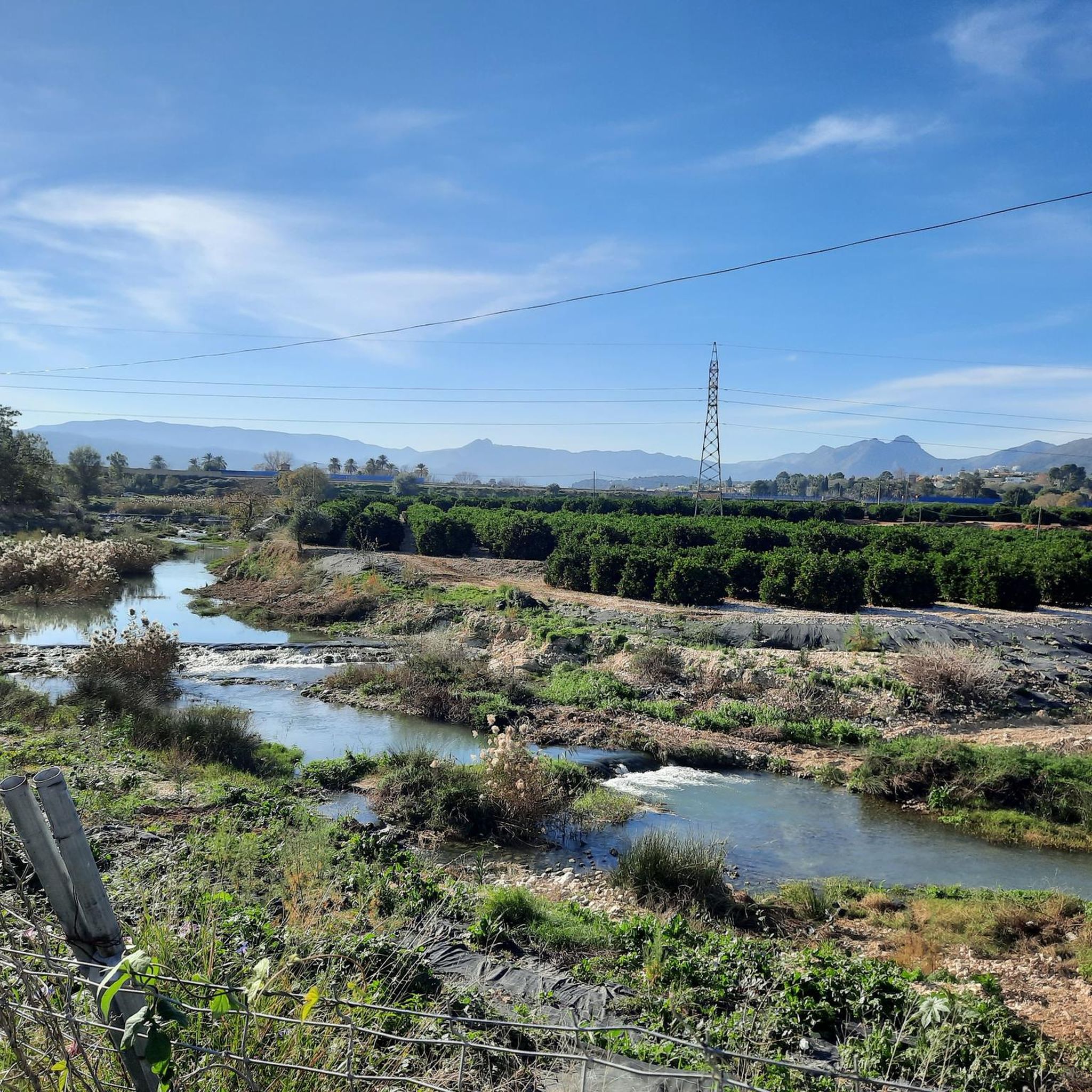

Tips from the Community

It is very beautiful but keep in mind that the summit is portrayed too rosily in the comments regarding difficulty. The summit is definitely red (= difficult). Which means you'll be scrambling for half an hour. Both half an hour up and down. Otherwise beautiful.
0
0

Beautiful, but a bit more challenging than indicated. Some trails are overgrown, and the descent at the end is not for those with a fear of heights.
0
0

The Montgó mountain is one of the most iconic landmarks on the Costa Blanca, rising between Xàbia and Dénia. While there’s no true mountain pass over the peak, the CV‑736 offers a steady and scenic ascent along its southern shoulder — a quiet, well-surfaced road popular with cyclists. From the Xàbia side, the climb is short but steady: just over 2 kilometres, with around 150 metres of elevation gain at an average of nearly 7%. As you ride up, you’re treated to sweeping views over Xàbia, Dénia, and the Mediterranean Sea, with the cliffs of Cap de Sant Antoni rising in the background. From Dénia, the approach is longer and more rolling, with gentle gradients and open coastal scenery. The two sides meet near the highest point of the road. At the top, a narrow side road branches off toward the Cap de Sant Antoni lighthouse — a short, peaceful detour through the Montgó Natural Park. While access for cars is restricted, bikes are allowed. The road is quiet and shaded, and at the end you’ll reach a dramatic clifftop viewpoint with unforgettable views over the sea, the coastline, and (on clear days) even Ibiza. This climb is not about altitude, but about scenery, tranquility, and coastal charm. Ideal for a morning ride or to connect Xàbia and Dénia as part of a longer tour inland.
1
0

We do not recommend this path for the regular climber/hiker. We turned back halfway because it was too dangerous. Sharp rocks, a precipice and no marked path.
0
0

The start of the climb is demanding and gradually becomes easier. A rocky climb with ruts. A slight descent on stones, an accessible path and a descent on a well-paved road.
1
0

Good hiking boots with ankle protection, enough water. Small section where there is some climbing (easy)
2
1

Gata de Gorgos owes its name to the river (bed) the Gorgos that runs through the village. This river flows into the Mediterranean Sea at Jávea. The village is located at approximately 75m above sea level and has over 6000 inhabitants who mainly speak Spanish and Valencian. From the 16th to the 18th century, agriculture was the most important source of income for the village. The most important things that were grown during this time were: wheat, (wine) grapes, cane, olives, barley, almonds and, for example, grapes for raisins. Until the middle of the 20th century, agriculture was the most important financial sector for Gata de Gorgos. Due to the deterioration of the quality of the soil, but especially due to the demand for (second) homes on the coast, the former agricultural land has now been built on in many places by, among other things, urbanisation and tourism has become an important source of income. Gata de Gorgos has a very charming centre that is definitely worth a visit. Those looking for products made of reed will find what they are looking for here. The place is known for its handmade articles (artesanías) made of reed (hats, baskets and the like). The shops that sell these products have earned Gata de Gorgos its nickname ‘Bazaar of the Costa Blanca’.
1
0

Frequently Asked Questions
What are some popular mountain peaks to hike near Ondara?
The region around Ondara offers several popular peaks. The Montgó Summit is highly regarded for its unique views of the Denia and Jávea coast. Another notable spot is the Antennas on the Serra de Segària, which provides magnificent views over the coast and valley. For a challenging experience, Penya Roja Summit offers a rewarding climb with views of the Marjal and Denia coast.
What kind of views can I expect from the mountain peaks around Ondara?
From the mountain peaks around Ondara, you can expect breathtaking panoramic views. The Montgó Summit offers extensive vistas towards Dénia and Xàbia. Similarly, the Antennas on the Serra de Segària provide magnificent views over the coastline and the surrounding valley. Many trails also offer glimpses of the Mediterranean Sea and the diverse inland landscape.
Are there any family-friendly mountain walks in the Ondara region?
Yes, while some peaks are challenging, there are options for families. The Sierra de Segària, adjacent to Ondara, features well-marked trails with varying difficulty levels, some of which are accessible. The Cave of the Skulls, located on Mount Segili, is also considered family-friendly, offering a cool temperature and an engaging visit for children.
What are the best times of year to hike the mountains near Ondara?
The best times to hike the mountains near Ondara are typically during the spring (March to May) and autumn (September to November) months. During these periods, temperatures are milder and more comfortable for outdoor activities, avoiding the intense heat of summer. Winter can also be pleasant, though some higher routes might be cooler.
What unique natural features can I explore in the mountains around Ondara?
The region boasts several unique natural features. The Montgó Massif is known for its dramatic cliffs, caves, and distinctive rock formations, often said to resemble an elephant's head from the Xàbia side. The Cave of the Skulls is a significant natural cave system over 400 meters long. The Sierra de Segària also offers natural features like the Segària Triangulation Point and the Cova de Bolumini.
Are there challenging climbs for experienced hikers near Ondara?
Absolutely. The Montgó Summit offers a challenging ascent with sections that can be demanding due to slopes, ideal for experienced hikers. Another very demanding route is Cruz de Dénia, which involves scrambling over eroded rock with sharp edges and requires significant sure-footedness. The Penya Roja Summit also includes some climbing sections.
Where can I find easy mountain hikes around Ondara?
For easier mountain hikes, the Sierra de Segària, directly adjacent to Ondara, is an excellent choice. It offers several well-marked trails with varying levels of difficulty, including accessible paths. While some routes on Segària can be moderate, there are options that cater to less experienced hikers looking for scenic walks without extreme challenges.
What outdoor activities are available near the mountain peaks around Ondara besides hiking?
Beyond hiking, the area around Ondara's mountain peaks offers diverse outdoor activities. You can explore numerous MTB trails, with routes like the 'Castell de Forna – Mouth of the Molinell River loop' or the 'Cal Durà Ruins – View of Montgó and the Coast loop'. There are also many road cycling routes, such as the 'View of the Sierra de Segària – El Portet Pass loop'.
Are there specific hiking routes recommended for the Montgó Massif?
Yes, the Montgó Massif offers several notable hiking routes. For a challenging experience, consider the 'Montgó Scramble Section – Montgó Trail loop' which is a difficult 16.6 km route. A moderate option is the 'Cap Gros del Montgó – la Creueta de Dénia loop', covering about 10 km. These routes provide stunning views and a chance to explore the massif's unique geology and biodiversity. You can find more details on Mountain Hikes around Ondara.
Can I find circular hiking routes in the Ondara mountains?
Yes, there are several circular hiking routes available. For instance, in the Sierra de Segària, you can find the 'La Serra de Segaria (Circular PR-CV 415)', a moderate 10.9 km loop. Another option is the 'Dark Cave – Summit of Sierra de Segària loop', a moderate 6.56 km route. These circular trails allow you to experience diverse landscapes and return to your starting point. More options are available in the Mountain Hikes around Ondara guide.
Are there any historical or archaeological sites in the mountain areas near Ondara?
Yes, the region holds archaeological significance. The Montgó Nature Reserve, for example, has revealed findings such as cave paintings, Phoenician amphoras, and Iberian settlement remains. Additionally, the Cave of the Skulls is one of the oldest caves in the Valencian Community, offering a glimpse into how ancient ancestors lived.
What do visitors enjoy most about the mountain peaks around Ondara?
Visitors consistently highlight the spectacular panoramic views as a major draw, especially from spots like the Montgó Summit and the Antennas on the Serra de Segària. The diverse hiking experiences, ranging from accessible paths to challenging climbs, are also highly appreciated. Many enjoy the sense of adventure and the opportunity to connect with nature, often spotting local flora and fauna.
Most popular attractions around Ondara

Get inspired with the komoot mobile app


Explore more
See even more amazing summits around Ondara with these guides:
