The 5 Most Amazing Peaks around Puebla De San Miguel
Best mountain peaks around Puebla De San Miguel are found within the Puebla de San Miguel Natural Park, located in the Rincón de Ademuz region of Valencia, Spain. This area is characterized by its diverse natural environment, featuring populations of Spanish juniper, savin juniper, Scots pine, and yews. The park offers a range of natural and scenic attractions, making it suitable for nature enthusiasts and hikers. It also holds cultural and ethnographic heritage, providing a comprehensive outdoor experience.
Best mountain…
Last updated: May 7, 2026
Pico Javalambre
Highlight • Summit
Translated by Google •
Tip by

Alto de las Barracas or Cerro Calderón 1838m
Highlight • Summit
Translated by Google •
Tip by

Sign up now to discover places like this
Get recommendations on the best single tracks, peaks, & plenty of other exciting outdoor places.
Sign up for free
Javalambre Astrophysical Observatory (Pico del Buitre)
Highlight • Monument
Translated by Google •
Tip by

Climb to Pico del Buitre from Arcos de las Salinas
Highlight (Segment) • Climb
Translated by Google •
Tip by
Start today with a free account
Your next adventure awaits.
Login or Signup
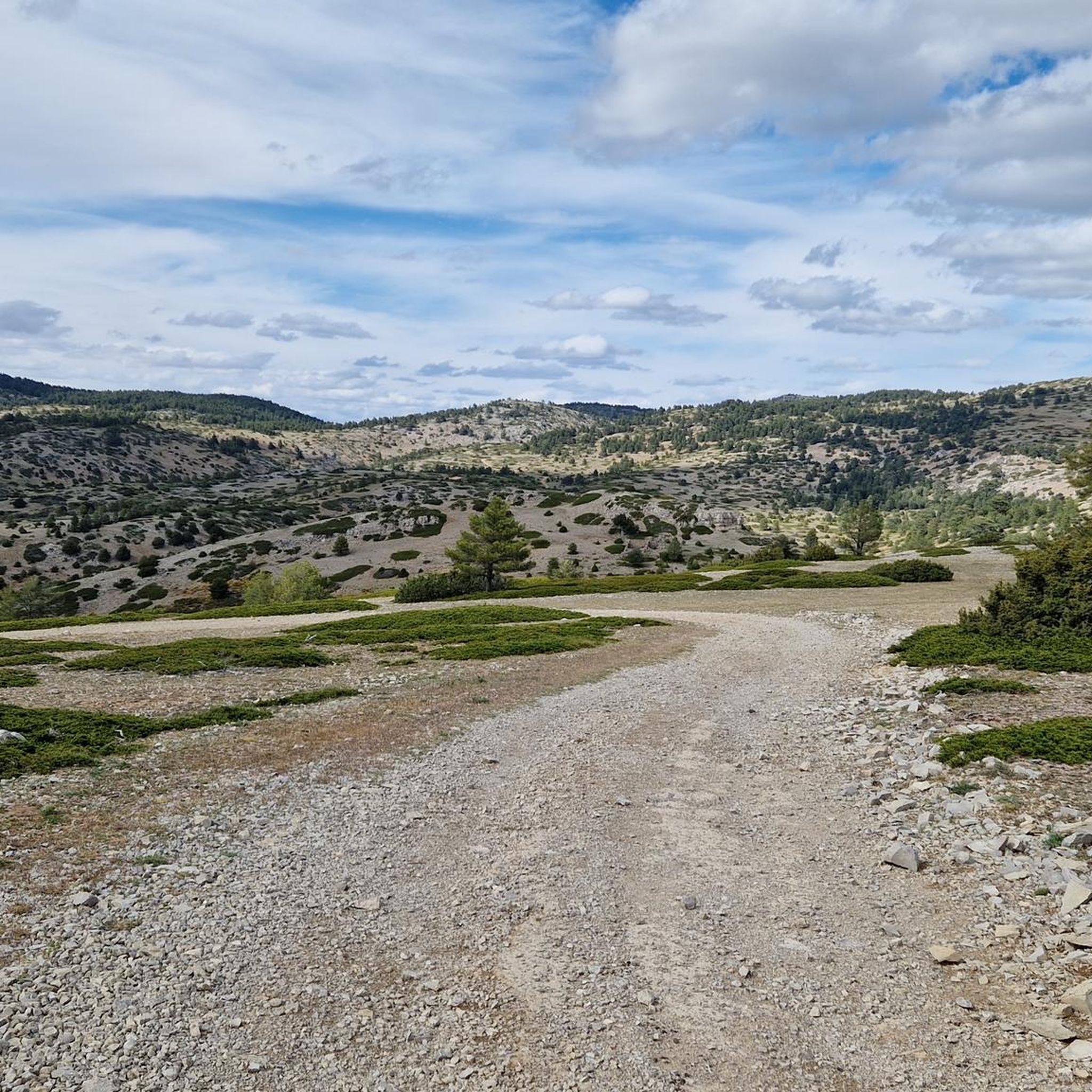
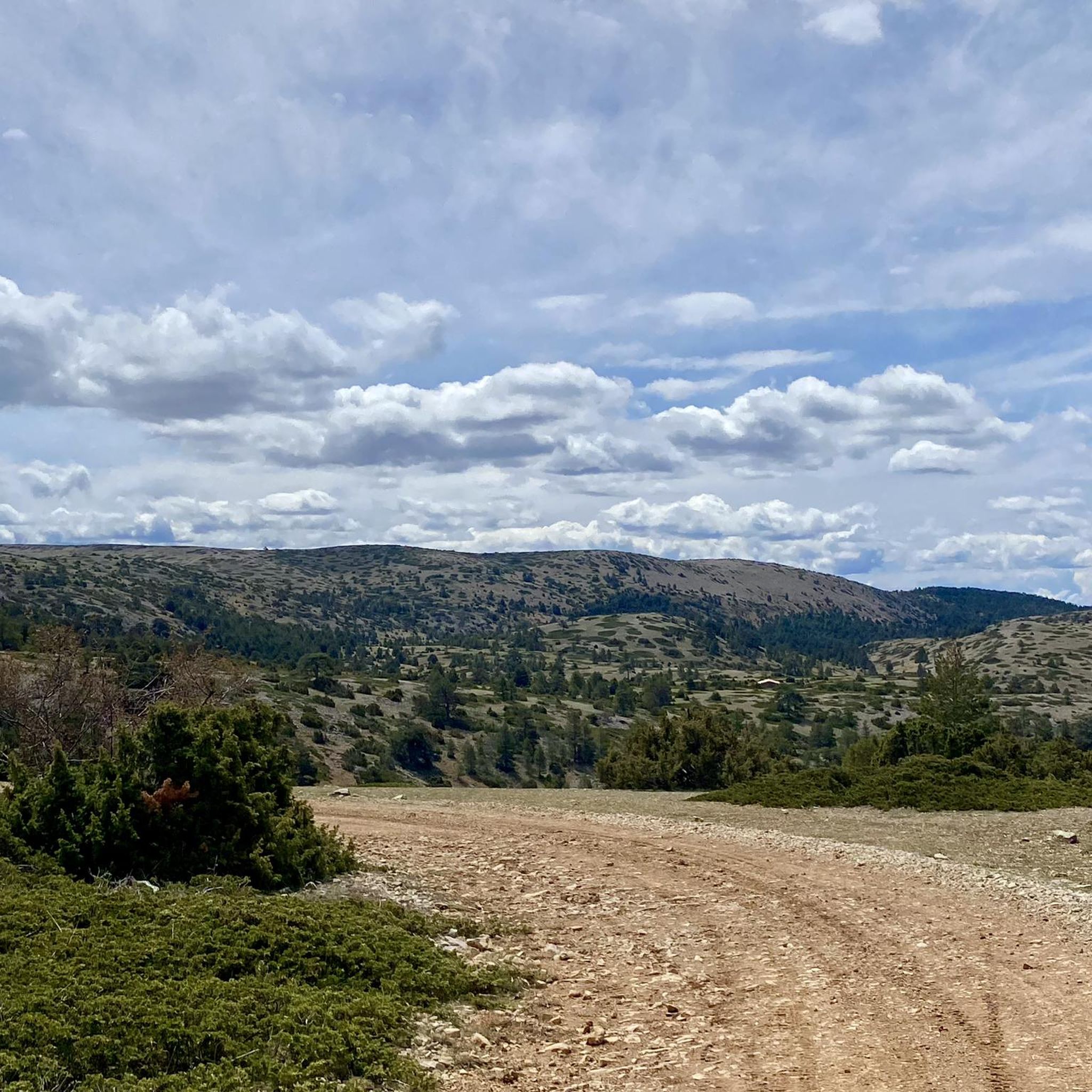
Other adventures around Puebla De San Miguel

Tips from the Community

The summit is 2019 meters high. The path is demanding, but it is worth the effort. The panoramic views of the surrounding mountains are like something out of a movie.
1
0


The final section of the climb to Alto de las Barracas (1,838 m) is not cyclable but it is easy to climb pushing the bicycle. The trail markings pass through the vertex and continue in the direction of Pino Vicente. White and yellow signs are painted on the limestone rocks and there are also stone milestones marking the way.
0
0

We are at Pico Javalambre at an altitude of 2,019 meters, considered a sacred mountain by many nature lovers and/or Turolenses. It is the highest peak of the mountain range that bears his name, it is considered by the majority of Teruel residents to be the roof of their province, although the true roof of Teruel is the top of Peñarroya. If we have the opportunity to climb here when there is no snow, we will be able to appreciate the so-called "leopard skin" caused by the vegetation on the entire surface of the massif, a work of art of nature!
1
0

The Javalambre Peak at 2,019 m is the highest in the mountain range that bears its name. It is considered by the majority of Teruel residents to be the roof of their province, although the true roof of Teruel is Peñarroya. At the top of Pico Javalambre, in addition to the enormous antenna that helps you orient yourself but destroys the landscape, there are other smaller antennas, apart from a track that reaches the same summit, some ski slopes next to it. All this spoils the beautiful surrounding landscape quite a bit.
1
0

A very privileged site with amazing views on all sides, chosen by many athletes to challenge the demanding climb. The peak of Picón del Buitre is located at 1956 meters above sea level and was chosen to build the Astronomical Observatory given its remote location, altitude and low light pollution.
2
0
For many a sacred mountain and undoubtedly a reference of the province of Teruel. The top of Javalambre at 2019 masl offers very nice views in all directions. A few km away is the Javalmabre ski station, a very popular place in the winter season and from where you can start the ascent to the summit. If you go up here when there is no snow, you will be able to appreciate the curious "leopard skin" caused by the vegetation over the entire large area of the massif, a work of art of nature!
2
0
The top of Picón del Buitre at 1956 meters above sea level was chosen as the ideal site to build the Astronomical Observatory. Its remote location, altitude, and low light pollution from cities is all that is needed to be able to observe the stars at night. During the day it is a very privileged place with amazing views on all sides, chosen by many hikers and cyclists to challenge the demanding climb.
2
0
Frequently Asked Questions
What are some of the most notable mountain peaks in the Puebla de San Miguel Natural Park?
The Puebla de San Miguel Natural Park is home to several significant peaks. Pico Javalambre is a prominent summit offering panoramic views, standing at 2019 meters. Another key peak is Alto de las Barracas or Cerro Calderón, which at 1,838 meters is the highest point in the Valencian Community. Other notable peaks include Alto de Tortajada, Cerro de los Pelados, El Gavilán, and La Muela, all contributing to the rugged beauty of the area.
What kind of views can I expect from the mountain peaks in this region?
From peaks like Pico Javalambre, you can expect panoramic views of the surrounding mountains and the natural park. The Alto de las Barracas or Cerro Calderón also offers rewarding vistas, showcasing the diverse landscapes of the Valencian Community. The Javalambre Astrophysical Observatory (Pico del Buitre) provides amazing views in all directions, making it a privileged spot for observation.
Are there challenging climbs for experienced hikers and cyclists in Puebla de San Miguel?
Yes, the region offers several challenging routes. The path to the 2019-meter high Pico Javalambre is demanding. For cyclists, the Climb to Pico del Buitre from Arcos de las Salinas is a tough ascent, often chosen by athletes. It's recommended to carry plenty of water and avoid the hottest hours during summer, as shade is limited at higher elevations.
What unique natural features and wildlife can be found in the Puebla de San Miguel mountains?
The natural park is characterized by significant ecological value. You'll find copses of Spanish juniper, savin juniper, Scots pine, and yews. The wildlife is diverse, with potential sightings of protected species like the Spanish moon moth and the Apollo butterfly, various birds of prey such as vultures and booted eagles, and rare bat species.
Are there any cultural or historical sites to explore near the mountain peaks?
Beyond its natural beauty, Puebla de San Miguel also boasts a rich ethnographic and cultural heritage. Visitors can explore architectural sites like San Miguel church, San Roque chapel, and the Ethnology Museum, which offer insights into the region's history and traditions.
What outdoor activities are available besides hiking in the Puebla de San Miguel area?
The area around Puebla de San Miguel is excellent for various outdoor activities. You can find numerous road cycling routes, such as the "Alto de las Barracas and Puebla de San Miguel Park Loop," and challenging MTB trails like the "Arcos de las Salinas – Pico Javalambre loop." There are also dedicated running trails, including the "Picón del Buitre - Astrophysical Observatory of Javalambre – circular trail run from Arcos de las Salinas." For more details, explore the Road Cycling Routes, Running Trails, and MTB Trails guides for the region.
When is the best time of year to visit the mountain peaks in Puebla de San Miguel?
The best time to visit depends on your preferred activity. For hiking and cycling, spring and autumn generally offer pleasant temperatures. During summer, it's advisable to avoid the hottest hours, especially on higher peaks where shade is scarce. Winter hiking is possible, but prepare for colder conditions and potential snow at higher elevations.
Are there any specific tips for hiking or cycling to the higher peaks like Pico Javalambre or Alto de las Barracas?
For demanding ascents like Pico Javalambre or Alto de las Barracas, it's crucial to bring plenty of water and avoid the hottest hours, especially in summer, as there's little shade at the top. For cyclists tackling the Climb to Pico del Buitre, consider a light gear setup as it's a tough climb. The final section to Alto de las Barracas is not cyclable but can be easily walked while pushing a bicycle.
Where can I find parking when visiting the mountain trails in Puebla de San Miguel?
While specific parking locations for individual trails are not detailed, the village of Puebla de San Miguel has a recreational area with amenities, including a camping area, which may offer parking options. It's advisable to check local signage or visitor information centers upon arrival for the most convenient parking for your chosen trail.
Are permits required for hiking in the Puebla de San Miguel Natural Park?
The region research does not indicate that specific permits are required for general hiking within the Puebla de San Miguel Natural Park. However, it's always good practice to respect local regulations and check for any updated information from the park authorities before your visit, especially for larger groups or specific activities.
What do visitors particularly enjoy about the mountain peaks in Puebla de San Miguel?
Visitors frequently praise the panoramic views from summits like Pico Javalambre, describing them as "like something out of a movie." The challenging yet rewarding climbs, such as the ascent to Pico del Buitre, are also highly appreciated by athletes. The unique "leopard skin landscapes" and the sense of accomplishment after a demanding route are often highlighted.
Are there any circular hiking routes available in the Puebla de San Miguel mountains?
Yes, there are circular routes available for various activities. For runners, there's the "Picón del Buitre - Astrophysical Observatory of Javalambre – circular trail run from Arcos de las Salinas." Cyclists can explore routes like the "Alto de las Barracas and Puebla de San Miguel Park Loop." These circular options allow you to experience diverse landscapes and return to your starting point. You can find more details in the Running Trails and Road Cycling Routes guides.
Can I bring my dog on the trails in the Puebla de San Miguel mountains?
The provided information does not explicitly state restrictions or allowances for dogs on trails within the Puebla de San Miguel Natural Park. Generally, natural parks in Spain have regulations regarding pets to protect wildlife and maintain the environment. It is recommended to check with the park's official visitor center or website for specific rules regarding dog-friendly trails before your visit.
Most popular routes around Puebla De San Miguel
Most popular attractions around Puebla De San Miguel

Get inspired with the komoot mobile app


