Top 11 Caves around Alaior
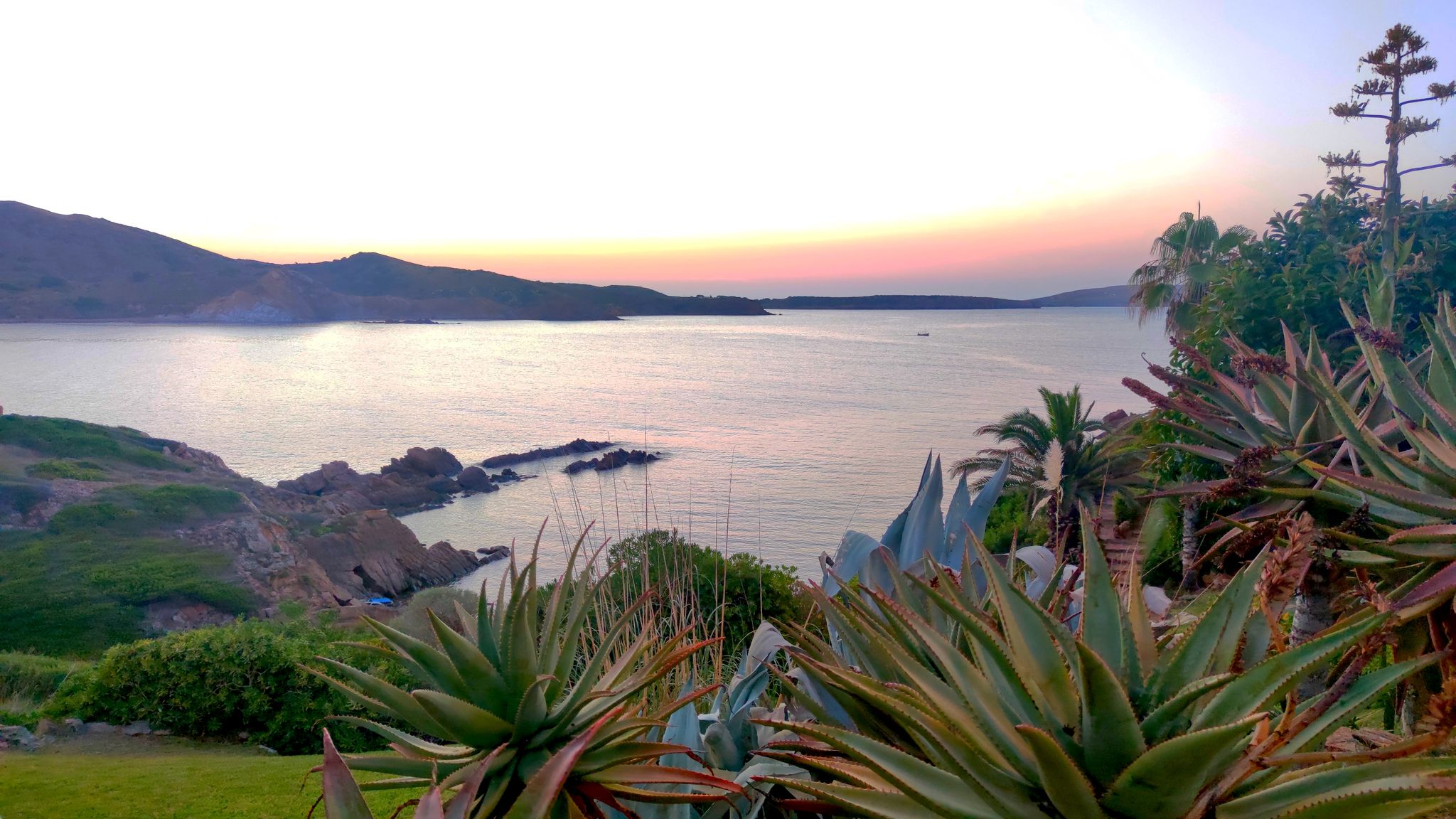
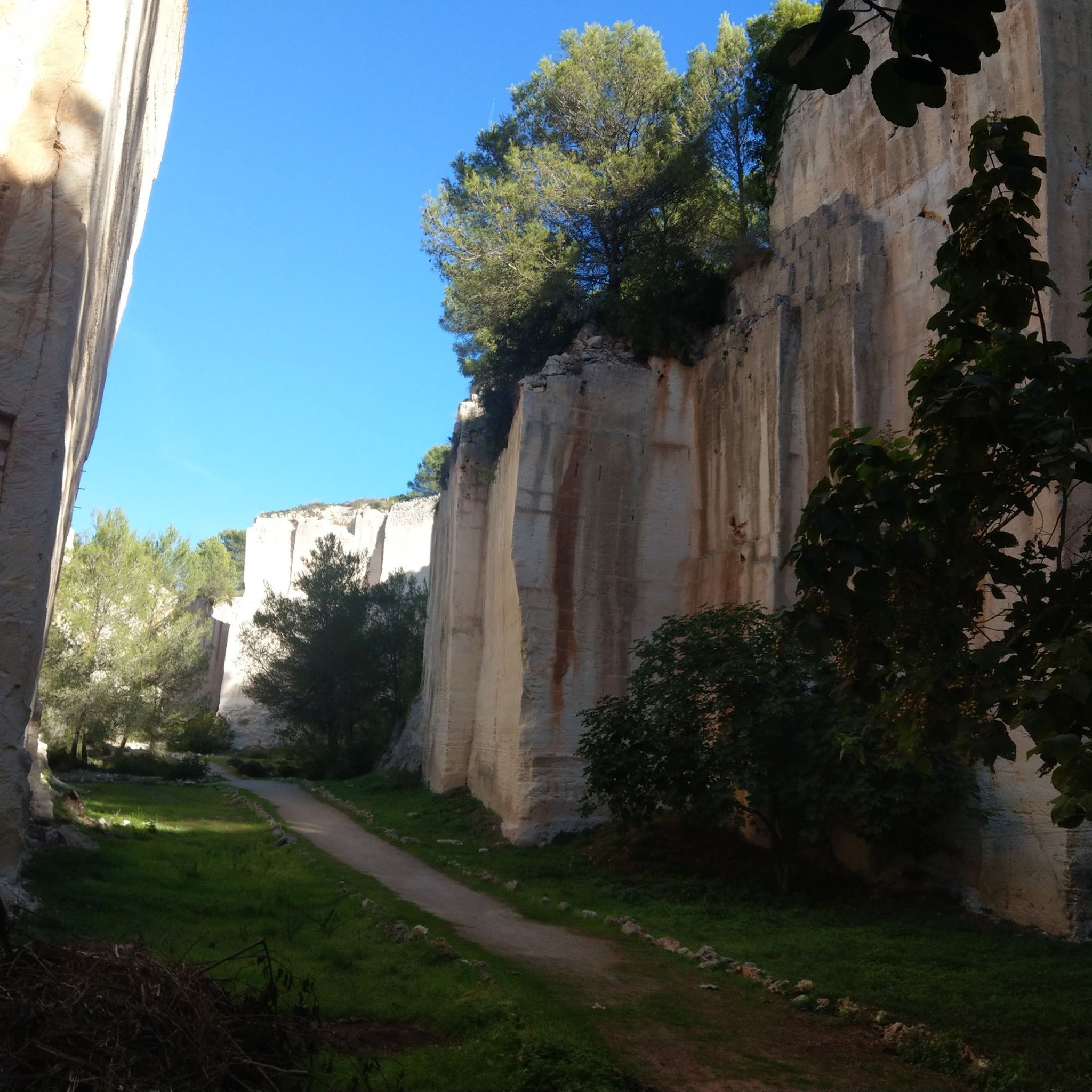
Best caves around Alaior are located on the island of Menorca, offering a blend of natural beauty and historical significance. The region features a diverse landscape, including coastal areas with sea caves and inland sites with ancient burial caves. Alaior's caves provide insights into the island's geological formations and prehistoric past. These natural features are integral to the area's character.
Best caves around Alaior
- The most popular caves is Cala Mitjana, a beach with caves accessible from the water.…
Last updated: May 23, 2026
Cala Mitjana
Highlight • Beach
Translated by Google •
Tip by

Cales Coves Necropolis
Highlight • Historical Site
Translated by Google •
Tip by
Sign up now to discover places like this
Get recommendations on the best single tracks, peaks, & plenty of other exciting outdoor places.
Sign up for free
Torre d'en Galmés Archaeological Site
Highlight • Historical Site
Translated by Google •
Tip by

Talatí de Dalt Archaeological Site
Highlight • Historical Site
Due to the location near one of the main roads with parking, it is also often busy...
Translated by Google •
Tip by

Cova des Coloms
Highlight • Cave
Translated by Google •
Tip by

Sign up for free to discover even more caves around Alaior.
Sign up for free
Already have an account?
Start today with a free account
Your next adventure awaits.
Login or Signup
Other adventures around Alaior

Tips from the Community


Beautiful Taiolotic site, with beautiful remaining ruins, a "taialot" still present dominating the site and above all a superb "Taula", standing stone!
0
0

It is one of the most impressive prehistoric sites in Menorca, notable for its monumental table, one of the best preserved on the island, with an inclined slab resting on the central monolith. It dates from the Talayotic period (1000 BC) and has talayots, caves carved into the rock, houses, cyclopean walls and a ceremonial enclosure. Accessible by mountain bike or gravel, it is ideal for a cycle tour combined with other nearby sites such as Torre d'en Galmés or Naveta des Tudons. An essential place to discover the Talayotic history of Menorca. 🚴♂️
0
0
Large Cave Flashlight recommended when further back. This cave is protected.
4
1

A dream bay that you shouldn't miss!
5
1
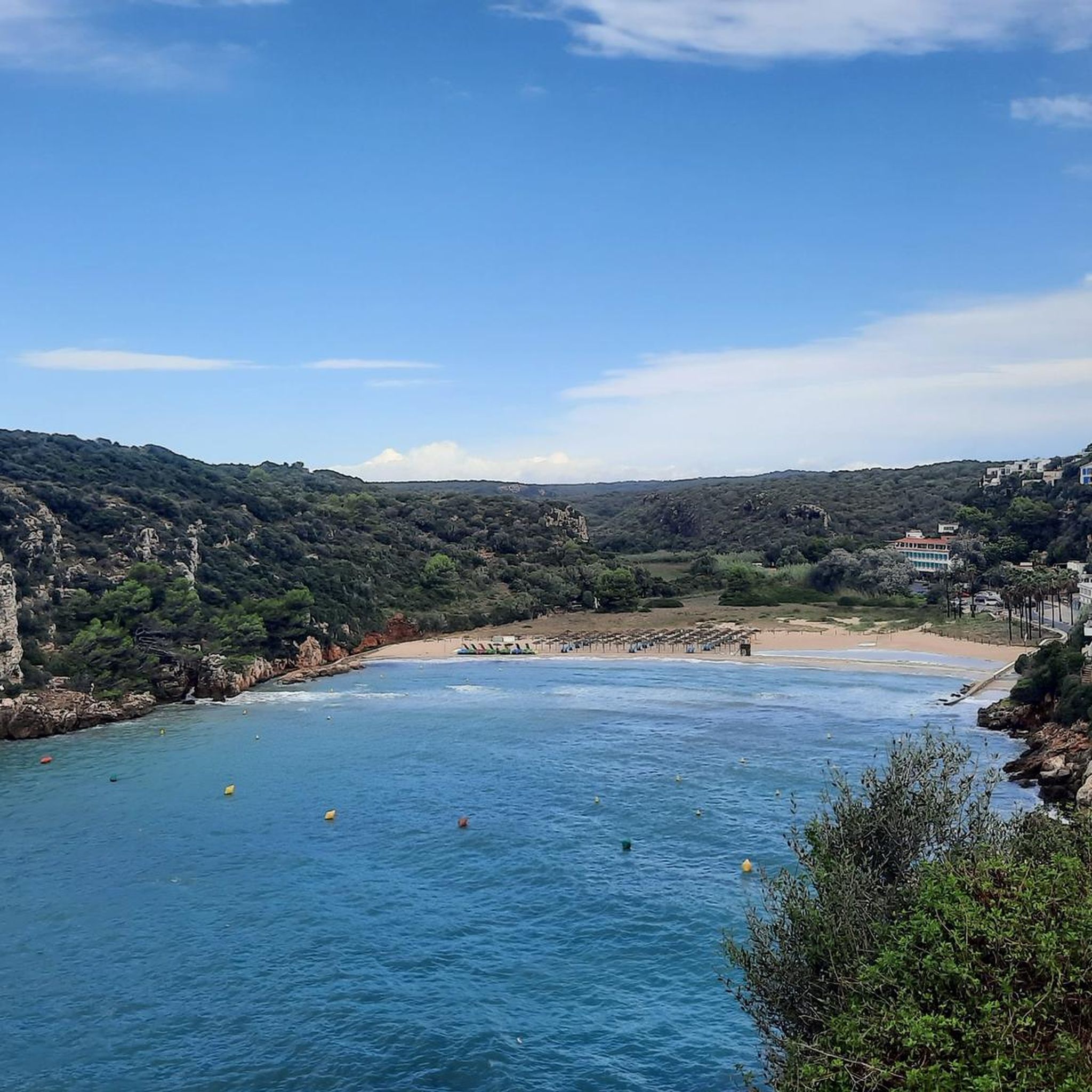
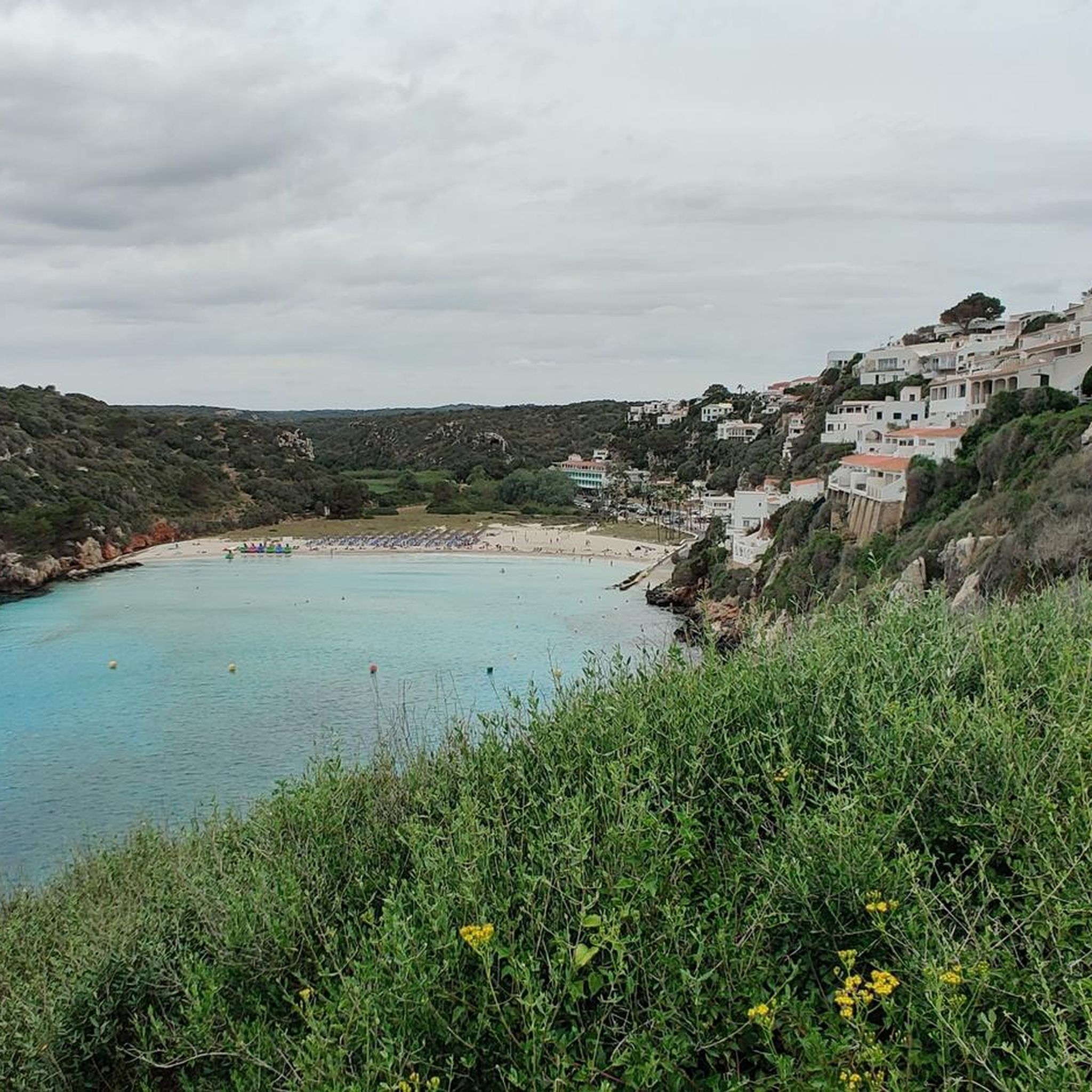
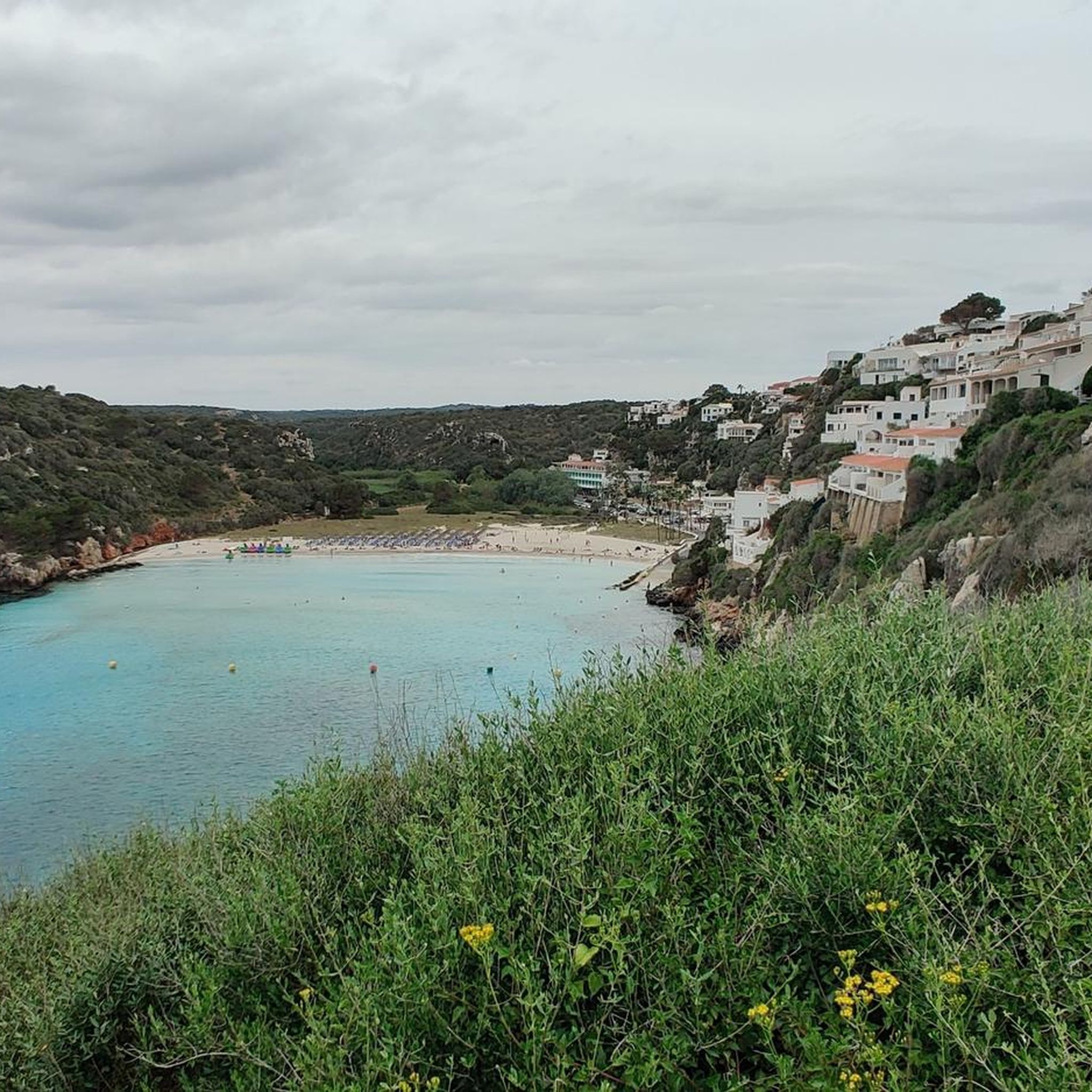
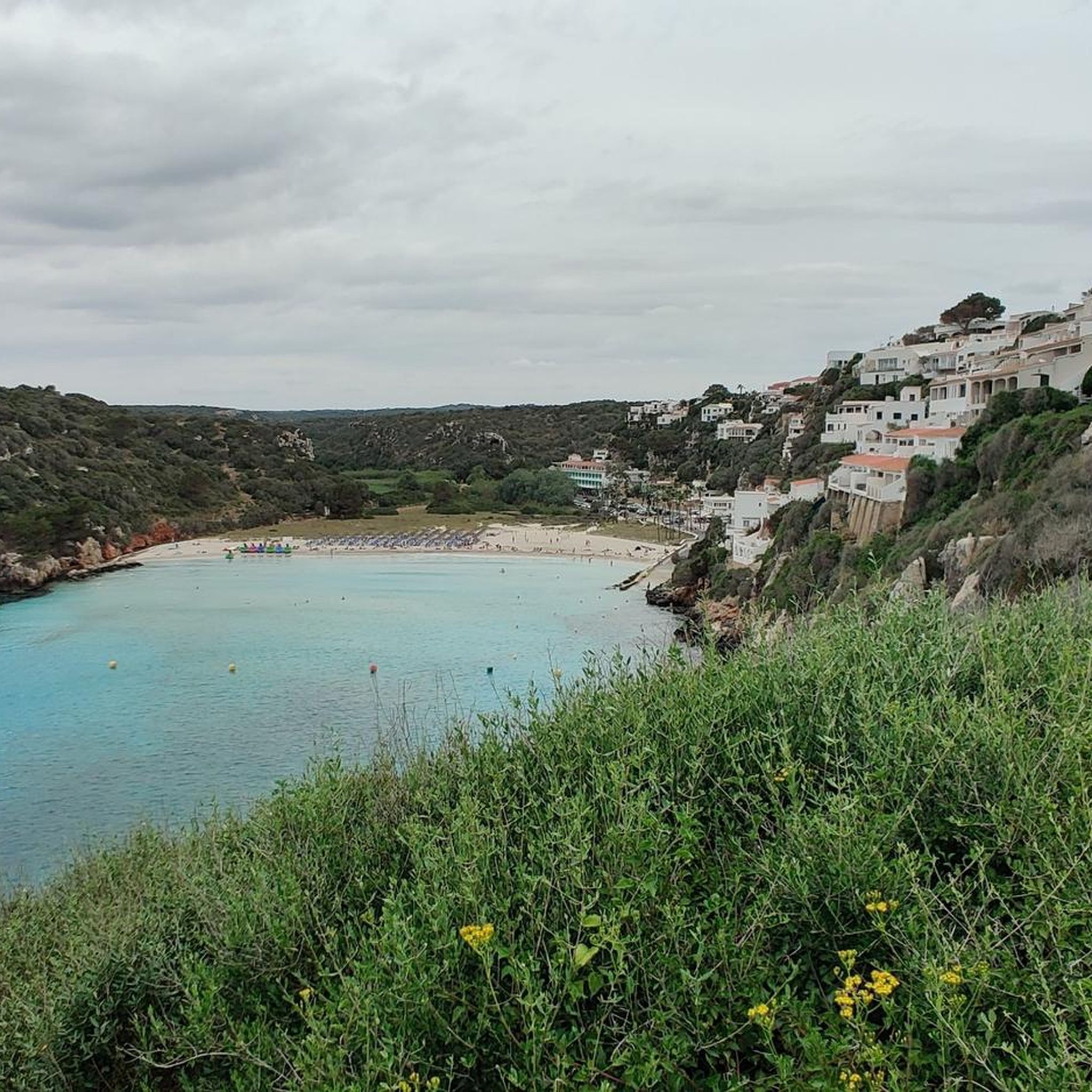
A very beautiful bay, 1.75 km from Cala Galdana, you can get there on the Cami de Cavalls. The colors of the bay are simply fantastic!
3
1
As a good beach in the south of Menorca, Cala Mitjana is protected by high limestone cliffs, which give the environment a character of seclusion and protection that the northern beaches do not.
1
0
Frequently Asked Questions
What are some of the most notable caves to visit around Alaior?
The region offers a mix of natural and historical caves. Highlights include the impressive natural formations of Cova des Coloms, known as "La Catedral" for its grand size. For a historical experience, the Cales Coves Necropolis features numerous prehistoric burial caves carved into cliffs. Additionally, Cala Mitjana offers sea caves accessible from the water, perfect for snorkeling.
Are there historical or archaeological sites with caves near Alaior?
Yes, Alaior is rich in archaeological sites featuring caves. The Cales Coves Necropolis is a national historic and artistic monument with approximately 100 prehistoric sepulchral caves. You can also explore the Torre d'en Galmés Archaeological Site and the Talatí de Dalt Archaeological Site, both of which include accessible caves and offer insights into the Talayotic culture.
Can I visit caves that are suitable for families with children?
Yes, several caves and related sites are family-friendly. Cala Mitjana is a beautiful beach with caves accessible by snorkeling, which can be a fun activity for older children. The Talatí de Dalt Archaeological Site also has accessible caves and is generally considered family-friendly, offering an educational experience.
What kind of natural formations can I expect to see in the caves?
The caves around Alaior showcase diverse natural formations. Cova des Coloms, known as "the Cathedral Cave," is famous for its impressive limestone formations and grand entrance. The nearby Cova de s'Aigua de Son Boter, though just outside the immediate Alaior district, is renowned for its interior lake with crystal-clear waters and whimsical geological features.
Are there any sea caves or caves accessible from the water?
Yes, Cala Mitjana is a popular spot with caves that can be accessed from the water, ideal for snorkeling and exploring the turquoise waters. The Cales Coves Necropolis is also situated along the coast, with caves carved into cliff faces overlooking transparent waters, making it a popular spot for boat shelter and swimming.
What is the best time of year to visit the caves around Alaior?
The best time to visit is typically during the spring (April-May) and autumn (September-October) when the weather is pleasant for exploration and the crowds are smaller. Summer (June-August) is also popular, especially for sea caves like Cala Mitjana, but can be very hot and busy.
What should I wear or bring when exploring caves in Alaior?
For most accessible caves and archaeological sites, comfortable walking shoes are recommended. If you plan to explore deeper into natural caves like Cova des Coloms or the accessible caves at Talatí de Dalt, a flashlight or headlamp is advisable. For sea caves, bring swimwear, a towel, and snorkeling gear.
Are there any unique cave experiences, like a cave bar or restaurant?
Yes, Cova d'en Xoroi, located in Cala en Porter within Alaior, is a famous cave transformed into a night club and cocktail bar. It offers spectacular panoramic sea views, especially at sunset, combining natural beauty with entertainment.
What outdoor activities can I do near these caves?
The area around Alaior offers various outdoor activities. You can find numerous MTB Trails, Road Cycling Routes, and Running Trails. Many of these routes pass by or are close to the cave sites, allowing you to combine cave exploration with cycling or running through Menorca's scenic landscapes.
What do visitors enjoy most about the caves around Alaior?
Visitors frequently praise the unique blend of natural beauty and historical significance. The stunning turquoise waters and white sands of places like Cala Mitjana, combined with the ancient history of the Cales Coves Necropolis, create a captivating experience. The sheer size and impressive formations of Cova des Coloms also receive high acclaim.
Are there any permits or special access requirements for visiting the caves?
Generally, most publicly accessible caves and archaeological sites do not require special permits for entry, though some may have an entrance fee (e.g., archaeological sites). For specific details on opening hours or any potential restrictions, it's always best to check with local tourism information or the site's official website, such as visitalaior.com, before your visit.
Most popular attractions around Alaior

Get inspired with the komoot mobile app


Explore more
Extend your search for the best caves by checking out these guides of the top ones around Alaior:
