Top 6 Castles around A Coruña
Castles around A Coruña offer a glimpse into the region's past, characterized by its strategic coastal defense. This area in Galicia, Spain, features historic fortresses built to protect against invasions and pirate attacks. Many of these structures are situated along the coastline, providing views of the Atlantic Ocean and the Ferrol estuary. The region's history is preserved in these architectural landmarks.
Best castles around A Coruña
- The most popular castles is Castillo de San Antón, a castle that formed…
Last updated: August 14, 2026
Castillo de San Antón
Highlight • Castle
Translated by Google •
Tip by

San Carlos Garden
Highlight • Historical Site
Translated by Google •
Tip by

Sign up now to discover places like this
Get recommendations on the best single tracks, peaks, & plenty of other exciting outdoor places.
Sign up for free
Santa Cruz Castle
Highlight • Castle
Translated by Google •
Tip by
Pazo de Meirás
Highlight • Castle
Translated by Google •
Tip by

Santa Cruz Castle Island
Highlight • Castle
Tip by

Start today with a free account
Your next adventure awaits.
Login or Signup

Tips from the Community


Temporarily closed. October 26, 2024
1
1

The garden of San Carlos was built as a defensive castle outside the walls in the 14th century and was joined to the city in the 16th century. Little by little it lost importance as a bastion or "old fortress" and, after the gunpowder magazine it contained exploded, it was abandoned until it was recovered as a garden in the 18th century by Carlos F. de Croix.
1
1

The garden was built in the 14th century as a defensive castle outside the wall, and was connected to the city in the 16th century. Is worth a visit
3
0

Easy to miss but worth a visit. Quiet, sheltered garden to sit and contemplate.
3
1

19th century country house, best known as the former summer residence of general and dictator Francisco Franco. A controversial place for its history and ownership
1
0
Former 16th century fortress now converted into a museum. Built as a city defense and later operated as a prison and hospital to isolate sailors arriving in the city affected by an infectious disease
3
0

The Santa Cruz Castle is one of the symbols of the Oleiros Town Hall. It is located on an islet in the A Coruña estuary which is accessed by a wooden pedestrian walkway. It was declared an Asset of Cultural Interest due to its high historical interest, which, together with its natural and scenic beauty, make this place an extraordinary place full of magic and history.
6
1
Frequently Asked Questions
What outdoor activities can I combine with visiting castles in A Coruña?
The region around A Coruña offers various outdoor activities that can be combined with castle visits. You can explore several hiking routes around A Coruña, including an easy 6.6 km loop from A Coruña that passes by Castillo de San Antón. For cyclists, there are numerous cycling routes, such as a moderate 31 km loop from As Xubias to Santa Cruz Castle Island.
Which castles in A Coruña offer the best views?
For stunning panoramic views, Castillo de San Antón provides breathtaking vistas of the A Coruña bay and the Atlantic Ocean from its bastions. Similarly, Santa Cruz Castle Island, situated on an island, offers spectacular views of the estuary and the city of A Coruña.
Are there any unique historical landmarks near the castles in A Coruña?
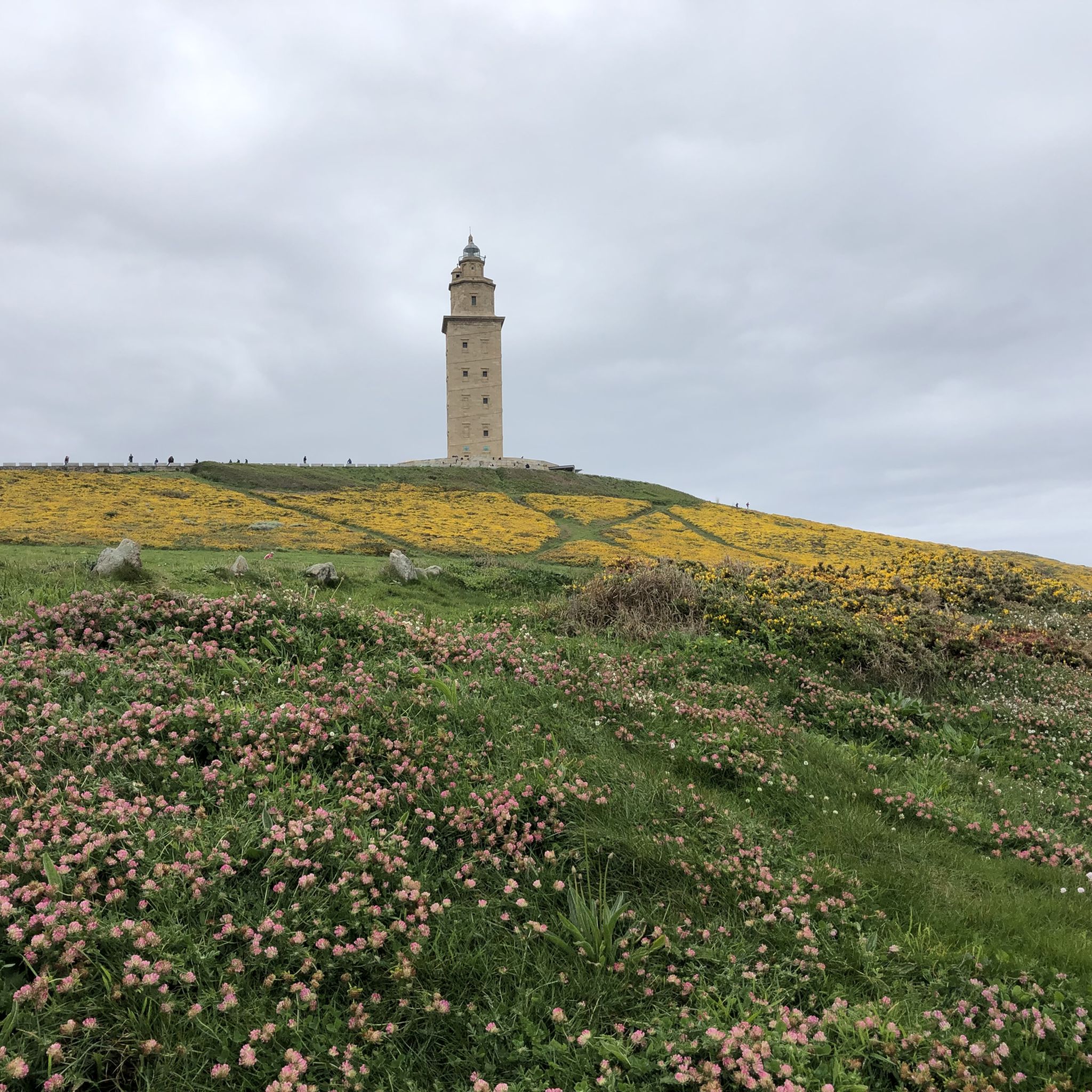
Yes, beyond the castles, A Coruña is home to the Tower of Hercules, an ancient Roman lighthouse and a UNESCO World Heritage Site. While not a castle, it has served defensive purposes throughout history and offers panoramic views of the Atlantic coast. It's the oldest extant Roman lighthouse still in use today.
Are there family-friendly castles to visit in A Coruña?
Several castles in A Coruña are considered family-friendly. Castillo de San Antón and Santa Cruz Castle Island are both categorized as family-friendly highlights. San Carlos Garden, a historical site built around a tomb, is also a unique green space suitable for families.
What is the best time to visit the castles in A Coruña?
The summer months (July and August) offer extended opening hours for places like Castillo de San Antón, which is open until 9:00 PM on Tuesdays to Saturdays during this period. Generally, spring and autumn provide pleasant weather for exploring without the peak summer crowds, making them ideal for comfortable visits.
What kind of history do the castles in A Coruña represent?
The castles in A Coruña primarily represent the region's strategic coastal defense history. Structures like Castillo de San Antón and Santa Cruz Castle Island were built to protect against maritime attacks and invasions. Other sites, such as San Carlos Garden, began as defensive structures before evolving into their current forms, reflecting centuries of military and urban development.
Can I find museums or cultural centers within the castles?
Yes, Castillo de San Antón houses the Archaeological and Historical Museum of A Coruña, showcasing collections from prehistory to modern history with a focus on Galicia's maritime heritage. Santa Cruz Castle Island now hosts the Galician Centre for University Extension and Environmental Dissemination (CEIDA) and municipal exhibition halls.
How accessible are the castles in A Coruña?
Accessibility varies by castle. Santa Cruz Castle Island is connected to the mainland by a picturesque pedestrian wooden footbridge, making it easily reachable on foot. Castillo de San Antón, originally on an islet, was connected to the city by a dam in the 20th century. Specific accessibility features for visitors with mobility challenges should be checked directly with each site.
Are there any castles known for local craft specialities or festivals?
Yes, Castelo de Vimianzo, a well-preserved medieval castle in the region, features an ethnographic museum showcasing local craft specialities such as stonework, baskets, lace, ceramics, and linen. It is also famous for its annual "Asalto ao Castelo" (Assault on the Castle) festival, a historical recreation held every first Saturday of July.
What are the opening hours and entry fees for Castillo de San Antón?
Castillo de San Antón is generally open Tuesday to Saturday from 10:00 to 19:30, and Sundays and holidays from 10:00 to 14:30. It is closed on Mondays. During summer (July and August), hours extend to 10:00 to 21:00 on Tuesdays to Saturdays, and 10:00 to 15:00 on Sundays and holidays. Access is not allowed half an hour before closing. Saturdays are often free entry. For the most current information, it's advisable to check the official website or local listings.
Can I visit a 19th-century country house with historical significance?
Yes, you can visit Pazo de Meirás, a 19th-century country house known for its historical significance as a former summer residence. This location offers a different perspective on the region's heritage compared to the defensive fortresses.
Most popular routes around A Coruña
Most popular attractions around A Coruña

Get inspired with the komoot mobile app


Explore more
Looking for the best castles somewhere else? Discover other guides around A Coruña:
