Top 6 Castles around Vila-Seca
Castles around Vila-Seca offer a glimpse into the region's rich history, with the Vila-seca Castle standing as a prominent example of historical architecture. This area features a blend of ancient defensive structures and historical sites, many of which have evolved through centuries of modifications. The landscape around Vila-Seca provides a setting for exploring these cultural assets. Visitors can discover structures ranging from medieval castles to Roman defensive walls.
Best castles around Vila-Seca
- The most popular castles is Amphitheatre and Wall of Tarragona, a historical site that became a key military point in the south of the Mediterranean. This site showcases one of the first Roman Empire constructions in the Catalan territory.
- Another must-see spot is Castell dels Teixells, a castle. This very well-preserved building is located on the Camino de los Tegells in Cambrils, offering a look at a historic farmhouse.
- Visitors also love Roman Walls of Tarragona, a historical site. These walls, originally running some 3,500 meters, are the oldest Roman construction still conserved outside Italy.
- Vila-Seca is known for historical sites, castles, and ancient defensive walls. These structures offer a variety of historical periods and architectural styles to see and explore.
- The castles around Vila-Seca are appreciated by the komoot community, with more than 40 upvotes and 15 photos shared by visitors.
Last updated: May 23, 2026
Castillo del Paborde
Highlight • Castle
Translated by Google •
Tip by

Castell dels Teixells
Highlight • Castle
Translated by Google •
Tip by
Sign up now to discover places like this
Get recommendations on the best single tracks, peaks, & plenty of other exciting outdoor places.
Sign up for free
Roman Walls of Tarragona
Highlight • Historical Site
Tip by

Torre del Pretorio of Tarragona
Highlight • Historical Site
Translated by Google •
Tip by

Amphitheatre and Wall of Tarragona
Highlight • Historical Site
Translated by Google •
Tip by

Sign up for free to discover even more castles around Vila-Seca.
Sign up for free
Already have an account?
Start today with a free account
Your next adventure awaits.
Login or Signup

Other adventures around Vila-Seca

Tips from the Community

The city was founded by the Romans in 218 BC as Tarraco. During the Roman Empire, it was one of the most important centres of the Iberian Peninsula and the capital of one of the largest Roman provinces, Hispania Tarraconensis, which was named after it. Some Roman ruins can still be seen.
0
0

Old Farmhouse. Ideal to replenish and rest.
0
1

The Selva Castle was for centuries the stately residence of the prefects of Tarragona and the archbishops of the metropolis. It belonged to the Papordia of the archbishop of Tarragona, and was probably built at the end of the 12th century. It was a residence very frequented by the paborde, but it mainly served as a storehouse for nuts and tithes. In 1411 Pope Benedict XIII decreed the abolition of the pabordia and the Castle was administered directly by the Archbishop of Tarragona and in the s. In the 16th century, the building was expanded with residential buildings and an upper floor accessed by a staircase. The action of the Constituent Courts during the Biennium of 1822 ended, in fact, with the lordships. This work was complemented by the confiscation laws of the middle of the 19th century, and thus the Selva Castle would become the property or usufruct of the Town Council. Passing through various users after the ecclesiastical confiscation, the Castle, the town's largest heritage building had become a ruin that the Selvatans have lived with for decades. Finally, in a municipal economic boom, the City Council, entering the new millennium, decided to carry out an ambitious project such as that of restoring the monument and giving it a function of public use in accordance with its identity , a first-rate cultural facility.
0
0

Beautiful historic farmhouse, if you still have water in your bottle drink it here and enjoy life.
14
0

Beautiful house typical of this area of Reus and characterized by having a tower that can be seen from the outskirts.
0
0

The Mas dels Tegells, also called Mas de Sant Rafael, during the Middle Ages, was the nucleus of its own term. At the end of the 19th century, it was restored and given a neo-Gothic appearance both to its two side towers with battlements and battlements and to its outer wall.
3
0
It's a very special place in the middle of a very classic MTB route...
3
0

The Castillo de la Selva, also known as the Paborde castle, is located in the town of La Selva del Camp. There are also remains of the medieval wall. Its construction dates from the 12th century.
3
0
Frequently Asked Questions
What is the most significant castle in Vila-Seca itself?
The most significant castle within Vila-Seca is the Vila-seca Castle, also known as Castell dels Comtes de Sicart. It's a Cultural Asset of National Interest, prominently located north of the town amidst pine groves. Its history dates back to the 12th century, with a neo-medieval appearance due to numerous modifications over time.
What historical periods do the castles and historical sites around Vila-Seca represent?
The area around Vila-Seca offers a rich tapestry of history, from ancient Roman structures to medieval fortifications. You can explore sites like the Amphitheatre and Wall of Tarragona and Roman Walls of Tarragona, which are among the oldest Roman constructions outside Italy. Medieval examples include Castillo del Paborde, dating from the 12th century, and Castell dels Teixells, a well-preserved historic farmhouse.
What kind of cultural activities can I find at Vila-seca Castle?
Today, Vila-seca Castle serves as a vibrant cultural center. It functions as an exhibition space for contemporary art, thanks to a collaboration between the Fundació Vila Casas and the Vila-seca City Council. Visitors can explore the castle and its current art exhibitions. Guided tours are also available on specific days.
Are there guided tours available for castles in the area?
Yes, guided tours are available for Vila-seca Castle. They are offered in both Spanish and Catalan on Wednesdays, Saturdays, and Sundays during summer opening hours, and on Saturdays and Sundays during winter opening hours. The castle is also part of a heritage route to discover Vila-seca's historic center, complete with QR codes for an enhanced experience.
Are there family-friendly historical sites around Vila-Seca?
Yes, the Amphitheatre and Wall of Tarragona is noted as a family-friendly historical site. Its impressive scale and historical significance can be engaging for visitors of all ages.
What outdoor activities can I do near these castles?
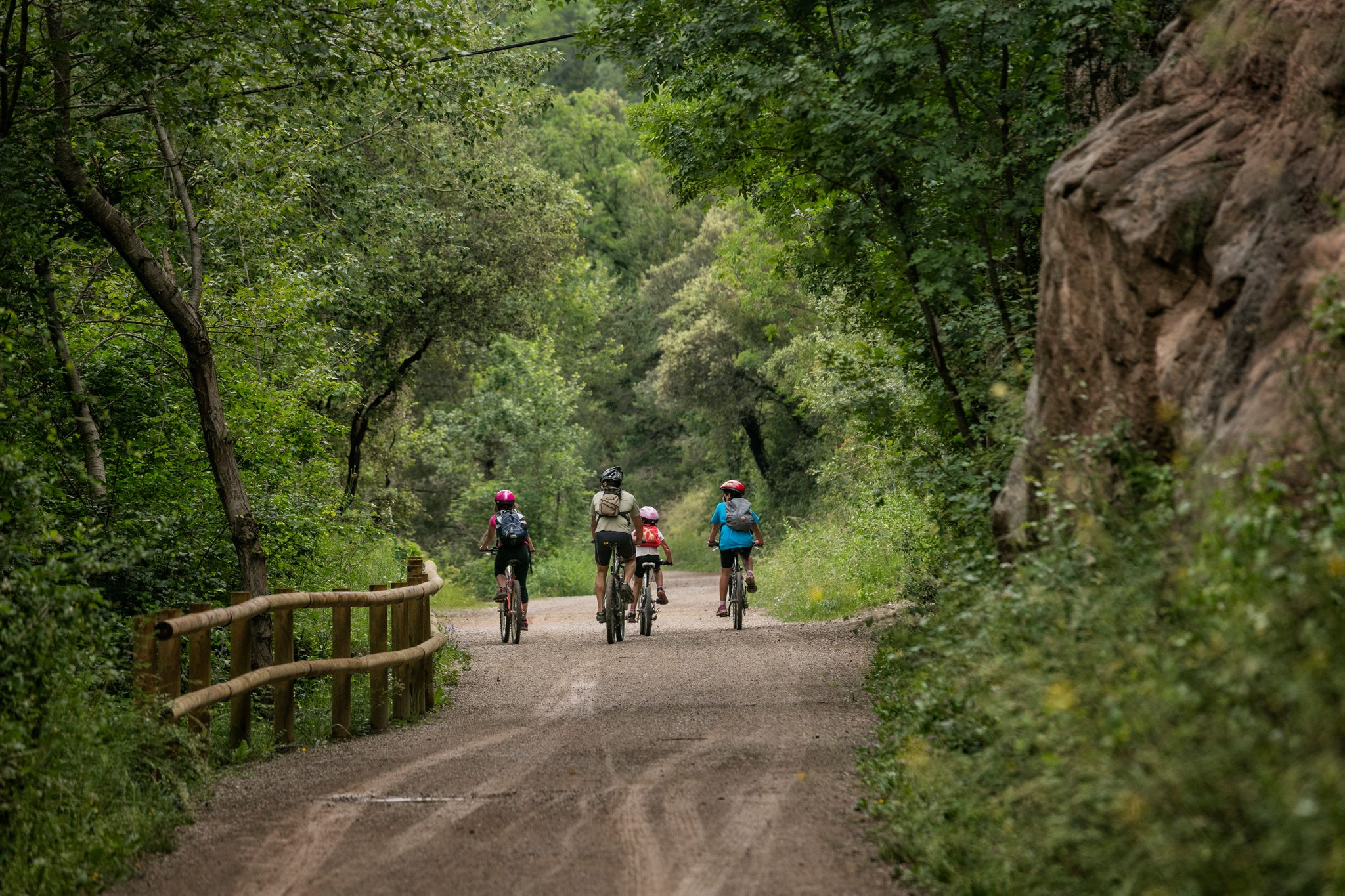
The region around Vila-Seca offers various outdoor activities. You can explore numerous routes for hiking, cycling, and gravel biking. Many of these routes pass through scenic landscapes and offer opportunities to see historical landmarks.
Are there hiking trails near the castles around Vila-Seca?
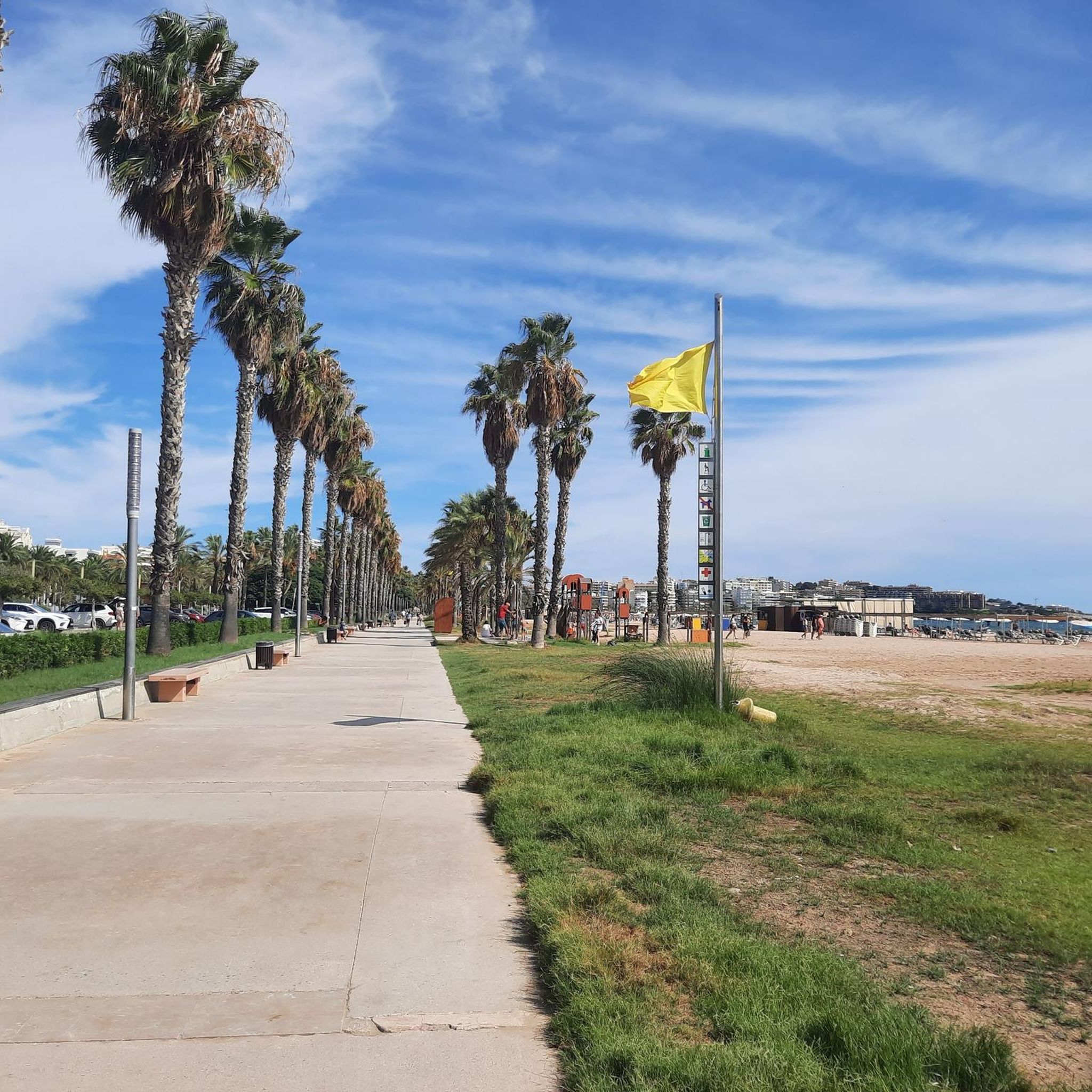
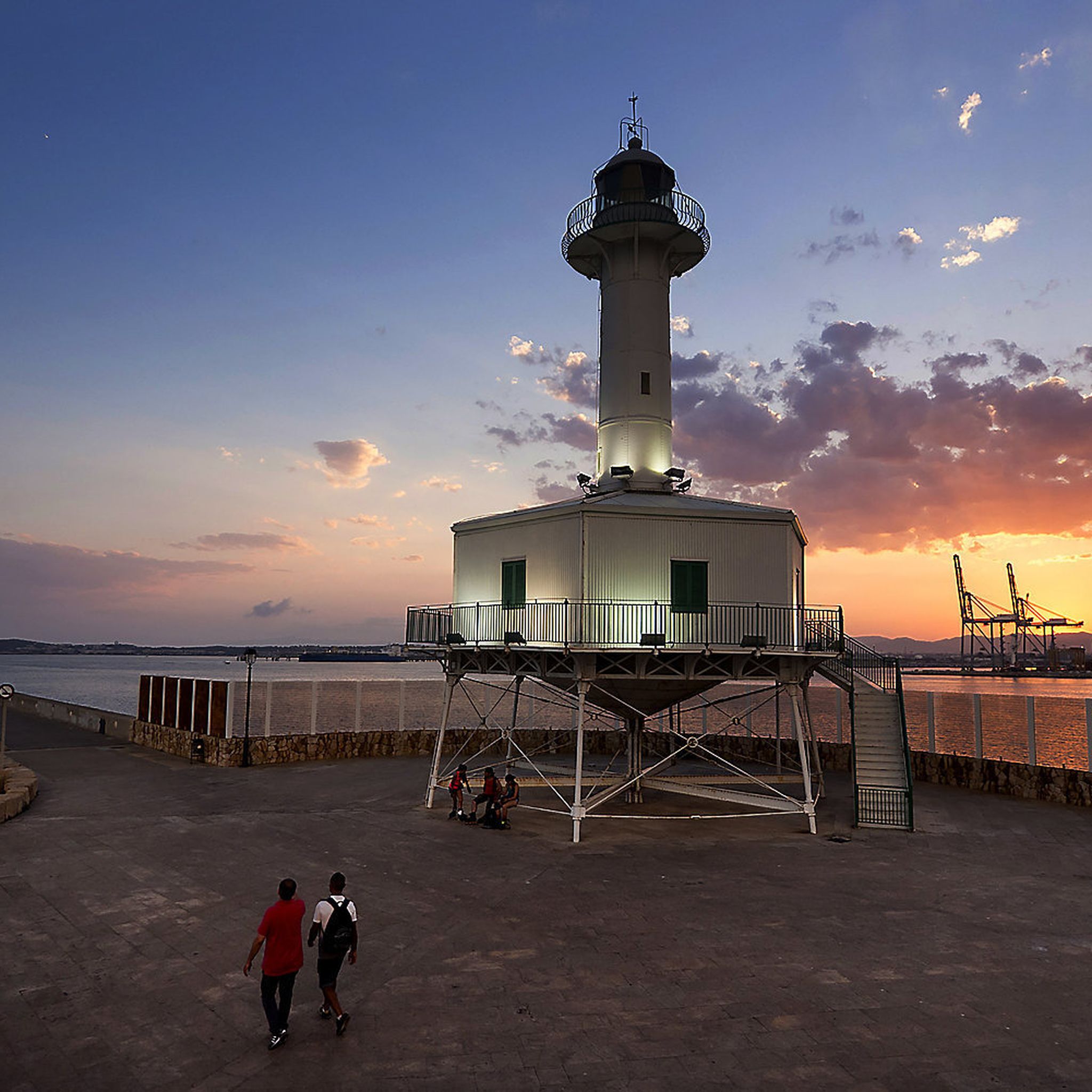
Yes, there are several hiking trails in the vicinity. For example, you can find routes like the 'Castillo de Vila-seca — circular por el municipio' which is an easy 7.5 km loop. Other moderate trails include the 'Salou Lighthouse – Cala Crancs Beach loop' and the 'Vila-seca Bicycle Bridge loop'. You can find more options in the hiking guide for Vila-Seca.
Can I find viewpoints near the castles?
Yes, the Torre del Pretorio of Tarragona offers a great view from above over the whole of Tarragona. This historical site, built in the 1st century, provides a unique perspective of the city and its surroundings.
What is the best time to visit the castles around Vila-Seca?
The region generally enjoys a Mediterranean climate, making it suitable for visits throughout much of the year. For outdoor activities like hiking and cycling, spring and autumn offer pleasant temperatures. If you plan to visit Vila-seca Castle for its art exhibitions and guided tours, check their specific opening hours, which vary slightly between summer and winter.
How long does it typically take to visit the castles?
The duration of a visit can vary. For a site like Vila-seca Castle, you might spend 1-2 hours exploring the exhibitions and grounds, with guided tours lasting a specific duration. Larger Roman sites like the Amphitheatre and Wall of Tarragona or the Roman Walls of Tarragona could take longer, especially if you wish to walk along the walls or explore the surrounding historical areas.
Most popular routes around Vila-Seca
Most popular attractions around Vila-Seca

Get inspired with the komoot mobile app


Explore more
Looking for the best castles somewhere else? Discover other guides around Vila-Seca:
