Top 13 Castles around Alcalà De Xivert
Best castles around Alcalà De Xivert are situated in a region characterized by its natural beauty, including the Sierra de Irta Natural Park, and a rich historical past. The area features a diverse landscape, from coastal views to mountainous terrain, offering varied exploration opportunities. Its strategic location has led to the construction of numerous fortifications over centuries. These historical sites provide insights into the region's cultural evolution and architectural heritage.
Best castles around Alcalà De Xivert
- The most popular castles is Polpis Castle, an ancient Muslim castle located at the top of the Irta Mountains. This montane-type construction was conquered in 1233 by Jaume I's troops.
- Another must-see spot is Castillo de Xivert, a castle that is one of the best restored and preserved in the Valencian Community. This Islamic fortification from the 10th-11th centuries offers impressive views and features Templar additions like circular towers and a cistern.
- Visitors also love Fortified Hermitage of Albalat, a historical site with Gothic elements. Built in the 14th century, it served as the old temple of the Albalat fortress, fortified against Barbary pirate threats.
- Alcalà De Xivert is known for its Islamic, Templar, and fortified hermitage structures. Visitors can explore a variety of castles, from ancient ruins to well-preserved historical sites, showcasing different architectural styles and historical periods.
- The castles around Alcalà De Xivert are appreciated by the komoot community, with 137 upvotes and 167 photos shared by visitors.
Last updated: July 18, 2026
Castillo de Xivert
Highlight • Castle
Translated by Google •
Tip by

Fortified Hermitage of Albalat
Highlight • Historical Site
On August 15th at 11 a.m. it is the only day of the year when a fair is celebrated in this small building.
Translated by Google •
Tip by

Sign up now to discover places like this
Get recommendations on the best single tracks, peaks, & plenty of other exciting outdoor places.
Sign up for free
Albalat Tower
Highlight • Castle
The southern part of the enclosure stands out, where there is a double walled belt, the internal part of which is in a better state of conservation, in contrast to the worse state of the exterior. On the northern slope of the hill there is a tower and crenellated curtains. The complex is built of masonry, ashlar with ashlar angles.
Cabanes was an important center of Romanization. During Muslim domination it was a farm dependent on the Miravet castle. In the year 1091 it was taken by El Cid, and remained under Christian domination until the year 1103. James I definitively reconquered it in the year 1233, as a consequence of the taking of Borriana. In the year 1243 Cabanes was donated to the bishop of Tortosa, Pons de Torrella, who granted it a town charter, and it would remain in this manor until the 19th century.
In the 16th century the towns of Miravet and Albalat dels Ànecs moved to the current Cabanes, which annexed both territories.
This fortress was built around the year 1280 by the bishops of Tortosa, lords of the place, and abandoned in the year 1575, when Albalat was incorporated into Cabanes.
Translated by Google •
Tip by

Polpis Castle
Highlight • Castle
Translated by Google •
Tip by
Cervera del Maestre Castle Ruins
Highlight • Castle
Translated by Google •
Tip by
Sign up for free to discover even more castles around Alcalà De Xivert.
Sign up for free
Already have an account?
Start today with a free account
Your next adventure awaits.
Login or Signup
Popular around Alcalà De Xivert
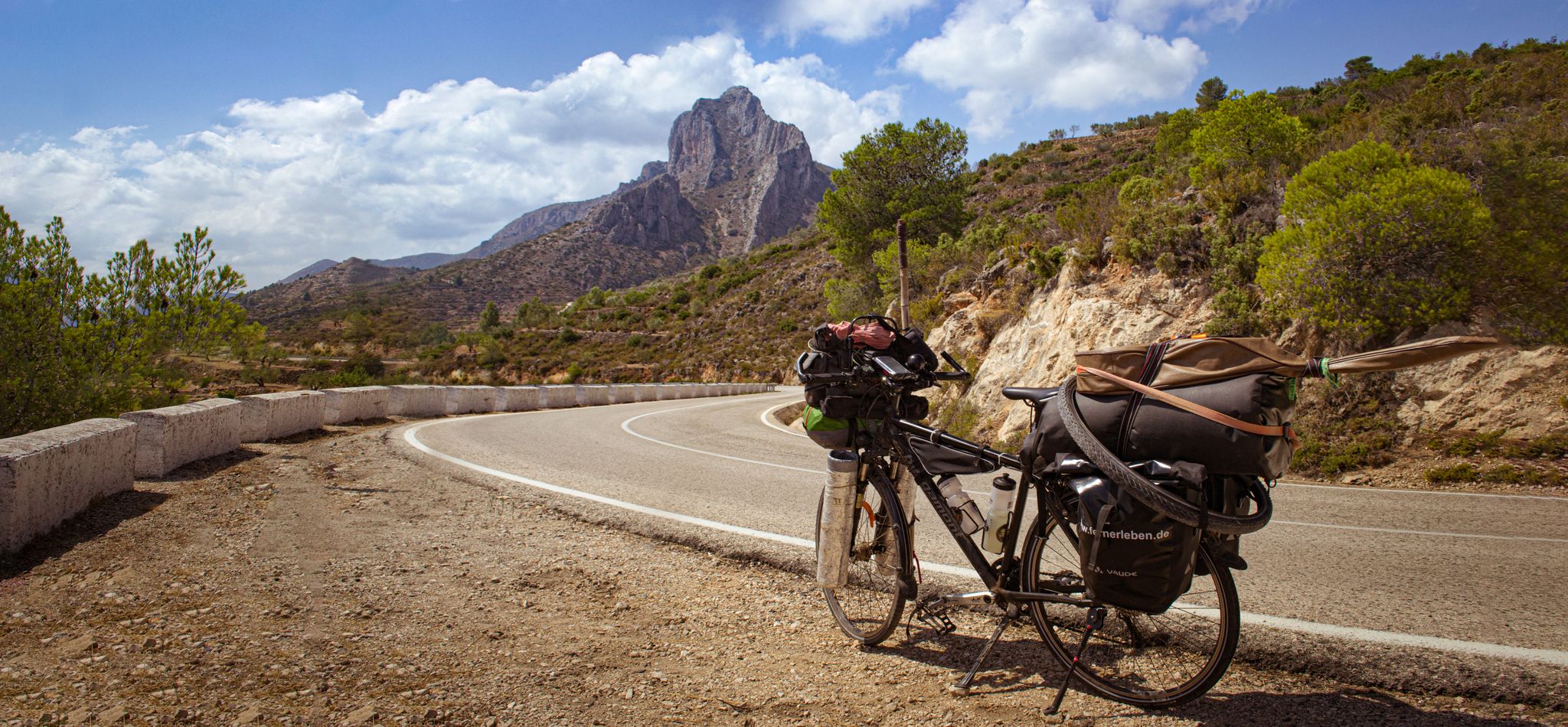
On the road to the sun — bikepacking to southeast Spain
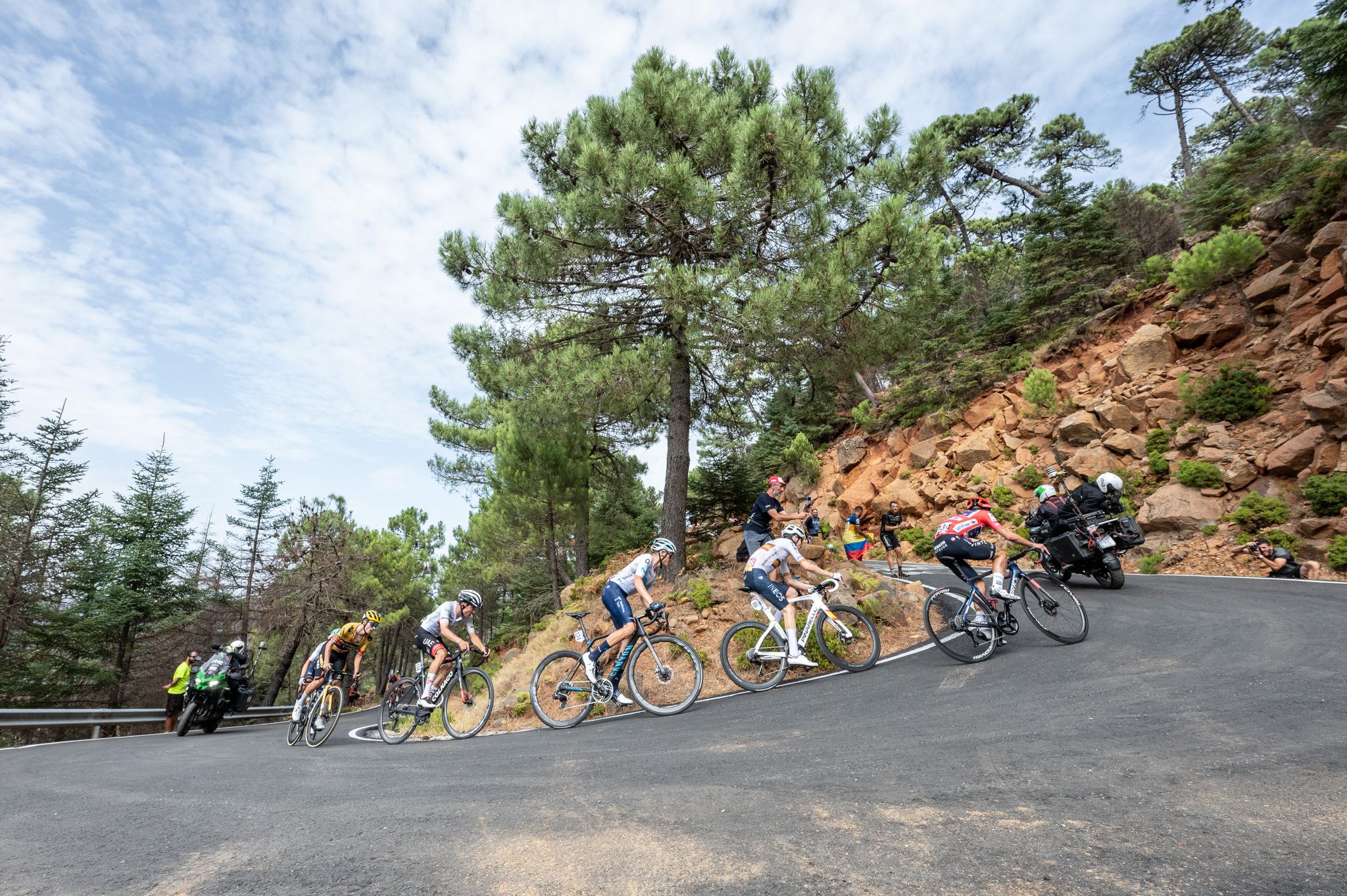
La Vuelta 26 — All Official Stages
Road Cycling Routes around Alcalà De Xivert
Cycling around Alcalà De Xivert
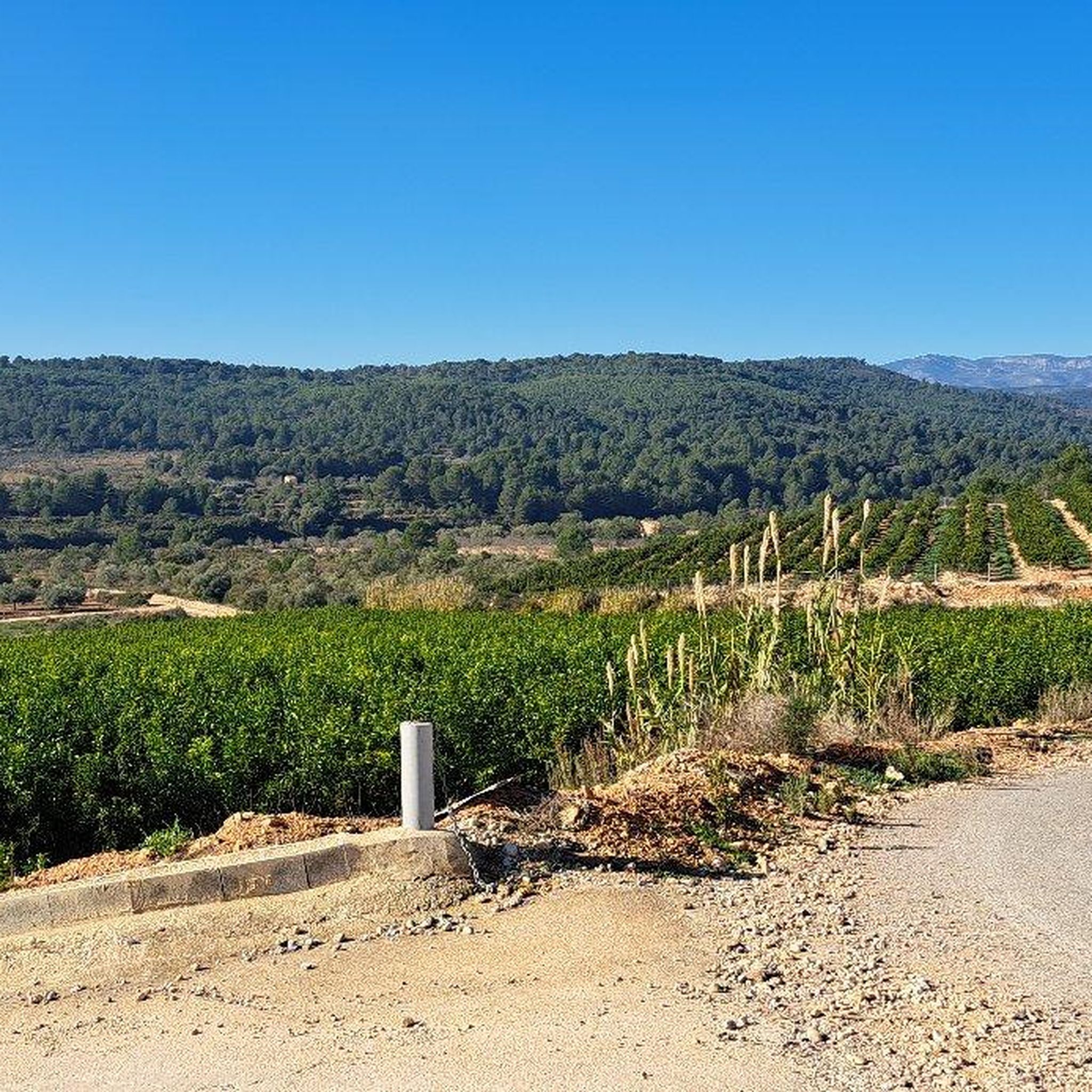
Hiking around Alcalà De Xivert
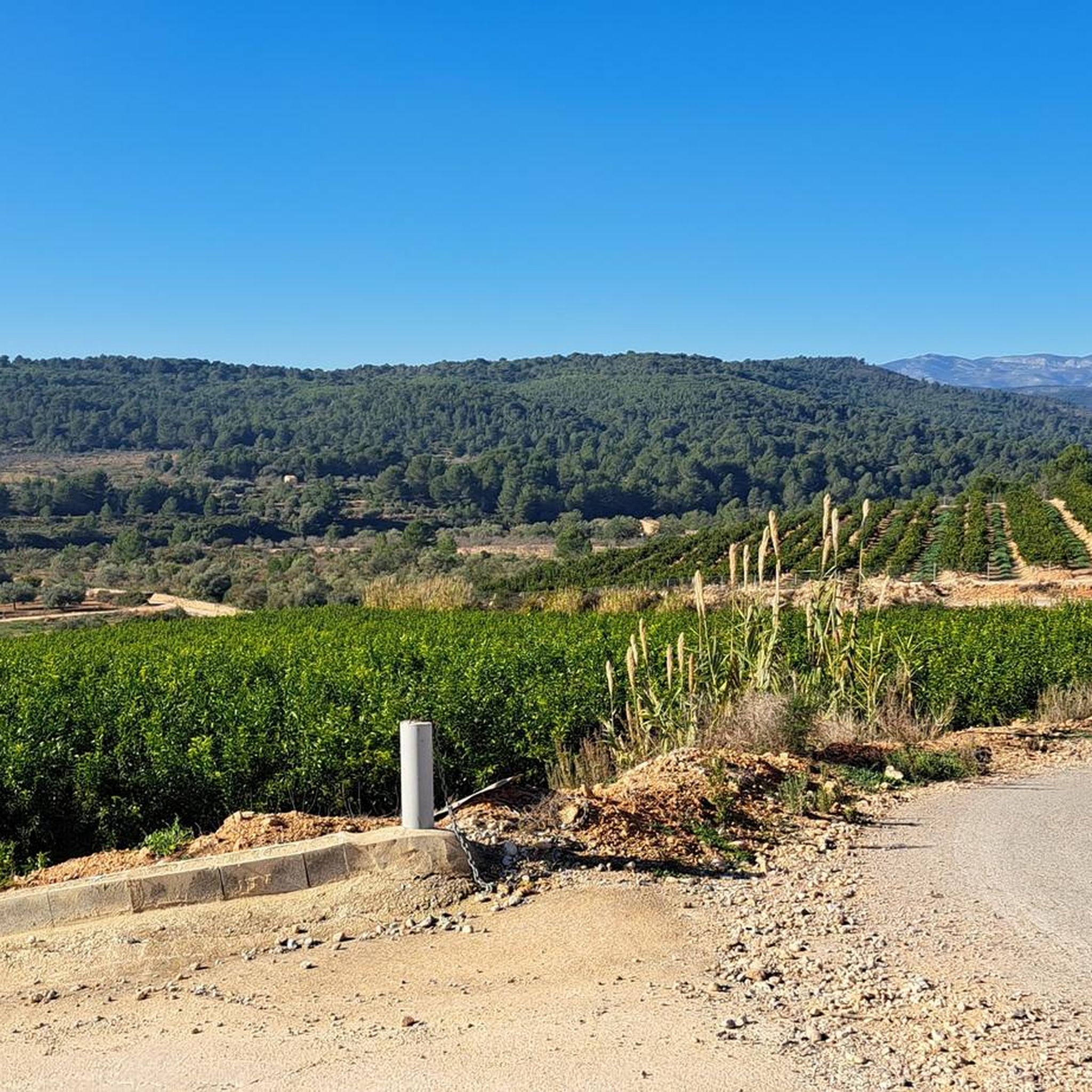
MTB Trails around Alcalà De Xivert
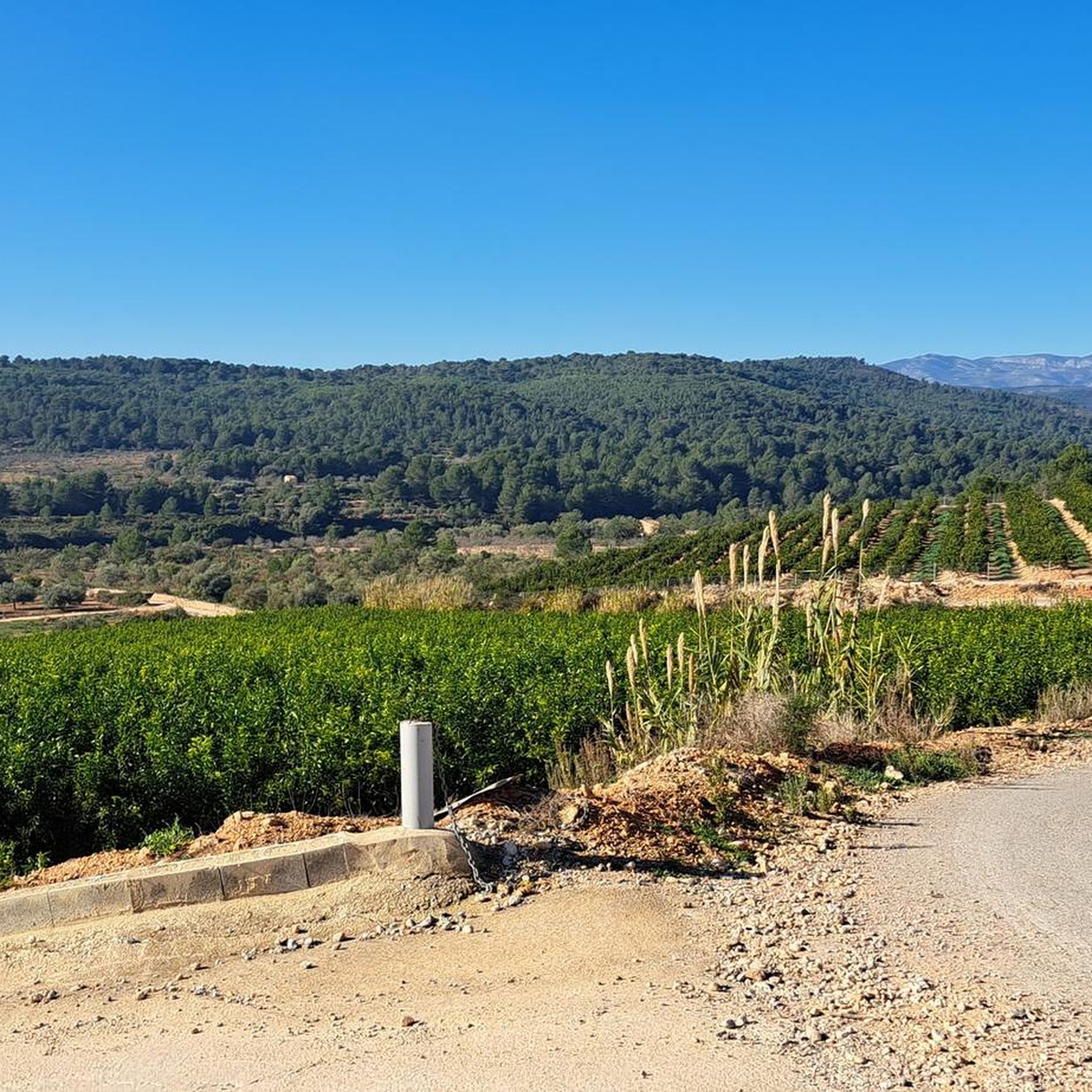
Running Trails around Alcalà De Xivert

Gravel biking around Alcalà De Xivert
Other adventures around Alcalà De Xivert


Tips from the Community

From the old castle ruins, 360 degree panoramic view over a varied landscape and to the sea and snow-capped mountains
0
0

Built in the 14th century at the foot of the Albalat Castle (currently in ruins) so that, in addition to greater comfort for those attending the cult, it also served, like the other towers existing in the same area, as a safe refuge for the people who They were surprised by the frequent raids of the Barbary pirates.
0
0

Hello Bernd, we had no problem with our giant schnauzer and have been there several times but always on a leash. 👋
1
1
Templar Castle of Santa Magdalena de Polís. A visit is recommended, good views of the town and the entire valley.
0
0
Fortified hermitage located in the municipality of Cabanes next to the AP7 and next to the Prat de Cabanes - Torreblanca Natural Park
1
1

Dogs are not allowed here, you should plan for that if you have one with you
4
2

The tour can also be done with a trekking bike.
3
0

Castle of Xivert. The castle is located in the southwestern foothills of the Sierra de Irta mountains. She is of Muslim descent and was born in the late 11th century (Wiki)
3
0
Frequently Asked Questions
What historical periods do the castles around Alcalà De Xivert represent?
The castles in this region showcase a rich tapestry of history, primarily featuring Islamic fortifications from the 10th-11th centuries, such as Castillo de Xivert. Many were later expanded and reinforced by Christian orders like the Knights Templar, adding elements like circular towers and chapels. You can also find Gothic structures, such as the Fortified Hermitage of Albalat, built in the 14th century.
Which castles offer the best panoramic views of the coast and landscape?
For breathtaking panoramic views, Castillo de Xivert is highly recommended. Situated atop a hill in the Sierra de Irta mountain range, it provides impressive vistas of the Mediterranean coast and the surrounding Castellón landscape. Polpis Castle also offers good views of the town and the entire valley.
Are there hiking trails that lead to the castles?
Yes, the castles are often integrated into scenic hiking routes. Castillo de Xivert, for instance, can be reached on foot via a path that, though demanding, offers spectacular views through the Sierra de Irta Natural Park. You can explore routes like the "Xivert Castle Loop" in the Hiking around Alcalà De Xivert guide.
What outdoor activities can I combine with a castle visit?
The region around Alcalà De Xivert is perfect for combining castle visits with various outdoor activities. You can enjoy hiking, mountain biking, and cycling. Explore routes in the Hiking around Alcalà De Xivert, MTB Trails around Alcalà De Xivert, or Cycling around Alcalà De Xivert guides, many of which pass by or near historical sites.
Are there any family-friendly castles to visit?
Many of the castles, including Castillo de Xivert, are considered family-friendly, offering an engaging historical experience. The walks to these sites can be an adventure for older children, though some paths might be demanding. Always check the specific trail difficulty if planning to walk with very young children.
What is the best time of year to visit the castles in Alcalà De Xivert?
The best time to visit the castles is generally during the spring (April-May) and autumn (September-October) months. The weather is milder, making hiking to the castle sites more comfortable. Summer can be very hot, while winter offers cooler temperatures but might have more unpredictable weather.
Can I bring my dog to the castle ruins and surrounding trails?
While many outdoor trails in the Sierra de Irta Natural Park are dog-friendly, specific castle sites may have restrictions. For example, dogs are generally not allowed at the Cervera del Maestre Castle Ruins. It's always best to check local signage or specific highlight tips before visiting with your pet.
Are there any less crowded castles for a more tranquil experience?
While Castillo de Xivert is popular, its location atop a hill means it's often less crowded than easily accessible sites. The journey itself provides a sense of tranquility. The Fortified Hermitage of Albalat, being a more specialized historical site, might also offer a quieter visit, especially outside of its annual fair on August 15th.
What kind of archaeological significance do these castles hold?
The castles in the region, particularly Castillo de Xivert, are archaeologically significant. Remains of a Bronze Age settlement have been found prior to the Muslim occupation, indicating a long history of human presence. Ongoing archaeological excavations continue to reveal insights into the earliest settlers and the evolution of these sites.
Where can I find parking when visiting the castles?
Parking availability varies by castle. For Polpis Castle, you can drive to the cemetery of Santa Magdalena de Polpis and park there, then walk through a tunnel to the castle trail. For Castillo de Xivert, there are usually designated parking areas at the base of the hill, from where you can begin your ascent.
What makes the Fortified Hermitage of Albalat unique?
The Fortified Hermitage of Albalat is unique due to its Gothic elements and its original purpose as a fortified temple. Built in the 14th century, it served as part of the Albalat fortress, designed to protect against Barbary pirate threats, making it a very special structure in the region.
Most popular routes around Alcalà De Xivert
Most popular attractions around Alcalà De Xivert

Get inspired with the komoot mobile app


Explore more
Looking for the best castles somewhere else? Discover other guides around Alcalà De Xivert:
