Top 8 Lakes around Puebla De Sanabria
Best lakes around Puebla De Sanabria, a town in Zamora, Spain, is known for its natural landscapes, particularly its glacial lakes. The region is home to Lago de Sanabria, the largest natural lake on the Iberian Peninsula, and numerous smaller lagoons. These features are part of the Sanabria Lake Natural Park, an area recognized for its ecological value and glacial origins. The park offers diverse flora and fauna, including over 1,500 plant species and 76 bird types.
Best lakes around…
Last updated: May 7, 2026
View of Lake Sanabria from Arenales Beach
Highlight • Beach
Translated by Google •
Tip by

Serra Serrada Reservoir
Highlight • Lake
Translated by Google •
Tip by

Sign up now to discover places like this
Get recommendations on the best single tracks, peaks, & plenty of other exciting outdoor places.
Sign up for free
Lake Sanabria
Highlight • Lake
Translated by Google •
Tip by

Cernadilla Dam
Highlight • Structure
Translated by Google •
Tip by

Laguna de Carros
Highlight • Lake
Translated by Google •
Tip by

Sign up for free to discover even more lakes around Puebla De Sanabria.
Sign up for free
Already have an account?
Start today with a free account
Your next adventure awaits.
Login or Signup
Popular around Puebla De Sanabria


Tips from the Community

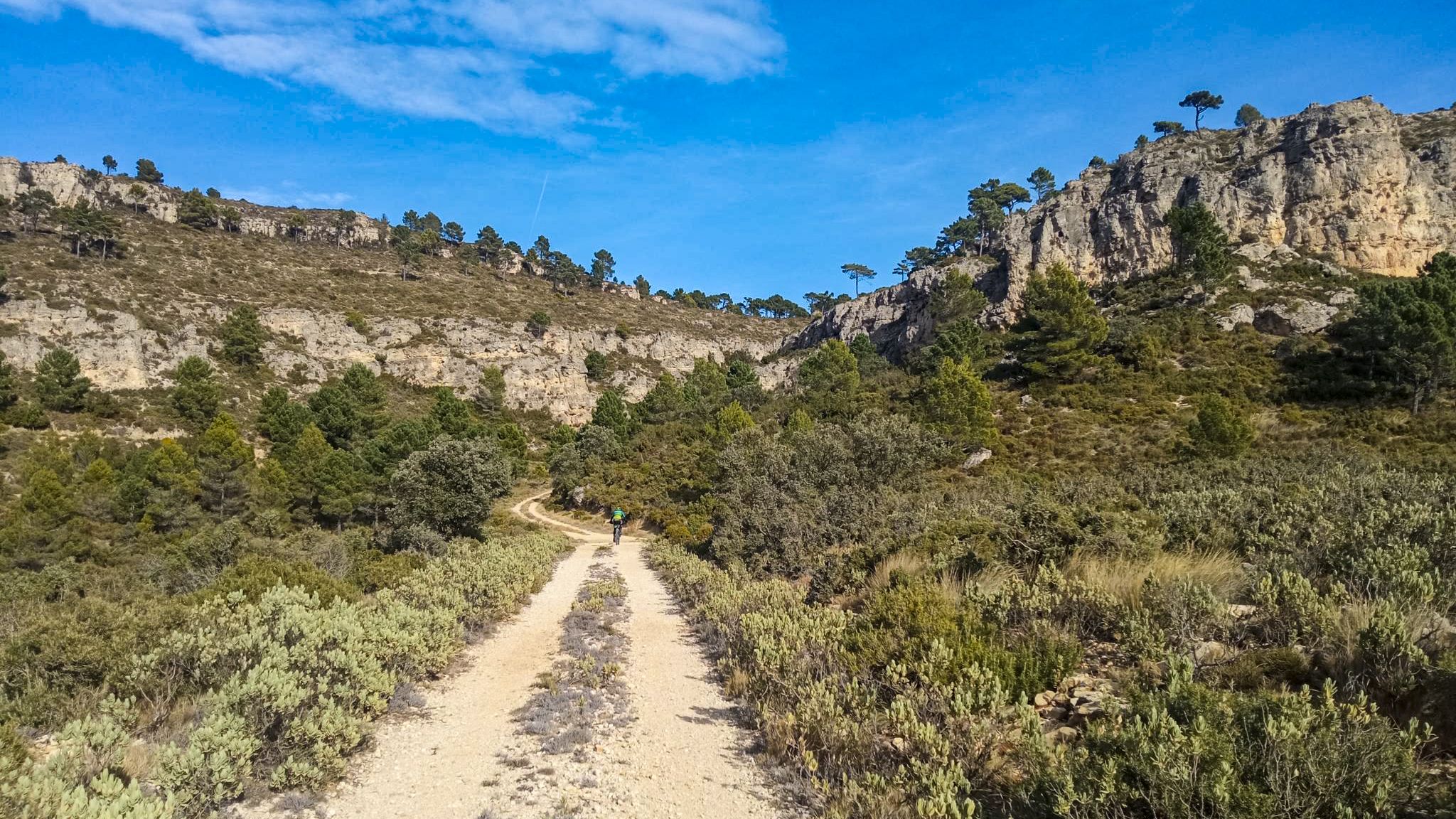
The Serra Serrada Dam, built on the bed of the Andorinhas river, is located in the parish of França, in the municipality of Bragança, Bragança District, in Portugal. The dam was designed in 1986 and began operating in 1989.
3
0

Beautiful routes with spectacular viewpoints over the Lake on the Monks Route. During this time of year with the heat, it is better to do it at dawn until 1 pm maximum or after 7:00 pm.
0
1

Lake Sanabria is a very wine place to enjoy the area
0
0
Place with a lot of people but very nice
1
1

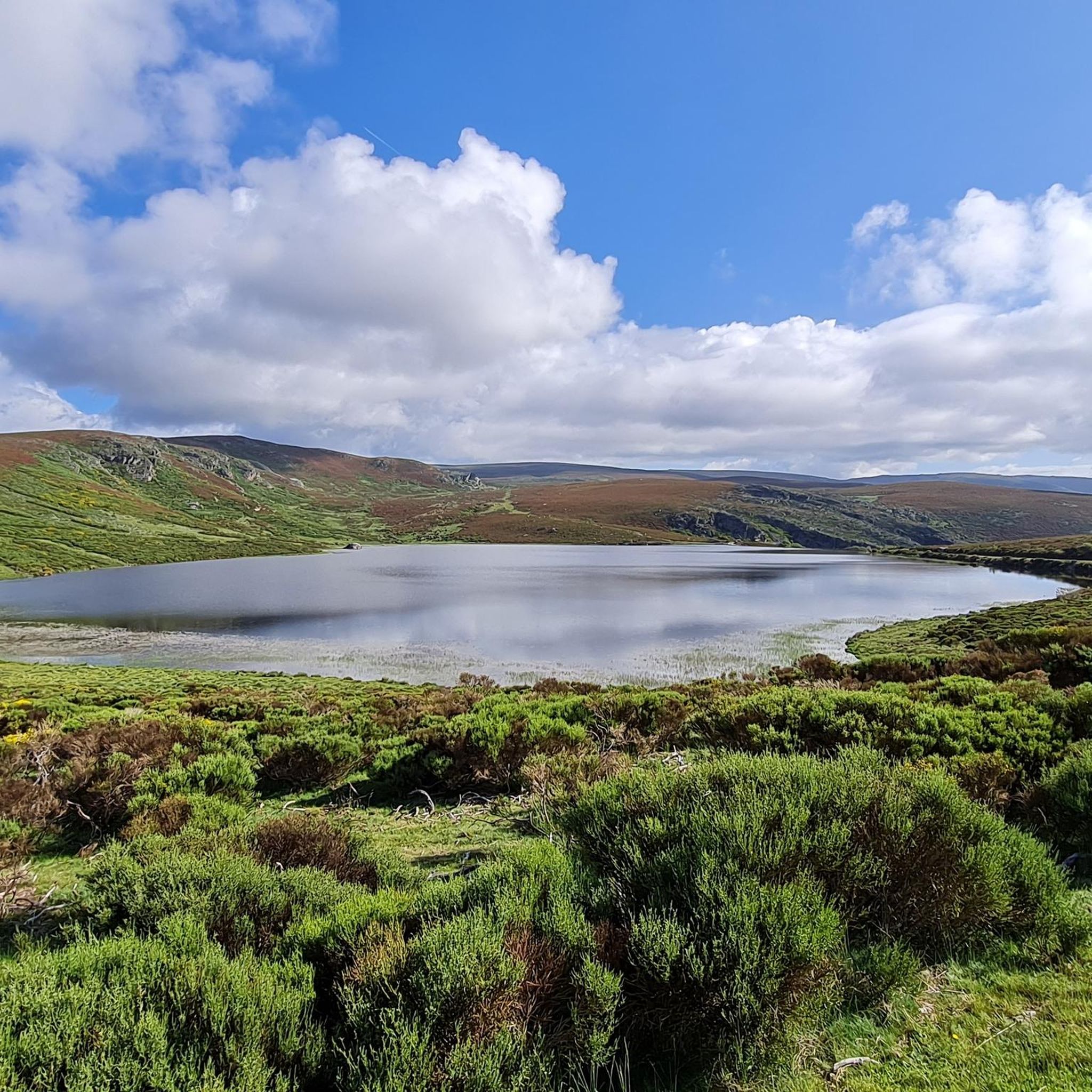
This lagoon, located at an altitude of 1,330 meters, is of glacial origin and is part of the Sanabria Lake and Segundera and Porto mountain ranges natural park.
1
0

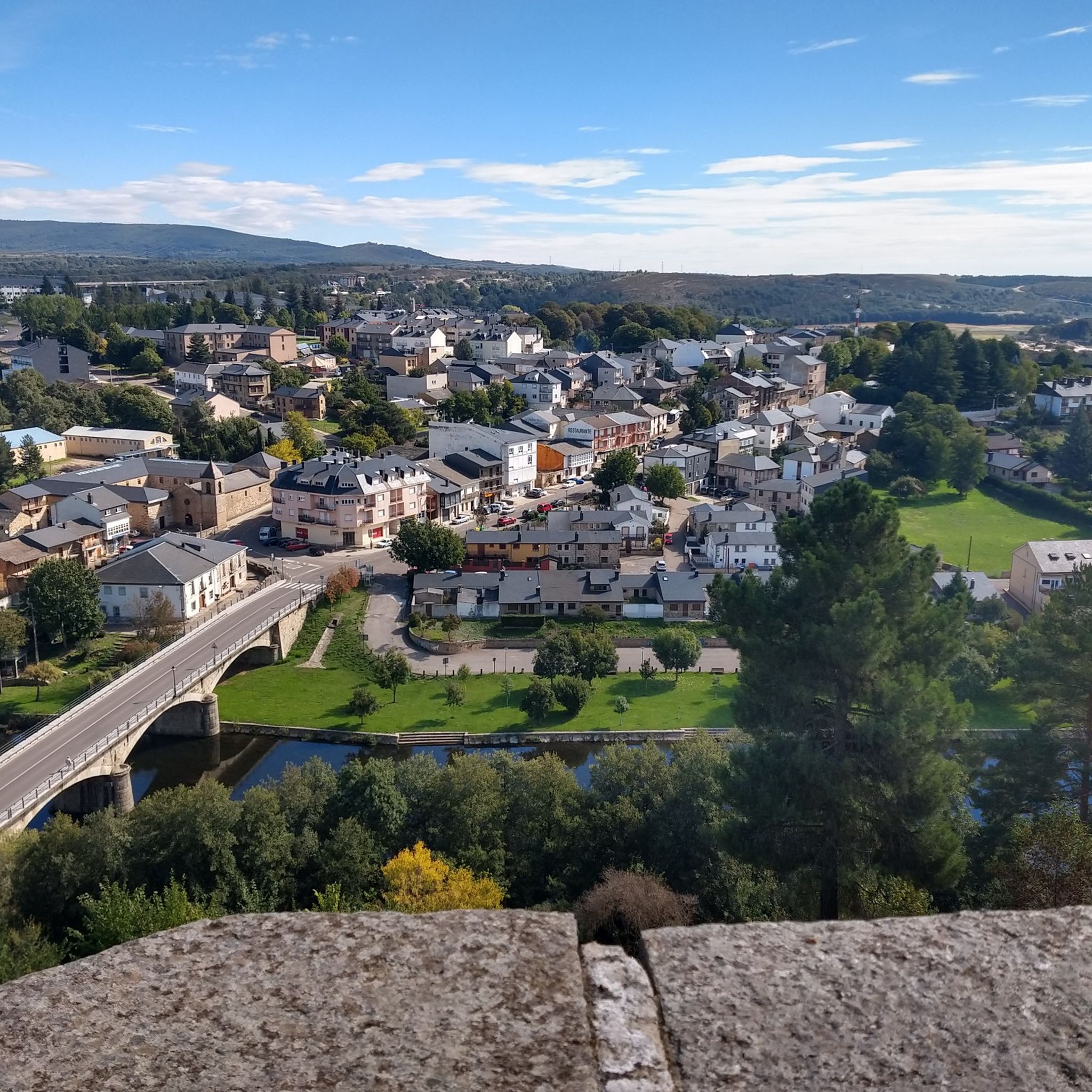
The road junction at the Cernadilla dam on the Tera River offers a great view of the landscape of the reservoir and the river valley beyond.
1
0

Beautiful views of Lake Sanabria from Playa de los Arenales, also known as Playa de Los Enanos. If we are in the area, it is worth going to this point, as it has a more open space from where you can see the lake, sandy soil with stones, a large green area and surrounding trees where you can take refuge from the high temperatures. It is advisable to wear some type of water shoes since the first meters of the bathing area have stones, but it is not absolutely necessary. Parking is very ample, as the driveway is very wide. To have a drink, there is a beach bar at the exit of the beach and another in the parking area.
4
0
Beautiful views of Lake Sanabria from Los Arenales beach, also known as Los Enanos beach. If we are traveling through the area, it is worth going to this point to observe one of the most beautiful places in the province of Zamora. Here you have an open space, sandy soil with stones, a large green area and groves around which you can take refuge from the high temperatures. It is advisable to wear some type of water shoes since the first meters of the bathing area have stones, but it is not absolutely necessary. Parking is very large. To have a drink, there is a beach bar at the exit of the beach and another in the parking area.
2
0
Frequently Asked Questions
What are the main natural features of the lakes around Puebla de Sanabria?
The region is primarily known for its glacial lakes, with Sanabria Lake being the largest natural lake system on the Iberian Peninsula. These lakes are nestled within the Sanabria Lake Natural Park, characterized by diverse landscapes, lush forests, and unique ecosystems formed during the last glaciation. You'll find sandy and stony beaches, peat bogs, and mountainous areas with smaller lagoons.
What makes Sanabria Lake unique compared to other lakes in the area?
Sanabria Lake is the largest glacial lake on the Iberian Peninsula, covering 368-369 hectares and reaching a depth of 51 meters. It's not only a significant natural wonder but also a hub for water sports like swimming, fishing, diving, sailing, windsurfing, and kayaking. The lake is surrounded by beaches such as Custa Llago and El Folgoso, and its history is rich with legends, including the mythical origin story of Valverde de Lucerna.
Are there other significant glacial lakes to explore within the Sanabria Lake Natural Park?
Yes, beyond the main lake, the Natural Park features several smaller glacial lakes. Notable ones include Laguna de los Peces, a large glacial lagoon at a high altitude that transforms into a spectacular snowy landscape in winter, and Laguna de las Yeguas, another stunning glacial lake. Both serve as popular starting points for hiking routes, offering breathtaking views of the park's diverse geological formations.
What kind of wildlife can I expect to see around the lakes?
The Sanabria Lake Natural Park is a haven for biodiversity, benefiting from a transitional oceanic and Mediterranean climate. It's home to over 1500 plant species, including rare carnivorous plants like Drosera, particularly in the unique peat bogs. The lake itself is a refuge for various fish species, with trout being notable. The park also supports a diverse array of fauna, including 76 bird types.
What water sports and activities are available on Sanabria Lake?
Sanabria Lake is an excellent destination for a variety of water sports. Visitors can enjoy swimming, fishing, diving, sailing, windsurfing, and kayaking. The lake's extensive surface area and numerous beaches provide ample opportunities for both active pursuits and relaxed enjoyment of the water.
Are there good hiking opportunities near the lakes around Puebla de Sanabria?
Absolutely. The region offers numerous hiking opportunities, ranging from easy walks to more challenging routes. Popular trails often start from areas like Laguna de los Peces or explore the glacial canyon of the Truchas river, leading to spots like the Sotillo Waterfall. For detailed routes, you can explore the Hiking around Puebla De Sanabria guide, which includes trails like the 'Sotillo Waterfall and Lake Trail'.
Are there family-friendly activities or spots around the lakes?
Many areas around the lakes are ideal for families. View of Lake Sanabria from Arenales Beach (also known as Playa de Los Enanos) is a great example, offering an open space with sandy and stony ground, a green area for relaxation, and trees for shade. It has ample parking and beach bars, making it convenient for a family day out. The calm waters of Sanabria Lake are also suitable for swimming and gentle water activities for all ages.
Where can I find a quiet natural environment away from the main crowds?
If you're seeking a tranquil escape, the Serra Serrada Reservoir offers a dreamlike landscape with very little tourism. Built on the Andorinhas river, it provides a serene natural environment perfect for those who prefer peace and quiet over bustling areas. It's an ideal spot for reflection and enjoying untouched nature.
What is the best time of year to visit the lakes around Puebla de Sanabria?
The best time to visit largely depends on your preferred activities. Summer (June to August) is ideal for swimming and water sports on Sanabria Lake, with warm temperatures perfect for beach days. Spring (April to May) and autumn (September to October) offer pleasant weather for hiking and exploring the natural park, with vibrant flora or stunning fall foliage. Winter transforms the higher glacial lakes, like Laguna de los Peces, into spectacular snowy landscapes, appealing to those who enjoy colder, more dramatic scenery.
Is parking available at the main lake areas?
Yes, at popular spots like View of Lake Sanabria from Arenales Beach, there is very ample parking available. The driveway is wide, accommodating many visitors. Other main access points to Sanabria Lake also typically offer parking facilities, though it's always advisable to arrive early during peak season.
Are there any specific beaches or viewpoints worth visiting around Sanabria Lake?
Definitely. View of Lake Sanabria from Arenales Beach, also known as Playa de Los Enanos, offers beautiful views of Sanabria Lake. It's a spacious area with sandy and stony ground, perfect for relaxing. Other notable beaches include Custa Llago, Viquiella, Los Arenales de Vigo, El Pato, and El Folgoso, all providing excellent spots to enjoy the scenery and access the water.
Can I go wild swimming in the lakes around Puebla de Sanabria?
Yes, Sanabria Lake is a popular destination for swimming, with several designated beaches like Custa Llago and El Folgoso. While the term 'wild swimming' might imply more remote spots, the lake offers natural, clean waters for swimming. It's advisable to wear water shoes in some areas as the first meters of the bathing area can have stones.
Most popular routes around Puebla De Sanabria
Most popular attractions around Puebla De Sanabria

Get inspired with the komoot mobile app


Explore more
Still not found your perfect lake around Puebla De Sanabria? Check out the guides of these regions to see even more beautiful places.
