Top 4 Caves around Rubite
Caves around Rubite offer insights into the region's natural and historical landscape. Located in the province of Granada, Rubite is characterized by its mountainous terrain and proximity to the coast. The area features various natural formations, including caves that have served different purposes throughout history. These natural features contribute to the diverse outdoor experiences available in the region.
Best caves around Rubite
- The most popular caves is Pico del Águila, a summit and historical site that offers a 360°…
Last updated: November 17, 2026
Pico del Águila
Highlight • Summit
Translated by Google •
Tip by

Olías Caves
Highlight • Cave
Translated by Google •
Tip by
Sign up now to discover places like this
Get recommendations on the best single tracks, peaks, & plenty of other exciting outdoor places.
Cave of the Doves
Highlight • Cave
Translated by Google •
Tip by
Melero Cave
Highlight • Cave
Translated by Google •
Tip by
Lagos Caves
Highlight • Cave
Translated by Google •
Tip by
Start today with a free account
Your next adventure awaits.

Tips from the Community

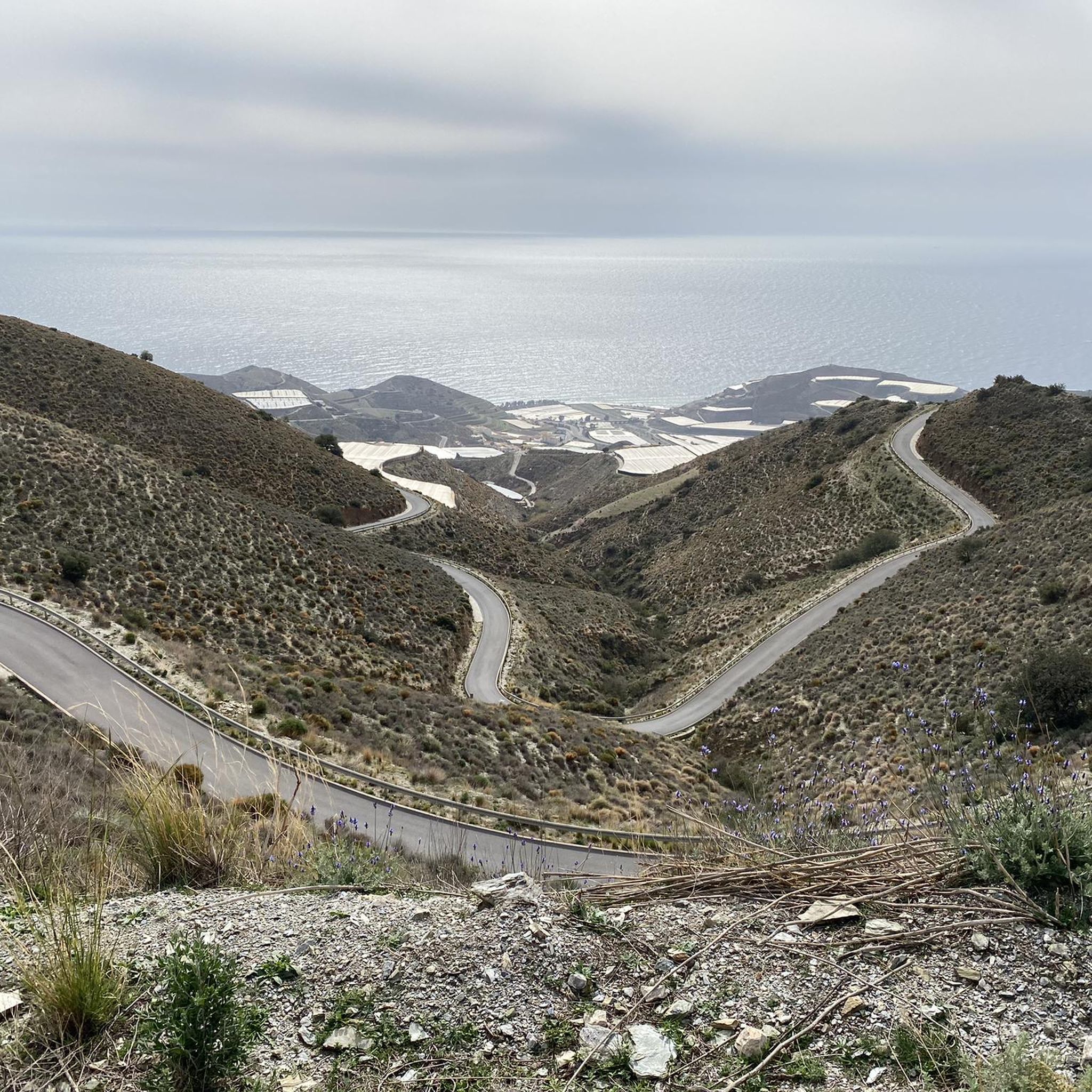
This cave is to the southwest of the Sierra de Lujar, just going down from the llama de los pozos or going up from La Fábrica Rey, passing through the Cueva de las Palomas. Warning, once we go up from the Cueva de las Palomas we enter a private estate. Although the pass is not closed, it must be taken into account once we pass the private farm sign there is a very steep area and after two km we are in the Melero cave.
0
0
Rockroses, male rosemary, torvizco shrubs, junipers, small olive trees, wild olive trees, thyme, broom, espartal grass and many other species typical of a coastal ecosystem, which receives a high level of humidity, with real surprises among its most characteristic species. This is the case of Teucrium rixanense, whose name refers to the Rijana and is considered an endemic species of this small territory, where it is also possible to find Mediterranean orchids, some of them very rare.
1
0
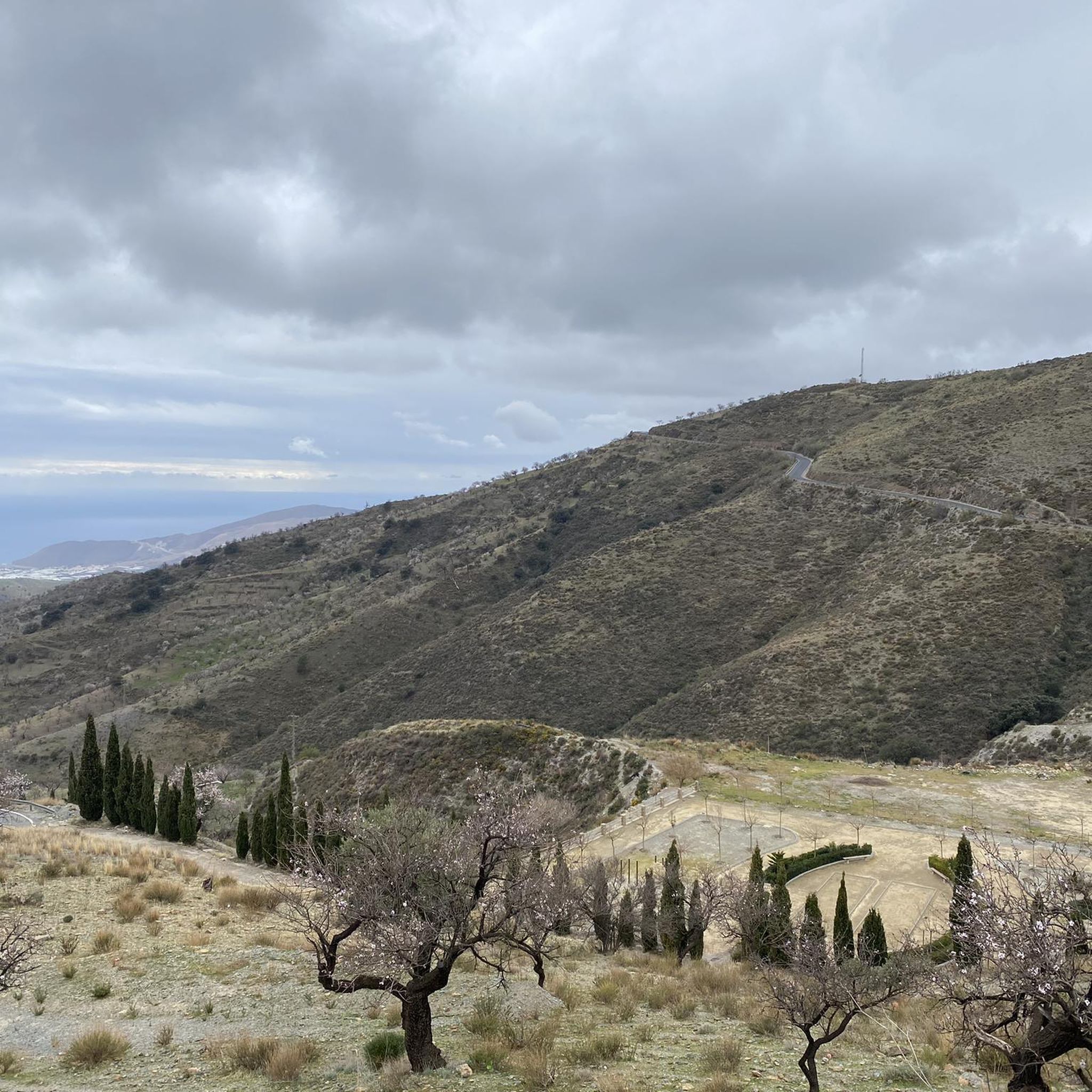
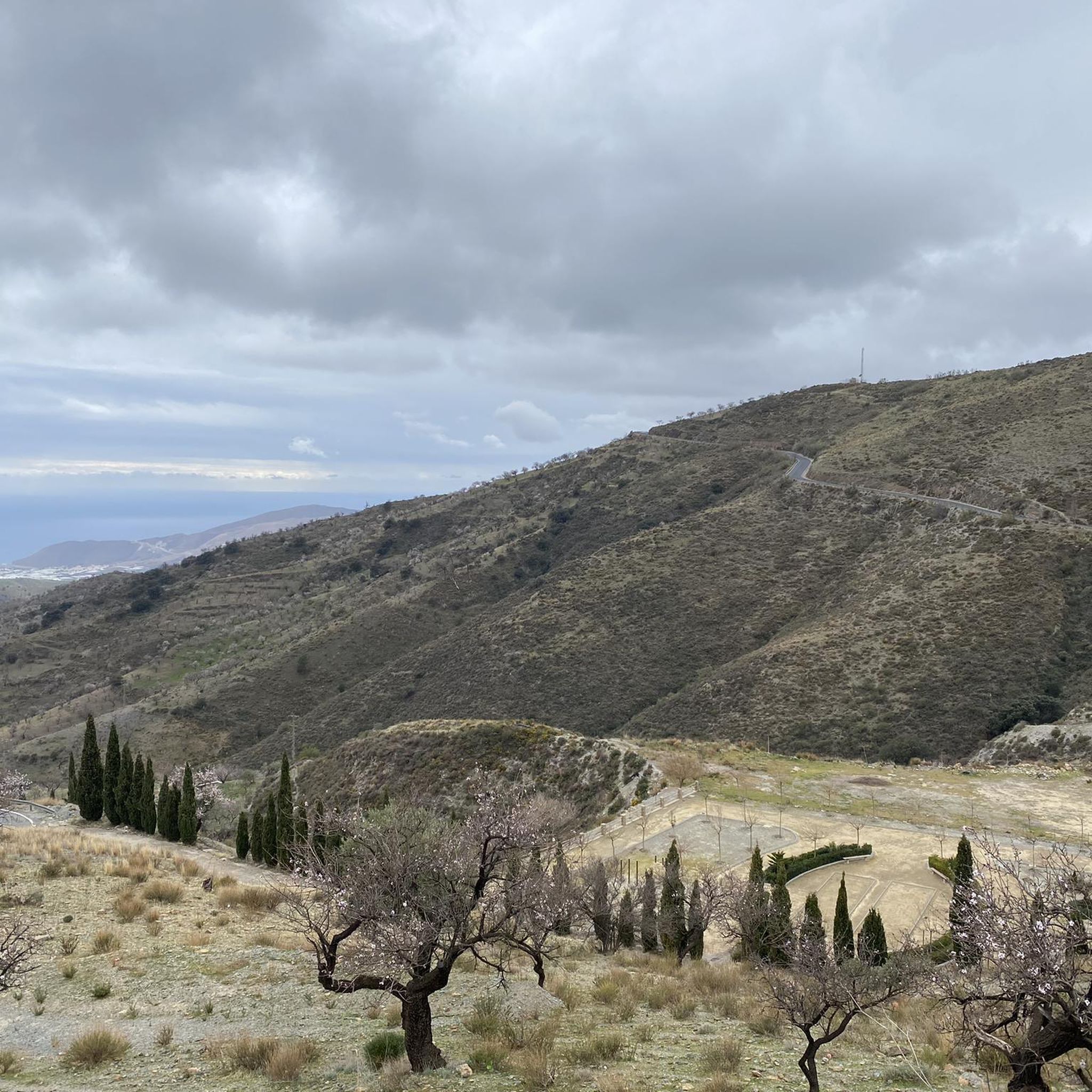
Going up to the Águila peak is one of the most attractive and easy routes that can be done on the eastern coast of Granada, since it combines landscape, with impressive views of both the marine strip and the interior, with the Lújar and Contraviesa mountains, and They show a sequence of ecosystems that are part of the purest thermo-Mediterranean and Mesomediterranean bioclimatic floor in the highest areas. From the road between Gualchos and El Conjuro, a little more than two kilometers away, there is a lane that connects directly with the trails to the highest peak on the Granada coast. Only 1.5 kilometers that show slopes cultivated with almond trees and areas of esparto trees where the original ecosystem degraded by the passage of time and climate emerges. After the lane, the path continues towards an old disused shooting range, a point where the calar begins, an ecosystem of limestone rocks and marble that becomes karstic towards the highest point of the Águila summit.
1
0
The osprey was habitual on the cliffs located between Calahonda and Castell de Ferro and its flights over the sea and the summits of the surrounding hills gave its name to the highest of the watchtowers that dominate the coast, the Pico del Águila, located on the town of Gualchos, a hill that rises between two ravines that flow into Rijana and Rijanilla, two anchorages used since the dawn of navigation and especially by the Romans and the first Umayyads to arrive on the Peninsula. The peak is the great vantage point from which you can see the entire eastern coastline of Granada and the rocky cliffs and cliffs that plunge down to the Calahonda and Carchuna delta, a karstic area, a cove of rocks sharpened by the wind, which They generate a peak on the ridged orography of the hill. settlers It is a territory in which the last Roman settlers of the coast of Granada sought refuge, forgotten by Rome at the time of the fall of the Empire.
1
0
In the Olias ravine are these caves formerly used as corrals.
1
0
Going down from the town of Olias we cross a ravine that some times of rain drags a large part of water and stone in this same place following the route of the boulevard we find some caves formerly used in said ravine of Olias as corrals for cattle because right here we can visit several caves in the same ravine.
0
0
This cave is by the Sierra de Lujar in a place known as the King's factory
0
0
Frequently Asked Questions
What types of caves can I explore around Rubite?
Around Rubite, you can find a variety of caves, including natural geological formations and historical sites. Some were used as shelters or corrals, while others offer panoramic views or unique natural features. For example, Olías Caves were historically used as corrals, and Pico del Águila is a historical site with a cave that also offers a 360° panoramic view.
Are there any caves with historical significance near Rubite?
Yes, several caves around Rubite have historical significance. Pico del Águila is notable as a refuge for Roman settlers. The Olías Caves and Lagos Caves were both formerly used as corrals, reflecting past agricultural practices in the region. Further afield, the Sacromonte Caves in Granada are famous for their historic cave dwellings and connection to flamenco culture, and the Caves of Guadix showcase a long-standing troglodyte community.
What natural features can I expect to see in the caves around Rubite?
The caves around Rubite offer diverse natural features. Cave of the Doves, located in the Sierra de Lujar, is known for housing several families of stock dove and turtle dove, and is near an area rich in anthrasite mineral deposits. While Rubite's local caves are more about historical use and viewpoints, the broader Granada province features natural wonders like the Cueva del Agua Alfaguara, renowned for its spectacular stalactites and stalagmites.
What is the best time to visit the caves and surrounding areas near Rubite?
The best time to visit the caves and explore the outdoor areas around Rubite is generally during the spring (April-May) and autumn (September-October) months. During these seasons, the weather is typically mild and pleasant for hiking and outdoor activities, avoiding the intense heat of summer and the cooler, potentially wetter conditions of winter. This allows for comfortable exploration of both the caves and the scenic routes nearby.
Are there any challenging caves for experienced explorers near Rubite?
Yes, for those seeking a more challenging experience, Melero Cave is noted as a challenging cave. It is located southwest of the Sierra de Lujar and involves a very steep area after passing a private farm sign. Accessing it requires navigating a demanding route, often passing by Cave of the Doves.
What outdoor activities can I do near the caves around Rubite?
The region around Rubite offers a variety of outdoor activities. You can find numerous trails for cycling, running, and mountain biking. For example, there are challenging cycling routes like the 'Lújar – Caseta Forestal del Conjuro loop' and moderate running trails such as the 'El Lance loop'. You can explore more options on the Cycling around Rubite, Running Trails around Rubite, and MTB Trails around Rubite guide pages.
Are there any caves that offer panoramic views?
Yes, Pico del Águila is a summit and historical site that offers a spectacular 360° panoramic view. From this vantage point, you can see the horizon, including the coastline, and on clear days, even the Moroccan coast. It's a great spot to combine cave exploration with breathtaking scenery.
Are there any family-friendly caves or activities near Rubite?
While the caves directly in Rubite are more about historical exploration and natural settings, the broader region offers family-friendly cultural experiences. The Sacromonte Caves Museum in Granada, for instance, provides an educational and engaging look into traditional cave dwellings, which can be fascinating for families. For outdoor activities, many of the running and cycling routes around Rubite offer moderate sections suitable for families, which can be combined with a visit to a cave.
What are the unique geological features of the Rubite region?
The Rubite region is characterized by its mountainous terrain and proximity to the coast, leading to diverse geological formations. The area is known for its karstic landscapes, which contribute to the formation of its caves. For example, the Sierra de Lujar, where the Cave of the Doves is located, is an area where anthrasite mineral deposits can still be found, indicating a rich geological history.
Where can I find accommodation or dining options near the caves in Rubite?
Rubite and its surrounding villages offer various options for accommodation and dining. You can find local restaurants and cafes in Rubite town center and nearby communities. For specific recommendations on places to stay or eat, it's best to check local listings or inquire in the villages themselves, as options can vary.
Are there any caves in the wider Granada province that are worth visiting from Rubite?
Absolutely. While Rubite itself has local caves, the Granada province offers several unique cave experiences. The Sacromonte Caves in Granada City are famous for their cultural significance as traditional Romani cave dwellings and flamenco venues. The Cueva del Agua Alfaguara in Sierra de la Alfaguara is a spectacular natural cave with impressive geological formations. Additionally, the Caves of Guadix are renowned for their extensive network of inhabited cave houses, offering a glimpse into a unique troglodyte lifestyle.
Most popular attractions around Rubite

Get inspired with the komoot mobile app


Explore more
Extend your search for the best caves by checking out these guides of the top ones around Rubite:
