Top 6 Caves around Pasaia
Best caves around Pasaia are found within a region characterized by its coastal landscapes, maritime heritage, and proximity to the Aiako Harria Natural Park. The area offers a diverse geological environment, including ancient mines, unique rock formations, and natural caverns. These underground sites provide insights into the region's natural history and geological processes. The Basque Country, encompassing Pasaia, features significant cave systems with both natural beauty and archaeological importance.
Best caves around Pasaia
- The most popular caves is Aitzondo Waterfall…
Last updated: May 7, 2026
Aitzondo Waterfall
Highlight • Waterfall
Translated by Google •
Tip by

Peña de Ataloi
Highlight • Natural Monument
Translated by Google •
Tip by

Sign up now to discover places like this
Get recommendations on the best single tracks, peaks, & plenty of other exciting outdoor places.
Sign up for free
Valley of Colors (Valle de los Colores)
Highlight • Natural Monument
In this magical place, you can enjoy numerous geoforms and a variety of colors in the rocks.
Translated by Google •
Tip by

Muganix Summit (758 m)
Highlight • Summit
Translated by Google •
Tip by
Kontxa Cave
Highlight • Cave
Translated by Google •
Tip by
Sign up for free to discover even more caves around Pasaia.
Sign up for free
Already have an account?
Start today with a free account
Your next adventure awaits.
Login or Signup


Other adventures around Pasaia

Tips from the Community

The path branches off from the main trail and is unfortunately now completely overgrown.
0
0

Access to the foot of the waterfall is dangerous and from the path, you can't see much ☹️
0
0

BEAUTIFUL TRAIL WITH ULIA CLIFFS
0
0

This wonder of nature is one of the numerous geoforms that you can find in the Valley of Colors. To get there you will have to deviate a little from the trail, but it is worth it.
0
0
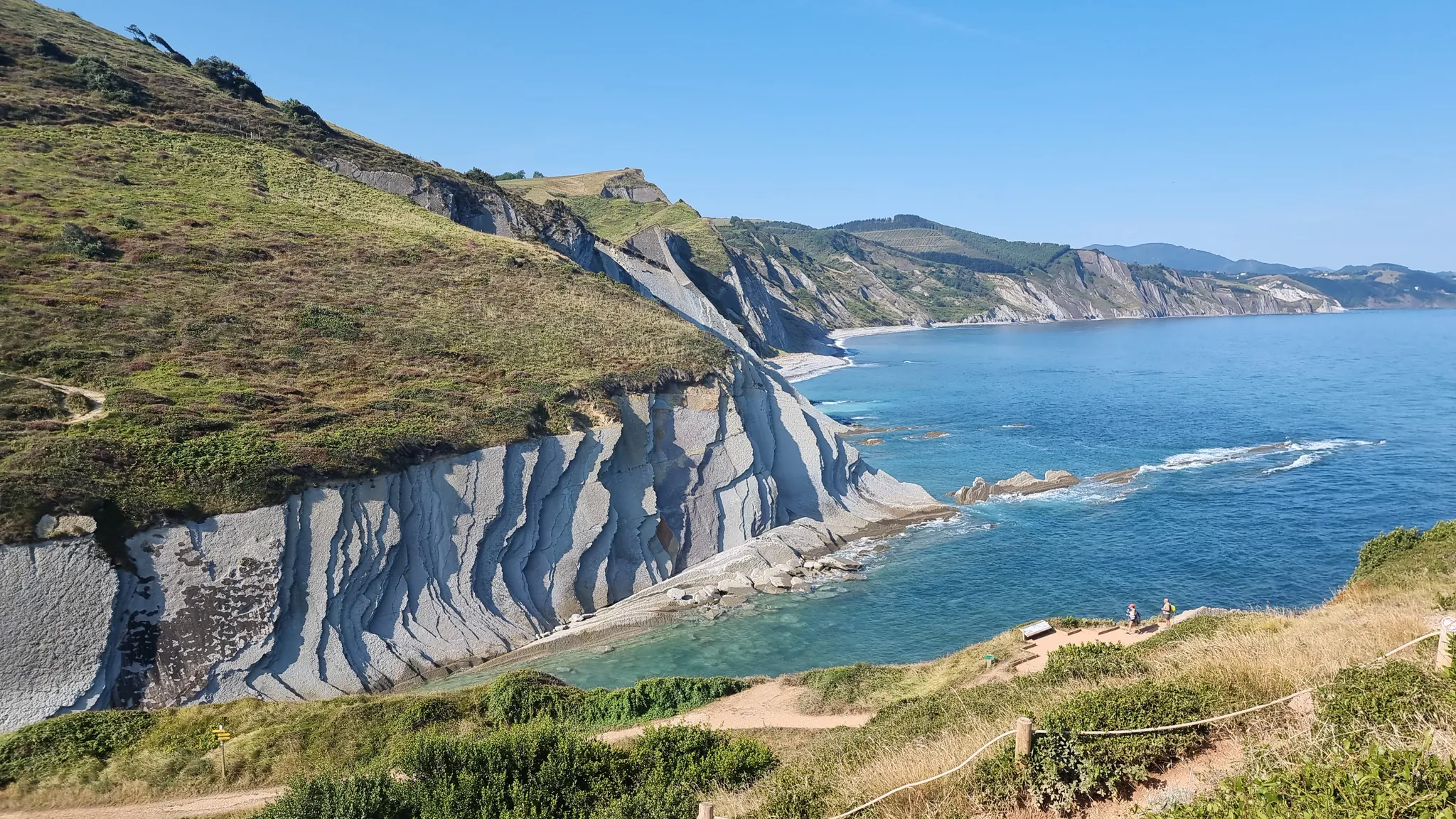
The Valley of Colors is an authentic open-air museum, where you will discover the magic that erosion can create over millions of years. In this magical place, you can enjoy numerous geoforms and a variety of colors in the rocks.
1
0

The Aitzondo waterfall is located in the Aiako Harria natural park, at the western end of the Pyrenees. This waterfall is one of the largest in Guipuzcoa, with a drop of 140 meters that ends in a small pond.
1
0

One of the peaks of Peñas de Aia is home to the Junkal cave, a cavity that is the object of mountain celebrations.
4
0
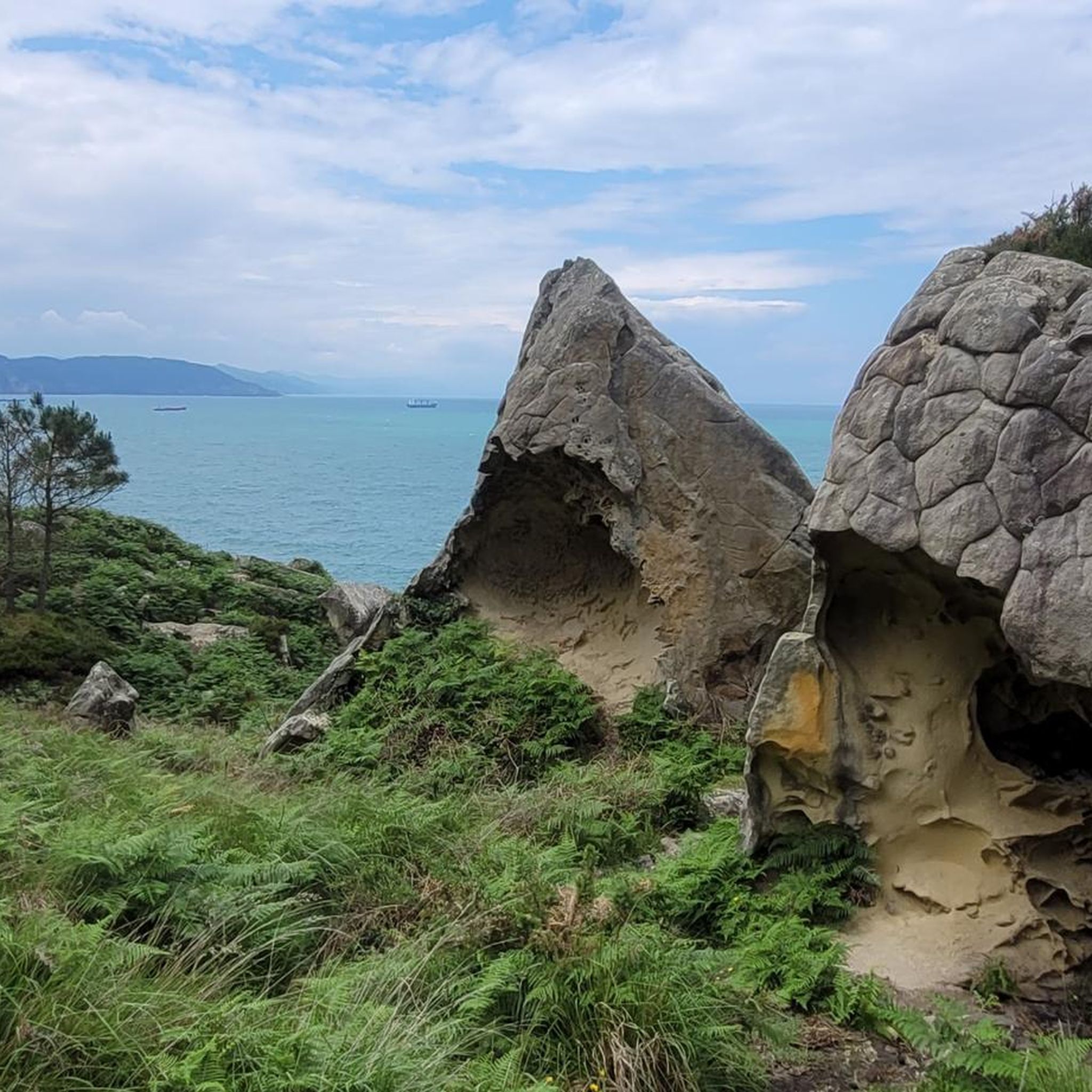
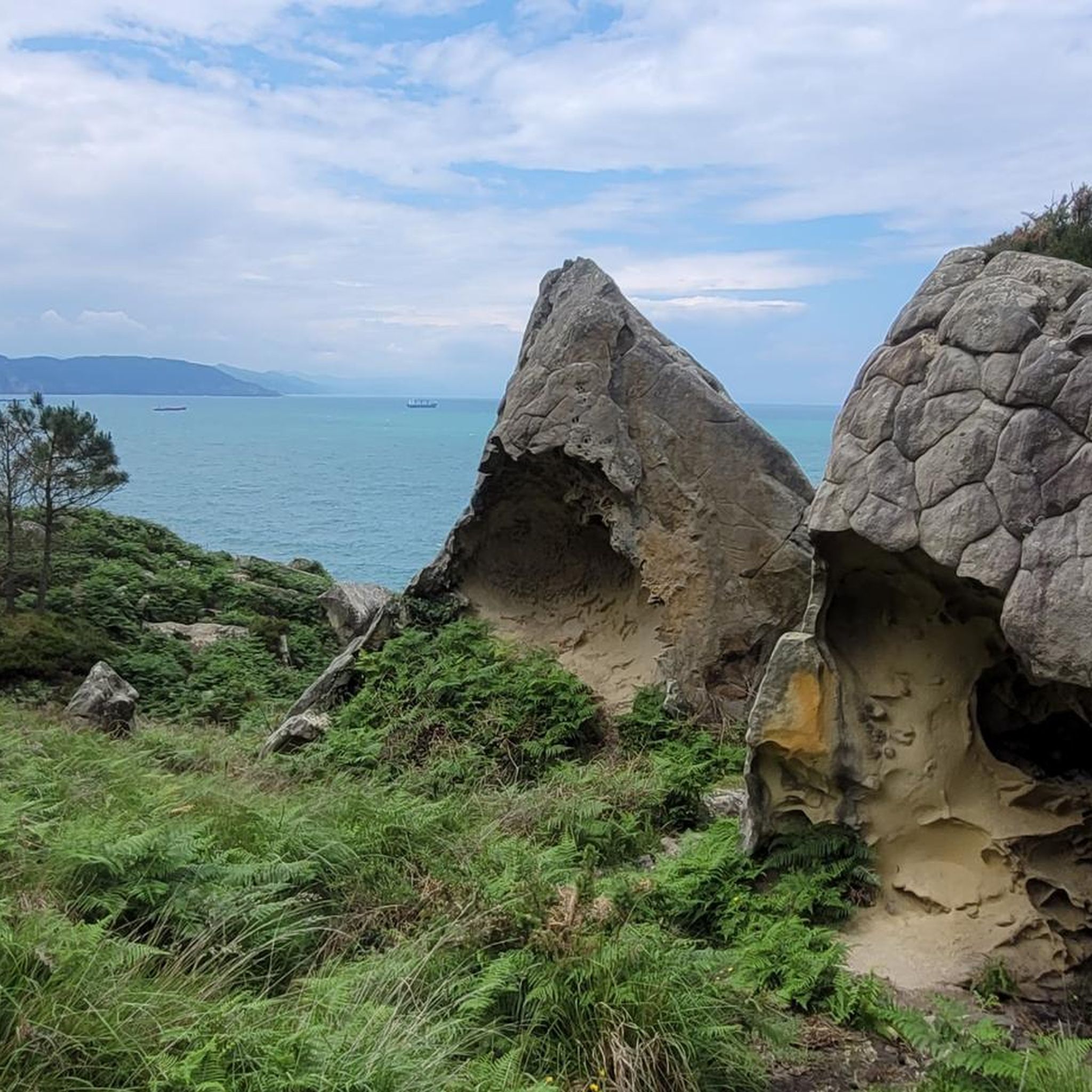
On the coastal path of the route to the cliffs of Mount Ulia in San Sebastian we come across the Peña de Ataloi, this strange and beautiful rock formation in the shape of a cave that melts in your hands.
1
1
Frequently Asked Questions
What unique natural features can I expect to see in the caves around Pasaia?
The region offers a variety of geological wonders. For instance, the Valley of Colors (Valle de los Colores) is an open-air museum where erosion has sculpted numerous geoforms and vibrant rock colors, including stunning sandstone caves. You can also find distinctive rock formations like Peña de Ataloi, which resembles a cave along the coastal path of Mount Ulia.
Are there any caves near Pasaia with historical or archaeological significance?
While Pasaia itself is more known for natural formations, the broader Basque Country offers significant historical caves. The Arrikrutz Caves in Oñati are famous for archaeological remains of prehistoric animals. The Santimamiñe Caves in Urdaibai Biosphere Reserve are renowned for their 14,000-year-old rock paintings (accessible via a replica and visitor center). Additionally, the Mines of Arditurri in Oiartzun offer a journey through ancient Roman silver mines.
Which caves around Pasaia are suitable for families with children?
For a family-friendly experience, the Valley of Colors (Valle de los Colores) is an excellent choice, allowing children to marvel at unique geoforms and colorful rocks. The Aitzondo Waterfall area also features caves along the path to the falls, offering an engaging natural exploration. For a more structured educational experience, the Ekainberri replica cave provides an accessible way to see prehistoric art.
What outdoor activities can I combine with a visit to the caves near Pasaia?
The area around Pasaia is ideal for various outdoor activities. You can explore numerous hiking trails, such as those found in the Hiking around Pasaia guide, which includes routes like the Talaia Route. Gravel biking is also popular, with routes detailed in the Gravel biking around Pasaia guide. Many of these routes pass by or near natural landmarks and viewpoints, enhancing your cave exploration with scenic views.
Are there any accessible caves for visitors with disabilities near Pasaia?
While not directly in Pasaia, the Pozalagua Caves in Karrantza Valley (Bizkaia) are notable for their accessibility. They offer an hour-long visit into a unique underground world and are specifically designed to be accessible for people with disabilities, making them a great option in the broader region.
What is the best time of year to visit the caves around Pasaia?
The caves in the Basque Country can generally be visited year-round. However, for outdoor exploration and combining cave visits with hiking or other activities, spring (April-June) and autumn (September-October) offer pleasant temperatures and fewer crowds. Summer can also be a good time, especially for coastal caves, but expect more visitors.
Where can I find caves that are part of a larger natural park or protected area?
The Aitzondo Waterfall and its accompanying caves are located within the Aiako Harria Natural Park. Further afield, the Arrikrutz Caves are situated within the Aizkorri-Aratz Natural Park, and the Santimamiñe Caves are found in the Urdaibai Biosphere Reserve. These locations offer opportunities to explore caves within a broader natural context.
What are some of the most impressive geological formations I can see in the region's caves?
The Pozalagua Caves are globally significant for having the highest concentration of helictites, which are eccentric stalactites that grow in unusual directions, creating intricate shapes. The Valley of Colors (Valle de los Colores) showcases stunning geoforms and varied rock colors formed by millions of years of erosion, including unique sandstone caves.
Are there any caves near Pasaia associated with local folklore or legends?
The Zugarramurdi Caves, often called the 'Witches' Caves,' near the French border, are famous for their association with historical witchcraft trials. This large, open cave system offers a fascinating blend of natural beauty and local folklore, providing a unique cultural experience.
What do visitors enjoy most about exploring the caves and natural features near Pasaia?
Visitors frequently appreciate the stunning natural beauty and unique geological formations. The coastal path leading to Peña de Ataloi is described as a 'beautiful trail with Ulia cliffs.' The Valley of Colors (Valle de los Colores) is celebrated as an 'authentic open-air museum' where erosion creates magic. The sense of discovery and connection to nature are common themes.
Are there any caves that offer a glimpse into prehistoric human presence?
Yes, the Santimamiñe Caves in the Urdaibai Biosphere Reserve are renowned for their significant rock paintings, depicting bison, horses, and deer from over 14,000 years ago. While the original cave is protected, a replica and visitor center allow you to experience this prehistoric art. The Isturitz and Oxocelhaya Caves in the French Basque Country also offer an incredible journey into the prehistoric universe with archaeological finds and impressive rock art.
Most popular routes around Pasaia
Most popular attractions around Pasaia

Get inspired with the komoot mobile app


Explore more
Extend your search for the best caves by checking out these guides of the top ones around Pasaia:
