Top 5 Lakes around Almodóvar Del Campo
Best lakes around Almodóvar Del Campo are characterized by the region's unique volcanic landscapes and geological formations. The area features various volcanic enclaves, including maars and strombolian volcanoes, some of which host ephemeral lagoons. This geological foundation contributes to a distinctive natural environment, offering insights into the region's past. The municipality is situated amidst cultivation fields and mountains, providing diverse natural areas for exploration.
Best lakes around Almodóvar Del Campo
- The most popular lakes is Maar and Strombolian volcano of…
Last updated: June 6, 2026
Maar and Strombolian volcano of Almodóvar del Campo
Highlight • Volcano
Translated by Google •
Tip by

Argamasilla de Calatrava
Highlight • Settlement
Translated by Google •
Tip by
Sign up now to discover places like this
Get recommendations on the best single tracks, peaks, & plenty of other exciting outdoor places.
Sign up for free
Laguna Blanca
Highlight • Lake
Translated by Google •
Tip by
Laguna de la Carrizosa
Highlight • Lake
Translated by Google •
Tip by
Start today with a free account
Your next adventure awaits.
Login or Signup

Tips from the Community

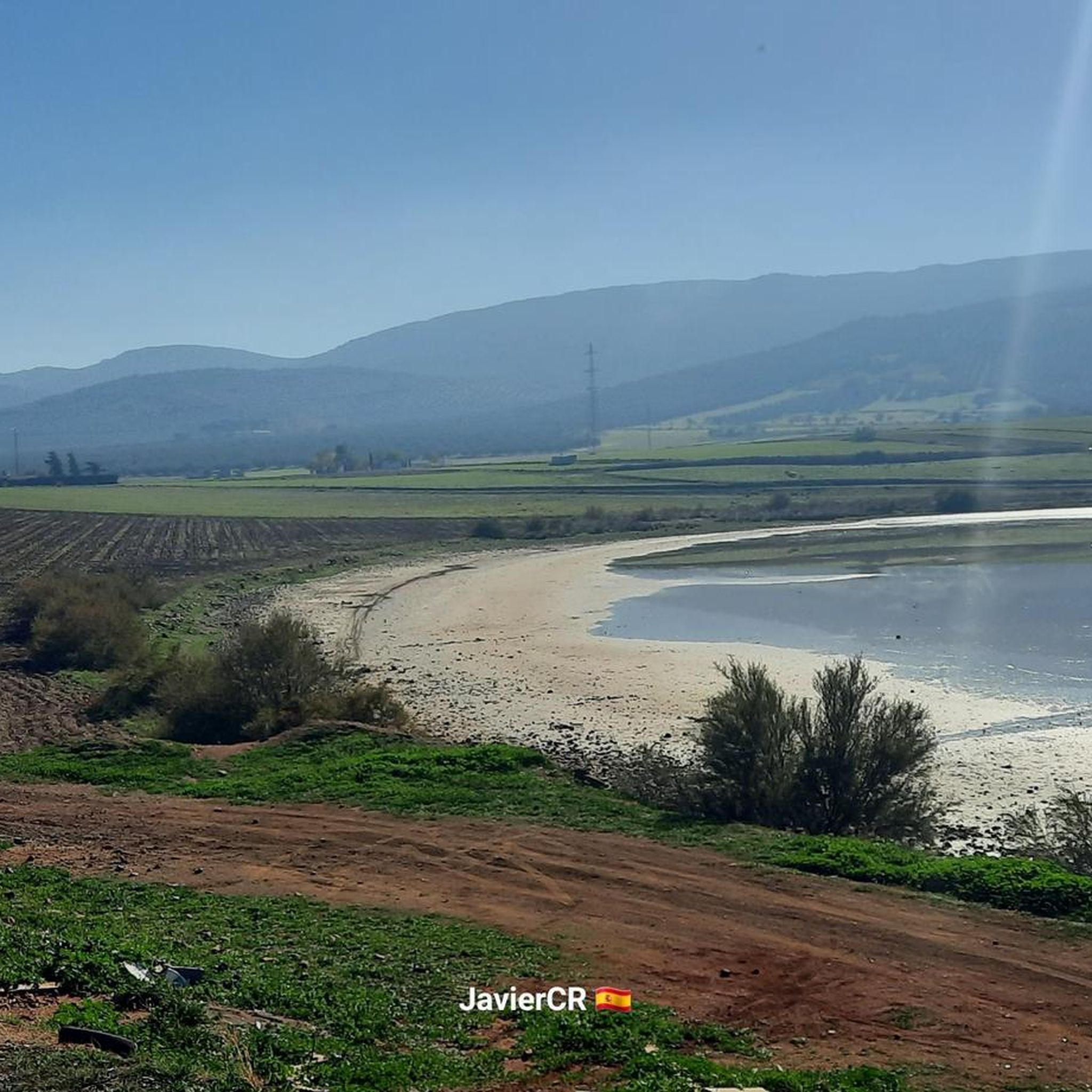
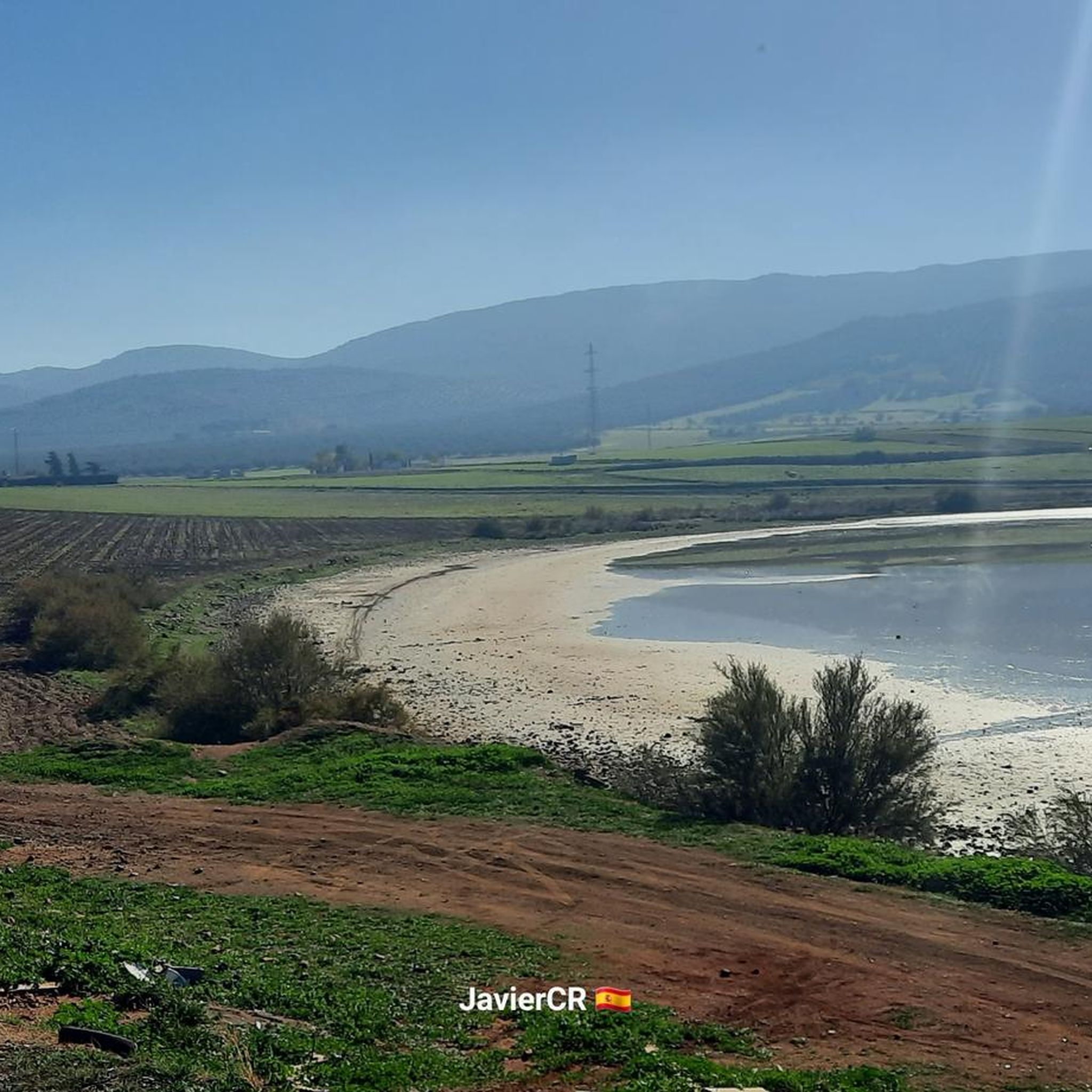
The Laguna Blanca in Argamasilla de Calatrava is an interesting natural formation. It was created by volcanic explosions that created depressions filled with rainwater1. This lagoon is known for the whitish colour of its waters, a result of the minerals present in the soil, such as bicarbonate and sodium sulphate. It is an excellent place for bird watching, as many species choose it as a stopover, resting or nesting point. In addition, the area around the lagoon has archaeological remains dating back to the Paleolithic, which adds historical value to the place.
22
0
The Laguna de la Carrizosa is located near the town of Cabezarados, in the province of Ciudad Real. It is a small lagoon of volcanic origin, known as a maar, which was formed due to eruptive phenomena that created impermeable soils. This seasonal lagoon is especially interesting for its botanical wealth and the diversity of aquatic birds that inhabit it, such as the red-crested pochard and the black-necked grebe. During the summer months, the lagoon usually dries up, but during rainy seasons it fills up, offering an important refuge for many species.
17
0
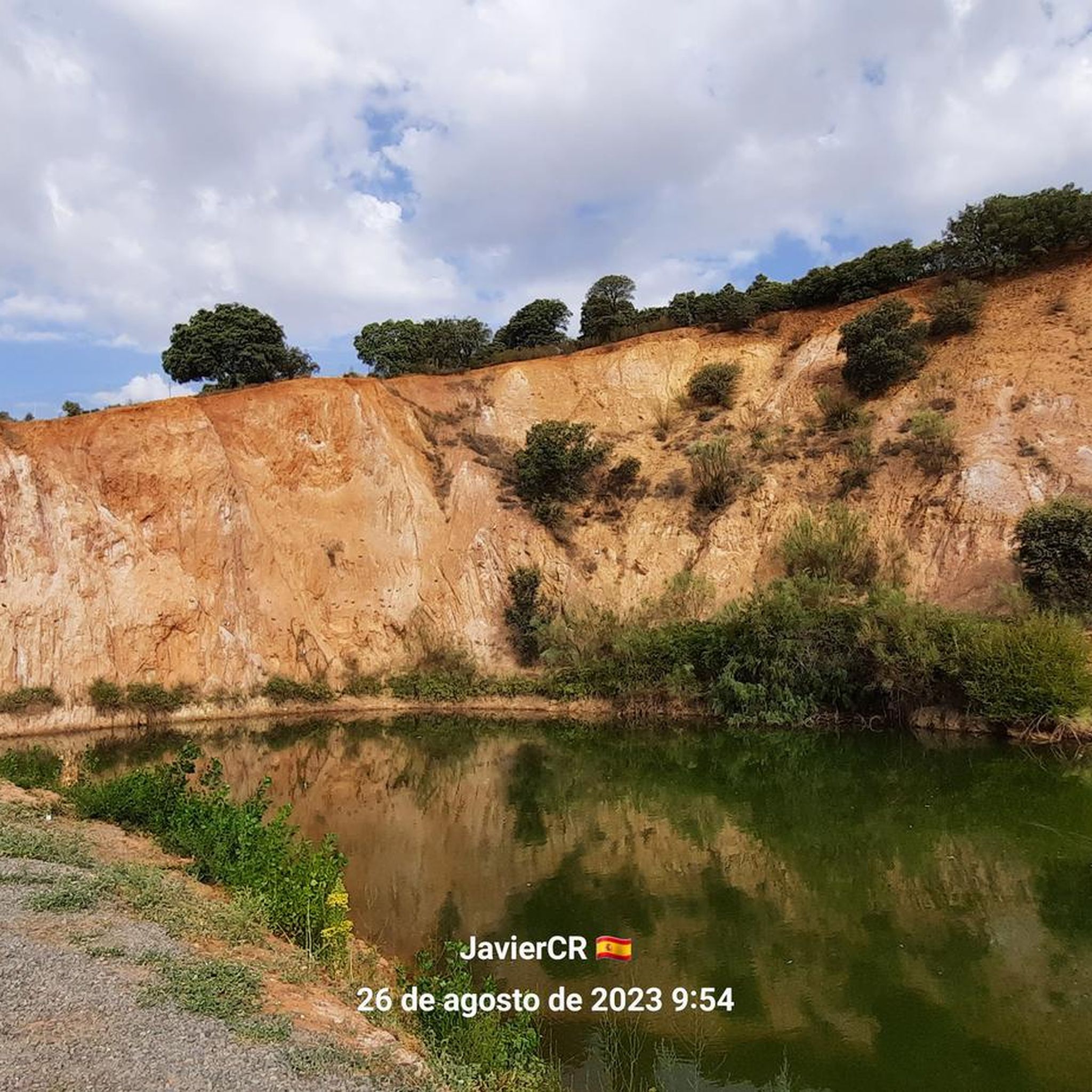
It is formed by a Strombolian volcanic cone of pyroclasts, and due to the quarry in it, its internal structure is exposed. Attached to the foot of this volcano is the Almodóvar maar, which is a phreatomagmatic explosion crater that erupted at the edge of the Paleozoic series, cutting a substrate of hard lithology and destroying part of the previous volcano. The maar crater is funnel-type (hard-type substrate) and houses an ephemeral lagoon inside. In its southern and eastern contour the maar has a ring of tuffs, with pyroclastic facies. The phreatomagmatic deposits of the maar ring are located on a Cenozoic red colluvium. The main interest is of a volcanological (petrological) type and as a secondary interest the geomorphological interest stands out.
28
0
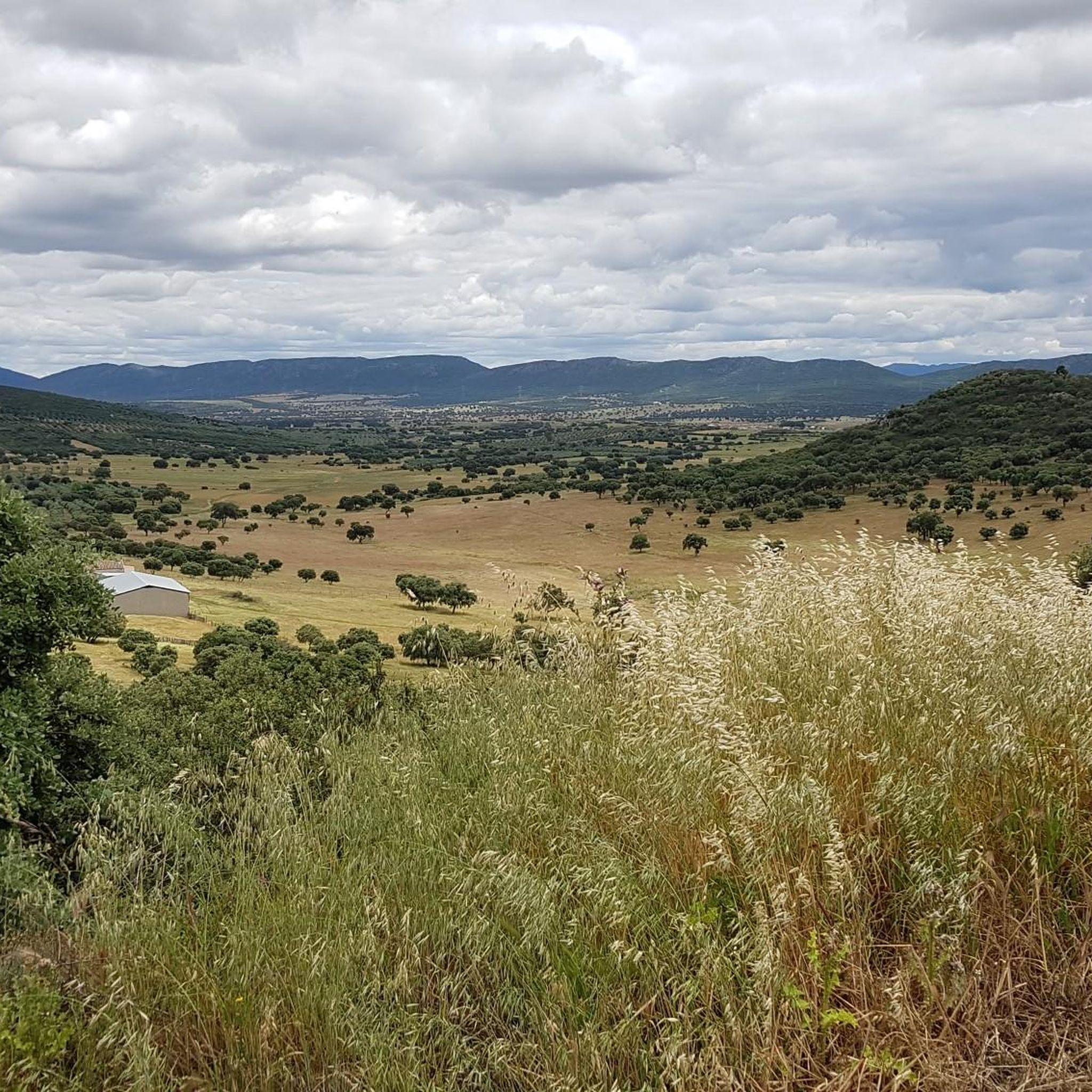
It is a small municipality located in a small valley of the Tirteafuera river, a tributary of the Guadiana, and is surrounded by small mountains next to the Calatrava Massif. In addition, in its municipal term, there are outcrops and volcanic lagoons.
26
0

Argamasilla de Calatrava is a town in the province of Ciudad Real, in the Campo de Calatrava region, in the autonomous community of Castilla - La Mancha. The first settlers of the area are from the Paleolithic era, having found traces of their presence in a place known as Laguna Blanca. Remains from the Iron Age and mortar constructions of Roman origin have also been found. In the urban area there are also Visigothic Roman remains, and it is thought that the origin of the modern population is in a small fort built around a tower, after the battle of Las Navas de Tolosa (1212). The heritage of Argamasilla de Calatrava includes the church of Santa María la Mayor (16th century), the hermitage of the Virgen del Socorro (16th century), the palace house of the Inquisition (17th and 18th centuries), the communal patio house (17th XVI), a perfect example of the Castilian communal house, or the old laundry room (18th and 19th centuries). Also noteworthy is the alcohol factory, built between the end of the 19th century and the beginning of the 20th century, in a neo-Gothic industrial modernist style. From the point of view of natural heritage, the Laguna Blanca stands out, an ancient wide and low volcanic crater, of great scenic and ornithological beauty.
6
0
Frequently Asked Questions
What are the main lakes and water bodies near Almodóvar del Campo?
The region around Almodóvar del Campo features several unique water bodies, primarily of volcanic origin. Key sites include the Maar and Strombolian volcano of Almodóvar del Campo, which houses an ephemeral lagoon, and Laguna Blanca near Argamasilla de Calatrava, known for its whitish waters. Further afield, the Embalse de la Cabezuela offers permanent waters for recreation, and Laguna de la Carrizosa is a seasonal volcanic lagoon important for birdlife.
What unique natural features characterize the lakes in this region?
The lakes and water bodies near Almodóvar del Campo are primarily characterized by their volcanic origins. Many are 'maars,' which are craters formed by phreatomagmatic explosions, often containing ephemeral or seasonal lagoons. This geological history results in distinctive landscapes and, in the case of Laguna Blanca, unique water compositions with whitish, subsaline waters due to mineral content.
Are there hiking or walking trails around the lakes near Almodóvar del Campo?
Yes, the region offers opportunities for hiking and walking. While some volcanic sites like the Maar and Strombolian volcano of Almodóvar del Campo are more for geological observation, areas like the Embalse de la Cabezuela are valued for hiking and cycling tourism. You can find various routes in the broader area, including easy to moderate trails. For more detailed hiking options, explore the Hiking around Almodóvar Del Campo guide.
What outdoor activities can I do near these lakes?
Beyond geological exploration, the lakes and reservoirs offer various outdoor activities. The Embalse de la Cabezuela is popular for sport fishing, canoeing, hiking, and cycling. Birdwatching is a significant activity at several locations, including the Embalse de la Cabezuela, Laguna Blanca, and Laguna de la Carrizosa. For more active pursuits, consider checking out the Road Cycling Routes around Almodóvar Del Campo or Running Trails around Almodóvar Del Campo.
Are the lakes around Almodóvar del Campo family-friendly?
Yes, some areas are suitable for families. Laguna Blanca, for example, has a recently installed viewpoint and picnic areas, making it a pleasant spot for nature observation with children. The Embalse de la Cabezuela also offers recreational activities that families can enjoy together, such as gentle walks and birdwatching.
What is the best time of year to visit the lakes near Almodóvar del Campo?
The best time to visit depends on your interests. For birdwatching, spring and autumn are ideal as many species use these lagoons as passage, resting, or nesting areas. During rainy seasons, ephemeral and seasonal lagoons like Laguna de la Carrizosa are more likely to be full, showcasing their botanical wealth and attracting aquatic birds. Summers can be hot, and some seasonal lagoons may dry up.
Are there good viewpoints at the lakes?
Yes, at Laguna Blanca in Argamasilla de Calatrava, a recently installed viewpoint enhances the visitor experience, offering excellent opportunities for nature and bird observation. While other sites are more focused on geological interest, the overall landscape provides scenic views of the volcanic formations and surrounding natural areas.
How accessible are the lakes, and is there parking available?
Access varies by location. The Embalse de la Cabezuela has easily accessible shores, making it convenient for visitors. Laguna Blanca is approximately a 16-minute drive from Almodóvar del Campo and typically has parking facilities given its picnic areas. For the Maar and Strombolian volcano of Almodóvar del Campo, access for research may require permission, and an active quarry impacts its visual appeal, suggesting less direct public access for casual visits.
Can you swim in the lakes near Almodóvar del Campo?
While the Embalse de la Cabezuela is highly valued for recreational activities like sport fishing and canoeing, explicit information about swimming is not consistently available for all water bodies. Volcanic maars and ephemeral lagoons often have unique water compositions or are seasonal, making them less suitable for swimming. It's always best to check local regulations and conditions before planning to swim.
Are there historical or archaeological sites near the lakes?
Yes, the area boasts historical significance. Near Laguna Blanca, archaeological remains dating back to the Paleolithic era have been found, adding historical value to the natural site. The nearby settlement of Argamasilla de Calatrava also has a rich heritage, with traces from the Iron Age, Roman constructions, and a historical urban area featuring a 16th-century church and other notable buildings.
What kind of birdwatching opportunities do the lakes offer?
The lakes and reservoirs are significant for birdwatching, especially during migratory seasons. The Embalse de la Cabezuela attracts diverse aquatic and migratory species, including the Great Cormorant, Grey Heron, Western Marsh Harrier, Mallard, and Black-winged Stilt. Laguna Blanca and Laguna de la Carrizosa are crucial spots for bird observation, serving as passage, resting, or nesting areas for various species, including the red-crested pochard and black-necked grebe.
Most popular routes around Almodóvar Del Campo
Most popular attractions around Almodóvar Del Campo

Get inspired with the komoot mobile app


Explore more
Still not found your perfect lake around Almodóvar Del Campo? Check out the guides of these regions to see even more beautiful places.
