Top 10 Caves around Calders
Best caves around Calders are found within a region characterized by its rugged natural landscape and historical significance. The area features a mix of natural rock formations and cavities, many of which have played a role in local history. These caves are often nestled within mountainous terrain, offering insights into both geological processes and past human activities. The geography includes torrents and hills, shaping a diverse environment for exploration.
Best caves around Calders
- The most popular caves is The Blood…
Last updated: July 31, 2026
The Blood Hospital
Highlight • Cave
Translated by Google •
Tip by

Cau dels Emboscats Cave
Highlight • Cave
Translated by Google •
Tip by

Sign up now to discover places like this
Get recommendations on the best single tracks, peaks, & plenty of other exciting outdoor places.
Sign up for free
Coves del Toll
Highlight • Cave
Translated by Google •
Tip by

Simanya Cave
Highlight • Cave
Translated by Google •
Tip by

Turó de la Cort Fosca
Highlight • Summit
Translated by Google •
Tip by
Sign up for free to discover even more caves around Calders.
Sign up for free
Already have an account?
Start today with a free account
Your next adventure awaits.
Login or Signup
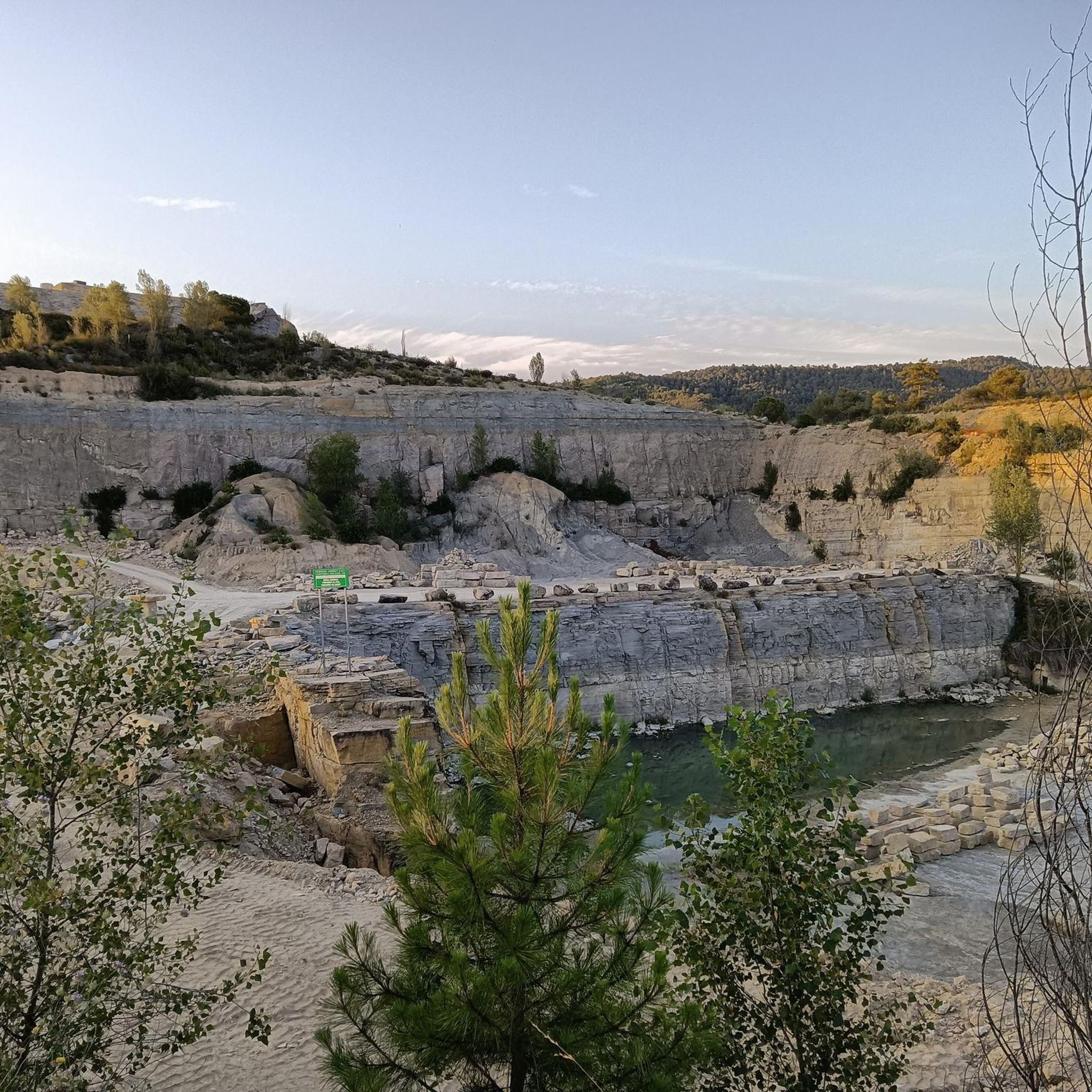
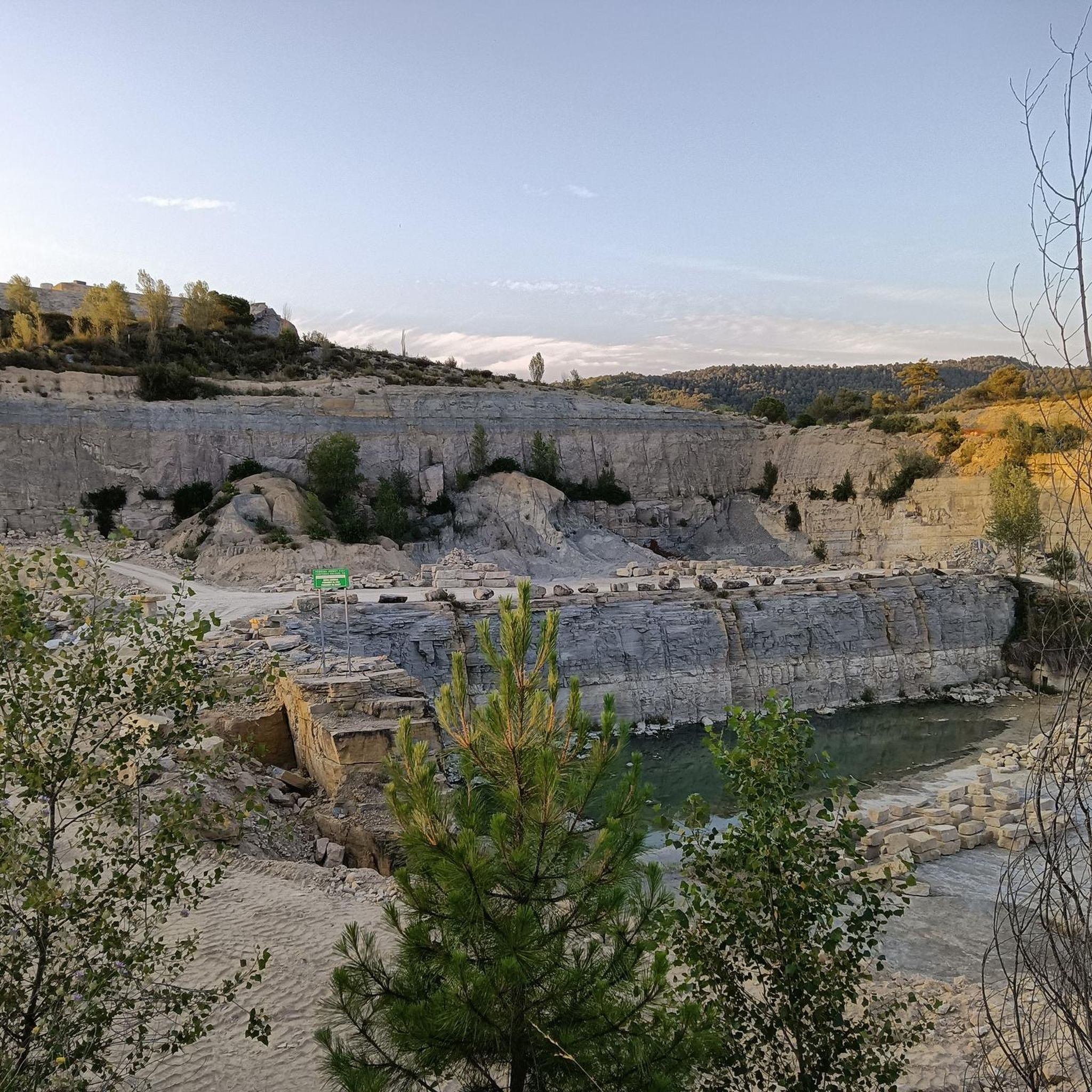
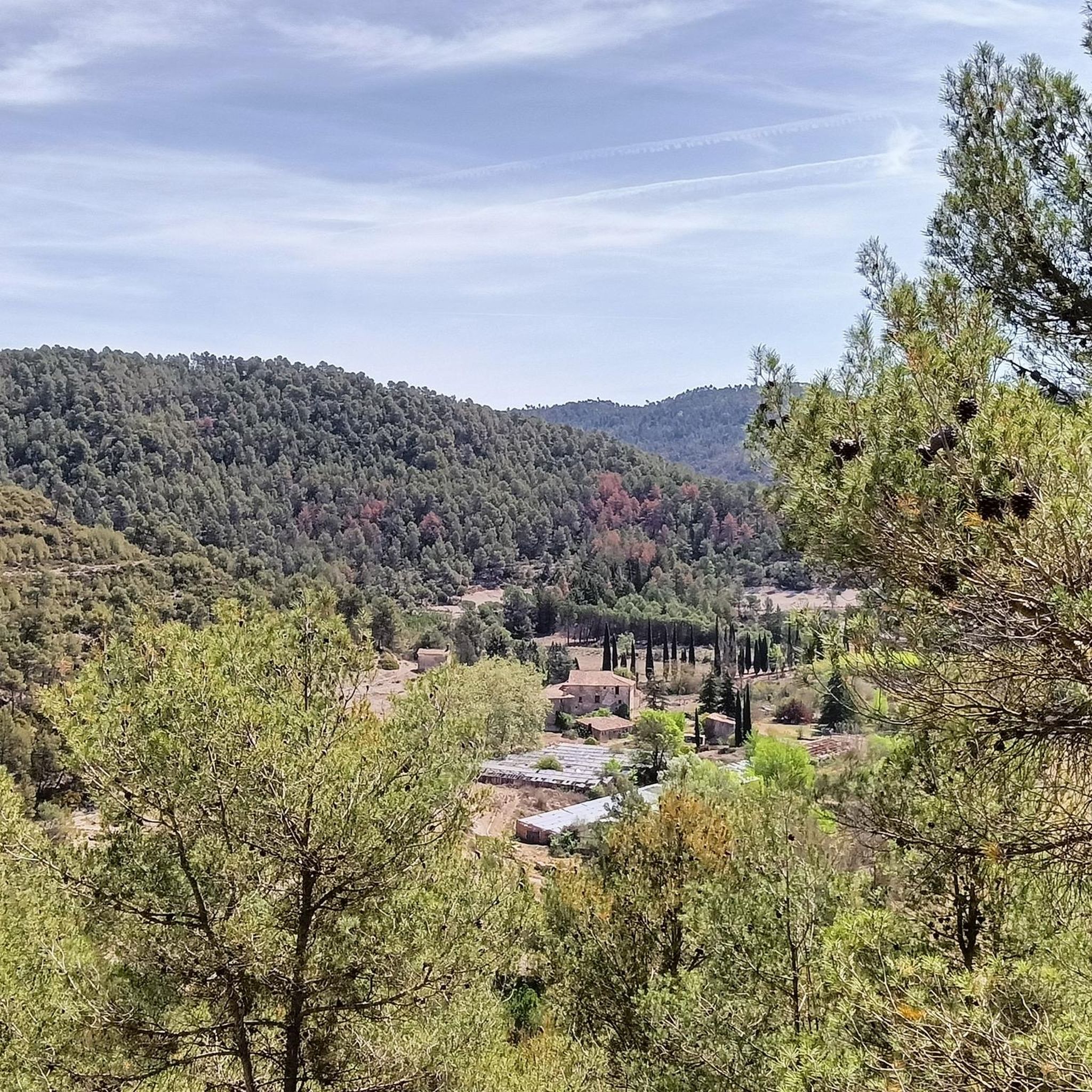
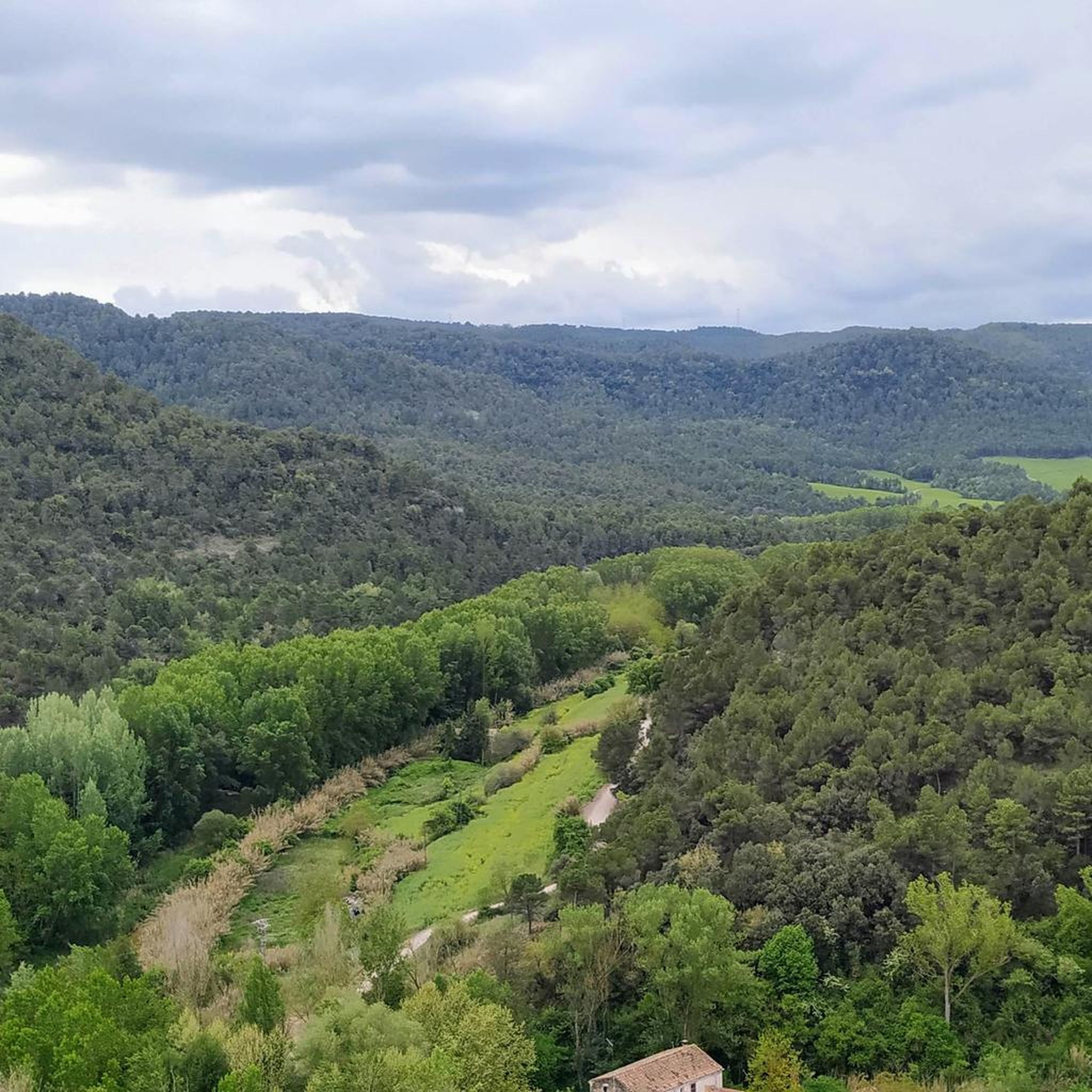
Tips from the Community

La Cova del Toll is a prehistoric cave located in Moià, in the Moianès region. Situated at an altitude of 745 meters, it has a total length of 1148 meters. The part open for visits is 180.55 meters long and is L-shaped. It is one of the richest prehistoric caves in Europe in terms of Quaternary fauna. The guided tour, very well conducted by the professional and geared towards younger visitors, explains in a very detailed and engaging manner part of the history of these caves, their formation, inhabitants, uses, discovery, and findings.
0
0

The Cau dels Emboscats is one of the cavities that served as a refuge during the civil war. Specifically, several people hid from Sant Llorenç Savall. The situation of the cave was kept secret for many years after the end of the conflict. It wasn't until October 28, 1956, that Biel Dalmau, from the Mas de les Oliveres, explained its location and history to Josep Maria Torras Homet. The mouth is very irregular. It opens in the form of a chasm that falls on an inclined floor. Then there is a 2 meter ledge leading to the main gallery parallel to the cliff and about 20 meters long. In the middle of the gallery there is a large window that forms a kind of side room poured into the steeply sloping cliff. The cavity ends in an elbow and a small room, where small stalactite formations and parietal crusts can be observed.
0
0

A landmark of piled stones marks the top of the Cort Fosca Hill (with an altitude of 826 meters) which is located between the Figueret torrent and the Sot de Matarrodona. It receives its number from one of the cavities that exist at its feet, which has a route of 110 meters in length.
1
0
The Simanya cave is the largest cavity in the Sant Llorenç massif, with a length of 372 m and a large and easily accessible entrance with a mouth of more than 10 m. Known and inhabited since ancient times, there are some descriptions of adventurers who penetrated the deepest part, with almost magical descriptions that corroborated local legends of the presence of dragons or underground cities. The first scientific speleological exploration was carried out in 1911, and it was also archaeologically excavated in 1911 and 1930. The entrance gallery is almost 100 m deep. The second branch that goes out to the left, at Pas de l'Oca, is divided into two more galleries. In rainy periods, many pools of water form there, making it difficult to visit. The cave was formed in the first erosive stages of the massif. In 1911, ceramics from the Eneolithic, Iberian and medieval periods were found there. In the thirties of the last century, more profitable excavations were carried out, although with unscientific archaeological criteria.
0
0

Balma q allows you to sit and shelter from the rain ....
6
0

It has 2 irons and a handmade ladder to go down
1
0
Frequently Asked Questions
What are the most historically significant caves around Calders?
The Calders region is rich in historical caves. The Blood Hospital, for instance, was used by the Carlist army as a hospital in the 19th century. Another significant site is Cau dels Emboscats Cave, which served as a refuge during the Civil War. Simanya Cave is also a historical site and natural monument with archaeological findings from various periods, including Eneolithic, Iberian, and medieval.
Are there challenging caves for experienced explorers in Calders?
Yes, for those seeking a challenge, Cau dels Emboscats Cave is noted as a challenging cave. It features a main gallery about 20 meters long and requires navigating a chasm and a ledge. Simanya Cave also has sections that can be challenging, especially during rainy periods when pools of water form.
What natural features can I expect to see in the caves around Calders?
The caves around Calders offer diverse natural features. In Cau dels Emboscats Cave, you can observe small stalactite formations and parietal crusts. The Blood Hospital is a large triangular ravine offering an excellent aerial view of the surrounding landscape. Balma dels Gobians is a semicircular rock shelter formed by water undermining softer materials.
What outdoor activities can I do near the caves in Calders?
Beyond cave exploration, the Calders region offers various outdoor activities. You can find numerous hiking routes, including moderate trails like 'Talamanca – Circular Route'. There are also extensive options for road cycling and general cycling, with routes ranging from moderate to difficult, such as the 'Wine Loop' for road cycling or the 'Talamanca Castle – Pont de Cabrianes loop' for touring.
Are there any caves around Calders that are easy to access?
Simanya Cave is known for its large and easily accessible entrance, which is more than 10 meters wide. Its entrance gallery is almost 100 meters deep, making it relatively straightforward to explore parts of it.
What do visitors appreciate most about the caves in Calders?
Visitors often appreciate the unique blend of natural beauty and historical significance. The strategic hiding places and aerial views from sites like The Blood Hospital, the archaeological richness of Simanya Cave, and the insights into past human activities, such as refuge during the Civil War at Cau dels Emboscats Cave, are frequently highlighted.
Can I find viewpoints near the caves in Calders?
Yes, some cave locations offer excellent viewpoints. The Blood Hospital provides an excellent aerial view of the Torrent del Figueret and surrounding areas. Additionally, Turó de la Cort Fosca, a summit with a cave at its feet, is also categorized as a viewpoint.
What is a 'balma' and where can I find one in Calders?
A 'balma' is a rock shelter, often a large overhang or shallow cave. In Calders, you can visit Balma dels Gobians, which has a semicircular floor plan and is 42 meters wide. It even features a small construction to collect dripping water.
How many caves are there in the Calders region?
The Calders region offers a variety of caves to explore. The komoot community has documented several unique underground sites, with 23 photos and 20 upvotes from users who have explored these locations.
Are there any caves in Calders that are also natural monuments?
Many of the caves in Calders are recognized as natural monuments. This includes The Blood Hospital, Cau dels Emboscats Cave, Simanya Cave, Turó de la Cort Fosca, and Balma dels Gobians, all of which are categorized as natural monuments.
What is the largest cave in the Sant Llorenç massif near Calders?
Simanya Cave is the largest cavity in the Sant Llorenç massif, boasting a length of 372 meters. It has been known and inhabited since ancient times.
Most popular routes around Calders
Most popular attractions around Calders

Get inspired with the komoot mobile app


Explore more
Extend your search for the best caves by checking out these guides of the top ones around Calders:
