Top 5 Caves around Carcabuey
Best caves around Carcabuey are found within the Sierras Subbéticas Geopark, an area known for its karstic landscapes and numerous cave systems. Carcabuey is situated in the province of Córdoba, making it a base for exploring these geological features. The region offers a variety of underground formations, from accessible tourist caves to those requiring speleological skills.
Best caves around Carcabuey
- The most popular caves is Bat Cave, a cave that is the largest prehistoric cave in the province of…
Last updated: June 6, 2026
Limestone formations and caves in the Bailón Canyon
Highlight • Canyon
Translated by Google •
Tip by

Bat Cave
Highlight • Cave
Translated by Google •
Tip by

Sign up now to discover places like this
Get recommendations on the best single tracks, peaks, & plenty of other exciting outdoor places.
Sign up for free
Cueva del Morrión
Highlight • Cave
Translated by Google •
Tip by

Start today with a free account
Your next adventure awaits.
Login or Signup

Tips from the Community


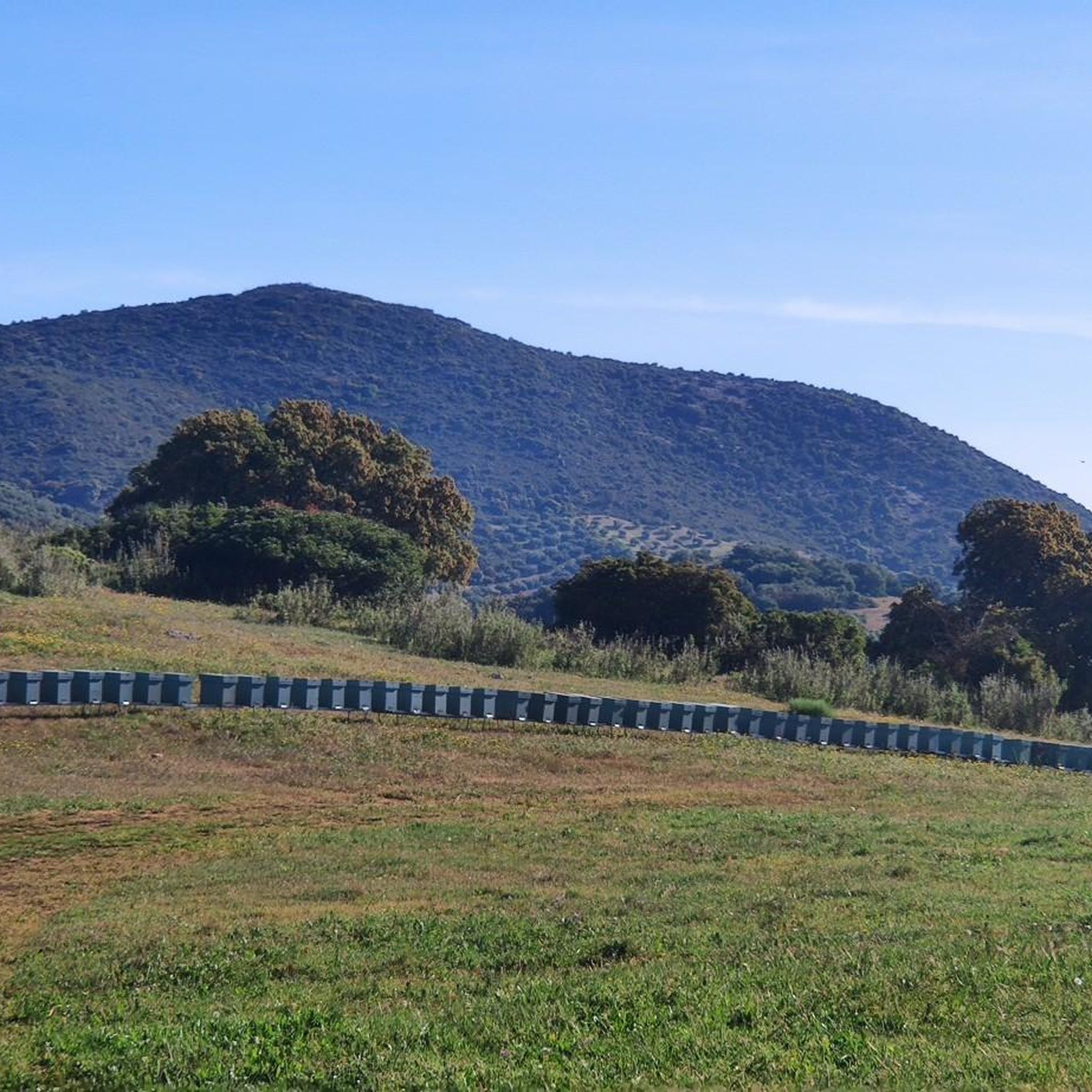
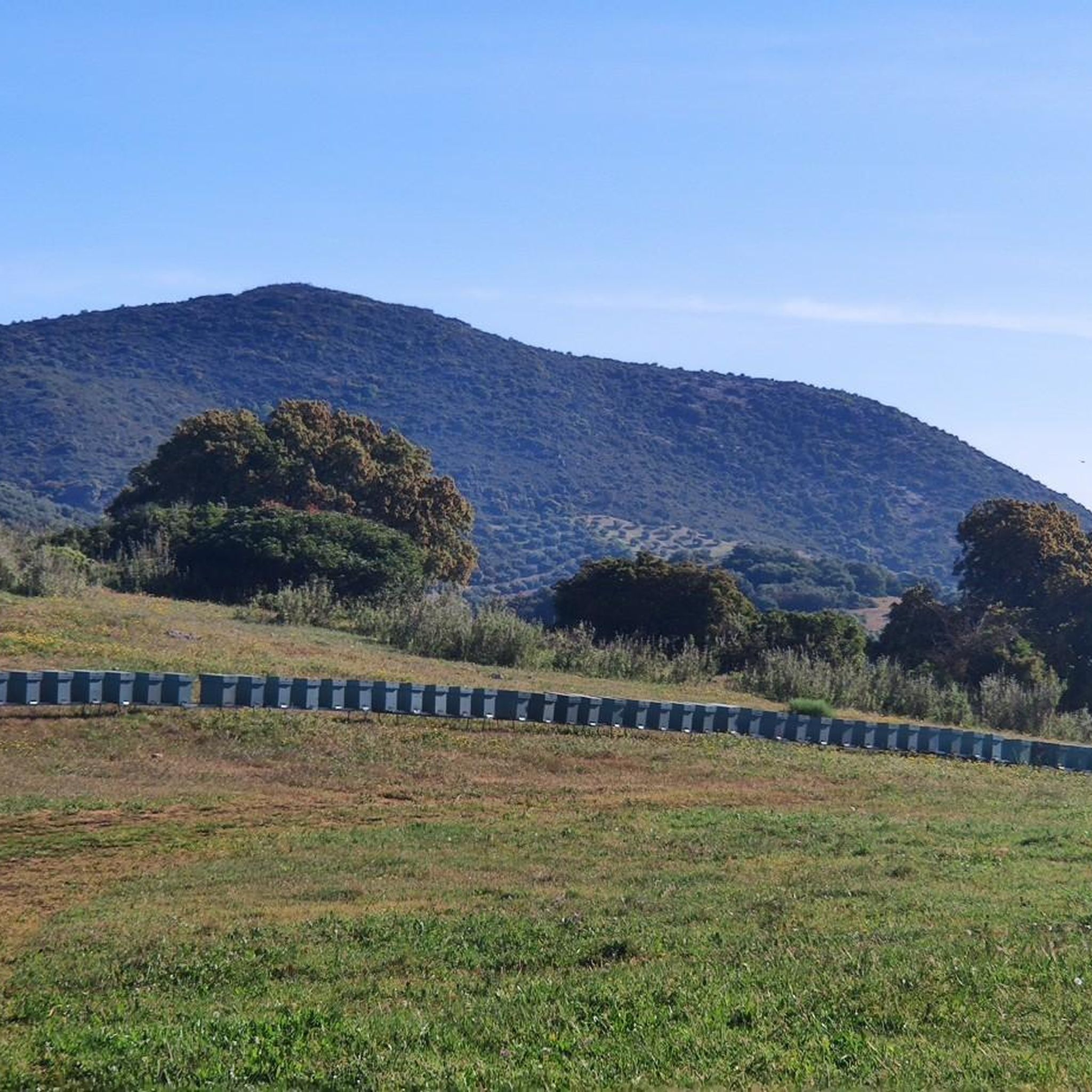
Good views, although the cave is more a place of passage than a place of rest, because it is, above all, a place to shelter animals.
0
0

It is a prehistoric cave, the largest in the province of Córdoba, declared a Natural Monument in 2001. Its name comes from the bats, of different species, that inhabit this cave. In his tourist visit, a descent of up to 65 m deep is made.
3
0

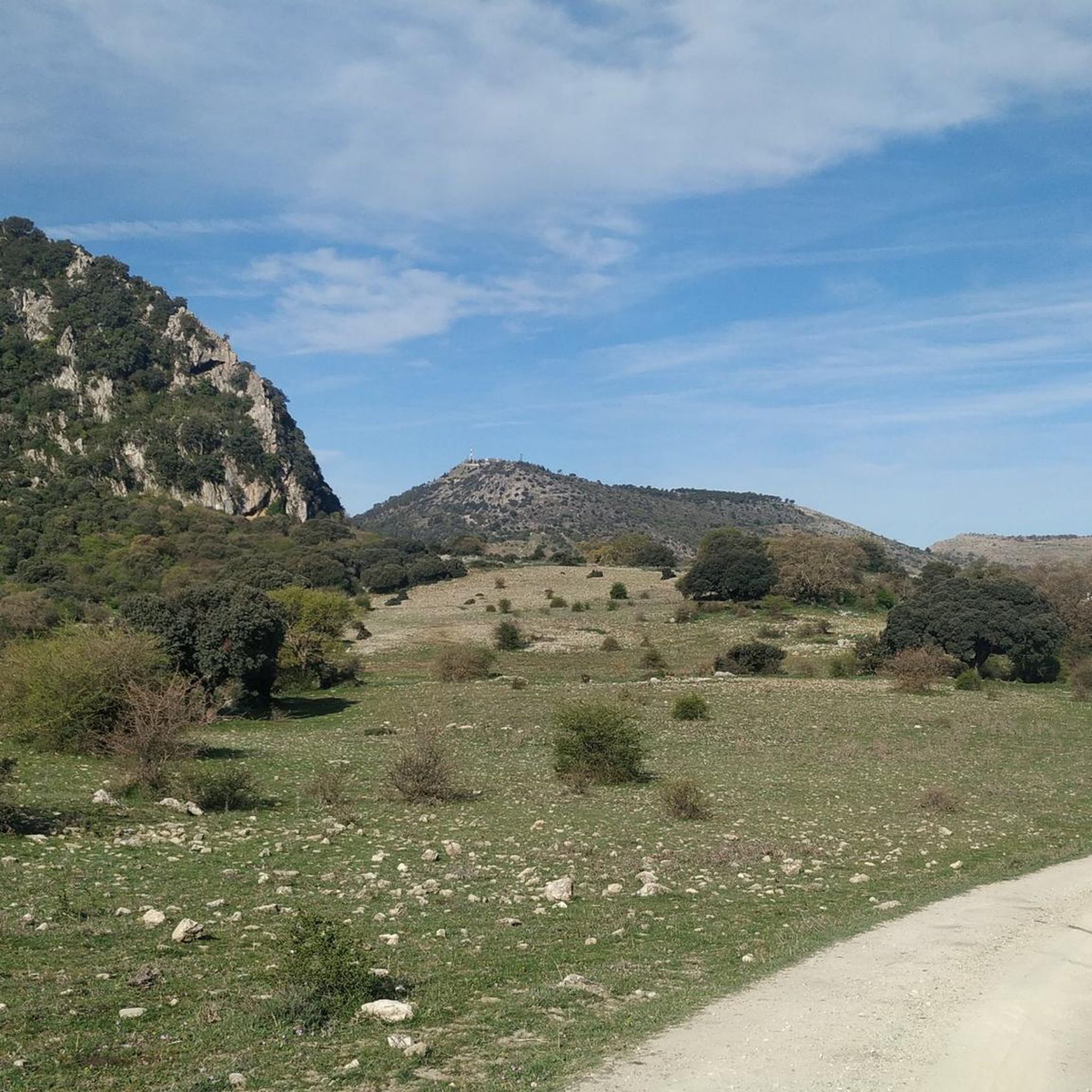
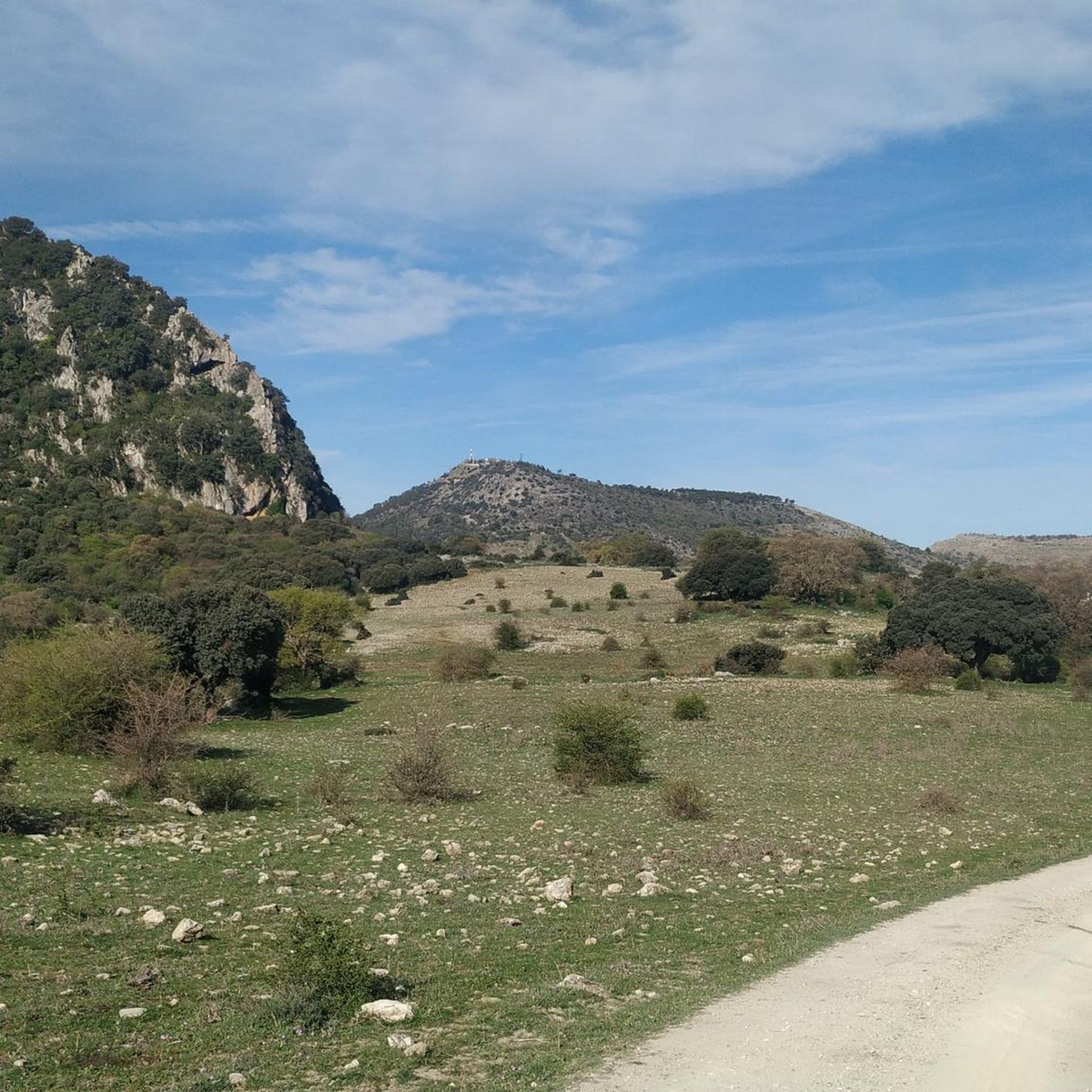
This trail is full of impressive limestone rock walls, with a multitude of vegetation sprouting between its numerous pores. They have been formed over time by the force of the Bailón River. From some angles you can see Zuheros and its castle peeking out between the walls.
2
0
This cave is a system of galleries typical of limestone formations, very porous. Its name is due to the fact that various species of bats inhabit it.
2
1

A beautiful place, even for short walks. You determine the level of difficulty yourself. A little fitness is useful because of the sometimes steep climbs.
1
1

The entire tour leads through interesting landscape with many plants and interesting views.
2
0

Impressive views of the Subbética Cordoba.
0
0
Frequently Asked Questions
What kind of historical or archaeological significance do the caves around Carcabuey have?
The caves in this region are rich in history, particularly for their archaeological findings. For instance, Bat Cave is recognized as the largest prehistoric cave in Córdoba province. Other significant sites include Cueva del Muerto and Cueva de los Arrastraos-Abandonaos in Carcabuey, which served as sepulchral sites during Prehistory, containing human skeletal remains and evidence of ancient human activity. These sites offer profound insights into early human communities and funerary practices.
Are there any caves with impressive natural formations near Carcabuey?
Yes, the region is known for its karstic landscapes. The Limestone formations and caves in the Bailón Canyon feature impressive rock walls and various cave formations shaped by the Bailón River. Cueva del Muerto also contains notable speleothems like stalactites and stalagmites. Further afield, near Zuheros, the Cueva de los Murciélagos is renowned for its extensive karst formations.
Do I need to book in advance to visit any of the caves?
Yes, for some of the more popular or protected caves, booking in advance is essential. For example, a visit to Bat Cave requires you to book an appointment due to its status as a Natural Monument and its delicate ecosystem.
What wildlife can I expect to see in the caves?
The most prominent wildlife you might encounter in the caves are bats. Bat Cave, as its name suggests, is home to a large colony of different bat species. These creatures play a vital role in the cave ecosystem.
Are there hiking trails that lead to or near the caves in Carcabuey?
Yes, the Sierras Subbéticas Natural Park offers numerous hiking opportunities that can lead you to or near various cave sites. You can find several routes in the area, such as the Enrique Triano Trail or the Carcabuey – circular to Puente Califal. For more hiking options, explore the Hiking around Carcabuey guide.
What is the best time of year to explore the caves around Carcabuey?
The Sierras Subbéticas region generally has a Mediterranean climate. Spring (April-May) and Autumn (September-October) are often ideal, offering milder temperatures for outdoor activities and cave exploration. Summers can be very hot, while winters are cooler and can be damp, which might affect accessibility to some sites.
Are there any caves that require special permission to visit?
Yes, some caves, especially those with significant archaeological value or located on private land, may require special permission. For instance, access to Cueva del Muerto often requires permission from the property owner due to its location within a fenced livestock farm.
Can I find other outdoor activities near the caves in Carcabuey?
Absolutely. The region around Carcabuey, within the Sierras Subbéticas Natural Park, is excellent for various outdoor sports. Besides hiking, you can enjoy gravel biking or cycling. Check out the Gravel biking around Carcabuey or Cycling around Carcabuey guides for routes and inspiration.
Are there any caves known for ancient art or paintings?
While the caves directly in Carcabuey are more noted for their archaeological and sepulchral findings, the broader Subbética Cordobesa region does feature sites with ancient art. Notably, Cueva de la Murcielaguina near Priego de Córdoba is an important Neolithic and Iberian site with cave paintings. The impressive Cueva de los Murciélagos near Zuheros also contains unique rock art.
Are there any easy-to-access caves or family-friendly options?
Some caves, like Cueva del Morrión, are more accessible, often serving as natural shelters or offering good views without requiring extensive speleological skills. For guided and more structured visits, tourist caves like Bat Cave (with prior booking) can be suitable for families, as they offer a controlled descent and educational experience.
What should I wear or bring when visiting the caves?
When exploring caves, it's advisable to wear comfortable clothing that allows for movement and can get dirty. Sturdy, closed-toe shoes with good grip are essential. Depending on the cave, a headlamp or flashlight is highly recommended, even if guided tours provide lighting. For deeper or more adventurous explorations, consider bringing a light jacket as cave temperatures can be cooler and more constant than outside.
Most popular routes around Carcabuey
Most popular attractions around Carcabuey

Get inspired with the komoot mobile app


Explore more
Extend your search for the best caves by checking out these guides of the top ones around Carcabuey:
