Top 6 Castles around Pechina
Best castles around Pechina are connected to the region's rich historical legacy, particularly its role as Bayyana during the Al-Andalus period. Pechina, the "mother" city of Almería, was a significant commercial center in the 9th and 10th centuries. While the modern municipality does not host prominent castles within its current borders, its historical importance is tied to nearby fortresses. The area offers insights into civil and military architecture from the Arab domination in Al-Andalus.
Best castles around Pechina
- The most…
Last updated: August 14, 2026
Alcazaba of Almería
Highlight • Castle
The Alcazaba was built under Caliph Abd ar-Rahman III in the 10th century. built on …
Translated by Google •
Tip by

Tabernas Castle
Highlight • Castle
Showing Translation
Tip by

Sign up now to discover places like this
Get recommendations on the best single tracks, peaks, & plenty of other exciting outdoor places.
Sign up for free
Alcazaba and San Cristóbal Hill
Highlight • Castle
Translated by Google •
Tip by

Fuerte El Cóndor Film Set Ruins
Highlight • Structure
Translated by Google •
Tip by

Castillo árabe Tabernas
Highlight • Castle
Translated by Google •
Tip by

Sign up for free to discover even more castles around Pechina.
Sign up for free
Already have an account?
Start today with a free account
Your next adventure awaits.
Login or Signup

Tips from the Community

Currently (Feb 2026) the castle is closed indefinitely for maintenance and historical research.
0
0

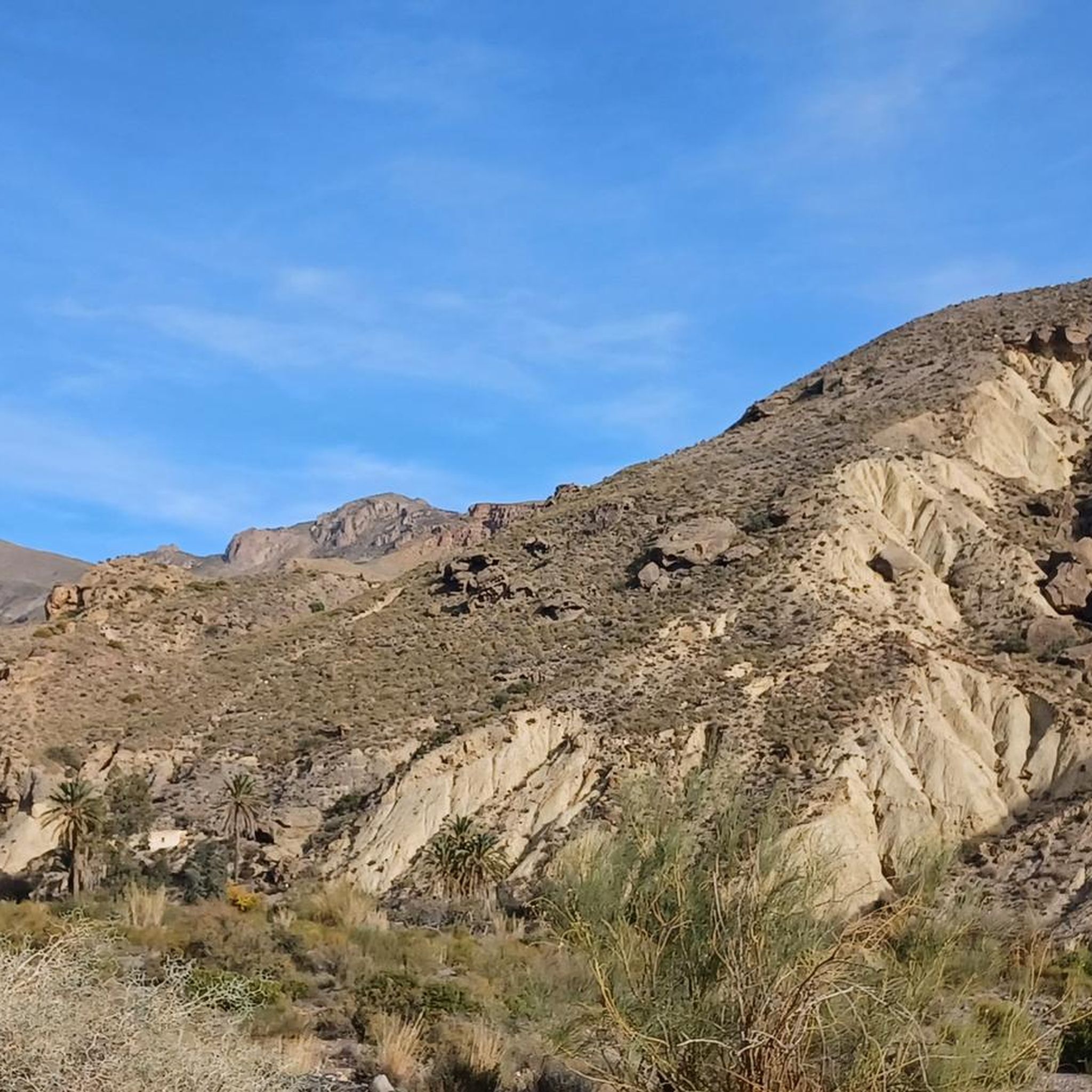
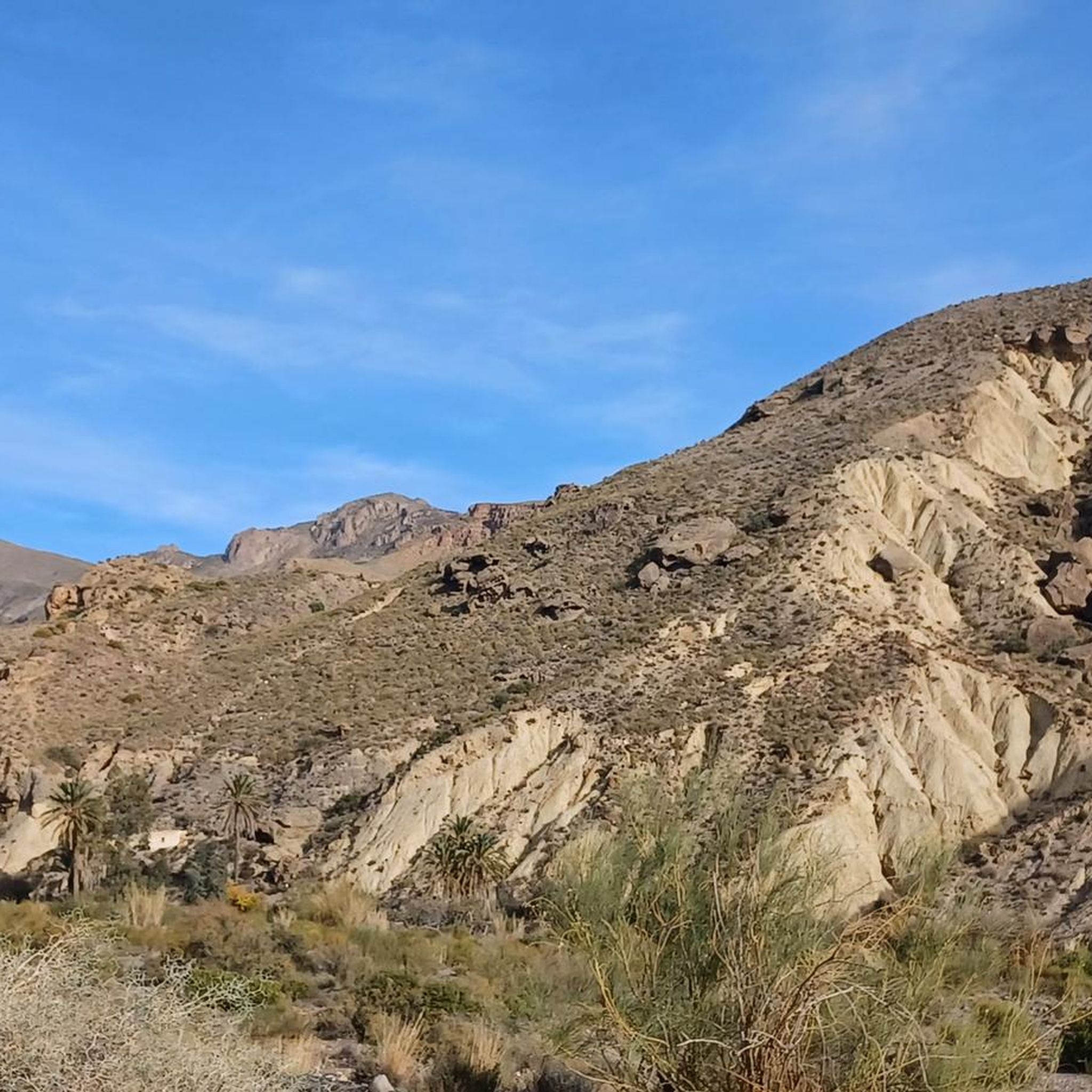
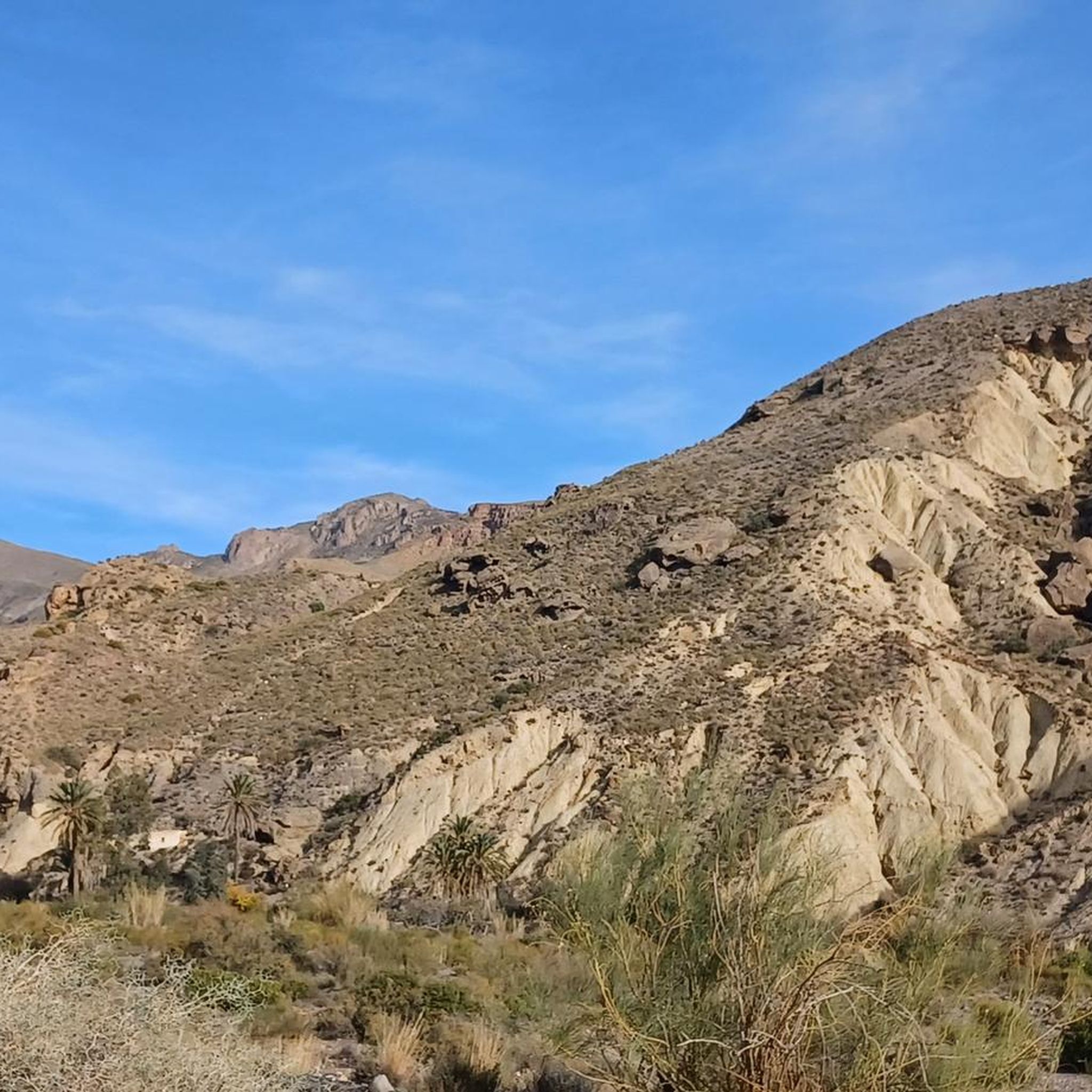
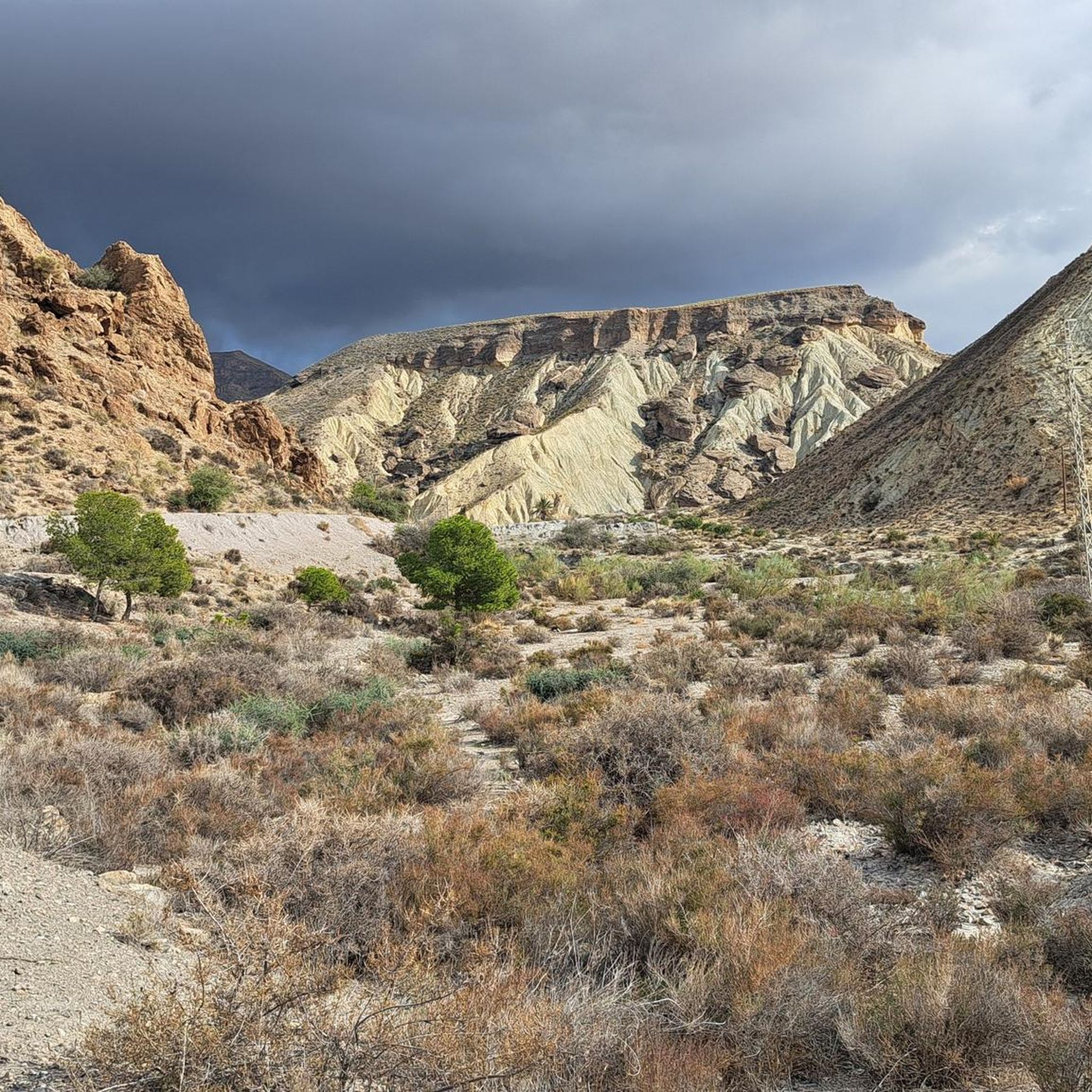
The castle of Tabernas, built in the 11th century, is one of the most important Nasrid fortresses in Almería. Located on top of a hill, it offers spectacular views over the Tabernas desert and retains part of its walls despite centuries of abandonment and destruction. The Catholic Monarchs stayed here and the Capitulations of Almería were signed in 1489, giving it great historical weight. Access is free and, although the site is in ruins, it is recommended to wear comfortable footwear to explore it and enjoy the unique landscape that surrounds it.
3
0
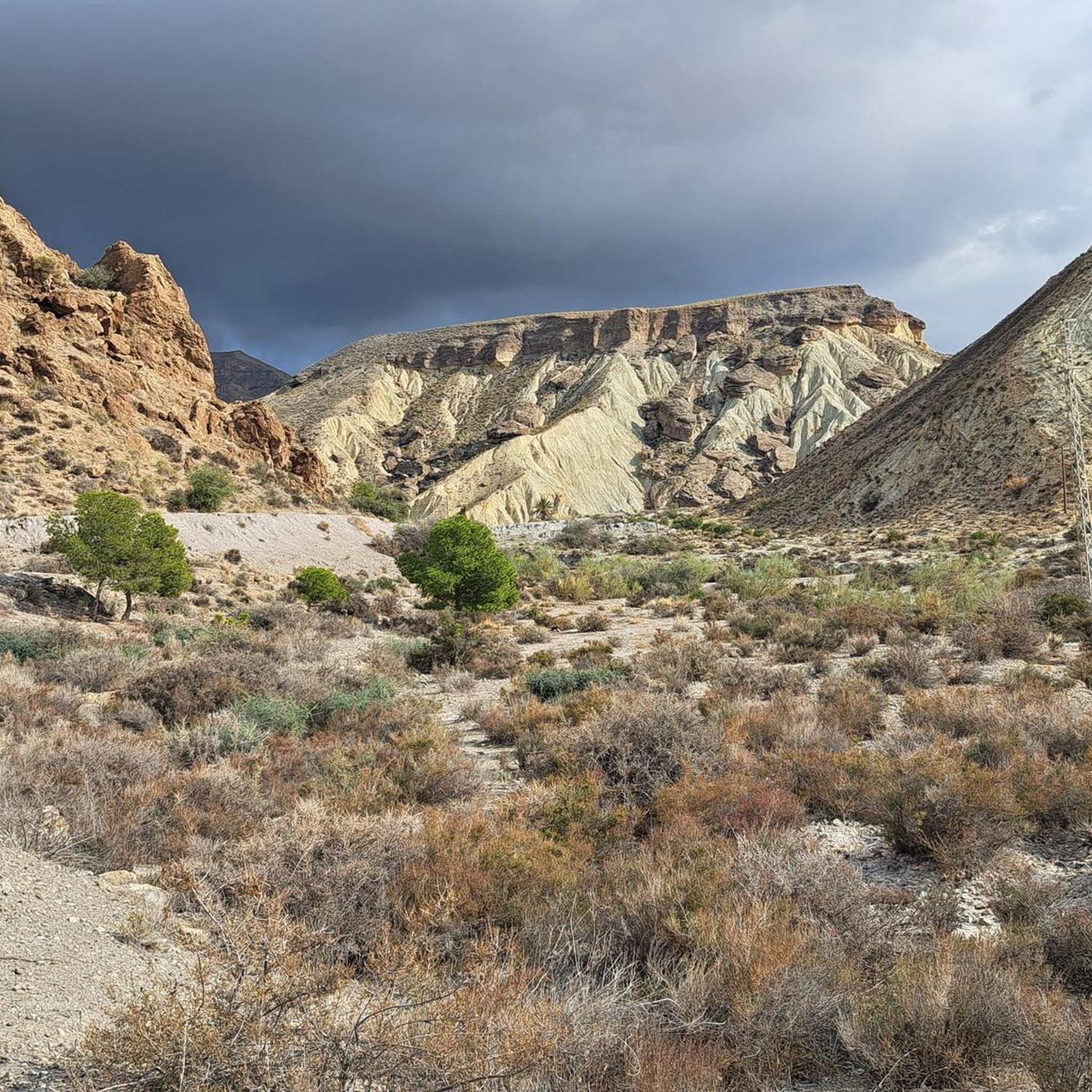
The Moorish ruins tower high above the city. From the ruins, the view of the vast landscape and the rugged rock formations is magnificent.
8
3
During the great Morisco uprising (1570) the access to the castle was ordered to be closed so that they could not use it, the views all around are beautiful.
8
3
The ruins of a once-mighty castle currently dominate the village. However, reports indicate that it was already in a severely dilapidated state in 1522.
9
3
High on a hill with beautiful distant views lie the remains of a once mighty castle. At the moment the ruins are still not easy to reach but you will no longer be fired upon as you climb the hill in the hot Spanish sun ;-) Entrance is free.
3
0
The location has been reused for several films over the years, usually involving lots of dynamite. Titles include Blindman (1971)—starring Ringo Star as a lovesick Mexican thief—A Reason to Live, a Reason to Die (1972), Get Mean (1975), Conan the Barbarian and Dollar for the Dead (1998)—an homage to Sergio Leone.
2
0
The now-derelict location has been repurposed for several films over the years, usually involving plenty of dynamite. Titles include Blindman (1971) —starring Ringo Starr as a lovesick Mexican thief—A Reason to Live, a Reason to Die (1972), Get Mean (1975), Conan the Barbarian and Dollar for the Dead (1998
2
0
Frequently Asked Questions
What historical castles can I visit near Pechina?
While Pechina itself is historically significant as ancient Bayyana, the "mother" city of Almería, prominent castles are found in the surrounding area. You can explore the impressive Alcazaba of Almería, a Moorish fortress built in the 10th century, or the historical Alcazaba and San Cristóbal Hill, which offers exceptional views over the city and bay. The vestiges of the Alcazaba de Purchena, historically linked to Pechina, also provide a glimpse into the region's Islamic past.
Are there any unique or unusual castle-related sites to visit?
Yes, for a unique experience, visit the Fuerte El Cóndor Film Set Ruins. This impressive site was originally built as an elaborate fortress for the film 'El Condor' and offers a glimpse into cinematic history with its adobe houses, watchtowers, and central plaza.
What is the best time of year to visit the castles around Pechina?
The region around Pechina, including Almería, generally experiences mild winters and hot summers. Visiting during the spring (March to May) or autumn (September to November) is often ideal, as the weather is pleasant for exploring historical sites without the intense summer heat.
Are the castles around Pechina suitable for families?
Many of the historical sites, such as the Alcazaba of Almería, are suitable for families. They offer open spaces to explore, historical context, and often provide great viewpoints. The Fuerte El Cóndor Film Set Ruins could also be an engaging and unique experience for children interested in movies or history.
Can I find good viewpoints at these castle sites?
Absolutely. The Alcazaba and San Cristóbal Hill is renowned for its exceptional views over the city of Almería and its bay. Similarly, the Alcazaba of Almería, perched on an 85-meter-high hill, offers panoramic vistas of the surrounding area.
What kind of outdoor activities can I do near the castles?
The region offers various outdoor activities. You can find numerous cycling routes, including gravel biking and mountain biking. For example, there are routes like the 'Tabernas Village and Desert – Tabernas Castle loop' for gravel biking, or 'Cerro del Puntal — circular desde Rioja' for MTB. You can find more details on these routes in the Gravel biking around Pechina or MTB Trails around Pechina guides.
Are there any walking or hiking routes that incorporate castle views?
While specific hiking trails directly to the castles are not detailed, many routes in the area offer views of the historical landscape. The Cycling around Pechina guide, for instance, features routes that pass through scenic areas where you might catch glimpses of distant historical sites.
What is the historical significance of Pechina in relation to these castles?
Pechina, known as Bayyana during the Al-Andalus period, was the origin and "mother" city of Almería and a significant commercial center in the 9th and 10th centuries. Its historical legacy is closely tied to the construction of fortresses like the Alcazaba de Purchena, which was built by the Marines of the Federative State of Pechina, highlighting the region's strategic importance during that era.
Is the Alcazaba of Almería accessible for visitors?
The Alcazaba of Almería is generally accessible, though some parts may involve stairs or uneven terrain due to its historical nature. It's a large complex with different enclosures, and restoration work is ongoing. Entry is often free, but it's advisable to check current opening hours and accessibility details before your visit.
What remains of the Alcazaba de Purchena, and is it worth visiting?
Today, only vestiges of the Alcazaba de Purchena remain, including remnants of houses, a cistern, parts of the defensive wall, and the notable "Torre del Agua" (Water Tower). It's worth visiting for its historical context, offering a glimpse into the region's rich Islamic past and its strategic importance, including its role in the Moorish Games of Aben Humeya. You can find more historical information about Purchena on Wikipedia.
Are there any castles that are currently undergoing restoration or have limited access?
Yes, the Castillo árabe Tabernas is currently closed indefinitely for maintenance and historical research. Additionally, the Alcazaba of Almería is still undergoing restoration work, though it remains open to visitors.
Most popular routes around Pechina
Most popular attractions around Pechina

Get inspired with the komoot mobile app


Explore more
Looking for the best castles somewhere else? Discover other guides around Pechina:
