Top 9 Caves around Sant Climent De Llobregat
Best caves around Sant Climent De Llobregat are found within the wider Baix Llobregat comarca, offering diverse geological formations. The region is characterized by its proximity to the Montserrat massif, known for its distinctive mountain range and karstic systems. These subterranean landscapes provide insights into the geological processes that shaped the area, including ancient river deltas. Visitors can explore various types of caves, from natural formations to historical sites.
Best caves around Sant Climent De Llobregat
- The most popular caves is Barret Rock, a natural monument featuring a small cave. Visitors can climb to the top of the rock for views.
- Another must-see spot is Can Riera Caves, a cave system with three clay cavities. These caves are known for their winding reddish and orange walls, shaped by natural erosion.
- Visitors also love Waterfall and Grotto in Parc de Torreblanca, a family-friendly waterfall and cave. This site is part of a romantic garden design that incorporates caves, lakes, and waterfalls.
- Sant Climent De Llobregat is known for natural caves, historical mines, and artificial grottoes. The area offers a variety of subterranean experiences to explore.
- The caves around Sant Climent De Llobregat are appreciated by the komoot community, with more than 26 upvotes and 34 photos shared by users.
Last updated: May 23, 2026
Juanita Mine
Highlight • Cave
Translated by Google •
Tip by

Can Riera Caves
Highlight • Cave
Translated by Google •
Tip by

Sign up now to discover places like this
Get recommendations on the best single tracks, peaks, & plenty of other exciting outdoor places.
Sign up for free
Waterfall and Grotto in Parc de Torreblanca
Highlight • Waterfall
In the heart of the park, the magnificent romantic garden of the late nineteenth century introduces us to a world full of charm and mystery. Its imaginative design is based on the idea of imitating the shapes and elements of nature, with caves, islands, caves, lakes and waterfalls, surrounded by lush and diverse vegetation, in free growth, which this space in arguably the most striking part of the park. In its surroundings, the modern park follows the route of the old fields of the estate with a structure of large trapezes that surround the old gardens.
Translated by Google •
Tip by

Avenc del Llamp
Highlight • Cave
Well-known chasm of 73 m. of depth in the Pla de Querol (Garraf)
After passing through the small mouth, it penetrates into a well of 40 meters vertical, with a diaclased appearance and smooth walls. At its bottom begin a series of vertical conduits affected by a very important clastic process where the blocks divide the original well into different lateral and parallel concavities, thus reaching the point of maximum penetration at elevation - 73. (CAUTION: Danger to hypoxia)
Translated by Google •
Tip by
Barret Rock
Highlight • Natural Monument
Sign up for free to discover even more caves around Sant Climent De Llobregat.
Sign up for free
Already have an account?
Start today with a free account
Your next adventure awaits.
Login or Signup
Popular around Sant Climent De Llobregat
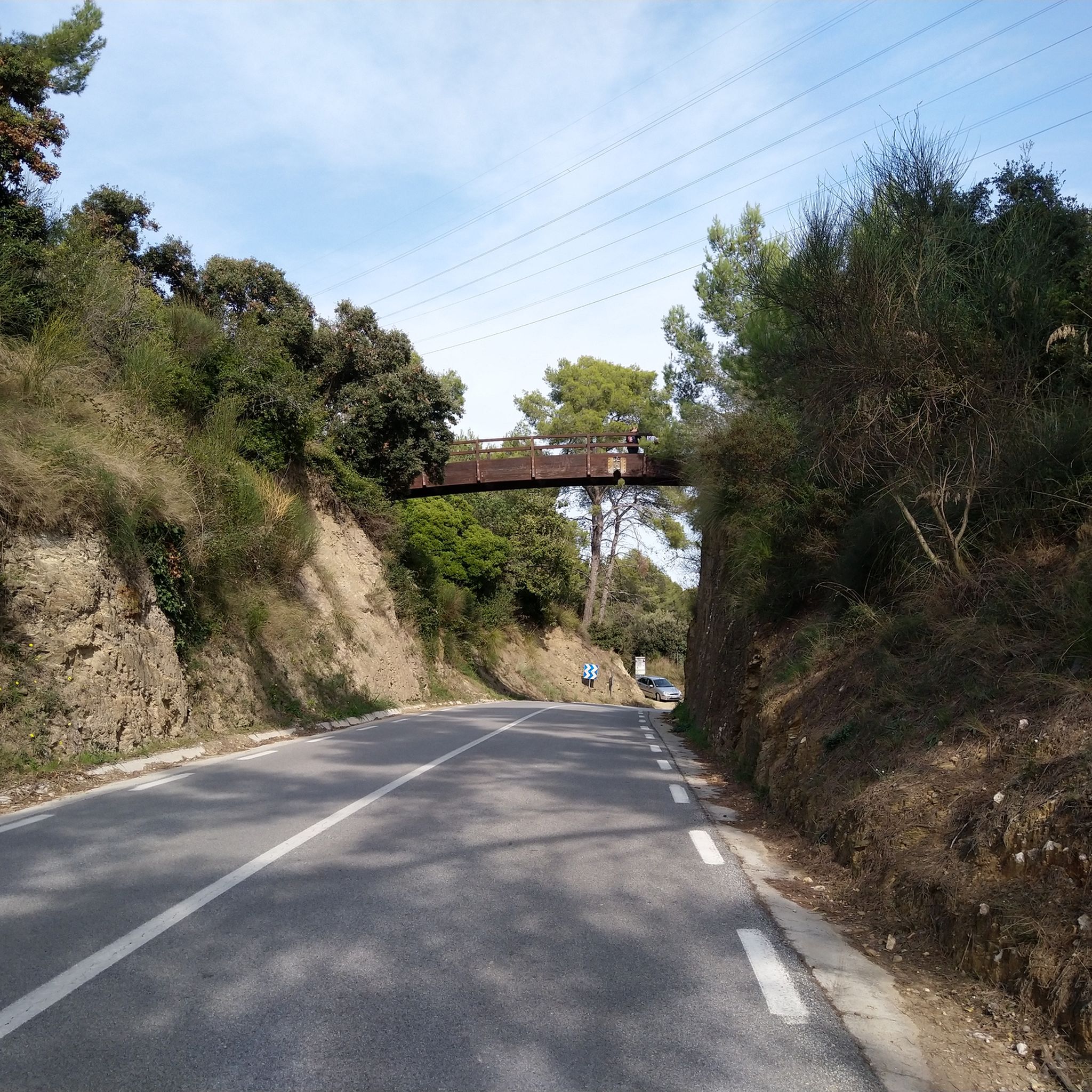
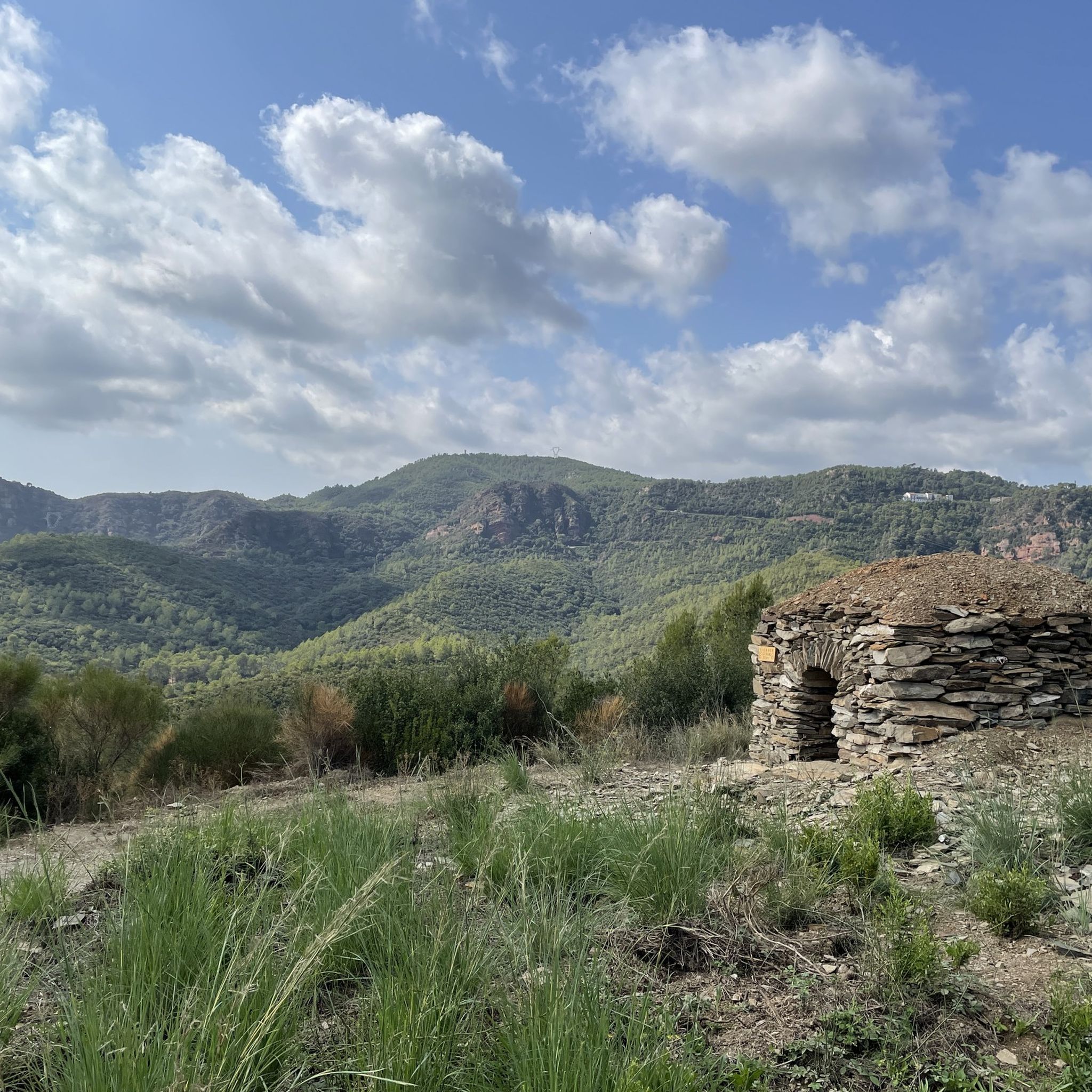
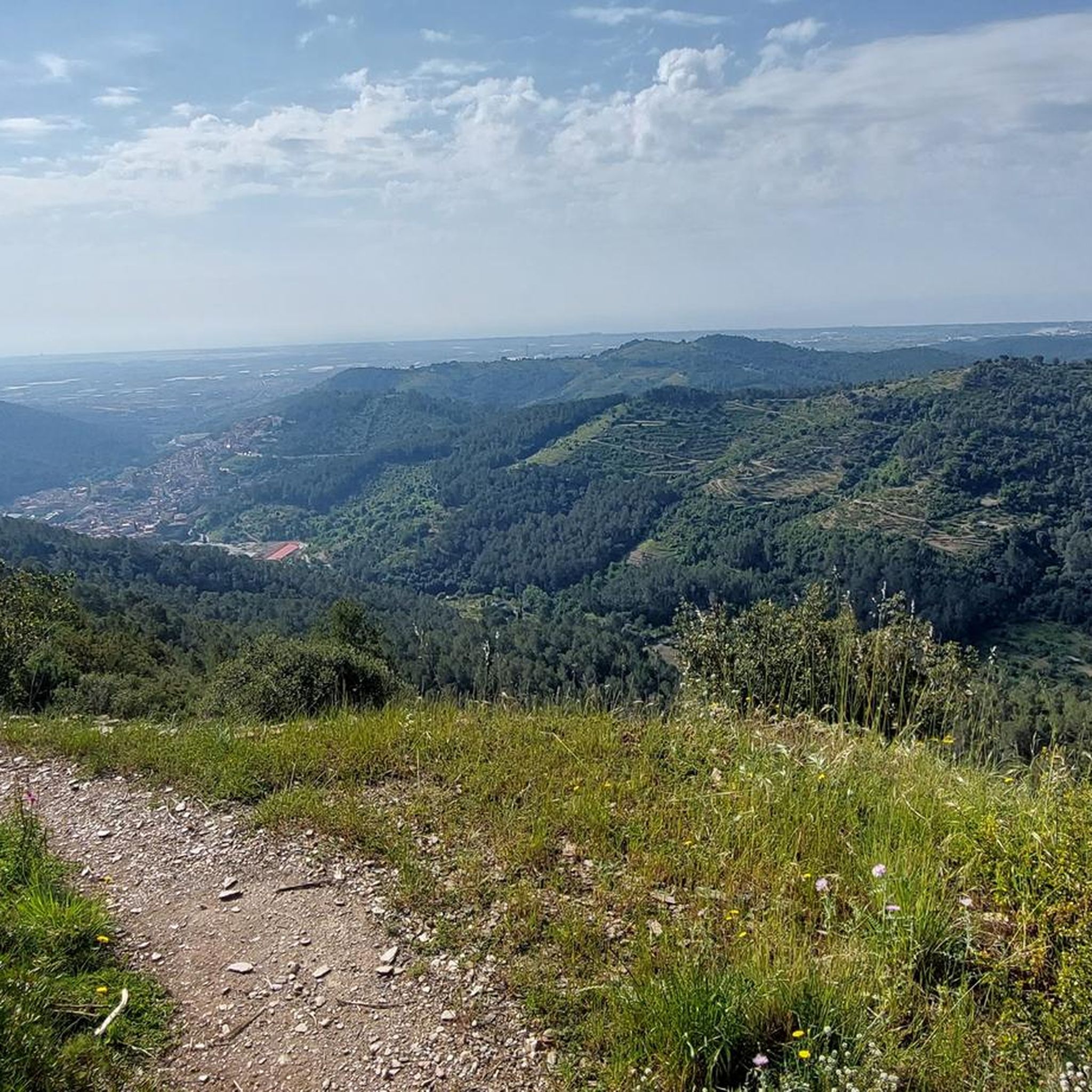
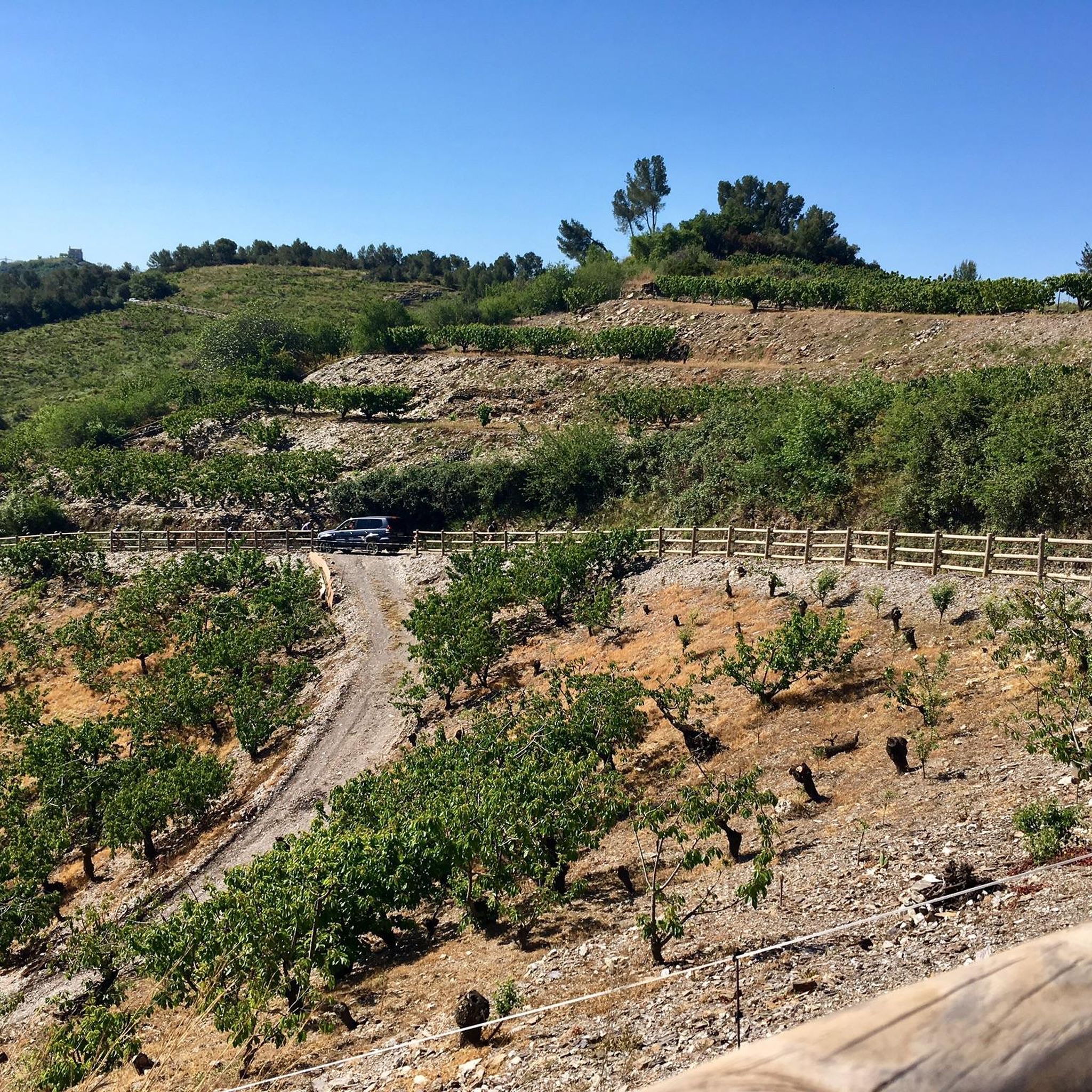
Tips from the Community


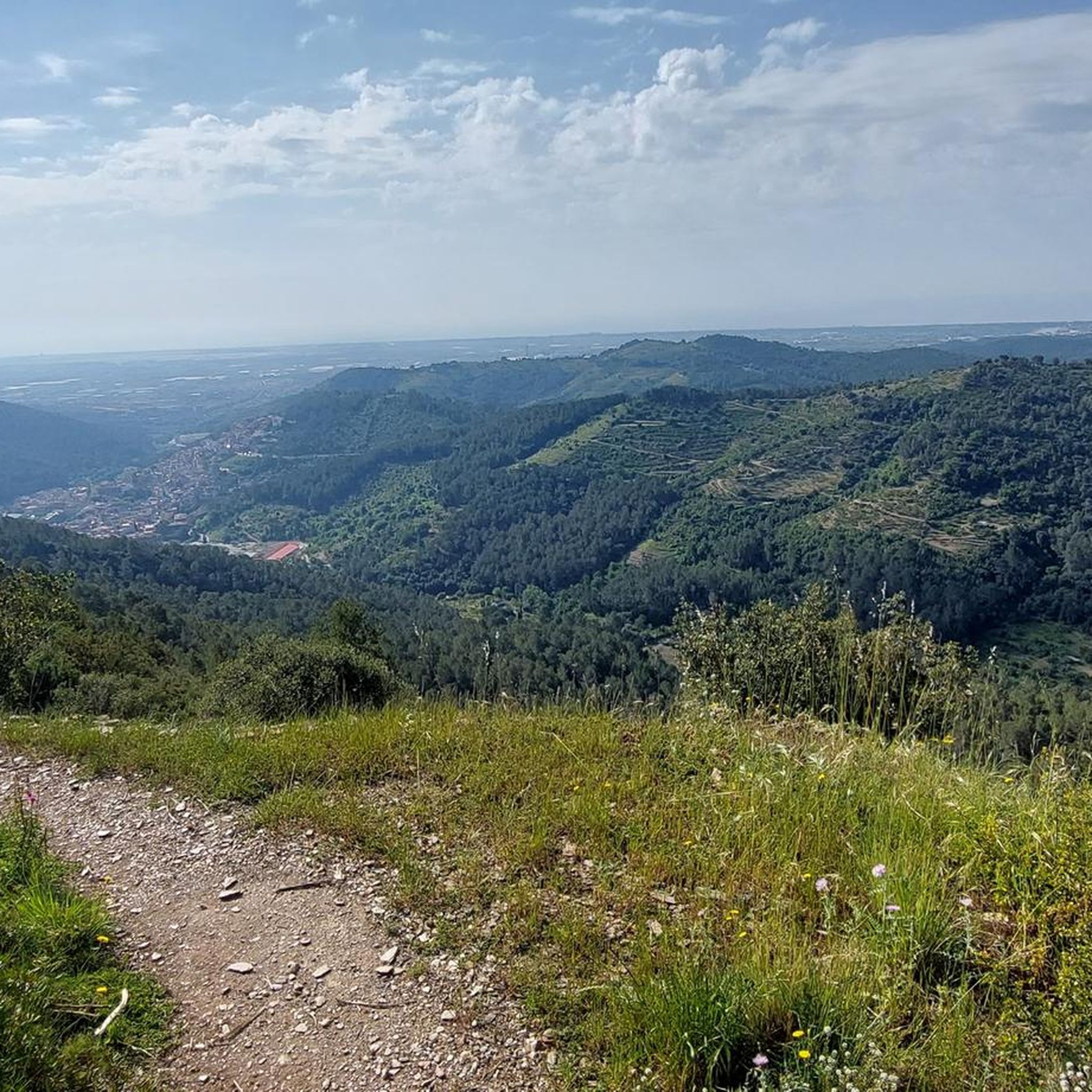
Spectacular evidence that is found in this area of the Serral de Can Ros and that above it, we find the mountain of Puig Vicenç. It is worth seeing the curious shapes that the mountain offers.
0
0

Beautiful place with incredible views. Here are the caves of Can Riera, a hidden natural oasis in Torrelles de Llobregat. They are three clay caves with reddish and orange walls, shaped by the erosive action of wind and rain over thousands of years. On weekends there are usually a lot of people visiting the caves, so if you can, try to go during the week.
2
0
There is a short walk along a track path (500 meters) to the beautiful rock of Barret. When you go up you find a kind of small cave and on the left side you can climb to the top of the rock. It is not difficult but must be watched.
3
0

Can Riera Caves, clayey stone cavities and winding reddish and orange walls. There are three caves that make up this natural wonder, but currently ACCESS IS PROHIBITED.
0
0

According to Sergi Falguera, a collaborator of the Friends of the Geology Museum association, the site began to be exploited in the 17th century, but the most important extractions date back to the 19th and 20th centuries, when it was named Juanita. . It was part of the land of the Masia de Santa Caterina, in the neighborhood of Pedralbes. The mine still has several access tunnels. It is low in water, but it is not drinkable because it carries the acid that is formed from the oxide of minerals
3
0

They are small caves, within the area between Coll del Portell and Carretera de les Aigües, the best access is from the Aigües road and they are also better seen when going to see them, from Coll del Portell you can also go down although the path, being made of very loose slate stone, is more slippery.
6
0
To see these caves, it is better to access from the Les Aigües road, it is more accessible and less dangerous, from the Coll del Portell, it is downhill and the trails are loose stone.
6
0
Frequently Asked Questions
What types of caves can I explore around Sant Climent De Llobregat?
The area around Sant Climent De Llobregat offers a mix of natural caves, historical mines, and artificial grottoes. You can find impressive natural formations like the Barret Rock, which features a small cave and climbing opportunities, or historical sites such as the Juanita Mine, which was exploited for minerals from the 17th to 20th centuries.
Are there any family-friendly caves or grottoes in the region?
Yes, for a family-friendly experience, consider the Waterfall and Grotto in Parc de Torreblanca. This site is part of a romantic garden design, featuring caves, lakes, and waterfalls, making it an enjoyable visit for all ages.
What is the most significant natural cave system near Sant Climent De Llobregat?
The most notable natural cave system in the wider Baix Llobregat comarca, relatively close to Sant Climent De Llobregat, is the Caves of Montserrat de Collbató (also known as Coves del Salnitre or Saltpetre Caves). These impressive caves are located within the Montserrat massif and are known for their extensive underground network and spectacular speleothems.
What geological features can I expect to see in the Caves of Montserrat de Collbató?
The Caves of Montserrat de Collbató are an excellent example of karst scenery. Inside, you can marvel at a variety of speleothems, including stalactites, stalagmites, and columns, formed over thousands of years. The 'Pou del Diable' (Devil's Well) section is particularly renowned for its formations, offering insights into the geological processes that shaped the Montserrat massif.
What is the historical significance of the caves in the region?
Beyond natural beauty, some caves hold historical importance. The Juanita Mine, for instance, was a site of mineral extraction dating back to the 17th century. The Caves of Montserrat de Collbató also have archaeological significance, with Neolithic remains found within, and were historically used for saltpetre extraction in the 16th century, with inscriptions from as early as 1511.
What should I wear when visiting caves in the area?
For caves like the Montserrat de Collbató, which maintain a consistent temperature of around 14ºC and high humidity (97-99%) year-round, comfortable shoes with good grip and warm clothing are highly recommended. Pathways inside are conditioned, but involve many steps.
Are there any challenging cave explorations for experienced adventurers?
Yes, for those seeking a more challenging experience, the Avenc del Llamp is a well-known chasm of 73 meters depth. It involves a vertical descent and complex internal conduits, suitable for experienced cavers. Additionally, the Can Riera Caves, with their winding clay cavities, are rated as challenging, though access is currently prohibited.
What outdoor activities can I combine with a visit to the caves?
The region around Sant Climent De Llobregat offers various outdoor activities. You can find numerous MTB trails, cycling routes, and road cycling routes. For example, there's an MTB loop from Torrelles de Llobregat that passes near the Can Riera Caves.
What do visitors enjoy most about the caves and grottoes in this area?
Visitors appreciate the diverse natural beauty and unique geological formations. Highlights like Barret Rock are praised for their colors and views after a good walk. The romantic design of the Waterfall and Grotto in Parc de Torreblanca is also a favorite for its charm and mystery.
Is there any connection between the local caves and famous architecture?
Legend suggests that the renowned architect Antoni Gaudí was inspired by the natural formations within the Caves of Montserrat de Collbató. These unique geological structures are believed to have influenced his architectural works, including elements seen in the Sagrada Familia.
How accessible are the Caves of Montserrat de Collbató?
While the Caves of Montserrat de Collbató are conditioned for visitors, reaching the entrance involves climbing 244 exterior steps (about a 10-minute walk from the last car park). The interior route also includes approximately 500 more steps. It's advisable to be prepared for a moderate amount of walking and climbing.
Most popular routes around Sant Climent De Llobregat
Most popular attractions around Sant Climent De Llobregat

Get inspired with the komoot mobile app


Explore more
Extend your search for the best caves by checking out these guides of the top ones around Sant Climent De Llobregat:
