Top 9 Gorges around La Taha
Best canyons around La Taha are primarily its barrancos and river valleys, which define the dramatic landscapes of this Alpujarran municipality. The area is characterized by deep ravines and river valleys, offering extensive natural beauty and numerous hiking opportunities. These geographical features are home to picturesque villages and traditional architecture, providing a blend of natural exploration and cultural immersion. The region's terrain, shaped by rivers like the Bermejo and Trevélez, creates a diverse environment for outdoor activities.
Best canyons around…
Last updated: November 17, 2026
Viewpoint of the bridge over the Poqueira River
Highlight • Viewpoint
Showing Translation
Tip by

Tajo de Cortés Waterfall
Highlight • Waterfall
Translated by Google •
Tip by

Sign up now to discover places like this
Get recommendations on the best single tracks, peaks, & plenty of other exciting outdoor places.
Path through the Trevélez Gorge
Highlight • Gorge
Translated by Google •
Tip by

Technical and very exposed trail
Highlight (Segment) • Trail
Translated by Google •
Tip by
Interesting Trail in a Narrow River Valley
Highlight (Segment) • Trail
Translated by Google •
Tip by
Sign up for free to discover even more gorges around La Taha.
Already have an account?
Start today with a free account
Your next adventure awaits.
Popular around La Taha
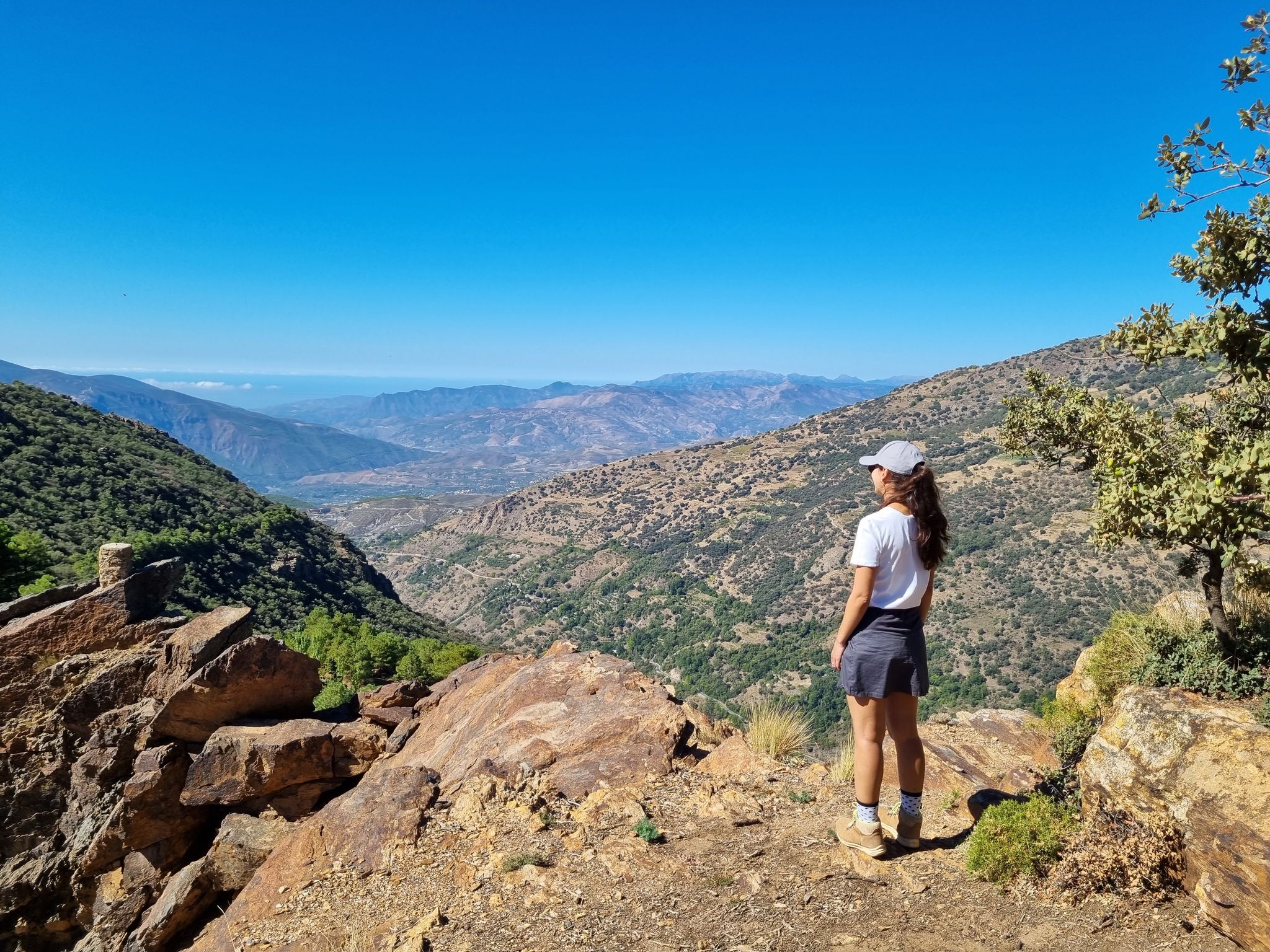
Lanjarón to Trevélez – five days in the Alpujarra of Granada
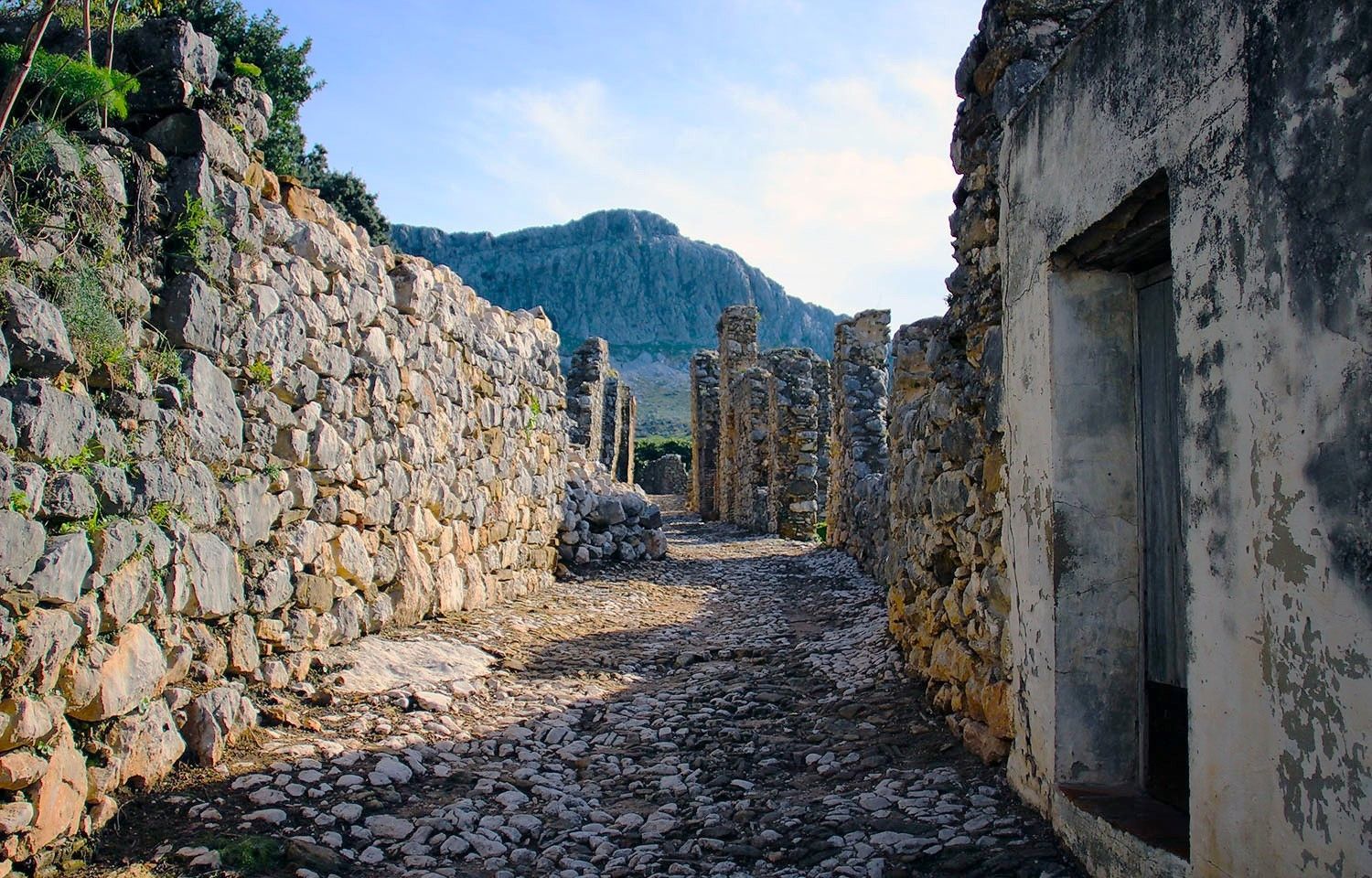
Andalusia without limits – Tarifa to La Puebla de Don Fabrique on the GR 7
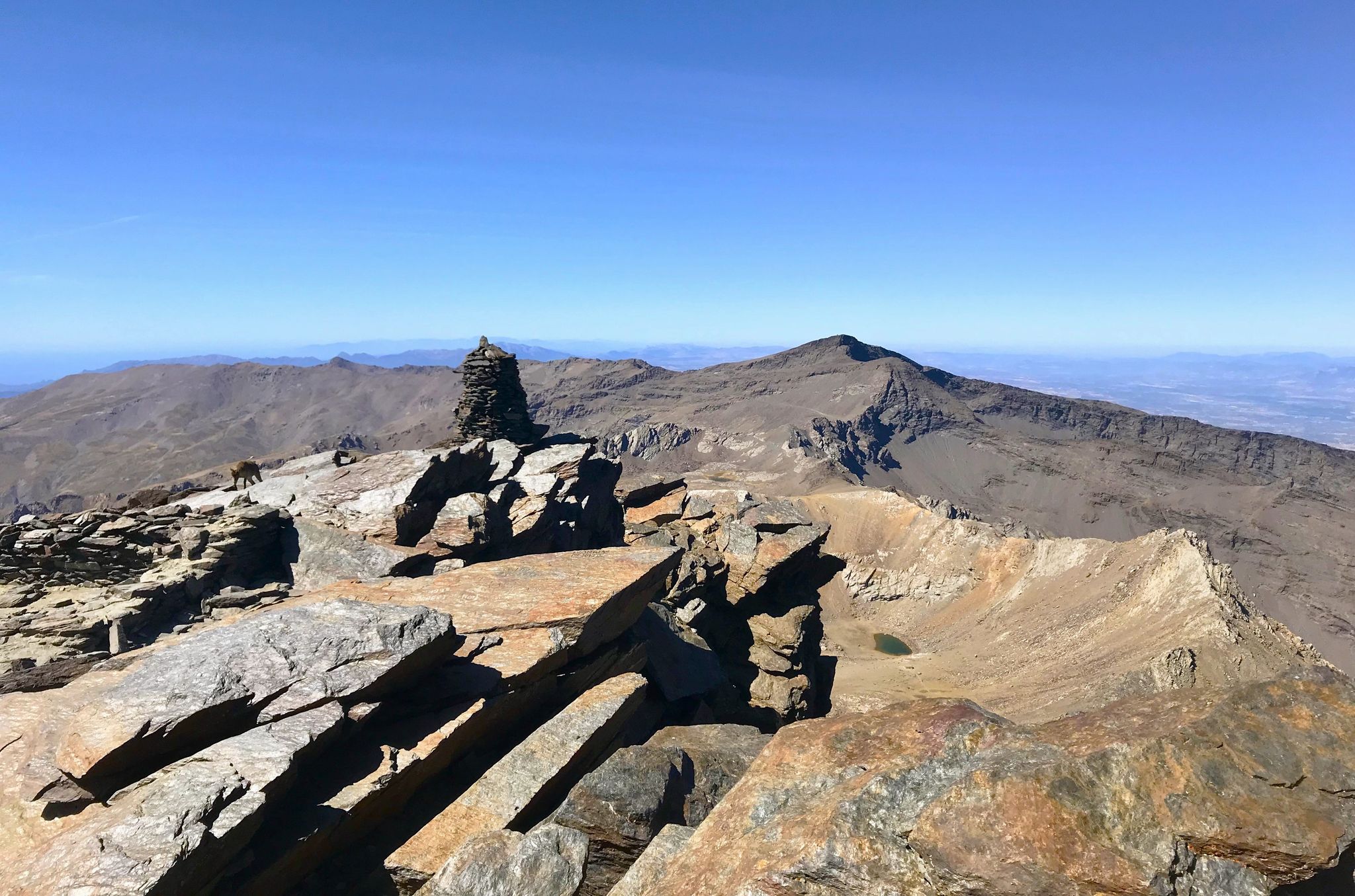
A night under the roof of the Iberian Peninsula – Mulhacén ascent
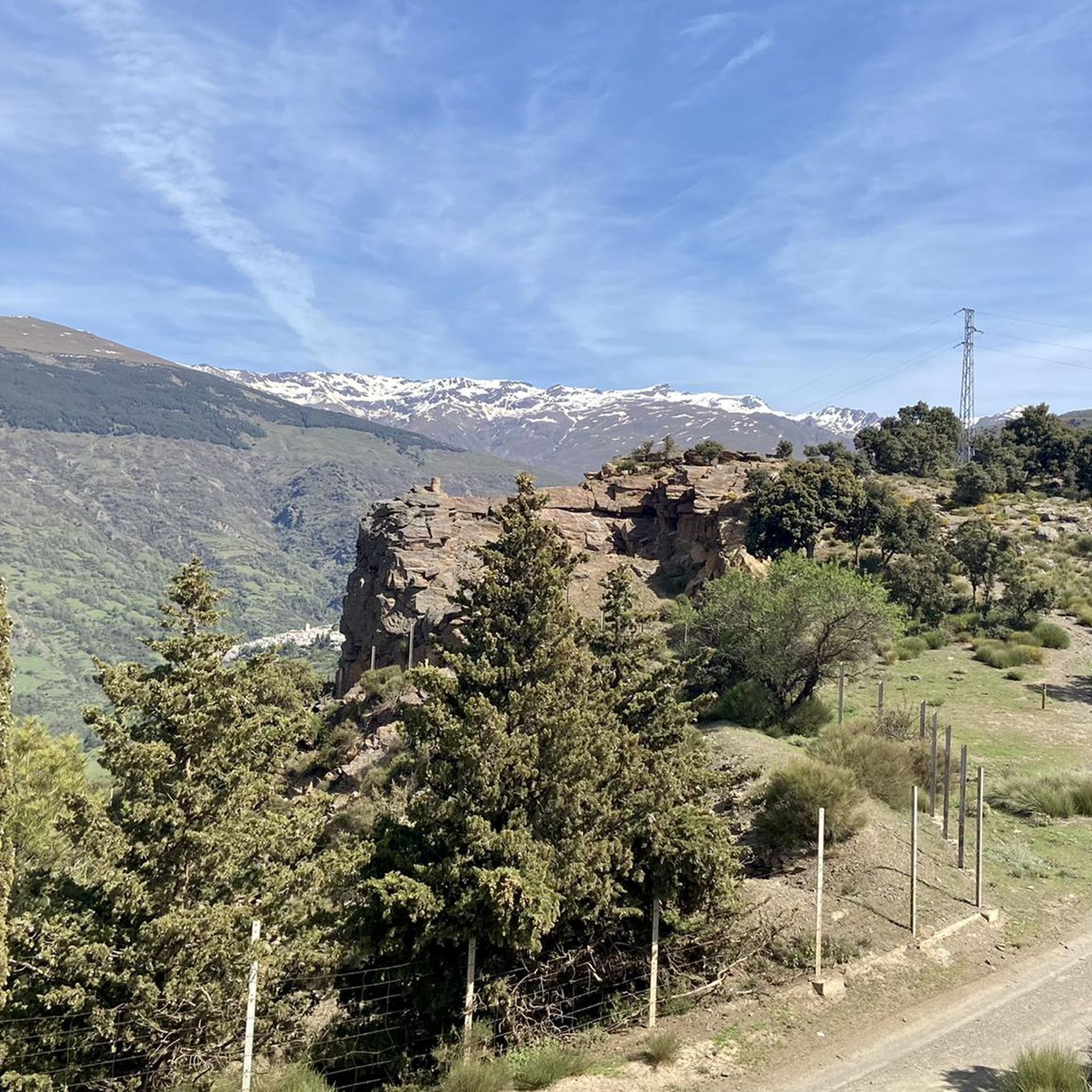
Hiking around La Taha
Road Cycling Routes around La Taha
MTB Trails around La Taha
Running Trails around La Taha
Cycling around La Taha

Mountain Hikes around La Taha
Other adventures around La Taha


Tips from the Community

El Poqueira is the king of this part of the Alpujarra and responsible for many of the landscapes in this area. Crossing this bridge is an unmistakable sign that you are already close to Capileira.
1
0

Actually no problem for mountaineers. You should be free from vertigo anyway.
0
0

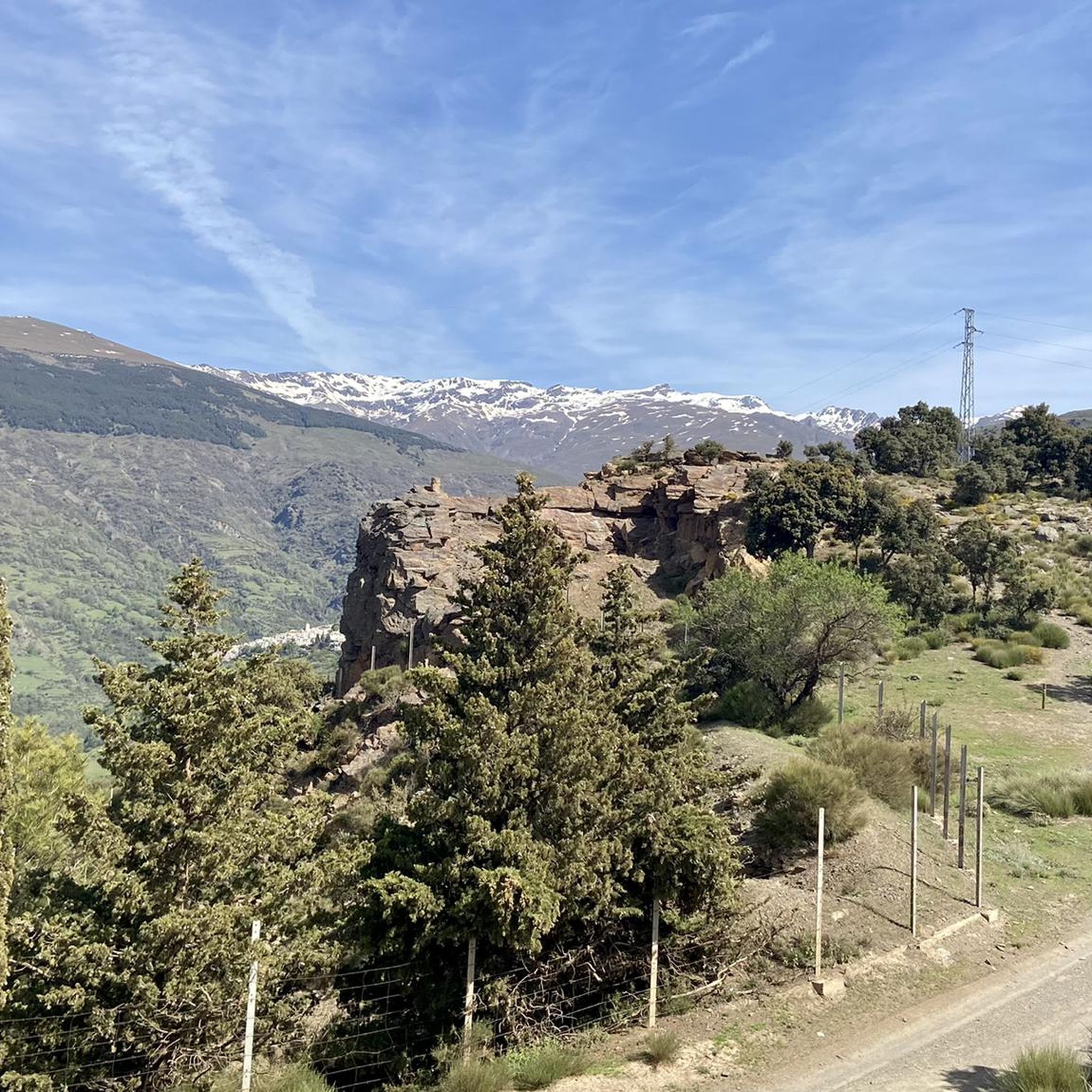
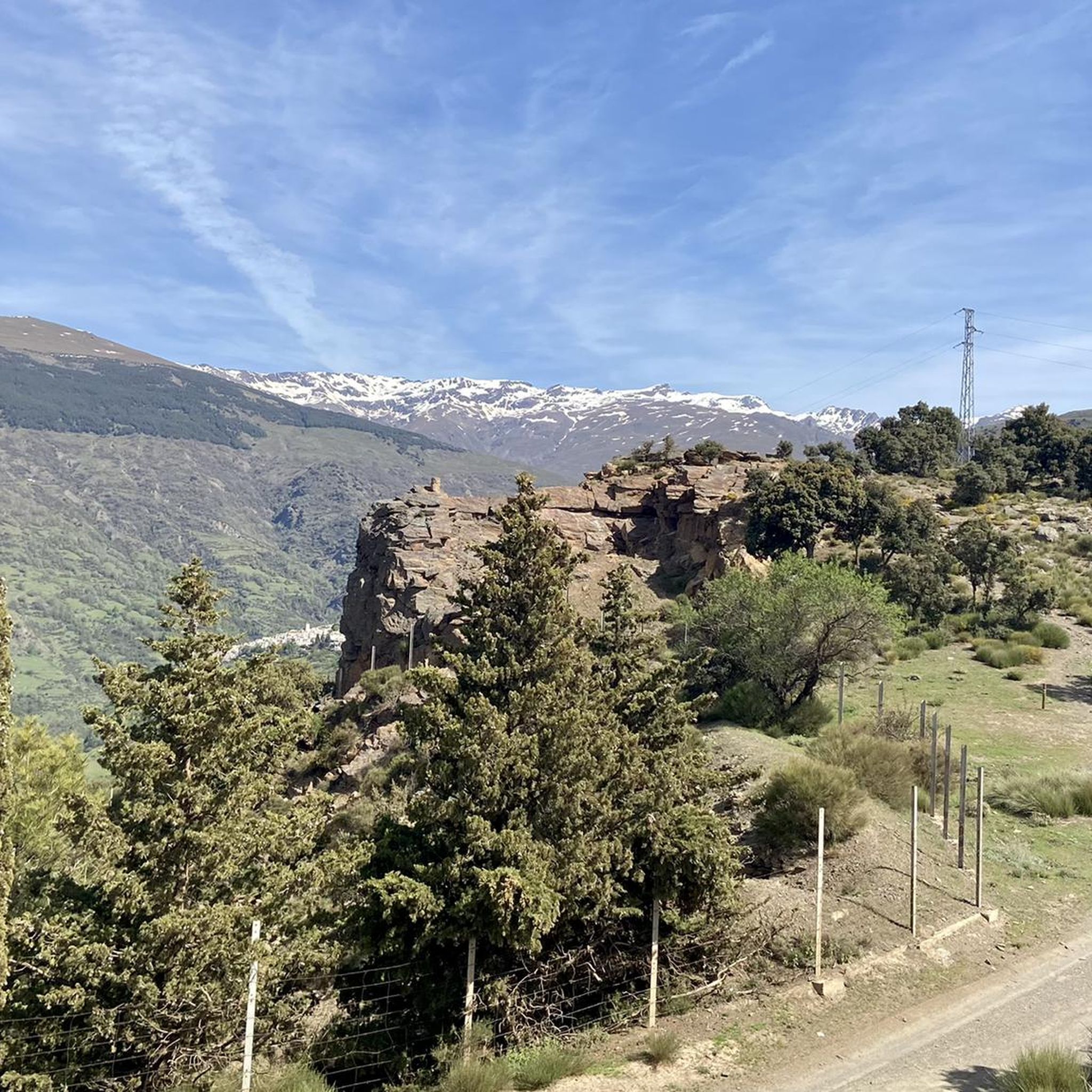
Exciting path on the eastern slope of the Poqueira River between Capileira and the Abuchite bridge over the river with magnificent views into the valley.
1
0

The Tajo de Cortés Waterfall is an impressive waterfall located in the Alpujarra Granadina, near the towns of Pitres and Pórtugos in Andalusia. Two routes that will take you to this beautiful waterfall: Sendero PR-A 29 from Pórtugos or the somewhat shorter Circular Route from Pitres.
1
1
This is one of the many paths you can take to go down from the top of Peñabón to Trevélez. I don't recommend it for people who have some vertigo (like me). The trail is very narrow, quite exposed and crosses a couple of ravines with loose stones that can give the impression to people who do not control their movements well at heights.
1
1

15 m waterfall on the Bermejo river, in the municipality of Pórtugos. The river is born from the confluence of the ravines of La Chorrera and El Jabali. Through waterfalls like this one, the Bermejo River bridges a 900-meter drop in just 3.5 kilometers.
2
0
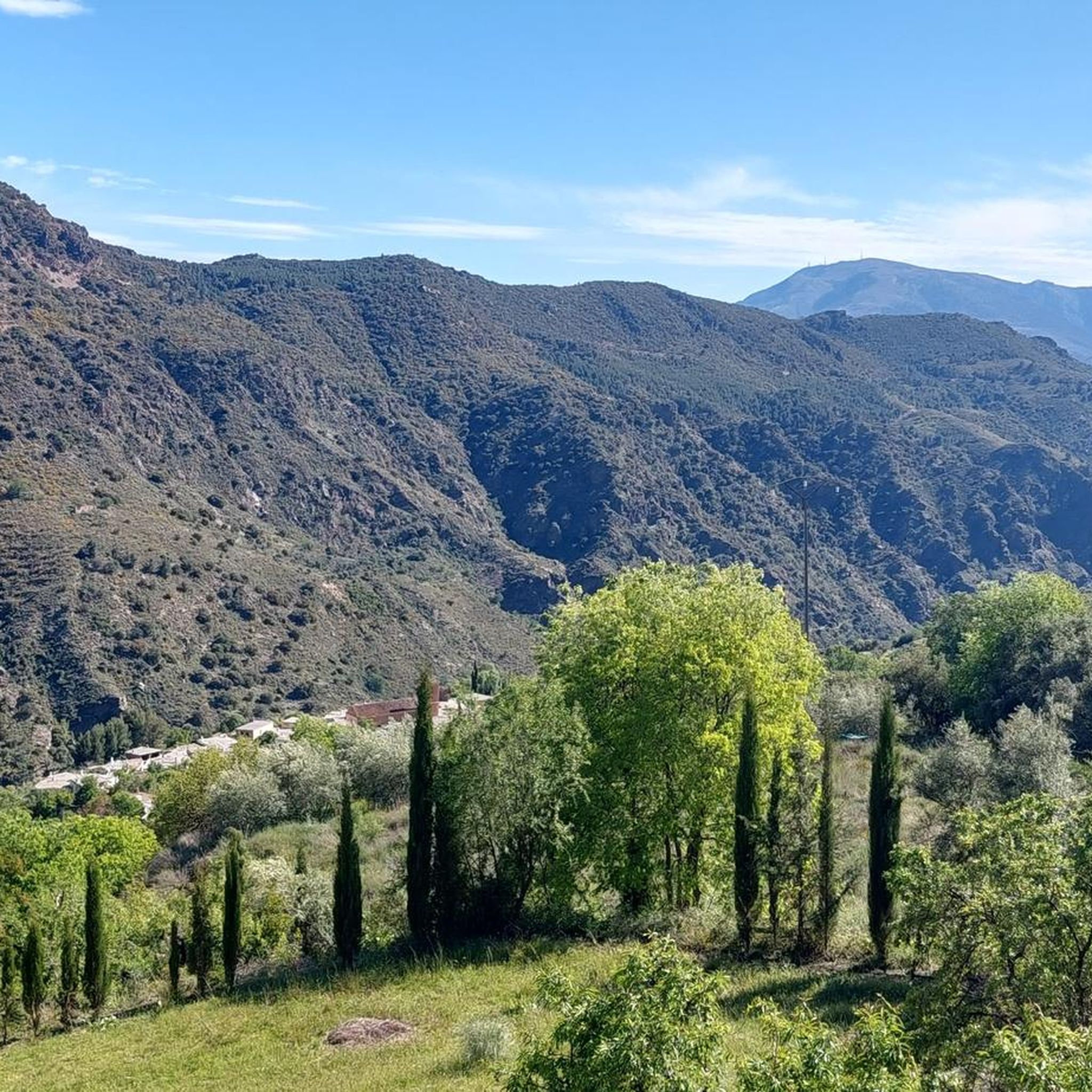
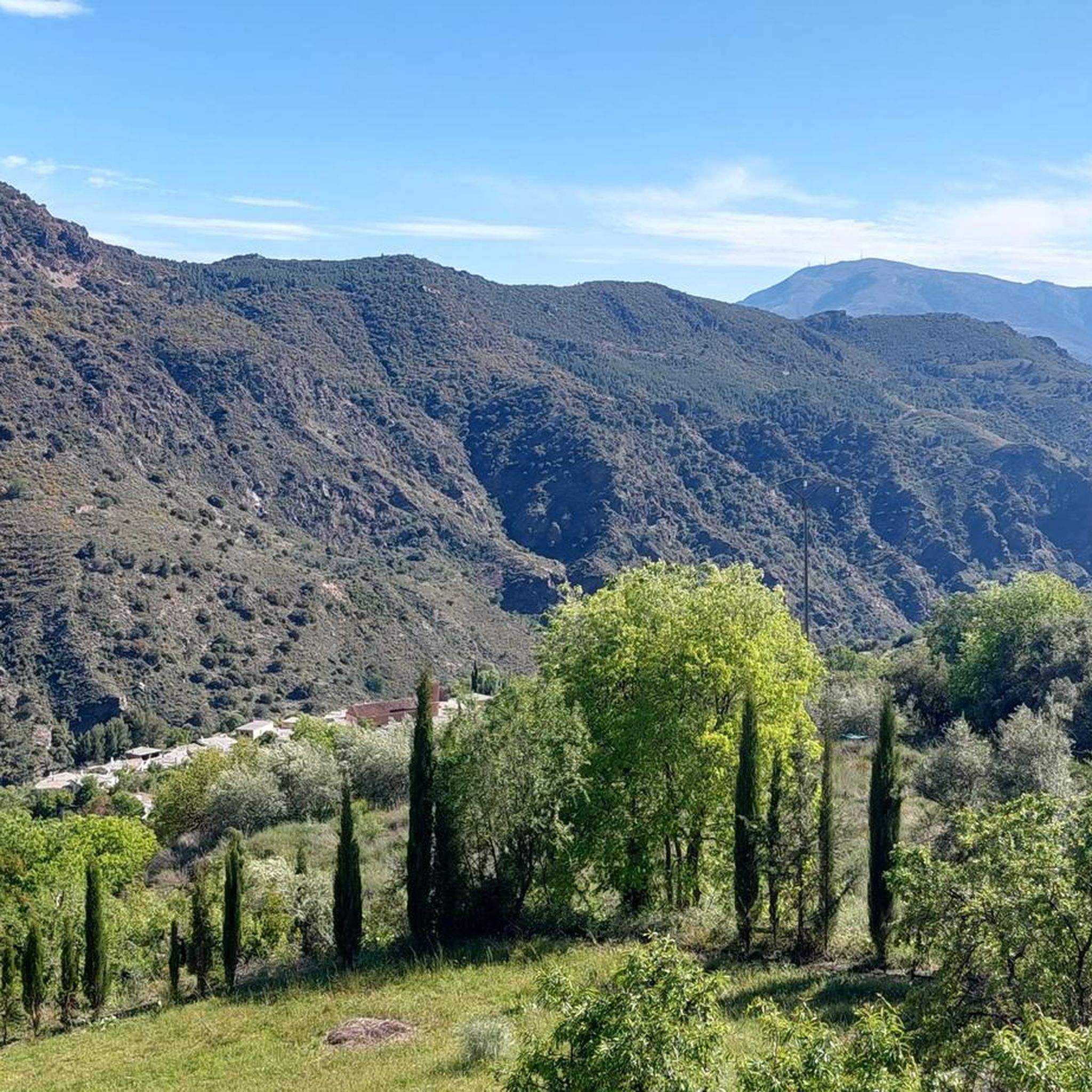
From here, a narrow but clear path (unfortunately not shown on the map!) leads down into the gorge to a bridge over the Rio Trevelez and thus to the GR-142 long-distance hiking trail, which connects the two villages of Fondales (in the northwest) and El Aguadero (in the southwest) via this bridge. I couldn't mark this great trail as a section HL because Komoot doesn't tolerate it!
2
0

A nice highlight for children: on the descent you pass a goat enclosure.
1
0
Frequently Asked Questions
What are the main types of 'canyons' found in La Taha?
In La Taha, the 'canyons' are primarily its barrancos (ravines) and the river valleys carved by waterways like the Bermejo and Trevélez rivers. These dramatic geographical features define the landscape, offering stunning natural beauty and numerous opportunities for exploration rather than traditional, deep slot canyons.
Are there specific gorges or waterfalls worth visiting in La Taha?
Yes, several natural features stand out. The Path through the Trevélez Gorge offers a clear trail down to a bridge over the Río Trevélez, connecting villages via the GR-142. Another impressive spot is the Tajo de Cortés Waterfall on the Bermejo River, which is part of a significant 900-meter drop and can be reached from Pitres or Pórtugos. You can also explore Tajo del Águila, a wide ravine formed by the Rambla de Nieles.
What kind of hiking trails can I find around La Taha's gorges and valleys?
The area is crisscrossed with numerous hiking trails, ranging from intermediate to challenging. Many paths follow ancient medieval trails, known as 'escarihuelas,' connecting picturesque villages. You can find routes that offer dominant views of the sunny slopes, traverse ravines, and lead to natural features like waterfalls. For more hiking options, explore the hiking guide for La Taha.
What is the best time to visit La Taha for outdoor activities?
The Alpujarras region, including La Taha, generally enjoys a pleasant climate. Spring (April-May) and autumn (September-October) are often considered ideal for hiking and exploring, as temperatures are mild and the landscapes are vibrant. Summers can be hot, especially in the valleys, while winters are cooler but often sunny.
Are there family-friendly activities or hikes in the La Taha region?
While some trails can be challenging, many paths offer a more relaxed experience suitable for families. Exploring the charming villages like Pitres, Mecina Fondales, and Ferreirola, which are nestled within the valleys, provides a cultural and scenic experience. Short walks between these villages on the ancient trails can be very enjoyable for families. Look for routes with 'easy' or 'moderate' difficulty ratings in the hiking guide.
What cultural and historical aspects can I discover while exploring the ravines?
The 'canyons' of La Taha are deeply intertwined with the region's history. You'll find ancient medieval trails (escarihuelas), traditional white-washed Alpujarran villages with well-preserved architecture, and old mills along the river paths. The area's history, influenced by the Nasrid kings, is evident in its enduring architectural style and the slow pace of life, offering a glimpse into an 'unspoiled' land.
Can I go canyoning in La Taha?
The region of La Taha is primarily known for its hiking and natural beauty within its barrancos and river valleys. While it offers dramatic landscapes, it does not feature extreme canyoning destinations in the same vein as some other areas in Spain. The focus here is more on exploring the deep ravines and river paths on foot.
What other outdoor activities are available near the gorges of La Taha?
Beyond hiking, La Taha offers excellent opportunities for mountain biking and road cycling. You can find routes that traverse the varied terrain, offering stunning views of the valleys and mountains. For specific routes and guides, check out the MTB Trails around La Taha and Cycling around La Taha guides.
Are there any natural springs or unique water features in the area?
Yes, the village of Ferreirola, nestled within the valleys, is particularly known for the quality of its spring water. It boasts the unique Fuente Gaseosa, which offers naturally carbonated, ferruginous water, providing a refreshing and distinctive natural experience.
What kind of wildlife might I encounter in the canyons and valleys of La Taha?
The natural environment of La Taha's barrancos and river valleys supports diverse wildlife. You might spot various bird species, including raptors soaring above the gorges. Mammals like wild boar, ibex, and smaller creatures also inhabit the area, though they are often more elusive. The flora is rich, with Mediterranean vegetation adapting to the varied terrain.
What do visitors enjoy most about the gorges and valleys of La Taha?
Visitors frequently appreciate the exceptional natural beauty, the tranquility, and the sense of stepping back in time. The blend of dramatic landscapes, authentic Alpujarran culture in the villages, and the extensive network of hiking trails are highly valued. The Path through the Trevélez Gorge is noted for its clear path and connection to the GR-142, while the Tajo de Cortés Waterfall is praised as an impressive natural spectacle.
Most popular routes around La Taha
Most popular attractions around La Taha

Get inspired with the komoot mobile app


Explore more
Already discovered everything in this region? See additional gorges around La Taha for your next adventure:
