Top 9 Gorges around Los Guajares
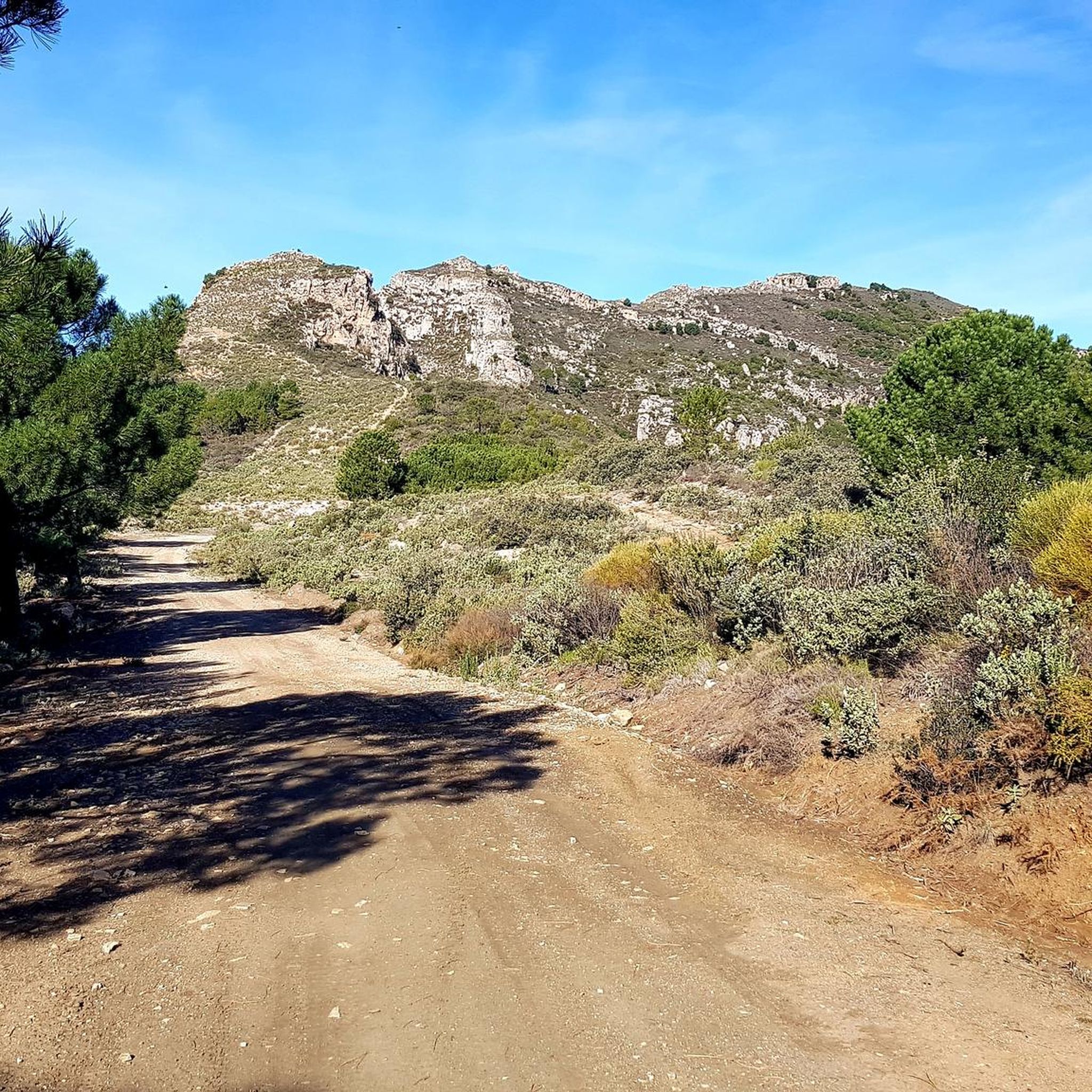
Canyons around Los Guajares are characterized by deep, river-carved valleys and dramatic ravines, reflecting the region's rugged topography. The area, whose name "Guájar" means "gorges" in Arabic, is shaped by features like the Rio Toba Valley and the ravines of the Rio Guadalfeo. This landscape offers a blend of natural beauty, historical sites, and opportunities for outdoor activities. The region features lush, terraced farmlands, diverse woodlands, and craggy cliffs, providing varied terrain for exploration.
Best canyons around Los Guajares
- The most popular canyons is Barranco de la Luna Gorge, a gorge that runs through a deep, narrow passage carved by water. It is approximately 700 m long, with high rock walls on either side.
- Another must-see spot is El Salado Ravine, a gorge named for the Verdelaga bush, which thrives in its high-mineral, ferruginous, and carbonated waters. Visitors can observe the unique geological and botanical features of this ravine.
- Visitors also love Barranco del Río Saleres, a canyon formed by the ravine of the Saleres River, also known as the Santo River. This canyon offers excellent views of the surrounding landscape.
- Los Guajares is known for its deep, river-carved valleys, ravines, and gorges. These natural features provide a variety of terrains to see and explore.
- The canyons around Los Guajares are appreciated by the komoot community, with 26 upvotes and 86 photos shared by visitors.
Last updated: May 7, 2026
Barranco de la Luna Gorge
Highlight • Gorge
Translated by Google •
Tip by

Three Waterfalls
Highlight • Waterfall
Translated by Google •
Tip by

Sign up now to discover places like this
Get recommendations on the best single tracks, peaks, & plenty of other exciting outdoor places.
Sign up for free
El Salado Ravine
Highlight • Gorge
Translated by Google •
Tip by

Barranco del Río Saleres
Highlight • Canyon
Translated by Google •
Tip by
Narrow Canyon Section
Highlight • Canyon
Tip by

Sign up for free to discover even more gorges around Los Guajares.
Sign up for free
Already have an account?
Start today with a free account
Your next adventure awaits.
Login or Signup

Tips from the Community

….Beautiful walk with excellent views ….
0
0

Walked Barranco de Luna. Just past the sign “Final de Sendero” we couldn’t possibly continue because the route was barricaded by piled up branches and overgrown with plants, so we had to turn back. Alas!
0
0

Route without much difficulty but with some complicated steps if you are not used to it.
0
0

Gets deep in places, never really higher than knee height though. This is about the deepest I think
0
0

The waterfalls can probably only be seen if you walk through the river bed and this also carries water in summer. With hiking boots you get 100% wet feet. Water sandals would be the better shoe choice here. Apparently the path through the river is well known and people knew about it. At first it doesn't look like the river has any water at all, but then the path becomes greener and greener and there is no longer a path next to the river. Close your eyes and through or vice versa. Definitely full with the right footwear. After 200 m of wet feet, a small path begins on the left in the direction of the river, up through the olive trees.
1
0

Best time to do in the morning and also during the week
1
0
Fabulous Step ravine best time to do it. During the week and from 10:00, the route is easy and short, it will not take you more than 1:30 hours and thus you will avoid the overbukin.
1
2
This is a cool route through the Barranco la luna, in the Albuñuelar area
1
0
Frequently Asked Questions
What are the most notable natural features to explore in the canyons around Los Guajares?
The region is characterized by deep, river-carved valleys and dramatic ravines. Key natural features include the Rio Toba Valley, known for its lush, subtropical landscapes and the impressive Río de la Toba Waterfall (El Salto). The Rio Guadalfeo has also sculpted spectacular gorges between the Lújar and Chaparal mountains. You can also explore specific highlights like Barranco de la Luna Gorge, a deep, narrow passage with high rock walls, and El Salado Ravine, notable for its unique geological and botanical features.
Are there opportunities for canyoning in Los Guajares?
Yes, the region offers opportunities for canyoning. The Barranco del Rio de la Toba within the Rio Toba Valley is a popular spot for this adventurous activity. Additionally, the Barranco de la Luna Gorge involves navigating through water and climbing, making it a challenging and rewarding experience for those seeking similar thrills.
What historical sites can be found near the canyons of Los Guajares?
The region has a rich history. A significant historical site is El Castillejo, an Almohad settlement and fortress from the 13th-14th centuries. Strategically located on a hill, it offers a glimpse into the region's Arab past with well-preserved structures and panoramic views of the surrounding valleys. The Rio Toba valley itself was historically known as the 'River of Blood' due to past battles.
What is the best time of year to visit the canyons around Los Guajares?
The Rio Toba ensures a consistent water supply even during the summer months, making it accessible. Generally, spring and autumn offer pleasant temperatures for hiking and exploring. After heavy rainfall, the Río de la Toba Waterfall (El Salto) becomes particularly spectacular.
What kind of wildlife can I expect to see in the canyons of Los Guajares?
The protected natural park encompassing Los Guajares is home to a variety of wildlife. Visitors might spot birds of prey, deer, and wild boar, making it an attractive destination for wildlife watching and photography.
Are there family-friendly trails or activities in the canyons?
While specific 'family-friendly' categories are not listed for all canyon highlights, the region offers a diverse network of trails. Routes like the 'Ruta de la Toba' connect the charming villages of Guájar Alto, Guájar Faragüit, and Guájar Fondón, offering paths among fruit trees that can be suitable for families. The general landscape includes gentle paths alongside more challenging routes.
What are some popular hiking routes near the canyons?
The region is a haven for hikers. A popular route is the 'Ruta de la Toba', a 9-kilometer trail connecting the three villages of Guájar Alto, Guájar Faragüit, and Guájar Fondón. Another option is the 'El Castillejo Ruins – El Castillejo Fortress loop'. For more hiking options, you can explore the Running Trails around Los Guajares guide, which includes routes like the 'Salobreña loop'.
What other outdoor activities are available near the canyons of Los Guajares?
Beyond hiking and canyoning, the rugged terrain of Los Guajares provides opportunities for rock climbing. For cycling enthusiasts, there are numerous routes, including those found in the Cycling around Los Guajares guide. Mountain biking is also popular, with trails like the 'Sierra de los Guájares - Albuñuelas Loop Trail' detailed in the MTB Trails around Los Guajares guide.
What makes the Barranco de la Luna Gorge a unique experience?
The Barranco de la Luna Gorge is a spectacular and unexpected experience. It runs through a deep, narrow passage carved by water, approximately 700 meters long, with high rock walls on either side. The river has sculpted a unique path, and the way sunlight filters through the rocks creates a magnificent visual effect. Be prepared for wet feet and some climbing.
Where can I find scenic viewpoints of the canyons?
Many areas offer excellent views. The climb to El Castillejo provides panoramic vistas of the surrounding valleys. Additionally, Barranco del Río Saleres is noted for offering nice views of the canyon formed by the Saleres River. The ravines of the Rio Guadalfeo also provide breathtaking backdrops for exploration.
Are there any waterfalls to visit in the canyon areas?
Yes, a significant attraction is the Río de la Toba Waterfall (El Salto). This enormous man-made cascade, created in 1973, manages water from an ancient irrigation ditch. After heavy rainfall, it becomes a spectacular sight, with water gushing down an imposing cliff into the valley. Another beautiful spot is Three Waterfalls, where you can find three cascades of different sizes.
What are the characteristics of the Rio Toba Valley?
The Rio Toba Valley is a verdant, subtropical expanse nestled between the Sierra de Los Guájares and Sierra de Río Verde mountain ranges. It is known for its lush landscapes, ancient terraced farmlands, diverse woodlands, and craggy cliffs. The valley is particularly famous for its abundant fruit cultivation, including oranges, lemons, and chirimoyas, earning it the nickname 'oasis between the mountains'. The Rio Toba ensures a consistent water supply, supporting its rich flora.
Most popular routes around Los Guajares
Most popular attractions around Los Guajares

Get inspired with the komoot mobile app


Explore more
Already discovered everything in this region? See additional gorges around Los Guajares for your next adventure:
