Top 5 Caves around La Pobla De Cérvoles
Best caves around La Pobla De Cérvoles are primarily natural rock shelters and historical sites, often integrated into popular hiking trails. This region is characterized by its natural landscapes and cultural heritage. These sites offer insights into past human activity and geological formations. The area provides opportunities to explore significant natural features within a scenic environment.
Best caves around La Pobla De Cérvoles
- The most popular caves is Pere's Cave, a historical cave and natural monument that features an…
Last updated: June 6, 2026
Ermita de Santa Magdalena d'Ulldemolins
Highlight • Religious Site
Translated by Google •
Tip by

Clot del Cirer
Highlight • Natural Monument
Translated by Google •
Tip by
Sign up now to discover places like this
Get recommendations on the best single tracks, peaks, & plenty of other exciting outdoor places.
Sign up for free
Pere's Cave
Highlight • Cave
Translated by Google •
Tip by

Cova Santa
Highlight • Cave
Translated by Google •
Tip by

Cova de l'Os
Highlight • Cave
Translated by Google •
Tip by
Sign up for free to discover even more caves around La Pobla De Cérvoles.
Sign up for free
Already have an account?
Start today with a free account
Your next adventure awaits.
Login or Signup

Tips from the Community

Deep cave with wide chambers. Strong flashlight recommended.
0
0

Nice corner that invites you to silence and meditation
0
0

The hermitage of Santa Magdalena d'Ulldemolins is also known as the Montsant cathedral for its Renaissance style. Although it was built in the 16th century, it was not until the 18th century when it was opened to worship and was equipped with an altarpiece that was destroyed in 1936.
0
0

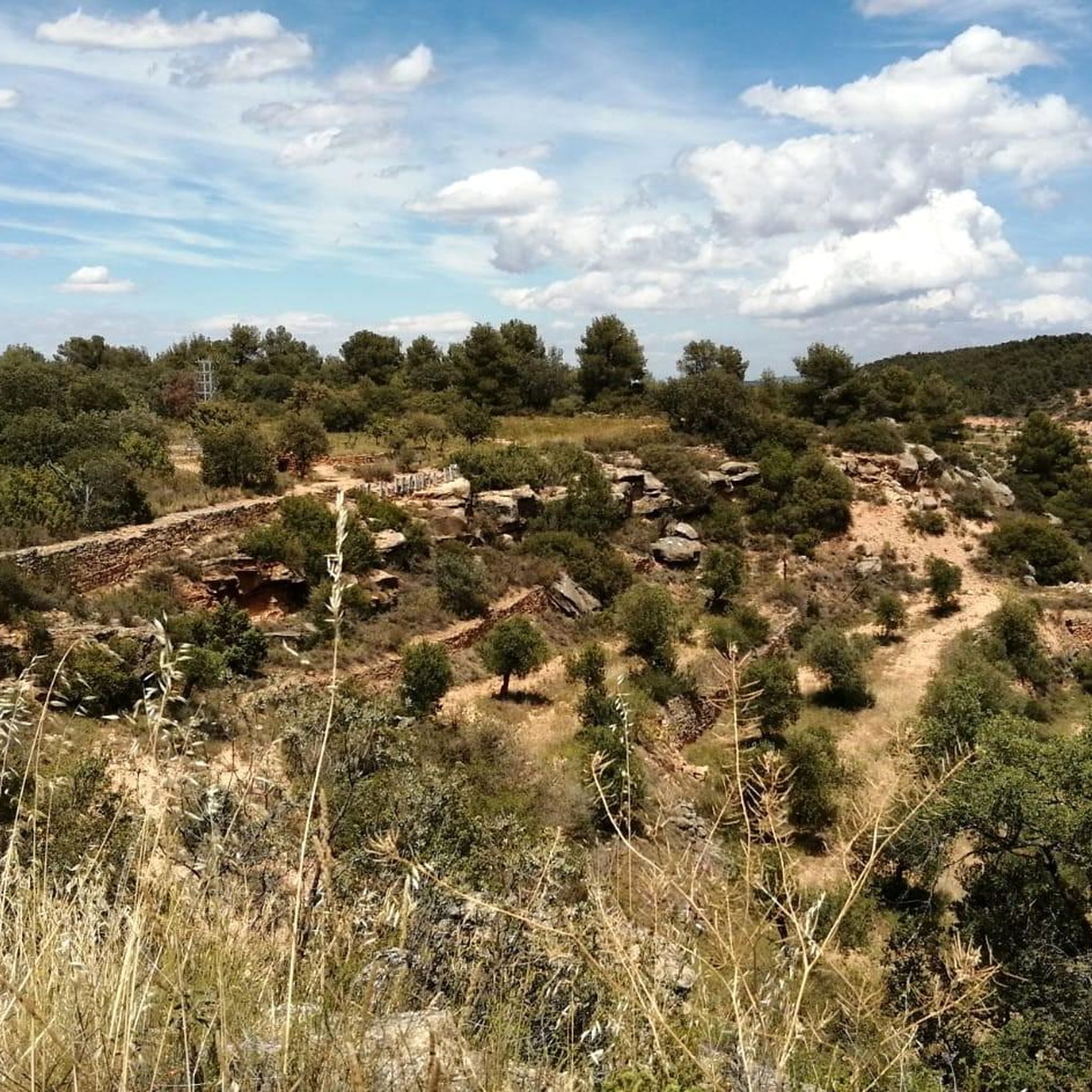
Peter's cave has an entrance 15 meters wide and about five meters high and where in the past, it was covered by a wall that gave it protection. It is known as the cave of Nen de Prades who was a soldier in the Carline War of the late 19th century.
1
1

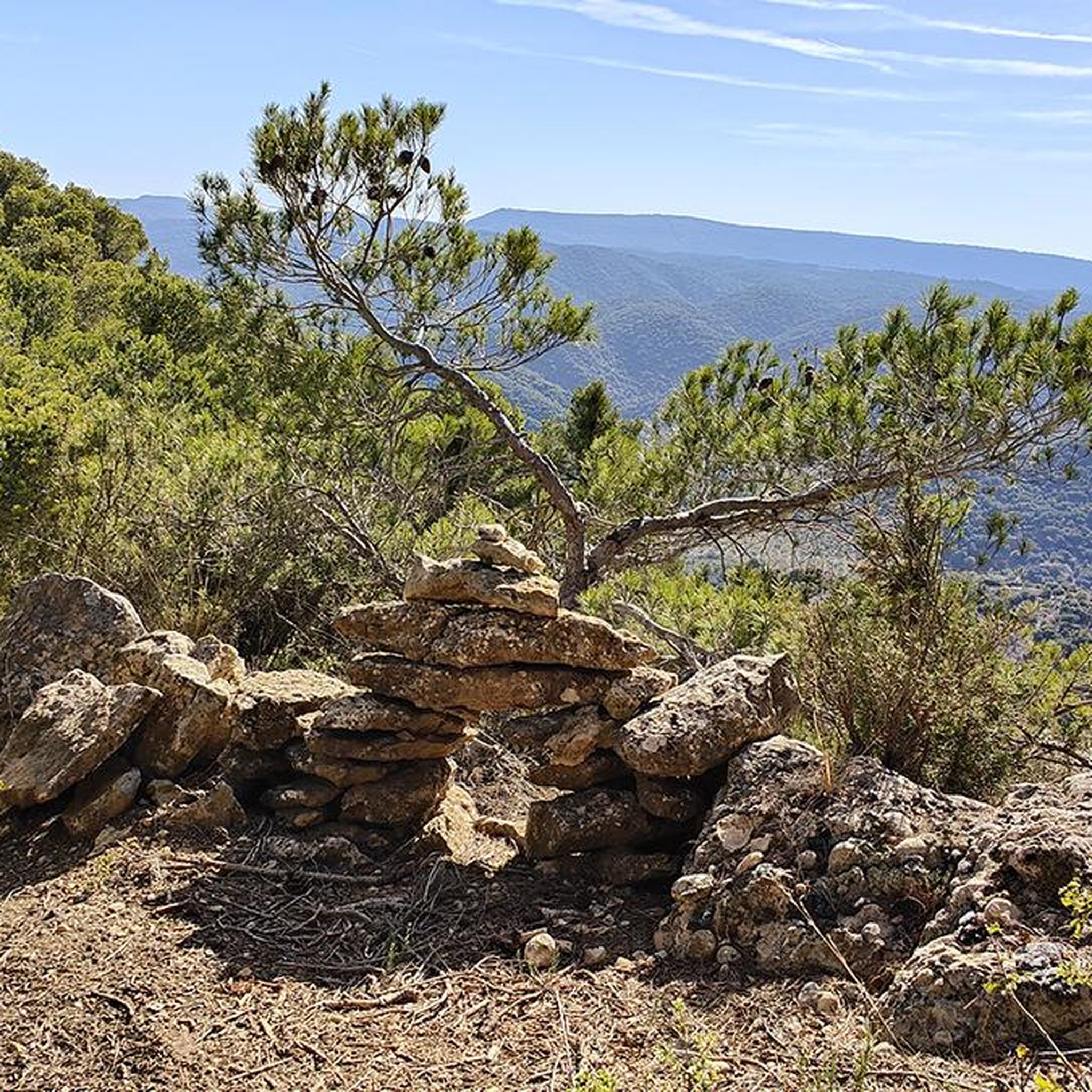
Balma wide but not very suitable for bivouac due to the humidity and the large amount of vegetation that is found. In case of emergency it can be used as a shelter. It has the remains of a stone wall, which suggests that at some point it was used for human or livestock use.
0
0
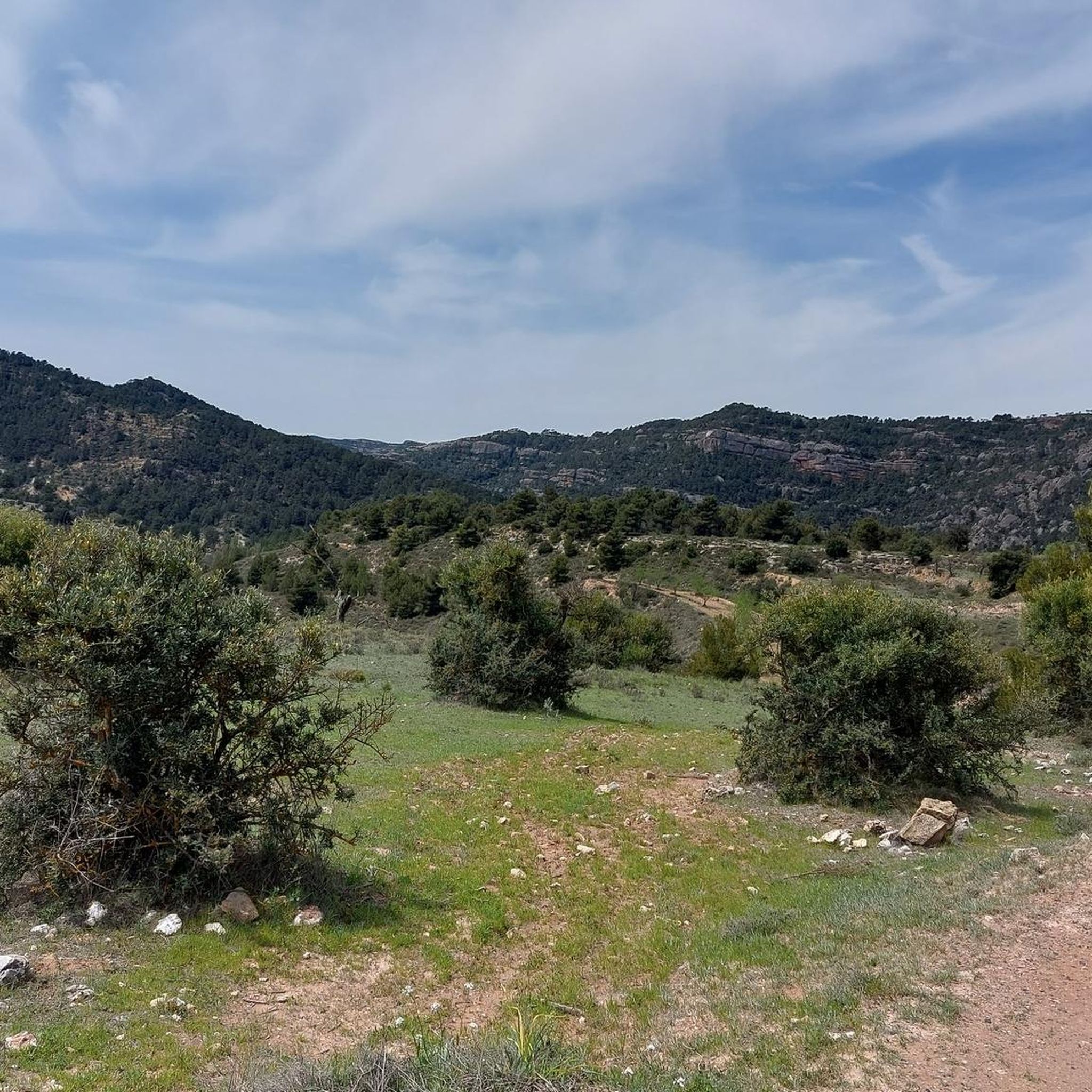
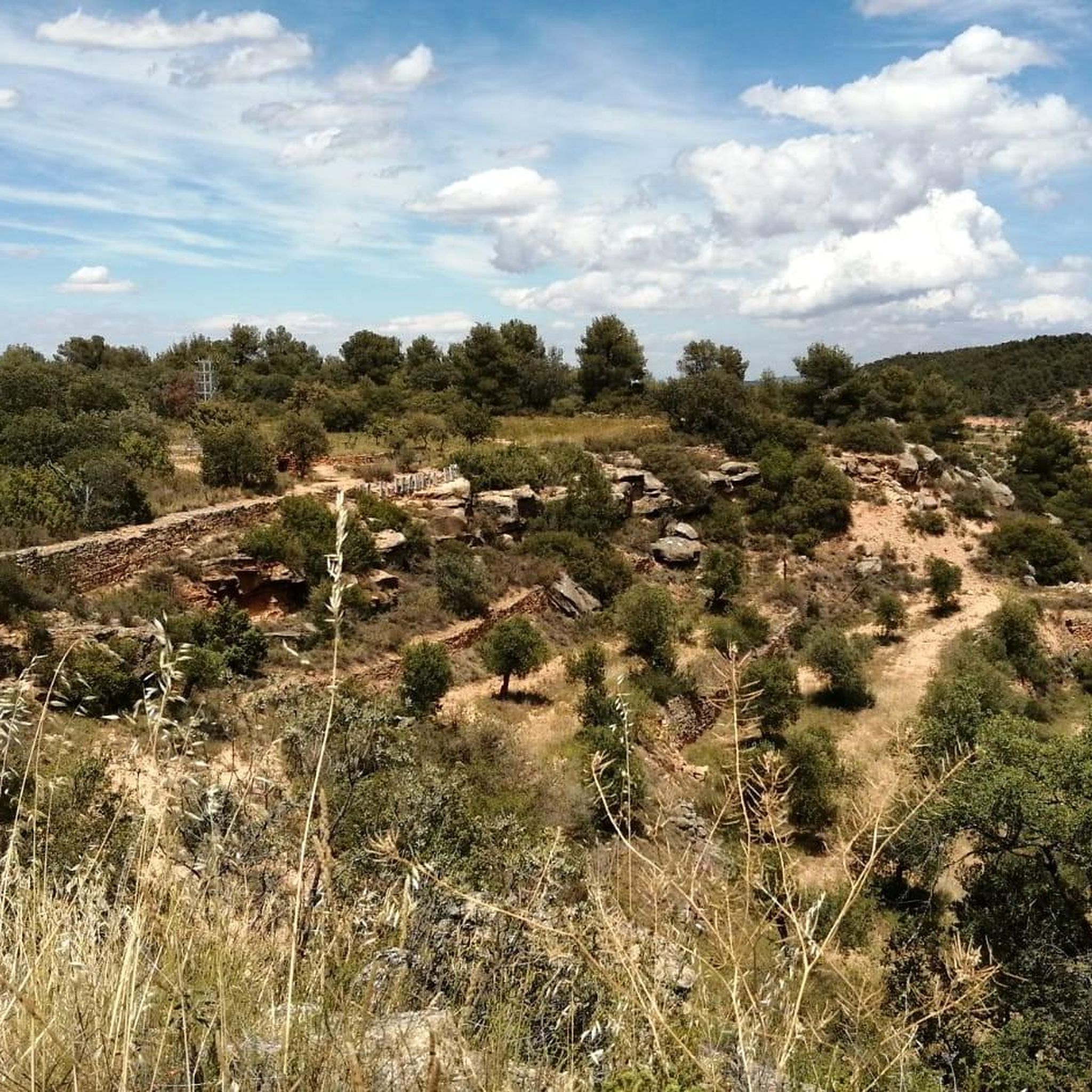
This corner of Montsant is one of the emblematic places of the Natural Park. It is located in the heart of the mountains and can be reached from La Morera de Montsant, either by the Grau de Salfores, or by the Grau de la Grallera towards the Piló dels Senyalets, and from both points to the Pi del Cugat , where you have to take a path that goes down to the Clot. It is an oasis of greenery in the middle of the arid Serra Major, as there is usually water all year round. Contrary to many people's beliefs, in the middle of nowhere, there is a walnut tree, not a cherry tree. The cherry tree that gave the place its name died years ago and a walnut tree was planted in its place. In the past, shepherds used to bring their flocks to drink, and the drinking troughs they prepared for their flocks are still preserved.
0
0
Santa Magdalena, called the Cathedral of Montsant, is a hermitage in the municipality of Ulldemolins (Priorat) protected as a cultural asset of local interest. Santa Magdalena was founded by Fra Llorenç Julià. The plans are the work of Jaume Amigó, the same architect who had made the parish church of Sant Jaume, who took it as a model. The building was built around 1579 and at the same time a house was built for the hermit. An attempt was made to install a convent in 1579 but the people did not allow it. Between 1587 and 1599, the chapel was abandoned by order of the archbishop, as a result of disputes between the municipality and the Carthusian monastery of Escaladei over the hermitage and the surrounding lands. At that time it was badly damaged. Reopened for worship, the hermitage was enriched with altarpieces during the eighteenth century that were destroyed in 1936. Building with a single nave with three chapels on each side and a presbytery separated by a triumphal arch. The vault starts from a frieze, semicircular with lunettes. A gallery runs over the side chapels. Below the presbytery is a crypt that opens onto a gallery dug into the rock at the end of which is a room. Nearby there is a recreation area with a fountain, tables and a place to make a fire.
0
0

Frequently Asked Questions
What historical or archaeological sites can I find among the caves?
The region features several sites with historical significance. The Pere's Cave is a historical cave and natural monument known for its association with the 'Nen de Prades' from the Carline War and contains remains from the Spanish Civil War. Additionally, the Cova del Cintet holds significant archaeological value as a Middle Bronze Age site, where remains were discovered during excavations in 1978.
Are there hiking trails that lead to the caves?
Yes, many caves are integrated into hiking routes. The Cova del Cintet is part of an 11.5 km hiking trail called 'Ruta 1. Font de la Teula i cova del Cintet'. The Cova de la Ginera is also included in 'Ruta 4. Castell d'en Marc, cova de la Ginera, vinya dels Artistes', a 7 km hiking route. For more hiking options in the area, you can explore the Hiking around La Pobla De Cérvoles guide.
What natural features can I expect to see in the caves around La Pobla De Cérvoles?
The caves are primarily natural rock shelters and balmas. For example, Clot del Cirer is a natural monument and viewpoint offering an oasis of greenery with water available year-round. The Cova del Cintet is a large rock shelter excavated in conglomerated rock, approximately 35 meters long and 14 meters deep.
Do I need any special equipment to explore the caves?
For some caves, a strong flashlight is highly recommended. For instance, visitors to Cova Santa are advised to bring one to explore its wide chambers and depths effectively.
Are there any family-friendly caves or trails suitable for children?
While specific 'family-friendly' designations for individual caves are not provided, many of the caves are accessible via hiking trails of varying difficulties. The Cova Santa is described as easily accessible with wide chambers, which might be suitable for families. When planning, consider the length and difficulty of the hiking routes leading to the caves.
What is the best time of year to visit the caves in La Pobla De Cérvoles?
The caves are generally accessible year-round, but the best time to visit for hiking and outdoor exploration is typically during spring (April-June) and autumn (September-November) when the weather is milder and more pleasant for walking the trails leading to the caves. Summers can be hot, and winters might bring colder temperatures.
Are there any lesser-known or unique caves to discover?
Yes, beyond the more prominent ones, you can find interesting sites like Cova de l'Os, a wide balma with remains of a stone wall suggesting past human or livestock use. Another unique spot is Cova Fumada, known for its perfectly equipped interior, suggesting it was used for extended stays, and its smoke-blackened roof.
What other outdoor activities can I do near the caves?
The region around La Pobla De Cérvoles offers various outdoor activities. Besides hiking, you can find numerous cycling and road cycling routes. Explore options in the Cycling around La Pobla De Cérvoles guide and the Road Cycling Routes around La Pobla De Cérvoles guide.
Is there parking available near the cave entrances or trailheads?
For the Cova del Cintet, it can be reached by following the old road from Cervià de les Garrigues to El Vilosell, near the Masia del Tella, and then descending to the Set river. Parking availability would typically be at the start of the hiking trails or designated areas in nearby villages. It's advisable to check specific trailheads for parking information before your visit.
Are the trails leading to the caves dog-friendly?
While specific dog-friendly designations for each cave trail are not detailed, many hiking routes in natural areas are generally accessible for dogs, provided they are kept on a leash and owners follow local regulations. It's always best to check local signage or specific trail guidelines for the routes you plan to take.
What is the significance of the Cova del Cintet beyond its archaeological value?
Beyond its archaeological importance as a Middle Bronze Age site, the Cova del Cintet is also a site of local tradition. An annual mass and popular events are held there on the first Sunday of September, making it a cultural gathering point for the community.
What kind of geological features characterize the caves in this region?
The caves in La Pobla De Cérvoles are predominantly natural rock shelters, often formed in conglomerated rock. These are large overhangs or shallow caves, known locally as 'balmas', rather than deep, extensive cave systems. They often show signs of natural erosion and sometimes human modification or use over centuries.
Most popular routes around La Pobla De Cérvoles
Most popular attractions around La Pobla De Cérvoles

Get inspired with the komoot mobile app


Explore more
Extend your search for the best caves by checking out these guides of the top ones around La Pobla De Cérvoles:
