Top 6 Caves around Cortes De Pallás
Best caves around Cortes De Pallás are situated in a municipality within Valencia, Spain, known for its dramatic landscapes. This region features a diverse array of geological formations, including karst caves and subterranean rivers. The area provides opportunities for exploring natural wonders and historical sites. Cortes De Pallás offers a variety of cave experiences for those interested in natural history and outdoor exploration.
Best caves around Cortes De Pallás
- The most popular caves is Tejador Cave, a cave that…
Last updated: May 6, 2026
Tejador Cave
Highlight • Cave
Translated by Google •
Tip by

Calicanto raft shelter
Highlight • Historical Site
Translated by Google •
Tip by

Sign up now to discover places like this
Get recommendations on the best single tracks, peaks, & plenty of other exciting outdoor places.
Sign up for free
La Araña Cave and La Rebolla Waterfall
Highlight • Cave
Translated by Google •
Tip by
Cuevas de la Araña
Highlight • Cave
Translated by Google •
Tip by
Barranco de Hongares Trail
Highlight • Trail
Translated by Google •
Tip by
Start today with a free account
Your next adventure awaits.
Login or Signup
Popular around Cortes De Pallás
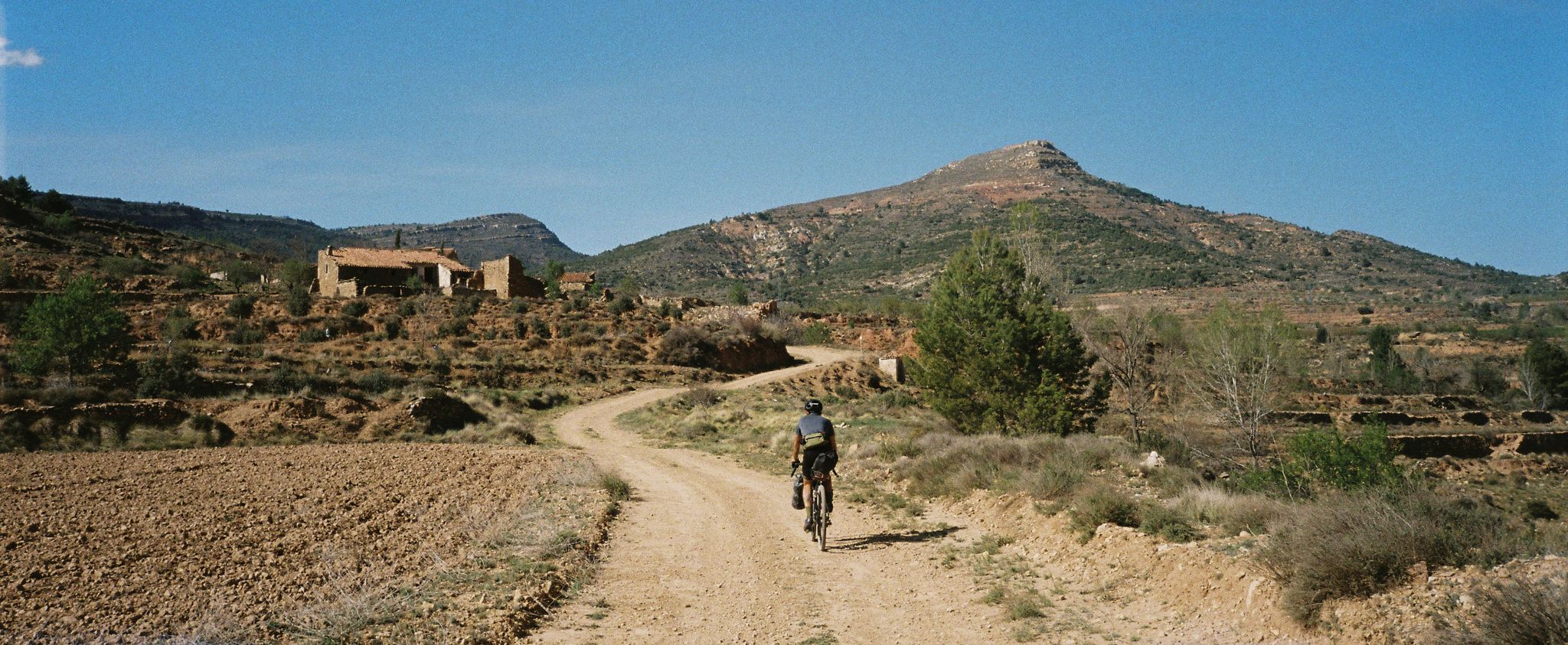
Path of the Tasters - Bikepacking in the Valencian ranges
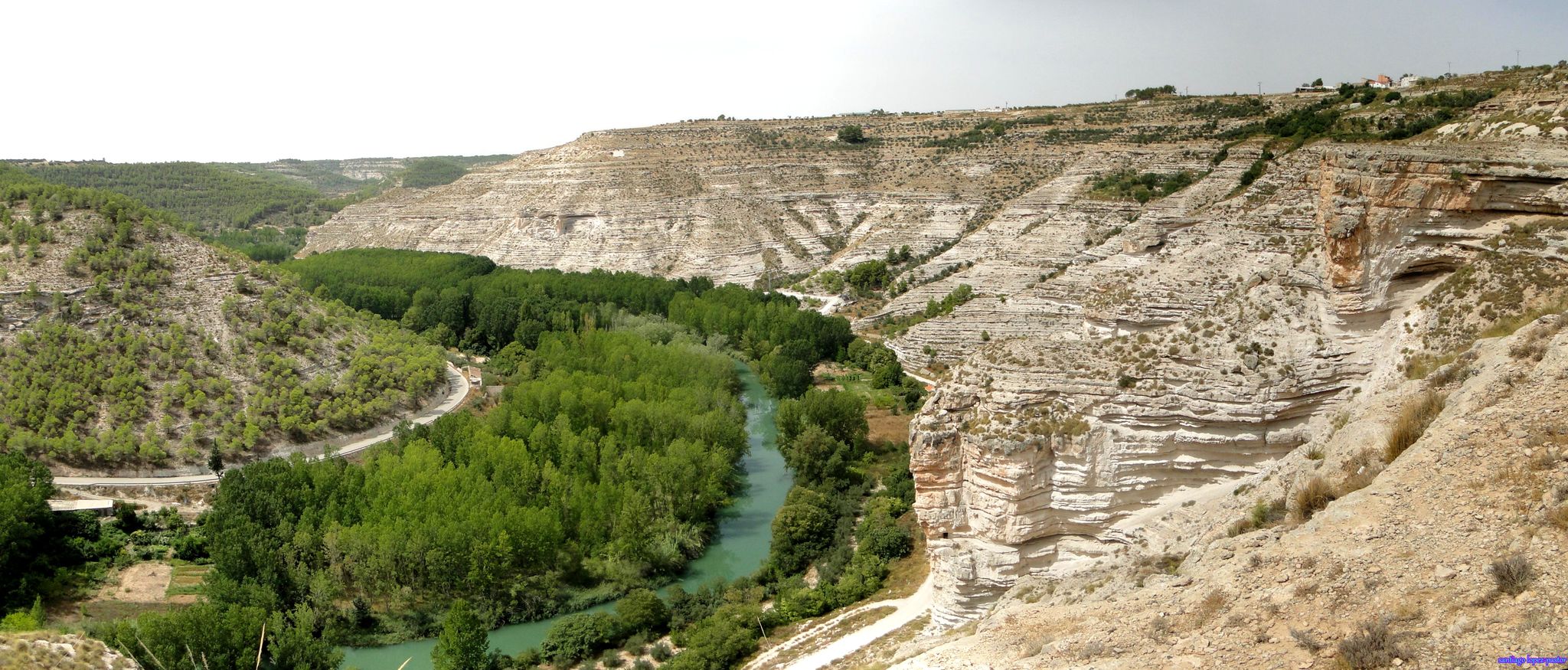
Explore Spain’s Júcar River by bike
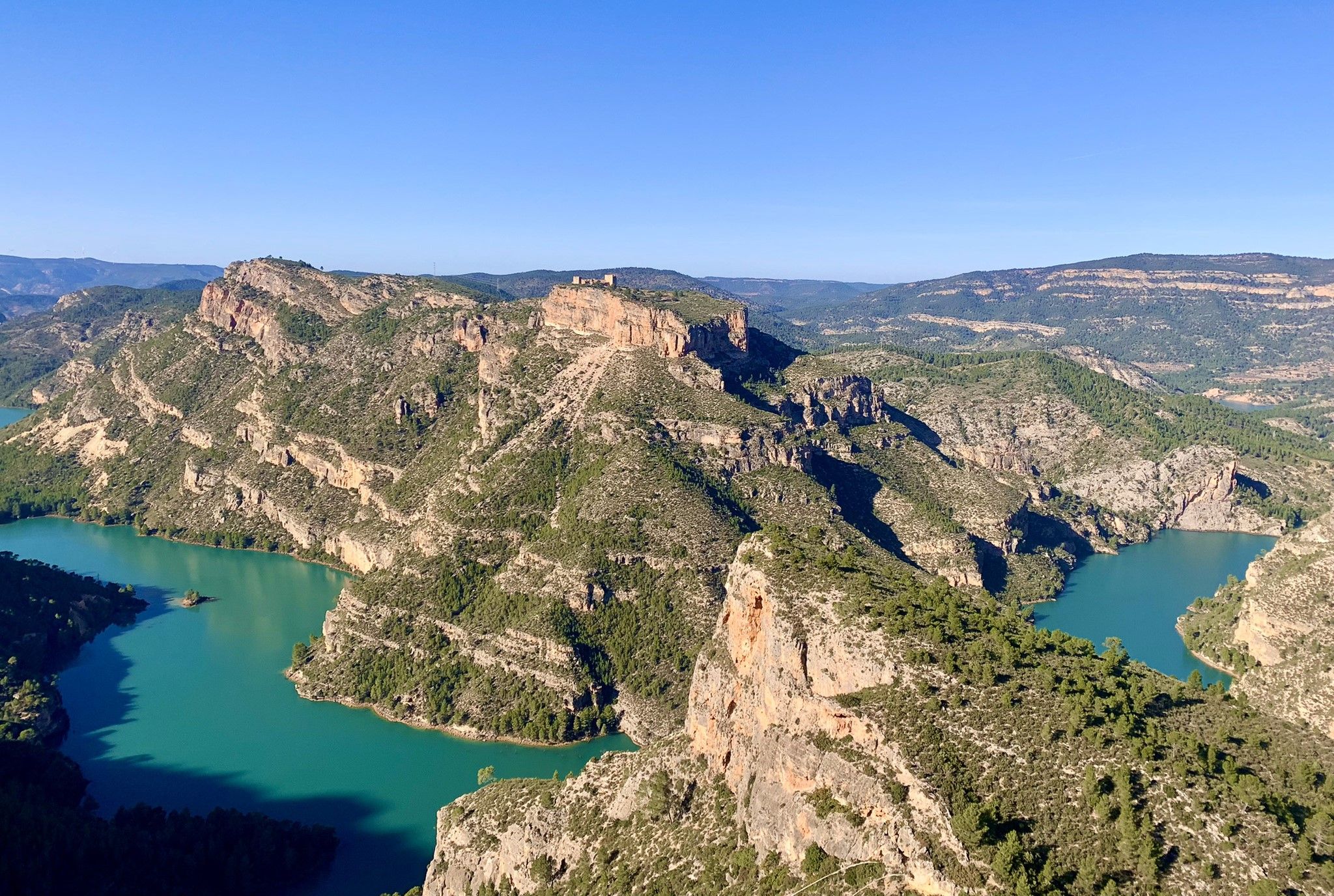
A journey full of discoveries – the Valencia region on foot (GR7)
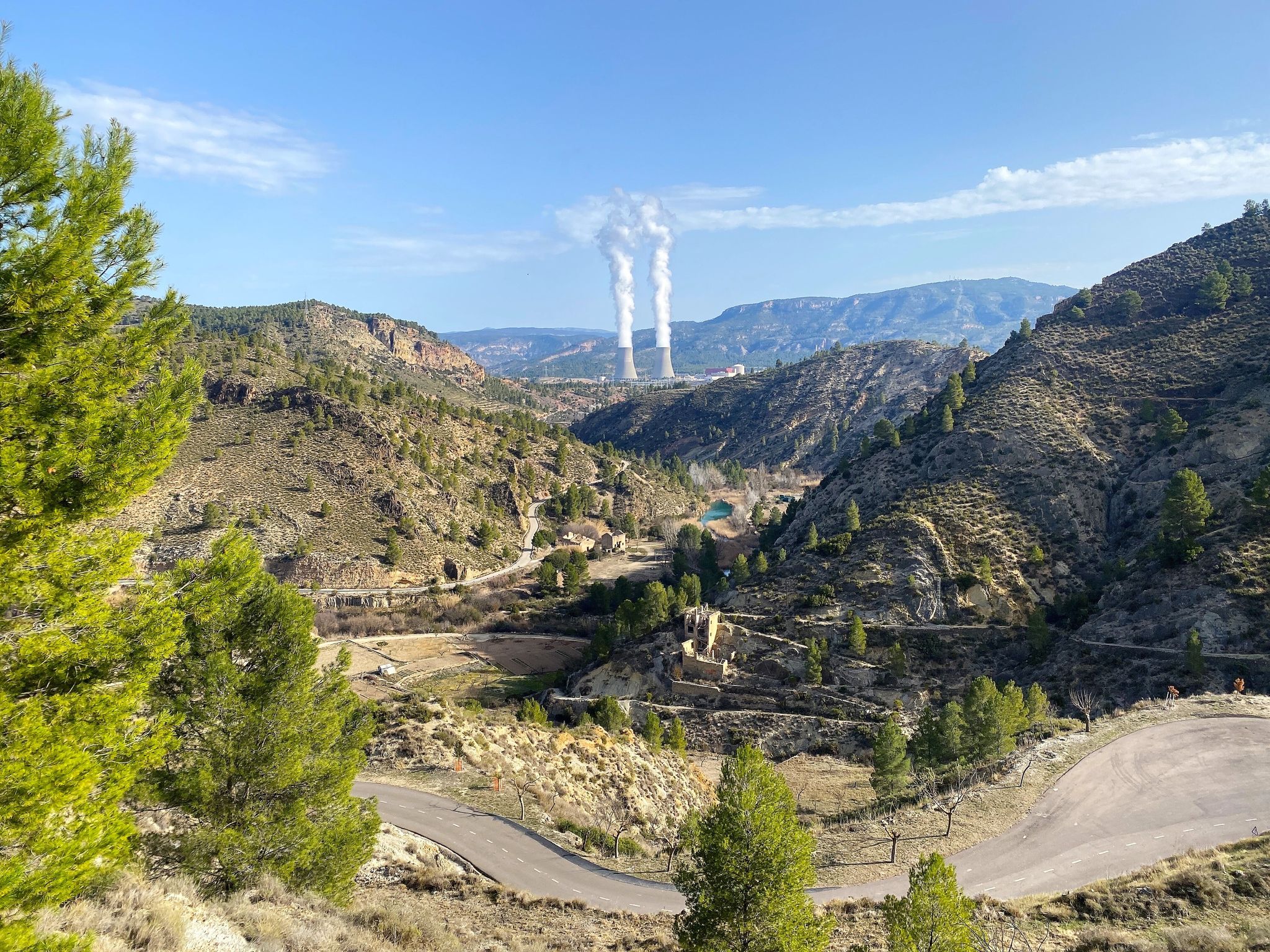
Where water shapes the landscape – Cofrentes and Cortes de Pallás
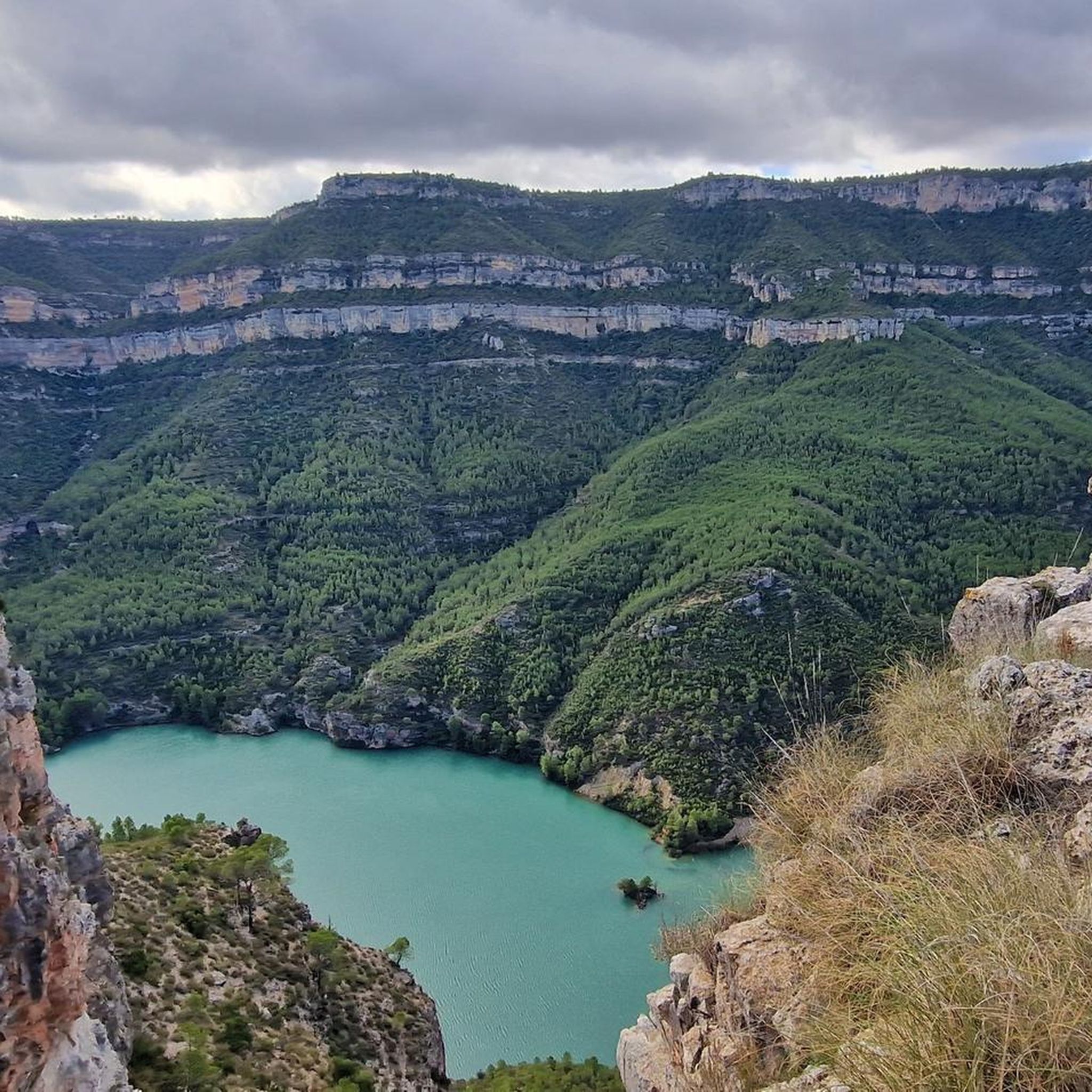
MTB Trails around Cortes De Pallás
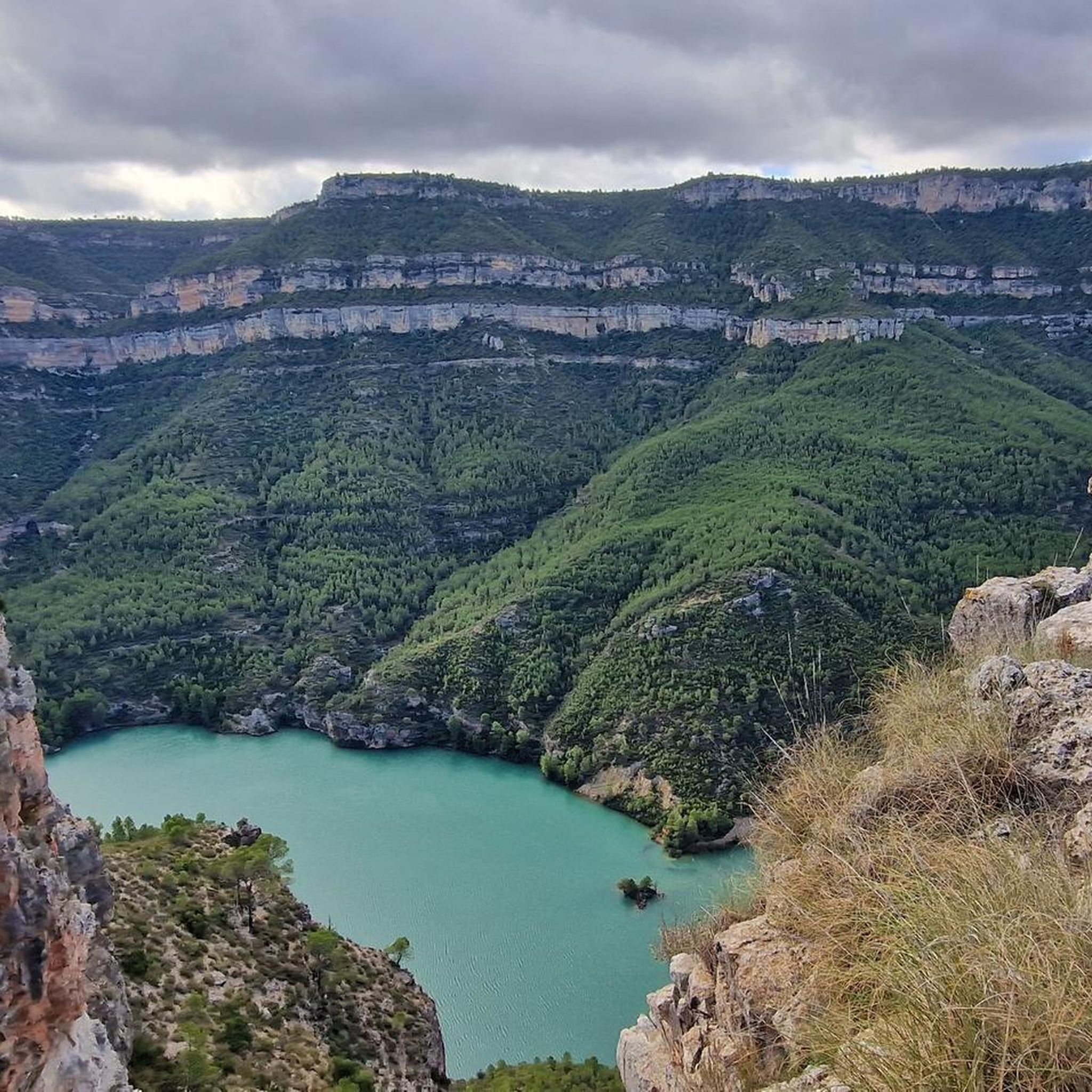
Hiking around Cortes De Pallás
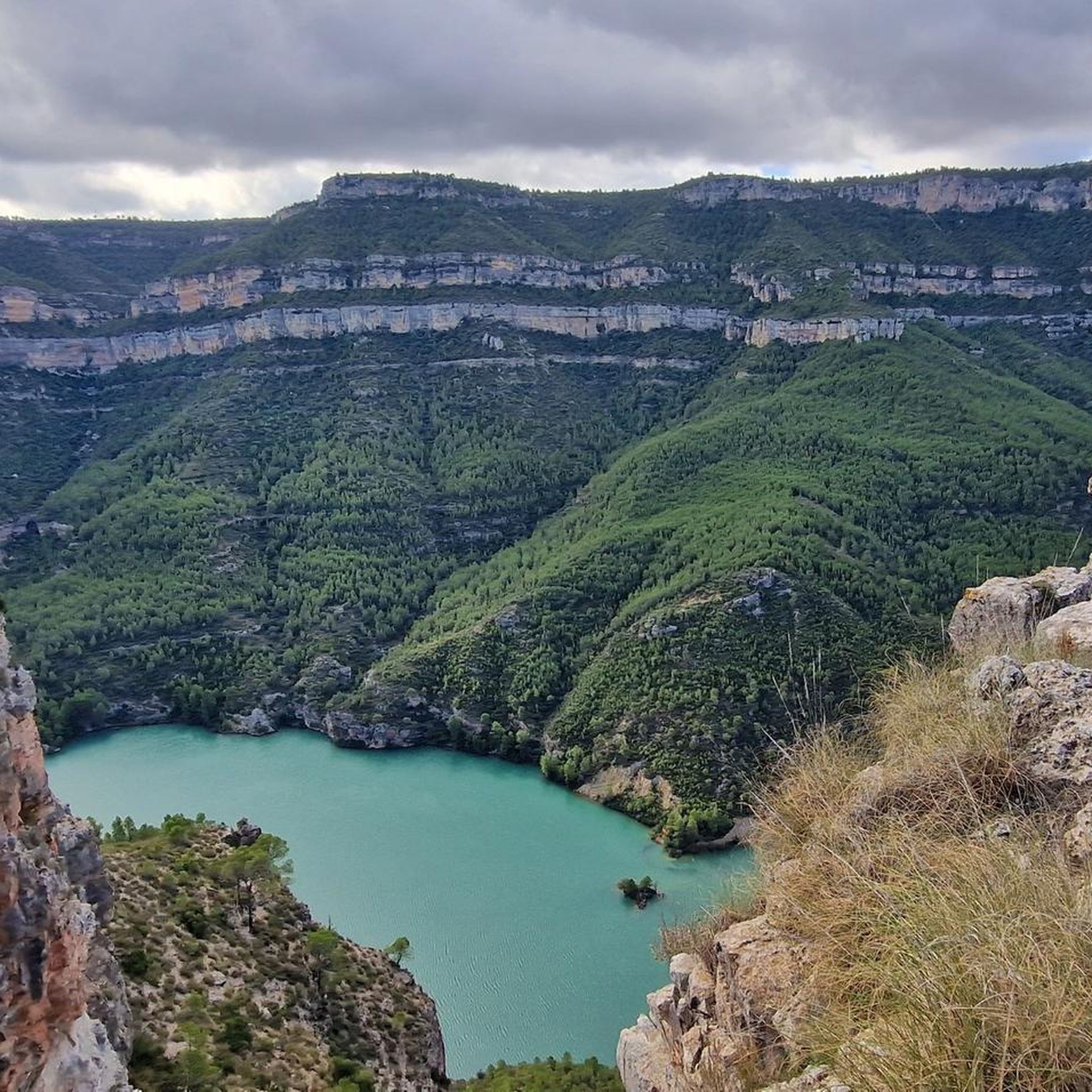
Road Cycling Routes around Cortes De Pallás
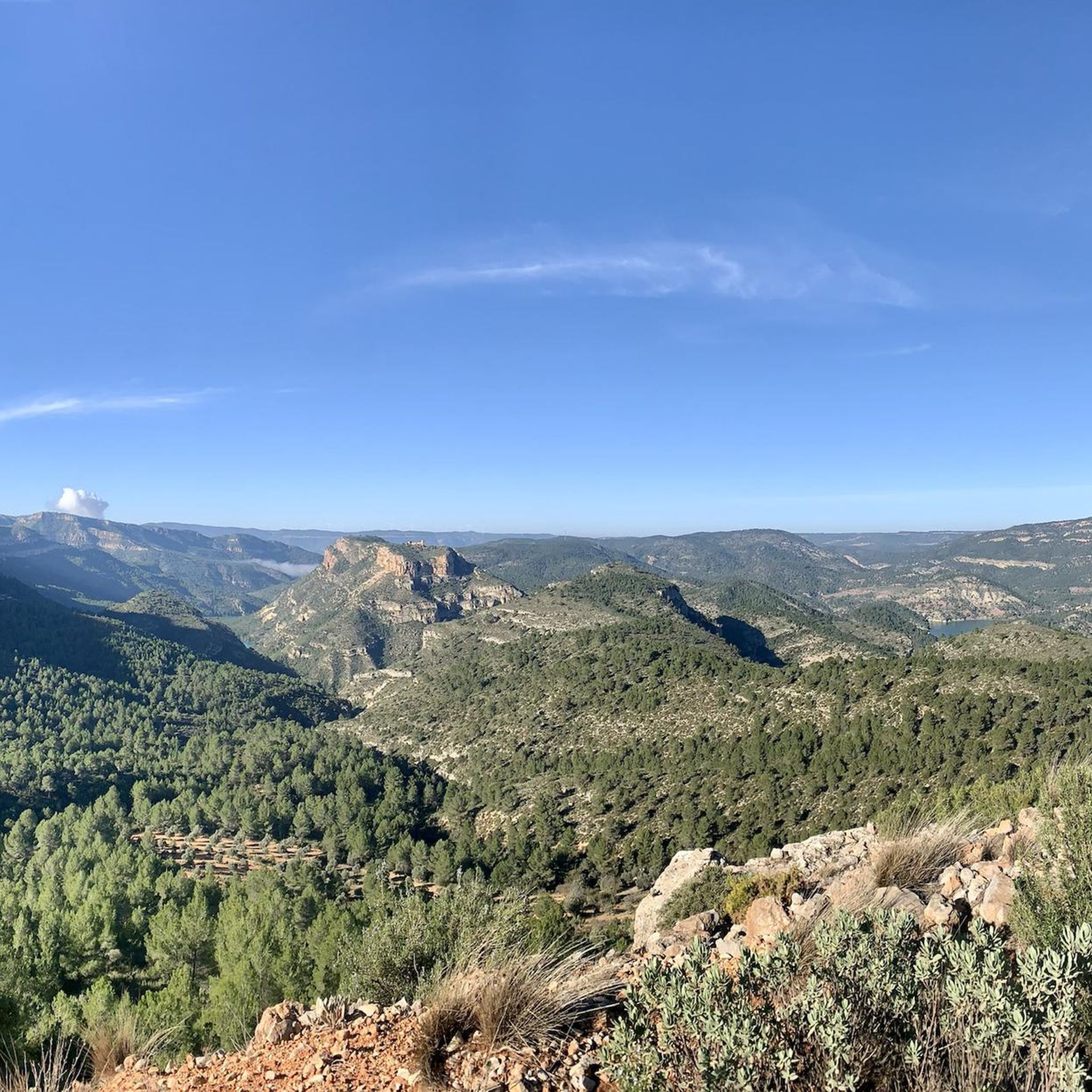
Running Trails around Cortes De Pallás
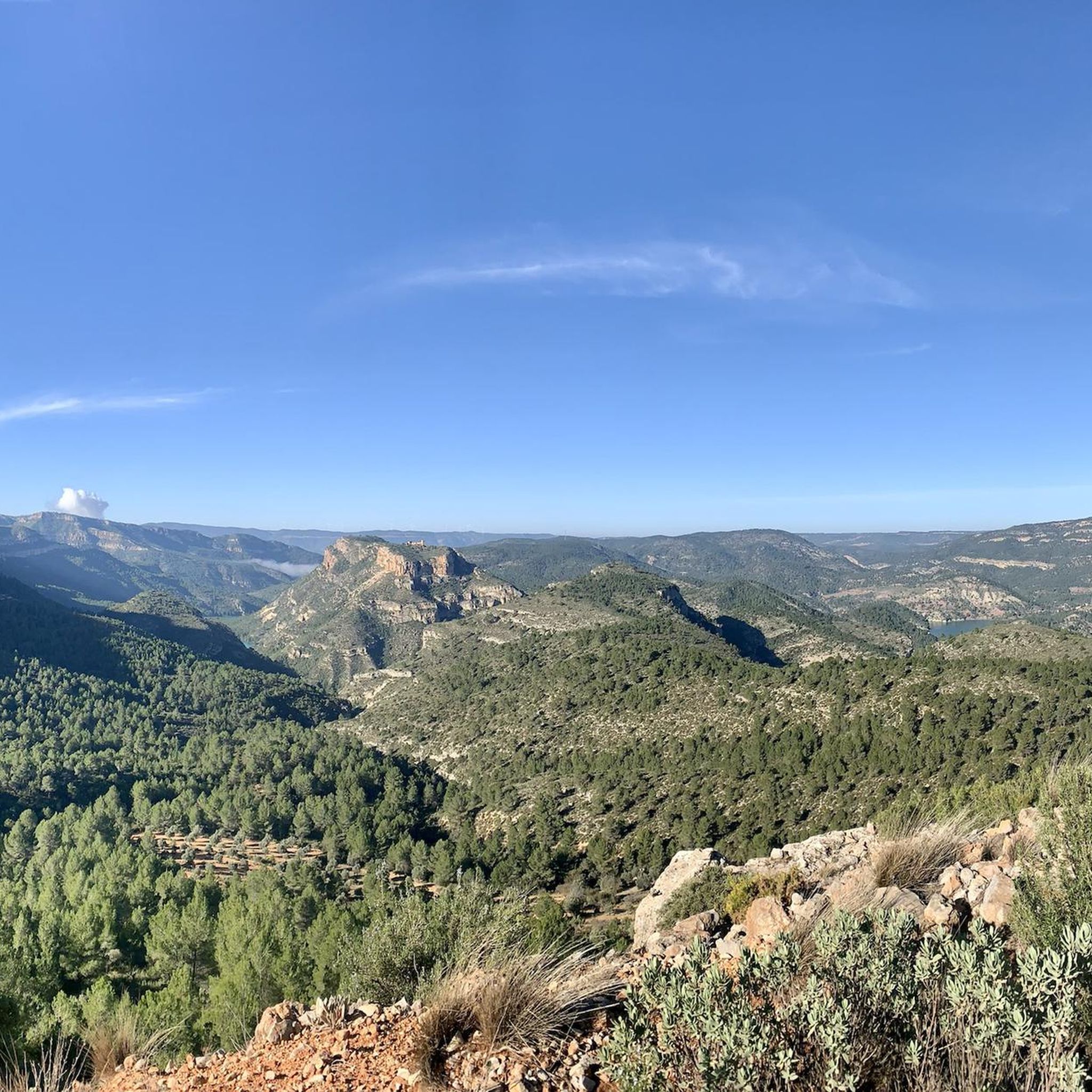
Cycling around Cortes De Pallás
Other adventures around Cortes De Pallás


Tips from the Community

It's not much, but it's worth a visit, as it's very close to the route.
0
0

There are two cavities that contain the cave paintings. In the first part of the first cave, Cave 1, you can see an archer and a deer on the left, a roe deer on the right, and between the two archers another human figure. In the second part of the first cave, Cave 2, the largest and with the largest number of paintings, you can admire the famous scene of the gathering of honey.
0
0

You can still distinguish some of the cave paintings drawn on the walls of the shelter. Currently, it is fenced to protect this ancestral work from any vandalism.
1
0

Very entertaining path that runs next to the Hongares ravine and among a very beautiful grove of trees. It allows you to reach the Cueva de Las Arañas and the Chorrador de la Rebolla.
0
0
It is a set of caves dating between 9000 and 1400 BC. They were discovered at the beginning of the 20th century and declared a UNESCO World Heritage Site in 1998 and contain one of the most famous representations in the world, the Bicorp man climbing lianas to obtain honey from wild bees.
2
0
It is an interesting and very striking cave a few meters from the Cortes stream. The story tells that a person who cared for and herded his goats lived there for a long time. It is a very picturesque and very quiet place.
1
1
Very striking cave a few meters from the Cortes stream. The story tells that a person who took care of and herded his goats lived there for a long time. A very picturesque and very quiet place.
2
0
Archaeological site with views of the Chorrador de La Rebolla, the Hongares ravine. From the viewpoint to the chorrador you can take the path on foot to reach the caves that remain closed except by appointment to enter.
2
0
Frequently Asked Questions
What types of caves can I explore in Cortes de Pallás?
Cortes de Pallás offers a diverse range of caves, from extensive karst formations with spectacular stalactites and stalagmites like Cueva Hermosa, to active subterranean rivers such as Cueva de la Hiedra. You can also find historical sites with ancient cave paintings like the Calicanto raft shelter and La Araña Cave, and even caves popular for sport climbing like Cueva de la Mora.
Which caves in Cortes de Pallás feature ancient cave paintings?
The region is rich in historical cave sites. You can visit the Calicanto raft shelter, where some cave paintings are still distinguishable. Another significant site is La Araña Cave and La Rebolla Waterfall, which contains cavities with depictions of archers and a famous scene of honey gathering. Additionally, the Cuevas de la Araña are a UNESCO World Heritage Site known for the 'Bicorp man' climbing lianas for honey.
Are there caves suitable for speleology enthusiasts in Cortes de Pallás?
Yes, Cueva Hermosa is an ideal spot for speleology due to its complex and extensive interior, featuring numerous halls like the Sala de los Gigantes and impressive geological formations. Cueva de la Hiedra also offers a unique experience with its active subterranean river and hydrological features, making it interesting for those with caving knowledge.
Is there an easily accessible cave for a quick stop during a hike?
Minguita Cave is easily accessible, located just 50 meters off the main path of the Ruta de Cavanilles. It provides a convenient, shaded resting spot during a hike, perfect for a short break and enjoying the natural surroundings. The Tejador Cave is also very striking and located just a few meters from the Cortes stream, making it a picturesque and quiet place to visit close to a route.
What unique natural features can be found in the caves of this region?
The caves around Cortes de Pallás boast several unique natural features. Cueva Hermosa is known for its spectacular stalactites and stalagmites, deep galleries, and a beautiful water source. Cueva de la Hiedra features an active subterranean river with low ceilings, white gours, and erosion domes, making it a fascinating hydrological site. Many caves also serve as natural habitats for bats.
Can I go climbing near the caves in Cortes de Pallás?
Yes, Cueva de la Mora (also known as Cueva de la Reina Mora) is a popular destination for sport climbing in Cortes de Pallás. It offers well-equipped climbing routes and provides incredible landscapes and panoramic views of the reservoir and the Júcar River from its high-up location.
What outdoor activities can I do near the caves in Cortes de Pallás?
The area around Cortes de Pallás offers a variety of outdoor activities. You can find numerous cycling routes, including challenging options like the Júcar Canyons and Jalance Castle Loop. There are also running trails, such as the Tejador Cave – El Corbinet Waterfall loop, and mountain biking trails like the Las Aldeas de Basta y Alcance Trail. For more details, explore the cycling, running, and MTB guides for the region.
Are there hiking trails that incorporate cave visits in Cortes de Pallás?
Yes, several hiking opportunities allow you to visit caves. The Barranco de Hongares Trail is a very entertaining path that leads to the Cuevas de la Araña. Cueva Hermosa is also part of a pleasant hiking route that can include a visit to the nearby Castillo de Chirel. Minguita Cave is conveniently located along the Ruta de Cavanilles, making it an easy stop during a walk.
What do visitors appreciate most about the caves in Cortes de Pallás?
Visitors appreciate the diverse experiences offered by the caves. They enjoy the picturesque and quiet setting of places like Tejador Cave, the historical significance and ancient art found in the Calicanto raft shelter and La Araña Cave, and the impressive geological formations and speleological challenges of caves like Cueva Hermosa and Cueva de la Hiedra.
What is the best season to visit the caves in Cortes de Pallás?
The best season to visit the caves generally depends on the specific cave and your activity. For active caves with subterranean rivers like Cueva de la Hiedra, conditions can vary with rainfall. For climbing at Cueva de la Mora or hiking to Minguita Cave, milder weather in spring and autumn is often ideal. Always check local weather conditions before your visit.
Are permits required for caving in Cortes de Pallás?
For general access to many of the natural caves and shelters, permits are typically not required. However, for specific speleological explorations in more complex caves like Cueva Hermosa, or for guided access to protected archaeological sites such as La Araña Cave (which remains closed except by appointment), it is advisable to check with local authorities or specialized caving groups for any necessary permissions or guided tours.
Most popular routes around Cortes De Pallás
Most popular attractions around Cortes De Pallás

Get inspired with the komoot mobile app


Explore more
Extend your search for the best caves by checking out these guides of the top ones around Cortes De Pallás:
