Top 8 Caves around Sant Vicenç Dels Horts
Best caves around Sant Vicenç Dels Horts are found within the broader region of Catalonia, offering diverse geological formations and historical sites. The area, situated near the Llobregat river, provides access to both natural karst caves and man-made tunnels. These sites offer insights into geological processes and past human activities, including mining and water management. The surrounding natural parks, such as Montserrat and Collserola, contribute to the varied landscape where these underground features are located.
Best caves around Sant Vicenç…
Last updated: May 6, 2026
Juanita Mine
Highlight • Cave
Translated by Google •
Tip by

Can Riera Caves
Highlight • Cave
Translated by Google •
Tip by

Sign up now to discover places like this
Get recommendations on the best single tracks, peaks, & plenty of other exciting outdoor places.
Sign up for free
Waterfall and Grotto in Parc de Torreblanca
Highlight • Waterfall
Translated by Google •
Tip by

Mina Grott
Highlight • Cave
Translated by Google •
Tip by
Barret Rock
Highlight • Natural Monument
Translated by Google •
Tip by

Sign up for free to discover even more caves around Sant Vicenç Dels Horts.
Sign up for free
Already have an account?
Start today with a free account
Your next adventure awaits.
Login or Signup
Popular around Sant Vicenç Dels Horts
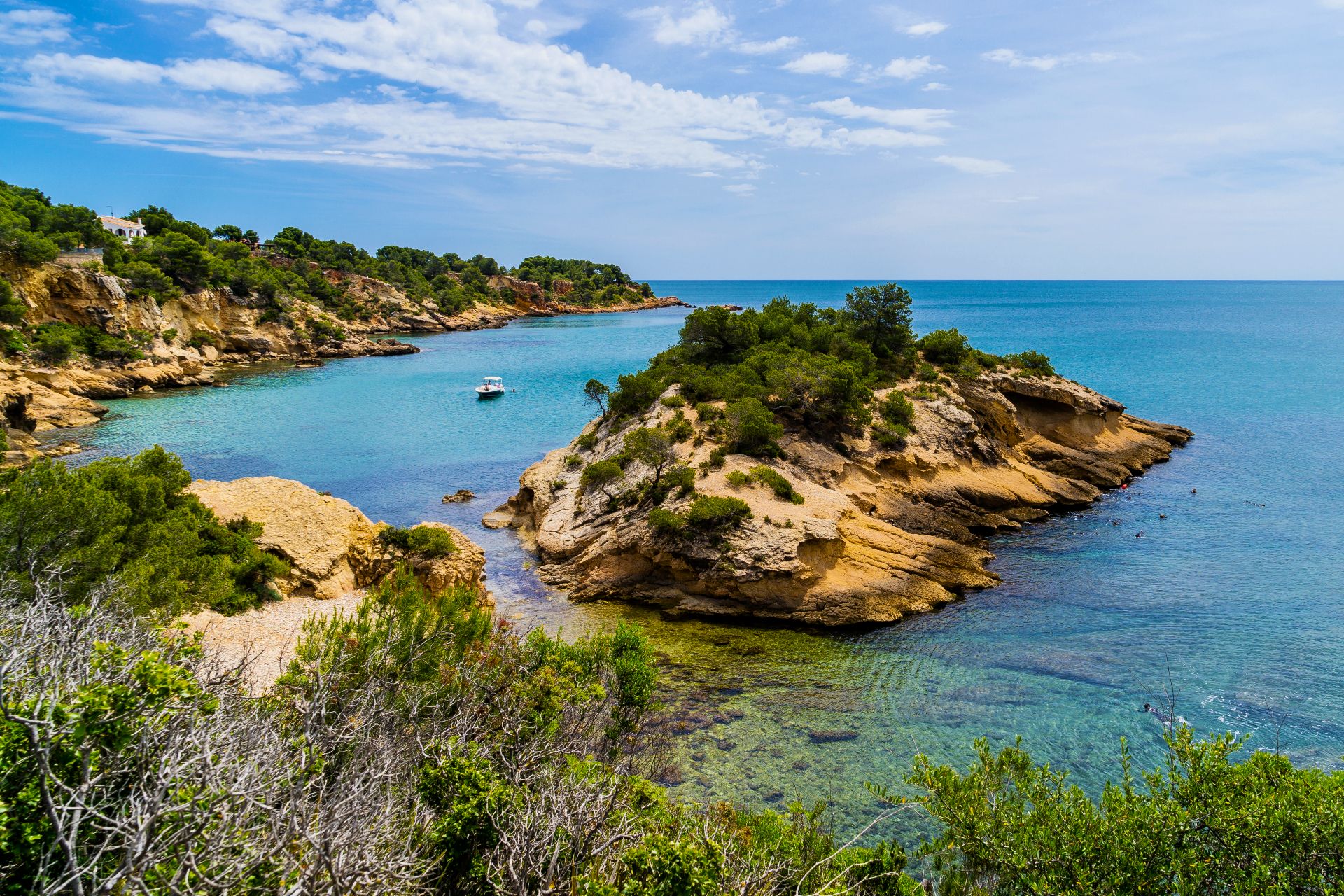
The Catalan coast on foot – Mediterranean Path (GR 92)
Road Cycling Routes around Sant Vicenç Dels Horts
MTB Trails around Sant Vicenç Dels Horts
Hiking around Sant Vicenç Dels Horts
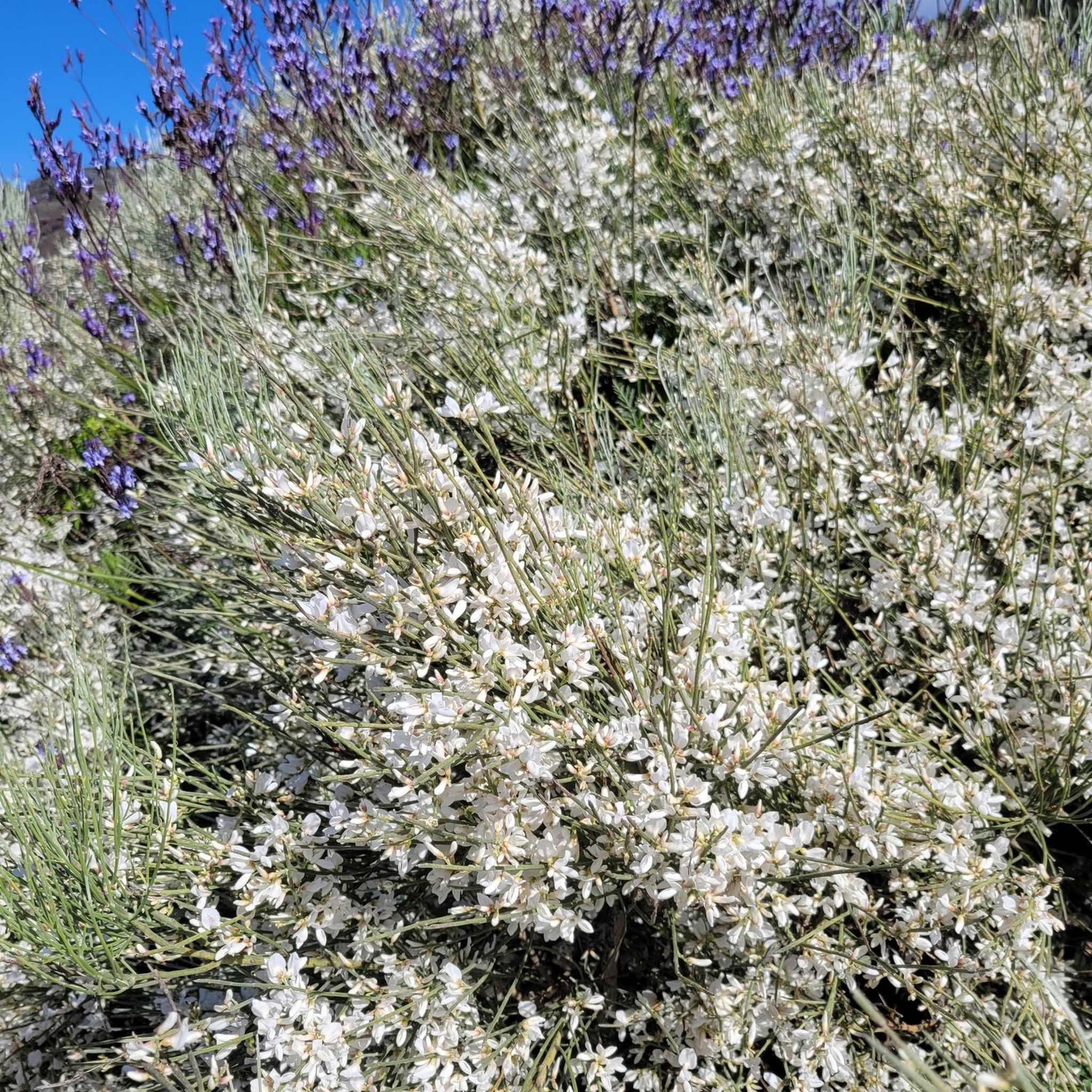
Gravel biking around Sant Vicenç Dels Horts
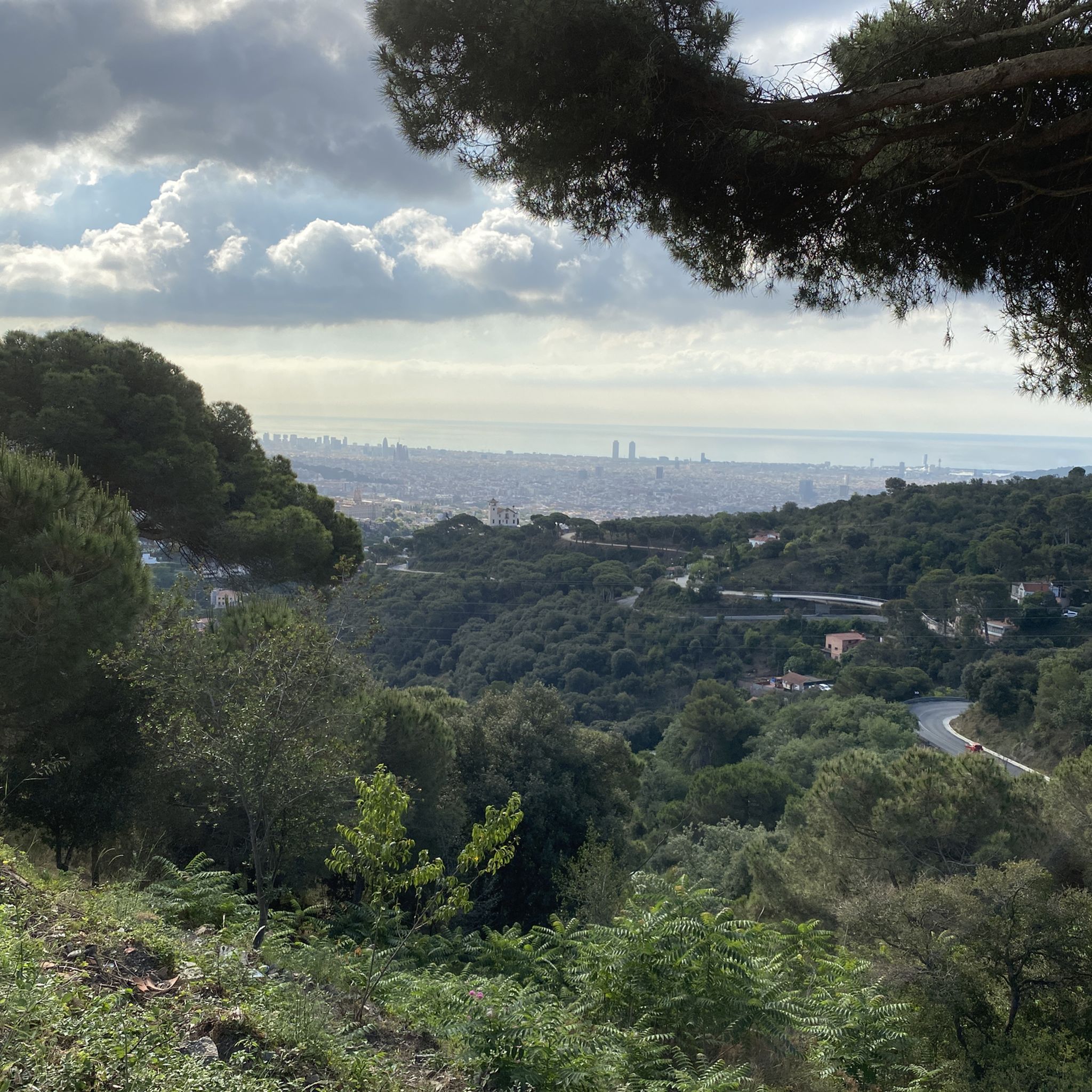
Cycling around Sant Vicenç Dels Horts
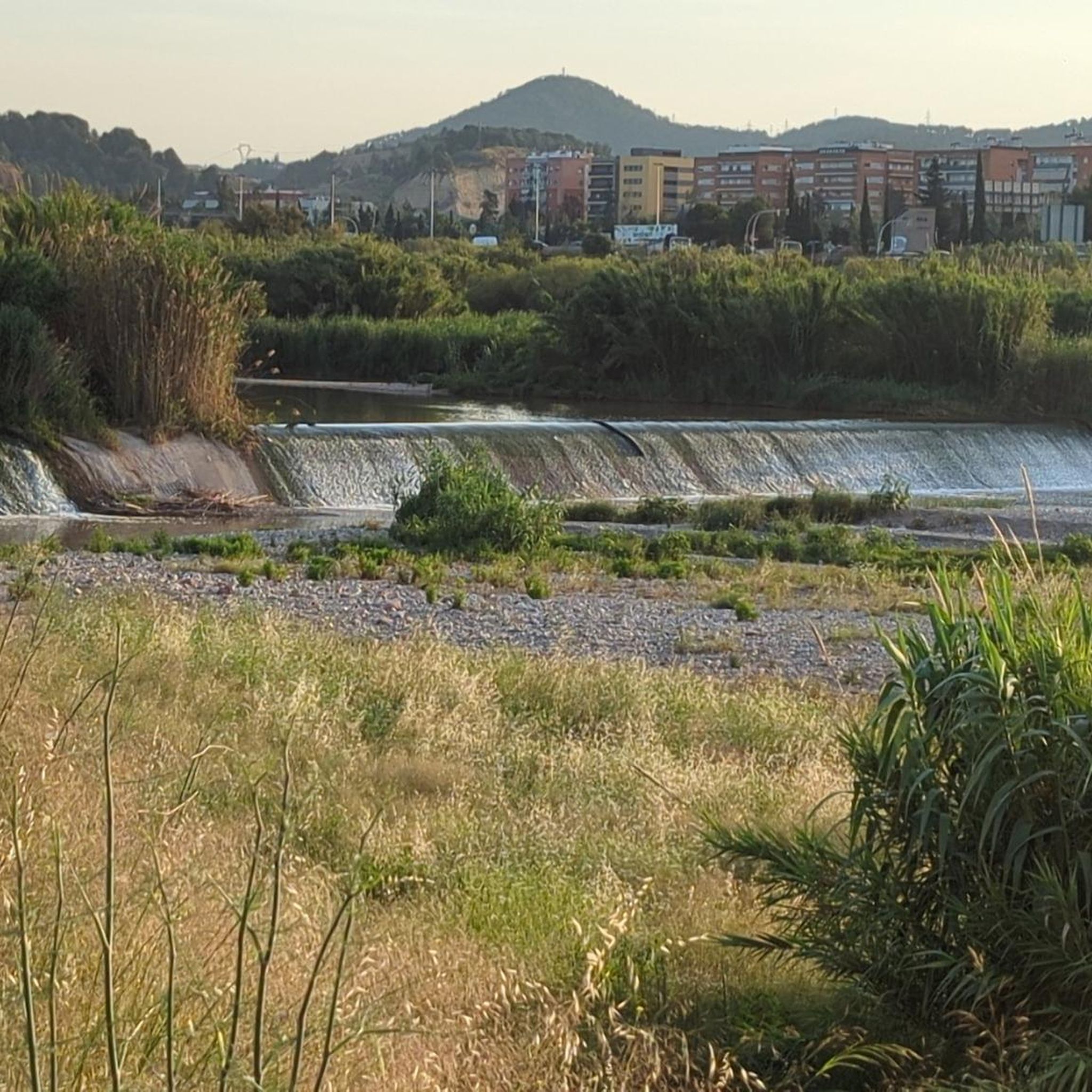
Running Trails around Sant Vicenç Dels Horts
Other adventures around Sant Vicenç Dels Horts

Tips from the Community


Spectacular evidence that is found in this area of the Serral de Can Ros and that above it, we find the mountain of Puig Vicenç. It is worth seeing the curious shapes that the mountain offers.
0
0

Beautiful place with incredible views. Here are the caves of Can Riera, a hidden natural oasis in Torrelles de Llobregat. They are three clay caves with reddish and orange walls, shaped by the erosive action of wind and rain over thousands of years. On weekends there are usually a lot of people visiting the caves, so if you can, try to go during the week.
2
0
There is a short walk along a track path (500 meters) to the beautiful rock of Barret. When you go up you find a kind of small cave and on the left side you can climb to the top of the rock. It is not difficult but must be watched.
3
0
The Grott Mine is a tunnel of almost one and a half kilometers that is located in the Sierra de Collserola. Its construction was to carry water from the Pantano de Vallvidrera to the old municipality of Sarrià.
2
0

Can Riera Caves, clayey stone cavities and winding reddish and orange walls. There are three caves that make up this natural wonder, but currently ACCESS IS PROHIBITED.
0
0

According to Sergi Falguera, a collaborator of the Friends of the Geology Museum association, the site began to be exploited in the 17th century, but the most important extractions date back to the 19th and 20th centuries, when it was named Juanita. . It was part of the land of the Masia de Santa Caterina, in the neighborhood of Pedralbes. The mine still has several access tunnels. It is low in water, but it is not drinkable because it carries the acid that is formed from the oxide of minerals
3
0

After a good walk from Barcelona, the colors and the rock are worth it.
4
0
Frequently Asked Questions
What are the most notable caves accessible from Sant Vicenç Dels Horts?
While there are no prominent tourist caves directly within Sant Vicenç Dels Horts, the wider Catalonia region offers impressive systems. The most notable are the Coves de Montserrat (also known as the Saltpetre Caves or Collbató Caves), located beneath the Montserrat mountain. These caves feature extensive speleothems and historical significance. Closer to Sant Vicenç Dels Horts, you can explore sites like Juanita Mine, an old mining site, and Mina Grott, a historical water tunnel.
Are there any natural caves or grottoes with unique geological features?
Yes, the region offers several interesting natural formations. The Coves de Montserrat are renowned for their rich display of stalactites, stalagmites, and columns, with impressive rooms like the "Elephant Room." Near Sant Vicenç Dels Horts, Barret Rock features a small accessible cave within a unique rock formation. The Can Riera Caves, though currently prohibited for access, are known for their three clay cavities with reddish and orange walls, shaped by erosion.
What historical significance do the caves in the region hold?
Many caves and underground structures in the area have historical importance. The Coves de Montserrat show evidence of Neolithic human habitation from at least 4000 BC and were used for saltpetre extraction in the 16th century. Closer to Sant Vicenç Dels Horts, Juanita Mine was exploited for minerals from the 17th to 20th centuries. Mina Grott is an old tunnel built in the early 19th century, initially used as a water channel and later as a train station for visitors.
Are there family-friendly caves or grottoes to visit?
For a family-friendly experience, consider the Waterfall and Grotto in Parc de Torreblanca. This romantic garden features an imaginative design with imitation natural forms, including caves, lakes, and waterfalls, surrounded by diverse vegetation. It offers a charming and accessible environment for all ages.
What is the best time to visit the caves in the Catalonia region?
The Coves de Montserrat maintain a constant temperature of 14 degrees Celsius year-round, making them suitable for visits in any season. However, for the approach and surrounding outdoor activities, spring and autumn generally offer the most pleasant weather. Summer can be hot, and winter might bring cooler temperatures to the outdoor areas, though the caves themselves remain temperate.
What should I expect regarding accessibility and physical demands when visiting the Coves de Montserrat?
The Coves de Montserrat involve a guided tour along a 400-meter route within the cave. Visitors will navigate approximately 500 steps inside the cave, plus an additional 244 steps to reach the entrance from the last car park. The interior has a high relative humidity of 97-99%. This experience requires a moderate level of physical fitness.
Can I explore the Can Riera Caves?
The Can Riera Caves are a natural wonder with unique clay formations. However, access to these caves is currently prohibited due to safety and conservation concerns.
What outdoor activities can I do near the caves around Sant Vicenç Dels Horts?
The area around Sant Vicenç Dels Horts offers various outdoor activities. You can find numerous routes for gravel biking, cycling, and running. For example, you can explore routes like the Llobregat River Path or the Montpedrós Summit. You can find more details on these activities in the Gravel biking around Sant Vicenç Dels Horts, Cycling around Sant Vicenç Dels Horts, and Running Trails around Sant Vicenç Dels Horts guides.
Are there hiking trails that incorporate cave visits near Sant Vicenç Dels Horts?
While specific hiking trails directly leading into caves are limited, many routes in the region pass by or offer views of cave entrances and historical mining sites. For instance, trails around the Collserola mountain range can lead you near sites like Juanita Mine or Mina Grott. For general hiking, explore the Running Trails around Sant Vicenç Dels Horts guide, which includes routes suitable for hiking.
What do visitors enjoy most about the caves and grottoes in this area?
Visitors appreciate the blend of natural beauty and historical intrigue. For the Coves de Montserrat, the impressive geological formations and the rich history, including Neolithic remains and saltpetre extraction, are highlights. Closer to Sant Vicenç Dels Horts, the unique rock formations and views at Barret Rock are popular, as is the charming, designed landscape of the Waterfall and Grotto in Parc de Torreblanca.
Are there any man-made caves or tunnels with historical significance?
Yes, the region features several man-made underground structures. Juanita Mine is an old mining site with several access tunnels, dating back to the 17th century. Mina Grott is a nearly 1.5-kilometer tunnel in the Sierra de Collserola, originally built to transport water and later used as a train station.
Most popular routes around Sant Vicenç Dels Horts
Most popular attractions around Sant Vicenç Dels Horts

Get inspired with the komoot mobile app


Explore more
Extend your search for the best caves by checking out these guides of the top ones around Sant Vicenç Dels Horts:
