Top 5 Caves around Tortuero
Caves near Tortuero Guadalajara Spain are found within the broader Guadalajara province, offering a range of geological features and historical sites. This region is characterized by its natural landscapes, including river gorges and unique rock formations. While Tortuero itself is a small municipality, the surrounding areas provide opportunities to explore various natural landmarks. The area's geology includes limestone formations, which have led to the creation of numerous caves and cavities.
Best caves around Tortuero
- The most popular caves is Enchanted…
Last updated: June 6, 2026
Enchanted City of Tamajón
Highlight • Natural Monument
Translated by Google •
Tip by

Hoces del Jarama
Highlight • Gorge
Translated by Google •
Tip by

Sign up now to discover places like this
Get recommendations on the best single tracks, peaks, & plenty of other exciting outdoor places.
Sign up for free
Prehistoric Cave of Los Torrejones
Highlight • Cave
Translated by Google •
Tip by

Cueva de La Mierla
Highlight • Cave
Translated by Google •
Tip by
Cueva del Tío Remigín
Highlight • Cave
Translated by Google •
Tip by
Start today with a free account
Your next adventure awaits.
Login or Signup
Tips from the Community

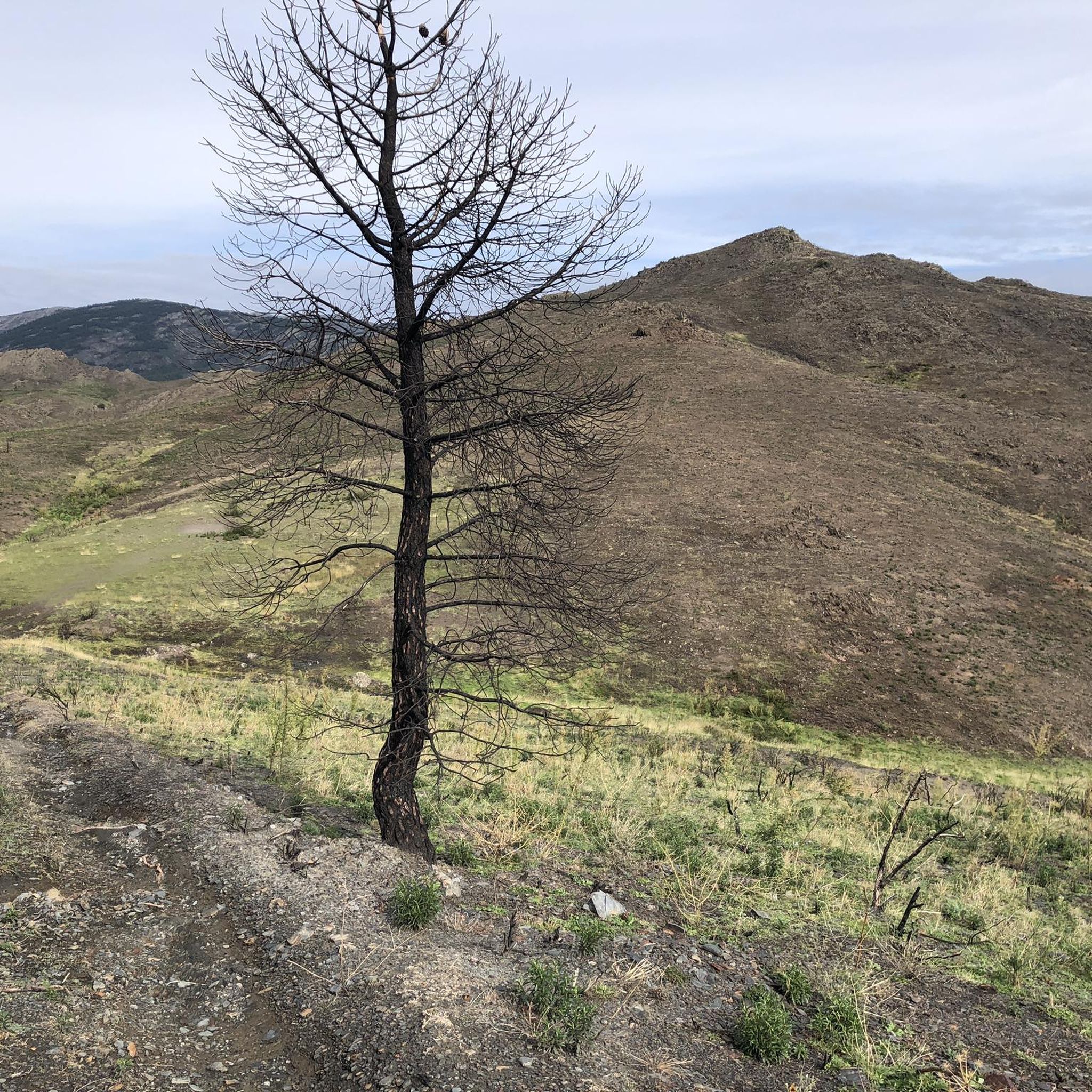
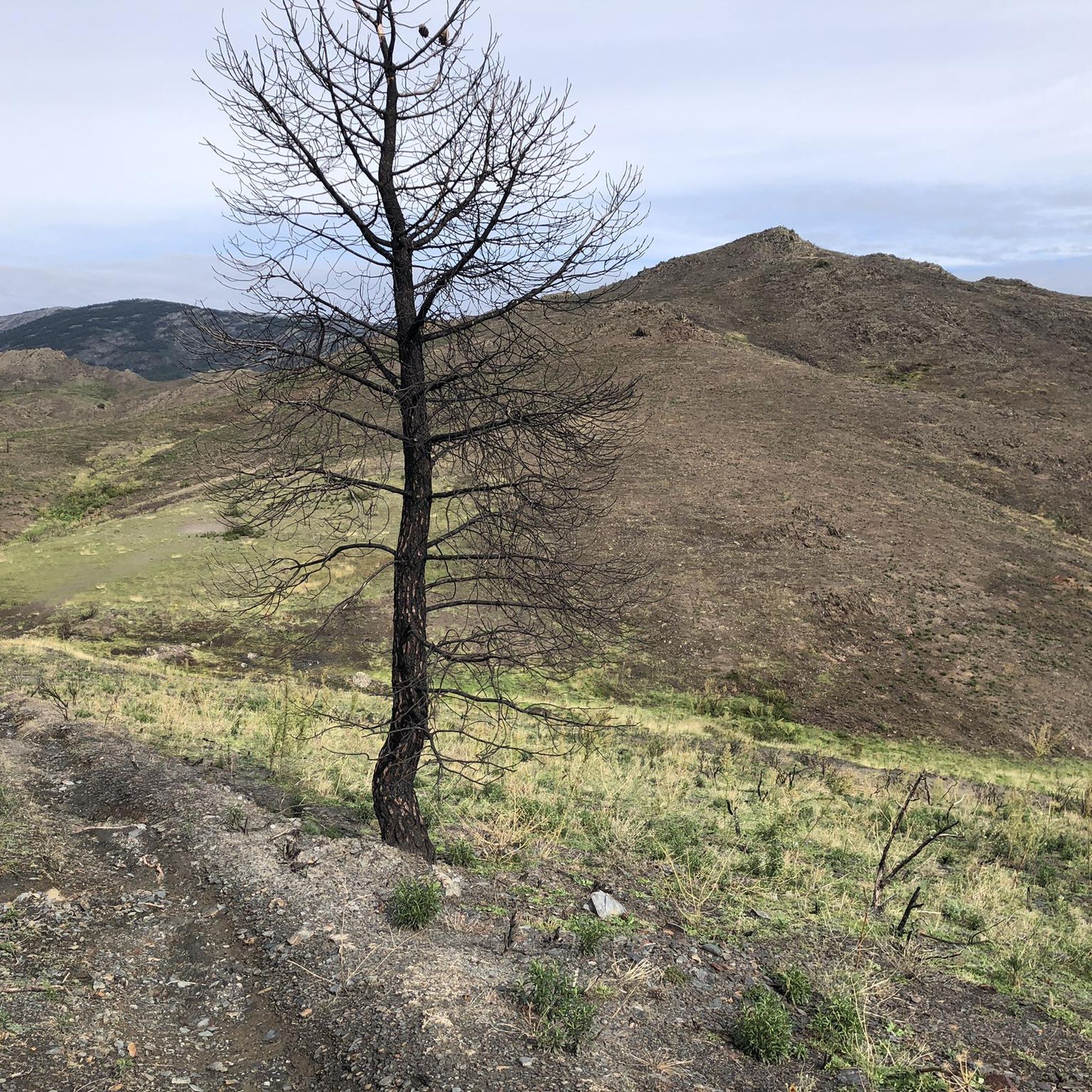
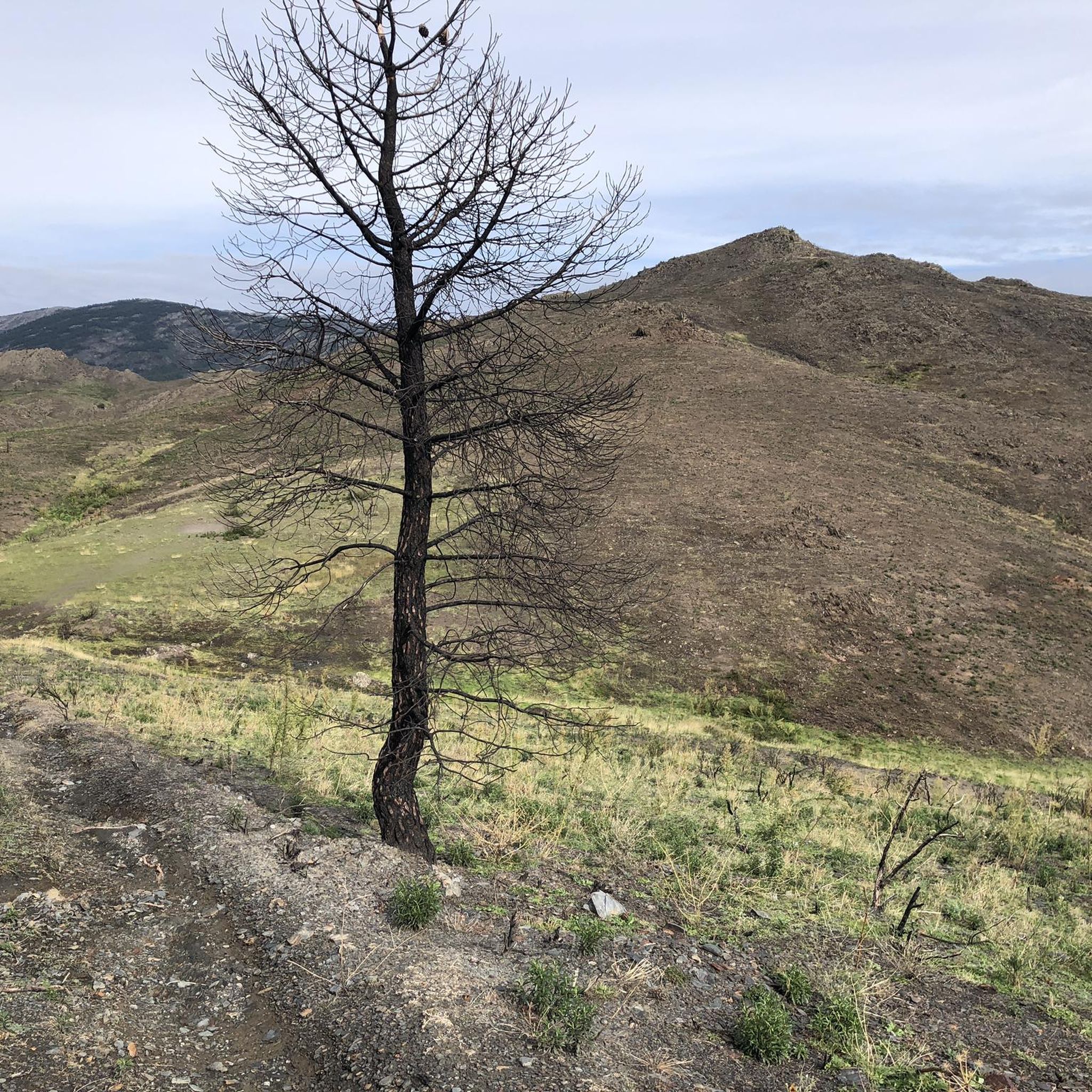
Small but pretty, on the side of the road. It looks like a dolmen. The time-darkened stones give it a beautiful appearance.
0
0
He also calls from Uncle Remigin. Prehistoric Paleolithic, with many valuable finds from a scientific point of view.
1
0
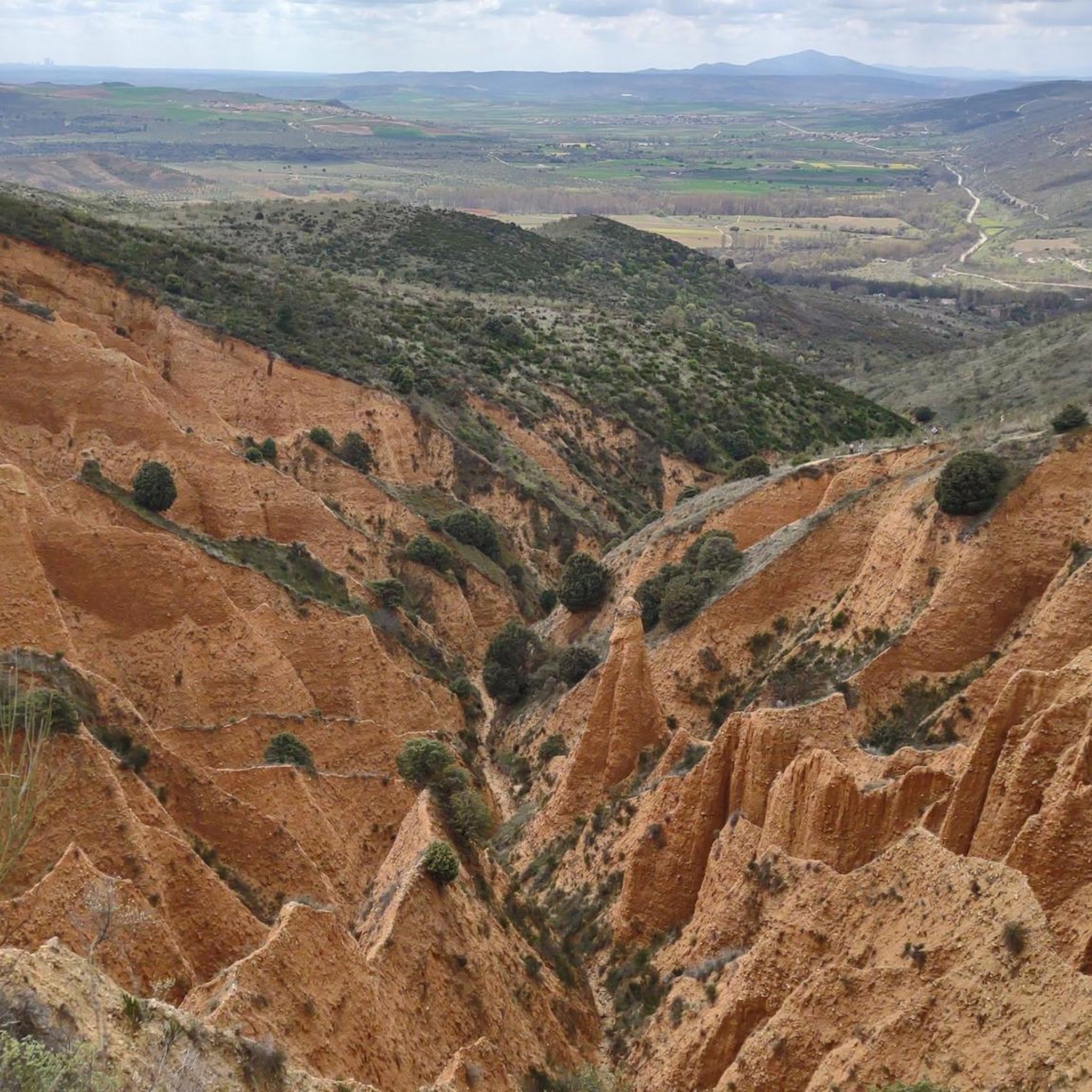
Eroded rocks with shapes of great beauty.
1
0
It is a Cave very well studied by Archaeologists from the University of Alcalá, in which human remains and animal bones from more than 50,000 years ago have been found. It is possibly the oldest place, in the center of the Iberian Peninsula, inhabited by man.
0
0
A good mid-hill path allows you to enjoy the Hoces from El Monasterio de Bonaval to the Medieval Bridge of Valdesotos. In the Caves of the walls, there is a lot of history and prehistory.
1
0

Limestone rock formation with caves, cavities in the rock, rock arches, sinkholes and other formations. Thus, among the rocks and their capricious shapes you will be able to find small caves, bridges to cross and many strange shapes.
2
0

La Hoz del Jarama is a strip of land located between the well-known Cistercian Monastery of Bonaval and the Medieval Bridge (which many call “Roman”) of Valdesotos. In this section, the river twists and its bed is sometimes wedged between large walls of limestone rock.
10
0
Frequently Asked Questions
What are the most unique natural cave formations near Tortuero?
The region offers several unique natural formations. The Enchanted City of Tamajón is a natural monument featuring limestone rock formations with caves, cavities, and striking rock arches, known for its beautifully eroded shapes. Another notable natural feature is the Hoces del Jarama, a gorge where the Jarama river carves its way through large limestone rock walls, containing caves with historical significance.
Are there any caves with historical or archaeological importance in the Tortuero area?
Yes, the area is rich in historical and archaeological sites. The Prehistoric Cave of Los Torrejones is a significant archaeological location where human remains and animal bones dating back over 50,000 years have been discovered. Additionally, the Cueva del Tío Remigín is a Paleolithic historical site with valuable scientific finds. The Arab Caves of Brihuega, though not directly in Tortuero, are a labyrinth of 10th and 11th-century tunnels historically used as escape routes or refuges.
What kind of geological features can I expect to see in the caves around Tortuero?
The caves around Tortuero are primarily formed within limestone, leading to diverse geological features. You can expect to see eroded rock formations, natural arches, sinkholes, and various cavities. The Enchanted City of Tamajón is a prime example of these eroded limestone landscapes. The region also features river gorges, like the Hoces del Jarama, where the river has carved into the rock, revealing embedded caves.
Are there any family-friendly caves or activities near Tortuero?
While specific caves may have varying accessibility, exploring the Enchanted City of Tamajón can be a fascinating experience for families, with its unique rock shapes and small caves to discover. The Cave of the Way of the Cross (La Cueva del Via Crucis) near Barranco de La Hoz offers a boardwalk and information signs, making it more accessible for a family outing to explore eroded rocks and waterfalls.
What outdoor activities can I do near the caves around Tortuero?
Beyond cave exploration, the area around Tortuero offers excellent opportunities for outdoor activities. You can find numerous routes for cycling, including touring and road cycling, as well as hiking trails. For more details on routes and their difficulties, you can explore the Cycling around Tortuero, Road Cycling Routes around Tortuero, and Hiking around Tortuero guides.
What is the best time of year to visit the caves and surrounding natural areas?
The Guadalajara province, where Tortuero is located, generally experiences pleasant weather in spring and autumn, making these seasons ideal for exploring caves and enjoying outdoor activities like hiking and cycling. Summers can be hot, while winters can be cold, so plan accordingly for comfortable exploration.
Are there any man-made caves or unique rock-cut structures in the region?
Yes, the Caves of Civica near Masegoso de Tajuña and Brihuega are a remarkable example of man-made rock structures. This unique hamlet features abandoned houses built into the rock, forming an extensive network of intricate cavities, passageways, arches, and columns, largely excavated between 1950 and 1970. It offers a fascinating glimpse into human interaction with the landscape.
What do visitors enjoy most about the caves and natural sites near Tortuero?
Visitors particularly appreciate the unique geological formations and the sense of discovery. The eroded rocks with their capricious shapes at sites like the Enchanted City of Tamajón are often highlighted. The historical and prehistoric significance of caves like Prehistoric Cave of Los Torrejones also draws considerable interest, offering a journey back in time.
Is there a cave that is small but visually appealing near Tortuero?
Yes, the Cueva de La Mierla is described as small but pretty. Located on the side of the road, its time-darkened stones give it a beautiful appearance, resembling a dolmen, making it a charming stop for those exploring the area.
Are there any specific hiking trails that incorporate cave exploration near Tortuero?
While many hiking trails in the region offer scenic views, some pass by or near cave systems. For instance, the Hoces del Jarama features a mid-hill path that allows you to enjoy the gorge and its embedded caves. You can find various hiking routes and their details in the Hiking around Tortuero guide, which can help you plan a route that includes natural cave features.
What are the typical temperatures inside the historical caves in the Guadalajara province?
Historical caves in the Guadalajara province, such as the Arab Caves of Brihuega, are known for maintaining a consistent temperature year-round. These caves typically stay between 12 to 13 degrees Celsius (53 to 55 degrees Fahrenheit), offering a cool retreat in summer and a mild environment in winter.
Most popular routes around Tortuero
Most popular attractions around Tortuero

Get inspired with the komoot mobile app


Explore more
Extend your search for the best caves by checking out these guides of the top ones around Tortuero:
