Top 4 Castles around Alcalá De Henares
Castles around Alcalá De Henares are part of a city recognized as a UNESCO World Heritage site, known for its historical significance and fortified structures. The area features remnants of medieval fortresses and defensive towers that offer insights into its past. Located near the Henares River, these sites played crucial roles in regional history. Visitors can explore these historical landmarks and their surrounding landscapes.
Best castles around Alcalá De Henares
- The most popular castles is View of Aldovea Palace, a castle that has been restored and is now used for events. It is a private property visible from a distance.
- Another must-see spot is Ruins of Alcalá la Vieja Fortress, a historical site. Visitors can see the remains of an ancient Muslim fortress, including a recently restored defensive tower and other ruins.
- Visitors also love Walls and Antiquarium of Alcalá de Henares, a historical complex. This site includes parts of the medieval walls and the fortified archiepiscopal palace, which continues in use today.
- Alcalá De Henares is known for its medieval fortresses, fortified palaces, and ancient defensive structures. The area offers a variety of historical sites to see and explore, from ruins to preserved sections of walls.
- The castles around Alcalá De Henares are appreciated by the komoot community, with more than 50 upvotes and 40 photos shared.
Last updated: May 23, 2026
Ruins of Alcalá la Vieja Fortress
Highlight • Historical Site
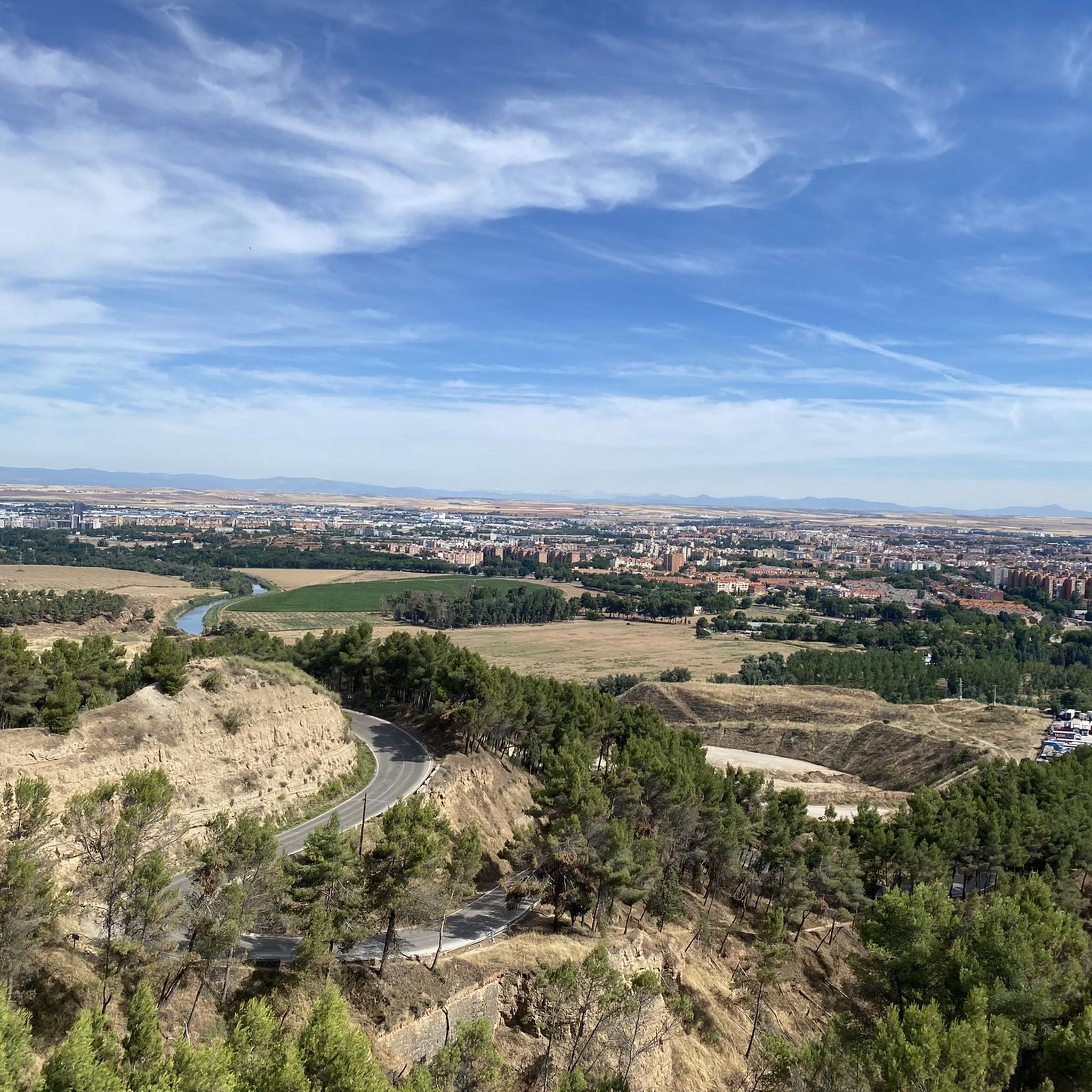
It is part of the set of sites that can be visited in the Community of Madrid, although it is currently fenced off and you have to settle for seeing it from the fence.
Translated by Google •
Tip by

View of Aldovea Palace
Highlight • Castle
Today, restored it serves for weddings and events
es.wikipedia.org/wiki/Palacio_de_Aldovea
Translated by Google •
Tip by

Sign up now to discover places like this
Get recommendations on the best single tracks, peaks, & plenty of other exciting outdoor places.
Sign up for free
Walls and Antiquarium of Alcalá de Henares
Highlight • Historical Site
Translated by Google •
Tip by

Castillo de Torremocha
Highlight • Castle
Translated by Google •
Tip by
Parish of San Torcuato and Wall of the Arab Castle
Highlight • Religious Site
Translated by Google •
Tip by
Start today with a free account
Your next adventure awaits.
Login or Signup
Tips from the Community

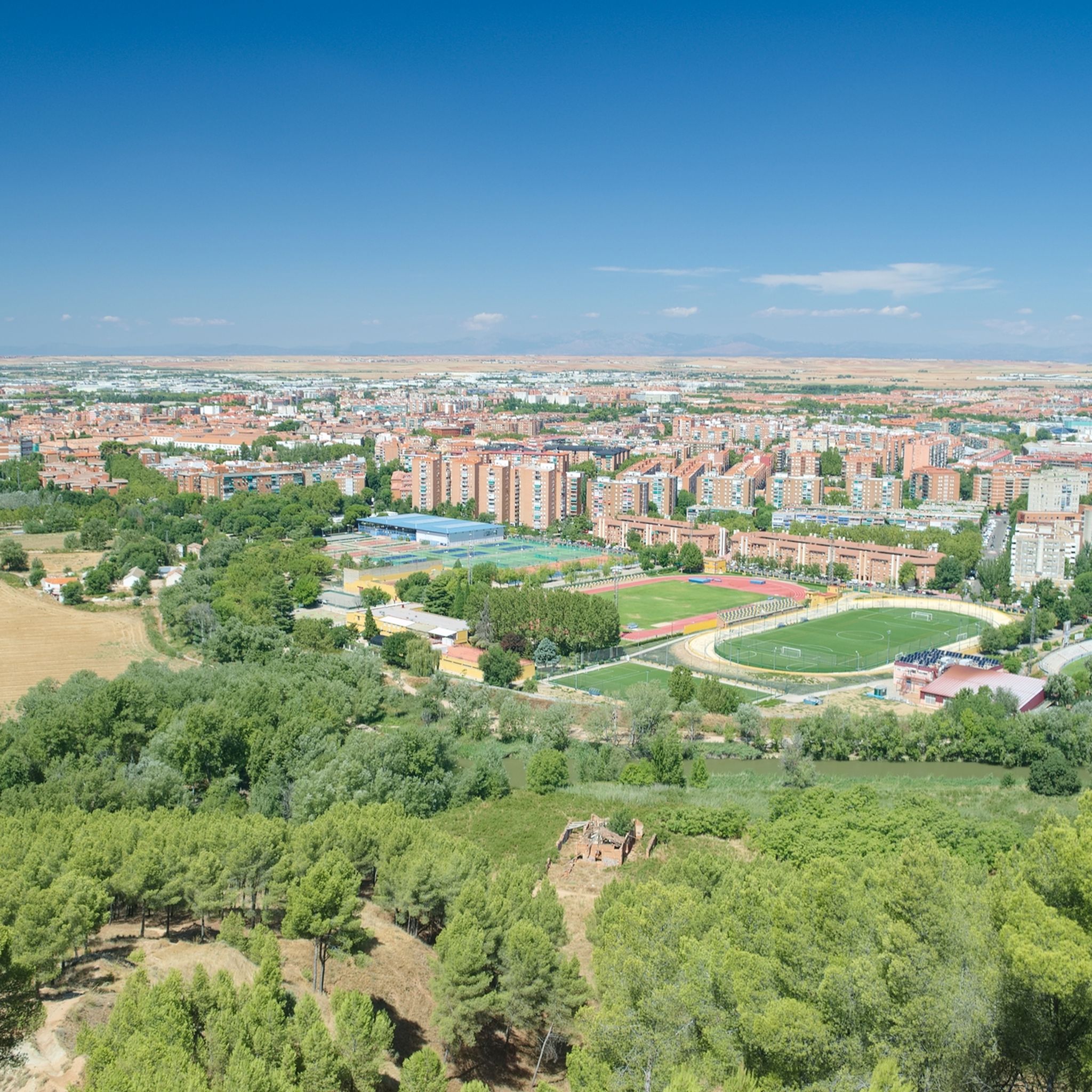
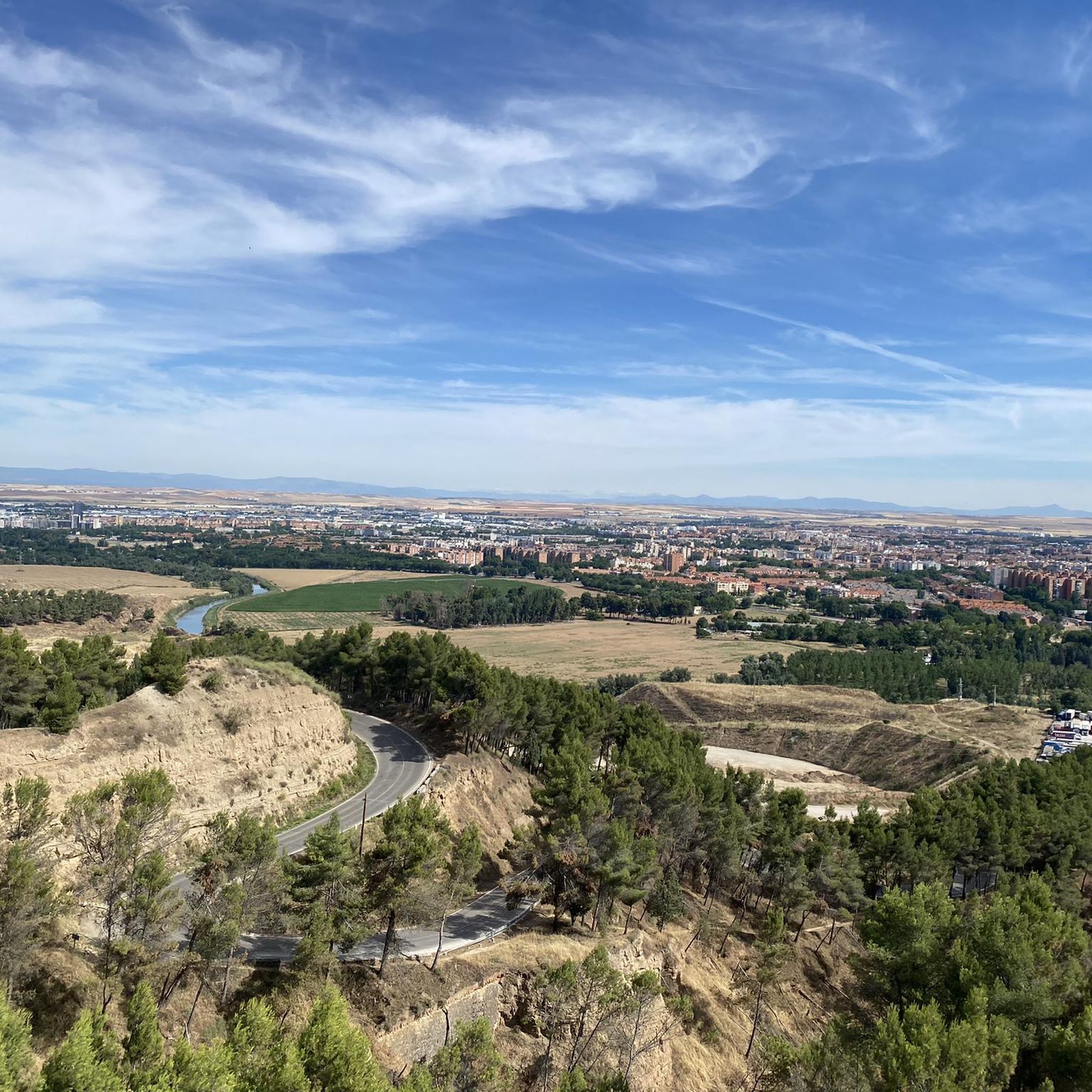
Although you cannot always walk past it, the views of the surrounding estate are interesting. It seems that the land is still being used and you can also see vestiges of ancient uses that make you imagine what it would be like when it was fully operational.
1
0

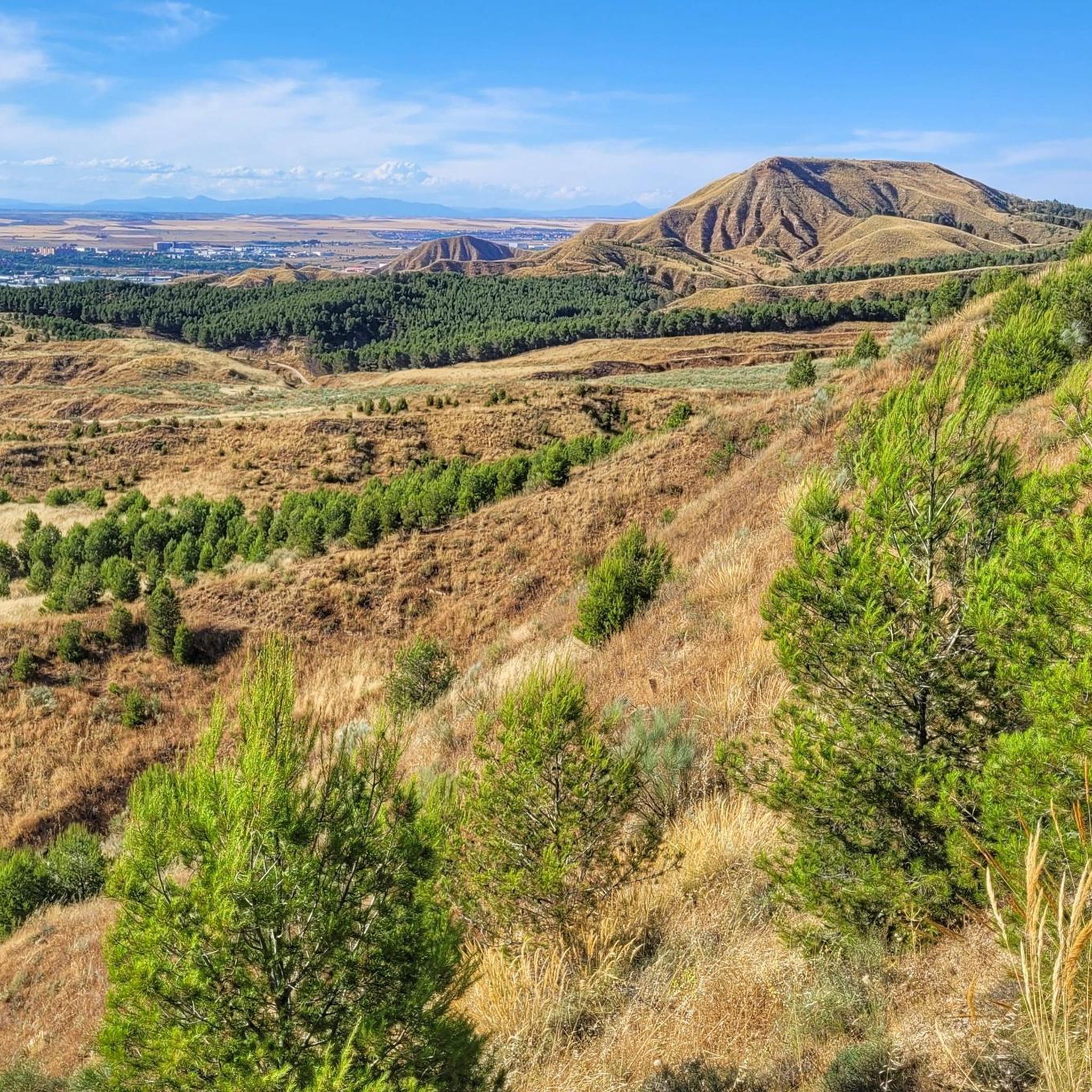
There is a section of the route that is quite out of the way, starting from the passage through the ruins of Alcalá Vieja.
1
0

The Torremocha Castle represents the history and monumentality of Santorcaz. The current construction dates back to the 14th and 15th centuries. It was a fortress for the defence and control of the Anchuelo river plain, built on a previous watchtower of Arab origin that formed part of the strategic line of the Alcalá stronghold. At different times it has been the residence of nobles, the seat of archbishops and a prison for clerics, where Cardinal Cisneros and the Princess of Éboli were among others. Attached to the castle walls is the church of San Torcuato, founded in the 13th century, with a beautiful Mudejar tower.
0
0

Ancient Muslim city of the Middle March. Neighbor of Madina Al Faray, which was the most important in the Middle Brand.
1
0
Like the fortified archbishop's palace of Alcalá de Henares, this enclosure was ordered to be built by Archbishop Pedro Tenorio in the 14th century. It is a strong plaza with seven towers, a wall and the church of San Torcuato.
1
0
In this historical complex there are: the archiepiscopal palace, the Tenorio tower and part of the medieval walls of the city. The archiepiscopal palace, from the 14th century, was fortified. Currently some sections of the wall are preserved and the palace continues in use.
1
0
The Aldovea palace is located in the grove of the same name, between the Henares and Jarama rivers. Although it is not clear when it was built, it has belonged to the archbishopric of Toledo, Manuel Godoy and King Caros IV, among others. It is currently a private property, but you can see it from the fence.
1
0

Castle of Santorcaz from the 13th century made up of 7 defensive towers of the wall and inside is the church of San Torcuato. Beautiful castle within the town of Santorcaz!
0
1
Frequently Asked Questions
What is the historical significance of castles in Alcalá de Henares?
The castles and fortified structures in Alcalá de Henares are crucial to understanding the region's history, particularly its role during the Reconquista. Sites like the Ruins of Alcalá la Vieja Fortress were originally 10th-century Muslim watchtowers, serving as strategic defenses along the Henares River. These structures trace the city's origins and its evolution through centuries of conflict and cultural exchange.
Which castles offer the best insight into the region's past?
For a deep dive into the past, the Ruins of Alcalá la Vieja Fortress are highly significant as the precursor to the modern city. The Walls and Antiquarium of Alcalá de Henares, which include parts of the fortified Archbishop's Palace, also offer rich historical context, showcasing Mudejar and Renaissance architectural elements and its role as a former royal and religious center.
Are there any ancient ruins to explore near Alcalá de Henares?
Yes, the Ruins of Alcalá la Vieja Fortress are a prime example of ancient ruins. This medieval fortress, dating back to the 10th century, features remnants of its original fortifications, including a recently restored defensive tower. It provides a tangible connection to the city's ancient roots and offers panoramic views of the surrounding landscape.
Can I visit the Archbishop's Palace in Alcalá de Henares?
The Archbishop's Palace is part of the Walls and Antiquarium of Alcalá de Henares. While much of its artistic heritage was lost in a 1939 fire, a significant Renaissance façade and a 13th-century tower remain. It currently houses the seat of the Diocese of Alcalá and contributes to the city's historical fabric. You can explore the preserved sections and appreciate its historical importance.
What kind of outdoor activities can I do near the castles?
The area around Alcalá de Henares offers various outdoor activities. You can find numerous cycling routes, including road cycling and mountain biking. For example, there are Road Cycling Routes and MTB Trails that pass by historical sites and natural features. The 'Arabic Castle Route' near Alcalá la Vieja also offers opportunities for walking and exploring the natural landscape.
Are there family-friendly historical sites among the castles?
Yes, the Walls and Antiquarium of Alcalá de Henares are categorized as family-friendly. Exploring the medieval walls and the fortified archiepiscopal palace can be an engaging experience for families, offering a glimpse into the city's past in an accessible setting.
What is the best time to visit the castles around Alcalá de Henares?
The best time to visit is generally during spring (April-May) and autumn (September-October) when the weather is mild and pleasant for exploring outdoor sites like the Ruins of Alcalá la Vieja Fortress and walking through the city. Summers can be very hot, and winters can be chilly, though still suitable for visits if dressed appropriately.
Are there any castles that are privately owned but still visible?
Yes, the View of Aldovea Palace is a notable example. This restored castle is now used for events and is private property, but it can be admired from a distance. It's located between the Henares and Jarama rivers, offering a picturesque view.
What natural features can I see near the castles?
Near the Ruins of Alcalá la Vieja Fortress, you can experience the natural beauty of the Henares River valley. The site is strategically built on a promontory, offering panoramic views of the surrounding landscape. The 'Arabic Castle Route' in this area also highlights the recovery of the Mediterranean mixed forest.
Is there a castle with a church inside or attached to its walls?
Yes, the Castillo de Torremocha in Santorcaz features the church of San Torcuato attached to its walls. This 14th-century fortress, ordered by Archbishop Pedro Tenorio, includes seven towers and the church, which has a beautiful Mudejar tower. Additionally, the Parish of San Torcuato and Wall of the Arab Castle also incorporates part of an old Arab castle wall into its 16th-century structure.
What do visitors enjoy most about the castles and historical sites in Alcalá de Henares?
Visitors appreciate the rich historical context and the opportunity to explore ancient ruins and fortified structures. The strategic locations often provide excellent viewpoints, and the blend of Muslim and Christian architectural influences offers a unique cultural experience. The connection to figures like Christopher Columbus at the Archbishop's Palace also adds to the appeal.
Are there any specific routes or trails to explore the castles?
Yes, near the Ruins of Alcalá la Vieja Fortress, there is an 'Arabic Castle Route' (Ruta del Castillo Árabe) that allows visitors to explore the area and observe the natural recovery of the Mediterranean mixed forest. This route provides a structured way to experience the historical site and its surroundings.
Most popular routes around Alcalá De Henares
Most popular attractions around Alcalá De Henares

Get inspired with the komoot mobile app


Explore more
Looking for the best castles somewhere else? Discover other guides around Alcalá De Henares:
