Top 5 Castles around Mandayona
Castles around Mandayona provide a historical perspective on the region, situated near the Dulce River and the Natural Park of the Río Dulce Ravine. The area features remnants of historical structures, such as the Castillo de Mandayona, which once served as a fortress along ancient Roman roads and the Camino del Cid. This landscape combines historical landmarks with natural features, highlighting Mandayona's past strategic importance.
Best castles around Mandayona
- The most popular castles is Sigüenza Castle, a castle that…
Last updated: June 6, 2026
Sigüenza Castle
Highlight • Castle
Translated by Google •
Tip by

Pelegrina Castle
Highlight • Castle
Translated by Google •
Tip by
Sign up now to discover places like this
Get recommendations on the best single tracks, peaks, & plenty of other exciting outdoor places.
Sign up for free
Mandayona Village
Highlight • Settlement
Translated by Google •
Tip by

Sigüenza Historic Town Center
Highlight • Historical Site
Translated by Google •
Tip by

Views of the Torresaviñán Castle
Highlight • Castle
Translated by Google •
Tip by

Start today with a free account
Your next adventure awaits.
Login or Signup
Tips from the Community

At the bar, very nice, they have an affordable daily menu
0
0

The Torresaviñán castle, from the 12th century, is located on a hill very close to Torremocha del Campo and is visible from the Barcelona highway itself. It is of Muslim origin and due to the absence of amenities in its structure, it is assumed that it was a defensive post, rather than a permanent settlement. Its current state is due to the blowing up of its walls by the Austrian army during the war of succession in the 18th century.
0
0

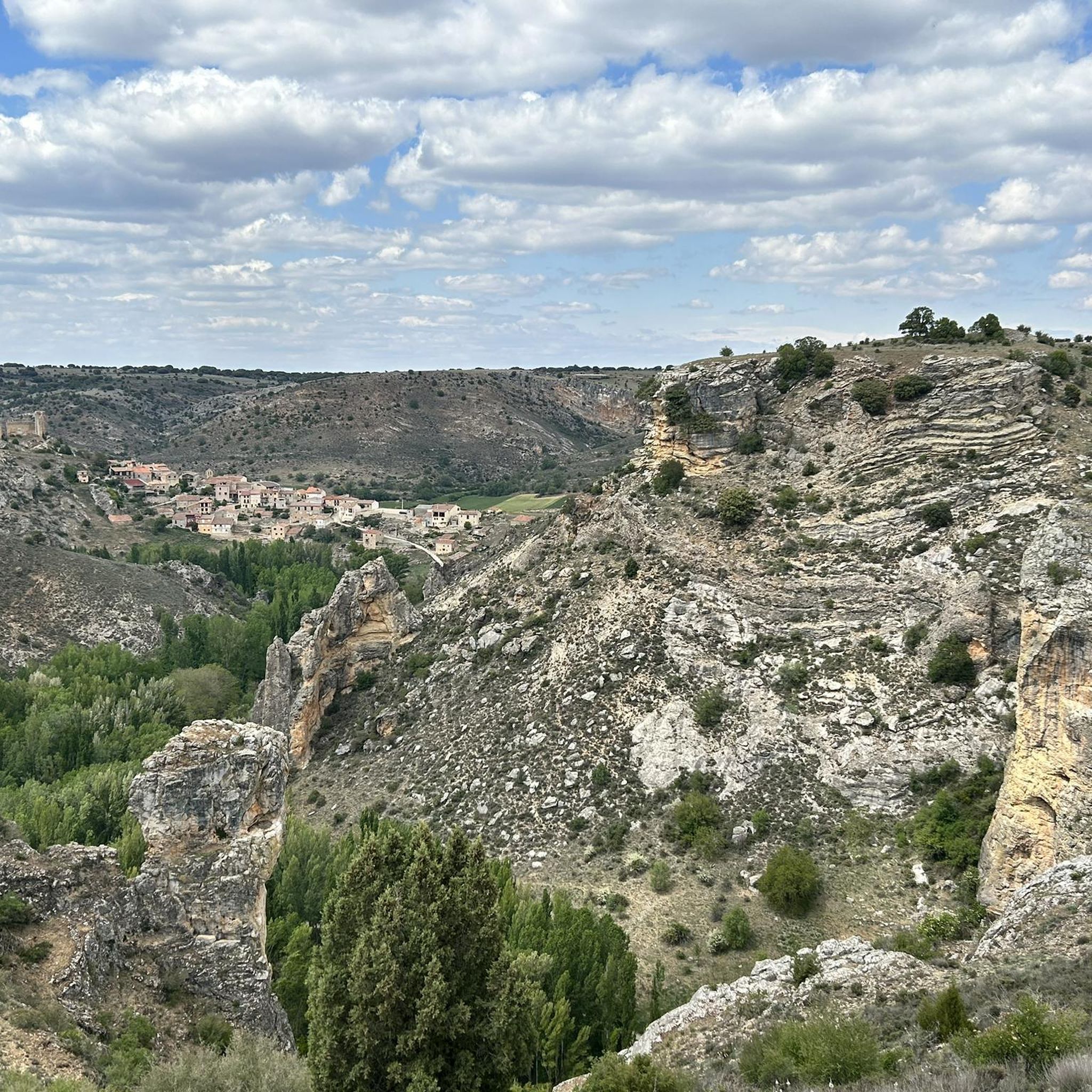
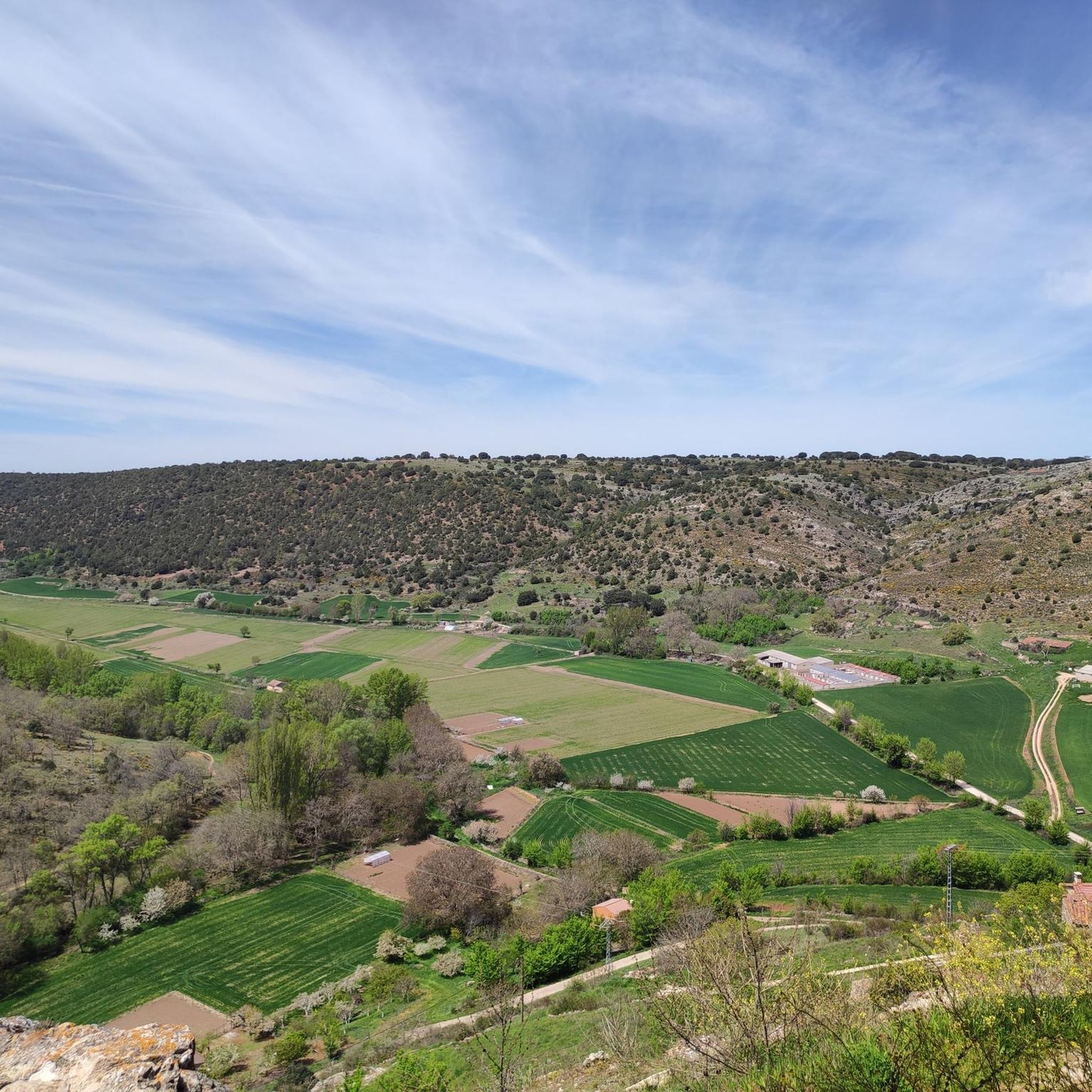
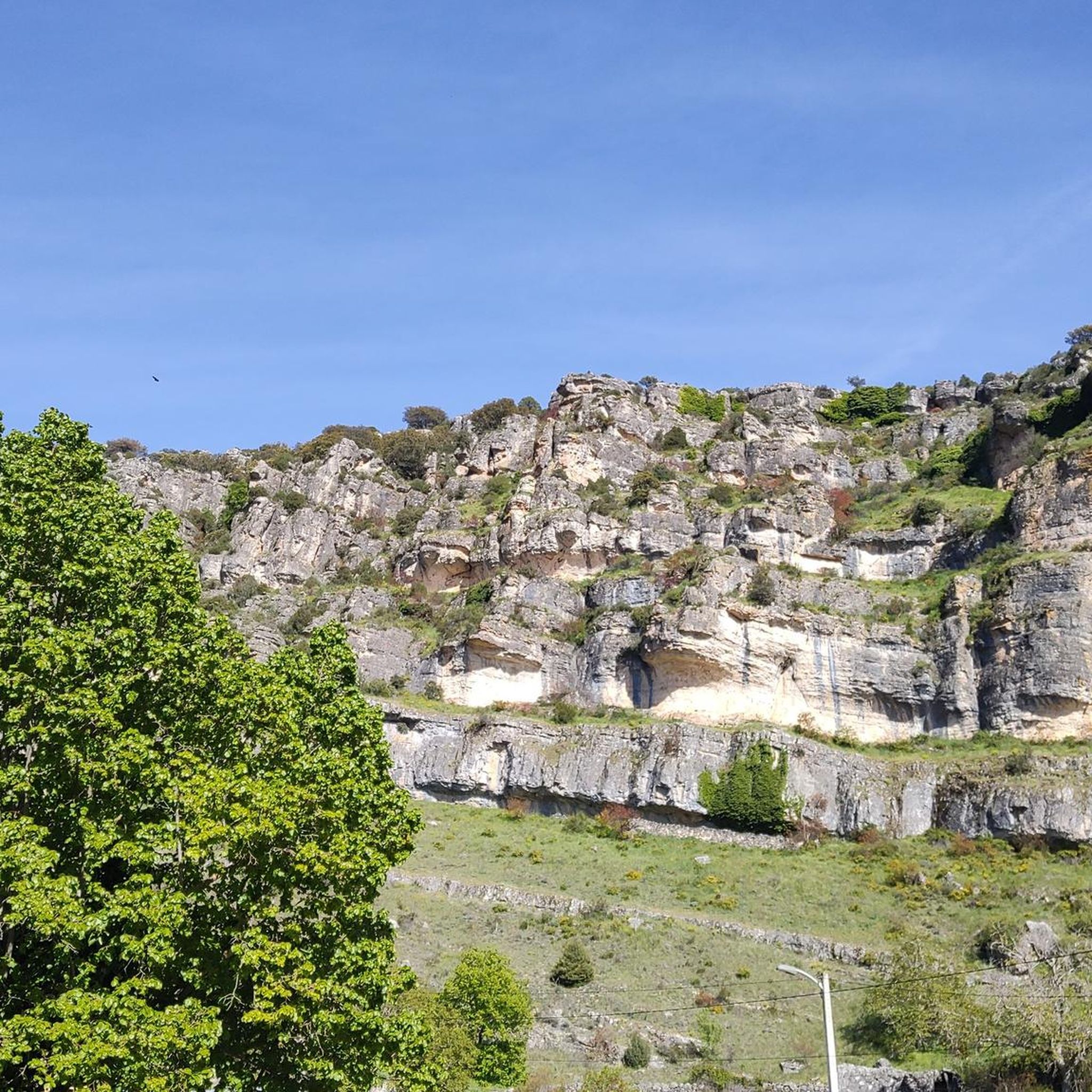
On the curve of the Dulce river are the ruins of the castle of Pelegrina. Incredible viewpoint of the town and what makes the Barranco del Río Dulce Natural Park a unique landscape to visit.
1
0
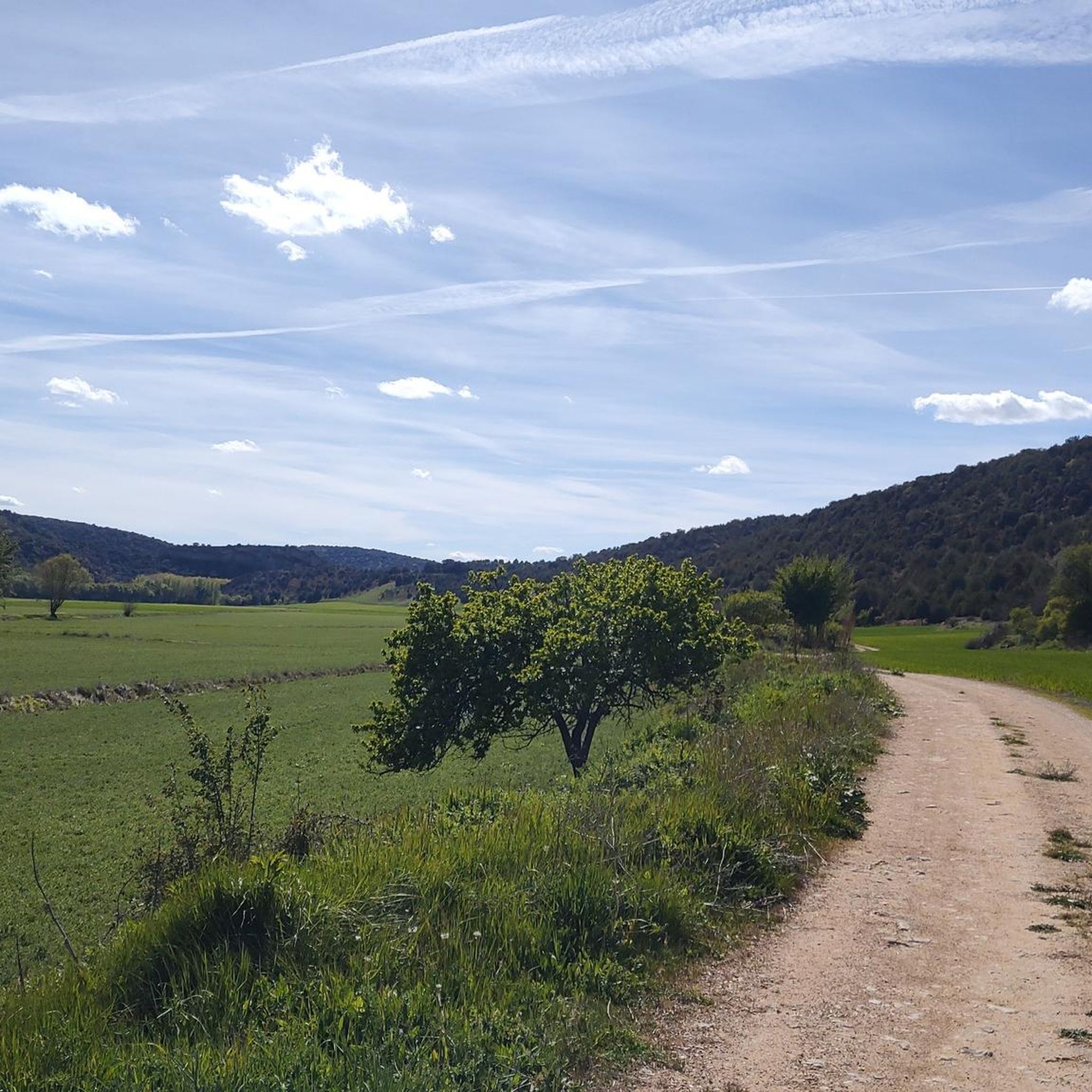
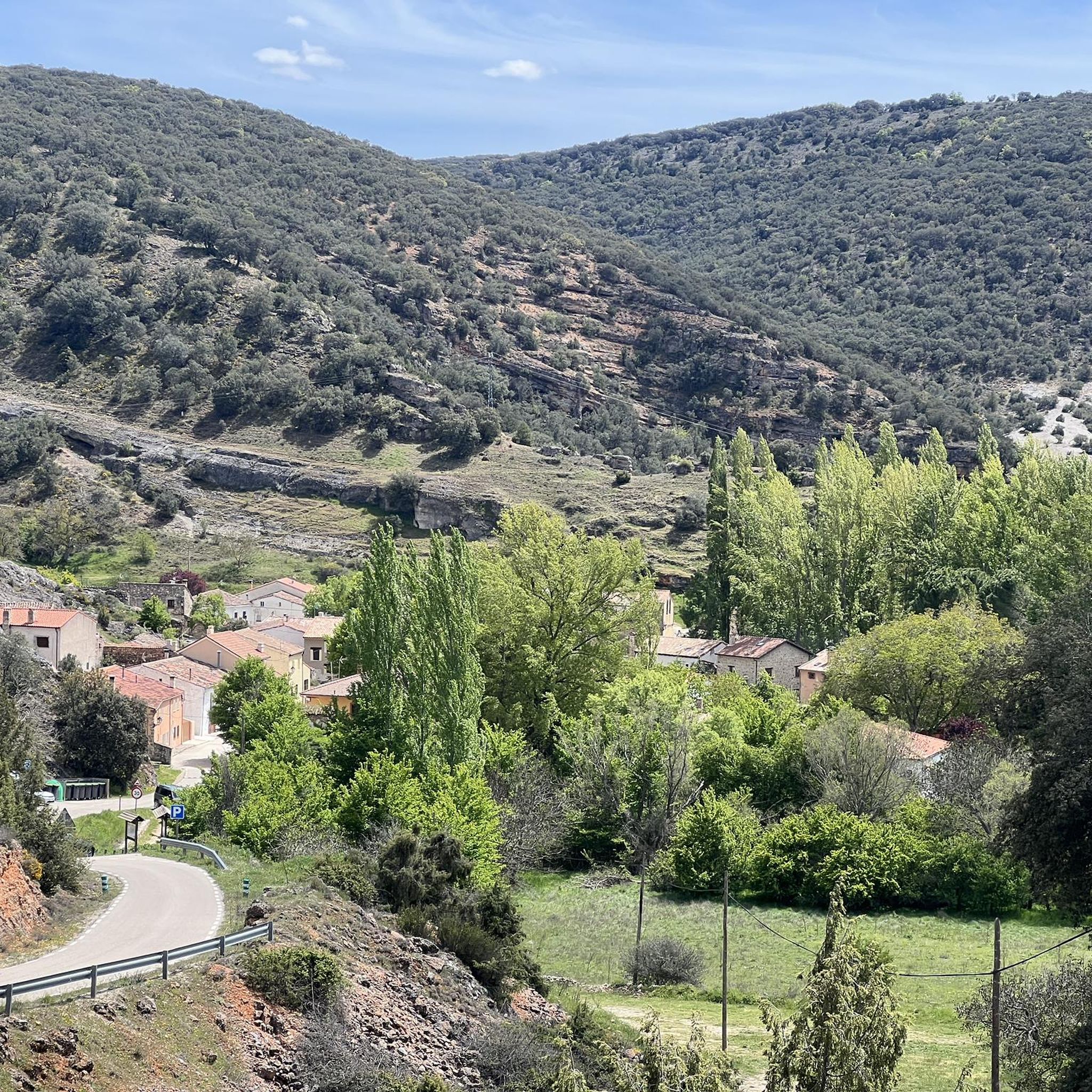
Mandayona sits next to the Camino del Cid. There are ancient caves to visit and the ruins of a historic castle. You can also visit the Barranco Del Rio Dulcen Natural Park Interpretation Center for more information about the area.
1
0

What was originally an Arab citadel, an extension of a small Visigothic castle and a Roman fort, is located at the top of Sigüenza. Construction began in the year 1123 to serve as a palace-fortress and residence of the bishops who were lords of the city for seven centuries. It has a beautiful chapel and a cell where some say that Doña Blanca de Borbón lived, until the moment of her exile, wife repudiated by Pedro I the Cruel.
11
0

Fortress located in the Spanish municipality of Sigüenza, erected in the first quarter of the 12th century on another previous Muslim one from the beginning of the 8th century.
1
0
Spanish fortification built in ashlar stone between the 12th and 13th centuries in the town of Pelegrina. It is a rocky castle built on a hill that dominates the valley of the Río Dulce.
2
0

Torresaviñán Castle is a defensive medieval complex located in the district of La Torresaviñán. Currently, it is destroyed and it is possible to go to the foot of it, but with your bicycle on your back!
0
0
Frequently Asked Questions
What historical significance do the castles around Mandayona hold?
The castles in the Mandayona region, such as the Sigüenza Castle, reflect centuries of history, from Arab citadels and Roman forts to palace-fortresses for bishops. The original Castillo de Mandayona, though now in ruins, was a 10th-century Islamic fortress controlling ancient trade routes and the Camino del Cid, highlighting the area's strategic importance during the Islamic and Reconquista periods.
Are there any family-friendly castles or historical sites to visit near Mandayona?
Yes, Sigüenza Castle and the Sigüenza Historic Town Center are both categorized as family-friendly. The town center offers a rich historical experience with its Cathedral, city walls, and Romanesque churches. Additionally, Mandayona Village itself is family-friendly, featuring ancient caves and the ruins of its historic castle.
What kind of views can I expect from the castles in the area?
Many castles offer scenic viewpoints. From Pelegrina Castle, you can contemplate the beauty of the Río Dulce valley. The remnants of the original Castillo de Mandayona, situated on an elevation, also provide panoramic views of the surrounding area, including the Dulce River and the Natural Park of the Río Dulce Ravine. Views of the Torresaviñán Castle is specifically highlighted for its vistas.
Are there hiking opportunities near the castles around Mandayona?
Absolutely. The region offers various hiking trails. For instance, you can find routes like the 'Hoz de Pelegrina and Gollorio Waterfall Trail' or the 'PR-GU 08: Mandayona - Mirabueno - Aragosa Trail'. Many of these routes are within the Natural Park of the Río Dulce Ravine, offering a blend of natural beauty and historical exploration. You can find more details on these and other hiking options on the Hiking around Mandayona guide.
What other outdoor activities are available near the castles?
Beyond hiking, the area around Mandayona is suitable for other outdoor sports. You can explore various running trails, such as the 'Hoz de Pelegrina and Gollorio Waterfall Loop Trail', detailed in the Running Trails around Mandayona guide. Road cycling is also popular, with routes like 'Mandayona Village – Hita loop' available in the Road Cycling Routes around Mandayona guide.
What is the best time of year to visit the castles and surrounding area?
While specific seasonal recommendations for castles are not provided, the region's natural parks and hiking trails suggest that spring and autumn would offer pleasant weather for exploration. Spring brings blooming landscapes, and autumn provides comfortable temperatures for outdoor activities, allowing you to enjoy both the historical sites and the natural beauty of the Río Dulce Ravine.
Can I visit the original Castillo de Mandayona?
Yes, the remnants of the Castillo de Mandayona are freely accessible. While it is largely in ruins, with only vestiges like traces of the moat and some underground areas remaining, it offers a glimpse into the region's past. Its historical significance and elevated position overlooking the Dulce River make it a worthwhile stop for history enthusiasts.
Are there any castles that are particularly well-preserved or restored?
Sigüenza Castle is a notable example. Originally an Arab citadel, it was converted into a palace-fortress for bishops and has undergone significant restoration, including its reopening as a Parador in 1976. This allows visitors to experience a more complete and grand historical structure compared to the ruined state of others like Pelegrina Castle or Torresaviñán Castle.
What makes Pelegrina Castle unique?
Pelegrina Castle, built between the 12th and 13th centuries, is a defensive castle strategically located on a hill guarding the Río Dulce valley. Despite its ruined state, its location offers beautiful views, and its history is tied to the reconquest of the province of Sigüenza, serving as a crucial defensive post against potential Muslim attacks.
What can I expect to see at the Torresaviñán Castle?
The Views of the Torresaviñán Castle highlight refers to a 12th-century castle of Muslim origin. It was primarily a defensive post rather than a permanent settlement. Its current state is largely due to damage during the 18th-century War of Succession, where its walls were blown up. Visitors can see its ruins and appreciate its historical context and strategic location on a hill.
Are there any historical routes or paths associated with the castles?
Yes, the region is rich in historical routes. The original Castillo de Mandayona was situated along an ancient Roman road and the Camino del Cid, a historical route. Mandayona Village itself sits next to the Camino del Cid, offering a connection to these significant historical pathways.
What do visitors generally appreciate about the castles around Mandayona?
Visitors appreciate the historical depth and the blend of history with natural beauty. The castles offer insights into different historical periods and architectural styles, from Arab origins to medieval defensive structures. The scenic views, especially over the Río Dulce valley, and the opportunity to explore ruins and imagine their past grandeur are also highly valued.
Most popular attractions around Mandayona

Get inspired with the komoot mobile app


Explore more
Looking for the best castles somewhere else? Discover other guides around Mandayona:
