The 11 Most Amazing Peaks around Pazuengos
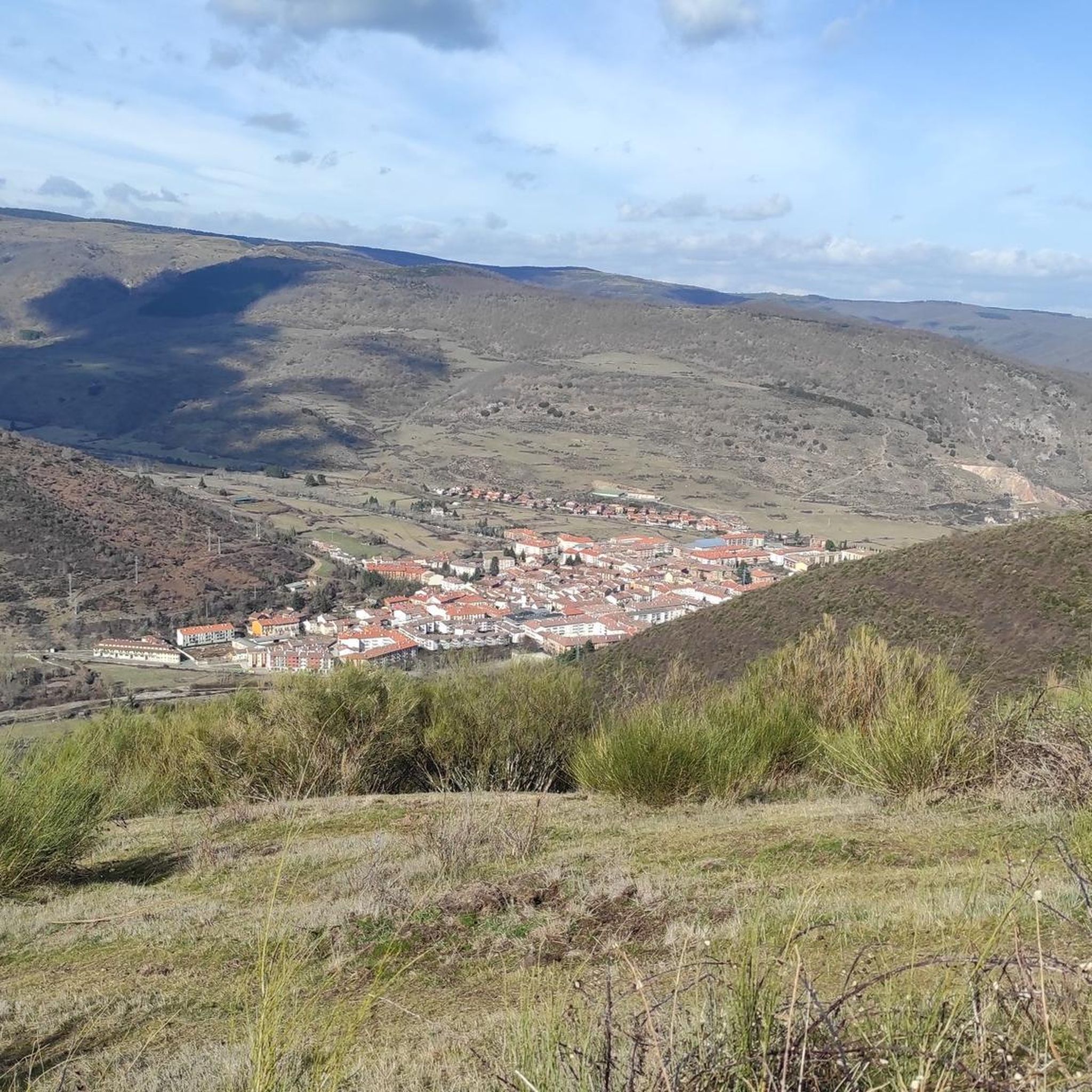
Best mountain peaks around Pazuengos are situated in a mountainous landscape within La Rioja, Spain. The village is bordered by peaks like El Castillo and Cabeza Parda, offering local exploration and historical intrigue. The broader La Rioja region features significant peaks known for natural beauty and diverse hiking opportunities. This area provides a range of summits and viewpoints for visitors.
Best mountain peaks around Pazuengos
- The most popular mountain peaks is San Lorenzo, a summit that is the highest…
Last updated: June 6, 2026
El Hombre summit (Sierra de la Demanda)
Highlight • Summit
Translated by Google •
Tip by

San Lorenzo
Highlight • Summit
Translated by Google •
Tip by

Sign up now to discover places like this
Get recommendations on the best single tracks, peaks, & plenty of other exciting outdoor places.
Sign up for free
Peaks of the Demanda
Highlight • Summit
Translated by Google •
Tip by

Alto Micobaña
Highlight • Summit
Translated by Google •
Tip by
Monte Chilizarrías (1,226 m)
Highlight • Summit
Translated by Google •
Tip by

Sign up for free to discover even more peaks around Pazuengos.
Sign up for free
Already have an account?
Start today with a free account
Your next adventure awaits.
Login or Signup
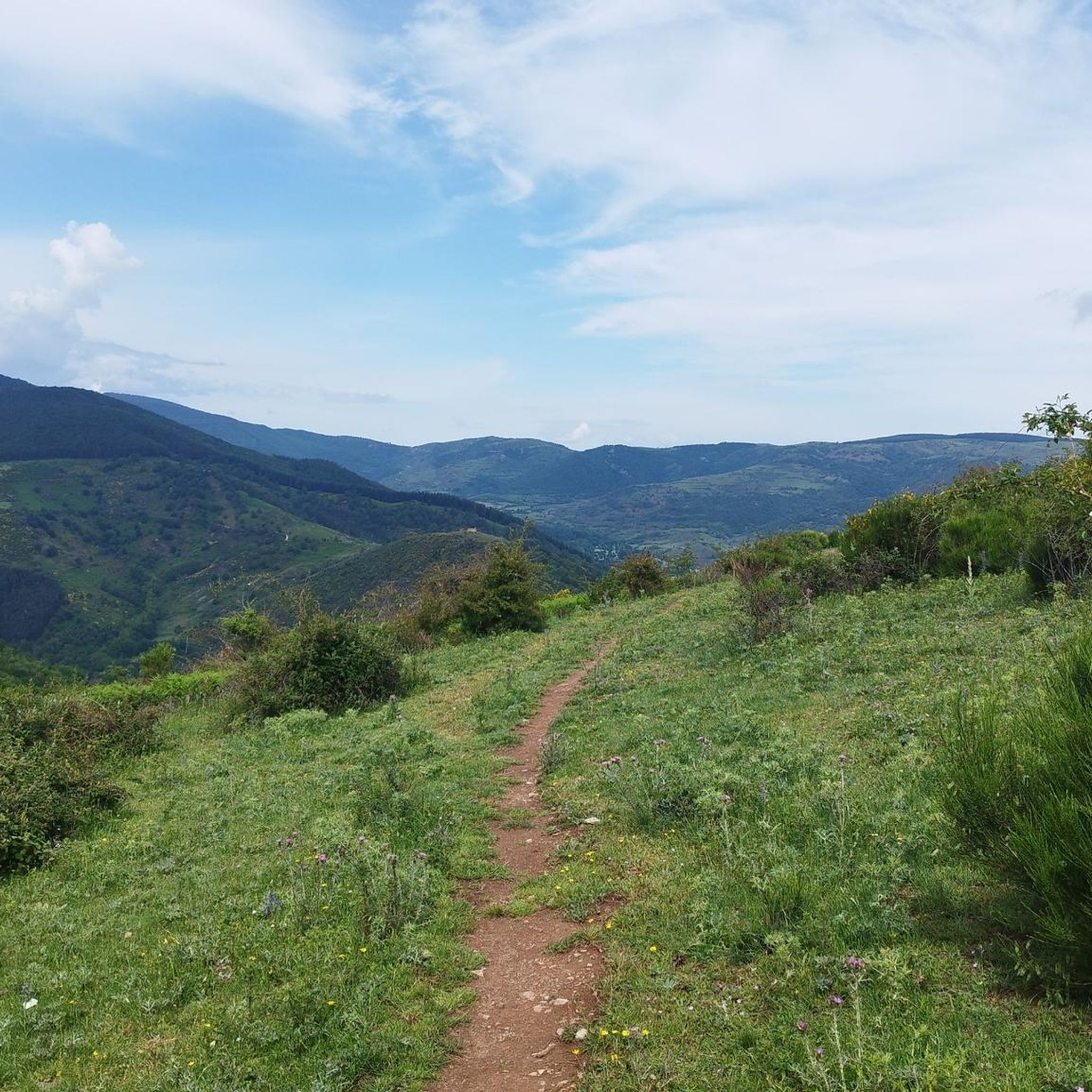
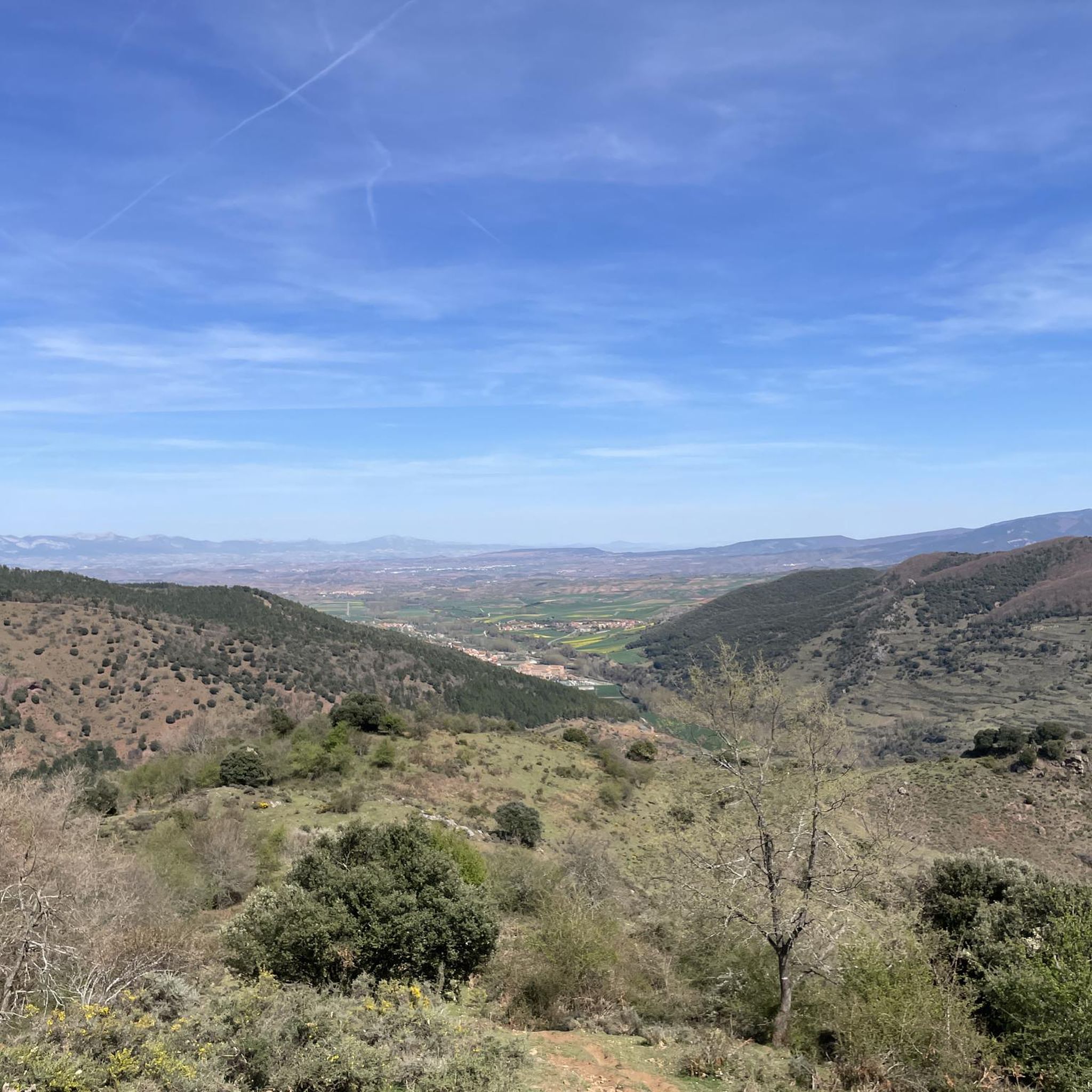
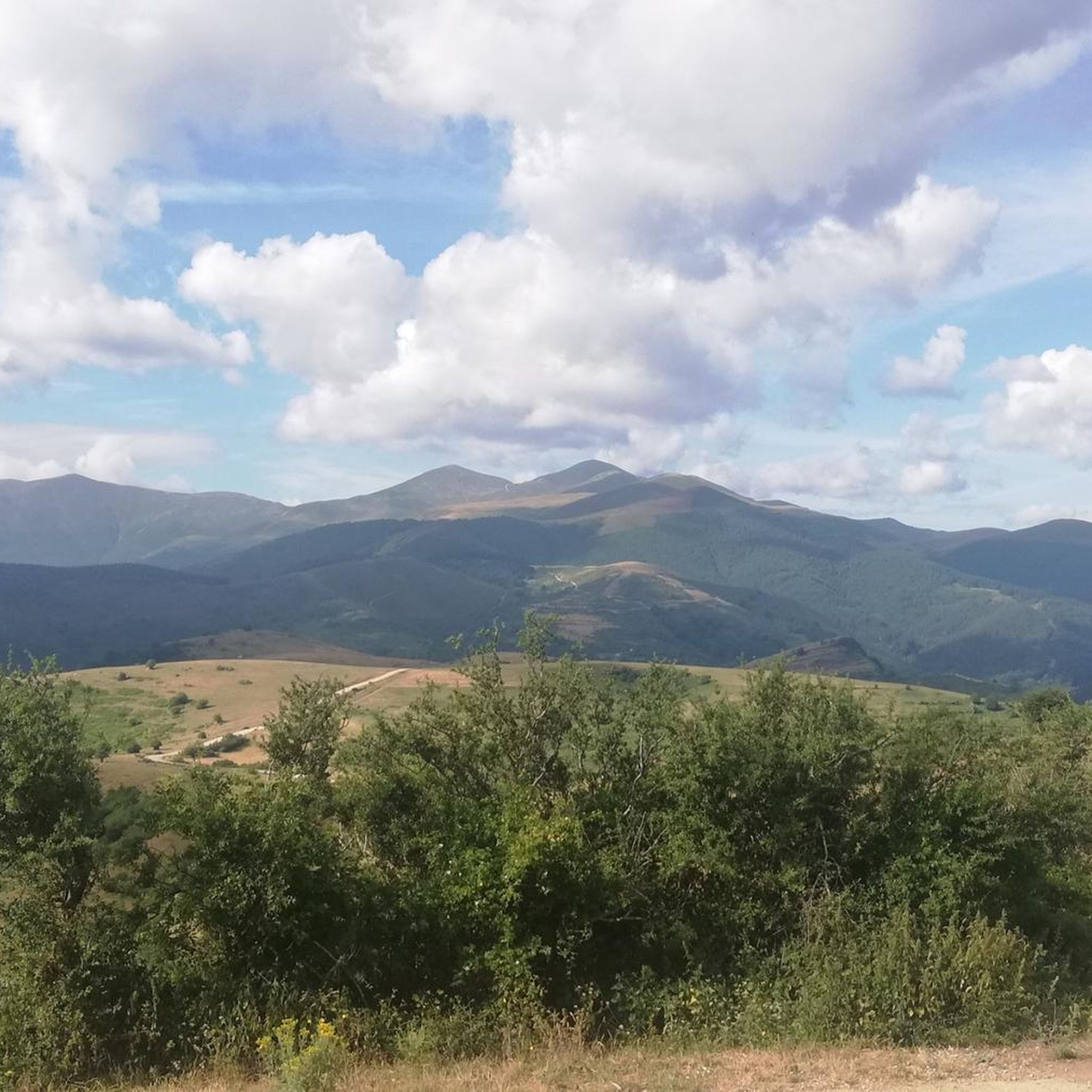

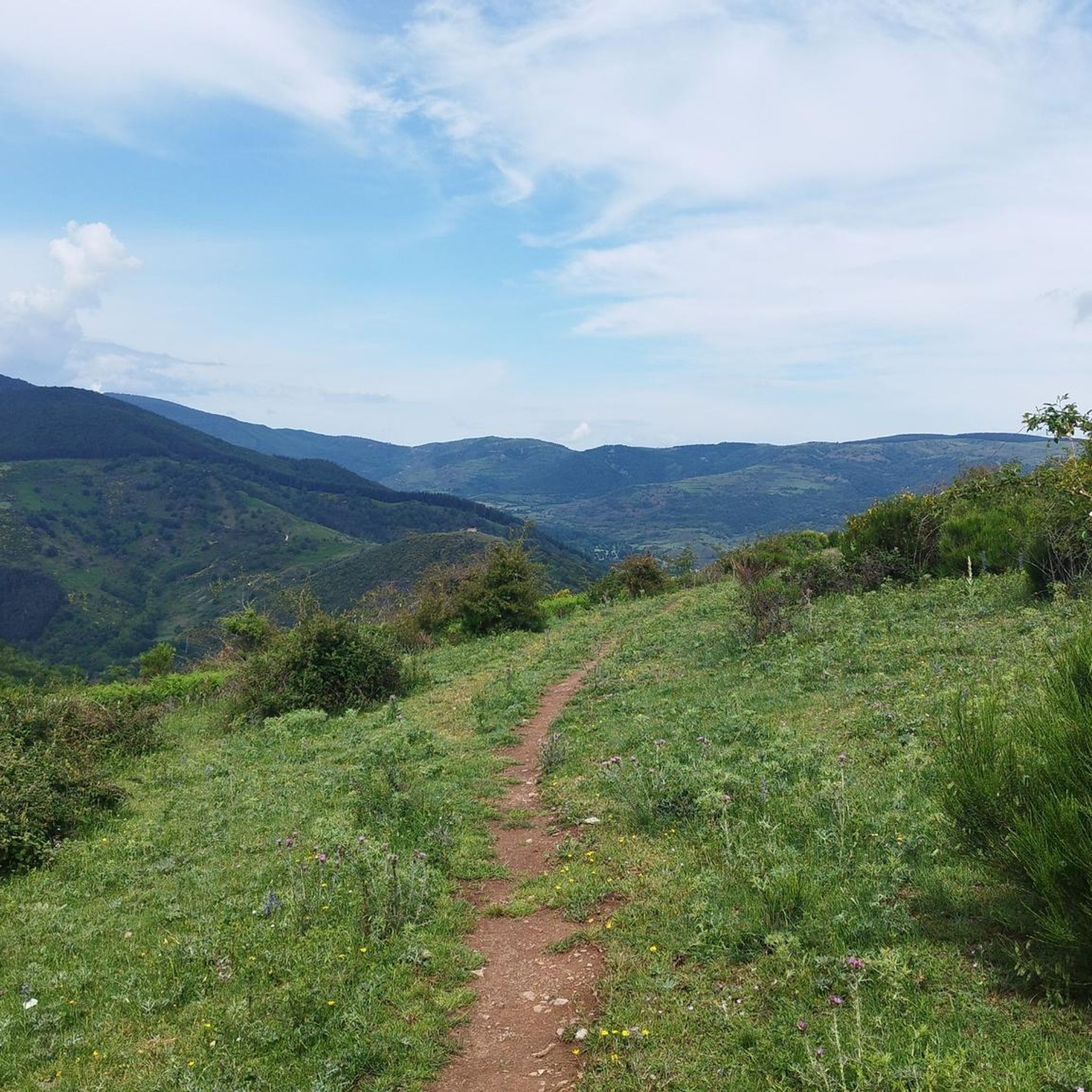
Tips from the Community

The Cumbres de la Demanda are a series of peaks located in the Sierra de la Demanda, which stretches between La Rioja, Burgos, and Soria. The route covers several of the highest peaks, including Pico San Millán (2,132 meters), the highest in the province of Burgos.
1
0

In the Sierra de la Demanda, the summit of El Hombre (also known as Siete Mosquejos) is 1,549 m. altitude and is crowned by a fire watch tower. It is reached from the Erizola pass.
1
0

About 100 meters from the pile of stones is the "official" vertex of Mount "El Hombre".
3
0
Surveillance turret and pile of stones as a watchtower of the summit.
3
0
Small intermediate peak between Alto de Micobaña and El Hombre. As a mark, just a small pile of stones, without a mailbox.
3
0

Top The Man. There is a fire watchtower. Very frequented ascent also with mountain bike.
2
0

The high peaks of the Sierra de la Demanda are consecrated summits, they have the names of saints and as such they show kind and friendly reliefs on the slopes of all the slopes, except in the glacial cirques excavated in the plinths of some north faces, surpassing the meritorious height of two thousand meters, a mountain category that reaches a remarkable level of consideration when the winter covers with snow the enormous peaks of the mountain range that contains the geographical ceilings of the provinces of Burgos and La Rioja. Reaching the peaks of Demand with the dynamic trail team, in winter, is a fantastic mountaineering activity, the snow is usually windy and hard on the exposed slopes and crests of the main rope so it's not too uncomfortable to run on the white blanket , also taking into account that the approaches to the sacred territory of the peaks are through forest tracks and old mountain paths with dizzying slopes in the San Lorenzo massif.
0
1
Mythical peak, despite not being one of the highest in the area. Very popular at any time of the year.
3
0
Frequently Asked Questions
What are some of the most popular mountain peaks to explore near Pazuengos?
Among the most popular peaks, San Lorenzo stands out as the highest in La Rioja, offering breathtaking panoramic views. Another highly regarded spot is El Hombre summit (Sierra de la Demanda), known for its natural monument status and fire watch tower. Visitors also appreciate PicotaDeSanTorcuato for its good views despite its proximity to Ezcaray.
Are there any historically significant mountain peaks around Pazuengos?
Yes, **El Castillo** is a mountain immediately surrounding Pazuengos that is steeped in local legend. It's known for tales of archaeological remains and hidden riches, suggesting the presence of an ancient castle built in the tenth century for defense. This makes it an intriguing spot for those interested in local history and folklore.
What kind of views can I expect from the mountain peaks in the region?
The mountain peaks around Pazuengos offer magnificent and diverse views. From San Lorenzo, you can experience breathtaking panoramic vistas that, on clear days, can extend to the Pyrenees and Moncayo. Peaks like Cabeza Parda provide views of the historic San Millán monasteries, while Peña Isasa offers panoramic views of the Cidacos valley and surrounding towns.
What are the highest mountain peaks in the La Rioja region?
The highest peak in La Rioja is Monte San Lorenzo, standing at 2,271 meters (7,451 ft). Another significant peak is Pico de Urbión, reaching 2,228 meters, located on the border between La Rioja and Soria.
Are there challenging mountain climbs available near Pazuengos?
Yes, the area offers a variety of challenging climbs. The route covering the Peaks of the Demanda includes several high peaks like Pico San Millán (2,132 meters), which is the highest in the province of Burgos. These routes are considered challenging, especially in winter when snow can make them a fantastic mountaineering activity.
What unique natural features can be found on the mountain peaks?
The region boasts several unique natural features. Pico de Urbión is notable as the source of the Duero River and is surrounded by numerous glacial lagoons, including Laguna Negra and Laguna de Urbión. The Sierra de Cantabria, home to Toloño, acts as a natural border between Mediterranean and Atlantic climates, resulting in distinct vegetation zones and serving as a special protection area for birds of prey.
What outdoor activities, besides hiking, can I do near these mountain peaks?
Beyond hiking, the area around Pazuengos is excellent for cycling. You can find various routes for mountain biking, touring bicycles, and road cycling. For instance, there are challenging MTB trails like the 'Valdezcaray and San Millán de la Cogolla Loop' and scenic road cycling routes such as the 'Alto de Pradilla – Cruz de la Demanda Pass loop from Ezcaray'. You can explore more options on the MTB Trails around Pazuengos, Cycling around Pazuengos, and Road Cycling Routes around Pazuengos guide pages.
Are there any family-friendly mountain peaks or easier hikes?
While many peaks offer intermediate to challenging routes, the mountains immediately surrounding Pazuengos, such as La Nevera and Chilizárrias, are ideal for walkers seeking to enjoy natural beauty and tranquility, suggesting more accessible options for local walks. Peña Isasa also provides a diverse range of hiking experiences, from shorter, easier routes to more demanding ascents.
What is the best time of year to visit the mountain peaks around Pazuengos for hiking?
The broader La Rioja region offers hiking opportunities throughout much of the year. For high-altitude peaks like Monte San Lorenzo and Pico de Urbión, late spring through early autumn typically provides the most favorable conditions, avoiding heavy snow. However, the lower peaks and local walks around Pazuengos can be enjoyed in milder seasons. Winter offers unique mountaineering experiences on the higher peaks, especially in the Sierra de la Demanda, but requires appropriate gear and experience.
What kind of wildlife can I expect to see in the mountain region?
The Sierra de Cantabria, which includes Toloño, is designated as a special protection area for birds of prey. This provides excellent opportunities to spot golden eagles, peregrine falcons, and Griffon vultures. The diverse ecosystems across the region's mountains support a variety of local fauna, making it an interesting area for nature observation.
Are there any peaks with unique cultural or historical elements?
Beyond El Castillo's local legends, the Toloño mountain in the Sierra de Cantabria features historical elements such as the ruins of the Sanctuary of Our Lady of Toloño and ancient 'refrigerators' (snow wells), adding a cultural dimension to the hiking experience. Peña Isasa also holds various legends connected to its archaeological remains and Basque mythology.
What do visitors enjoy most about the mountain peaks around Pazuengos?
Visitors frequently praise the breathtaking views from peaks like San Lorenzo, often noting the presence of mailboxes and other unique markers at the summit. The sense of accomplishment from reaching high points and the diverse natural beauty, from glacial lagoons to distinct forest types, are also highly appreciated. The area's blend of natural splendor and historical intrigue provides a rich experience for explorers.
Most popular routes around Pazuengos
Most popular attractions around Pazuengos

Get inspired with the komoot mobile app


Explore more
See even more amazing summits around Pazuengos with these guides:
