Top 5 Castles around Sant Sadurní D'Osormort
Best castles around Sant Sadurní D'Osormort offers a glimpse into the region's medieval past, set within a landscape characterized by historical heritage. While traditional, fully preserved castles are rare, the area features significant historical sites and remnants of ancient fortifications. These sites provide insight into the strategic importance and territorial control of the Osona region through centuries. The natural surroundings complement these historical explorations, offering varied terrain for discovery.
Best castles around Sant Sadurní D'Osormort
- The most popular castles is…
Last updated: May 23, 2026
Casal de la Sala de Viladrau
Highlight • Historical Site
Translated by Google •
Tip by

Can Boix Castle
Highlight • Castle
Translated by Google •
Tip by

Sign up now to discover places like this
Get recommendations on the best single tracks, peaks, & plenty of other exciting outdoor places.
Sign up for free
Castell de Sant Llorenç del Munt
Highlight • Castle
Translated by Google •
Tip by

Castillo de Bellpuig de Sant Julià de Vilatora
Highlight • Castle
It is located within the limits of what was the
Castell de Sant Llorenç and
Also known as the CASAL de BELLPUIG.
Cataloged as a …
Translated by Google •
Tip by

Castell de Savassona
Highlight • Castle
Translated by Google •
Tip by

Start today with a free account
Your next adventure awaits.
Login or Signup

Tips from the Community

place that is part of the Serrallonga Bandits route
0
0
The Castle 🏰 of Bellpuig It is located within the limits of what was the Castell de Sant Llorenç and Also known as the CASAL de BELLPUIG. Cataloged as a cultural asset of National Interest. There are no exact references From its construction but it is located between S-Xl and S-Xll Some later reforms from the 13th century.
2
0

Sant Llorenç Castle is a castle in the municipality of Sant Julià de Vilatorta (Osona) declared a cultural asset of national interest. There are remains of fortifications at the monastery and the base of a square tower at the top of the mountain. It was a termed castle, then a monastery. Documented in 884. At the beginning of the 11th century it was supplanted by the Castle of Meda and soon became the residence of Augustinian canons.
0
0

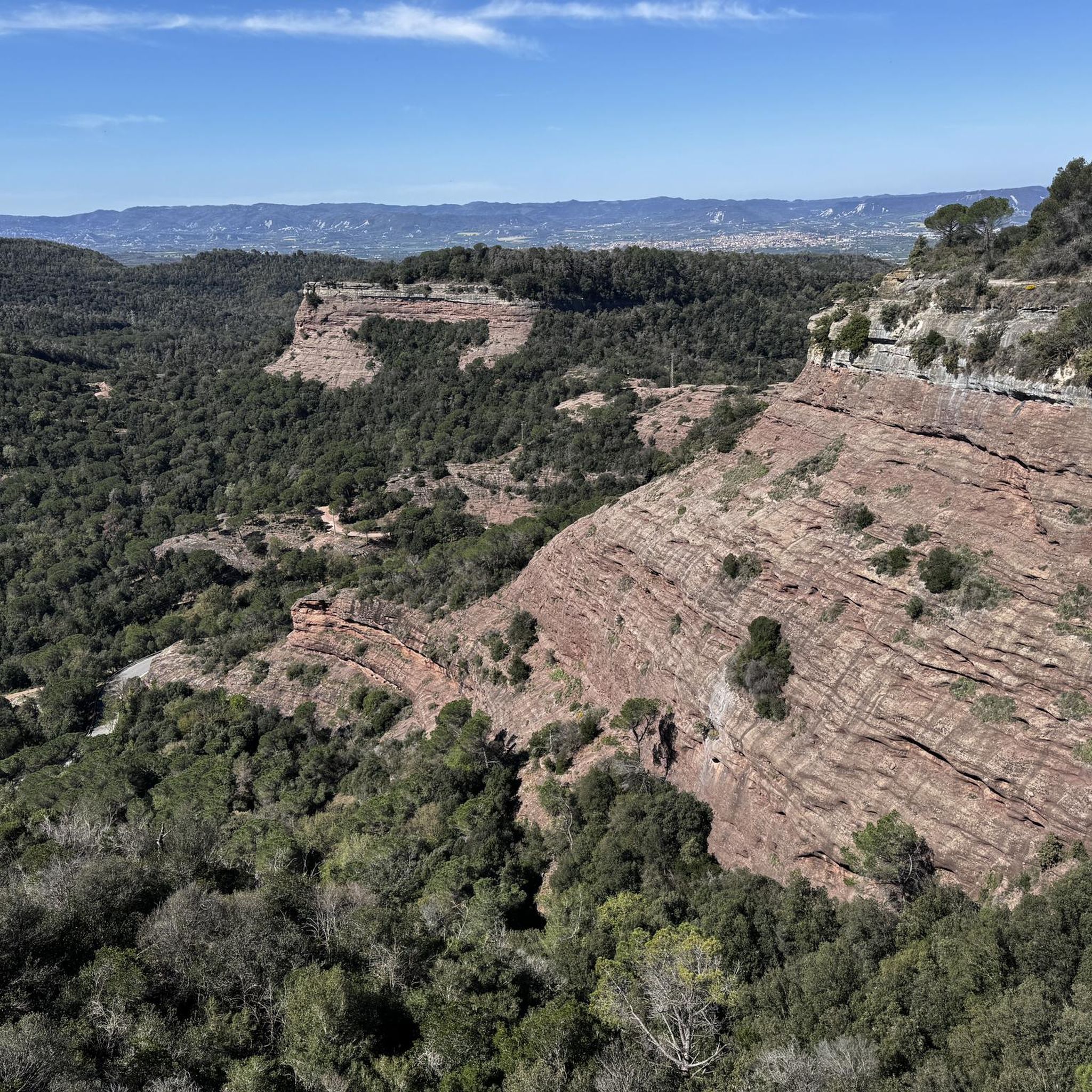
good views of the Plain of Vic and the Pyrenees and very fun downhill trails.
1
0

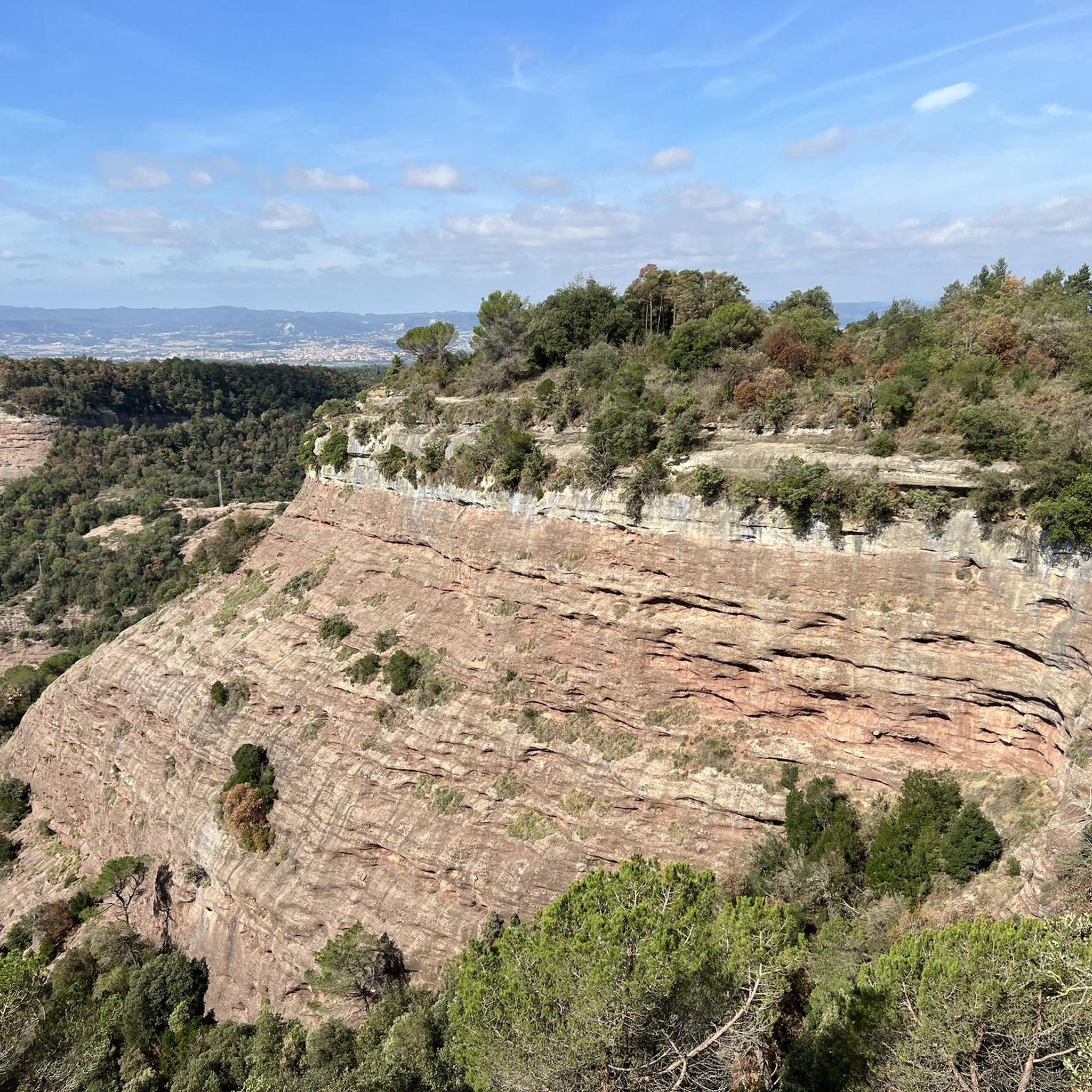
Can Boix Castle, also known as Taradell Castle, is located on some large rocks, at an altitude of 803 metres. Below the castle is a large cave. I think there are parts of the castle from the 10th century.
3
0
The ruins Castle of Bellpuig de Sant Julià de Vilatora
1
1

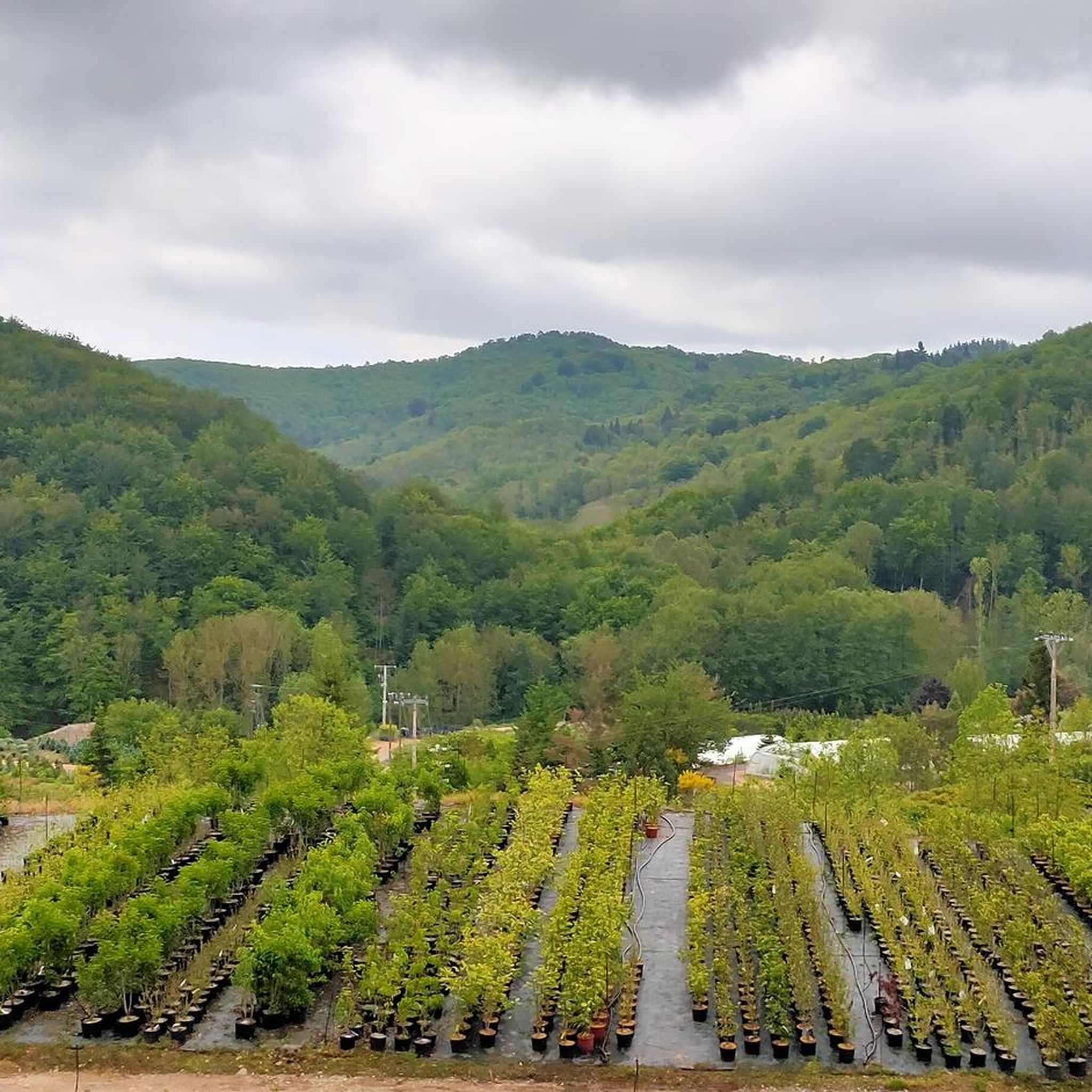
Near the imposing peaks of the Sierra del Oriol and Sant Segimon, on a hill excavated by the Riera de l'Erola and the Torrent de Lavadores, is the Casal de la Sala de Viladrau. The oldest part of the house corresponds to the 14th century, when it was fortified and transformed into a Domus with a fenced wall and a watchtower. The central body must date from the 17th century. In 1594, Joan Sala Ferrer, alias Serrallonga, the greatest bandit in the history of the area, was born in Sala de Viladrau.
1
0

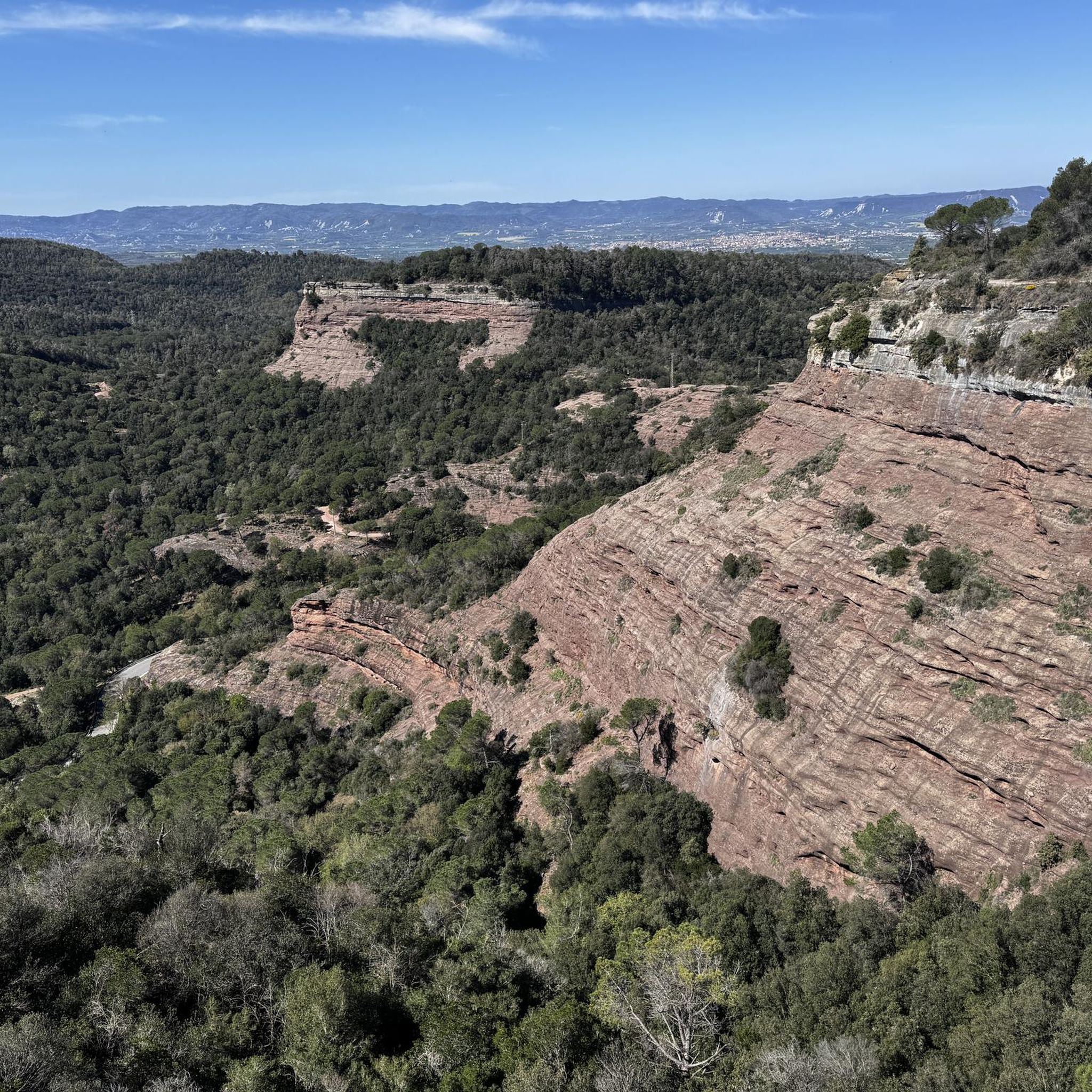
Savassona Castle is a medieval castle located in the municipality of Tavèrnoles (Osona). It was declared a Site of National Interest in 1949. The castle, strategically located at an altitude of 611 meters, was renovated in the 17th and 19th centuries and is still inhabited. It has medieval elements, defensive walls and a triangular tower inside the building. The Castle of Savassona has been documented since 890, under the rule of the Viscounts of Osona and ruled by the Savassona family of knights, who became lords of the barony of Savassona. In the twelfth century, it was still under the rule of the same family. Later, as he had no direct descendants, the castle was sold to Ramon de Vilanova, a native of El Brull. In the 14th century, the castle came under the jurisdiction of Bernat de Cabrera. And in the fires of 1553, the knight Antoni Vila is mentioned as lord of the castle. PARTICULAR FINCA.
0
1
Frequently Asked Questions
What kind of historical sites and castles can I explore around Sant Sadurní D'Osormort?
The region offers a glimpse into medieval history, primarily through castle ruins and historical sites rather than fully preserved castles. You can find remnants like the Can Boix Castle, which features 10th-11th century remains and a large cave, or the historical site of Castell de Sant Llorenç del Munt, which was once a castle and later a monastery. The area also includes the significant ruins of Castell de Meda, important for those interested in medieval territorial control and archaeology.
Are there any well-preserved castles open to the public in the area?
While the region is rich in historical heritage, well-preserved, prominent castles open for extensive visitation in the traditional sense are rare. Many sites, like Castell de Meda, consist mainly of ruins. Some, like Castell de Sant Llorenç del Munt, are normally closed to the public, though they offer great views from the outside. Castell de Savassona is a medieval castle that has been renovated and is still inhabited, making it a particular finca (private property).
What is the historical significance of Castell de Meda?
The Castell de Meda is a medieval structure documented as early as 992. It played a crucial role in naming the territory and was owned by powerful families like the Gurb-Queralt and later the Balenyà family, under the jurisdiction of the Bishopric of Vic. Although only small sections of its walls remain, its strategic location and historical context make it significant for understanding the Osona region's past.
Are there good viewpoints near the castles?
Yes, several castle sites offer excellent views. For example, Can Boix Castle provides good views of the Plain of Vic and the Pyrenees. The site of Castell de Sant Llorenç del Munt also offers good views of the surrounding area. There's even a dedicated View of Castel de Sant Llorenç highlight for panoramic vistas.
What other historical sites are notable in Sant Sadurní D'Osormort, besides castles?
Beyond castle ruins, the most prominent cultural heritage site in the municipality is the Church of Sant Sadurní d'Osormort. This Romanesque building from the 11th century is known for its historical depth and artistic elements, including Romanesque mural paintings (originals preserved in the Episcopal Museum of Vic).
Can I combine a visit to these castles with outdoor activities?
Absolutely! The area around Sant Sadurní D'Osormort is ideal for combining historical exploration with outdoor activities. You can find numerous routes for running, mountain biking, and road cycling. For example, there are running trails like the 'View of Montseny – Can Boix Castle loop from Taradell' or MTB trails such as 'Views of Matagalls from GR-2 – View of the Pyrenees loop from Sant Julià de Vilatorta'. You can explore more options in the Running Trails around Sant Sadurní D'Osormort, MTB Trails around Sant Sadurní D'Osormort, and Road Cycling Routes around Sant Sadurní D'Osormort guides.
Are there hiking trails that lead to these castle sites?
Yes, many of the castle sites are accessible via hiking trails. For instance, Can Boix Castle is located on a summit, implying a hike to reach it. The region's terrain is varied, offering opportunities for walks and excursions to these historical remnants. You can find specific routes that incorporate these sites within the various outdoor activity guides for the region.
What do visitors enjoy most about the castle sites in this region?
Visitors particularly appreciate the historical context and the scenic views offered by these sites. The remnants of medieval structures provide a tangible connection to the past, while their locations often afford panoramic vistas of the Osona region, including the Plain of Vic and the Pyrenees. The combination of history and natural beauty is a key draw.
Is <a href="https://www.komoot.com/highlight/5290700" target="_blank" rel="noopener">Castillo de Bellpuig de Sant Julià de Vilatora</a> worth visiting?
Yes, Castillo de Bellpuig de Sant Julià de Vilatora is cataloged as a cultural asset of National Interest. Its construction dates back to between the 11th and 12th centuries, with later reforms in the 13th century. It offers another significant historical point of interest within the broader area that once encompassed Castell de Sant Llorenç.
What is the best time of year to visit the castle sites around Sant Sadurní D'Osormort?
The best time to visit is generally during spring (April to June) and autumn (September to October). During these seasons, the weather is typically mild and pleasant for exploring the outdoor sites and hiking the trails. Summers can be hot, and winters can be chilly, though clear days still offer good visibility for viewpoints.
Are there any specific tips for visiting these historical sites?
Given that many sites are ruins or on elevated terrain, wearing comfortable walking shoes is highly recommended. Bringing water and sun protection is advisable, especially during warmer months. For sites like Castell de Meda, which are archaeological remnants, a keen interest in historical landscapes will enhance your visit.
Most popular routes around Sant Sadurní D'Osormort
Most popular attractions around Sant Sadurní D'Osormort

Get inspired with the komoot mobile app


Explore more
Looking for the best castles somewhere else? Discover other guides around Sant Sadurní D'Osormort:
