Top 3 Caves around La Llacuna
Caves around La Llacuna are situated in the Anoia region of Catalonia, an area known for its diverse natural landscapes. The municipality offers various geological formations and cave systems, making it a destination for those interested in hiking and natural exploration. Its environment features mountains, forests, and vineyards, providing numerous paths that lead to these natural and historical sites. The region's geological features include natural springs, grottos, and sites with prehistoric significance.
Best caves around La Llacuna
- The most popular…
Last updated: October 7, 2026
Les Deus Fountains
Highlight • Natural Monument
Translated by Google •
Tip by

Prehistoric Park of Capellades
Highlight • Historical Site
Translated by Google •
Tip by

Sign up now to discover places like this
Get recommendations on the best single tracks, peaks, & plenty of other exciting outdoor places.
Devil's Cave
Highlight • Cave
Translated by Google •
Tip by

Cave Entrance
Highlight • Cave
🥾 i un bon calçat xq les roques son humides i relliscoses.
🚫 No baixar al segon pis sense equipació.
Tip by

Equipped Section
Highlight • Cave
🥾 i un bon calçat xq les roques son humides i relliscoses.
🚫 No baixar al segon pis sense equipació.
Tip by
Start today with a free account
Your next adventure awaits.
Tips from the Community

🔦 🪖Per entrar a la cova has de portar frontal i casc, com a mínim. 🥾 i un bon calçat xq les roques son humides i relliscoses. 🚫 No baixar al segon pis sense equipació.
0
0
🔦 🪖Per entrar a la cova has de portar frontal i casc, com a mínim. 🥾 i un bon calçat xq les roques son humides i relliscoses. 🚫 No baixar al segon pis sense equipació.
0
0

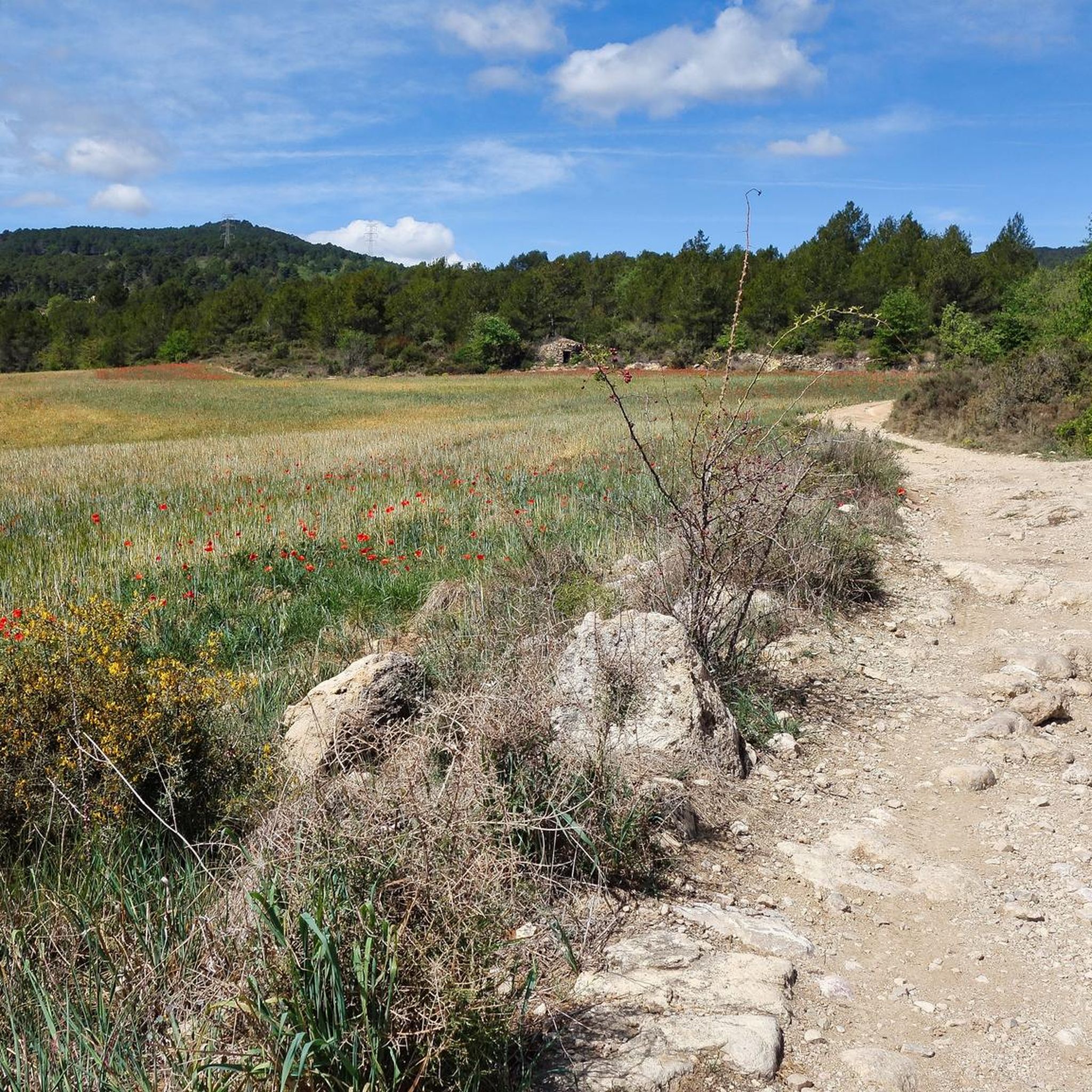
The Capellades prehistoric park is a cultural facility located in the Cinglera del Capelló, the cliff on which the town of Capellades sits, in the Catalan region of l'Anoia. This area, in addition to its geological and landscape value, has great archaeological value, due to the presence of around twenty sites from various periods. The cliff itself is one of the park's attractions. Its origin is in the action of carbonated waters that, by fossilizing plant colonies, form fall travertines, a type of fossil waterfall that is locally called "capellons". Its growth formed cornices, grottoes and caves that were used as shelter by groups of prehistoric settlers. One of these caves constitutes the best preserved Paleolithic archaeological site in the complex, known as "l'Abric Romaní", used as a refuge by groups of Neanderthals and which has been excavated since 1983.
0
0

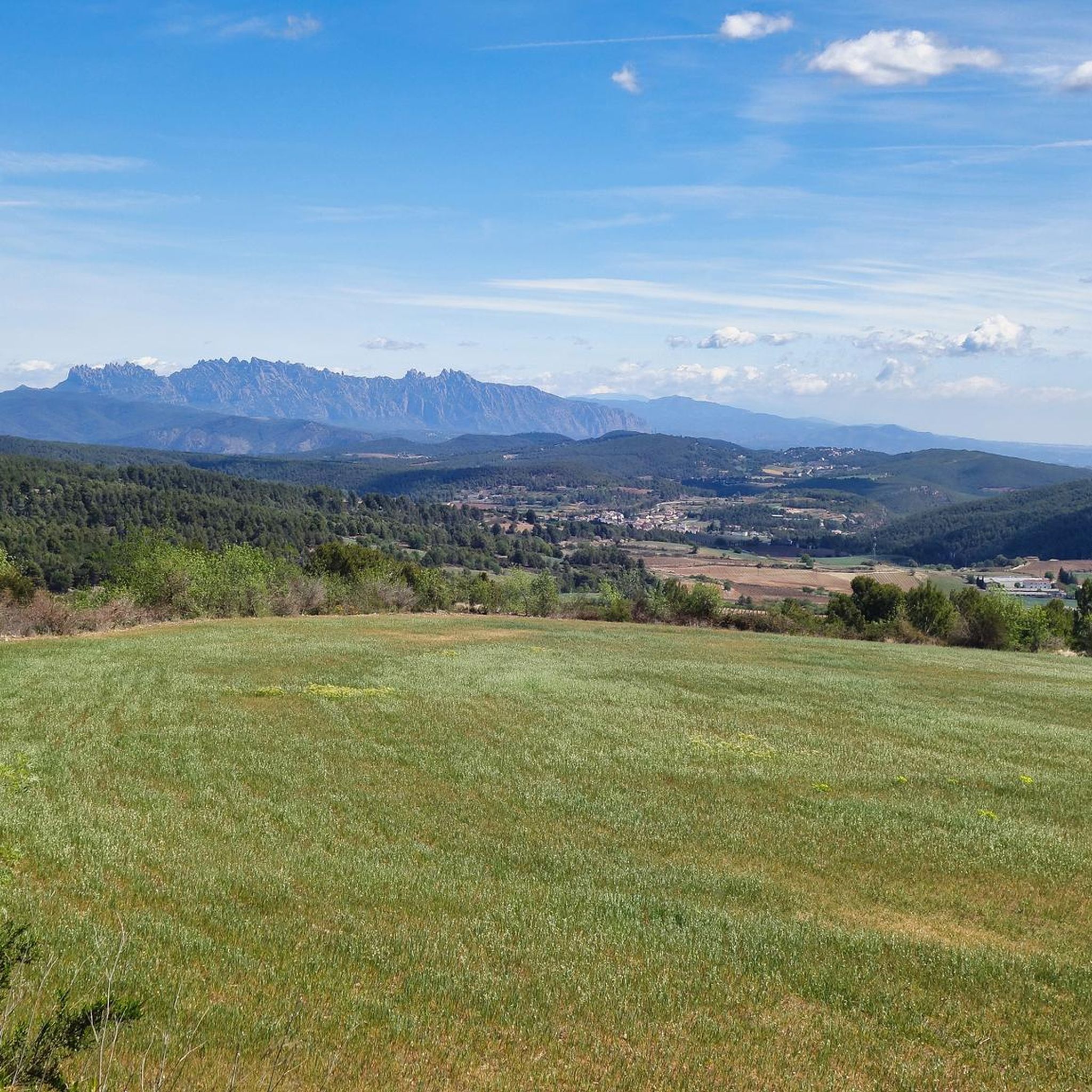
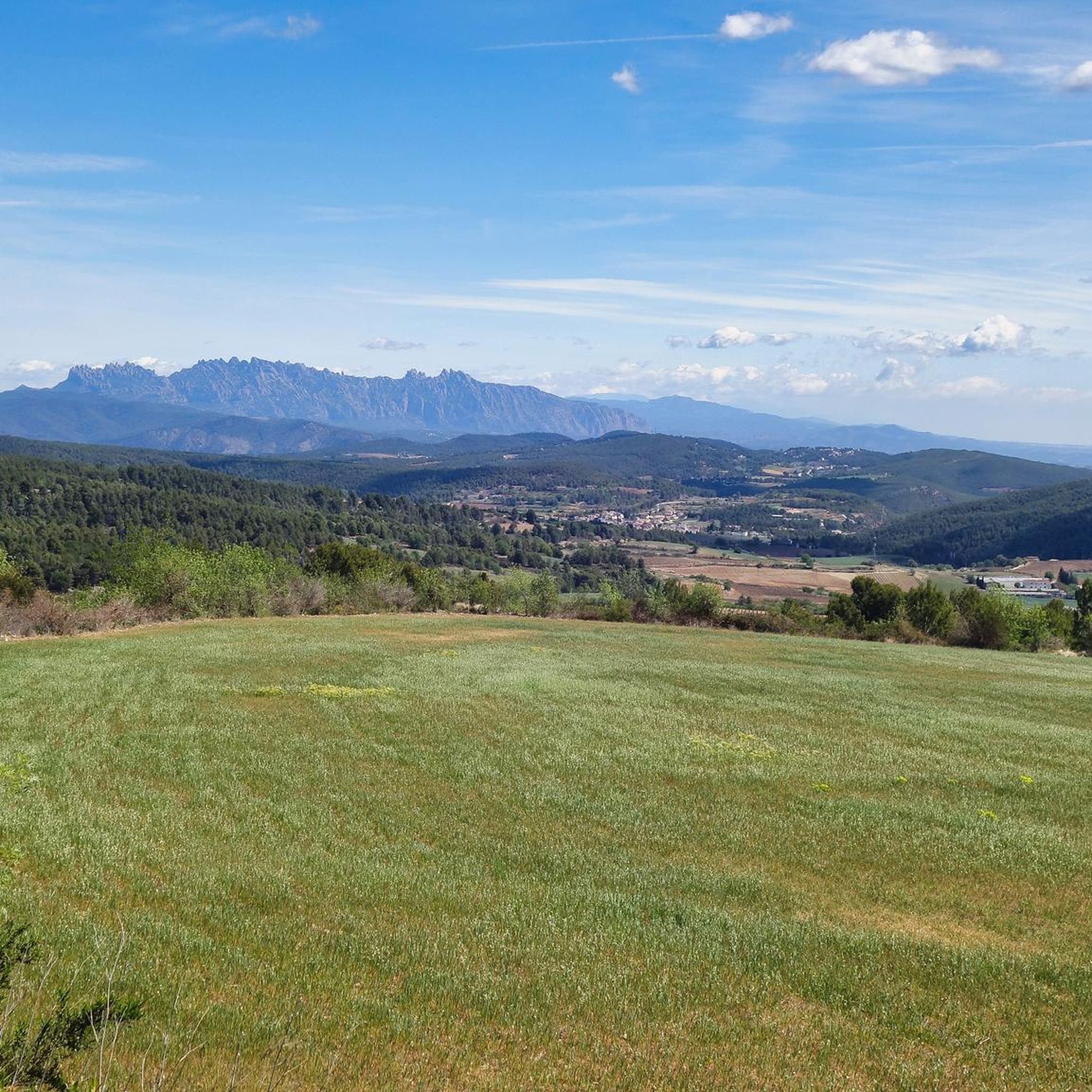
Les Deus is a natural site of Sant Quintí de Medionai is a space where there are 23 sources of water in a beautiful area to take a break.
0
0
The Devil's Cave is a rock formation in the municipality of Sant Martí de Tous. From above you can see the hole made by the river and you can also go inside, entering the cave following the stream of water.
0
0

A natural area where you can enjoy lakes, pools, caves and waterfalls. Les Deus are a series of 23 fountains in a row - the water comes from a main source of the Carme Capellades aquifer. In high season, people take advantage of the lakes as a bathing area. On the highest part there is a restaurant and a bar with views and below there is a picnic area. There is also an adventure park where there is via ferrata etc.
1
0
Frequently Asked Questions
What are the most interesting natural cave formations to explore near La Llacuna?
The region around La Llacuna offers several captivating natural formations. Les Deus Fountains is a significant natural area featuring 23 aligned springs, lakes, pools, and grottos. You can also find the Devil's Cave in Sant Martí de Tous, a rock formation where you can see the hole made by the river and explore inside. The Cova de la Verdera is another natural formation cited as an interesting place to visit within La Llacuna's natural surroundings.
Are there any caves with historical or archaeological significance in the area?
Yes, the area is rich in history. The Prehistoric Park of Capellades is a cultural facility located on the Cinglera del Capelló, featuring archaeological sites from various periods. One notable cave within this park, l'Abric Romaní, was used as a refuge by Neanderthals. Additionally, La Roca Roja (Valldecerves) is particularly noteworthy for its prehistoric cave paintings, dating back approximately 3,500 to 3,000 BC, depicting figures like a deer and a goat. This site is recognized for its historical significance and is protected as a UNESCO World Heritage site.
What equipment do I need for exploring caves like Les Deus Fountains?
For exploring the cave section at Les Deus Fountains, it is recommended to bring a headlamp, helmet, and appropriate footwear due to wet and slippery surfaces. Descending to the second level requires specialized equipment. Similarly, for the Cave Entrance and Equipped Section, a headlamp and helmet are essential, along with good footwear as rocks can be humid and slippery. Do not attempt to go to the second floor without proper equipment.
Are there family-friendly cave experiences or activities near La Llacuna?
Yes, several options are suitable for families. Les Deus Fountains is considered family-friendly, offering lakes and pools for swimming during high season, a picnic area, and even an adventure park with a via ferrata. The Prehistoric Park of Capellades is also a cultural facility that is family-friendly, providing an educational experience about the region's archaeological value.
What is the best time of year to visit the caves around La Llacuna?
The natural areas around La Llacuna, including the caves, are generally enjoyable throughout the year. However, for activities like swimming in the lakes at Les Deus Fountains, the high season (typically summer) is most popular. For cave exploration, cooler, drier months might be more comfortable, but always be prepared for wet and slippery conditions inside the caves regardless of the season.
What outdoor activities can I combine with a visit to the caves?
The natural environment of La Llacuna, with its mountains, forests, and vineyards, offers numerous paths and hiking routes that lead to captivating natural and historical cave sites. You can find various running trails, traffic-free bike rides, and gravel biking routes in the vicinity. Many of these routes pass by or near natural landmarks and viewpoints, allowing you to combine cave exploration with a longer outdoor adventure.
Are there any specific hiking trails that lead to the caves?
Yes, the region is well-suited for combining hiking with cave visits. For example, the Devil's Cave is accessible via trails in the municipality of Sant Martí de Tous. The natural environment of La Llacuna offers numerous paths and hiking routes that lead to various natural and historical cave sites, making it easy to integrate cave exploration into a longer hike. You can explore various running trails and bike routes that traverse the landscape around these sites.
What kind of geological features can be observed in the caves around La Llacuna?
The caves and natural formations in the La Llacuna area showcase diverse geological features. At Les Deus Fountains, you can observe a series of 23 springs, lakes, pools, grottos, and waterfalls, originating from the Carme Capellades aquifer. The Prehistoric Park of Capellades is situated on the Cinglera del Capelló, a cliff formed by the action of carbonated waters creating fall travertines, locally called "capellons," which formed cornices, grottos, and caves.
Is parking available near the cave sites?
While specific parking details for every cave are not always provided, popular natural areas like Les Deus Fountains typically have designated parking facilities, especially given its popularity as a bathing and picnic area during high season. For other, more remote cave entrances, parking might be available at nearby trailheads or designated natural area parking spots.
Are dogs allowed in the caves or on nearby trails?
Information regarding dog access directly inside the caves is often restricted due to safety and preservation concerns. However, many of the surrounding natural trails and outdoor areas around La Llacuna are generally dog-friendly, allowing you to enjoy hikes with your pet. Always check local signage or official websites for specific rules regarding pets at each site before your visit.
What do visitors enjoy most about the caves and natural areas in La Llacuna?
Visitors particularly enjoy the natural beauty and diverse experiences offered. At Les Deus Fountains, people appreciate the opportunity to enjoy lakes, pools, and waterfalls, often taking advantage of the bathing areas in high season. The combination of water features and accessible grottos makes it a unique destination for both relaxation and adventurous exploration. The historical significance of sites like the Prehistoric Park of Capellades and La Roca Roja also draws those interested in archaeology and ancient human history.
Most popular routes around La Llacuna
Most popular attractions around La Llacuna

Get inspired with the komoot mobile app


Explore more
Extend your search for the best caves by checking out these guides of the top ones around La Llacuna:
