Top 4 Castles around Pedrosa Del Príncipe
Castles around Pedrosa Del Príncipe offer a glimpse into the region's rich history and strategic past. While Pedrosa del Príncipe itself features the preserved entrance portal and part of the facade of the Palacio de Pedrosa del Príncipe, the surrounding area provides several historical fortifications. These structures, often situated on hills, served defensive purposes and controlled vital routes. The landscape is characterized by gentle hills and plains, typical of the Castile and León region.
Best castles around Pedrosa Del Príncipe
- The most popular castles is Castrojeriz, a settlement known for its medieval castle ruins. Situated atop a 900-meter-high hill, it offered a strategic military and defensive position.
- Another must-see spot is Castle of La Mota of Astudillo, a castle from the 12th-13th centuries. Visitors can observe the remains of the walled enclosure and enjoy panoramic views from its elevated position.
- Visitors also love Palace and Church of Pedrosa del Príncipe, a historical site featuring the imposing remains of a palace with a Renaissance façade. This structure originated as a fortified house in the 16th-17th century.
- Pedrosa Del Príncipe is known for its historical sites, including castle ruins, fortified houses, and palace remains. These structures showcase defensive architecture and offer insights into the region's medieval past.
- The castles around Pedrosa Del Príncipe are appreciated by the komoot community, with 40 upvotes and 20 photos shared across various highlights.
Last updated: May 23, 2026
Castrojeriz
Highlight • Settlement
Translated by Google •
Tip by

Castle of La Mota of Astudillo
Highlight • Castle
Translated by Google •
Tip by
Sign up now to discover places like this
Get recommendations on the best single tracks, peaks, & plenty of other exciting outdoor places.
Sign up for free
View of Castrojeriz
Highlight • Viewpoint
Translated by Google •
Tip by

Astudillo
Highlight • Settlement
Translated by Google •
Tip by
Palace and Church of Pedrosa del Príncipe
Highlight • Historical Site
Translated by Google •
Tip by

Start today with a free account
Your next adventure awaits.
Login or Signup
Tips from the Community

Castrojeriz is a historic town located in the province of Burgos, right on the Camino de Santiago. It is known for its impressive heritage, its ancient history, and its key role as a Jacobean site. Castrojeriz Castle: Located atop a hill, it dominates the town and offers spectacular views of the region. Its origins are Roman, although it was expanded by Arabs and Christians. It suffered severe damage in the Lisbon earthquake of 1755, but its ruins can still be visited.
2
0
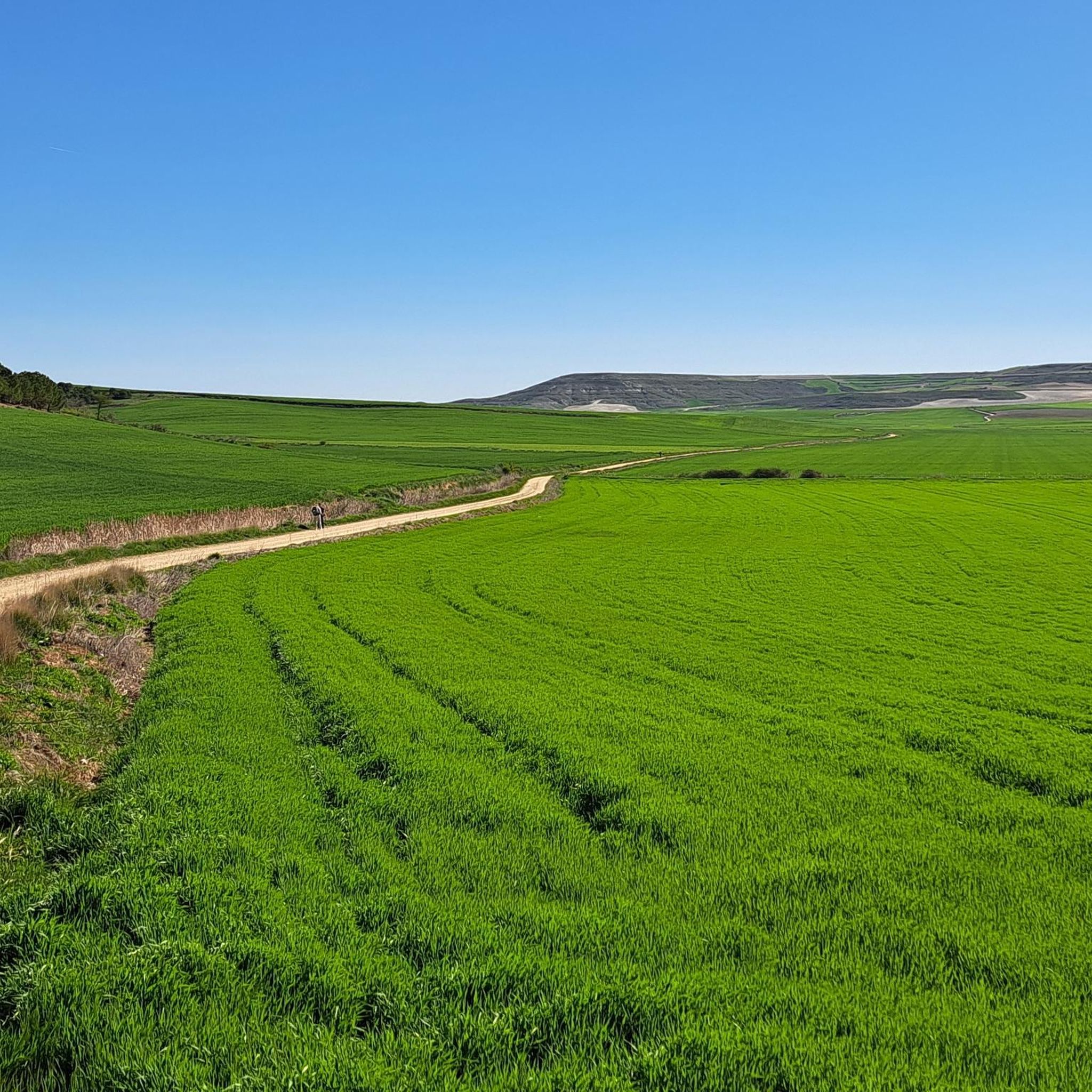
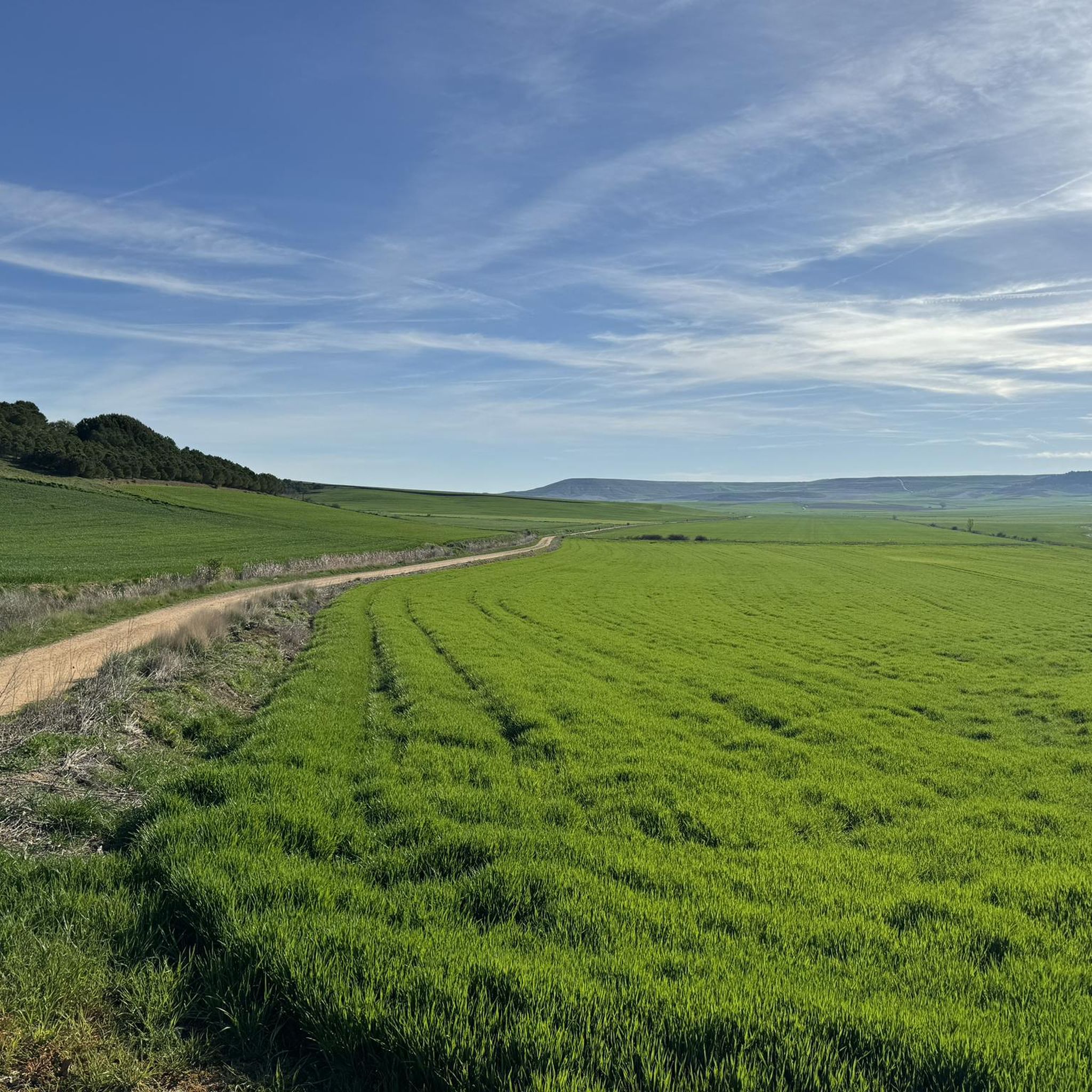
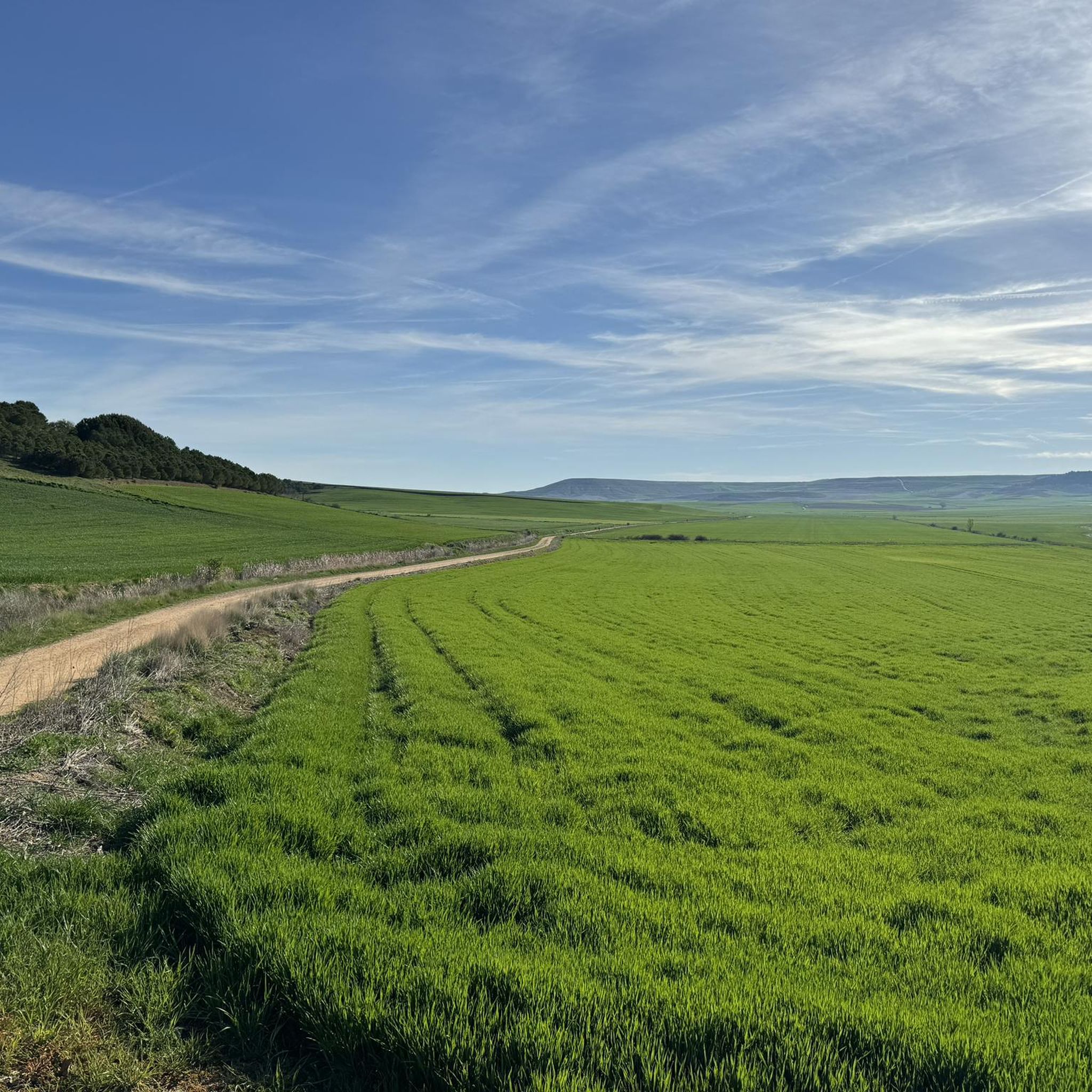
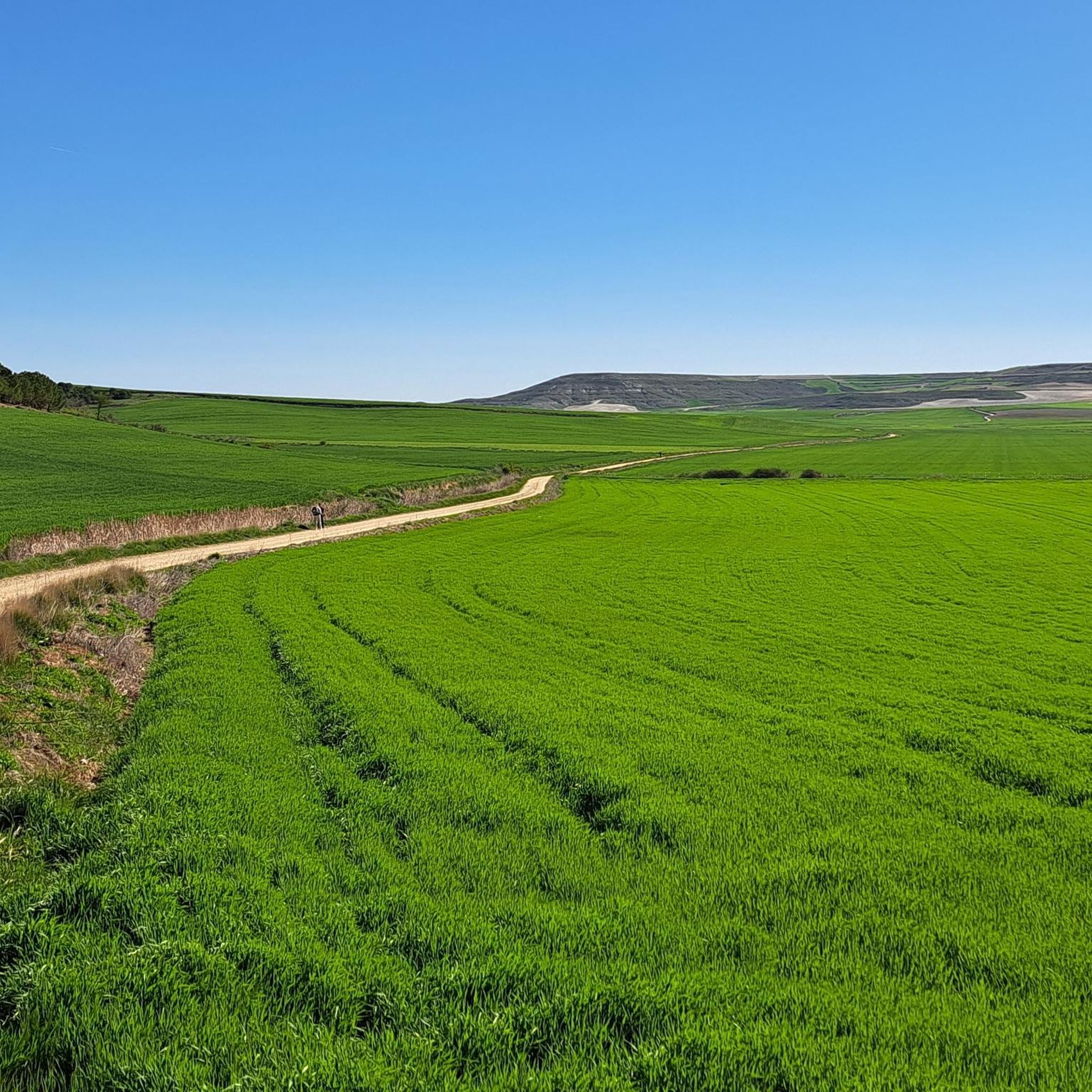
The entrance to Castrojeriz via the Hontanas road is one of the most iconic routes along the French Way of St. James. Leaving Hontanas, the landscape is an open Castilian plain, and after a few kilometers, the impressive silhouette of Castrojeriz appears, dominated by its castle at the top of the hill.
2
0

Gothic church of the town, with three naves, near which you can still see the imposing remains of a palace with a Renaissance façade, whose origin was the fortified house of D. Diego Torres, 16th-17th century
0
0
The ruins of Astudillo Castle rise on a prominent mound detached from the San Martín moor. Although its origins may date back to the 10th century, there is no documentary evidence of its existence until the 11th century.
1
0
Astudillo (Palencia) is a hidden gem of great historical and architectural value! Must-see places in Astudillo: Convent of Santa Clara and Palace of Pedro I, La Mota Castle, Plaza Mayor, historic churches, underground passageways, among many other attractions.
4
1
The Castillo de la Mota in Astudillo, also known as the Astudillo Castle, is a late medieval fortification dating from the 12th-13th centuries. It is located on an artificial mound on top of a gentle hill in the province of Palencia, Castile and León. This castle witnessed numerous historical events and served as the residence of illustrious figures such as Pedro I of Castile and María de Molina. Although only an ultra-semicircular cube and some remains of masonry from the walled enclosure remain today, it remains a jewel of local heritage.
7
1
The Castillo de la Mota in Astudillo, also known as the Astudillo Castle, is a late medieval fortification dating from the 12th-13th centuries. It is located on an artificial mound on top of a gentle hill in the province of Palencia, Castile and León. This castle witnessed numerous historical events and served as the residence of illustrious figures such as Pedro I of Castile and María de Molina. Although only an ultra-semicircular cube and some remains of masonry from the walled enclosure remain today, it remains a jewel of local heritage.
4
0
Remains of the castle of La Mota, it is a perfect viewing point of Astudillo and its region. The underground chambers of the castle are wine cellars.
1
0
Frequently Asked Questions
What historical castles can I visit near Pedrosa del Príncipe?
While Pedrosa del Príncipe itself features the preserved entrance portal and facade of the Palacio de Pedrosa del Príncipe, the surrounding region offers several notable historical fortifications. These include the ruins of Castrojeriz Castle, the strategic Castle of La Mota in Astudillo, the watchtower of Torre de Itero del Castillo, and the Casa Fuerte de Melgar de Yuso.
What makes Castrojeriz Castle worth visiting?
Castrojeriz Castle, situated atop a 900-meter-high hill, offers significant historical insights into the Camino de Santiago and panoramic views of the surrounding landscape. Though mostly in ruins, you can still observe remnants of its central keep, a western tower, and remarkably thick walls. The town of Castrojeriz itself is a pilgrimage site with a rich history, charming streets, and cafes.
Are there any family-friendly castles or historical sites in the area?
Yes, the settlement of Castrojeriz, which includes its castle ruins, is considered family-friendly. Similarly, the village of Astudillo, home to the Castle of La Mota, is also noted for being family-friendly, offering historical and architectural value.
What is the best time to visit the castles around Pedrosa del Príncipe?
The Burgos region, where these castles are located, experiences hot summers and cold winters. For comfortable exploration and hiking, the best time to visit is during the spring (April to June) and autumn (September to October) when temperatures are milder and the weather is generally pleasant for outdoor activities.
Can I find hiking trails near these castles?
Yes, there are several hiking opportunities near the castles. For instance, close to Castrojeriz Castle, you can find routes like the "Castrojeriz Castle and Santa María del Manzano Loop" (easy, 6.37 km) or the more challenging "Castrojeriz – Alto de Mostelares Viewpoint loop" (difficult, 21.39 km). You can explore more options in the Hiking around Pedrosa Del Príncipe guide.
Are there cycling routes that pass by these historical sites?
Absolutely. The region offers various cycling routes. For road cycling, consider the "Torquemada from Astudillo – circular by Castillo de la Mota and Valdeolmillos" (moderate, 54.78 km). For touring bicycles, routes like "Boadilla del Camino by EuroVelo 3 from Castrojeriz — circular by Astudillo and Castillo de Mota" (moderate, 53.04 km) are available. Find more details in the Road Cycling Routes around Pedrosa Del Príncipe and Cycling around Pedrosa Del Príncipe guides.
What is the significance of the Torre de Itero del Castillo?
The Torre de Itero del Castillo is a late 14th-century watchtower strategically positioned to guard the vital passage of the Itero bridge over the Pisuerga river, a crucial point on the Camino de Santiago. After restoration, it now functions as a cultural center with exhibition rooms and offers a viewpoint from its highest point.
What can I expect to see at the Castle of La Mota in Astudillo?
The Castle of La Mota in Astudillo is a late medieval fortification from the 12th-13th centuries. While mostly ruins, you can observe an ultra-semicircular cube and masonry remains of the walled enclosure. It served as a royal residence for figures like Pedro I of Castile and María de Molina. The site also offers excellent panoramic views of Astudillo and its surroundings, and its underground chambers are uniquely used as wine cellars.
Are there any castles or historical sites that are integrated into private residences?
Yes, the Casa Fuerte de Melgar de Yuso is a fortified house with 14th-century elements that is now integrated into a private residence. While only parts of its facade are preserved, it features a notable entrance with a large machicolation and two turrets, showcasing its defensive architecture.
What do visitors enjoy most about the castles and historical sites in this region?
Visitors appreciate the rich history and strategic importance of these sites, often noting the panoramic views from elevated positions like Castrojeriz Castle and the Castle of La Mota. The blend of ancient ruins with charming villages like Astudillo, offering historical and architectural value, also receives positive feedback.
Is there parking available near Castrojeriz Castle?
While specific parking details for Castrojeriz Castle are not provided, the town of Castrojeriz itself is a well-known pilgrimage stop with amenities, suggesting that parking options would be available within the town or at its base for visitors wishing to hike up to the castle ruins.
Are permits required to visit the castles in the Burgos province?
Generally, permits are not required for visiting the exterior or publicly accessible ruins of castles in the Burgos province, such as Castrojeriz Castle or the Castle of La Mota. However, for specific cultural centers like the Torre de Itero del Castillo, or if any private areas are involved, it's advisable to check locally for any entry requirements or opening hours.
Most popular attractions around Pedrosa Del Príncipe

Get inspired with the komoot mobile app


Explore more
Looking for the best castles somewhere else? Discover other guides around Pedrosa Del Príncipe:
