Top 5 Huts and Cabins around Litago
Best huts around Litago are located within the Moncayo Natural Park, a region in Zaragoza, Aragon, Spain. This area features diverse natural landscapes, including Mediterranean scrub, beech, and pine forests. The park offers several mountain refuges that serve as bases for exploring its trails and peaks. Visitors can find various shelters providing basic amenities for hikers and nature enthusiasts.
Best huts around Litago
- The most popular huts is Santuario del Moncayo Restaurant and Hostel, a restaurant and hut that…
Last updated: June 6, 2026
Santuario del Moncayo Restaurant and Hostel
Highlight • Restaurant
Translated by Google •
Tip by

Majada Baja Refuge, Moncayo Natural Park
Highlight • Mountain Hut
Translated by Google •
Tip by

Sign up now to discover places like this
Get recommendations on the best single tracks, peaks, & plenty of other exciting outdoor places.
Sign up for free
Soriano Natural Water Trail
Highlight • Trail
Tip by

Valdemanzano Nature Center and Shelter
Highlight • Mountain Hut
Translated by Google •
Tip by

Cerrogordo Refuge
Highlight • Mountain Hut
Translated by Google •
Tip by

Start today with a free account
Your next adventure awaits.
Login or Signup


Tips from the Community

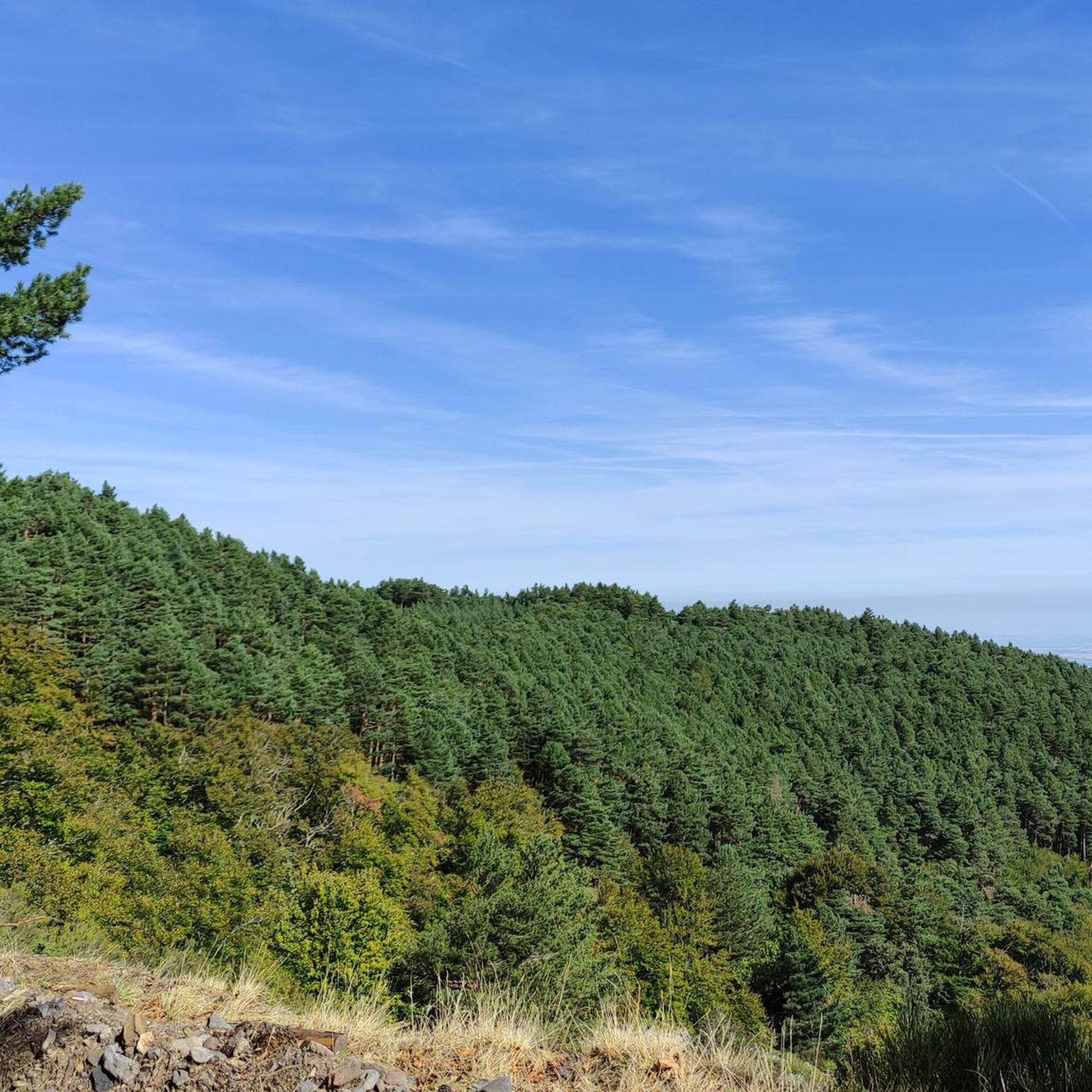
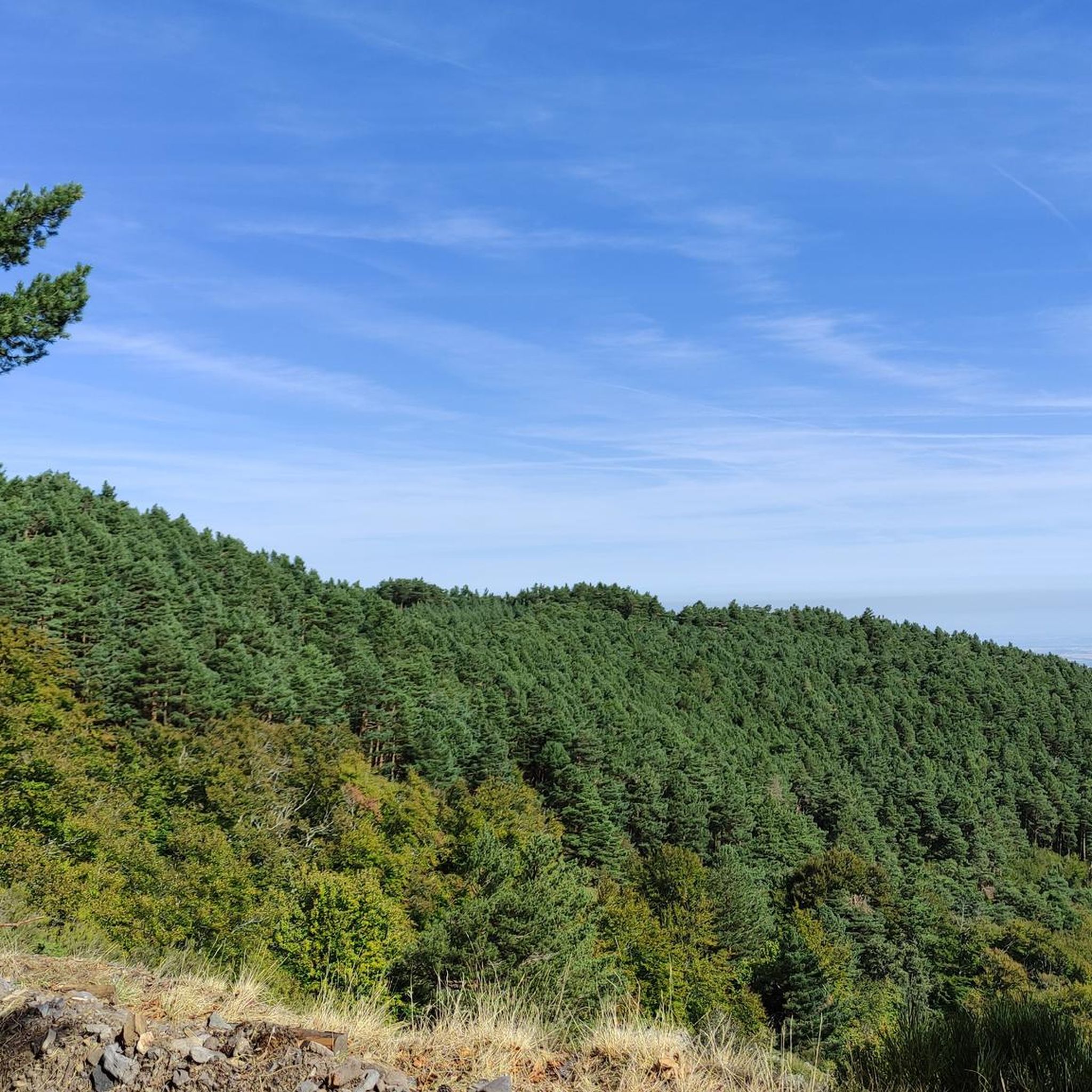
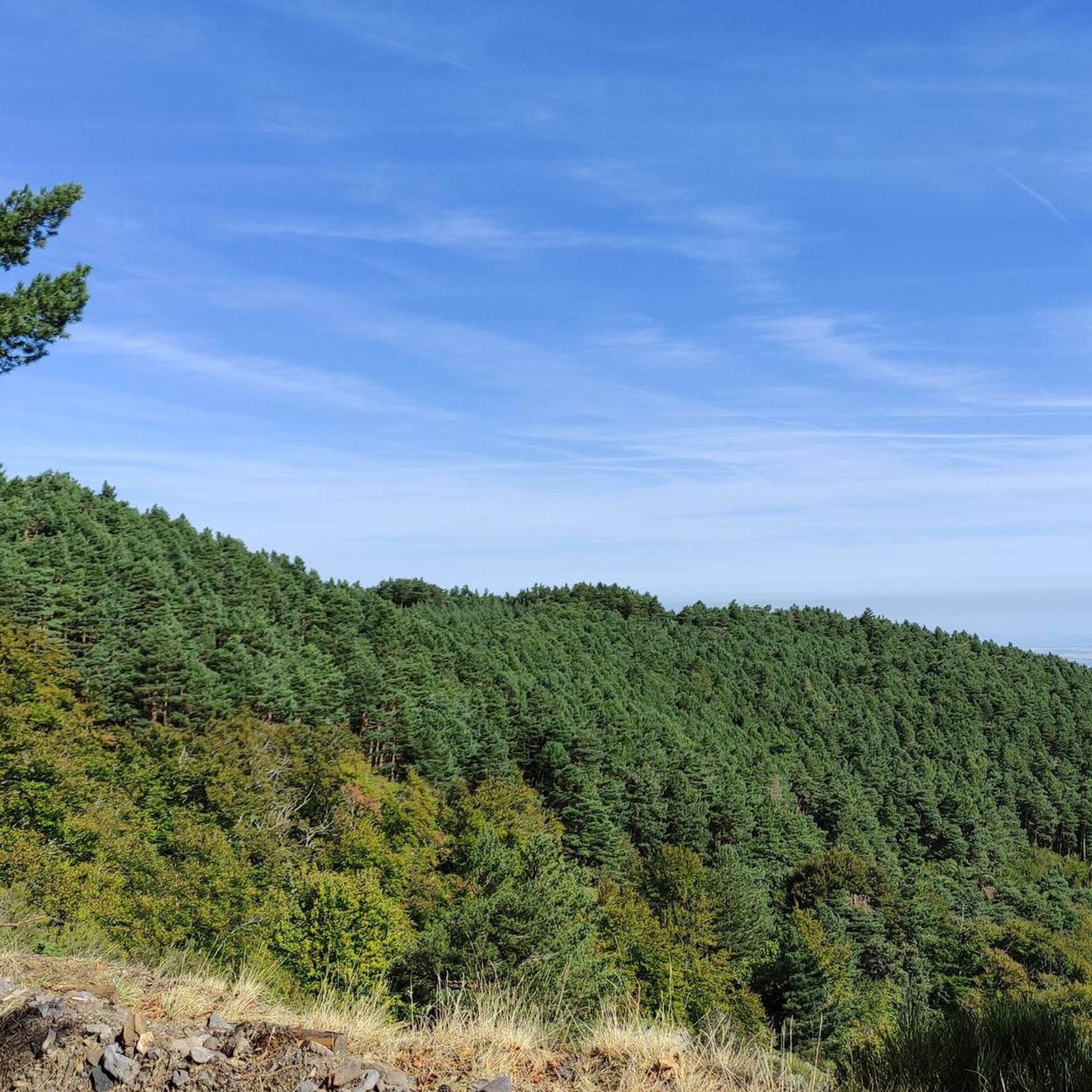
The Moncayo Natural Park crossing is an itinerary for gravel bicycles of a particular design to link with the Santander Mediterráneo Natural Path in Ciria, looking for the best circular bikepacking route back to the city of Soria. The downloaded track is essential in this section, it is impossible to specify in these texts all the detours, intersections and details with the same precision that digital information offers. The mountain bike adventure begins at the Tarazona exit, at the sign for the GR-90 long-distance trail, although it then coincides in a few sections. It is important to carry provisions for the rest of the day and the next, it is not safe to find food in the towns along the way. The route follows a farm road to Grisel and then comes the first spike of the climb in the mountains where the Grisel Wind Farm is located. The hard slope is one kilometer long until you reach the mills, but the slope is steep and the loose stone surface requires extra effort. On the hill, the enormous Moncayo slope covered with pines, oaks and beech trees appears up close. And on top of that, the peaks of the massif are like unattainable islands above a sea of mysterious and impenetrable forests. The path crosses another steep slope of loose stone and begins a long climb up a hill marked with milestones of cycling and hiking routes until it crosses the Agramonte highway and connects with the paved track of the Moncayo Sanctuary. The route continues along the small mountain road, crosses the centuries-old beech forests of Fuente del Sacristán and at the Fuente de los Frailes hairpin it turns to the left to begin the final stretch of the ascent along the forest track of Collado Bellido. In the case of spending the night in the Majada Baja Refuge, where I propose, at the end of the climb, you have to carry water at the source, then there are mountain streams but depending on the season of the year they can be dry. Along the way there are several crossings and detours, generally it is always the uphill track that runs along the entire northern slope of the Moncayo massif to go to the southern face. The climb is long and constant, it leaves the forest and continues until it passes the detour to Collado Bellido, indicated with markers on the ditch of the forest track. The end of the ascent is shortly after, at the curve of the Valdealonso stream, at about 1,900 meters of altitude, the path changes slope and the descent begins. Two kilometers later is the Majada Baja Refuge, it is a natural park refuge, well maintained and available for mountaineers, cyclists, hunters, shepherds and users of the Moncayo environmental space. The place has extraordinary views and it is difficult to pass by at dusk and not stay the night.
1
0

La ruta sale de Ágreda por el trazado del GR-86 Sendero Ibérico Soriano y antes de llegar a Fuentes de Ágreda se desvía hacia Aldehuela. La aldea es encantadora. Las casas están escondidas entre barrancos y arbolado y la única calle del lugar es bastante empinada, hay que estar pendientes del desvío de la ruta por una calleja de hierba, donde está el antiguo lavadero, y continuar por unos caminos de trabajos forestales hasta el nacimiento del río Queiles, en Vozmediano, otra sorpresa fascinante del itinerario. La llegada al pueblo sigue un antiguo sendero de herradura acondicionado para el paso de bicicletas y senderistas que termina en las casas de Vozmediano, debajo del castillo árabe y la magnífica torre del homenaje. Y después es cuando llega la bajada hacia Tarazona por el precioso valle del río Queiles. La parte disfrutona termina en Los Fayos, el primer municipio de Zaragoza, empotrado al pie de unas impresionantes murallas de conglomerados de areniscas rojas plagadas de cuevas y leyendas. Tarazona está cerca y de nuevo podría ser “todo bajada”, en cambio los hitos suben por la colina del cementerio para evitar la carretera principal. También hay flechas del Camino de Santiago. En la entrada de Tarazona está la opción de continuar de frente por el casco histórico o bajar directamente hacia el paseo del río Queiles. Las dos opciones son válidas y descubren las maravillas arquitectónicas de la ciudad, plagada de construcciones históricas, monumentos y piedras centenarias. La torre mudéjar de la iglesia de Santa María Magdalena es un icono del patrimonio artístico junto al edificio del Palacio Episcopal, es difícil pasar por Tarazona y no parar en alguna terraza de la ribera del Queiles para probar sus célebres tortas de masa contemplando el skyline de la ciudad, fusión de culturas revelada en el mensaje universal de la piedra convertida en arte y monumento. La salida de Tarazona por la popular Vía Verde de la Tarazonica es fácil, hay que pasar por la plaza de San Francisco y seguir hasta el Parque de la Estación, con cuidado de las direcciones prohibidas. El track lleva por las calles permitidas para bicicletas. El camino sigue por la vía verde hasta Tudela, un agradable paseo de una hora en bicicleta por una recta que termina en el río Ebro. El 31 de diciembre de 1885 fue una fecha histórica y emocionante para los habitantes de Tarazona, Tudela y las pequeñas poblaciones agrícolas intermedias, como Murchante, Cascante y Novallas, por fin se inauguraba una línea ferroviaria entre la comarca de Tarazona y la Ribera de Navarra, un canal esencial de comunicación y comercio que estuvo activo hasta 1972, cuando fue desmantelada la vía por falta de rentabilidad. El camino natural salva una carretera por un paso elevado y pasa por el monumento del Escachamatas, como se conocía popularmente el ferrocarril por la lentitud y los frecuentes descarrilamientos de los trenes, y termina en la estación ferroviaria de Tudela. El track sigue hasta el puente del río Ebro, con posibilidad de enlazar con el Camino Natural del Ebro GR-99 y continuar una aventura bikepacking interminable. El punto de retorno es el puente medieval del Ebro, que tiene 360 metros y 17 arcos. En la vuelta pasamos por el casco histórico, la catedral, la plaza Vieja, la Puerta del Juicio y otros rincones empedrados desde hace siglos hasta que llegamos a la estación de Renfe, tomamos de nuevo el firme de la Tarazonica y volvemos por el mismo camino hasta las calles de Tarazona. La travesía del Parque Natural del Moncayo es un itinerario para bicicletas gravel de diseño particular para enlazar con el Camino Natural Santander Mediterráneo en Ciria, buscando el mejor recorrido circular de bikepacking de vuelta hasta la ciudad de Soria. El track descargado es imprescindible en este tramo, es imposible concretar en estos textos todos los desvíos, cruces y detalles con la misma precisión que ofrece la información digital. La aventura ciclomontañera comienza en la salida de Tarazona, en el cartel del sendero de gran recorrido GR-90, aunque después coincide en pocos tramos. Es importante cargar con provisiones para el resto de la jornada y la siguiente, no es seguro encontrar víveres en los pueblos del camino. La ruta sigue un camino agrícola hasta Grisel y después llega la primera tachuela de la subida en la sierra donde está el Parque Eólico de Grisel. El repecho duro tiene un kilómetro hasta que salta los molinos pero la pendiente es elevada y el firme de piedra suelta exige un esfuerzo extra. En el collado aparece de cerca la enorme ladera del Moncayo cubierta de pinos, robles y hayas. Y encima las cumbres del macizo como islas inalcanzables sobre un mar de bosques misteriosos e impenetrables. El camino salva otro repecho de piedra suelta y comienza una larga subida por una loma marcada con hitos de rutas ciclistas y senderistas hasta que atraviesa la carretera de Agramonte y conecta con la pista asfaltada del Santuario del Moncayo. La ruta sigue por la carreterita de montaña, atraviesa los hayedos centenarios de la Fuente del Sacristán y en la horquilla de la Fuente de los Frailes se desvía por la izquierda para iniciar el tramo final de la ascensión por la pista forestal del collado Bellido. En el caso de pasar la noche en el Refugio de Majada Baja, donde propongo, al final de la subida, hay que cargar agua en la fuente, después hay arroyos de montaña pero según la estación del año pueden estar secos. En el camino hay varios cruces y desvíos, generalmente siempre es la pista de subida recorriendo toda la vertiente norte del macizo del Moncayo para pasar hacia la cara sur. La subida es larga y constante, sale del bosque y continúa hasta que pasa el desvío del collado Bellido, indicado con hitos en la cuneta de la pista forestal. El final de la ascensión está poco después, en la curva del arroyo de Valdealonso, a unos 1.900 metros de altitud, el camino cambia de pendiente y comienza el descenso. Dos kilómetros después está el Refugio de Majada Baja, es un refugio del parque natural, bien cuidado y disponible para montañeros, ciclistas, cazadores, pastores y usuarios del espacio ambiental del Moncayo. El paraje tiene unas vistas extraordinarias y es difícil pasar al caer la tarde y no quedarse a pasar la noche.
0
0

The Cerrogordo refuge, in Purujosa, is located at an altitude of 1,298 meters, in a clear area that allows you to contemplate the panoramic views of the surrounding mountains. This shelter is not guarded, but it does have a fireplace and stone benches to sit on. In addition, the residents of Purujosa have installed a sideboard inside where they can place the food that visitors leave as a provision for others who may need it.
1
0

The Cerro Gordo refuge is located at 1298 m. altitude, within the Moncayo National Park. From the refuge we will have unbeatable views of the south face of the Muela del Col cliff and its beautiful surroundings.
1
1
At this point is the Valdemanzano Nature Classroom, educational programs organized by the Government of Aragon for the youngest. Next to it we will see a shelter and an open area to be able to eat safely.
2
0

Restaurante El Santuario del Moncayo, in the heart of the natural park.
7
0

Emblematic mountain cataloged as category 1+
1
0

Good place to rest when coming down from the summit
3
0
Frequently Asked Questions
What types of huts and shelters can I find around Litago?
Around Litago, within the Moncayo Natural Park, you can find a variety of mountain refuges and shelters. These include well-maintained natural park refuges like Majada Baja Refuge, unguarded shelters such as Cerrogordo Refuge, and even facilities that combine a restaurant and hostel like Santuario del Moncayo Restaurant and Hostel. Some locations also feature nature classrooms and open areas for eating, such as Valdemanzano Nature Center and Shelter.
Are there family-friendly huts or facilities in the Litago area?
Yes, the area offers family-friendly options. The Valdemanzano Nature Center and Shelter is particularly suitable, featuring a nature classroom and an open area for safe eating, making it ideal for families. The Moncayo Natural Park generally provides diverse landscapes suitable for various ages.
What kind of views can I expect from the huts around Litago?
Many huts offer extraordinary views of the surrounding Moncayo Natural Park. For instance, Majada Baja Refuge is known for its exceptional vistas of the Moncayo's slopes, covered with pines, oaks, and beech trees. Similarly, Cerrogordo Refuge provides panoramic views of the surrounding mountains from its elevated position.
What outdoor activities can I do near the huts in Litago?
The Moncayo Natural Park, where these huts are located, is excellent for various outdoor activities. You can enjoy extensive hiking and mountain biking trails. For specific routes, explore options like MTB Trails around Litago, Road Cycling Routes around Litago, and Cycling around Litago. The area is also suitable for rock climbing and wildlife observation.
Are there any huts that serve as good resting points after a long hike?
Absolutely. The Santuario del Moncayo Restaurant and Hostel is an emblematic mountain location and serves as an excellent place to rest, especially when descending from the Moncayo summit. It offers both restaurant services and accommodation.
What are the natural features surrounding the huts in Moncayo Natural Park?
The Moncayo Natural Park boasts diverse natural landscapes. You'll find Mediterranean scrub, lush beech and pine forests, and varied ecological zones due to changes in altitude. The area is particularly known for its extensive beech forests, which are among the largest in Spain, and impressive views of the Moncayo massif.
Do I need permits to access the huts or trails in the Litago region?
While specific permits for general access to trails are typically not required, it's always advisable to check local regulations for the Moncayo Natural Park, especially for overnight stays in certain refuges or for specific activities. Unguarded shelters like Cerrogordo Refuge are generally open, but guarded facilities may require reservations.
What is the best time to visit the huts and trails around Litago?
The Moncayo Natural Park offers distinct experiences throughout the year. Spring and autumn are generally ideal for hiking and cycling due to milder temperatures and vibrant natural colors. Summer provides warmer weather for outdoor activities, while winter can offer snowy landscapes, though access to some huts and trails might be more challenging.
Are there any huts that offer basic amenities for overnight stays?
Yes, several refuges provide basic amenities. The Majada Baja Refuge is a well-maintained natural park refuge available for mountaineers, cyclists, and other users. Unguarded shelters like Cerrogordo Refuge offer simple facilities such as a fireplace and stone benches, suitable for basic shelter.
Can I find any historical or cultural sites near the huts?
The Moncayo Natural Park and its surroundings have historical and cultural significance, including pilgrimage routes. While the huts themselves are primarily for shelter, exploring the wider park area may reveal historical landmarks and cultural sites that enhance the visiting experience.
What are some challenging hikes to huts in the Litago area?
For those seeking a challenge, the ascent to San Miguel peak, the highest point in the Moncayo massif, offers a demanding hike. Along this route, you can find a small stone hut that serves as a resting point or emergency shelter about halfway up the three-hour climb from Agramonte. Many of the cycling routes in the area are also rated as 'difficult', such as the 'Moncayo Climbs Loop via Tarazona and Veruela' found in the Road Cycling Routes around Litago guide.
Most popular attractions around Litago

Get inspired with the komoot mobile app


Explore more
Find more beautiful huts and cabins around Litago by checking out the top ones in these nearby places:
