Top 6 Castles around Navas De San Juan
Best castles around Navas De San Juan are located in a municipality within the province of Jaén, Spain. This region is known for its historical fortified structures, many of which offer a glimpse into its rich past. Situated on the southern slope of Sierra Morena, the area holds significance from the Reconquista period. The landscape features olive groves and river plains, providing a setting for exploring these historical sites.
Best castles around Navas De San Juan
- The most popular castles…
Last updated: October 7, 2026
Castillo de Sabiote
Highlight • Castle
Translated by Google •
Tip by

Vilches Castle
Highlight • Castle
Translated by Google •
Tip by

Sign up now to discover places like this
Get recommendations on the best single tracks, peaks, & plenty of other exciting outdoor places.
View of Santisteban del Puerto
Highlight • Settlement
Translated by Google •
Tip by
Castle of San Esteban
Highlight • Castle
Today you can see some of its original …
Translated by Google •
Tip by

Giribaile Castle
Highlight • Castle
Translated by Google •
Tip by
Sign up for free to discover even more castles around Navas De San Juan.
Already have an account?
Start today with a free account
Your next adventure awaits.
Tips from the Community

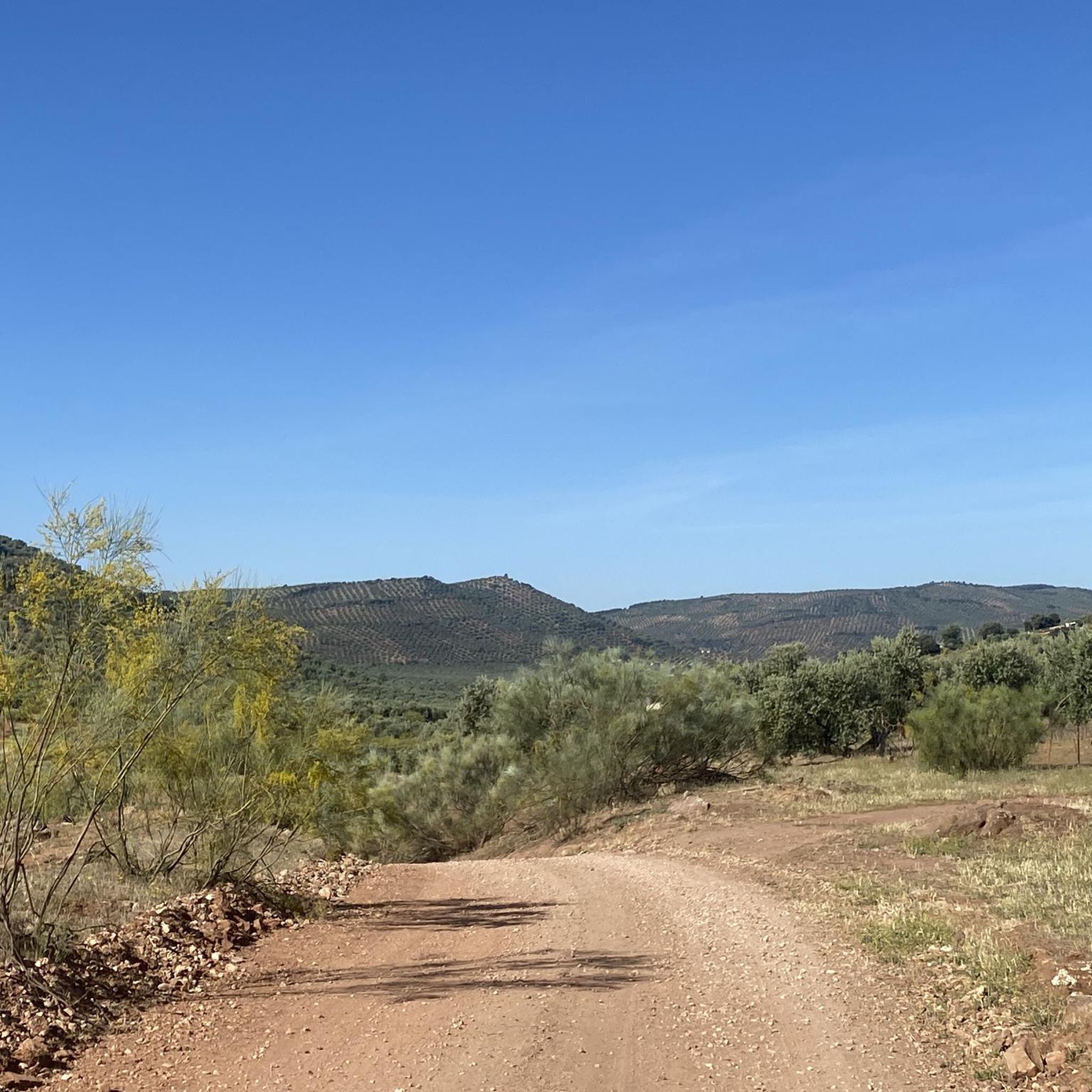
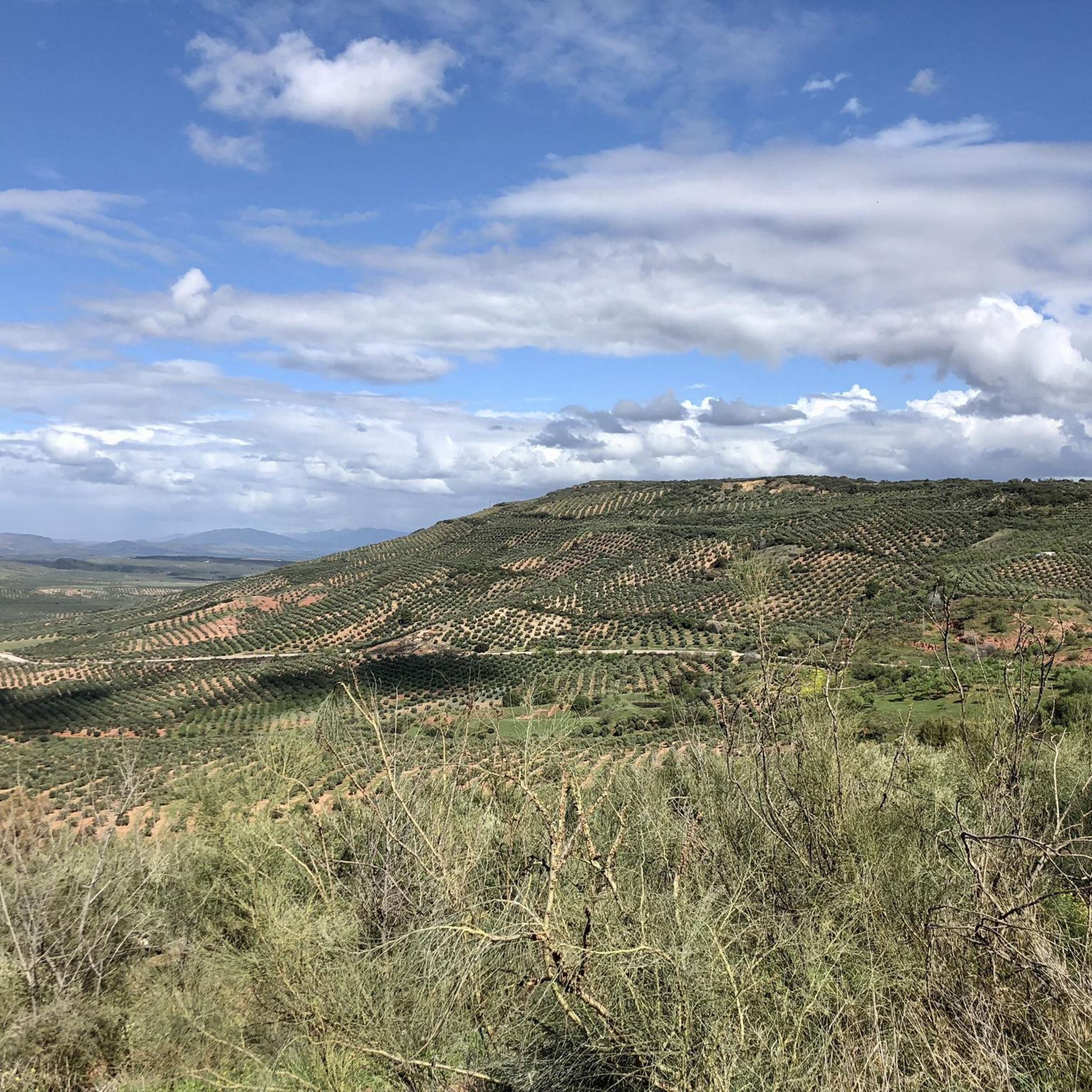
Small town located at the foot of Sierra Morena, between the Guadalimar and Montizón rivers. Framed in a landscape of olive groves. The most outstanding monument of the town is the Castillo San Esteban of which only a watchtower remains.
0
0
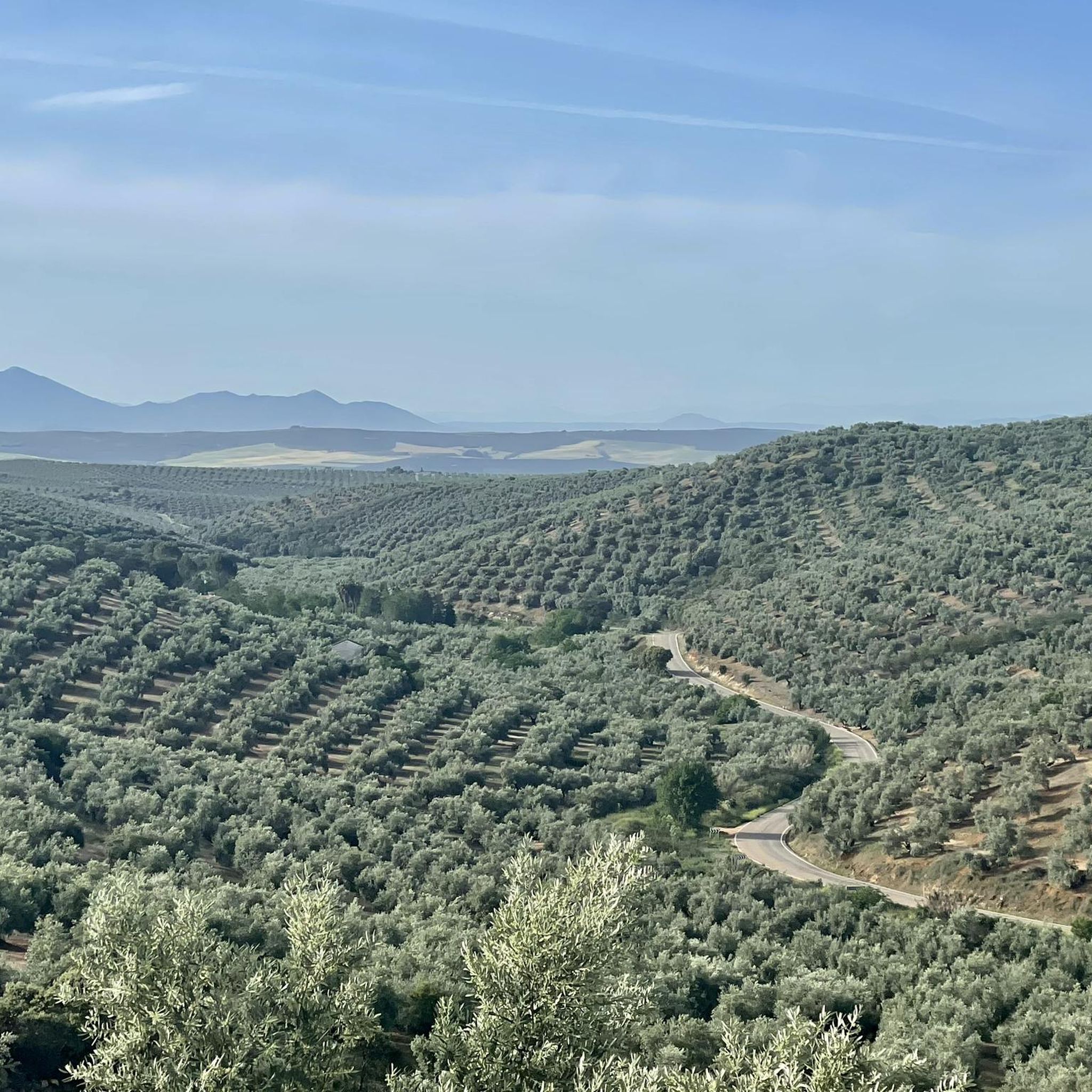
A small town located in the foothills of Sierra Morena. The castle of Cerro de la Virgen stands on a hill overlooking the town below. Only a few elements remain of the castle, a tower, a tunnel with access to the vaulted castle and a demolished tower. The origins of the castle of Vilches are uncertain. The hill of the castle was continuously populated since Iberian times.
1
0

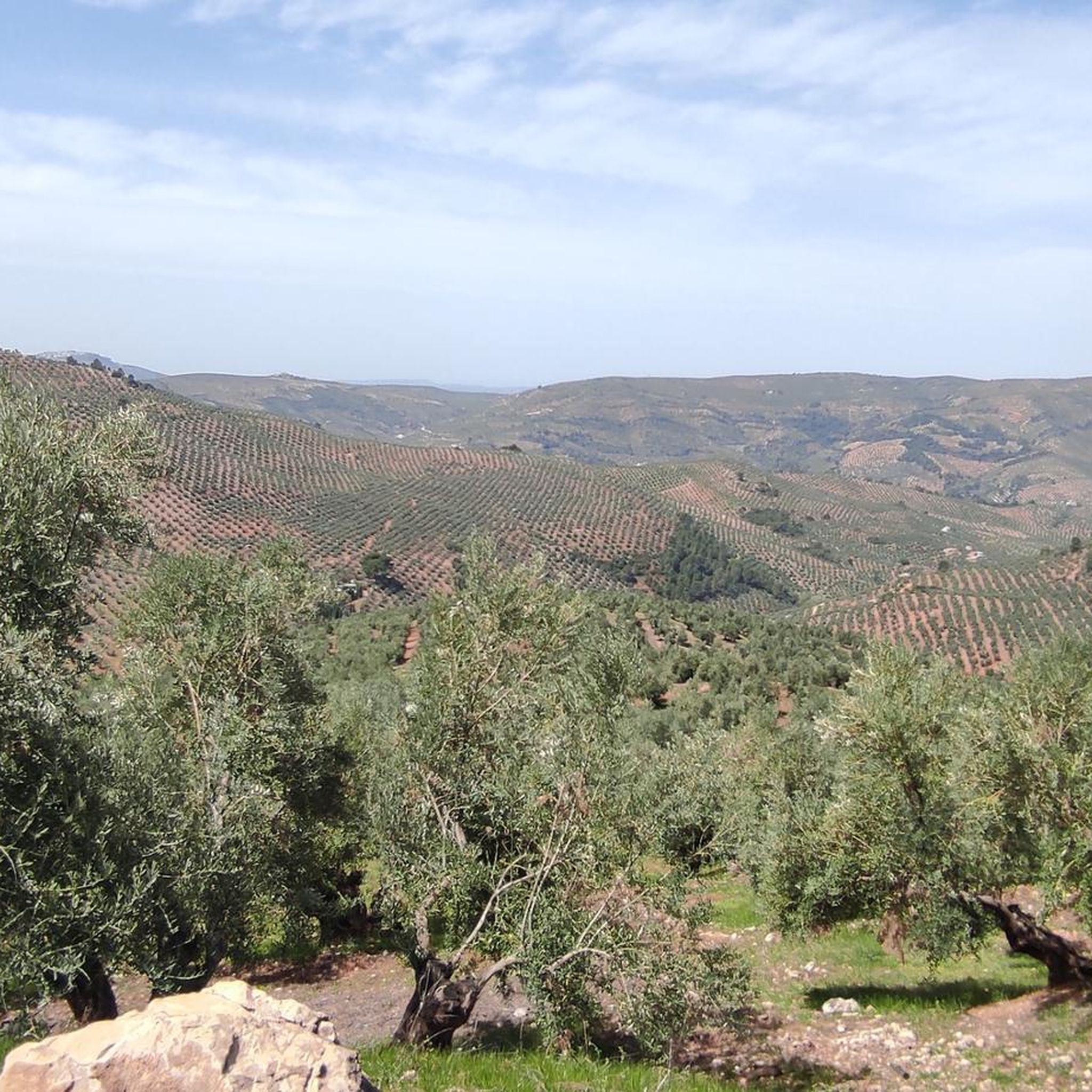
Fortification built in the 13th century, although due to the defensive pre-eminence that the hill occupies in the entire region of La Loma, it must have been a place encased by all civilizations since time immemorial.
2
0
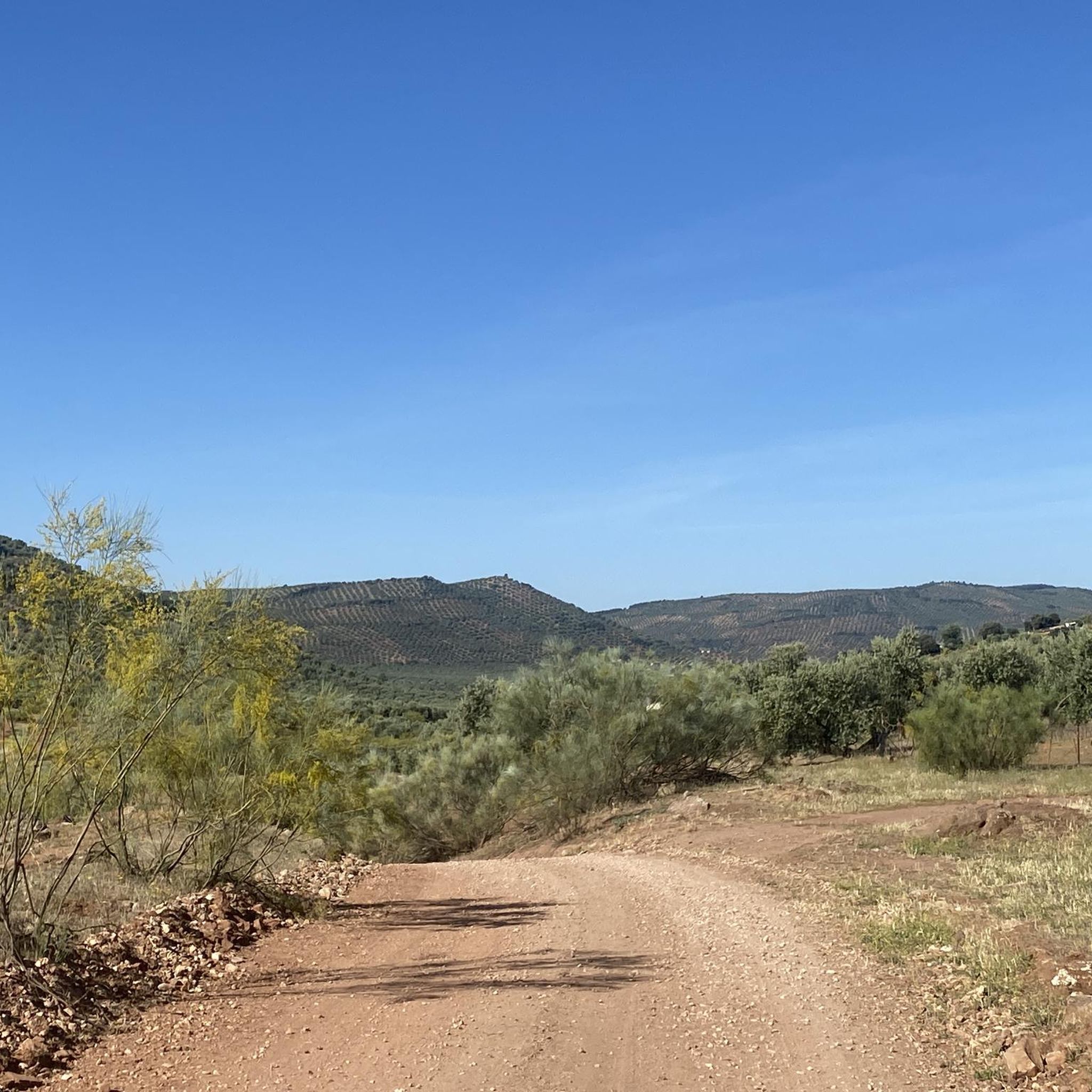
Military construction built in the 12th century, during the Islamic period. It is located 500m above sea level, in a strategic location to visually control the Guadalimar river plain, the old Heracleian route and the surroundings of Cástulo.
2
0

Construction of the Berber castle began in the 11th and 12th centuries and was completed in the 13th century under Christian influence. Today you can see some of its original walls. The rest of the castle has been disappearing over time as a result of water seepage and erosion.
1
0
Frequently Asked Questions
What makes the castles around Navas de San Juan historically significant?
The castles in the Navas de San Juan area are historically significant due to their strategic importance during the Reconquista. Many originated as 9th-century Muslim constructions, later reformed by Christians. They served as defensive points and watchtowers, offering a glimpse into the region's medieval past and its role in controlling passages between Andalusia and La Mancha.
Are there any well-preserved castles to visit in the Navas de San Juan area?
While many of the historical fortified structures in Navas de San Juan are in various states of ruin, they still offer compelling historical narratives. For example, the original Castillo de Navas de San Juan has remnants integrated into existing houses, and the Castillo de Torre Alver features a section of wall and a keep. For a more intact experience, the Castillo de Sabiote, a 13th-century fortification, is a popular choice, and Vilches Castle retains a tower and a tunnel.
Which castles offer good viewpoints of the surrounding landscape?
Several castles in the region provide excellent viewpoints. The Giribaile Castle is strategically located 500m above sea level, offering visual control over the Guadalimar river plain. The Torreón del Ero, though modest, provides views over the olive groves from its rooftop. Additionally, the Vilches Castle stands on a hill overlooking its town, and the Castillo de Sabiote occupies a defensive pre-eminence in the La Loma region, suggesting broad views.
Can I visit the original Castillo de Navas de San Juan?
The original Castillo de Navas de San Juan, dating back to the 9th century, is largely in ruins today. You can still observe a circular tower and some wall remnants that are integrated into existing houses within the town. Despite its ruined state, it is recognized as a Bien de Interés Cultural (Asset of Cultural Interest) for its historical significance.
What is the story behind the Castillo de la Estrella?
The site of the Castillo de la Estrella, an Arab castle from the 9th century, has a unique story. It was largely demolished in the 16th century to build an earlier hermitage, with the castle's keep being integrated as the shrine for the Virgin. Today, the Ermita de la Virgen de la Estrella stands on the site, incorporating arches from the former fortress, making it an intriguing blend of military history and religious worship.
Are there any unique architectural features among the castles in this region?
Yes, the region's castles showcase interesting architectural elements. The Castillo de Torre Alver features a keep with rounded corners, possibly an adaptation against 15th-century artillery. The Torreón del Ero has a distinctive semi-spiral staircase built within its wall leading to the rooftop. The Giribaile Castle is notable for its strategic military construction from the Islamic period.
What kind of outdoor activities can I do near these castles?
The area around Navas de San Juan offers various outdoor activities. You can find several hiking routes, such as the 'Cascada de la Cimbarra and charco del Negrillo' or the 'Cimbarrillo Waterfall – Charco del Negrillo Waterfall loop'. There are also road cycling and general cycling routes available, including 'Úbeda and El Condado Loop' or 'Navas de San Juan – return via Embalsa de Giribaile and Arquillos'. You can explore more options on the Hiking around Navas De San Juan, Road Cycling Routes around Navas De San Juan, and Cycling around Navas De San Juan guide pages.
Are there hiking trails that include castle visits?
Yes, some hiking routes in the area allow you to combine nature with historical exploration. For instance, there's a 'Castillo de Sabiote loop from Sabiote' which is an easy 6.2 km hike. While not all castle sites have dedicated trails, many are situated in scenic areas, making them accessible via walks or as part of longer routes. Check the Hiking around Navas De San Juan guide for more options.
Are the castles around Navas de San Juan suitable for families?
While many castles are in ruins, the historical context can be engaging for families interested in history. The 'View of Santisteban del Puerto' highlight, which includes the remaining watchtower of Castillo San Esteban, is categorized as family-friendly. The Los Torreones building, now a public library and nursery, is also very accessible. For younger children, the focus might be more on the surrounding natural areas and easier walks rather than extensive castle exploration.
How much time should I allocate to visit these historical sites?
The time needed varies depending on the site. For the more ruined castles like the original Castillo de Navas de San Juan or Castillo de Torre Alver, a brief visit of 30-60 minutes might suffice to appreciate the remnants and historical context. For more substantial sites like Castillo de Sabiote or Giribaile Castle, you might want to spend 1-2 hours exploring and enjoying the views. If you plan to visit multiple sites or combine with a hike, allocate a full day.
What is the Castillo de Torre Alver known for?
The Castillo de Torre Alver is known for its strategic location on the southern slope of Sierra Morena, where it monitored a secondary passage between Andalusia and La Mancha. Believed to be an Almohad construction from around the Battle of Las Navas de Tolosa in 1212, it's historically important as a defensive point. Today, only a section of its wall and a keep with rounded corners remain, showcasing medieval military architecture.
Is there a castle in Navas de San Juan that now serves a different purpose?
Yes, Los Torreones de Navas de San Juan is a notable example. While not a traditional medieval castle, this majestic early 20th-century building with two prominent lateral towers has been adapted for public use. It now houses the Municipal Public Library, the Temporary Municipal Nursery, and the Guadalinfo center, blending history with modern community services.
What is the best time of year to explore the castles in Navas de San Juan?
The best time to explore the castles and enjoy outdoor activities in Navas de San Juan is typically during the spring (April-May) and autumn (September-October). During these seasons, the weather is milder and more pleasant for walking and exploring historical sites. Summers can be very hot, and winters can be cooler and sometimes rainy, which might make outdoor exploration less comfortable.
Most popular routes around Navas De San Juan
Most popular attractions around Navas De San Juan

Get inspired with the komoot mobile app


