Top 7 Castles around Cuzcurrita De Río Tirón
Best castles around Cuzcurrita De Río Tirón are situated in La Rioja Alta, a region known for its vineyards and picturesque landscapes. The area features medieval military architecture, with structures like the Castle of Cuzcurrita de Río Tirón serving as historical defensive outposts. The village itself offers a rich cultural experience, including a historic center and a medieval bridge over the River Tirón. This setting combines historical exploration with the region's winemaking tradition.
Best castles around Cuzcurrita De Río Tirón
- The most popular castles is Sajazarra Castle, a castle that was fortified between the 12th and 13th centuries. Today, this complex, including the castle, fortification, Roman bridge, and gardens, functions as a winery.
- Another must-see spot is Velasco Castle and Cuzcurrita de Río Tirón Bridge, a castle and bridge. Visitors can admire the castle and the Church of San Miguel Arcángel from the bridge, which are part of the architectural ensemble of the Plaza Mayor.
- Visitors also love Castillo de los Velasco, a Gothic-style castle dating from the late 14th century. This fortification utilized the river as a defense ditch, and it is worth contemplating from the outside while walking along the banks of the Tirón River.
- Cuzcurrita De Río Tirón is known for medieval military architecture, fortified palaces, and castles adapted into wineries. The region offers a variety of castles to see and explore, from defensive structures to those integrated into wine tourism.
- The castles around Cuzcurrita De Río Tirón are appreciated by the komoot community, with more than 50 upvotes and over 20 photos shared.
Last updated: May 23, 2026
Sajazarra Castle
Highlight • Castle
Between the 12th and 13th centuries the town was fortified. In its beginnings there was a single tower that was destroyed to build, during the second half of the fifteenth century, the current castle.
In the center of the fortress is the keep and, although it is not currently visible, it is believed that there was also a defensive moat.
Following the winemaking tradition of the area, today this beautiful complex made up of the castle, the fortification, the Roman bridge and its gardens, is a winery.
Translated by Google •
Tip by

Leiva Castle
Highlight • Castle
Translated by Google •
Tip by

Sign up now to discover places like this
Get recommendations on the best single tracks, peaks, & plenty of other exciting outdoor places.
Sign up for free
Castillo de los Velasco
Highlight • Castle
Built with ashlar masonry from the region, the castle stands out for its square-plan keep. In addition, the fortification took advantage of the river as a defense ditch.
Although you cannot visit its interior, it is worth contemplating it from the outside while walking along the banks of the Tirón River.
Translated by Google •
Tip by
Anguciana
Highlight • Settlement
Since the 14th century it was the Lordship of the Salcedo family, who inhabited the Torre Fuerte, of which the south entrance and some loopholes are preserved.
In addition to the Torre Fuerte de los Salcedo (14th century), in the Gothic style, other places of interest in Anguciana are the church of San Martín, from the 16th century, renovated in the 17th century (two chapels in the first section, lower part of the tower, doorway and apse), the 18th century (chapel of the second section) and the 20th century (upper bodies of the tower) and the hermitages of Santa María de Oreca, from the 17th century and of La Esclavitud.
Translated by Google •
Tip by

Velasco Castle and Cuzcurrita de Río Tirón Bridge
Highlight • Castle
It is an elegant baroque building from the 18th century, built between 1753 and 1766 from sandstone blocks from nearby quarries.
Translated by Google •
Tip by

Sign up for free to discover even more castles around Cuzcurrita De Río Tirón.
Sign up for free
Already have an account?
Start today with a free account
Your next adventure awaits.
Login or Signup
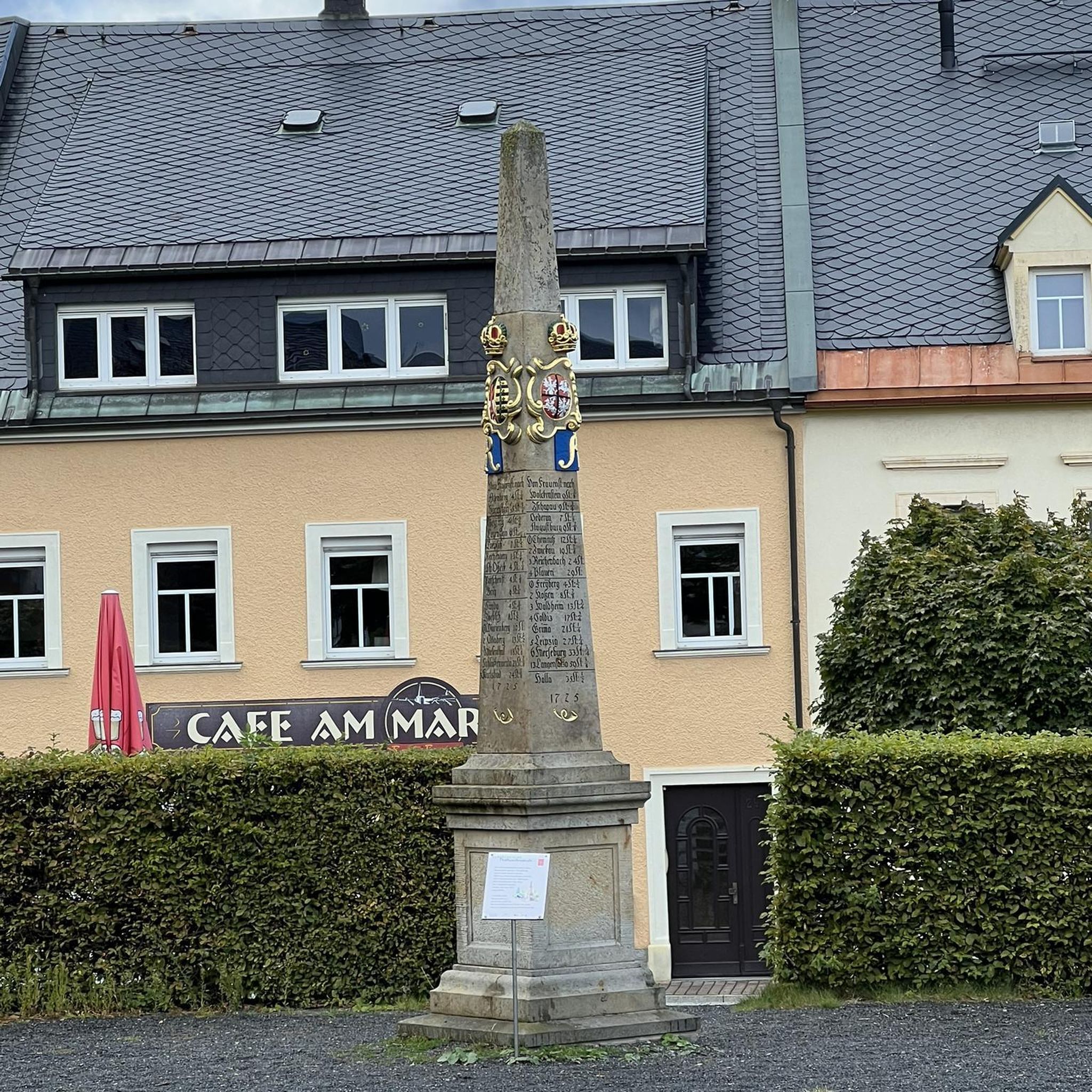
Tips from the Community

A beautiful, perfectly restored building. It's a shame it's private and can't be visited.
0
0

Castle with towers at the corners of the structure. The ancient Roman road that connected Italy to Spain passes through here. Information table on site.
7
0

The Castillo de los Velasco is a castle built between the 14th and 15th centuries by the powerful Velasco family, who ruled these lands in the Middle Ages. It is the most important and interesting castle of Mena and one of the most striking in the province of Burgos.
3
0

Fortification located in the town of Leiva, La Rioja. It is a fortified palace with a rectangular floor plan, with a tower located at each corner. Three of the towers are octagonal, and the one on the southeast corner, considered the keep, is decagonal in plan and taller. The origin of the castle was a tower erected in 1335 by Juan Martínez de Leiva. After sinking, in 1478 the construction of the castle began. The building has undergone numerous modifications, especially from the 17th century, in which it abandoned its defensive character and became solely residential. Later, already in the 20th century, it was used as an agricultural warehouse and offices. Starting in the year 2000, a reconstruction of elements such as the southern part of the west canvas and the southeast tower began.
4
0
We have news of this population since 1093, since it appears in some deeds by which Don Lope, lord of Vizcaya, Guipúzcoa, Álava and Nájera, donated his possessions to his children, among whom was Toda, lady of Anguciana. Since the 14th century it was the Lordship of the Salcedo family, who inhabited the Torre Fuerte, of which the south entrance and some loopholes are preserved. In addition to the Torre Fuerte de los Salcedo (14th century), in the Gothic style, other places of interest in Anguciana are the church of San Martín, from the 16th century, renovated in the 17th century (two chapels in the first section, lower part of the tower, doorway and apse), the 18th century (chapel of the second section) and the 20th century (upper bodies of the tower) and the hermitages of Santa María de Oreca, from the 17th century and of La Esclavitud.
2
0

The Castillo de Sajazarra served as a fortress and palace. This dates from the 15th century and was built by the noble family Velasco.
0
0

Gothic-style castle, dating from the late fourteenth century, located in the center of the Cuzcurrita de Río Tirón municipality, in La Rioja Alta. Built with ashlar masonry from the region, the castle stands out for its square-plan keep. In addition, the fortification took advantage of the river as a defense ditch. Although you cannot visit its interior, it is worth contemplating it from the outside while walking along the banks of the Tirón River.
5
0
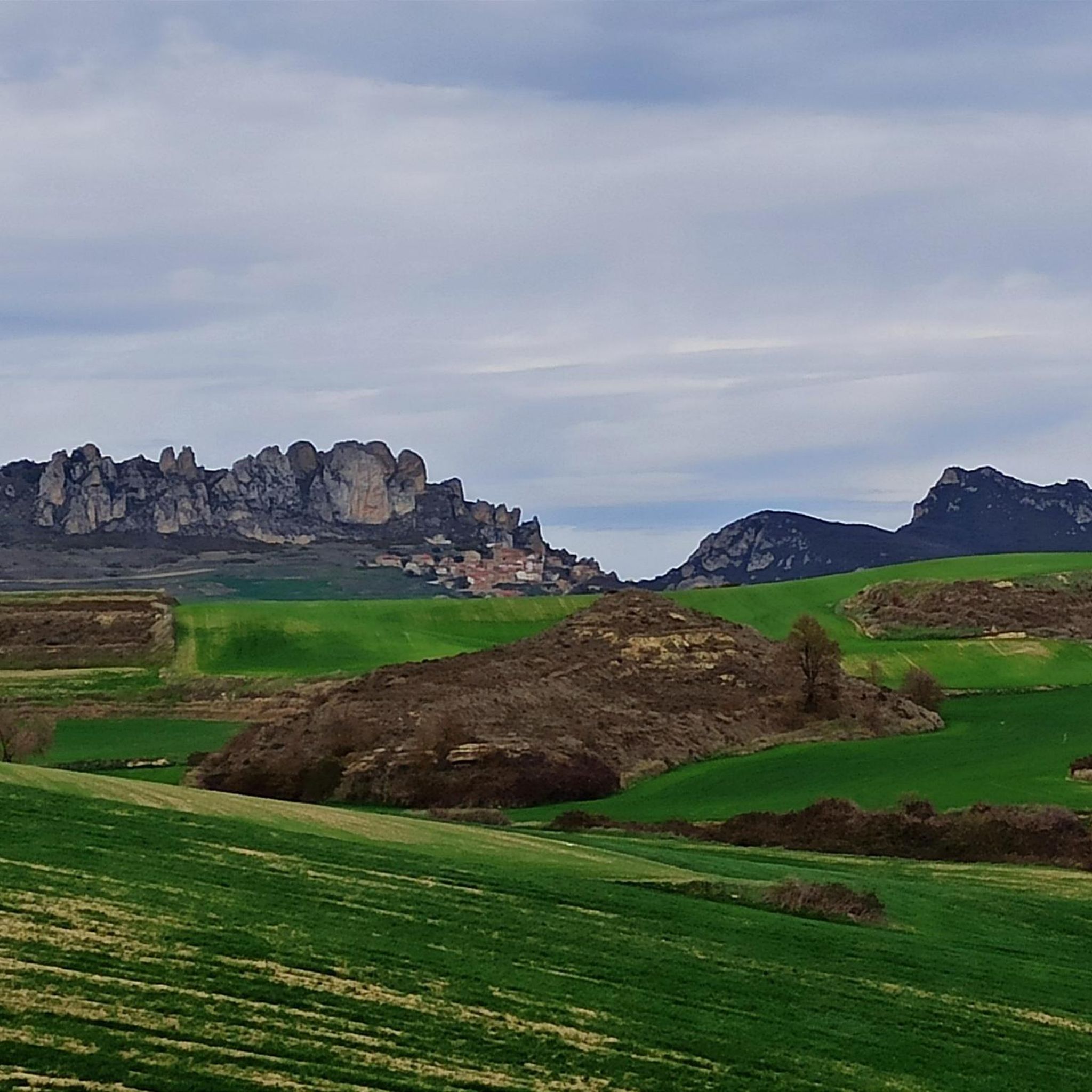
In the town of Sajazarra there is a magnificent walled castle. Between the 12th and 13th centuries the town was fortified. In its beginnings there was a single tower that was destroyed to build, during the second half of the fifteenth century, the current castle. In the center of the fortress is the keep and, although it is not currently visible, it is believed that there was also a defensive moat. Following the winemaking tradition of the area, today this beautiful complex made up of the castle, the fortification, the Roman bridge and its gardens, is a winery.
3
0
Frequently Asked Questions
What are the most notable castles to visit around Cuzcurrita de Río Tirón?
The region features several significant castles. Among them are Sajazarra Castle, a fortified complex now functioning as a winery, and the Velasco Castle and Cuzcurrita de Río Tirón Bridge, which is part of the picturesque Plaza Mayor architectural ensemble. You can also see Leiva Castle, a fortified palace with a rich history of modifications.
Can I visit the interior of the castles in Cuzcurrita de Río Tirón?
The main castle, Castillo de los Velasco (also known as the Castle of Cuzcurrita de Río Tirón), is privately owned and not always open for general interior tours. However, its exterior and the surrounding village offer a captivating glimpse into medieval history. Other castles like Sajazarra Castle have been adapted into wineries, which may offer specific tour experiences.
Are there family-friendly castles to visit in the area?
Yes, several castles and their surroundings are considered family-friendly. Sajazarra Castle and the Velasco Castle and Cuzcurrita de Río Tirón Bridge are listed as family-friendly. Exploring the exteriors, the historic villages, and nearby natural areas can be enjoyable for all ages.
What kind of historical significance do the castles in Cuzcurrita de Río Tirón hold?
The castles in this region, such as the Castillo de los Velasco, were constructed in the late 14th or early 15th century. They served as crucial defensive outposts for the Kingdom of Castile against the Kingdom of Navarre, forming part of a fortified line that included other strongholds in the area. They showcase medieval military architecture and the power of noble families like the Velasco family.
Are there any castles that combine history with wine tourism?
Yes, the region is known for its winemaking tradition. Sajazarra Castle, for example, has been adapted and functions as a winery, offering a unique experience that blends historical architecture with wine tourism. The main Castle of Cuzcurrita de Río Tirón also operates as a winery.
What outdoor activities can I do near the castles?
The area around Cuzcurrita de Río Tirón offers various outdoor activities. You can find numerous cycling routes, including those that pass by castles like the Castillo de los Velasco. There are also running trails and gravel biking routes through vineyards and along the Ebro River. For more details, explore the Cycling around Cuzcurrita De Río Tirón, Running Trails around Cuzcurrita De Río Tirón, and Gravel biking around Cuzcurrita De Río Tirón guides.
Are there walking routes that connect multiple castles?
While there isn't a specific 'Sendero de los Castillos' listed, many routes in the area allow you to walk or cycle between historic sites. For instance, cycling routes like 'Castillo de los Velasco – Sajazarra Castle loop' connect different castles. You can find various walking and cycling routes in the komoot guides for the region.
What architectural features are characteristic of the castles in this region?
The castles often feature robust medieval military architecture. For example, the Castillo de los Velasco is a Gothic-style castle with a square-plan keep and strategically used the river as a defense ditch. Leiva Castle is a fortified palace with a rectangular plan and towers at each corner, including a decagonal keep.
What else can I see in the village of Cuzcurrita de Río Tirón besides the castle?
The village of Cuzcurrita de Río Tirón itself is a site of cultural interest. You can explore its historic center with stone houses, the elegant Baroque church of San Miguel Arcángel (from the 18th century), and a medieval bridge over the River Tirón. These elements contribute to a rich cultural experience alongside a visit to the castle.
Is it possible to see a castle that is still undergoing reconstruction?
Yes, Leiva Castle has undergone numerous modifications throughout its history and began a significant reconstruction of elements like the southern part of the west canvas and the southeast tower starting in the year 2000. You can observe its current state and ongoing preservation efforts.
What do visitors particularly enjoy about the castles around Cuzcurrita de Río Tirón?
Visitors appreciate the well-preserved nature of the castles and their integration into the beautiful Riojan landscape. The unique combination of history with modern uses, such as wineries, is a highlight. Many enjoy contemplating the castles from the outside while walking along the Tirón River or exploring the charming historic villages like Sajazarra, which is considered one of the most beautiful towns in Spain.
Are there any castles that are part of a larger settlement or complex?
Yes, Anguciana is a settlement with historical significance, including the Torre Fuerte de los Salcedo from the 14th century. Similarly, Sajazarra Castle is part of a magnificent walled town that includes a Roman bridge and gardens, forming a comprehensive historical complex.
Most popular routes around Cuzcurrita De Río Tirón
Most popular attractions around Cuzcurrita De Río Tirón

Get inspired with the komoot mobile app


Explore more
Looking for the best castles somewhere else? Discover other guides around Cuzcurrita De Río Tirón:
