The 5 Most Amazing Peaks around Yebra De Basa
Best mountain peaks around Yebra De Basa are situated in the Central Pyrenees, providing access to diverse mountain experiences. This region in Huesca is characterized by its significant peaks and cultural routes, including the Ruta de las Ermitas. The landscape combines natural features with historical heritage, offering varied exploration opportunities. The area is known for its elevation gains and panoramic views of surrounding ranges.
Best mountain peaks around Yebra De Basa
- The most popular mountain peaks is Pelupín Summit,…
Last updated: November 3, 2026
Cotefablo Pass
Highlight • Mountain Pass
Translated by Google •
Tip by

Pelupín Summit
Highlight • Summit
One way to reach the summit is to start from the small parking lot at the Cotefablo tunnel in the northeast.
Translated by Google •
Tip by

Sign up now to discover places like this
Get recommendations on the best single tracks, peaks, & plenty of other exciting outdoor places.
Church of San Pedro de Lárrede
Highlight • Religious Site
Translated by Google •
Tip by

Montaña de Güé
Highlight • Summit
Translated by Google •
Tip by

Manchoya Pelopín Ridge
Highlight (Segment) • Summit
Translated by Google •
Tip by

Sign up for free to discover even more peaks around Yebra De Basa.
Already have an account?
Start today with a free account
Your next adventure awaits.
Other adventures around Yebra De Basa

Tips from the Community

The Cotefablo Pass is a mountain pass located in the province of Huesca between the towns of Biescas and Broto.
0
0
A spectacular trek along the ridge between Pico Manchoya and Pico Pelopín, passing by various peaks at an altitude of 2,000 m. The views of the Sierra Tendeñera and the Ordesa area are incredible. The terrain is quite poor, with stretches of grassland, uneven paths, and stretches filled with stones the size of melons.
0
0


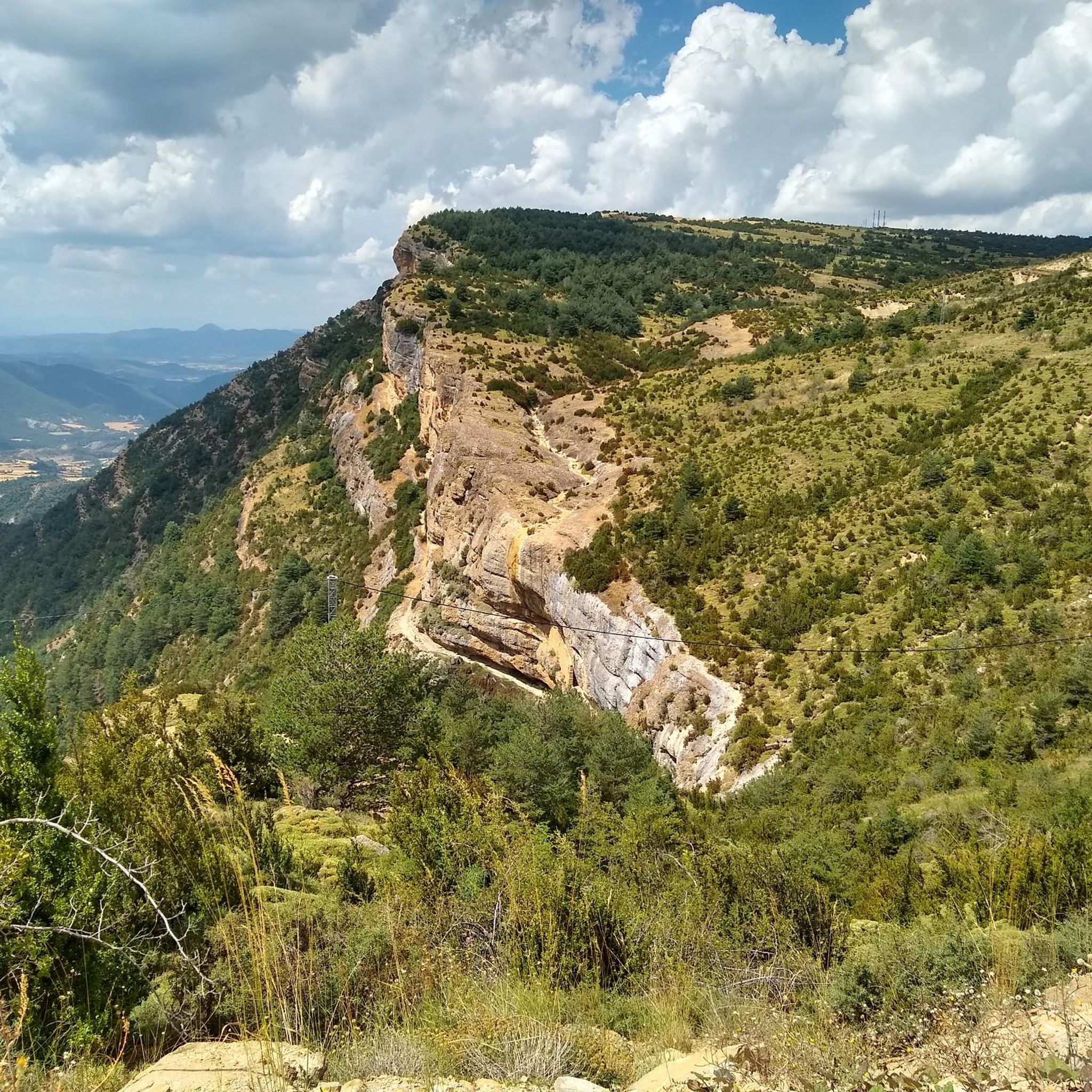
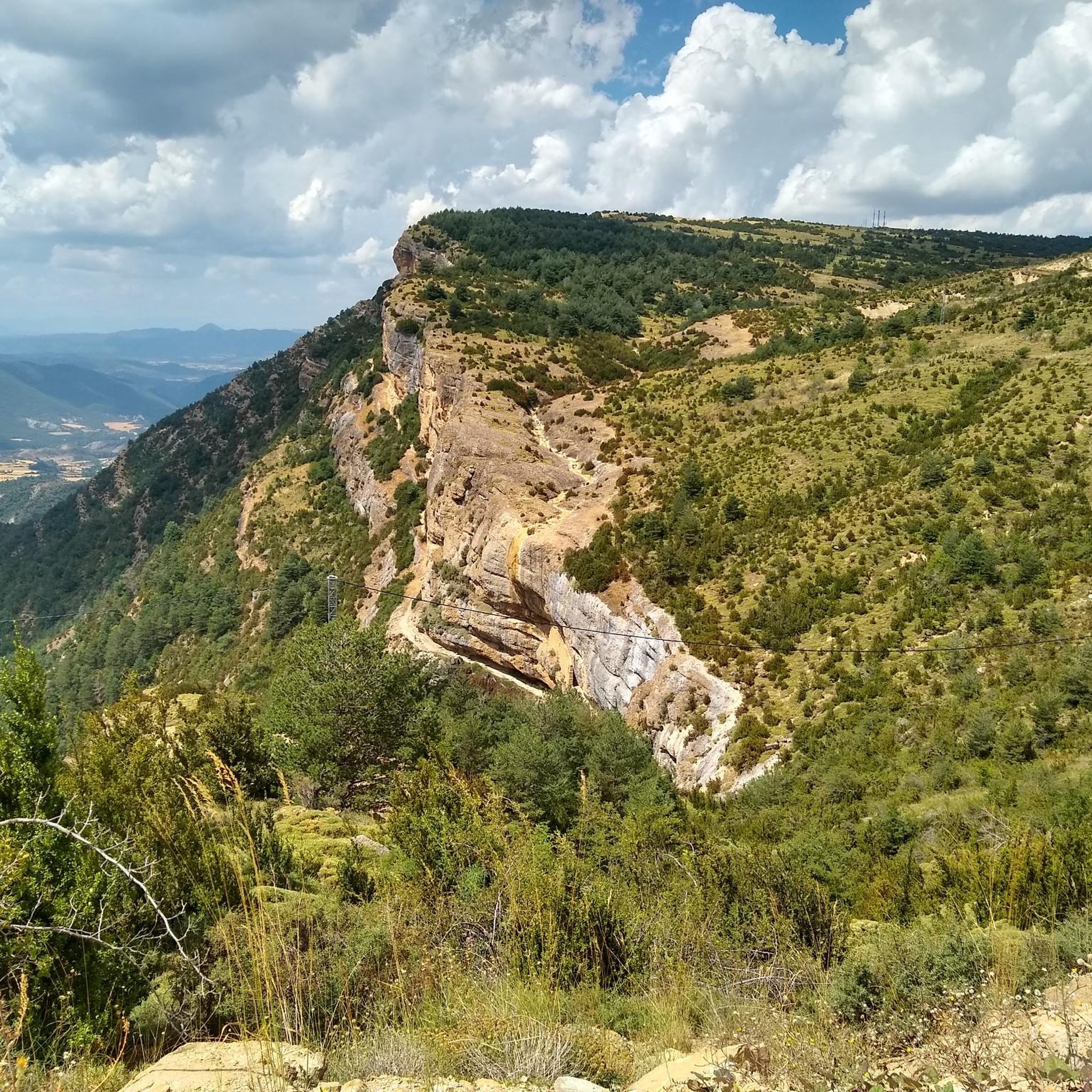
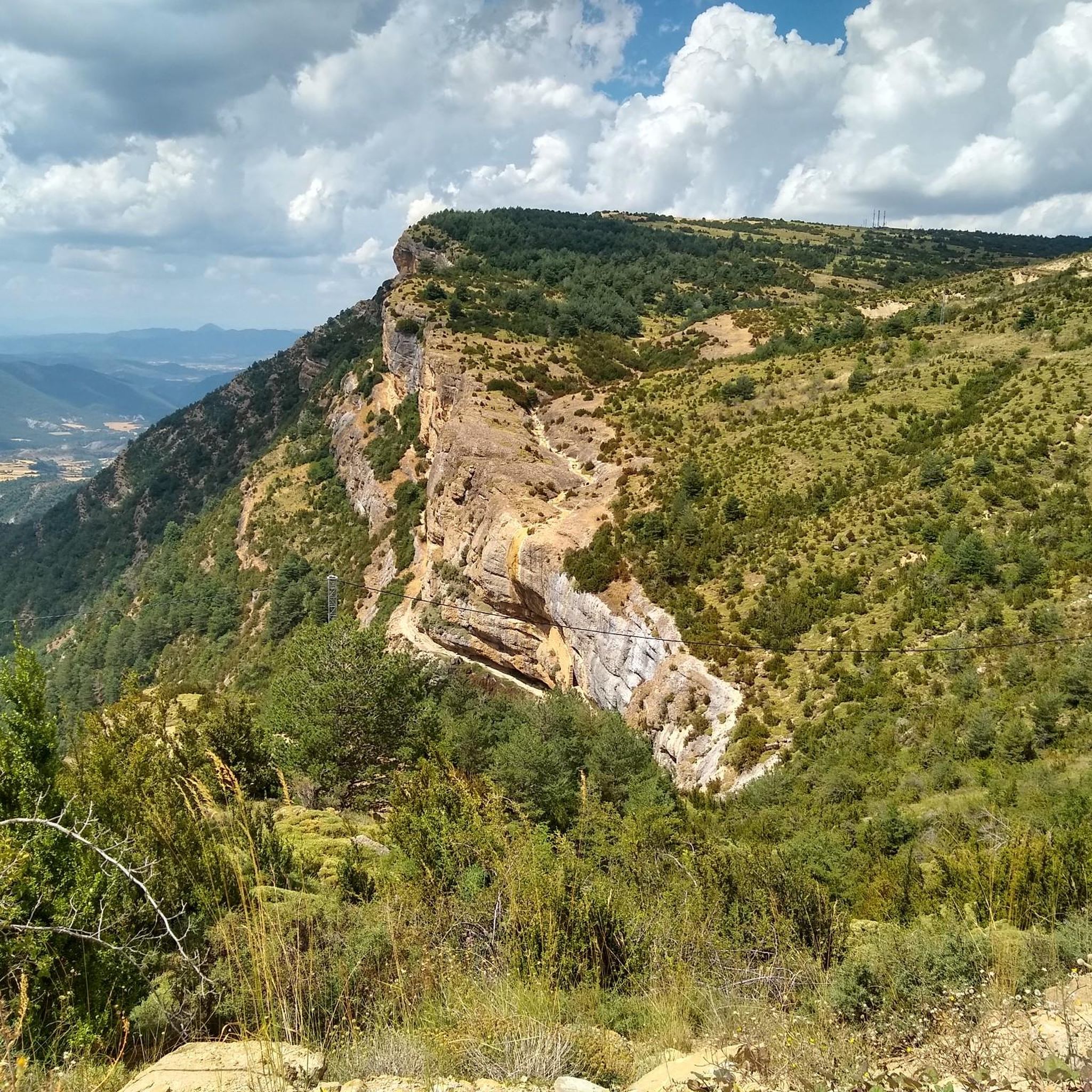
One of the mountains that is located at the beginning of Val Ancha, where it offers beautiful views of the basin as a whole. You can also see the city of Sabiñánigo.
0
0

It is a strong construction. Dating from about the year 1050, the church of San Pedro de Láderre is peculiar due to its cross-shaped plan.
0
0

Some sections of the track are fairly firm but easy to follow.
0
0

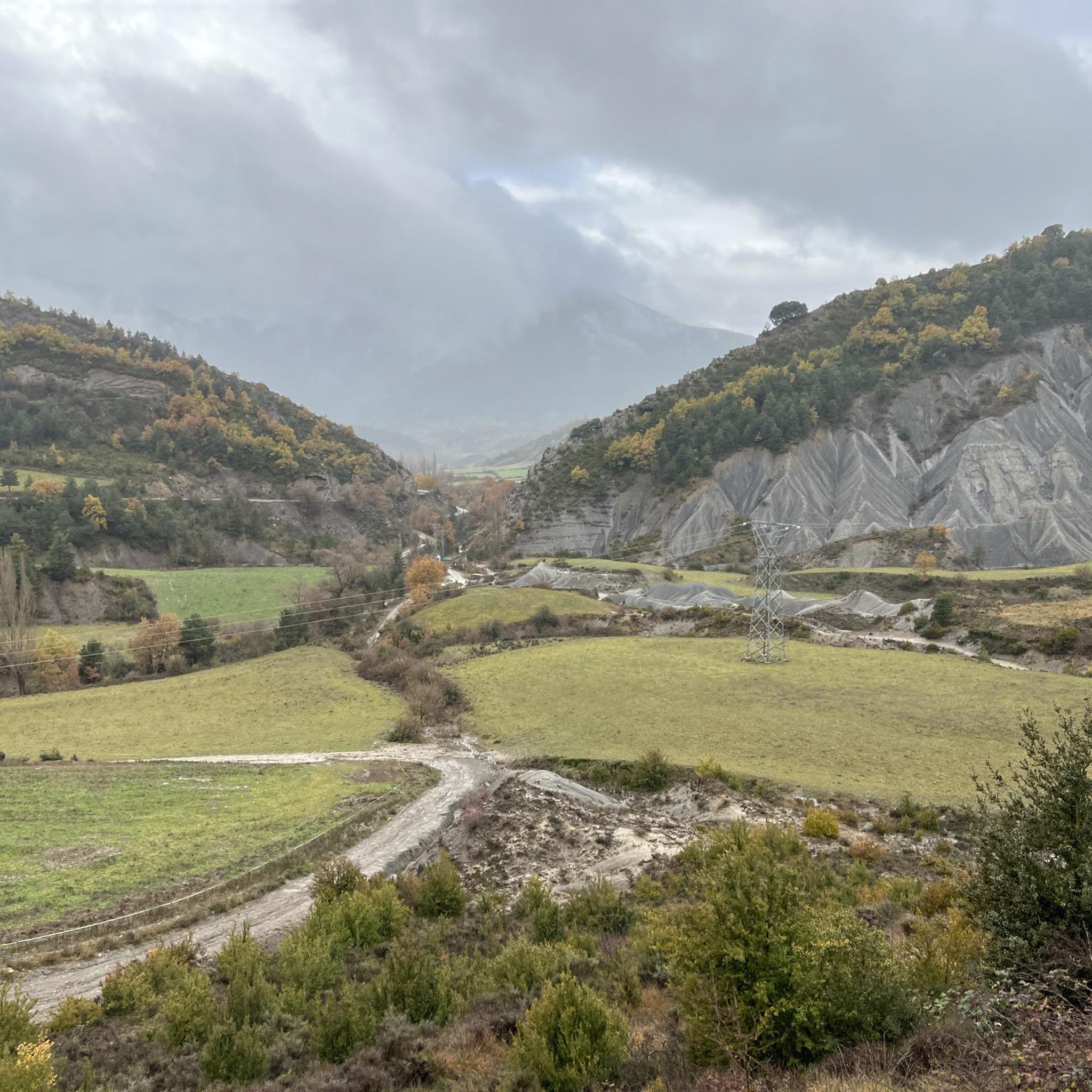
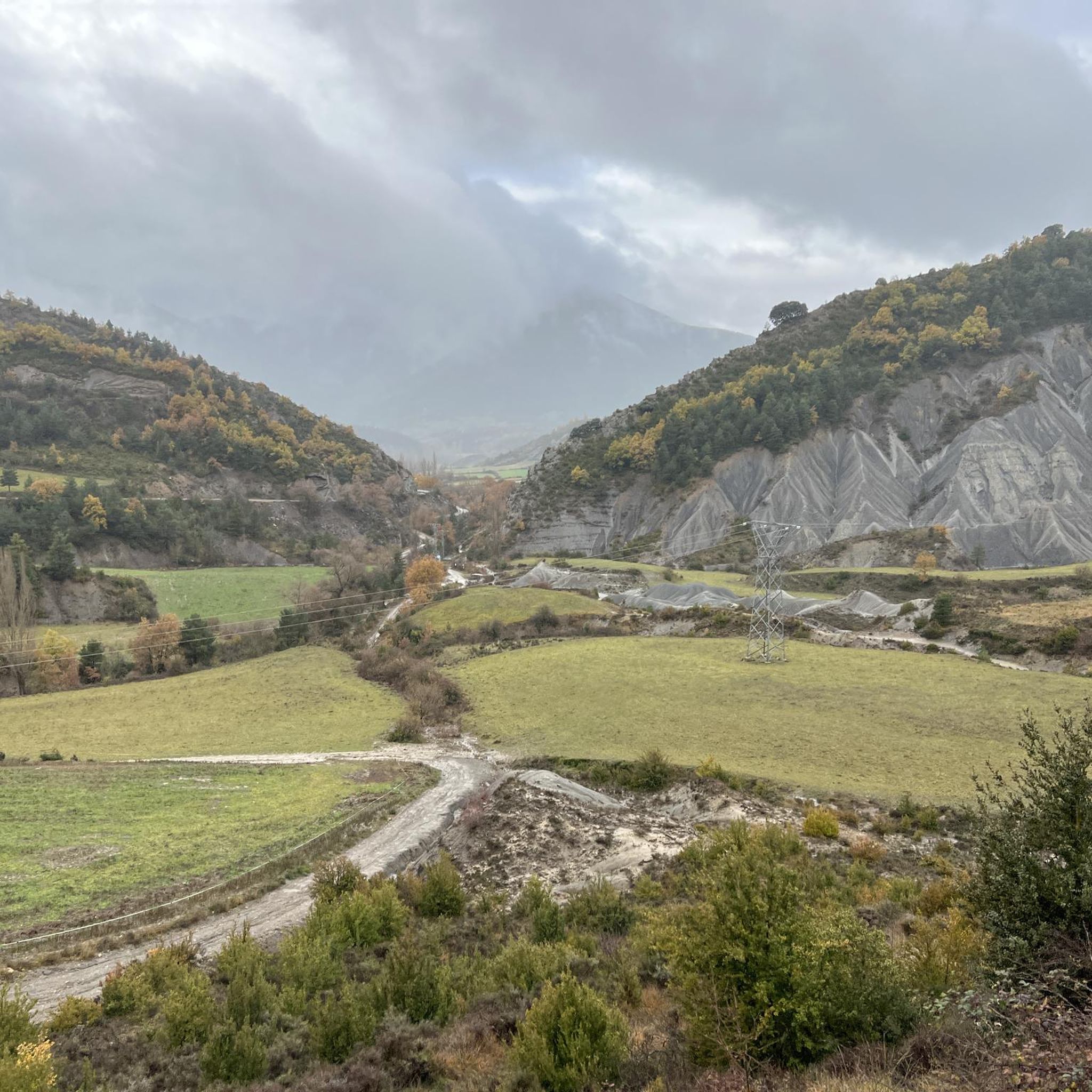
From the 2007 meter high Pelupin you have a very beautiful view of the valley of Broto. One way to reach the summit is to start from the small parking lot at the Cotefablo tunnel in the northeast.
49
0

Frequently Asked Questions
What panoramic views can I expect from the mountain peaks around Yebra de Basa?
From Pelupín Summit, you can enjoy a beautiful view of the Broto valley. Pico Oturia, a prominent peak in the region, offers exceptional panoramic views of the Collarada-Partacua range, the peaks north of the Tena Valley (like Balaitous and Monte Perdido massifs), and on clear days, even Moncayo and Peña Oroel.
Are there challenging mountain climbs around Yebra de Basa?
Yes, for a challenging experience, consider the Manchoya Pelopín Ridge. This trek involves traversing a ridge between Pico Manchoya and Pico Pelopín, passing various peaks above 2,000 meters with incredible views of the Sierra Tendeñera and Ordesa area. The terrain can be quite poor with uneven paths and stony sections. Additionally, the ascent to Pico Oturia from Yebra de Basa involves a significant elevation gain of about 1,038 meters, offering a rewarding challenge.
What historical or cultural sites can be found on mountain trails near Yebra de Basa?
The area is rich in cultural heritage. The route to Pico Oturia from Yebra de Basa passes by rupestrian hermitages and the beautiful Santa Orosia hermitage. The region is also known for its 'Ruta de las Ermitas' (Route of the Hermitages), which allows visitors to explore several hermitages, some carved into rock, showcasing the region's history. The Church of San Pedro de Lárrede, dating from around 1050, is another significant historical site nearby.
What outdoor activities can I do near the mountain peaks of Yebra de Basa?
Besides hiking the peaks, the region offers diverse outdoor activities. You can explore various cycling routes, including the scenic climb to San Cocobá, which passes by the Chorro waterfall and hermitages. For more options, check out the Gravel biking around Yebra De Basa, Road Cycling Routes around Yebra De Basa, and MTB Trails around Yebra De Basa guides.
Are there specific cycling routes associated with the peaks in Yebra de Basa?
Yes, the ascent to San Cocobá from Yebra de Basa is a popular cycling route. It's described as a long climb with moderate gradients, offering impressive views of the town. Along the way, cyclists pass by the Chorro waterfall and the Santa Orosia hermitage, with the hermitage of San Cornelio and the Cueva visible further up, nestled in the rock.
What is the best season to hike the mountains around Yebra de Basa?
The Central Pyrenees region generally offers pleasant hiking conditions from late spring through early autumn. Summer provides stable weather, but spring and autumn can offer cooler temperatures and vibrant landscapes. Always check local weather forecasts before heading out, especially for higher elevations.
Are there family-friendly mountain trails around Yebra de Basa?
While some ascents involve significant elevation, routes like those leading to the Santa Orosia hermitage can be adapted for families, focusing on the lower, more accessible sections of the 'Ruta de las Ermitas'. Always assess the specific trail's difficulty and length to ensure it's suitable for all family members.
What natural features can I see besides the main peaks?
Beyond the impressive peaks, the area boasts natural beauty such as the Chorro waterfall, which is visible along the cycling route to San Cocobá. The Barranco de Santa Orosia, also known as Barranco de las Ermitas, features a beautiful 50-meter rappel after rains, offering a unique spectacle of water and rock.
What do visitors enjoy most about the mountain peaks near Yebra de Basa?
Visitors particularly appreciate the exceptional panoramic views from summits like Pico Oturia and Montaña de Güé, which offers views of the entire Val Ancha basin and Sabiñánigo. The combination of challenging ascents, diverse landscapes, and the cultural richness of the hermitages along the trails also makes for a memorable experience.
Are there any viewpoints that offer great perspectives of the region without a full summit climb?
Yes, the View of Peña Oturia from Cuello Tres Cruces is an excellent spot to stop and enjoy the sight of Peña Oturia, an emblematic mountain in the Huesca Pyrenees, without needing to reach its summit. It provides a fantastic perspective of the peak from a different vantage point.
Most popular routes around Yebra De Basa
Most popular attractions around Yebra De Basa

Get inspired with the komoot mobile app


Explore more
See even more amazing summits around Yebra De Basa with these guides:
