Top 9 Caves around Castell De Castells
Best caves around Castell De Castells are primarily known for their significant prehistoric rock art sites, offering a glimpse into ancient human history. The region features a landscape characterized by natural formations and historical landmarks. These sites provide cultural and archaeological value within a natural setting.
Best caves around Castell De Castells
- The most popular caves is Forat de la Juvea, a cave and natural monument that features a natural hole allowing a path through the mountain. It provides…
Last updated: October 7, 2026
Forat de la Juvea
Highlight • Cave
Translated by Google •
Tip by

El Badall Cave
Highlight • Cave
Tip by

Sign up now to discover places like this
Get recommendations on the best single tracks, peaks, & plenty of other exciting outdoor places.
Camino de Petracos – Remote Beauty & Ancient Rock Art
Highlight (Segment) • Cave
Tip by

Cova Obrada del Moro
Highlight • Cave
Translated by Google •
Tip by

Nevera de Baix Ice House
Highlight • Monument
Translated by Google •
Tip by

Sign up for free to discover even more caves around Castell De Castells.
Already have an account?
Start today with a free account
Your next adventure awaits.
Popular around Castell De Castells
Discover Alicante – Costa Blanca Inland Path (GR 330)
Family walks in Spain — hiking in Alicante
Hiking around Castell De Castells
Road Cycling Routes around Castell De Castells
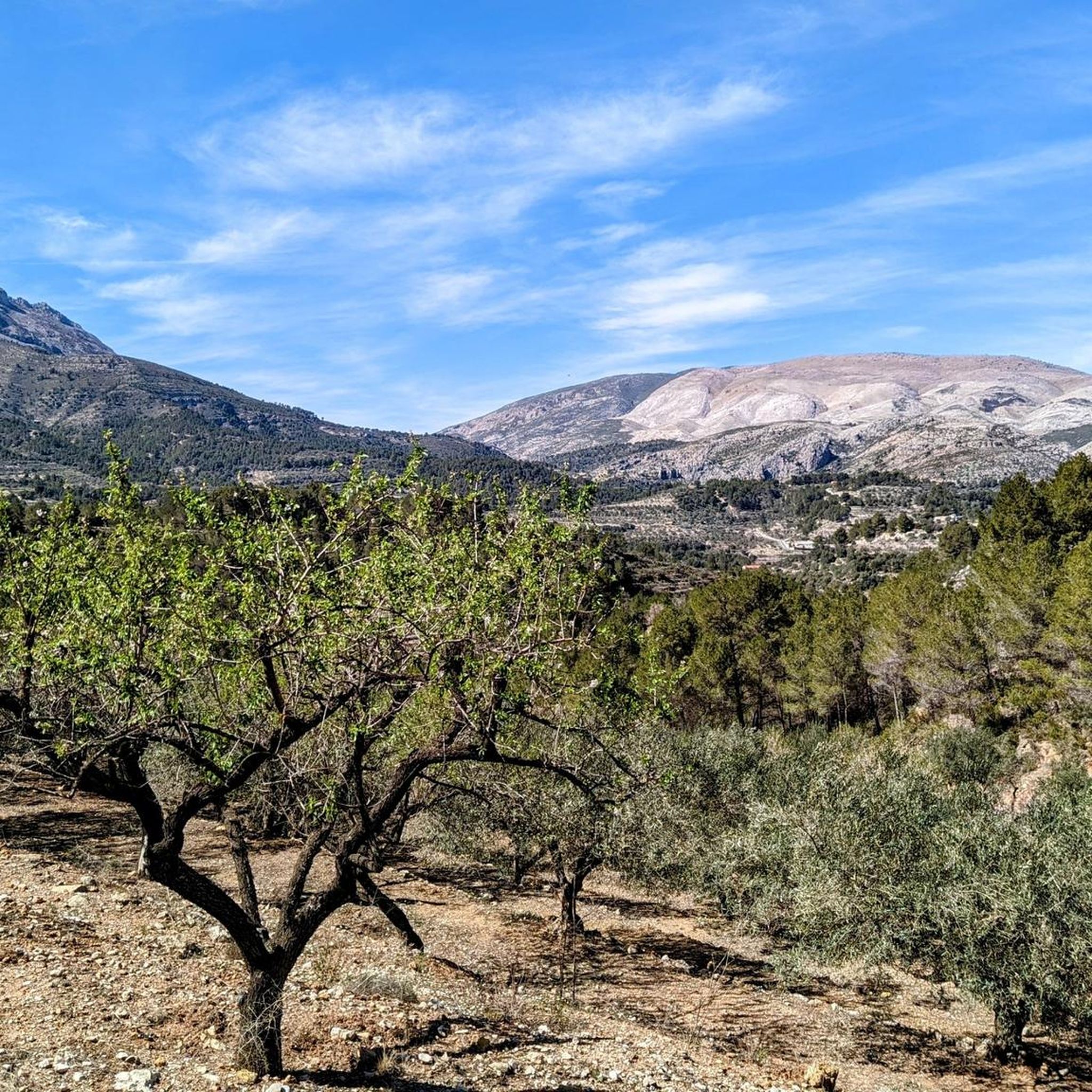
MTB Trails around Castell De Castells
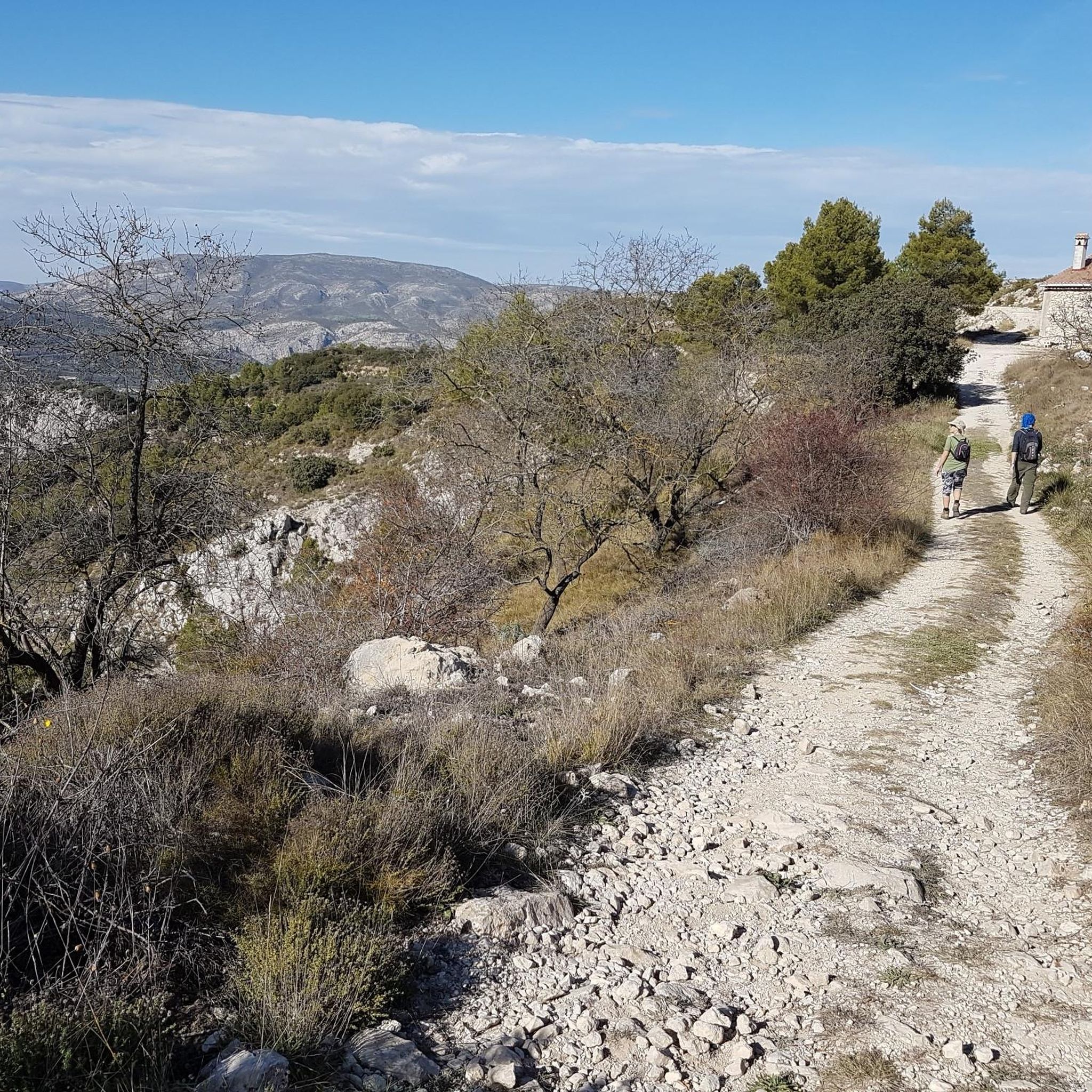
Running Trails around Castell De Castells
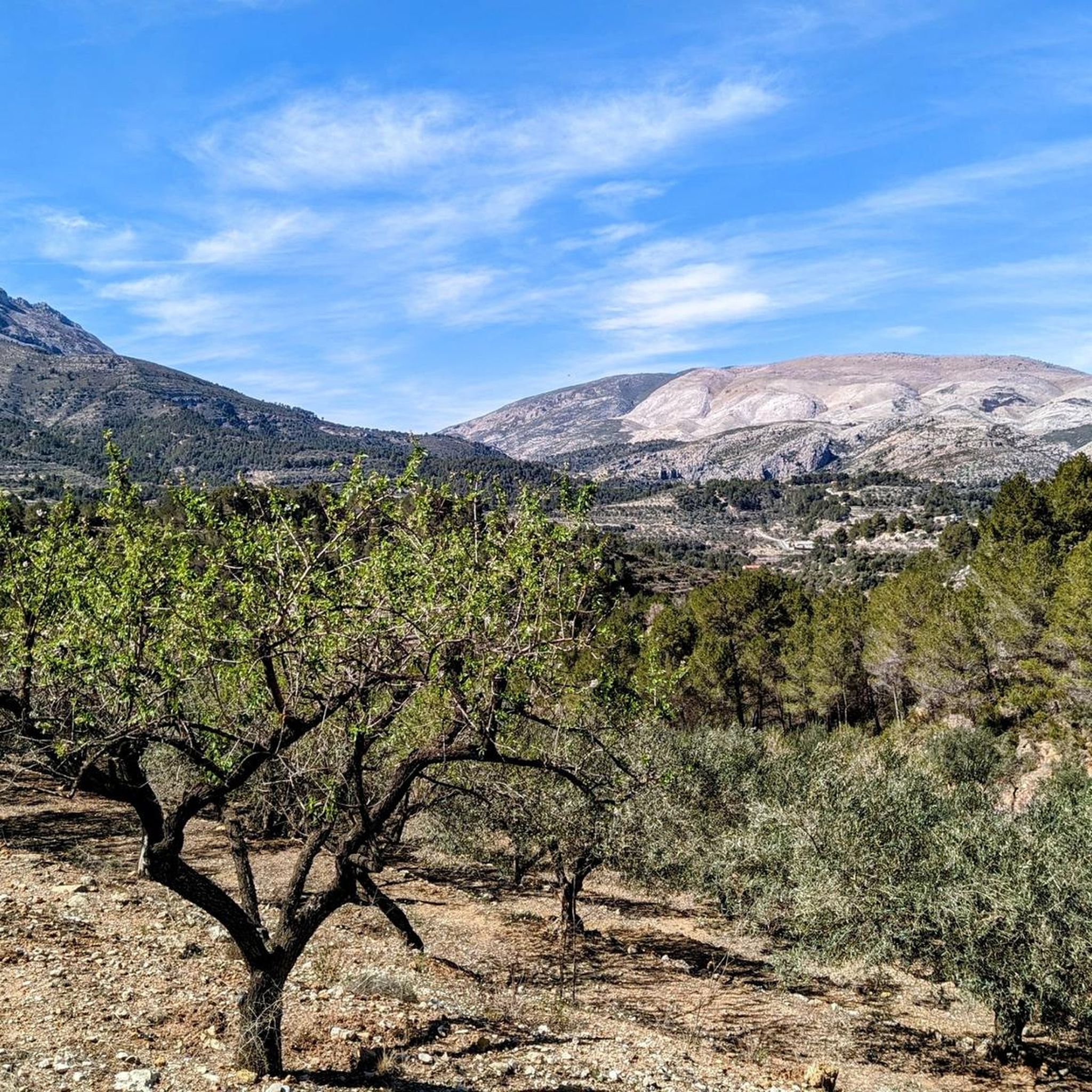
Cycling around Castell De Castells

Gravel biking around Castell De Castells
Mountain Hikes around Castell De Castells
Other adventures around Castell De Castells


Tips from the Community

Great little hidden ascent which feels like it it inside the cliff face. Annoyingly difficult approach path but once you get to the ascent proper the magic begins. NOTE - this is a SAC T4 section of path - nothing technical but still a challenge. I suggest you may like to take gloves for the chains and staples. Gloves are also useful in the tight area where you have to partially crawl through a semi cave. I had a head torch but it was not really necessary. Sticks were a pain and might be best stowed at the start of the ascent. An disposable overbag (I always use a heavy duty dustbin liner) for your rucksack where it is best dragged behind you might also be useful but not 100% necessary. There is one particularly narrow place "a fatmans squeeze" that might give you trouble if your a big person,
0
0

About halfway up the narrow road toward Petracos, there's a path leading to one of the Costa Blanca’s hidden gems: the prehistoric rock paintings of Les Coves de Pintures Rupestres de la Sarga de Petracos. These sacred cave sites are over 6,000 years old and are recognised as UNESCO World Heritage. The paintings are protected behind fences but still visible — abstract symbols, anthropomorphic figures, and mysterious shapes left by early Iberian cultures. It’s absolutely worth a stop for a moment of silence and awe — but be warned: the trail isn’t cycling-shoe friendly. You’ll either need cleat covers or the willingness to carry your bike over rocky steps for a short hike. 😅 A unique mix of nature, history, and quiet that most riders simply roll past.
2
0

The tour is great. The way to the cova (cave) spectacular. As was the path down. When it rains heavily, a waterfall shoots down the side of the hole in the rock.
3
2
The Höhenweg is a must. Good view of the Vall de Gallinera. Best for cherry blossoms.
0
0

Baix Refrigerator Old artificial refrigerator in the term of Alcalá de la Jovada, in the region of Marina Alta.
9
0

An old Moorish cave that is believed to have been used both as a refuge and as a defense against the withdrawal of the Moors from the area. Today you can visit and enter it with due caution.
1
0

A few meters before the Font Grossa there is a detour towards the bowels of the ravine. The fountain has a traditional sink and usually always has water. The path begins a series of hairpin hairpins and quickly loses height, it's like going down an escalator. The entrance into the environmental space of the Girona River is spectacular through the Forat de la Juvea, a natural hole conditioned to sneak the path through the mountain and access the interior of the valley. In the ravine on the right, a thirty-meter waterfall forms during the rainy season, it is one of the sports descents of ravines in the area.
2
1

Some history lesson in a cool place 😉
1
0
Frequently Asked Questions
What historical or archaeological sites can I visit among the caves?
The region is rich in history. You can visit Camino de Petracos – Remote Beauty & Ancient Rock Art, a UNESCO World Heritage site known for its prehistoric rock paintings, some over 6,000 years old. Another historical site is Cova Obrada del Moro, an old Moorish cave believed to have been used as a refuge. Additionally, the Nevera de Baix Ice House offers a glimpse into historical refrigeration techniques.
Are there any caves with unique natural formations?
Yes, Forat de la Juvea is a natural monument featuring a hole that allows a path through the mountain, and during the rainy season, a thirty-meter waterfall forms there. In the wider Alicante region, the Cova Tallada in Denia is a natural jewel at sea level, partly man-made, with a natural pool and impressive arches.
What is the difficulty level for exploring caves in this area?
Difficulty varies. Sites like Camino de Petracos are rated intermediate, involving some rocky steps. For a more challenging experience, El Badall Cave is a challenging climb with a T4 section, chains, and staples, requiring some crawling through narrow passages.
Are there family-friendly cave experiences around Castell de Castells?
The Camino de Petracos – Remote Beauty & Ancient Rock Art site is suitable for families. It features a circular route of just one kilometer with interpretive panels, making it an accessible way to experience ancient rock art and history.
What kind of rock art can be seen at Pla de Petracos?
At Pla de Petracos, which is part of the Camino de Petracos site, you can see examples of Macro-schematic Art, dating back over 7,000 years. The paintings include abstract symbols, anthropomorphic figures, and mysterious shapes left by early Iberian cultures. One cave notably features a wounded deer pierced by arrows.
What other outdoor activities can I do near the caves?
The area offers various outdoor activities. You can find numerous hiking routes around Castell De Castells, including trails like 'Els Arcs' or the 'La Venta del Collao Restaurant – Collado de Garga Viewpoint loop'. There are also options for cycling and running trails in the surrounding region.
What is the best time of year to visit the caves and surrounding area?
The best time to visit is generally during the spring and autumn months when the weather is milder and more pleasant for outdoor activities like hiking and exploring. Summers can be very hot, and some natural features like waterfalls (e.g., at Forat de la Juvea) are best seen during or after the rainy season.
Are there any caves that offer panoramic views?
Yes, Cova Obrada del Moro offers good views of the Vall de Gallinera. Additionally, the Forat de Bèrnia, an impressive natural tunnel in the Sierra de Bèrnia, provides panoramic views after passing through it.
How long should I allocate to explore the main cave sites?
For sites like Camino de Petracos – Remote Beauty & Ancient Rock Art, a circular route of about one kilometer allows for a thorough visit to the rock art sites, which can take 1-2 hours depending on your pace and interest. More challenging caves like El Badall Cave could require several hours for the ascent and exploration.
What makes the rock art at Pla de Petracos so significant?
The rock art at Pla de Petracos is considered exceptional due to its state of preservation and size, earning it the nickname 'Sistine Chapel of Neolithic art.' It provides a unique insight into the social and religious concerns of ancient peasant communities, depicting pleas for health, animal welfare, and good harvests, and is recognized as a UNESCO World Heritage Site.
Are there any caves in the wider Alicante region worth visiting?
Beyond Castell de Castells, the wider Alicante region features other notable caves. These include the Cova de les Calaveres (Cave of Skulls) in Benidoleig, a 400-meter-long cavern, and the Cova Tallada in Denia, a partly man-made cave at sea level with a natural pool.
Most popular routes around Castell De Castells
Most popular attractions around Castell De Castells

Get inspired with the komoot mobile app


Explore more
Extend your search for the best caves by checking out these guides of the top ones around Castell De Castells:
