The 11 Most Amazing Peaks around Gizaburuaga
Best mountain peaks around Gizaburuaga offer diverse outdoor experiences in the Basque Country region. This area features a mix of coastal proximity and mountainous terrain, providing various elevations and landscapes for exploration. Visitors can find both challenging mountain routes and more accessible trails, making it suitable for different skill levels. The region is characterized by its natural beauty, with several peaks offering panoramic views of the surrounding mountains and the Cantabrian Sea.
Best mountain peaks around Gizaburuaga
- The most popular…
Last updated: June 6, 2026
Gerrikaitz-Gontzagarigana climb
Highlight (Segment) • Climb
Translated by Google •
Tip by

Kalamendi Summit
Highlight • Summit
Showing Translation
Tip by

Sign up now to discover places like this
Get recommendations on the best single tracks, peaks, & plenty of other exciting outdoor places.
Sign up for free
Otoio Summit
Highlight • Summit
Tontorramendi Summit
Highlight • Summit
Translated by Google •
Tip by

Kalbario Mendia Summit
Highlight • Summit
Translated by Google •
Tip by

Sign up for free to discover even more peaks around Gizaburuaga.
Sign up for free
Already have an account?
Start today with a free account
Your next adventure awaits.
Login or Signup
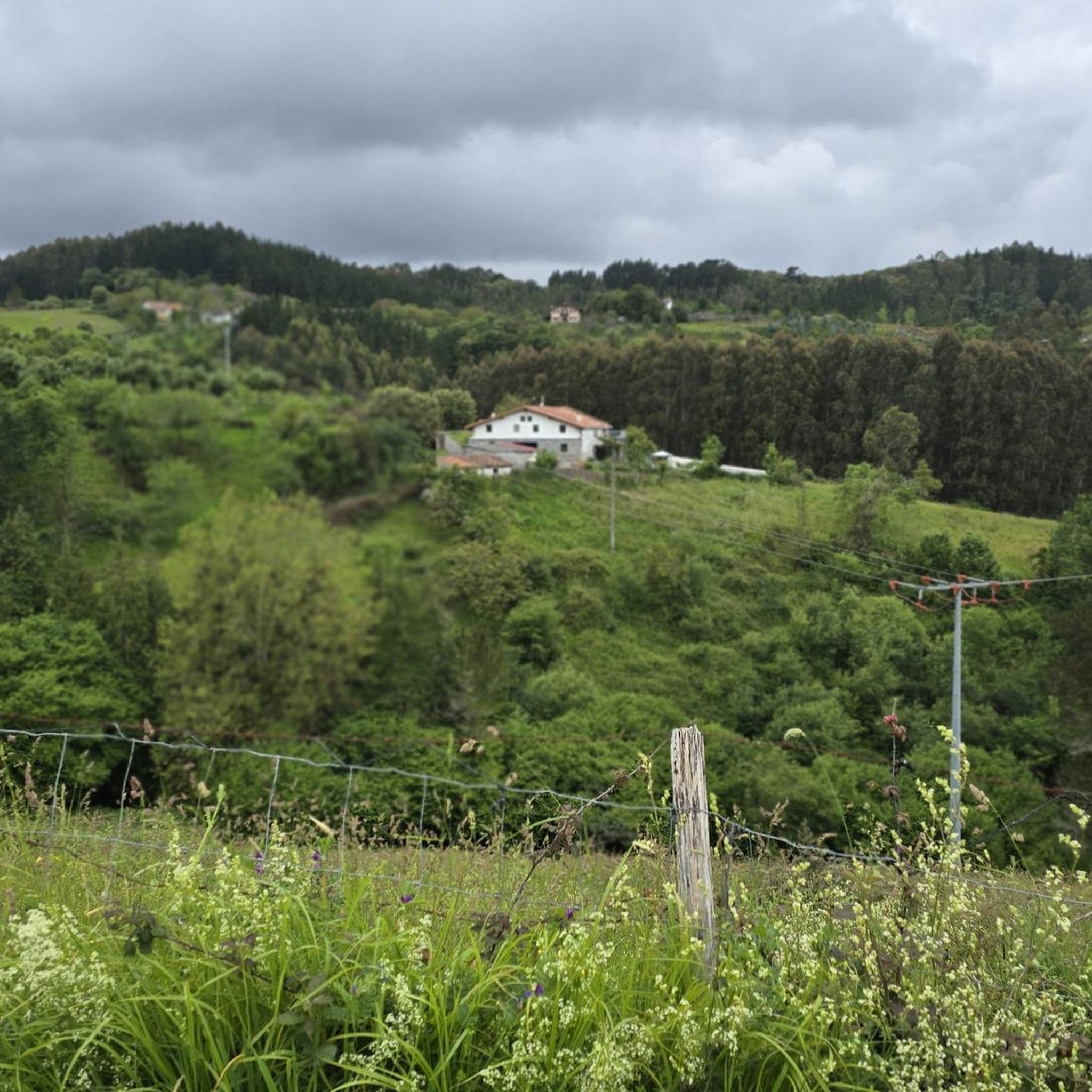
Tips from the Community

A must-have photo upon reaching the summit...
0
0

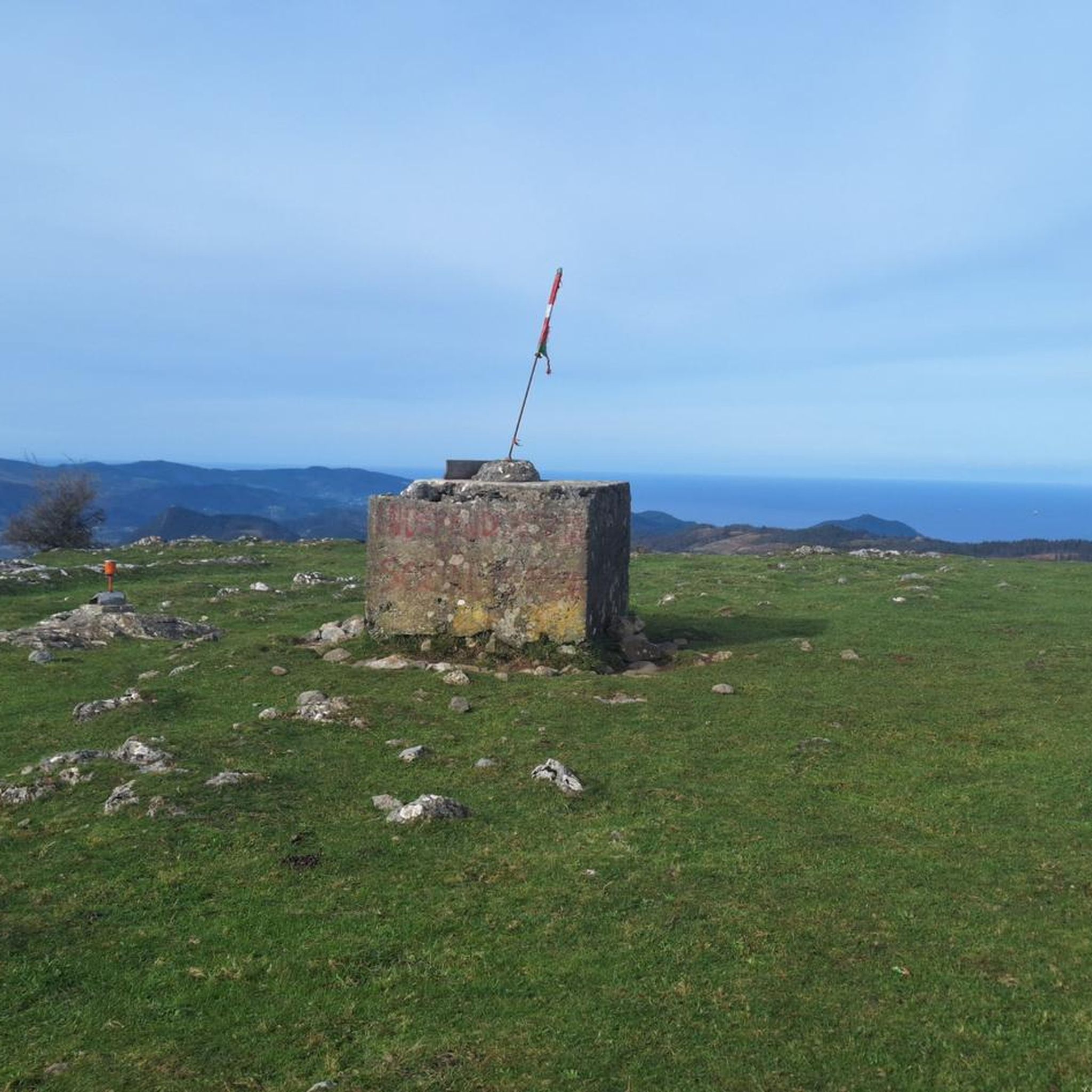
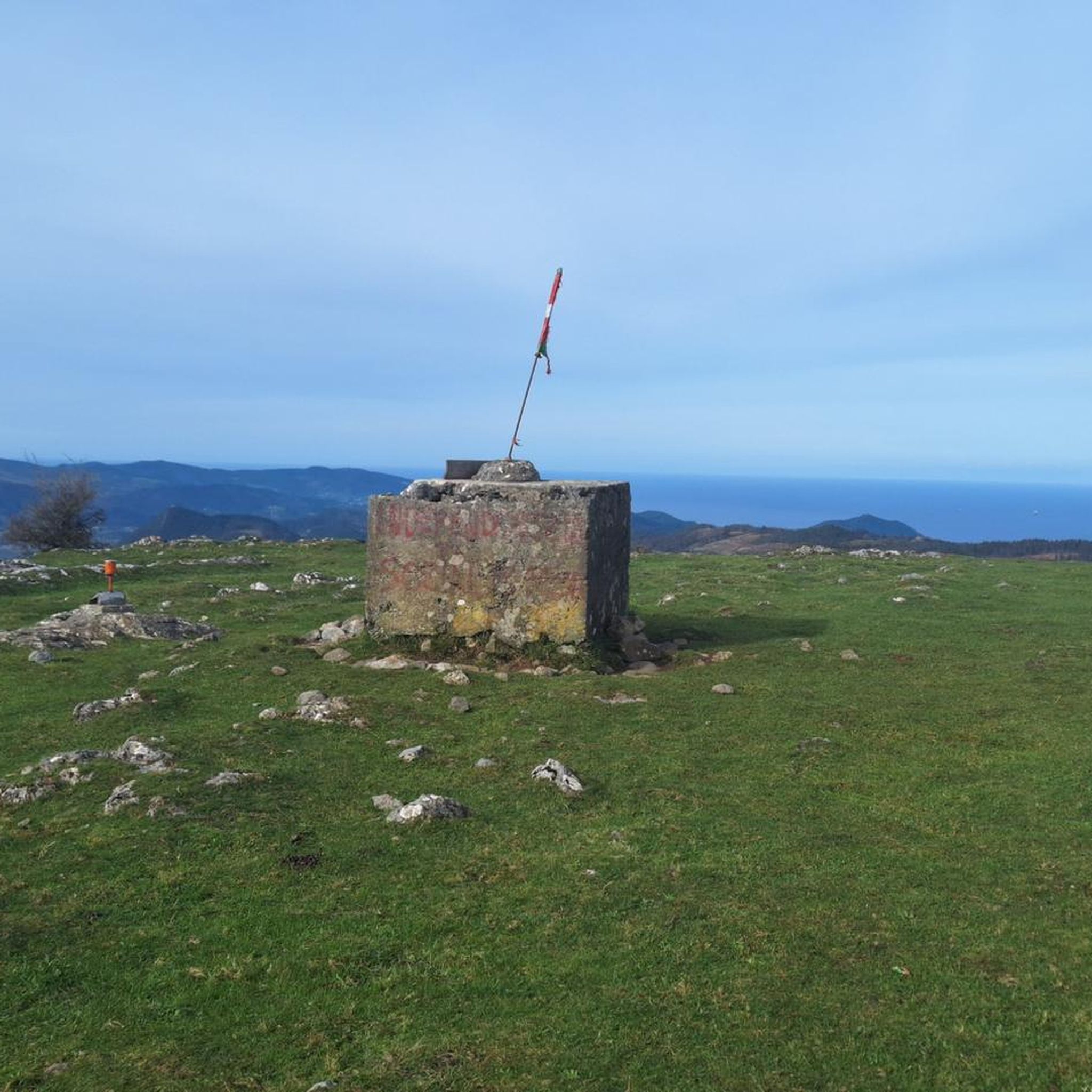
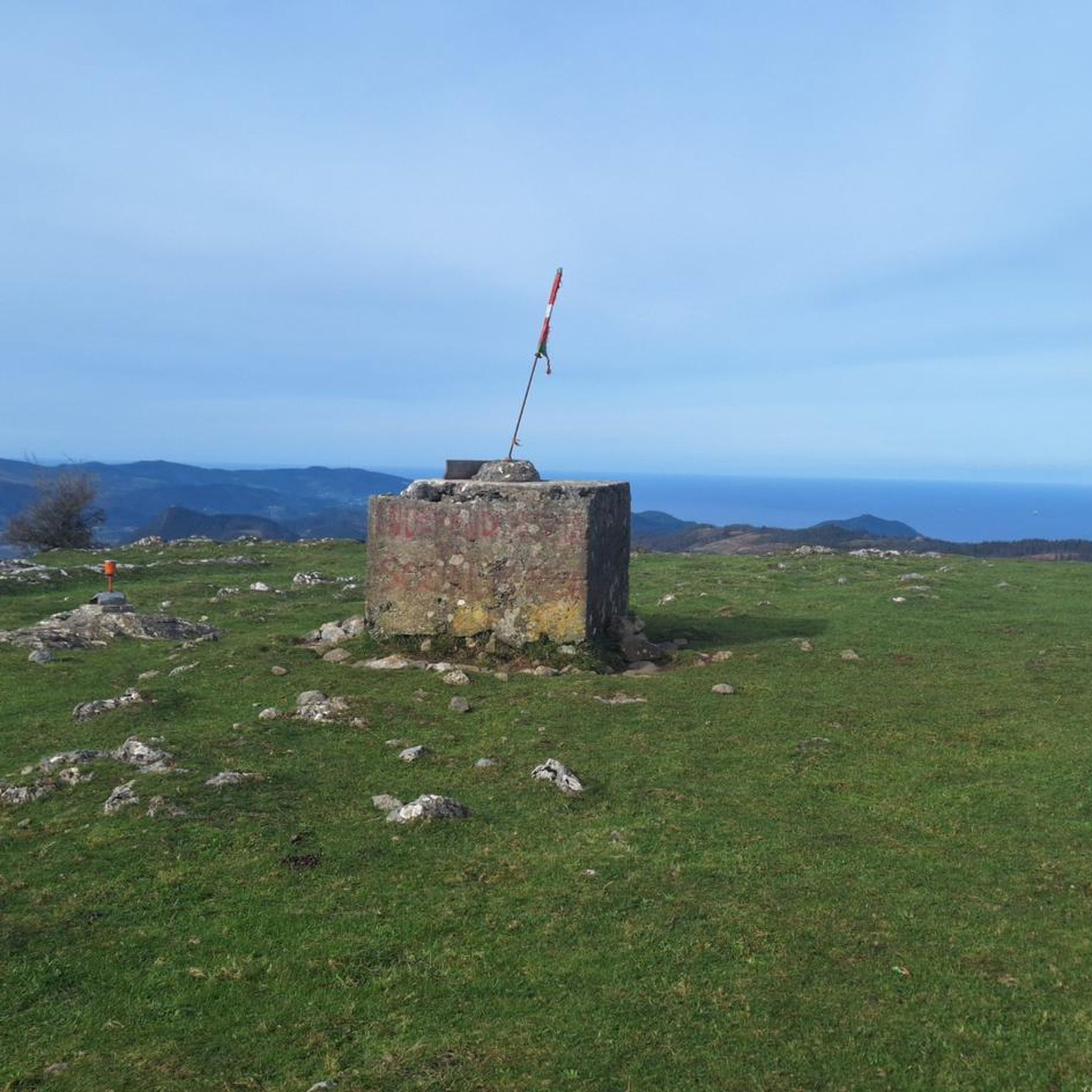
Modest summit of 315 meters of altitude with a small mailbox from which you can see the surrounding mountains and even the sea, due to its proximity to the coast. At the top there is a geodesic vertex.
0
1
This 386 meter high summit is located in the Arno massif, above the town of Ondarroa. This is a good point from which to observe the Cantabrian Sea and some of the peaks that surround you.
0
0

Gontzagarigana from Gerrikaitz is an ascent in the Basque Country region. It is 2.7 kilometers long and covers 174 vertical meters with an average gradient of 6.4%. This climb scores 118 climbing points. The top of the climb is 365 meters high. https://climbfinder.com/en/climbs/gontzagarigana-gerrikaitz
2
0

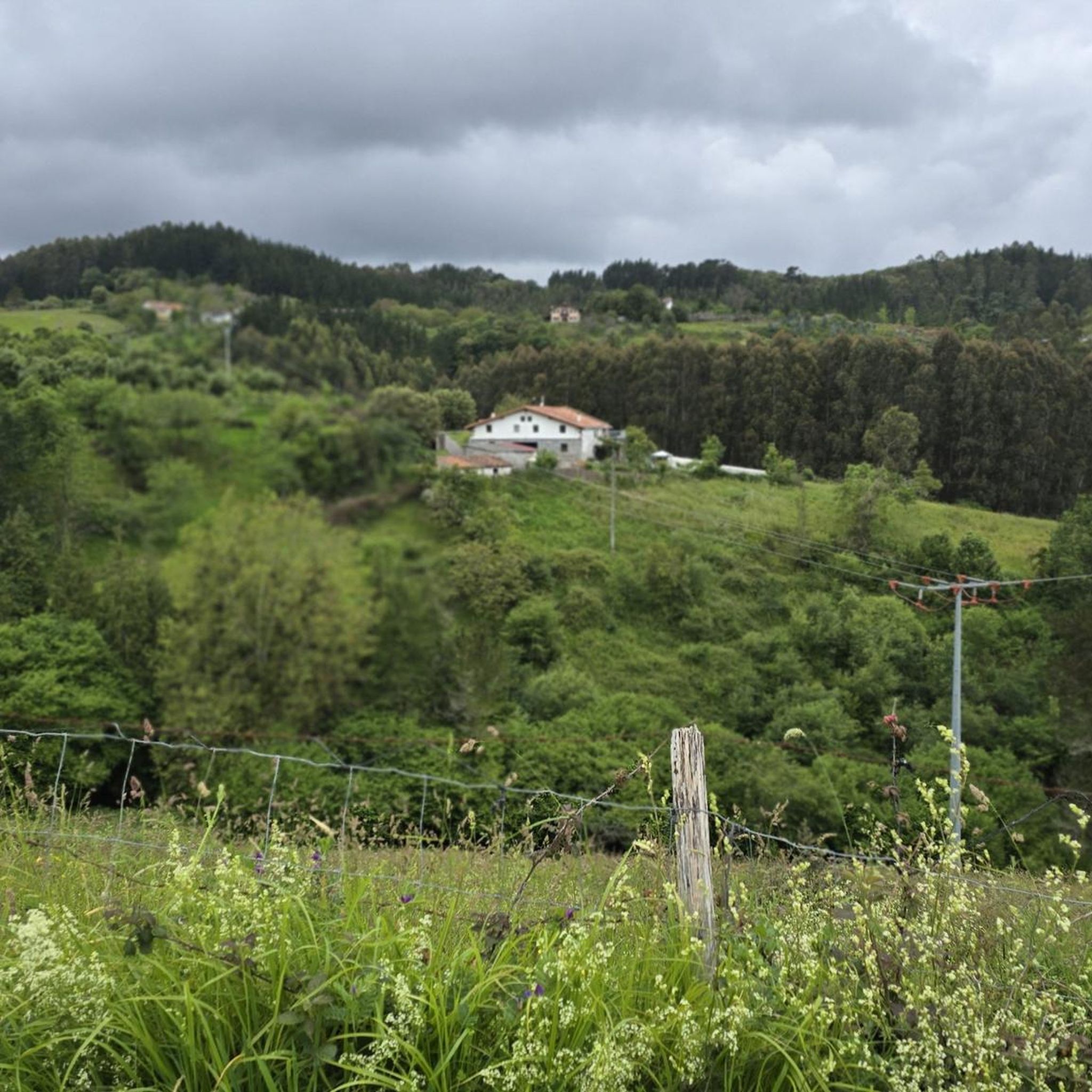
Kalbario Mendia is a small peak 253 meters high. The summit is marked with a cross and from here you have beautiful views of the mountains and forests of the Urdaibai biosphere reserve.
0
0
Frequently Asked Questions
Which mountain peaks offer the best views around Gizaburuaga?
For panoramic views, Kalamendi Summit is an excellent choice, offering vistas of the surrounding mountains and the Cantabrian Sea from its 315-meter altitude. Another great spot is Tontorramendi Summit, located in the Arno massif, which provides clear views of the Cantabrian Sea and nearby peaks. While Otoio Summit itself is tree-covered, the path leading up offers scenic views, and there's a dedicated viewpoint further north.
Are there challenging mountain routes around Gizaburuaga?
Yes, for those seeking a challenge, the Ascent to Mount Oiz from Gerrikaitz is particularly demanding. This route covers 8.5 kilometers with an impressive 834 meters of elevation gain, featuring slopes that can exceed 21%. The effort is well rewarded with stunning views from the summit.
What is the best time of year to hike the mountains around Gizaburuaga?
The best time to hike the mountains around Gizaburuaga is typically during spring (April to June) and autumn (September to October). During these seasons, the weather is generally mild and pleasant, with less rainfall and comfortable temperatures for outdoor activities. Summer can be warm, especially at lower elevations, while winter can bring cooler temperatures and more rain, though snow is less common at these altitudes.
Are there family-friendly mountain hikes around Gizaburuaga?
While specific 'family-friendly' categorizations aren't detailed for all peaks, many of the intermediate trails, especially those leading to summits like Kalamendi Summit, can be suitable for families with some hiking experience. These paths often offer manageable gradients and rewarding views without extreme difficulty. Always check the specific trail conditions and elevation profiles to ensure they match your family's capabilities.
What outdoor activities can I do near these mountain peaks?
Beyond hiking to the peaks, the Gizaburuaga region offers a variety of outdoor activities. You can explore numerous cycling routes, including those for touring bicycles and gravel biking. For mountain biking enthusiasts, there are dedicated MTB Trails around Gizaburuaga. Additionally, there are options for Cycling around Gizaburuaga and Gravel biking around Gizaburuaga, providing diverse ways to experience the landscape.
Are the mountain trails around Gizaburuaga dog-friendly?
Generally, many trails in the Basque Country, including those around Gizaburuaga, are dog-friendly, especially if dogs are kept on a leash. It's always advisable to ensure your dog is well-behaved and to carry waste bags. Specific restrictions might apply in certain protected natural areas, so it's good practice to check local signage or park regulations if you plan to visit a designated natural park.
What kind of wildlife can I expect to see in the Gizaburuaga mountains?
The mountains around Gizaburuaga, being part of the Basque Country's diverse ecosystem, are home to various wildlife. You might spot birds of prey soaring overhead, such as buzzards or even eagles. Smaller mammals like wild boar, foxes, and various rodents inhabit the forests and scrublands. Keep an eye out for local reptile and amphibian species, especially near water sources. Respecting their natural habitat and maintaining a quiet presence increases your chances of an encounter.
Are there options for beginner mountain climbing around Gizaburuaga?
While the region features notable climbs like Gerrikaitz-Gontzagarigana climb, which is an intermediate ascent, these are typically for experienced cyclists or hikers rather than technical rock climbing for beginners. For those new to mountain activities, focusing on the less steep hiking trails to summits like Kalamendi Summit would be a more suitable introduction to the mountain environment.
How long do mountain hikes around Gizaburuaga typically take?
The duration of mountain hikes around Gizaburuaga varies greatly depending on the specific peak and your pace. For instance, the Gerrikaitz-Gontzagarigana climb covers 2.7 kilometers with 174 vertical meters, which could take an hour or two for a fit hiker. Longer routes to higher summits or those incorporating multiple peaks will naturally require several hours. Always factor in time for breaks, enjoying views, and the return journey.
Are there cafes or facilities near the mountain trails in Gizaburuaga?
Gizaburuaga is a small municipality, and while the trails offer a natural escape, direct facilities like cafes or restrooms might not be immediately available at every trailhead. It's recommended to carry sufficient water and snacks. You'll find amenities in the main town of Gizaburuaga or nearby villages before or after your hike. Some popular starting points for trails might have small local establishments.
What should I wear for winter hiking in the Gizaburuaga mountains?
For winter hiking in the Gizaburuaga mountains, layering is key. Start with a moisture-wicking base layer, add an insulating mid-layer (fleece or down), and finish with a waterproof and windproof outer shell. Wear warm, waterproof hiking boots with good grip, and consider gaiters if snow or mud is expected. Don't forget a hat, gloves, and a scarf to protect against the cold and wind. Even if snow is not heavy, the coastal proximity can bring damp and chilly conditions.
Most popular attractions around Gizaburuaga

Get inspired with the komoot mobile app


Explore more
See even more amazing summits around Gizaburuaga with these guides:
